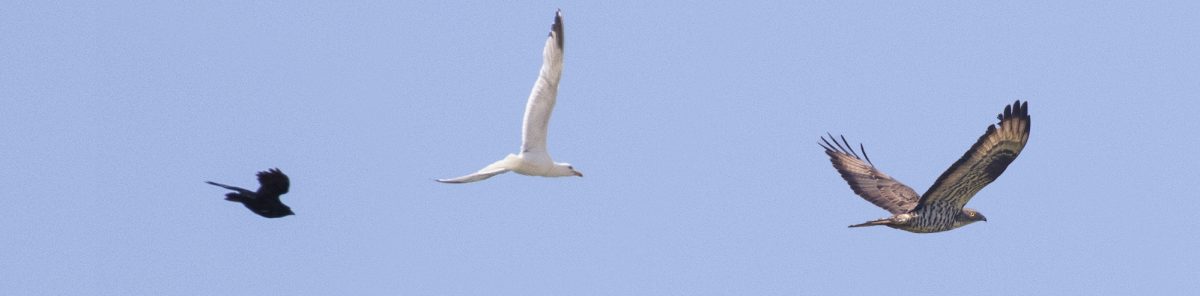
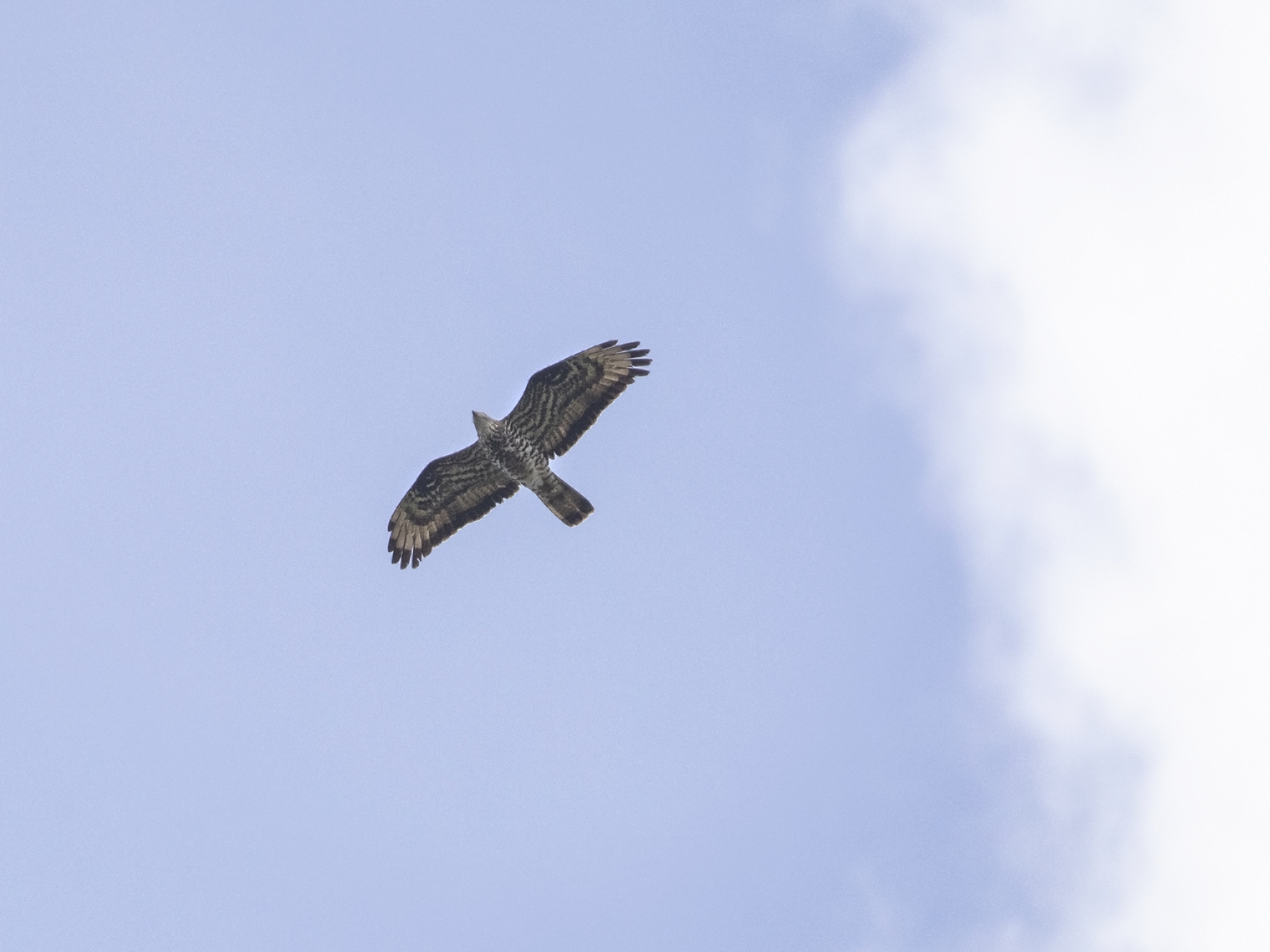
A light and warm SSW wind and a very clear morning – good weather for Honey Buzzards crossing the Channel. Most people, quite rightly, would associate HB arrival dates with May and early June. This is largely correct and the succesful breeders must arrive during this earlier part of the breeding season, However failed breeders and non breeding birds do continue to move around during the summer and Late june throughout july can be just as good for arrivals along these cliffs.
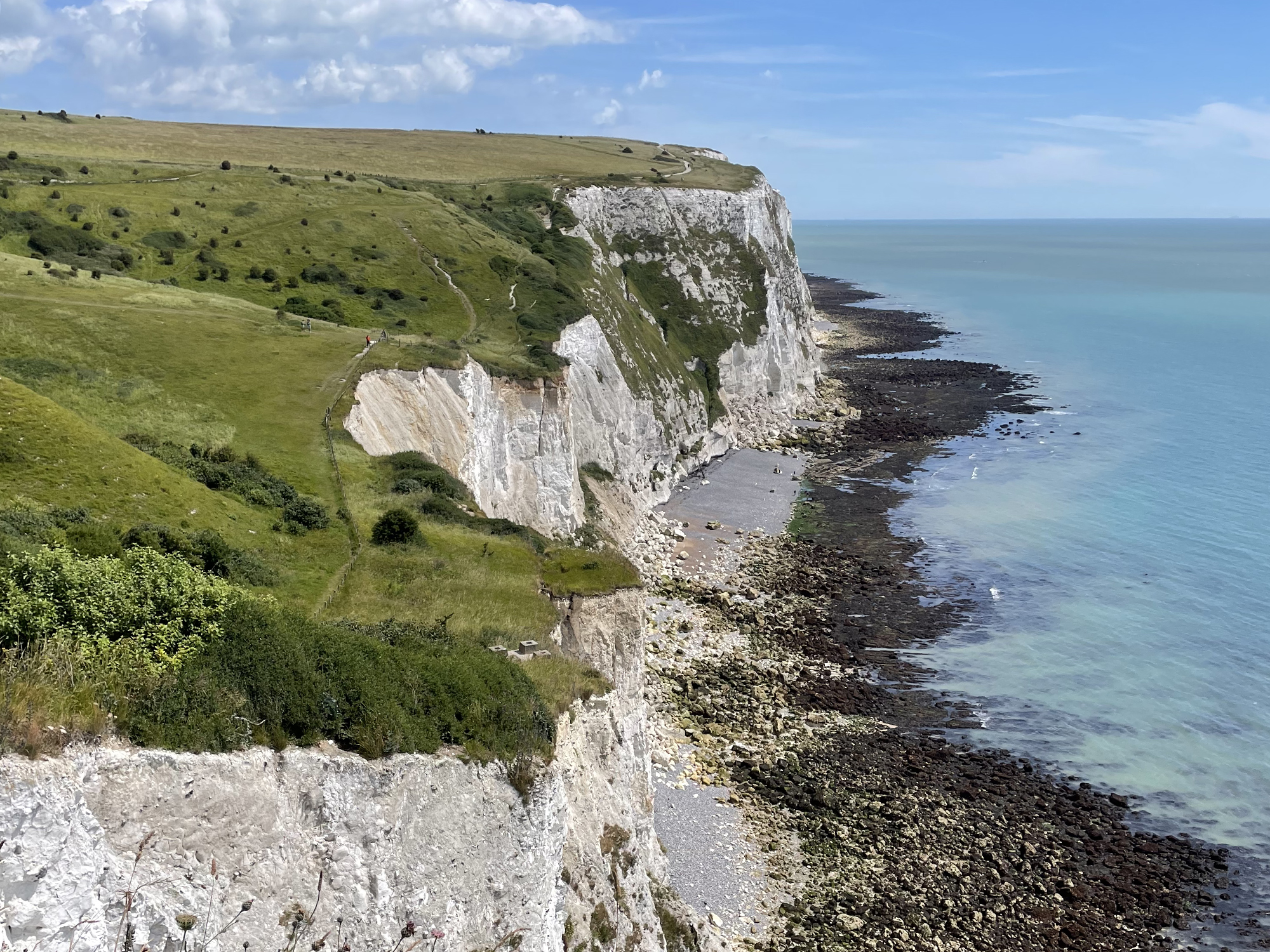
Not the first time I’ve seen 3 birds arriving ‘together’ or as in this case using the same line to arrive 5 minutes or so apart from each other, See here and here for other multiple arrival days.
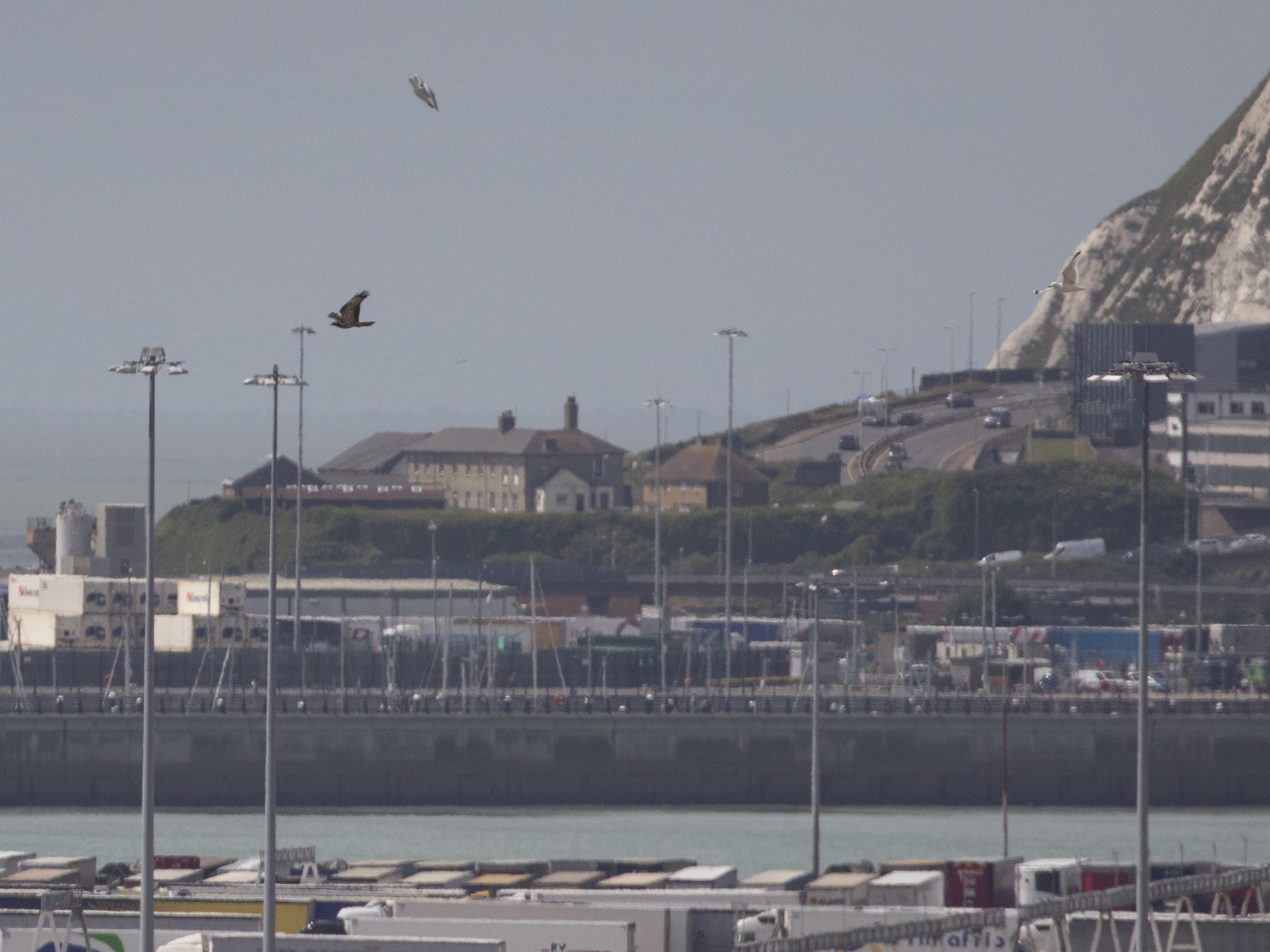
The first two birds were distant and there was considerable heat haze so I didn’t waste much time photographing them but both were great to watch. I picked up the first bird just after 11 am – a fairly standard time for HBs arriving off the sea here. Alerted by a few Herring Gull alarm calls – A fairly dark female, came in low over the cliff top at Langdon hole and flew directly West towards the radar station/Foxhill down.
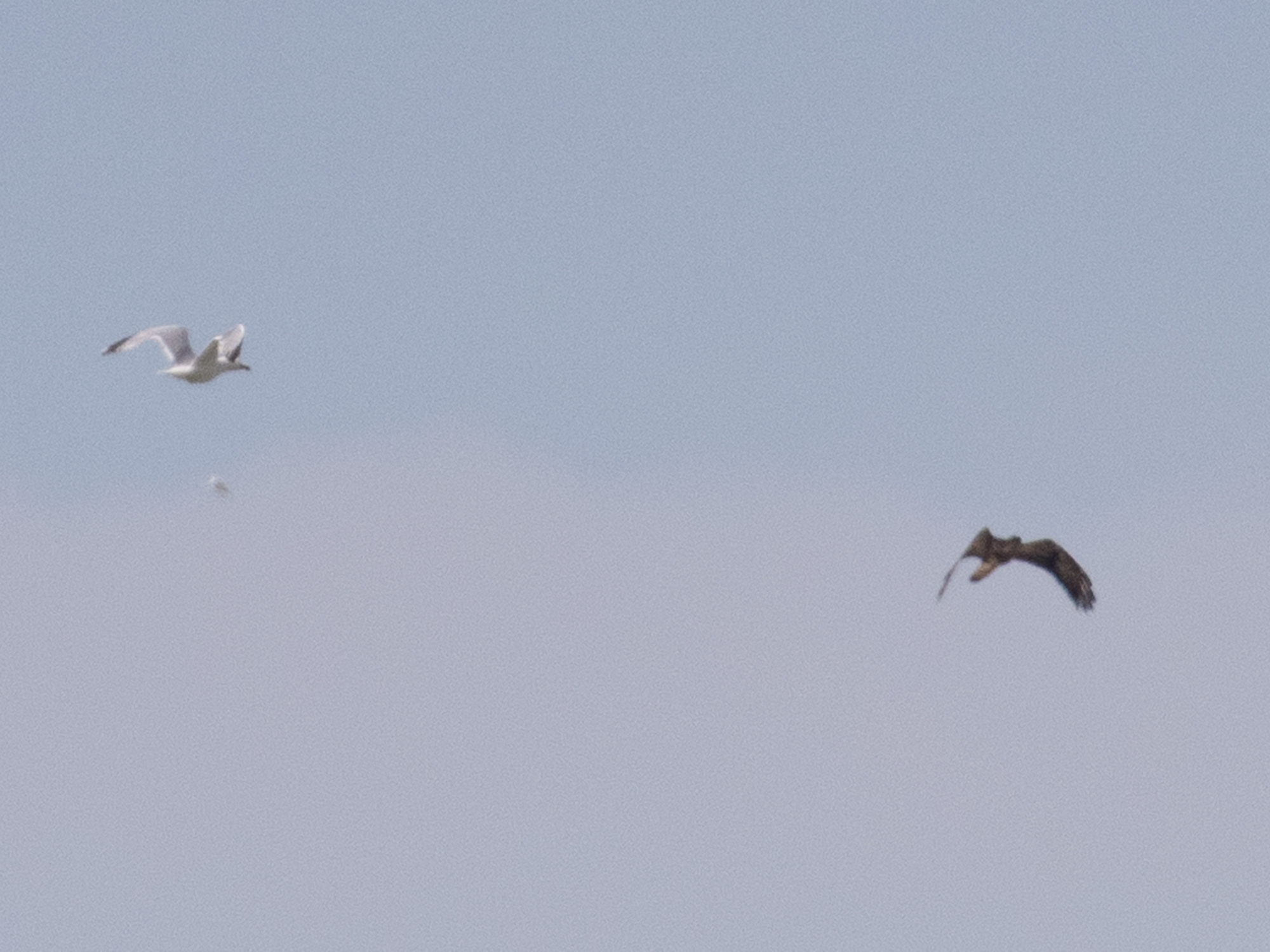

5 minutes later The gulls were calling again from below the cliff tops and soon enough the second bird which looked like a male was flying straight West over the water towards the harbour.
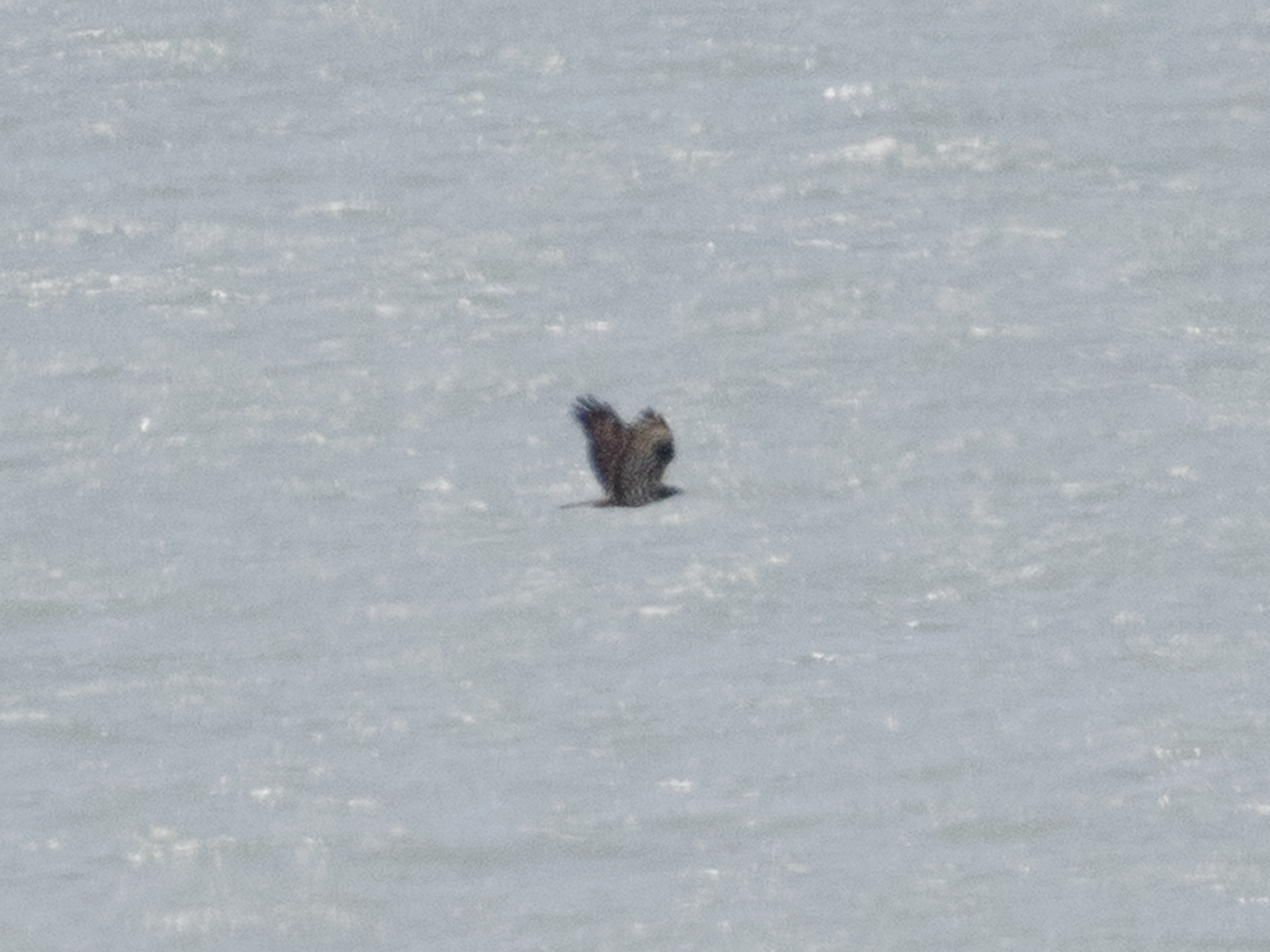
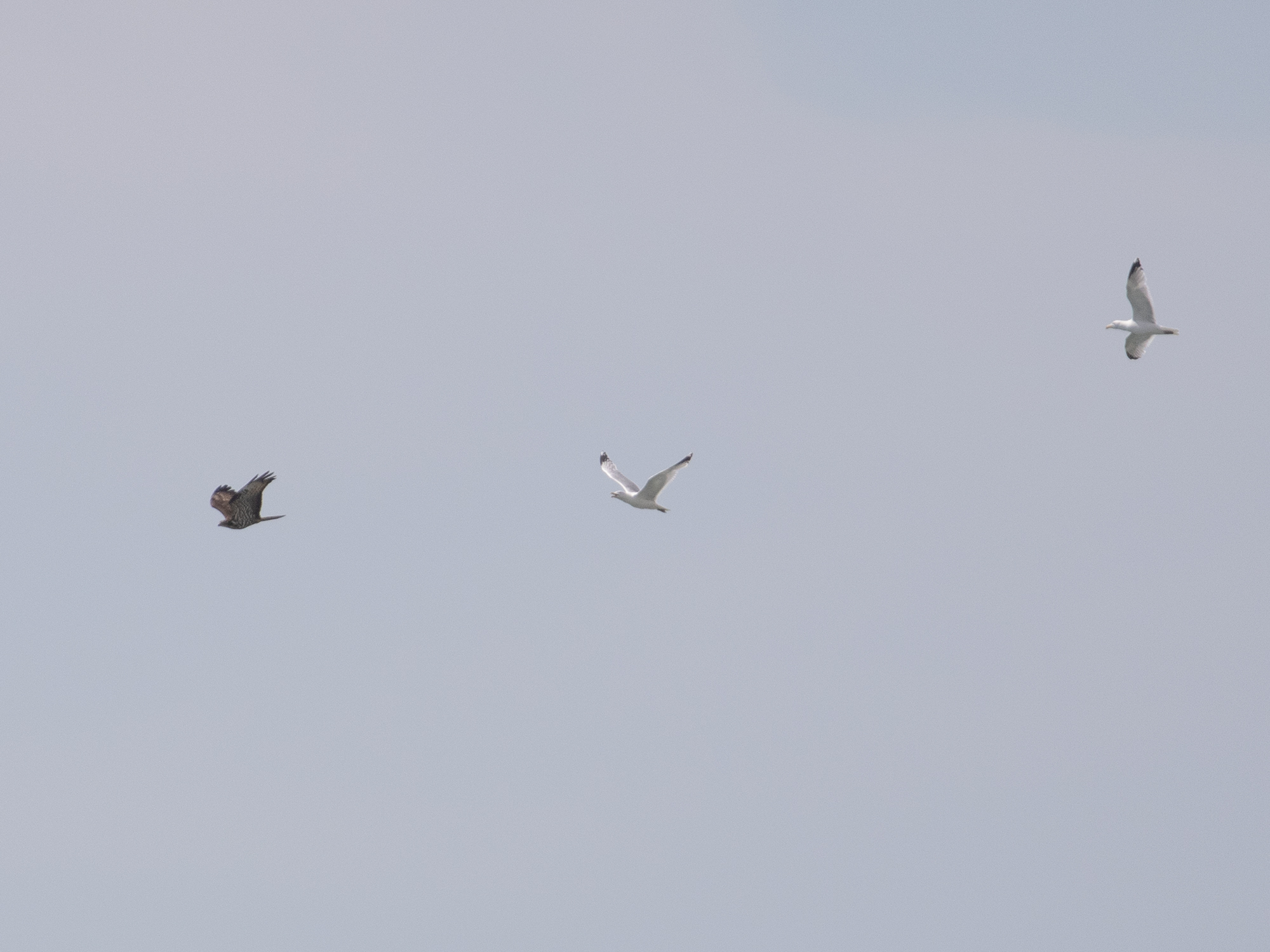
A similar story with this bird, it gained some height and continued, mobbed by one or two Herring Gulls.
I wondered if more birds might arrive following the similar line and legged it down to the western edge of Langdon Hole which would have been a fantastic watch point for the previous birds arrival.
Again the gulls gave their particular ‘raptor alarm call’ and I scanned over the water for the incoming bird, picked it up low down being harassed by gulls and a Peregrine which managed to knock it out of the sky and onto the rocks at the bottom of the cliffs. Disaster!? I could see it half perched ,half wrecked and not moving, after 10 mintues I decided to go down there and either rescue it or retrive the body. 2 thirds of the way down the Langdon ladder the bird (a female) thankfully appeared low over the rocks coming towards me. Incredible heart stopping fly-bys ensued as It flew west and then turned back and came over head, here are some photos to remember the event by.
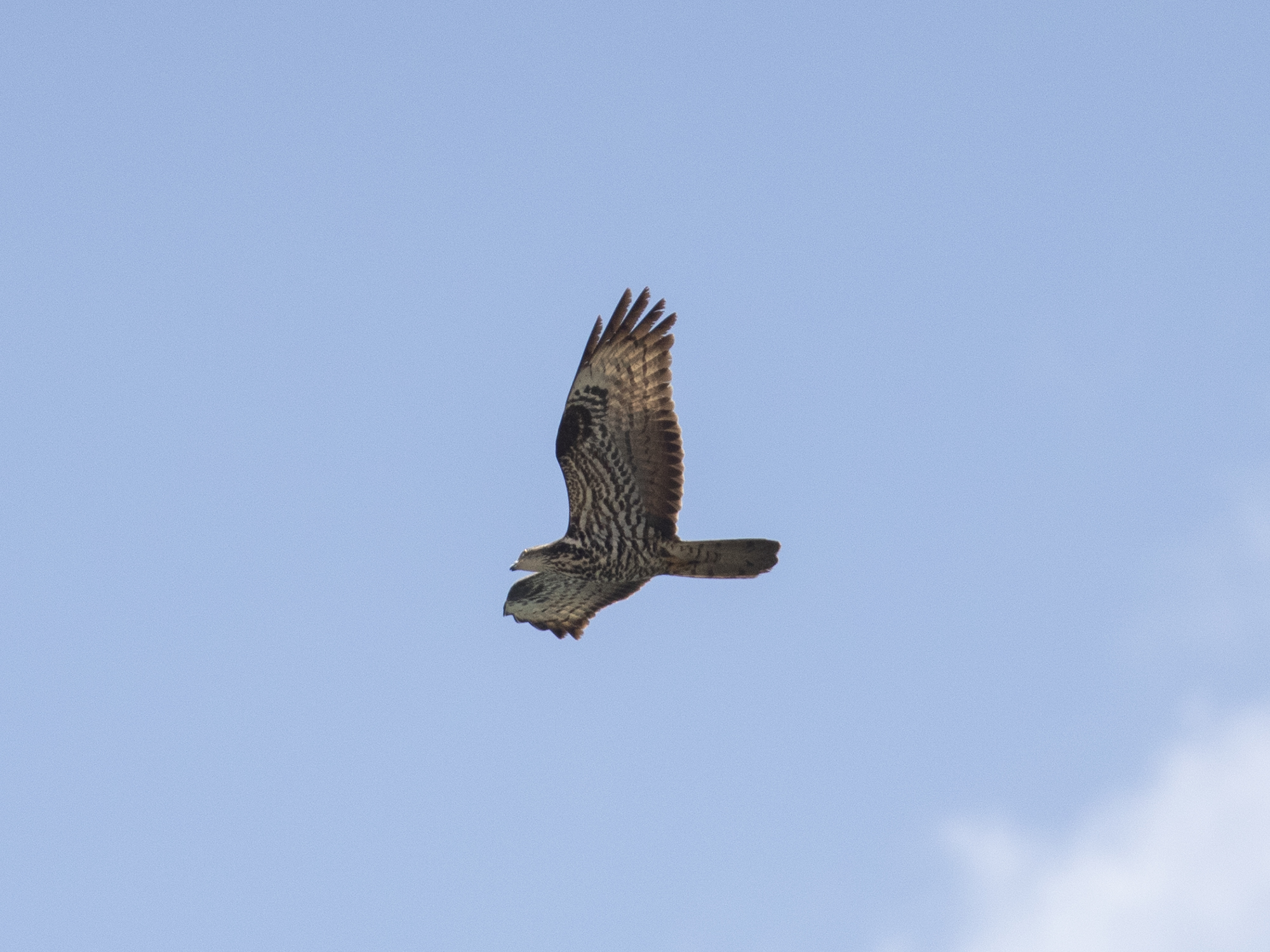
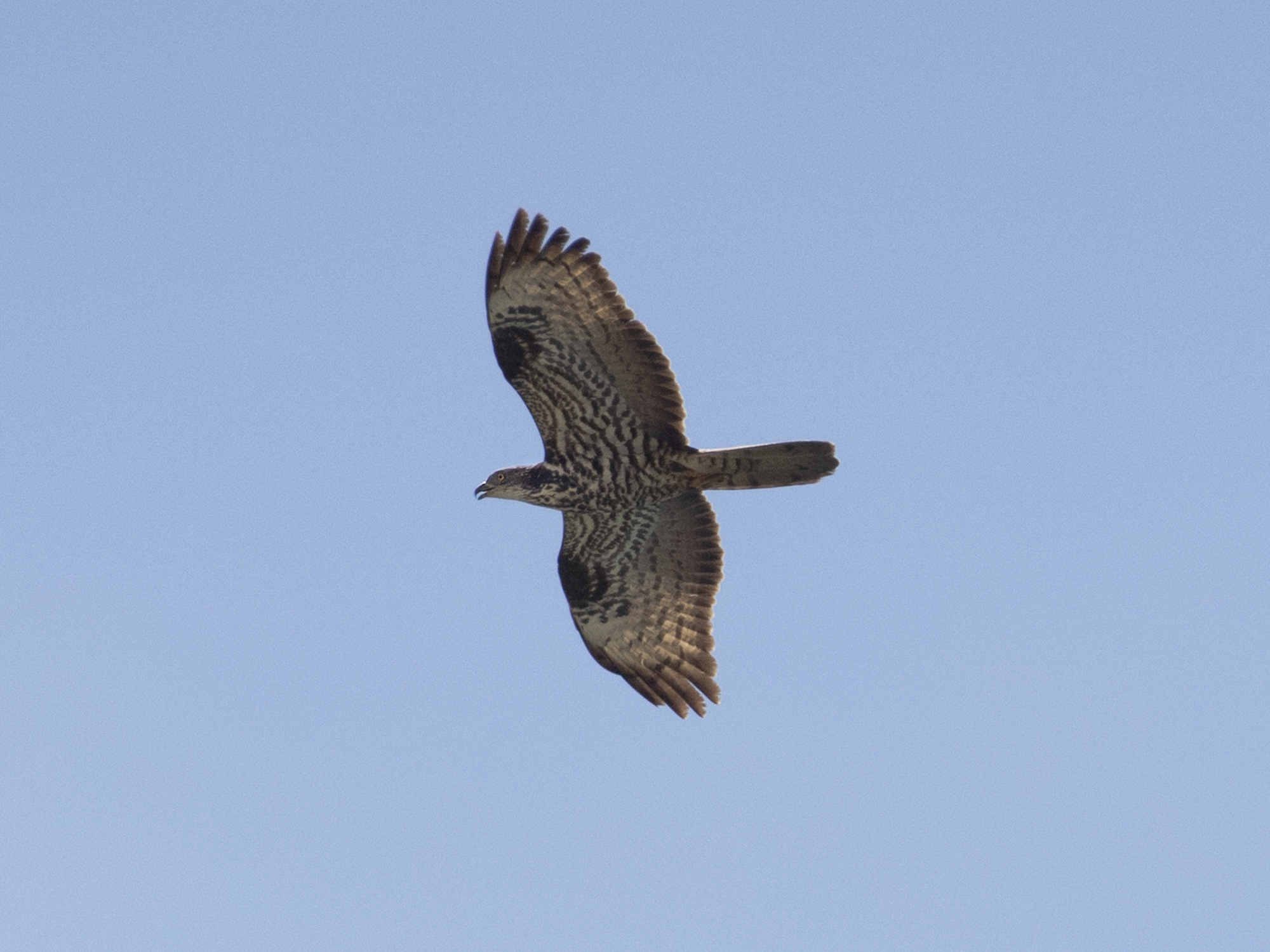
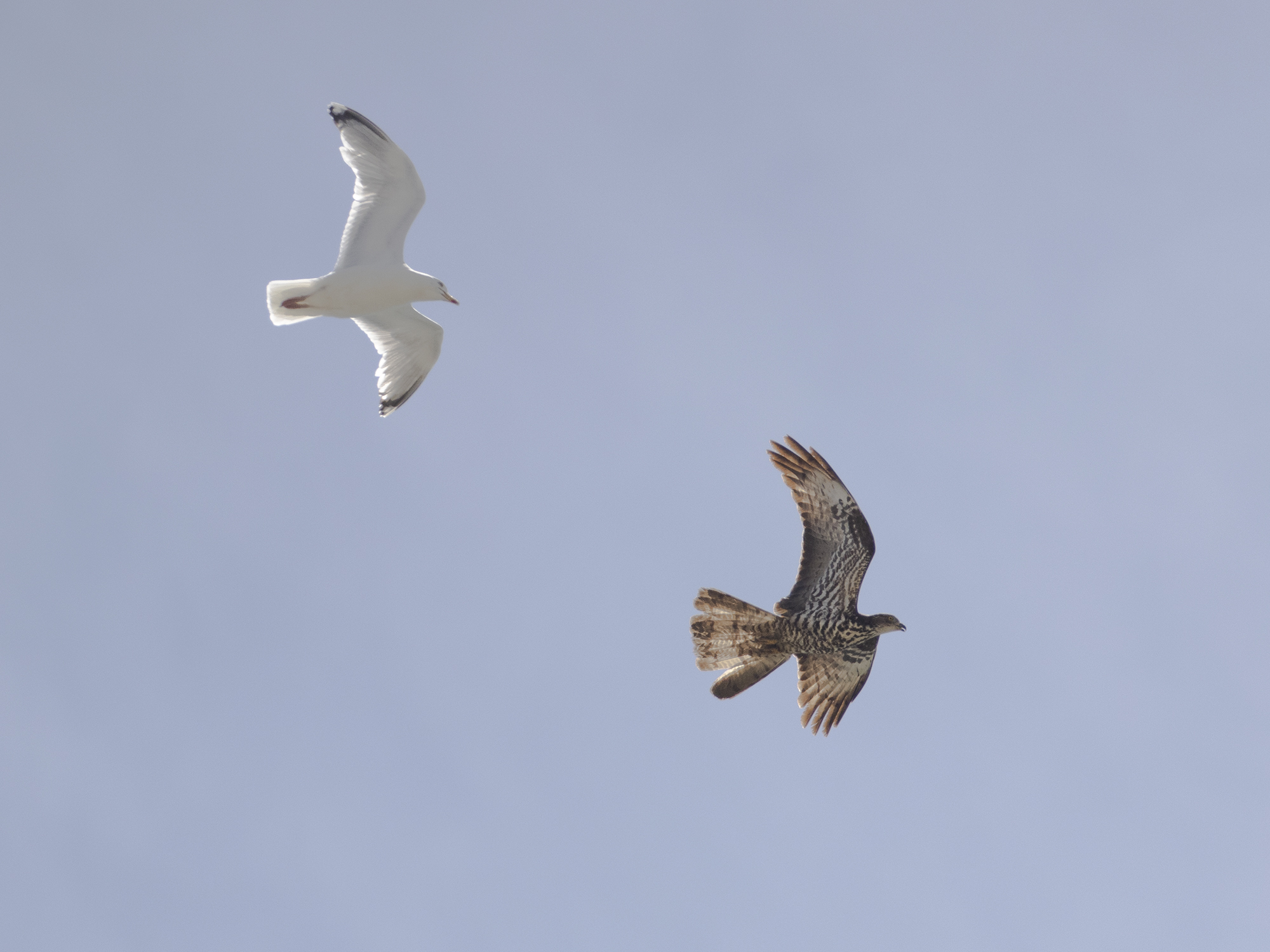

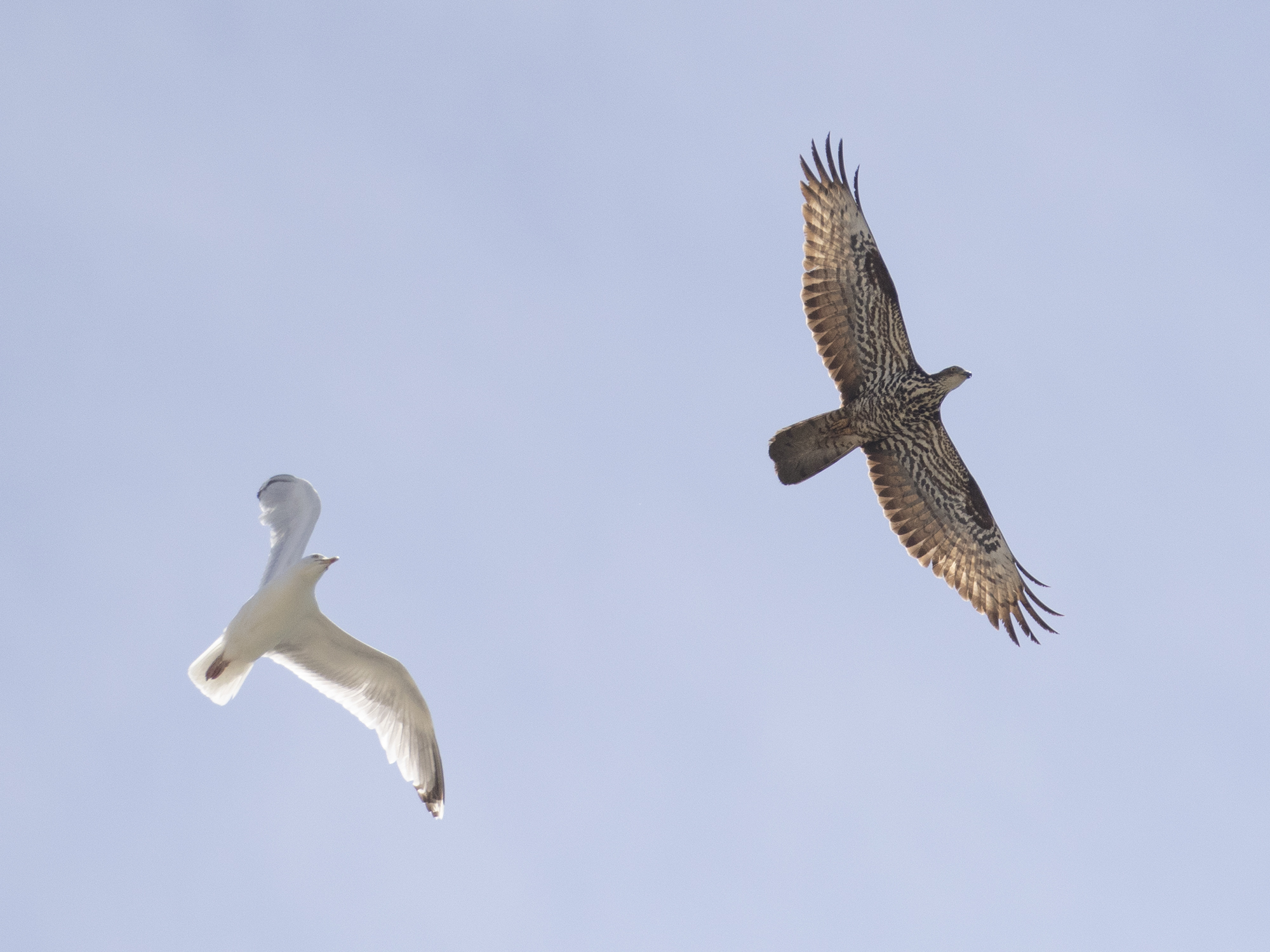
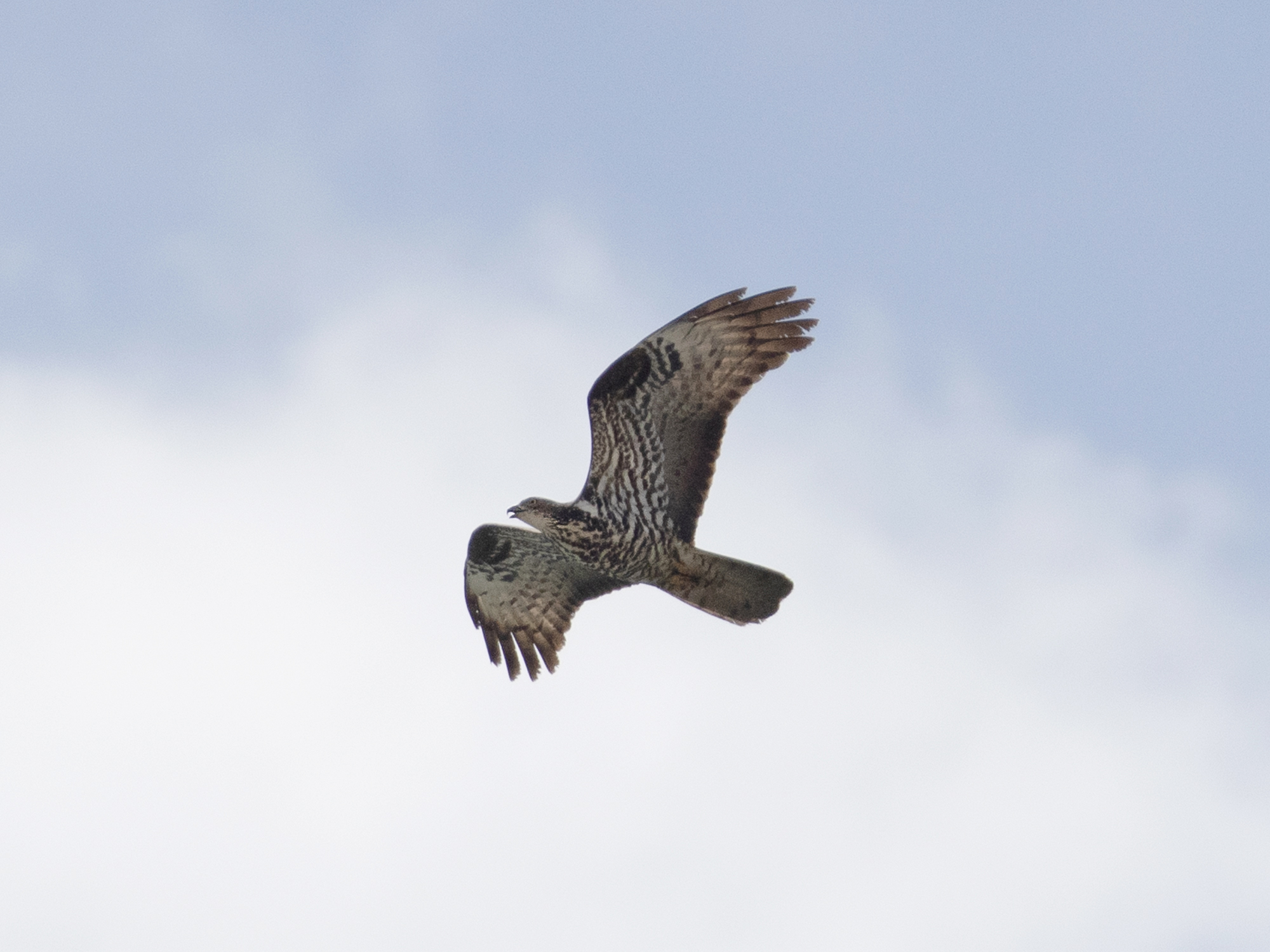
It got away, the peregrines here do really go for raptors during the summer, just last week they knocked a 2cy Common Buzzard out of the sky over the harbour, it dropped like a stone and was immeditaly ran over by a lorry, gnarly.
Sand martins, swifts a juvenile Yellow–legged gull (more on them soon i’d imagine) and a Yellow wagtail were the only other birds i noted during what was a very exciting day.

 PERDIX BIRDER