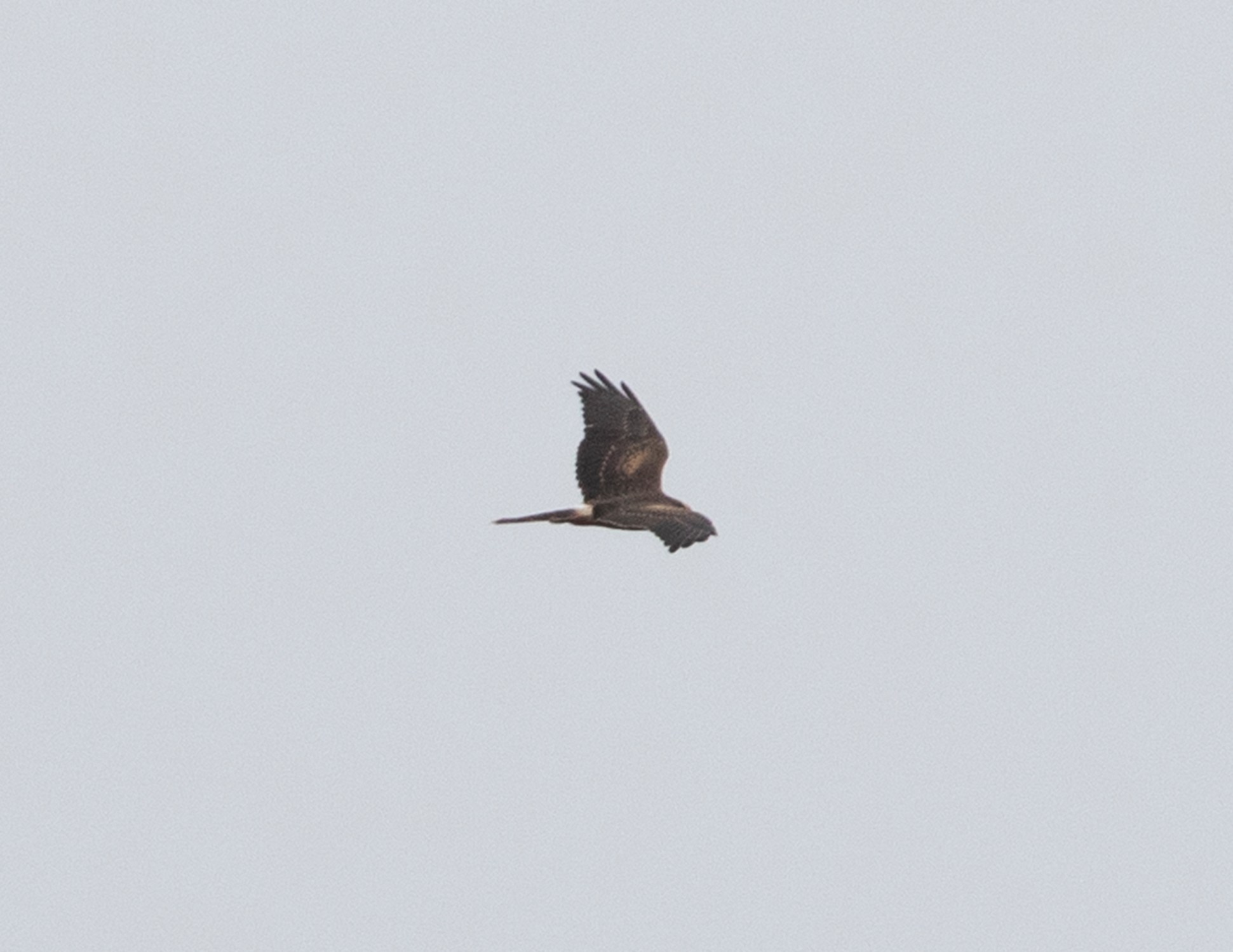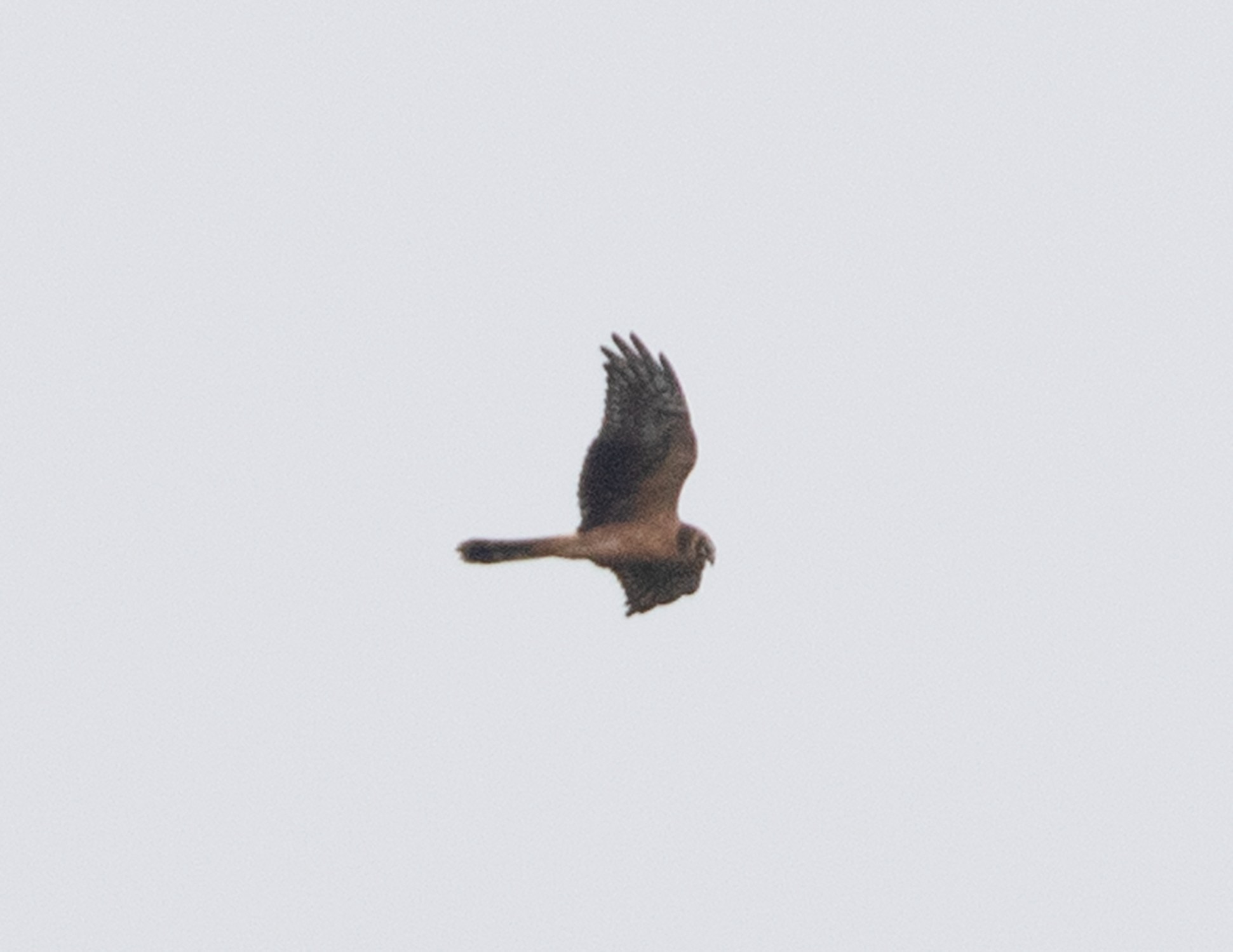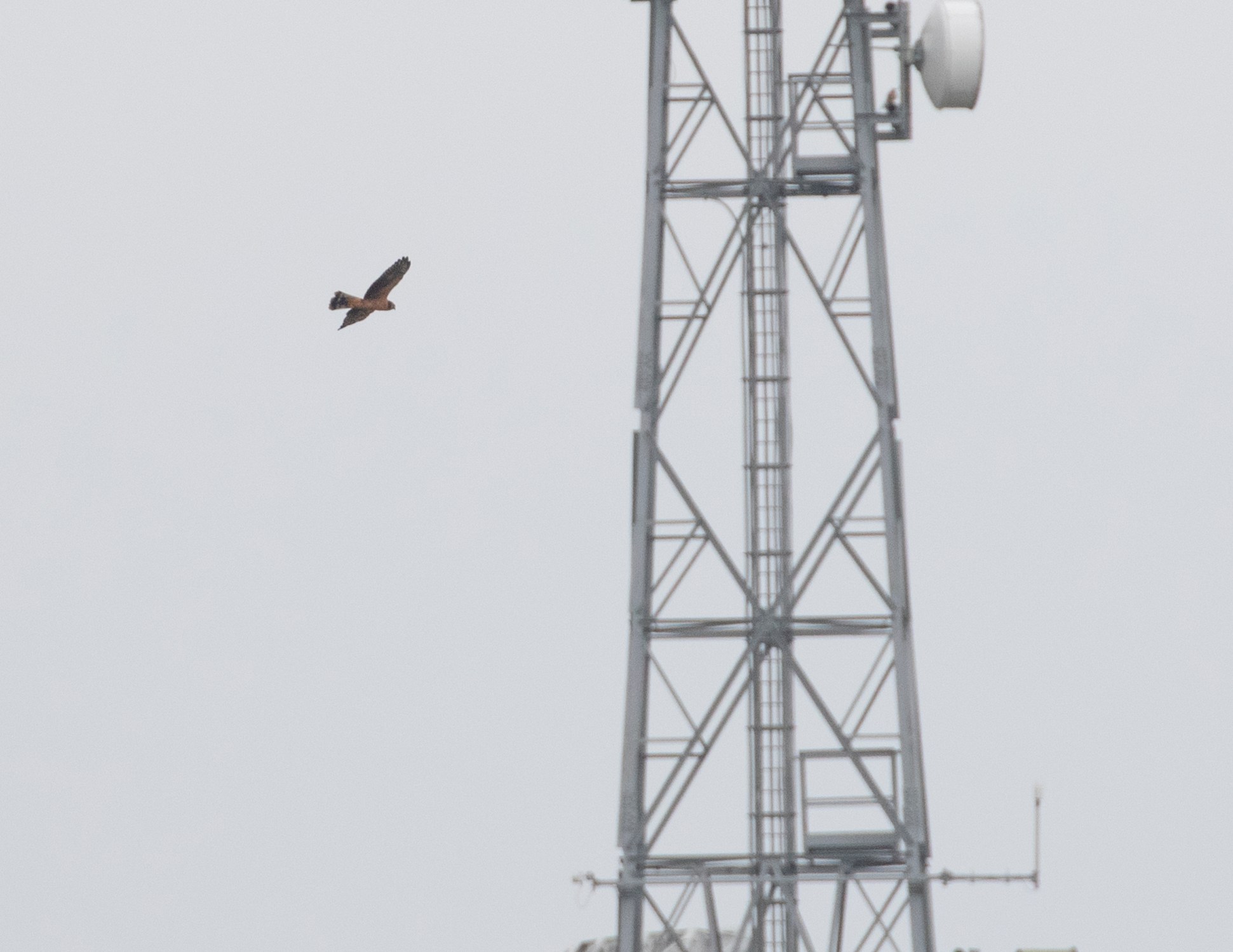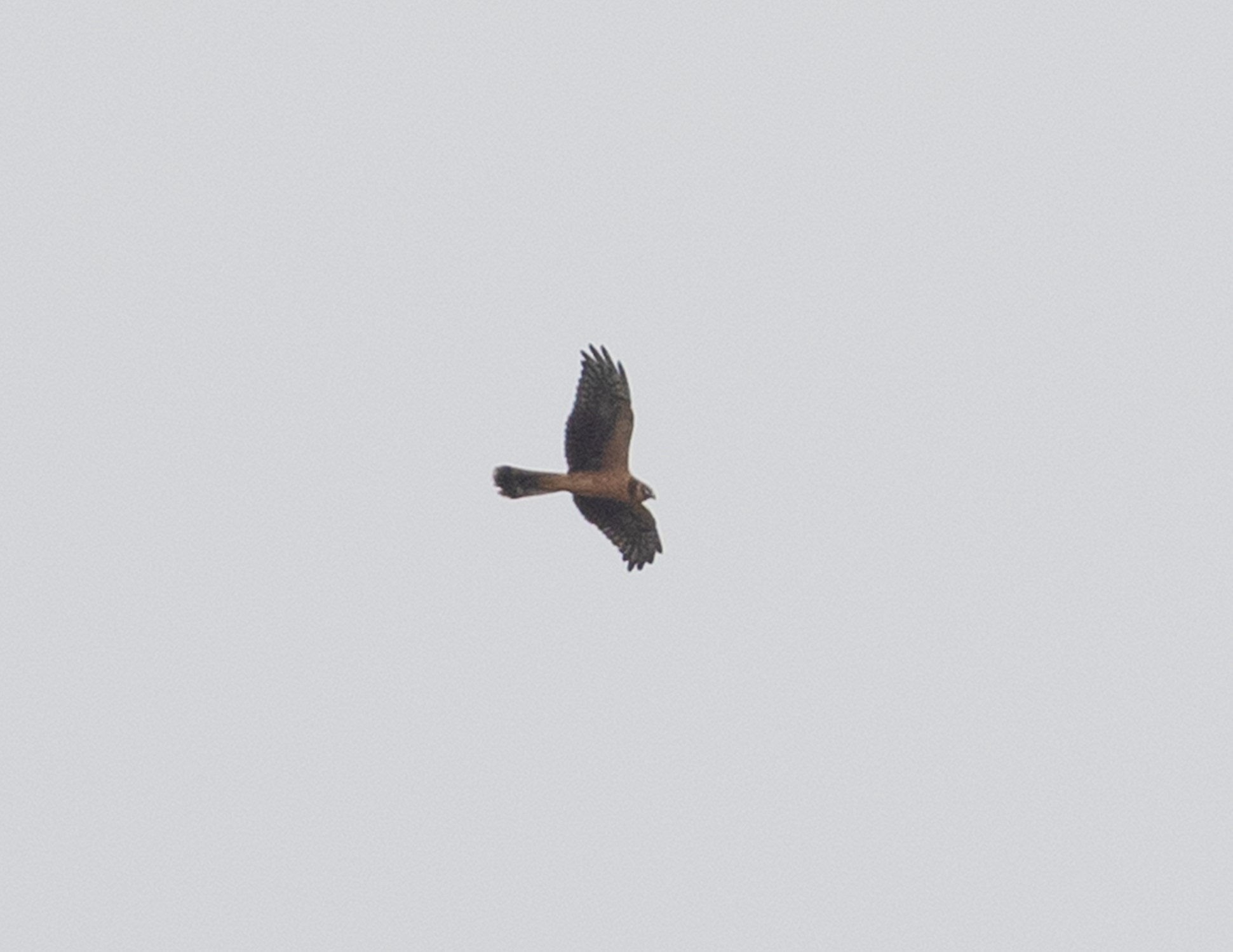
The strong SW winds continue, thus more seawatching. Sharing the shelter at st Margaret’s with Brendan and Jack for the most part.
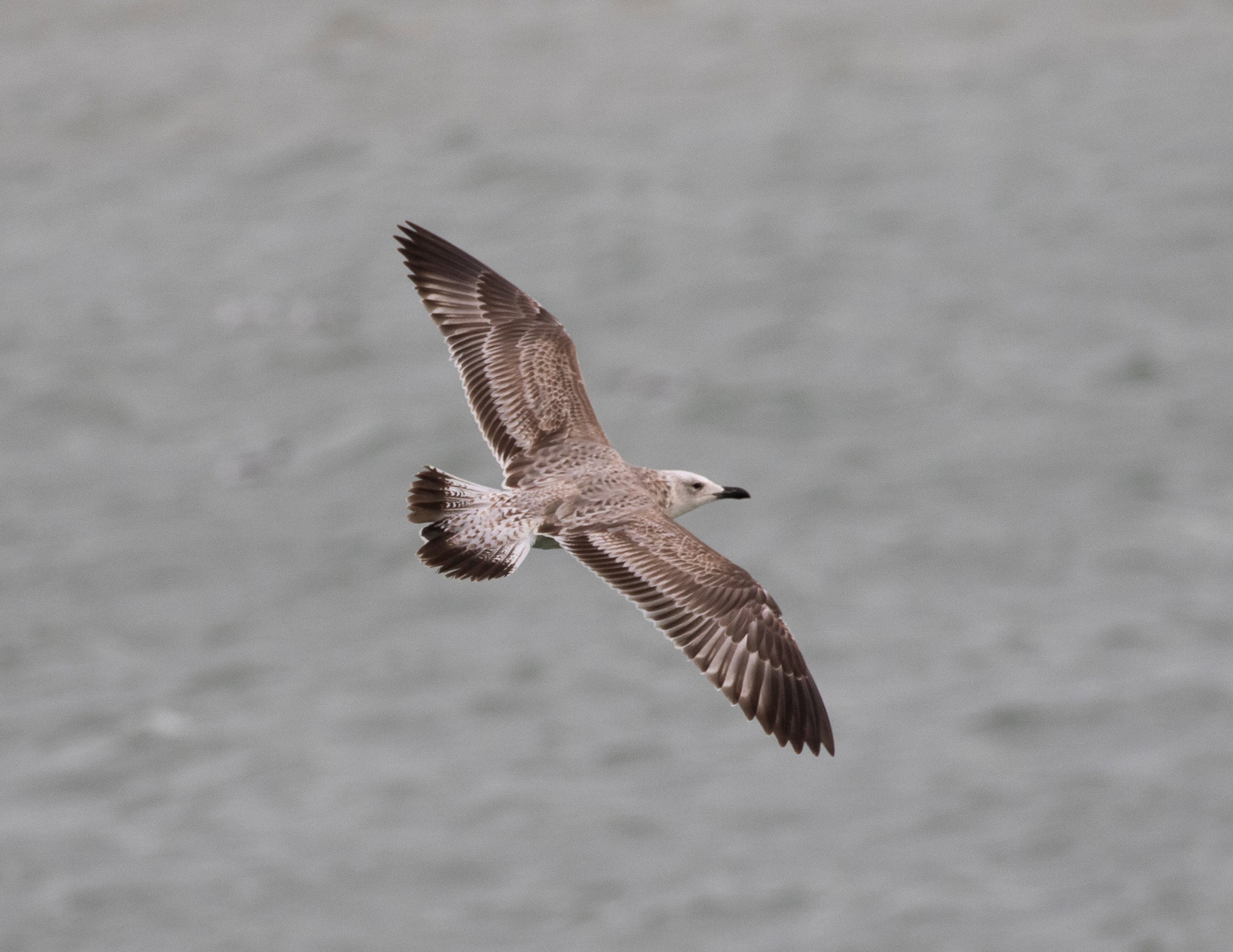
Highlights from the 17th: A juvenile Long–tailedskua early on down channel, 10+ Arcticskuas throughout the day, 52 Sootyshearwaters (between 07.00 – 13.15), a single Manx, 1CY Caspiangull, a tight flock of 7 Blackterns first thing and a single later on all also down channel.
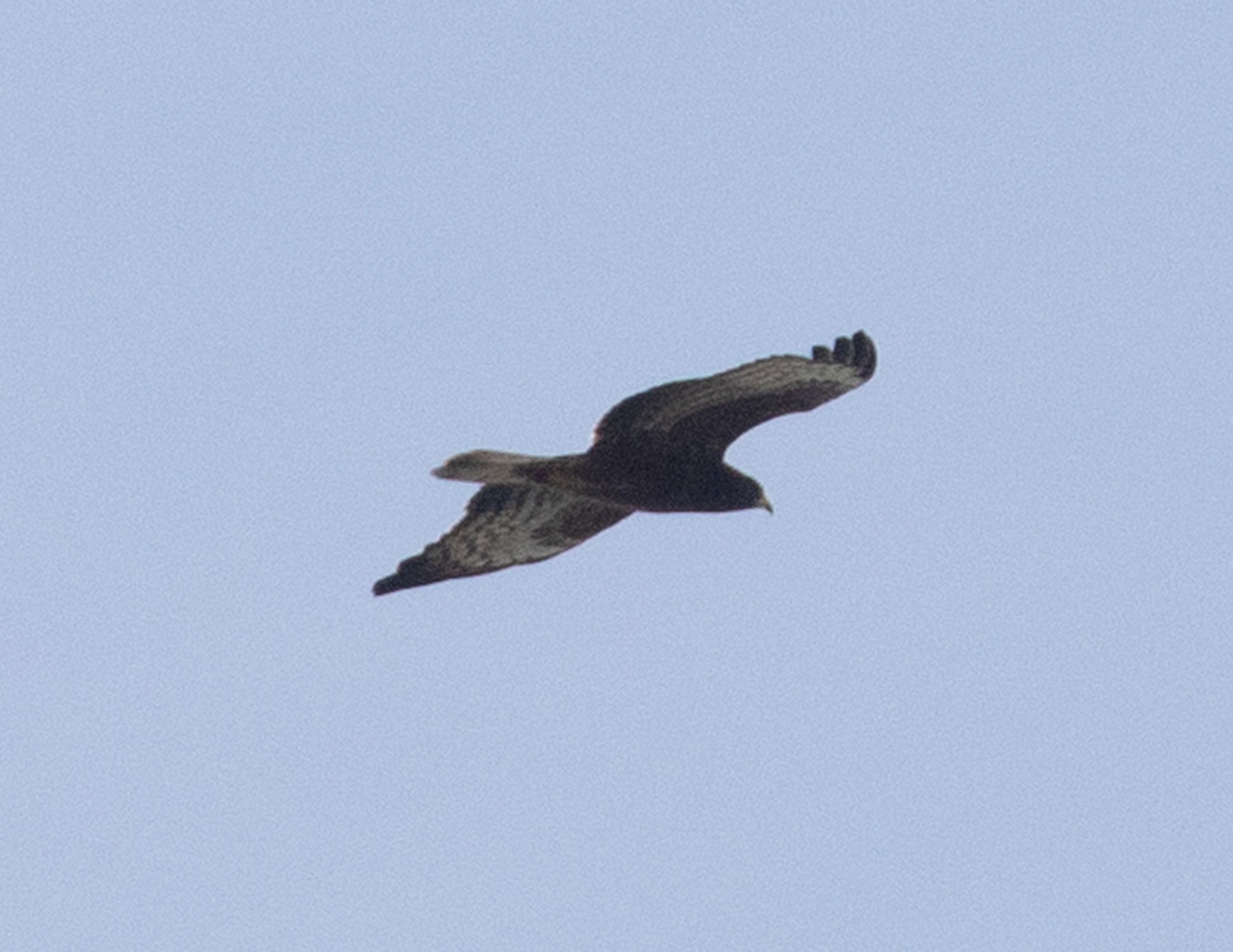
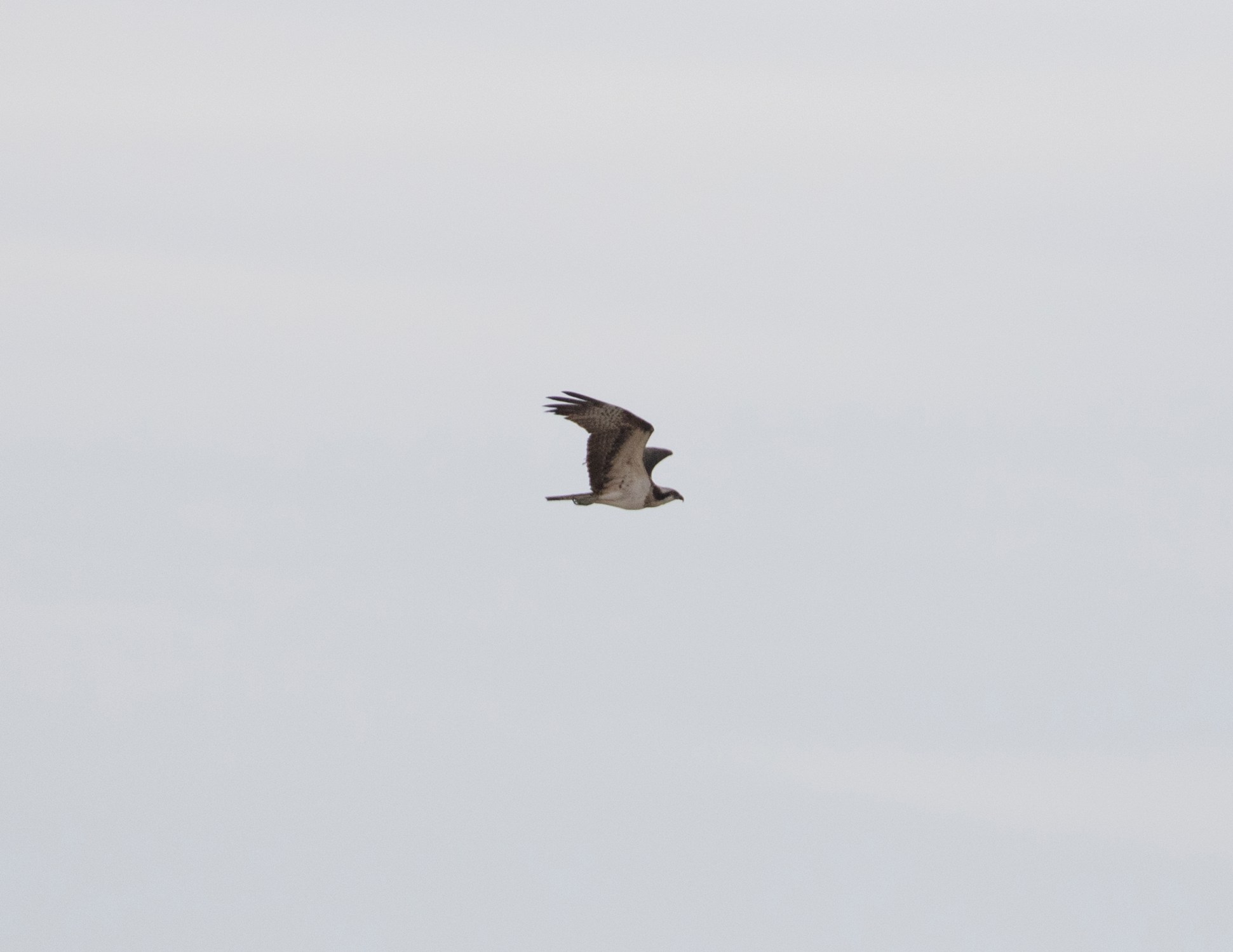
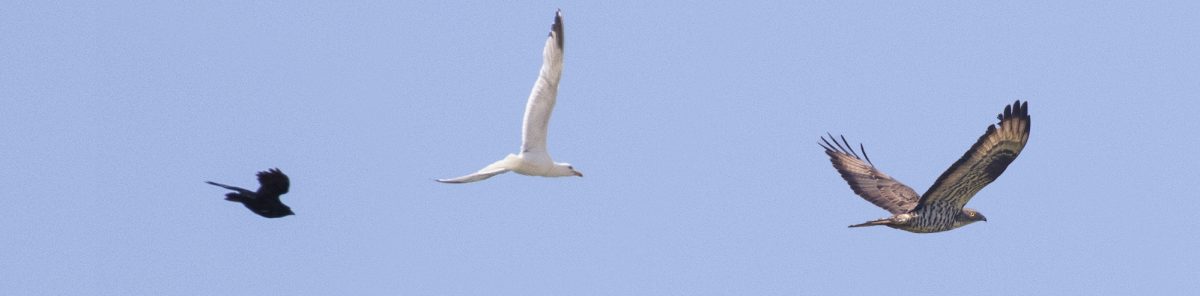
Today’s sea watching (18th) began with 2 Ospreys (below) out and south over the water within 5 minutes of each other, a Hobby did the same shortly after, more close Arcticskuas both passing and lingering, again 10+ and later a Littletern came past down channel close in.
A return tomorrow to some more ‘birdable’ weather.
Gusting 60 mph SW winds in the channel on the 15th and some decent seawatching to be had (by st Margaret’s Bay standards) lately almostt all my efforts have been focused on the sea.
Two significant highlights were a summer plumage BlackGuillemot (significant Kent rarity) that Phil picked up on the 14th, and today I had up to 5 EuropeanStormPetrels in the Bay. Poor quality video below of 4 birds feeding in a slick, I later saw presumably the same birds again a little further out then a single closer bird once Rob & Virginia arrived.
The Bay continues to be good for Skuas, presumably due to the current tern passage with multiple birds through down-channel and also sat on the sea, occasionally harassing passing terns.
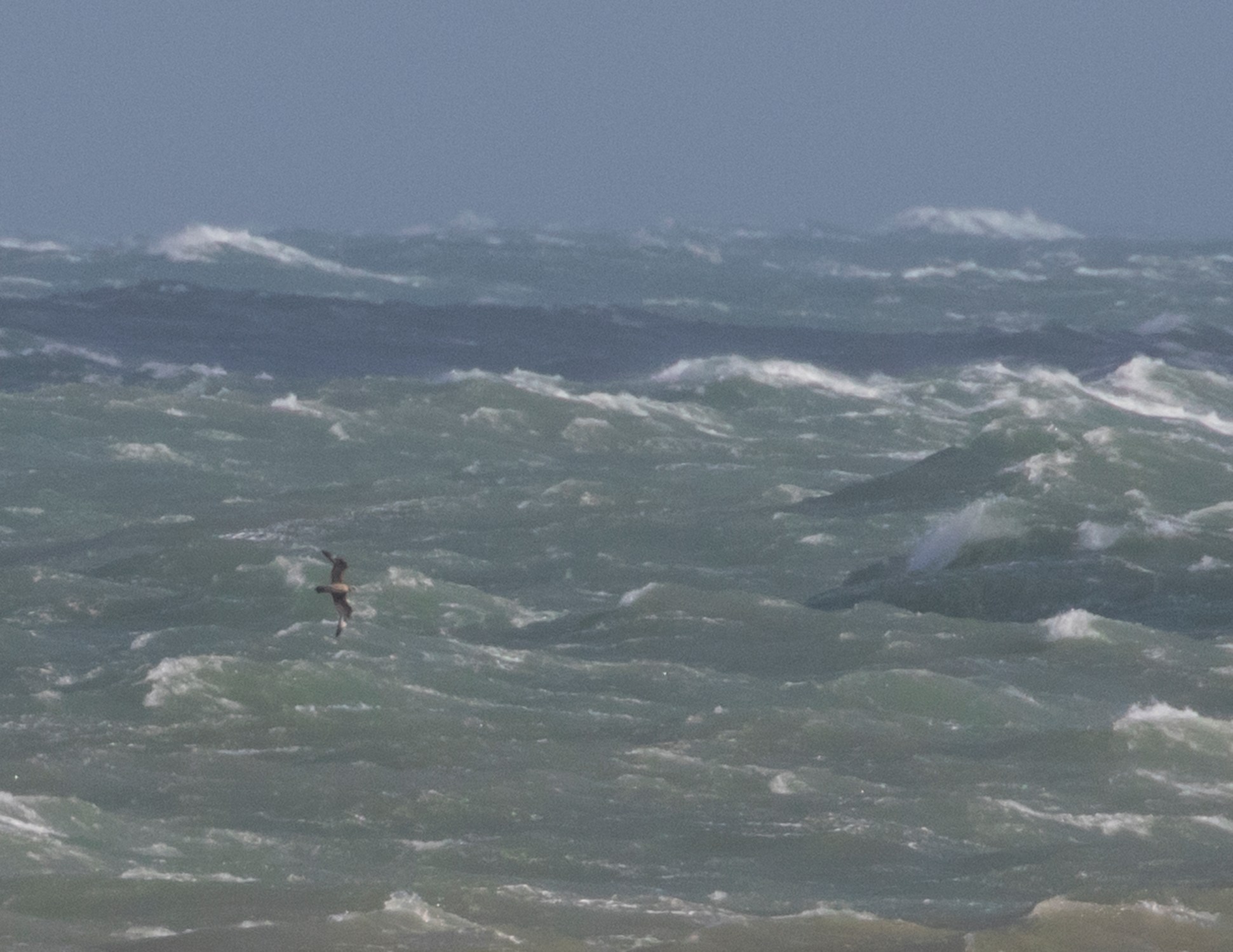
c15 ArcticSkuas (above) on the 15th, a single sub adult PomerineSkua and 6 Arctics on the 16th, No LTS for me so far this autumn.
Other Seawatching notables across a the past few days have been 3 BalericShearwaters on the 14th, an Osprey South and low over the water on the 15th, both juv Kestrel and adult Hobby arriving in off, and a few BlackTerns across yday and today.
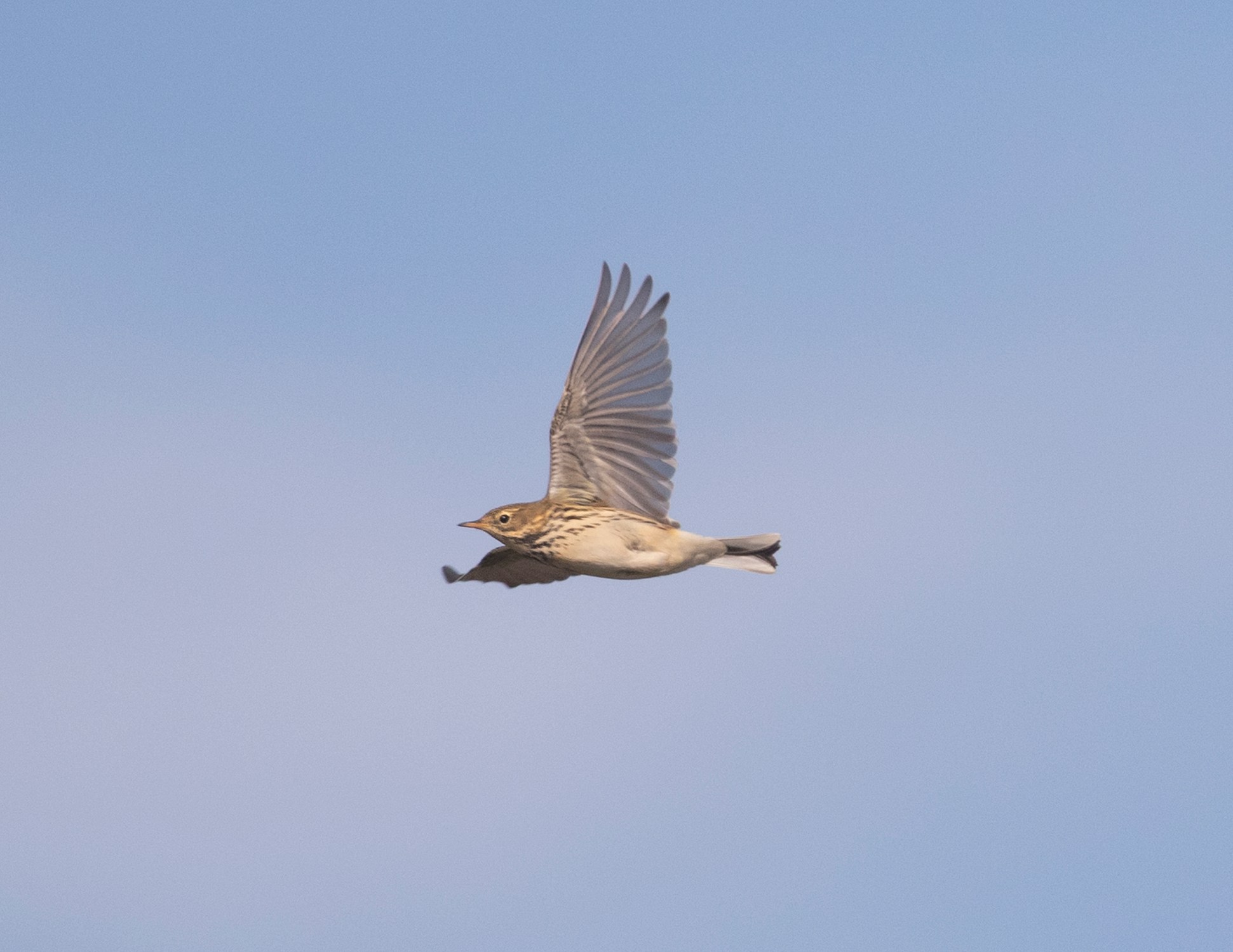
The cliff top has been fairly quiet as expected but an Osprey South Along the cliffs on the 13th, and today – 3 Treepipit 6 Whinchat, 4 WillowWarblers, 100+of each Blackcap and Chiffchaff and a SpottedFlycatcher were counted despite strong winds.
Daily coverage but a disappointing start to September. Numbers of Chiffchaff on the rise and a couple days with masses of Blackcap, the 10th held c2,000 Hirundines SW, largely Swallow.
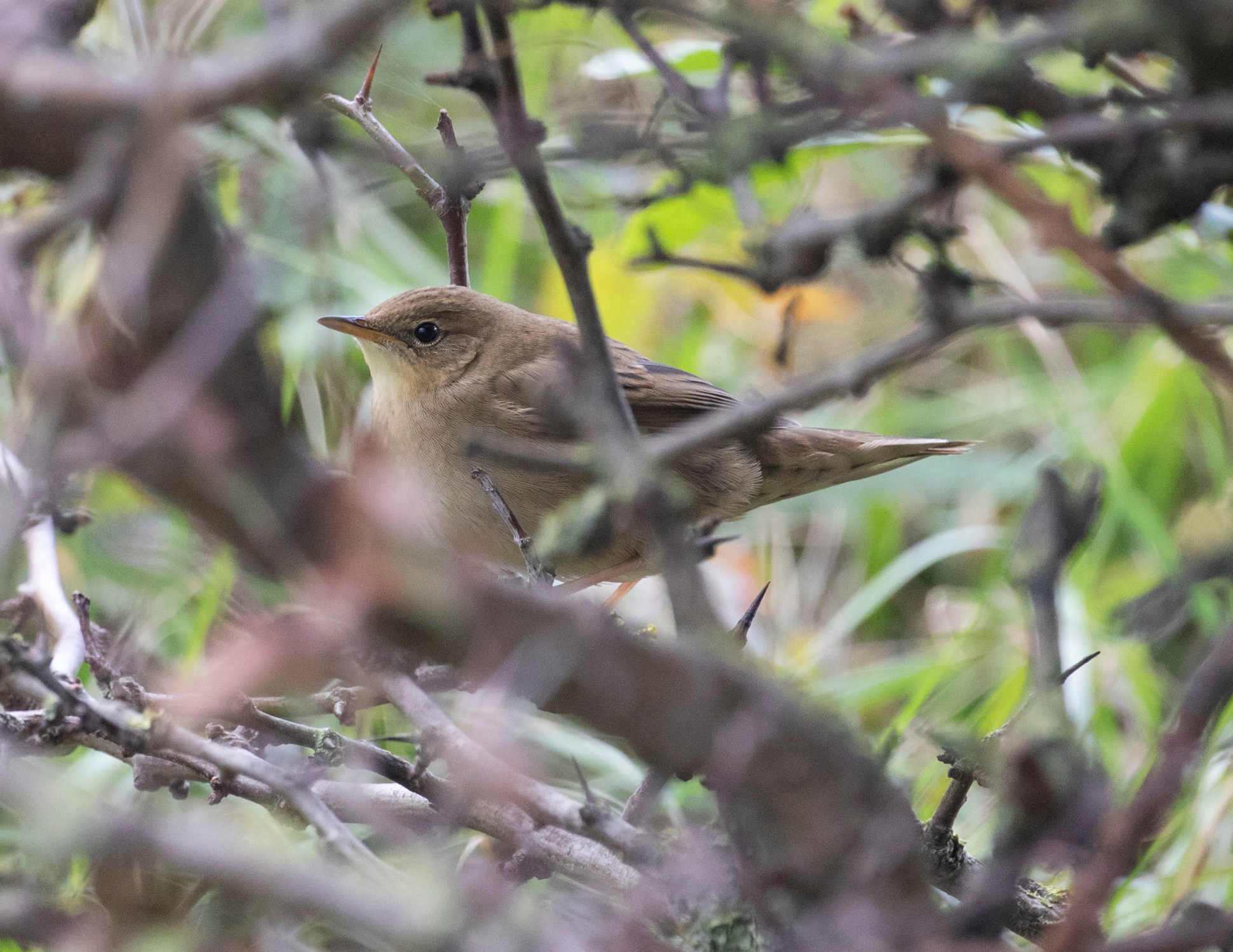
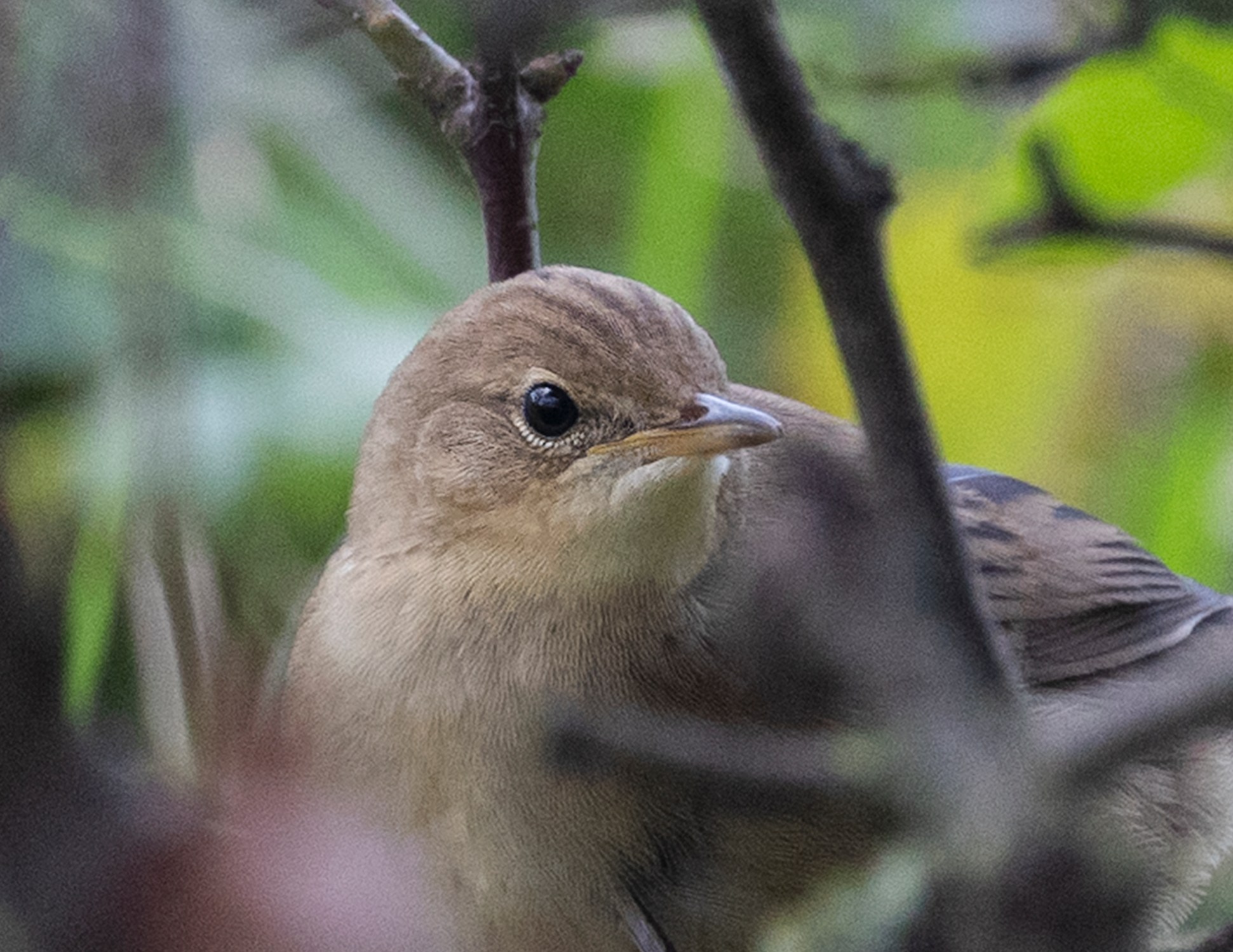
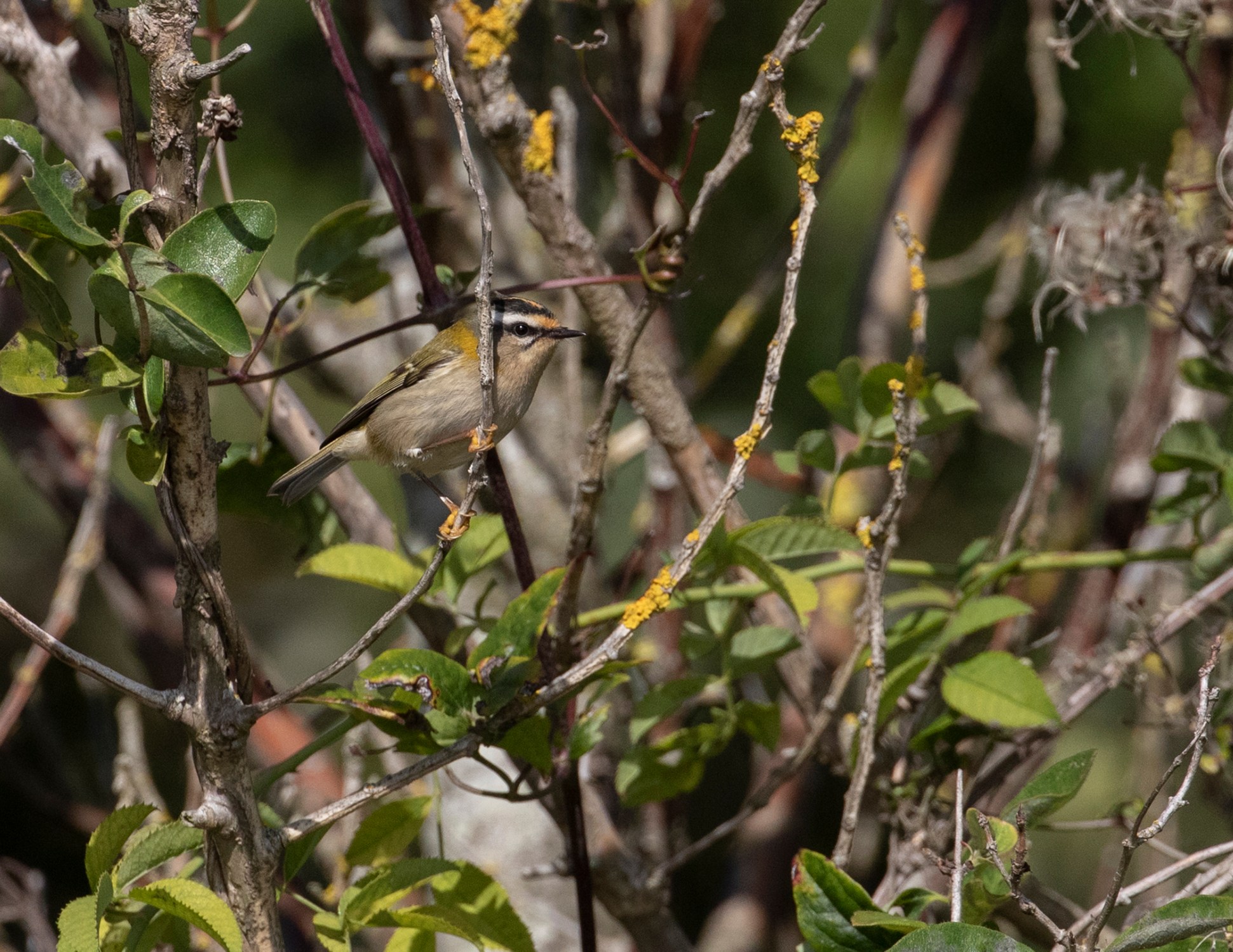
Firecrests are appearing all over the patch with 8 counted on the 12th along side 3 Spottedflycatchers and 2 Grasshopperwarblers.
Strong winds have meant more seawatching here, highlights have been 5 BalearicShearwaters on the 11th and a wet morning on the 13th with Jack, Phil and Brendan was fantastic for st Margaret’s standards – 42 ArcticSkuas, many close in, good fun!
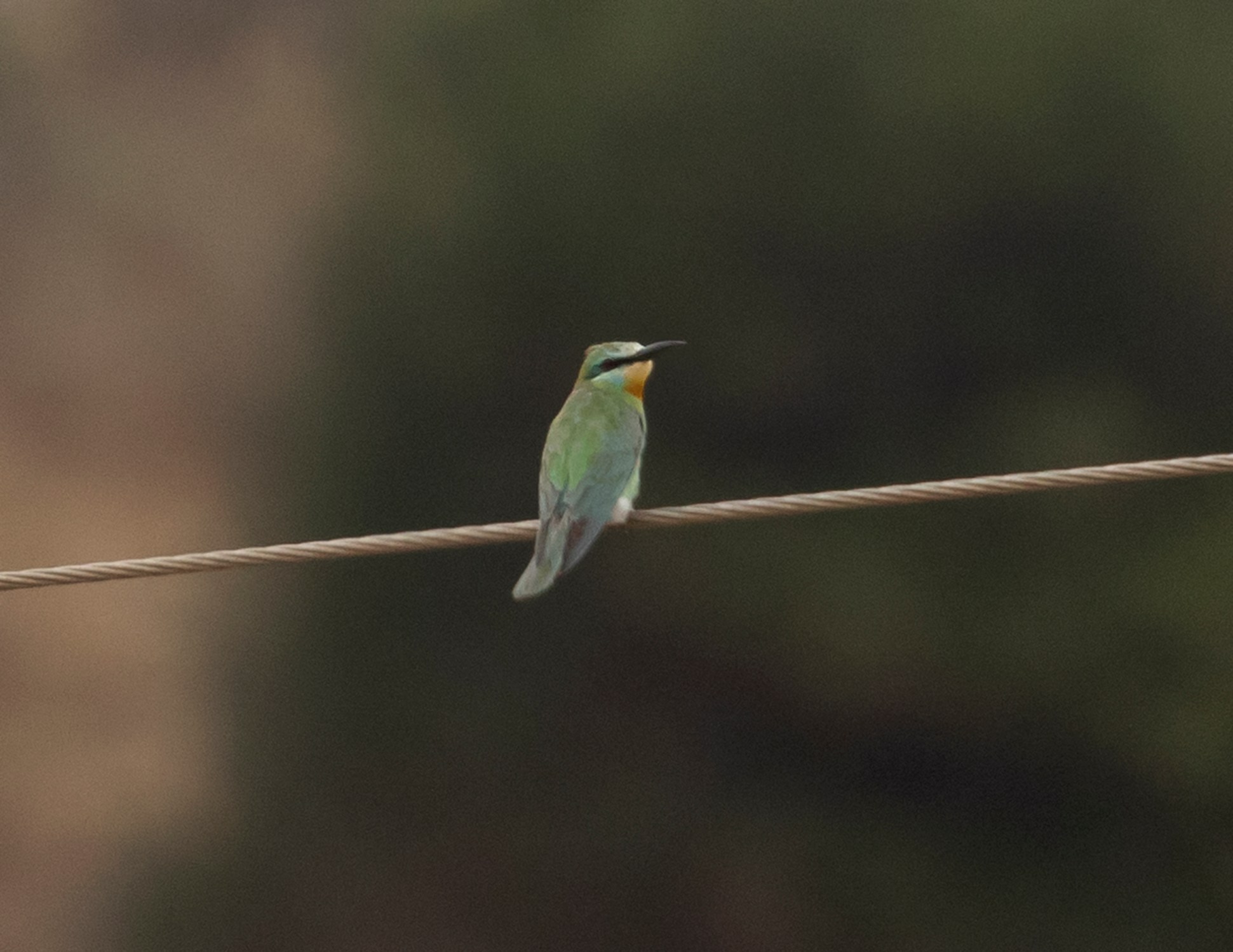
A last minute decision to fly to Tarifa for the weekend of my friend Laurence’s birthday, excellent dates for raptor migration and thousands of birds seen, with Sunday particularly the best day. I heard the numbers 8,000 5,000 and 15,000 pertaining to HoneyBuzzards counted but how many we saw I dont know. It was a mega day in many ways with an unexpected event during abit of a lull in the afternoon . Co-finding a BluecheekedBee–eater, initially picked up calling but not to be seen anywhere (Its a call I have lodged into my head in the hope of one day finding back home). Amazingly Laurence picked it up perched distantly on wires in the valley below where we stood.
A nervous dash over to a tour group to borrow a scope and we got others onto the bird.
These photos were taken from the track alot closer to the bird, which after 15 mins of us getting down there joined a group of Bee-eaters and flew over the ridge out of sight.
Not sure how many records for Spain exactly, Im told less than 20. Hopefully the start of a great Autumn to come.
A text from Phil Chantler first thing today saying he’d found 3 Dotterel (1 ad + 2 juv) in a field just inland was a warmly received. I didn’t end up going for a look till this evening and thankfully the birds were still present. Abit of a wait but they allowed close views and I even had to wait for them to move away (in a rai shower) before standing up to leave.
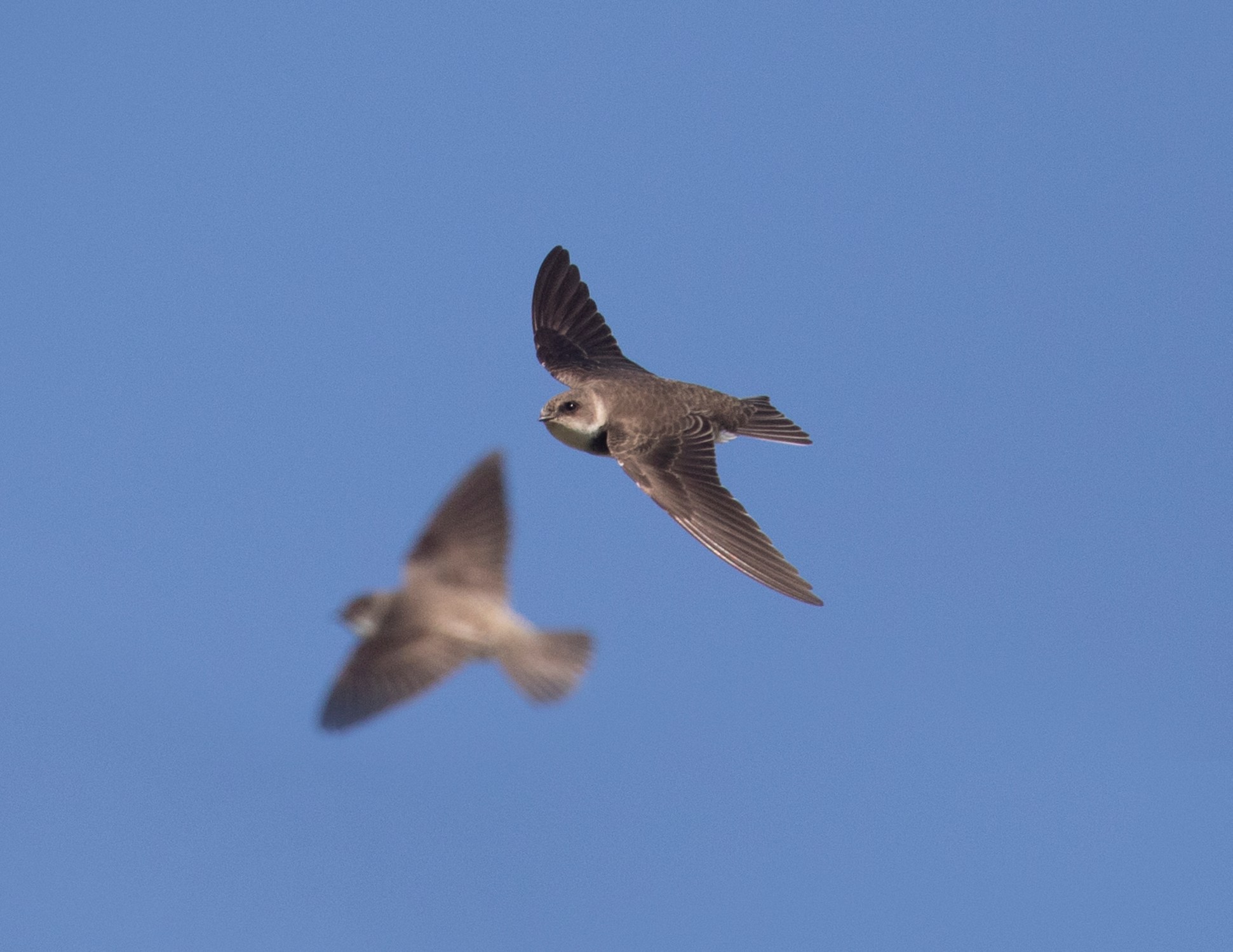
In other news, today was more about numbers than scarcity for me with lots of common migrants across the patch, highlights were 10 Whinchat, gropper, Gardenwarbler ,Spottedflycatcher, Swift, c100 Swallow, c40 Sandmartin, few sedge and willow etc.
Rich B and I had a distant HoneyBuzzard over the castle on the 25th, it likely came off the sea but we cant be sure, my 17th coastal HB this year, I wonder if i can get to 20…
Again the blog has been rather dormant, not without effort and coverage mind, Since the past post Ive had mostly quiet mornings, the odd Treepipit or falls of LesserWhitethroat or blackcap for example. The 22nd yielded 3 PiedFlys, Spottedflycatcher, 5 Whinchat,5 Wheatear, 6 Treepipit, Hobby, c10 YellowWagtails, Sedge and Reed also a GrasshopperWarbler, The latter species was well represented on the 24th in the fennel field with at least 3.
Today however was fairly quiet in the bushes despite the tantalising SE wind, bar 4 Whinchat, Treepipit, another Grasshopper warbler, a few willows and minimal sand martin movement (25 birds NE) but I was delighted to pick up a juvenile HoneyBuzzard, circling over East Cliff (my house) then Dover Castle and eventaully Foxhill down where I stood. It was associating with a CommonBuzzard, one of 5 that had made this move during the raptor watching session from 10am-1pm. A single juv Kestrel flew in off the sea also.
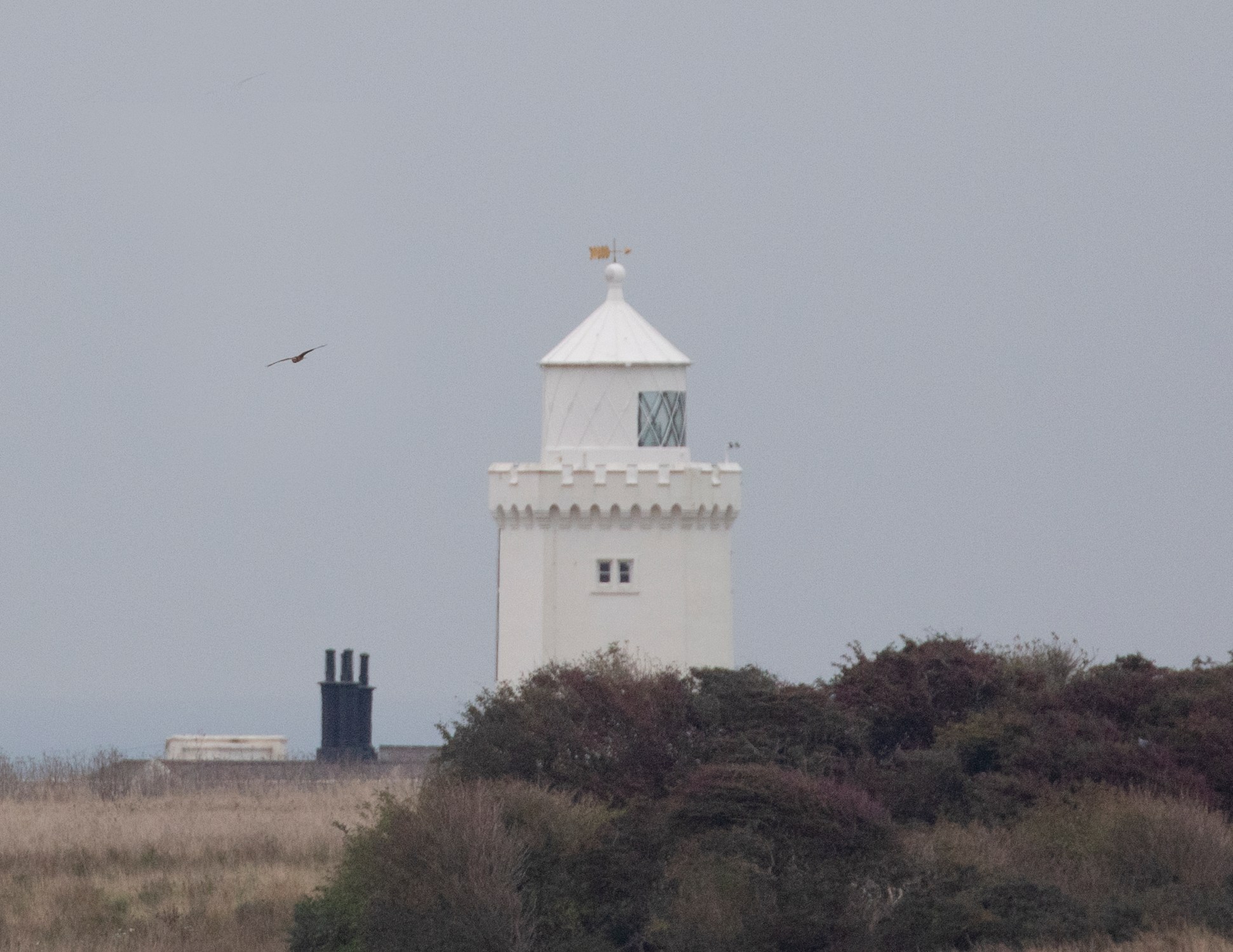
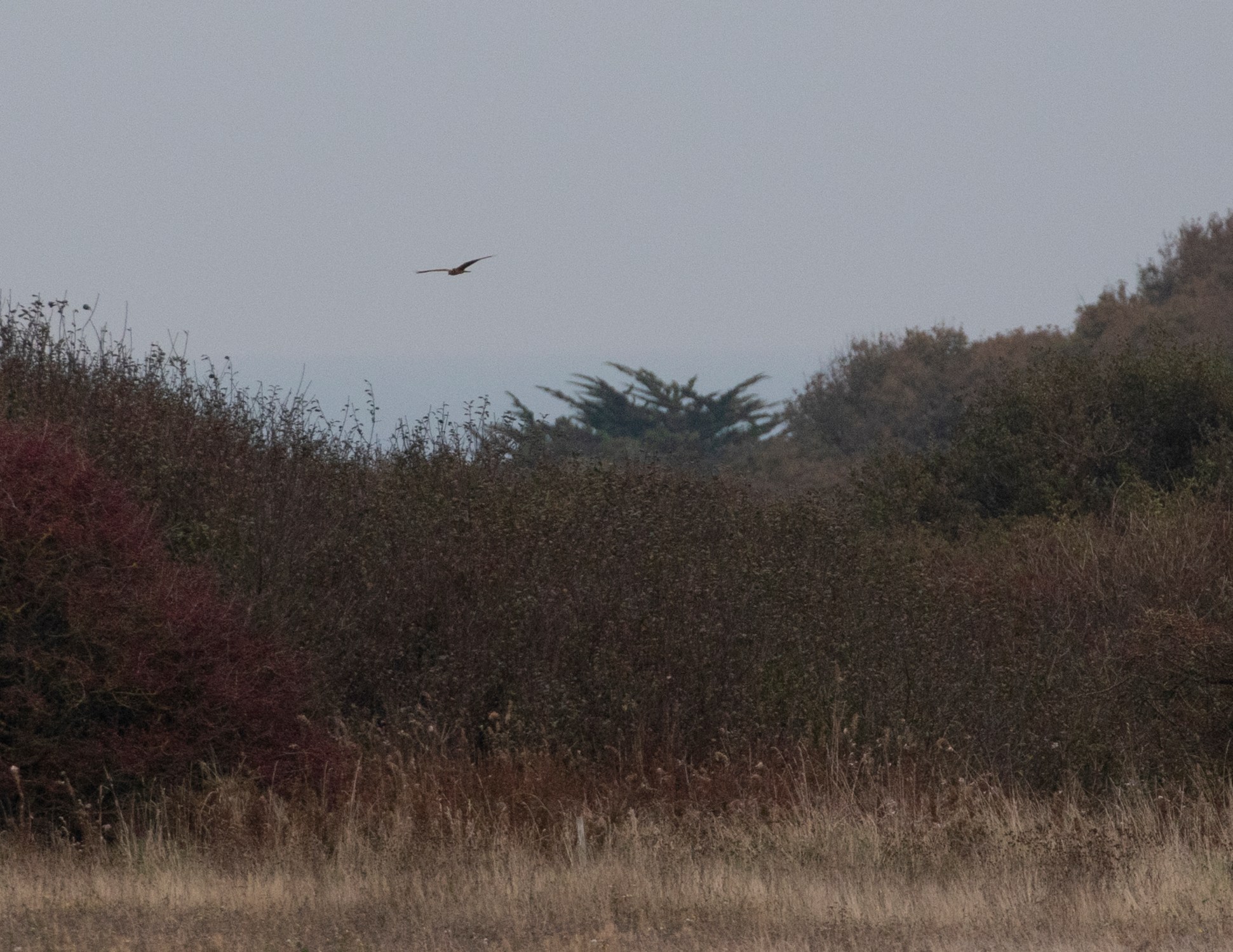
Almost a month since my last post, although I have been fairly active, there has been little to report beyond common migrants. Only 2 Days of suitable ‘Raptor Arrival Weather’ since the 18th of last month, these days were spent looking South over the harbour and although no Honey Buzzards were seen, 3 MarshHarriers and 6 Kestrels were counted over both days, all picked up out over the water and all seemingly juveniles.
Good numbers of common migrants have been counted since the final days of July with higher numbers of WillowWarblers than I can remember since moving here. Today saw the first PiedFlycather of the autumn – the highlight of a small cncentrated fall in Langdon hole, once the fog cleared.
Other notables were a SpottedFlycatcher, CommonRedstart, BlackRedstart, c35 WillowWarblers, 2 Whinchat, 2 Wheatear 3 Sedge and 5 ReedWarblers & a Hobby.
As the dates creep towards the 3rd week of August I will be turning more attention to the cliff tops and less to inland Woodland birding.
A light SSW meant again that I was in place for Raptor O’clock above the Harbour (Im sure you’re getting tired of this, though I’m certainly not!)
A thick Sea fog cleared by 10.40, revealing crystal clear viewing conditions South to Calais. The First HoneyBuzzard of the day came in high at 10.55am, arrving from the Langdon Hole direction and picked up over the Eastern docks/Tramway, a female.
The Second Honey, another female, arrived at 13.15. Again from a South Easterly direction and picked up over the Eastern docks, in perfect blue skies whilst Amy and I had a picnic lunch.
Both similar ‘types’ of female HB, although the outer primary bars are distinctly different and the second bird was missing a tail feather.
That puts me on 15 so far this year.
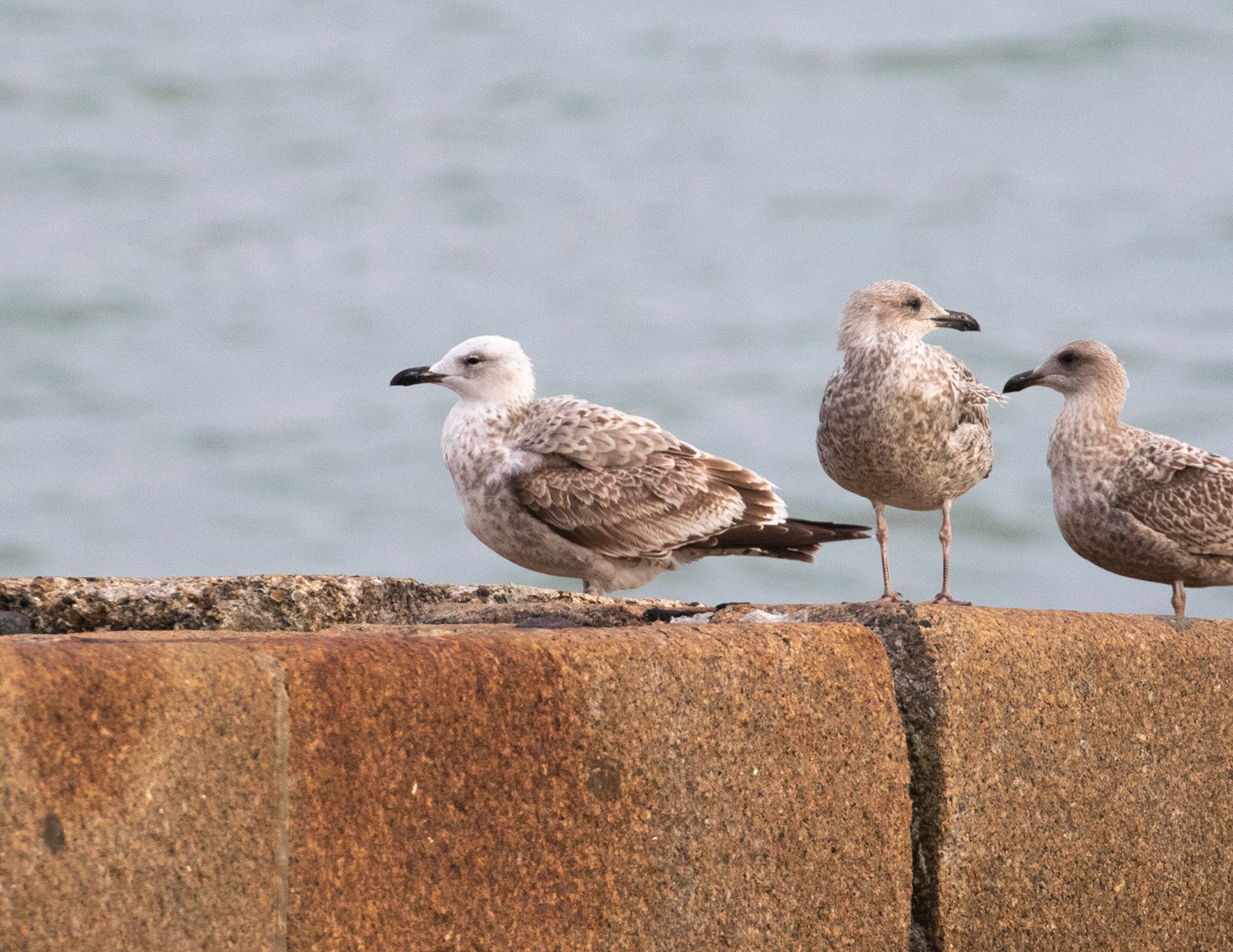
Ive seen several juvenile Yellow–leggedgulls so far this july, but mostly whilst fishing, so no camera to hand! Surely more to come though.
Light Southerly winds again and plenty of time for staring out to sea. A long stint from 09.30 – 16.00 with all of the raptor action from 11.30 – 14.05.
Starting off looking from Langdon hole I picked up the First two HoneyBuzzards perhaps 2km out over the water, coming in together from the direct South. Wing beats in tandem they arrived over the Eastern Docks and continued North over the Tramway and National trust car park.
This female was closer than the male below. They arrived at a good height, barely needing to gain any elevation once above ground and not a single Gull alarm call heard.
Next a MarshHarrier arrived from the SE at 12.10, characteristically in constant active flight as they all seem to be when over the water here. 2 more HoneyBuzzards at 12.25, appearing over the breakwater perhaps 100m apart. I ran west along the tramway to intercept them but both birds (females, one dark one paler & barred) were heading more West than North so fairly distant views only.
Another MarshHarrier and a Hobby came in fairly low between then and 14.05 when I picked up the 5th and final HoneyBuzzard of the day, way out to the South.
The later the day gets – the better the light is for viewing over the channel and this bird was far out enough to take nearly 10 minutes even to get into Harbour airspace.
A cracking pale morph male, eventually coming in straight over my poistiton above the harbour 500m west of where I’d been standing previously.
Very happy with that and excellent views ensued as the bird circled over the headland behind me. 5 birds in off the sea is my best day count to date, beating several days of 3 in the past. I believe the day record here is 6 birds, held by Colin ‘hook beak’ Johnson. This bird is the 13th Ive seen this year, my best previous year’s total being 8.
45 Swift, 15 Swallow and 3 Whimbrel flew SW earlier in the day.
It should be noted that I am spending alot of time looking, but it does seem to be a good Summer for HoneyBuzzard arrivals, or at least a prolonged period of the correct weather. Another day of light winds but this time even better direction (SSW) resulted in another female HB arriving in off the sea, this time making landfall over the Eastern docks.
Picked up out over the Channel (just how I like them) it cruised in fairly low and gave distant but prolonged views as it avoided the usual Gull protest.
I also had a female HoneyBuzzard over Dover the day before, picked up over the old Marina it came in over Snargate street and circled over st James before heading North, I texted Colin J who managed to see it over his House in Temple Ewell. This and today’s bird puts me on 8 for the year. A heatwave on the continent could be a reason for this push but I also believe that many birds are just late migrants, non breeders and not attached to any particular territory – these birds are opportunistic and with the correct conditions they will make the sea crossing. Also with woodlands in Calais being fairly chocka block with HBs they will likely be escorted away by the territory holders.
In other news my first GreenSandpiper of the Autumn flew SW at first light, 3 Flocks of Crossbills (10,3,c20) also flew the same direction during the morning. 15 Swallow, 5 Housemartin and c250 Swift also SW.
Sadly it seems to be a poor Year for Peregrines with at least 2 of the Nests I watch failing to produce young and the only successful nest fledged only one juvenile.