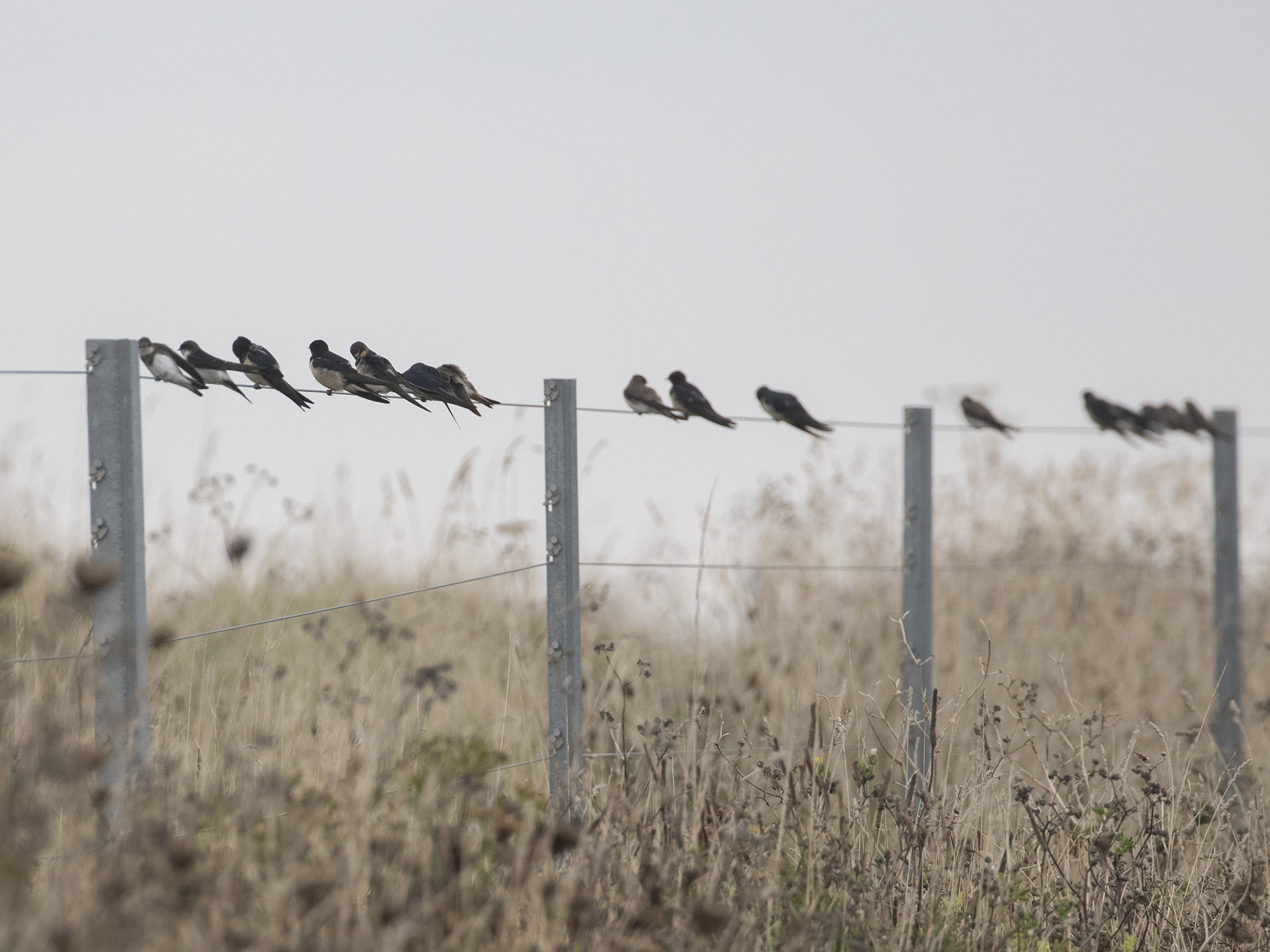
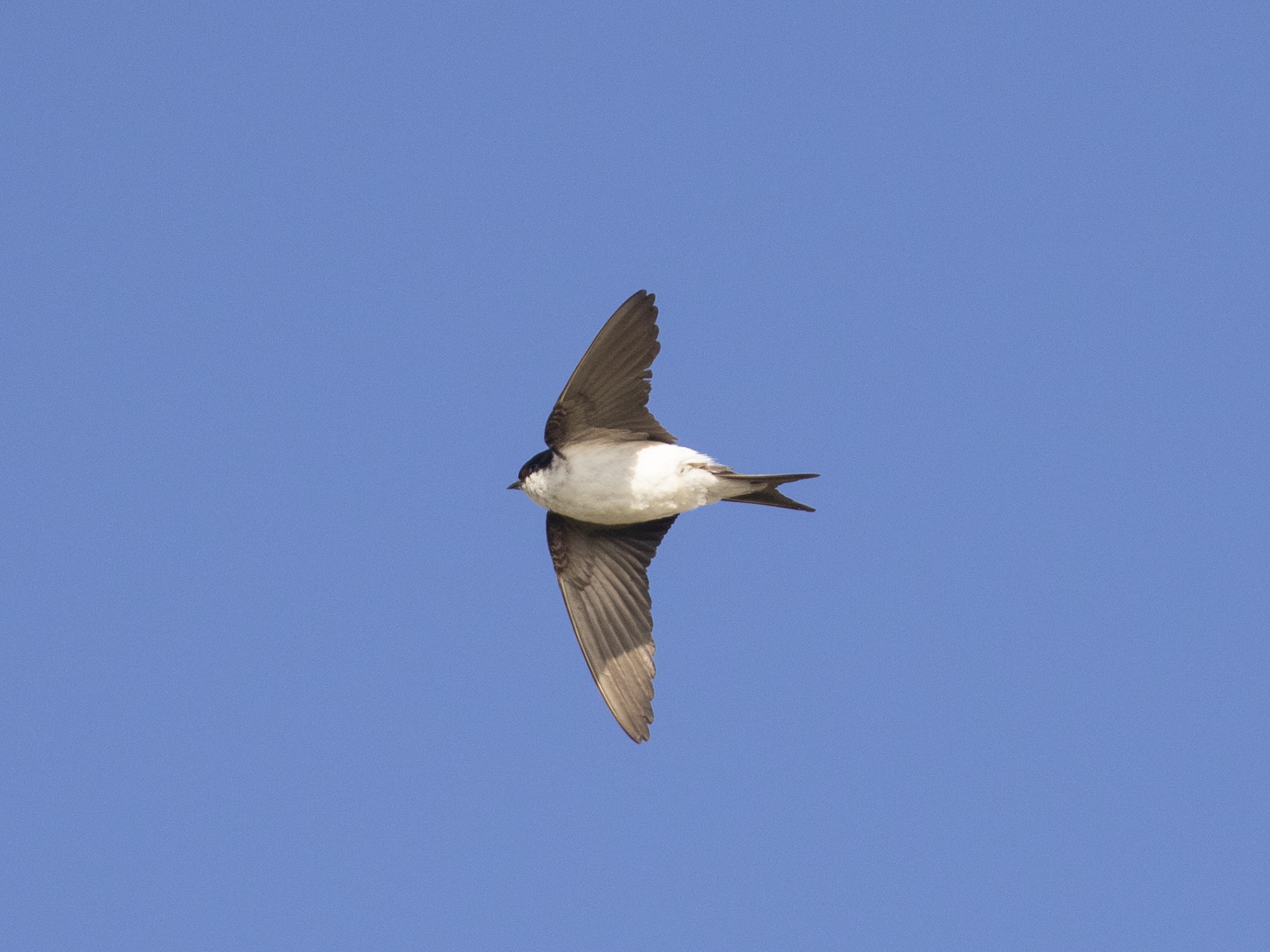
The first day of light Northerlies after two days of SW airflow and the best day of the autumn so far for hirundines with c3500 along the cliffs early on. Very difficult to count as 100’s were out over the channel too so a conservative count of mostly Housemartin but 100’s of Sandmatin and Swallow mixed in. In addition to a commonSwift, Firecrest, 2 Treepipits, 3 whinchat, a juv Cuckoo and the first ReedBunting of the autumn over Fan bay.
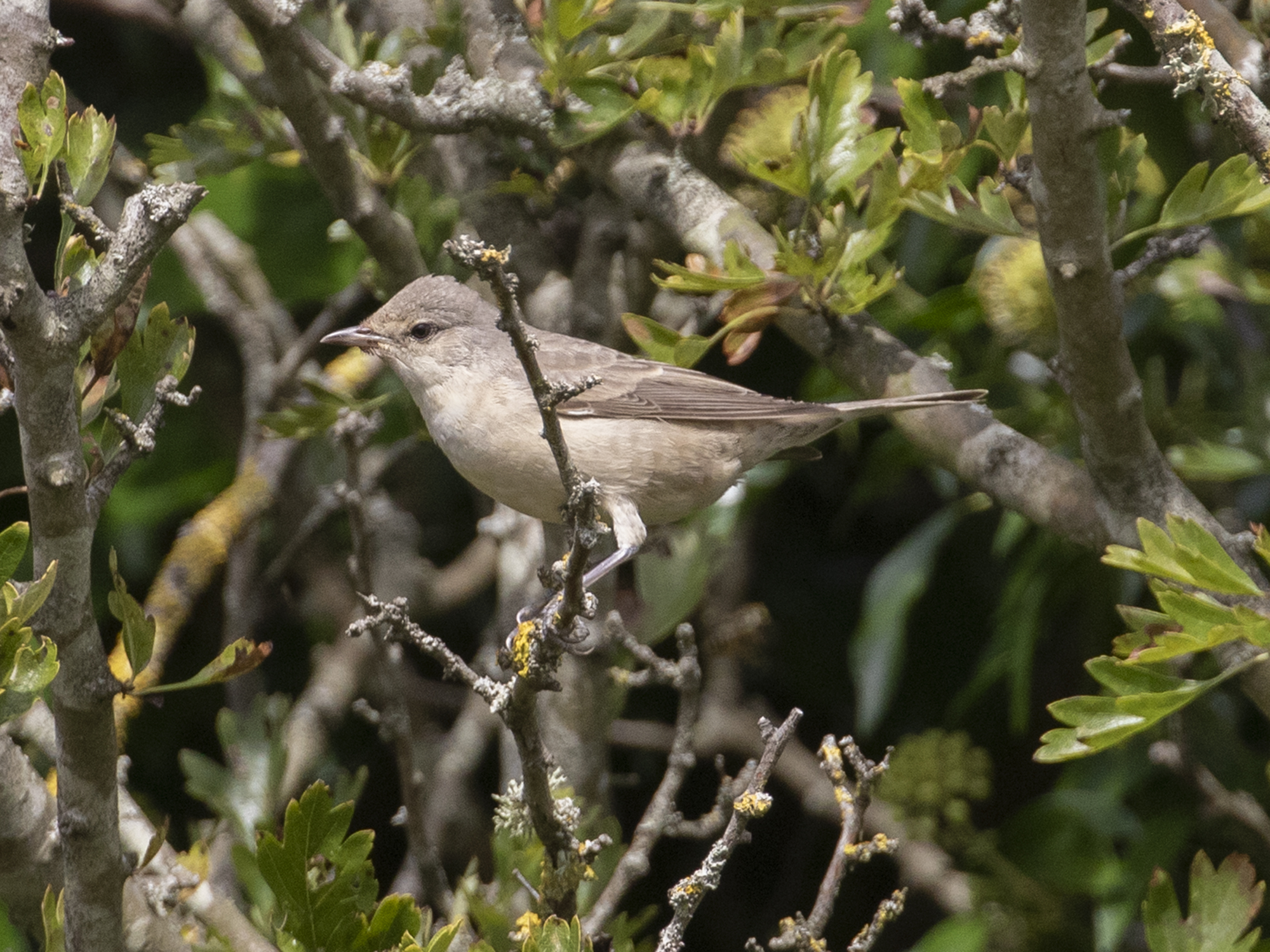
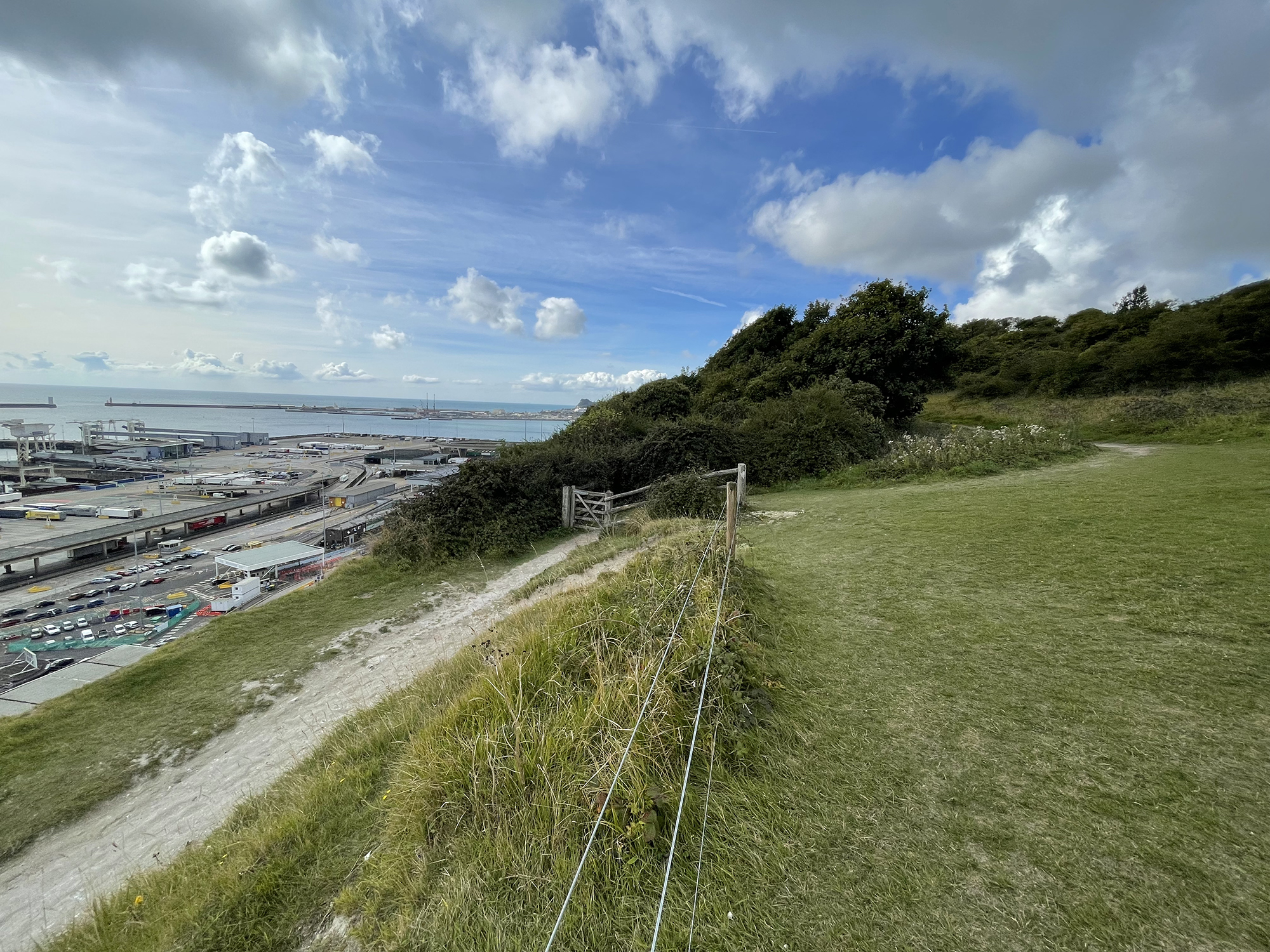
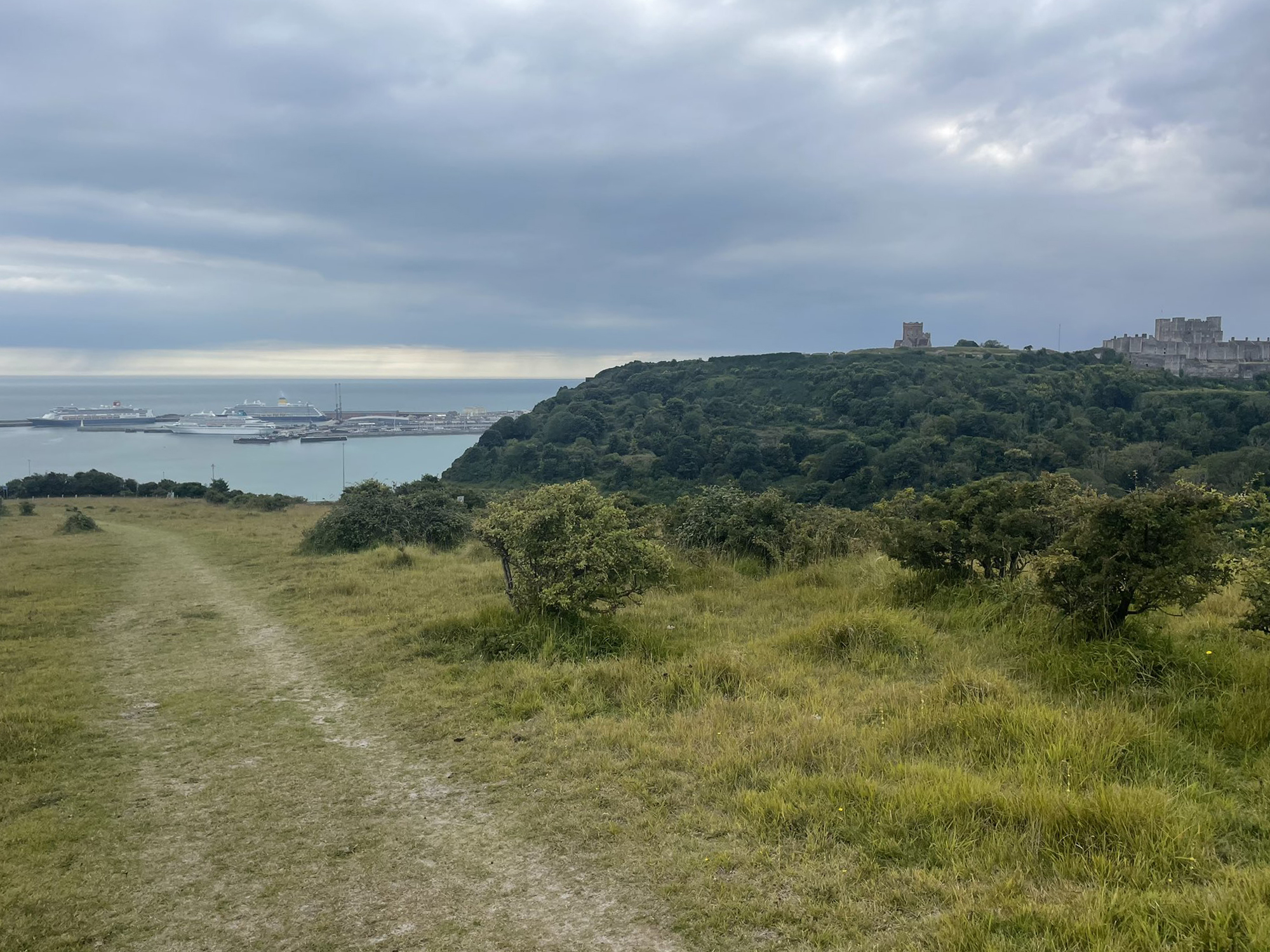
The bird of the day however was found with a stroke of luck as I walked home along a path I very rarely use. Just above the harbour at the western end of Langdon cliffs I noticed some activity in a flowering Ivy, a Lesserwhitethroat and Reedwarbler were catching insects when I saw the back end of larger pale bird with marked under-tail coverts disappearing into the Ivy and Hawthorn cover. It clumsily moved about and sat just obscured but I could see well enough that it was a Barred warbler! Not an easy find on the mainland.
A moment later it was chasing/being chased by a Blackcap and suddenly hopped out onto the front of the bush and gave exellent views.
After this I saw it once again briefly but it didnt show again. Ive found a few on Shetland previously and seen a few down south but very happy to find one on the patch, another decent day here on light North winds.
Back from 10 days working in South Korea to a September chill in the air and a moderate NW wind. Yesterday’s walk up the cliff was fairly unremarkable beyond a Juv Cuckoo, Hobby, YellowWag & Treepipit, a handful of willowwarblers and c20 Chiffchiff the best thing however was over 1,000 Housemartins moving SW along the cliffs. Numbers of HouseMartin today were higher and an estimate of 1900 moved again SW with over 400 feeding along the undercliff a Langdon, with 2 Sandmartin and perhaps 50 Swallow aswell as a common swift.
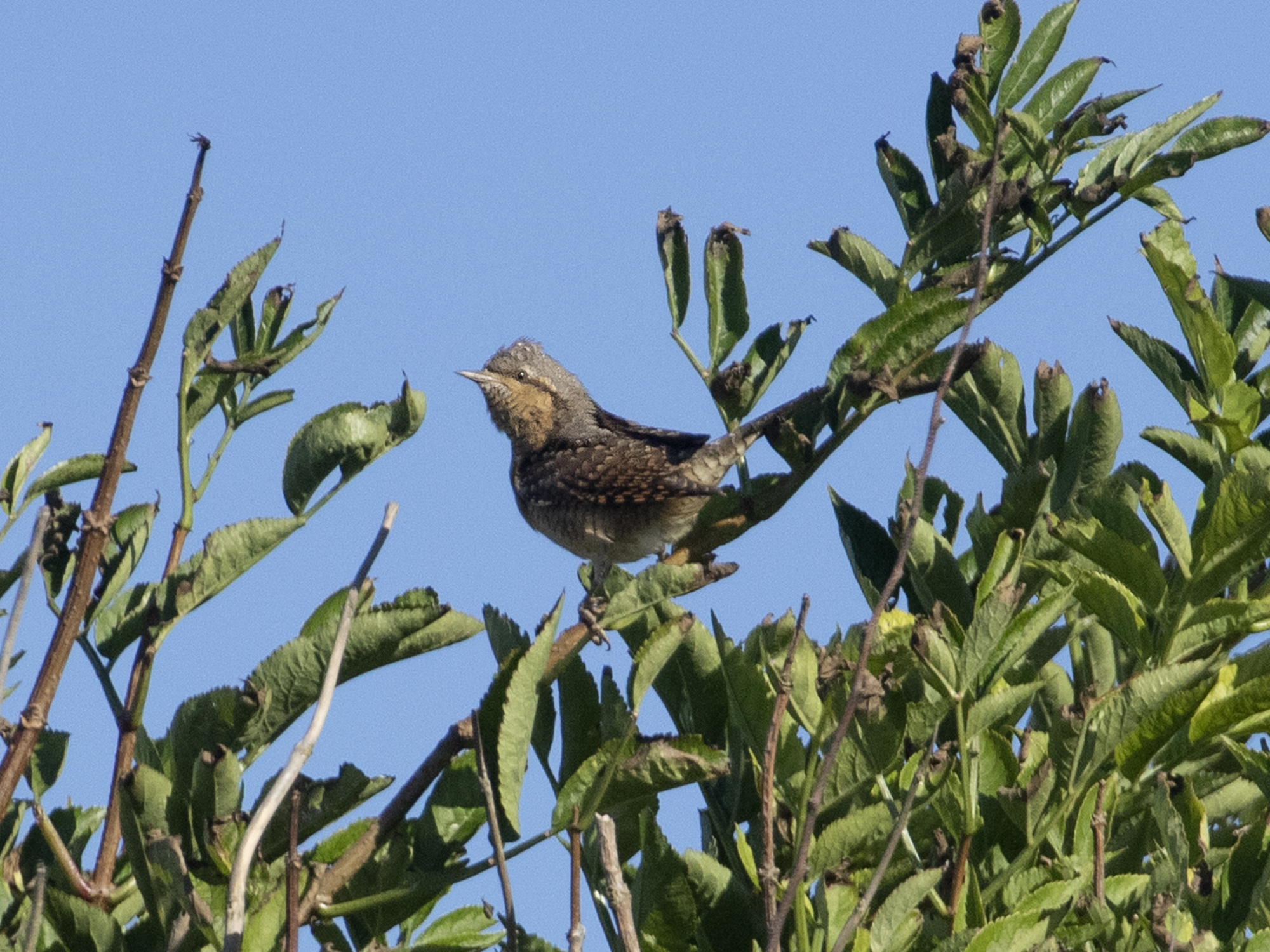
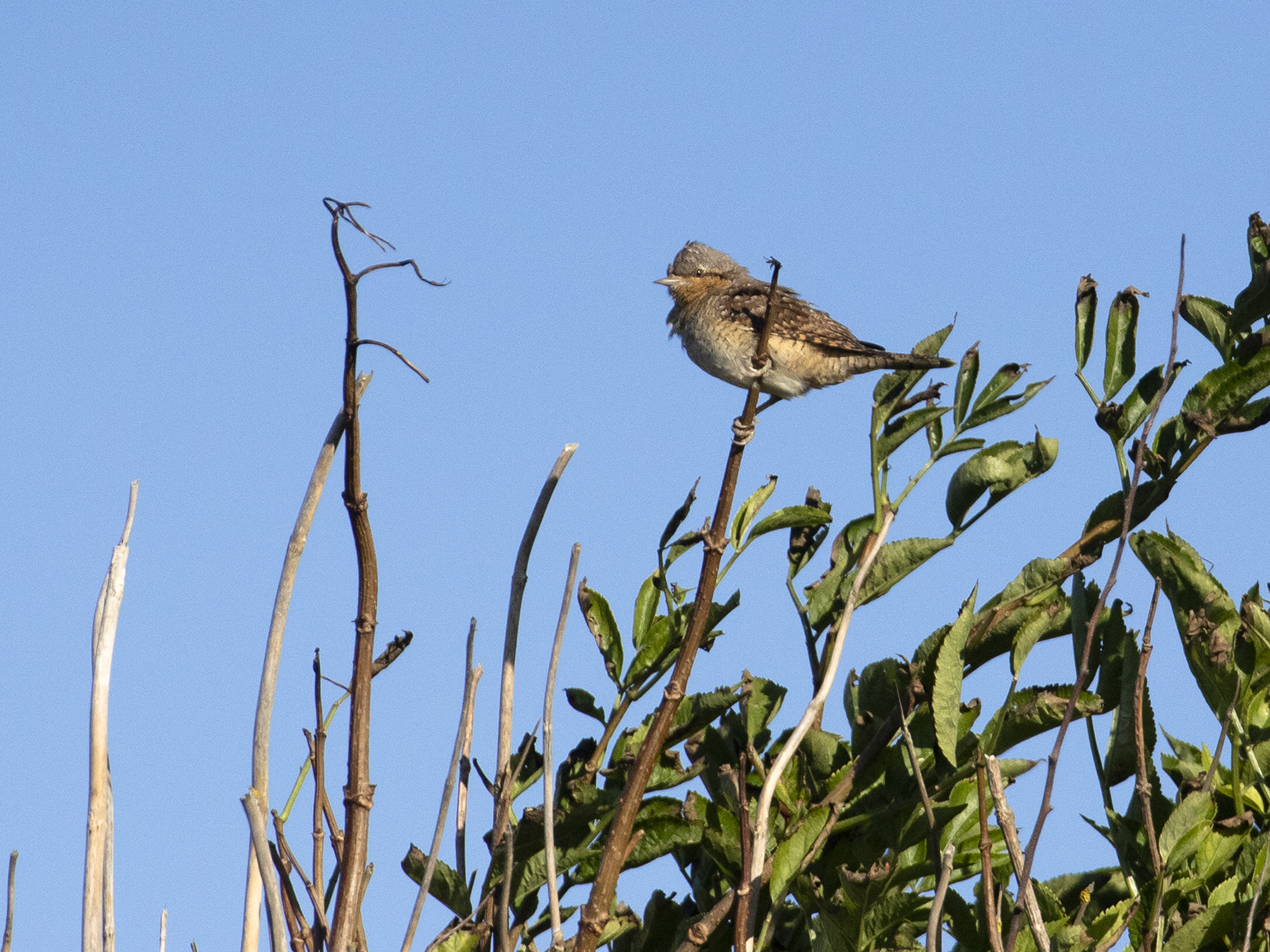
2 SpottedFlycathers between Langdon and Fan bay 3 Whinchat in the fennel field and more willowwarblers than the previous day but the morning’s highlight flew up onto the top of a hawthorn in the bottom of fan bay – a Wryneck.
It flew to some of the isolated bushes on the eastern slope of Fan bay before diving into the grass – there are many anthills hidden in the long grass between Fan bay and the lighthouse.
A few locals came and connected with it which is unusual for anything I come across here!
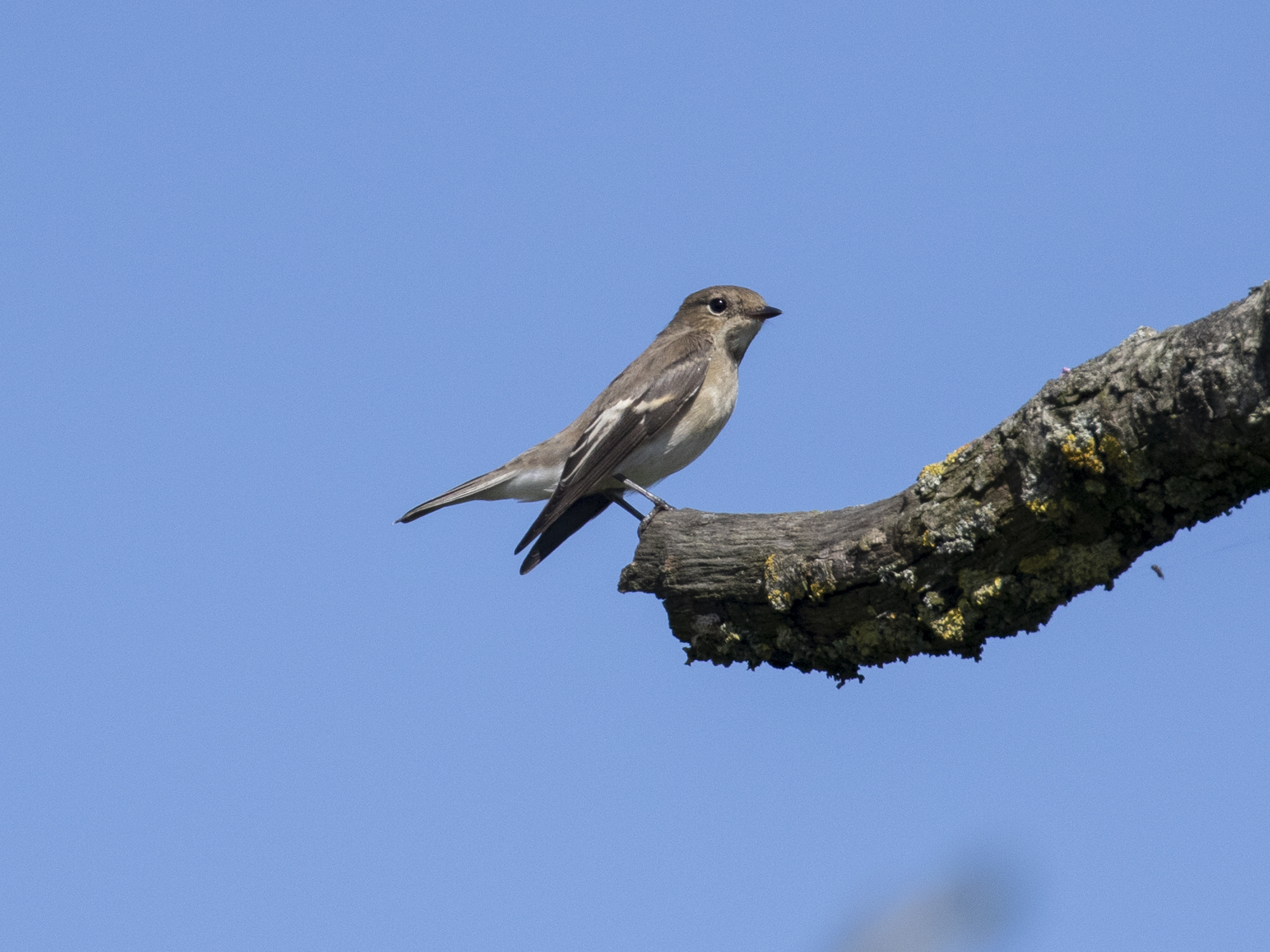
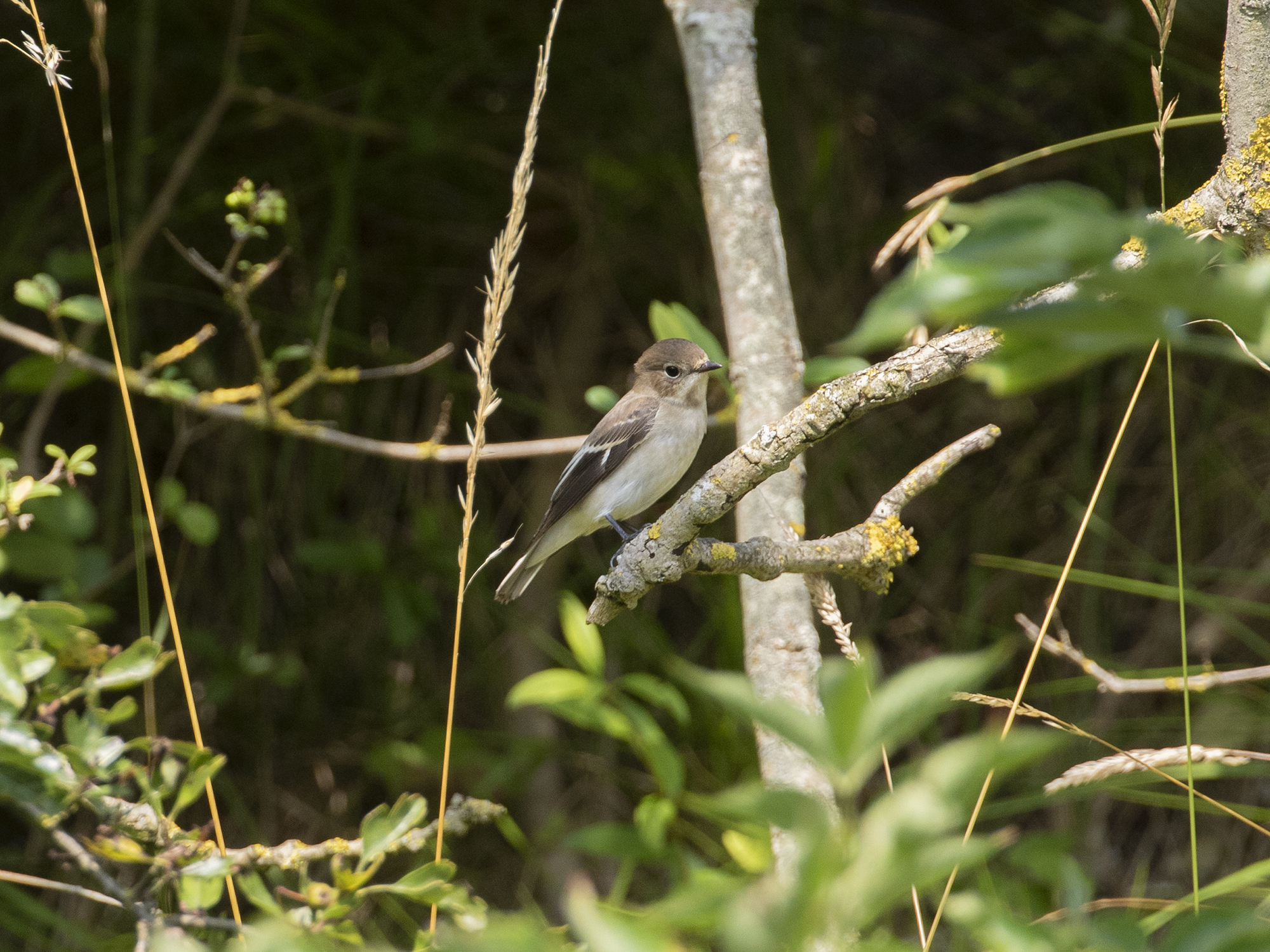
Warm SE winds but a disapointing start in the bushes which seemed relativly quiet. I eventually came across a pocket of activity in the enclousure, South Foreland: 2 Pied Flycatchers, 5 Spotted Flyctchers a handful of Willow Warbler.
YellowWagtails and hirundines were moving as were the first numbers of Swifts Ive seen for a week or two. Green Sandpiper and Ringed Plover also heard overhead but there seemed a distanct lack of Raptors. A kettle of Common Buzzards moved West just inland of Fan Bay but the highlight of the day was picked up over the water just off langdon hole as I walked home.
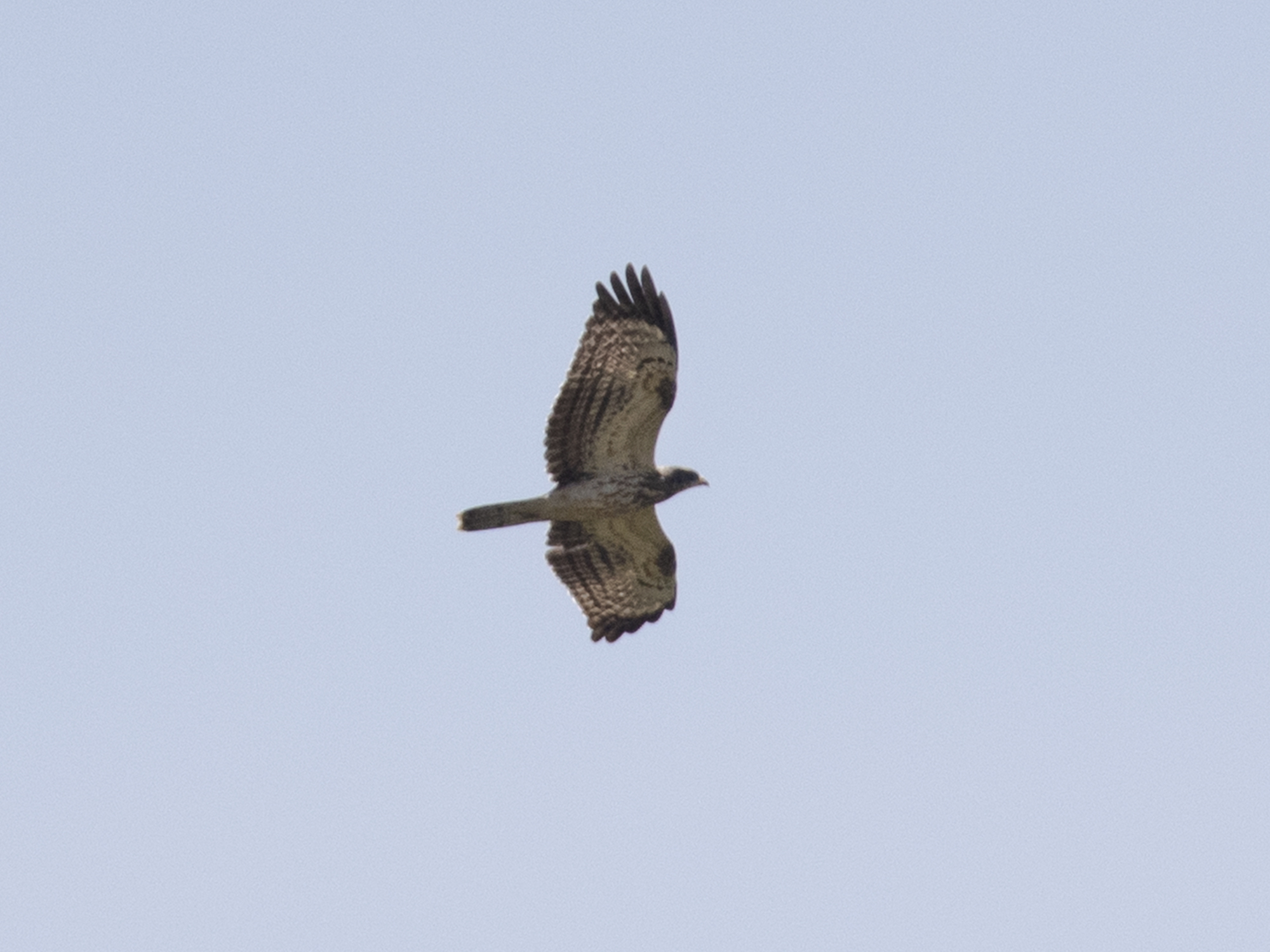
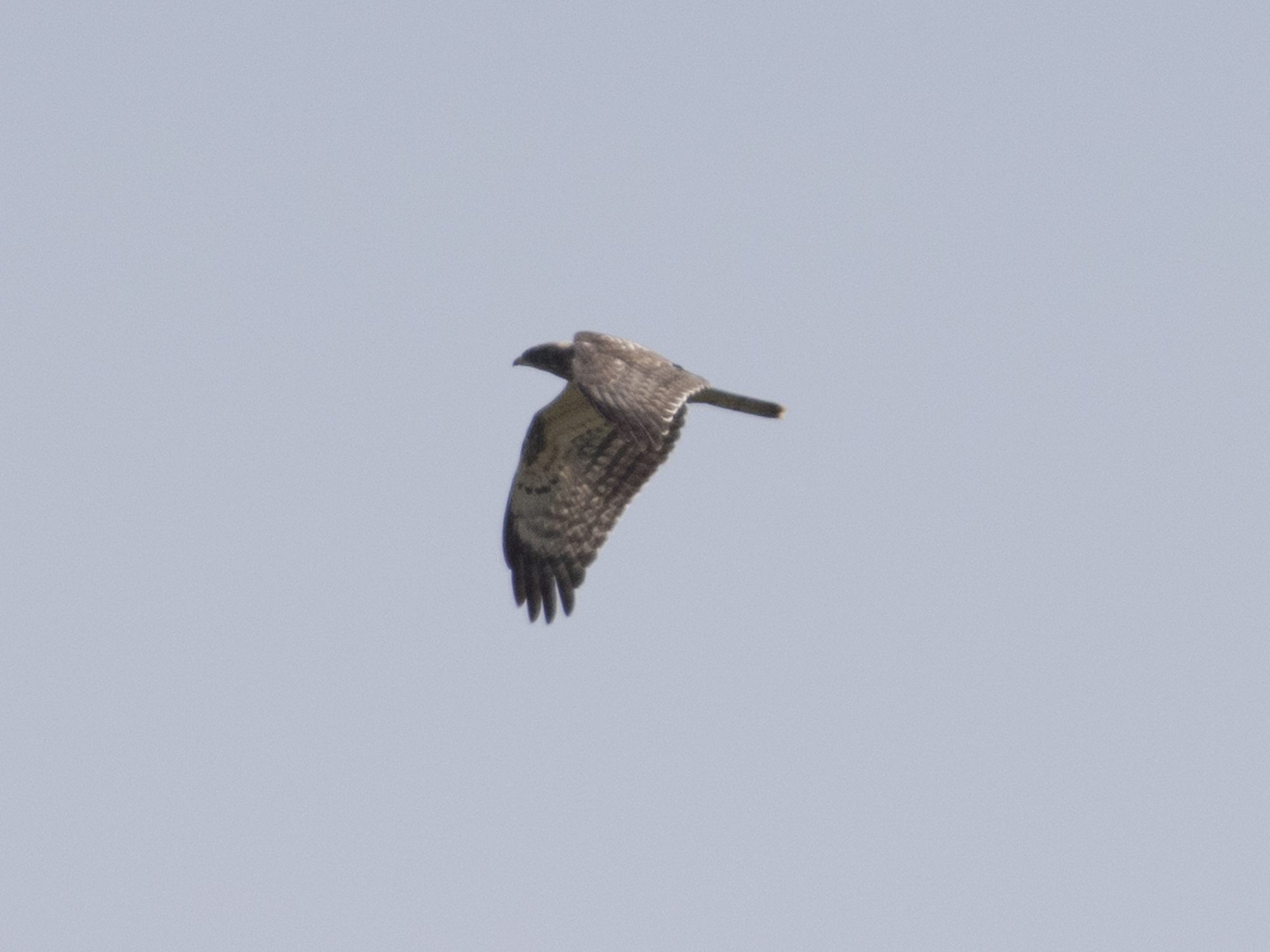
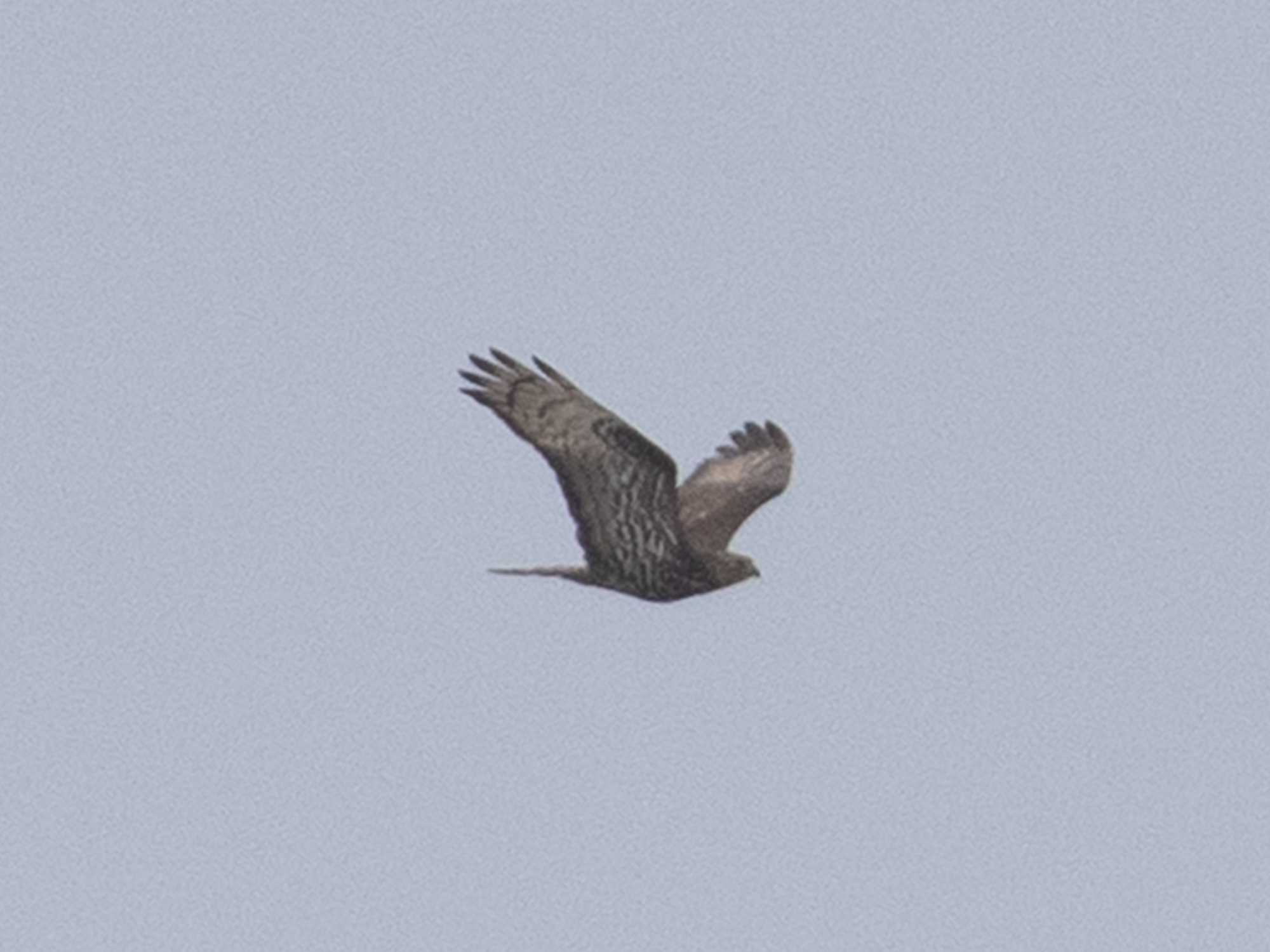
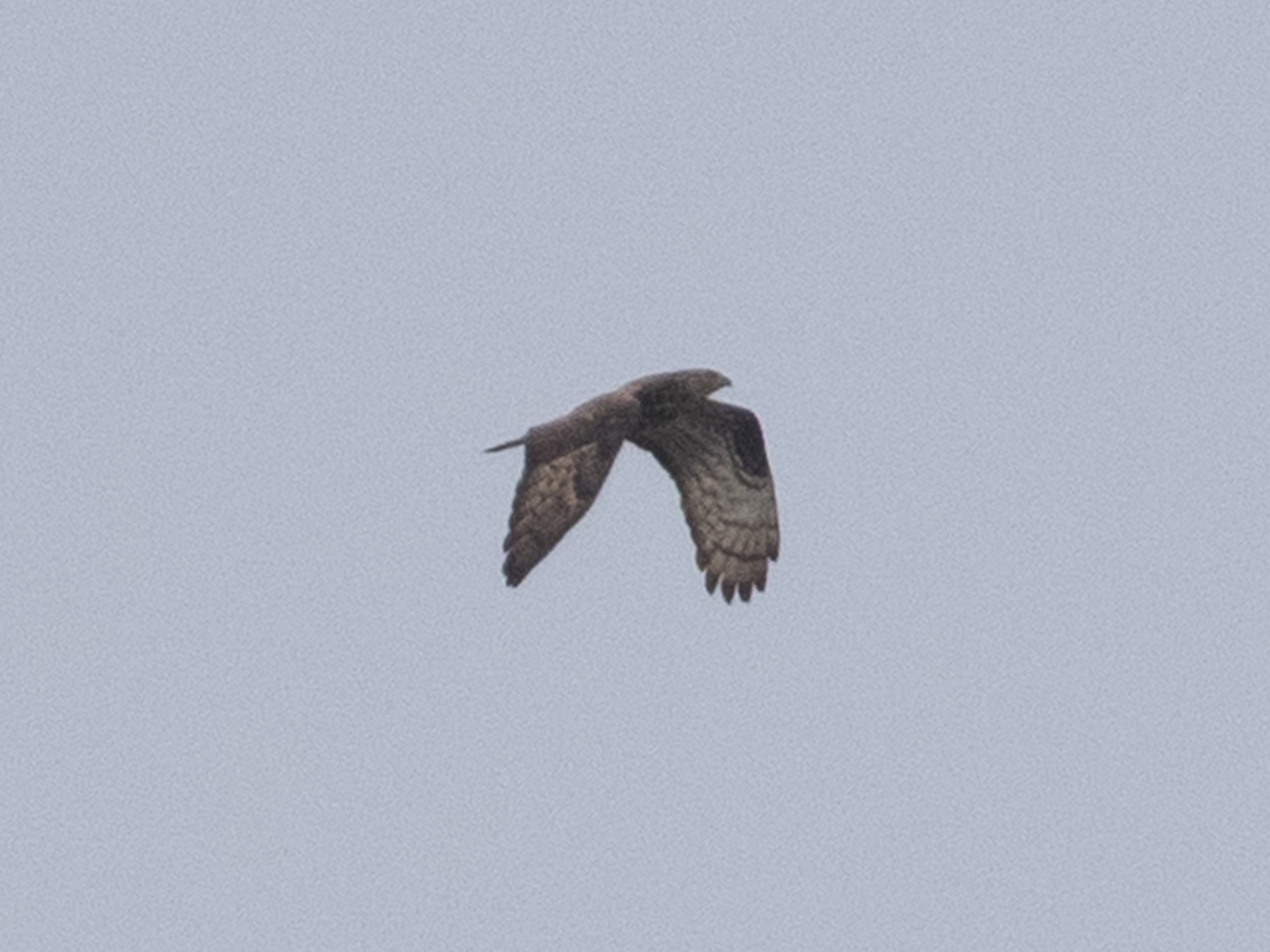
A pale juvenile Honey Buzzard was arriving at Langdon hole as HBs do in the spring and summer. The bird circled a few times over the cliffs and moved West inland as they all do when arriving on this line.
Thrilling! but doesnt qite compete with LP’s 8 East over Beachy head today. Presumably either a continental bird or a bird heading south turning back and coming back in.
Another Pied Flycatcher was in the dead ash tree on Foxhill down en route home.
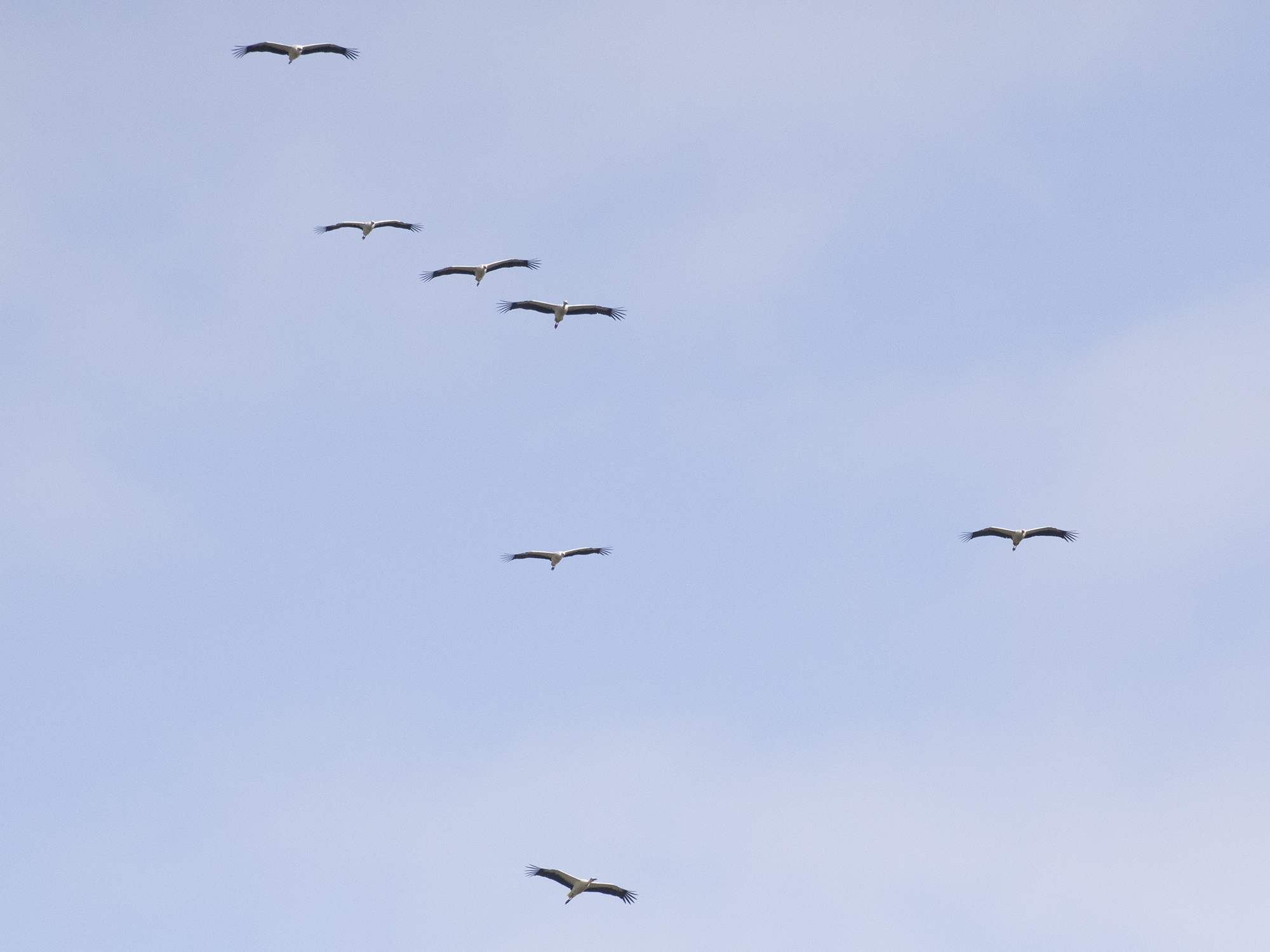
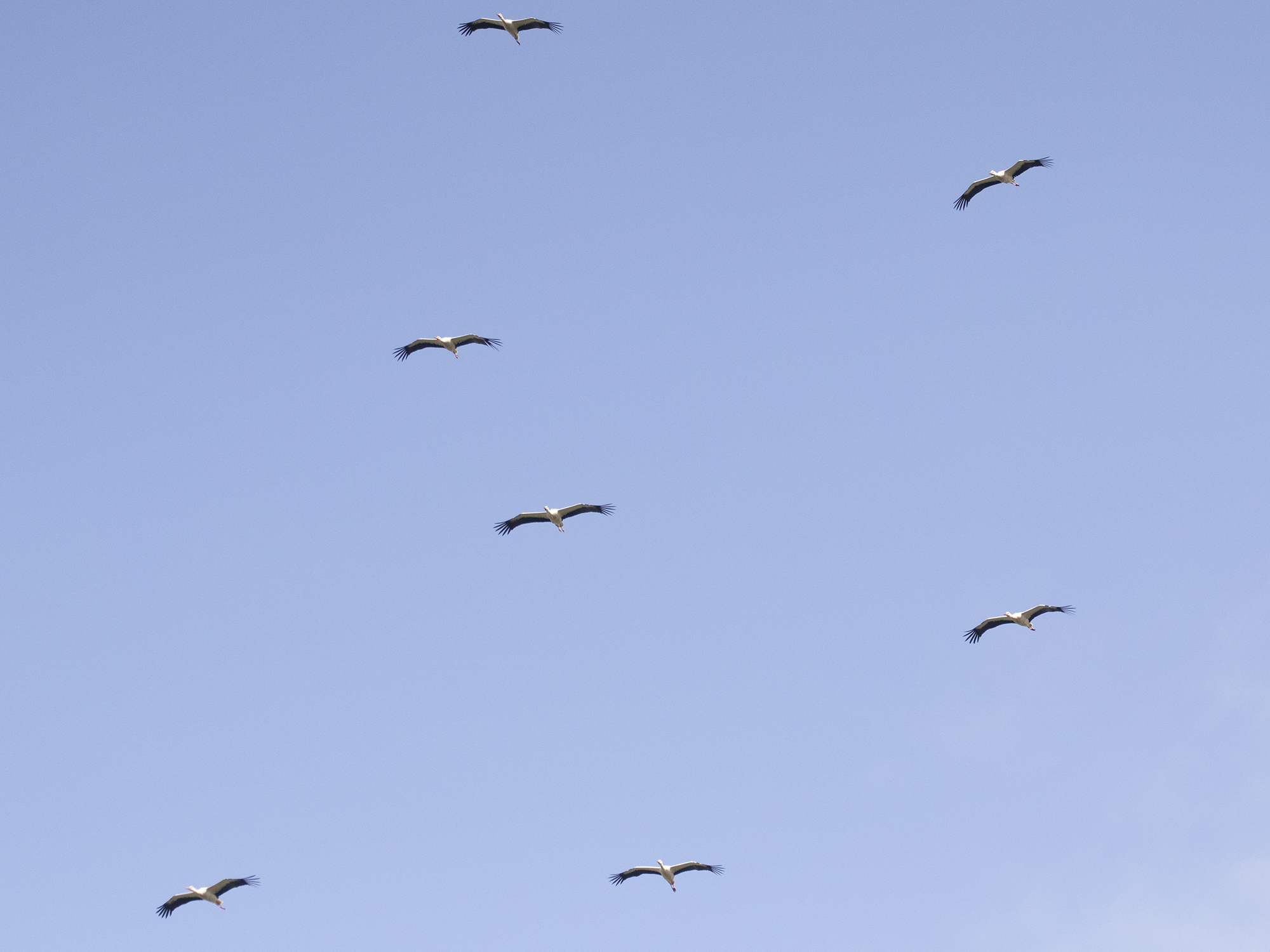
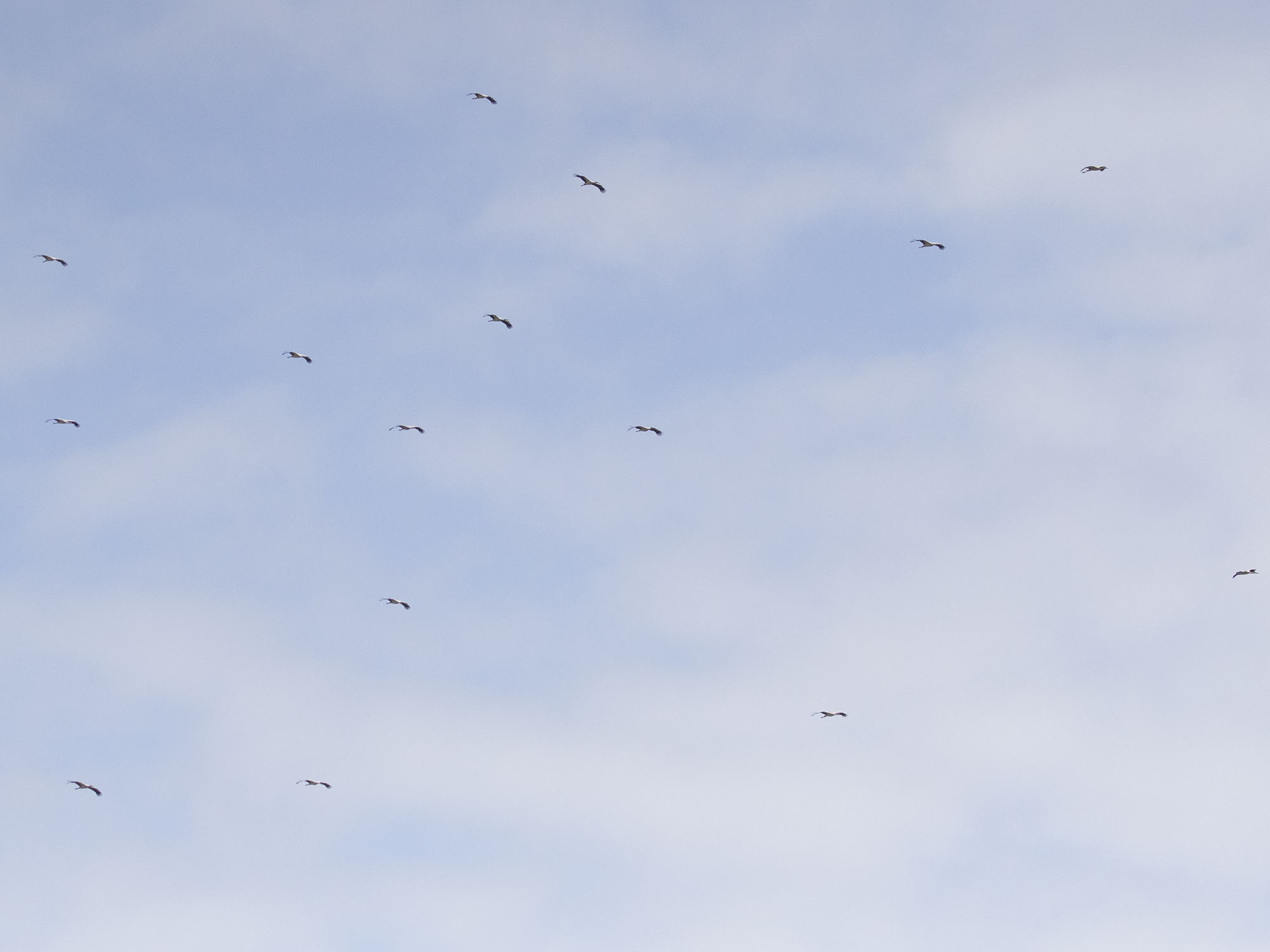
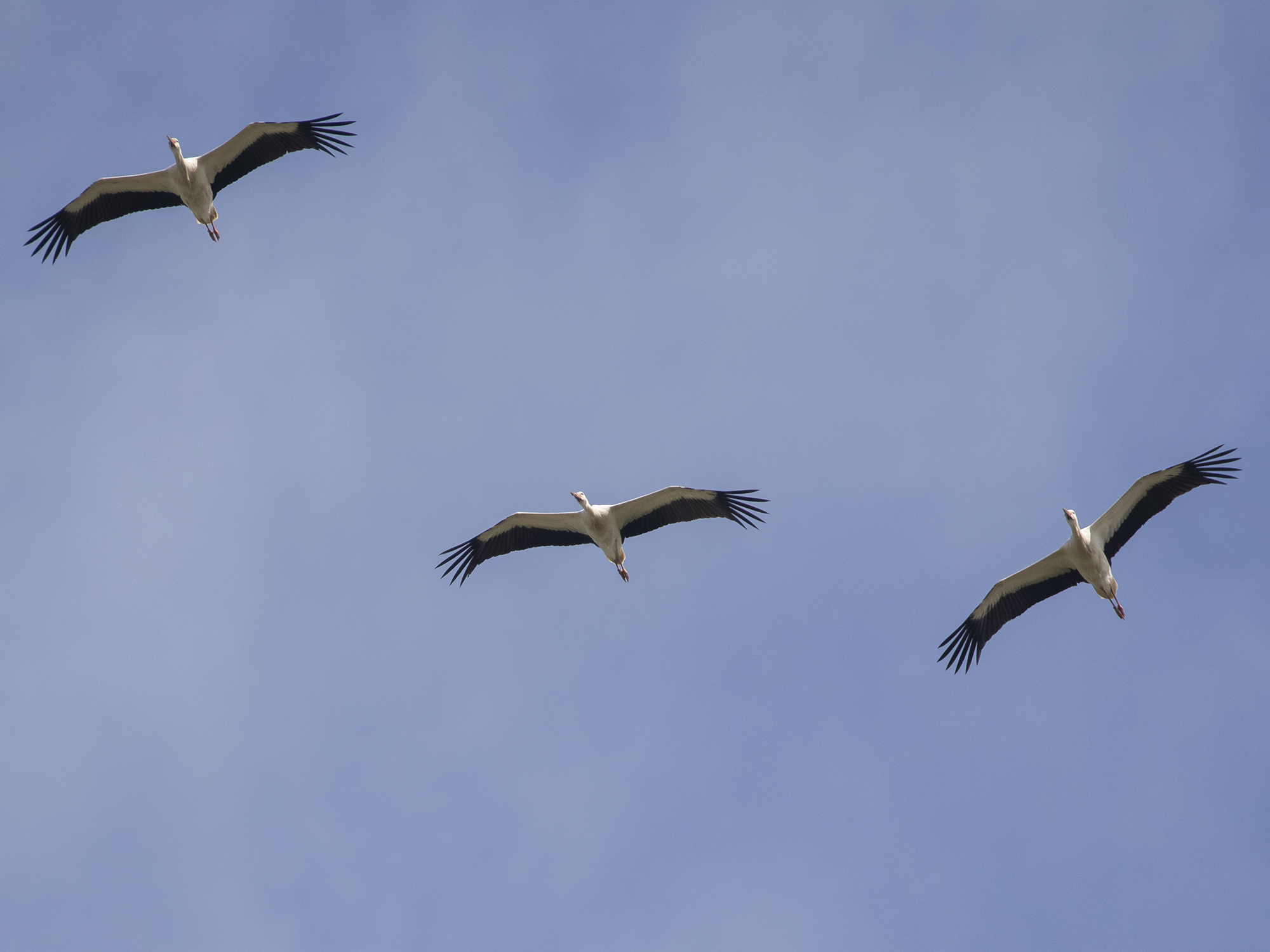
While driving home from a fruitless Gull session I made an emergency stop as a flock of White Storks flew over the road between st Margarets and Swingate.
32 of them to be exact. Likely Knepp introduced birds but nethertheless I really enjoyed them. Tarifa eat yer heart out.
Yesterdays birding was highlighted by single Pied and SpottedFlycatchers, 5 Whinchat, c20 WillowWarblers, 3 Wheatear, 2 Treepipit and a small group of 5 or so YellowWagtails in with the cattle.
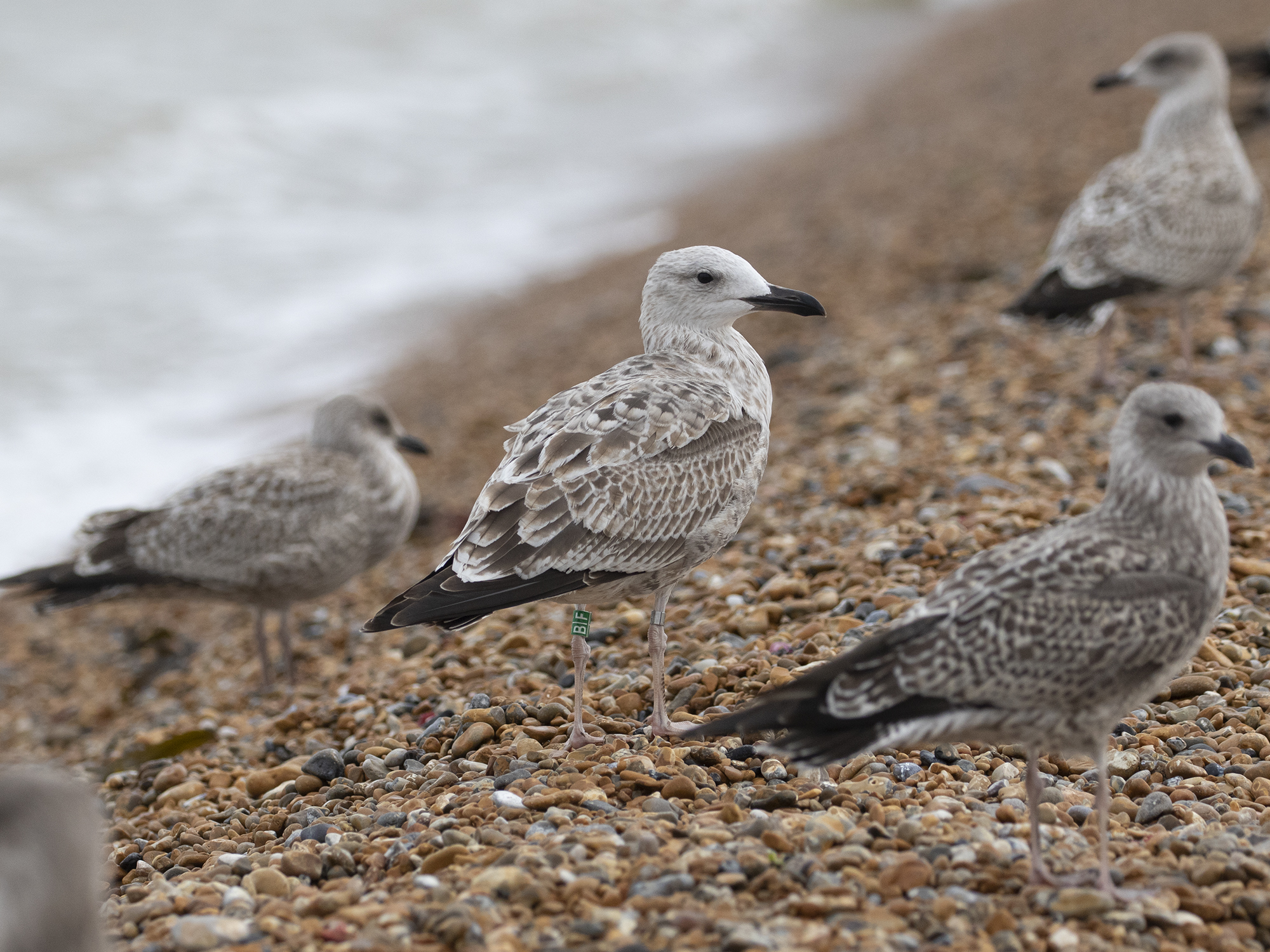
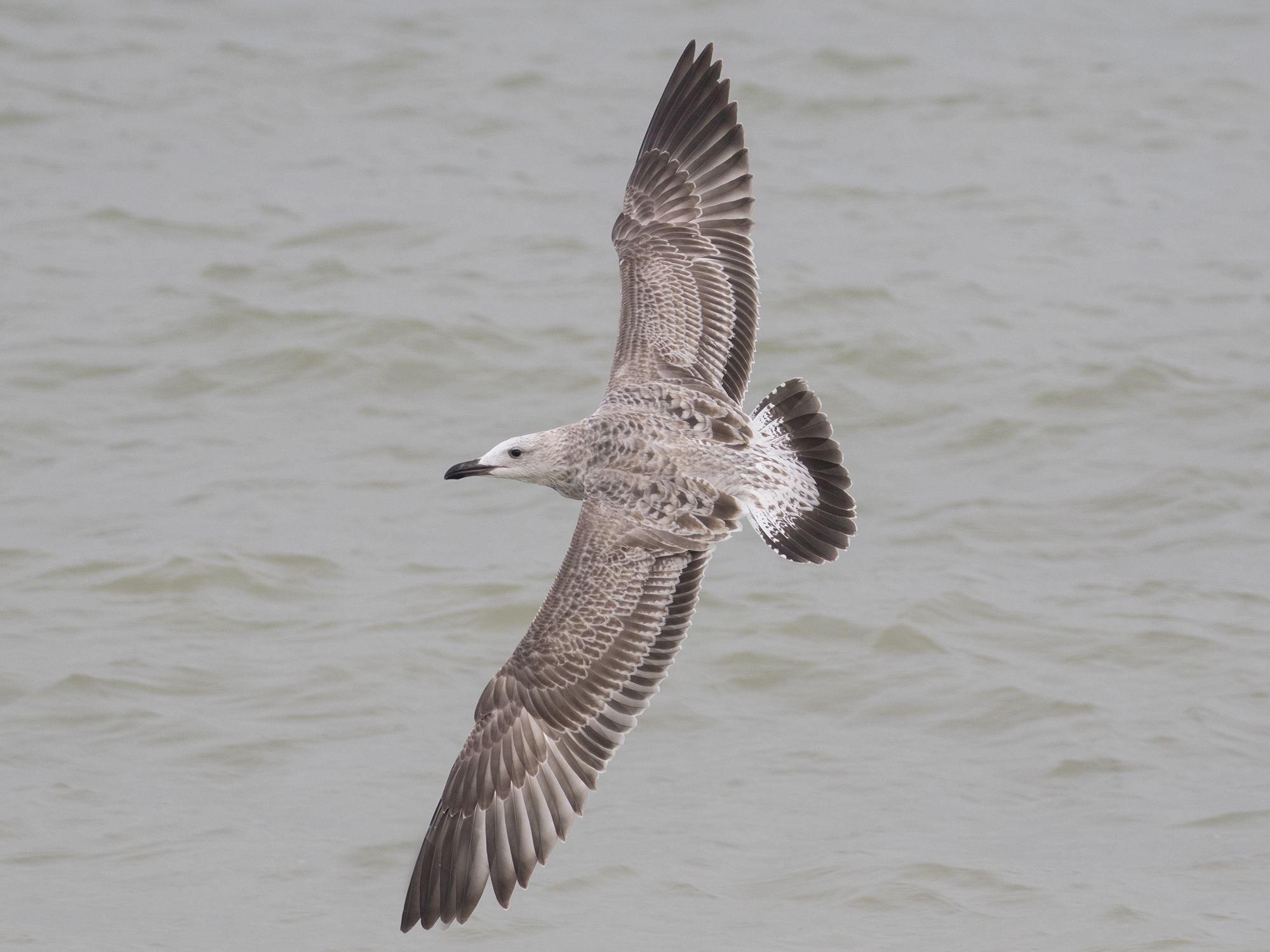
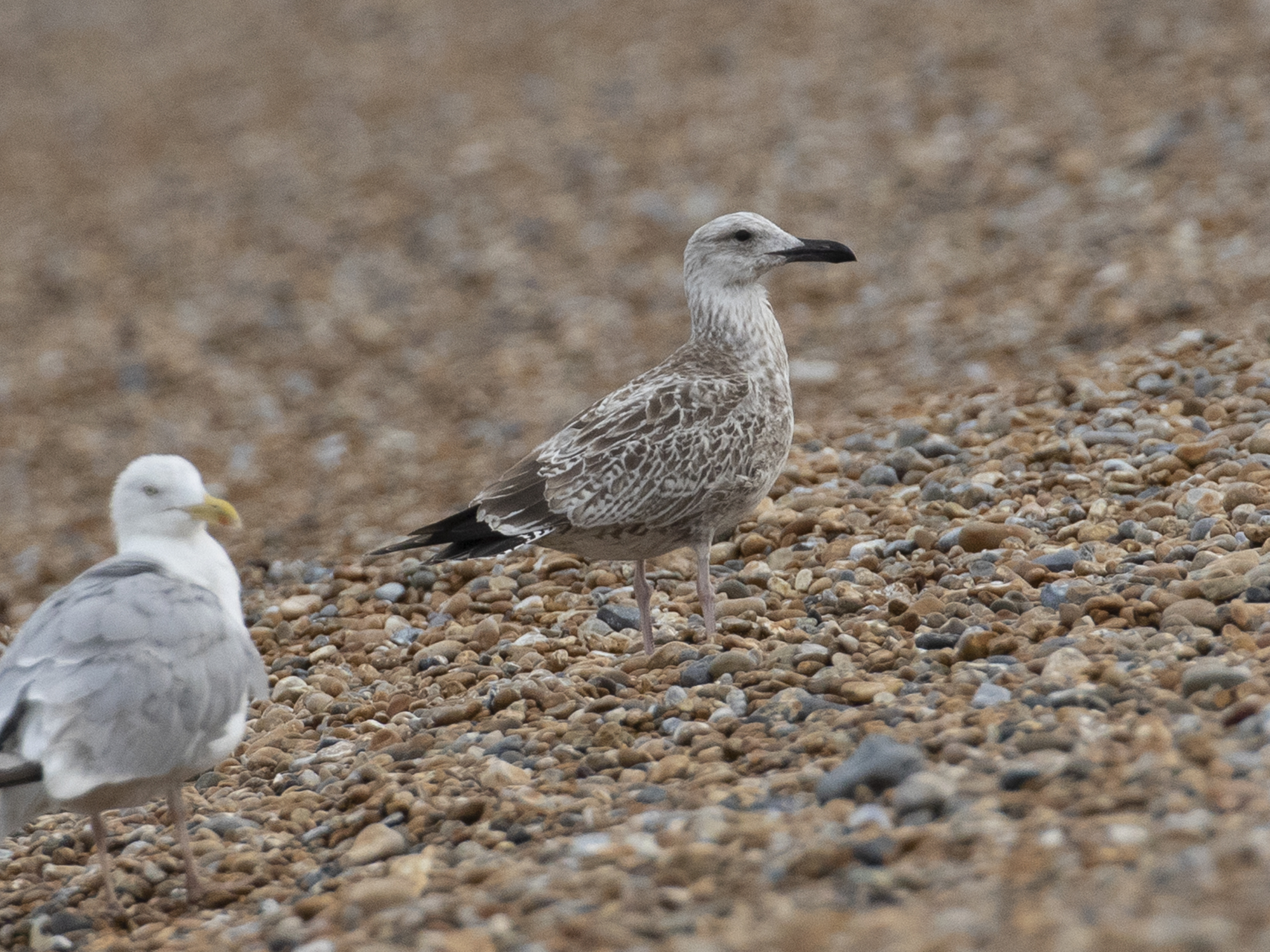
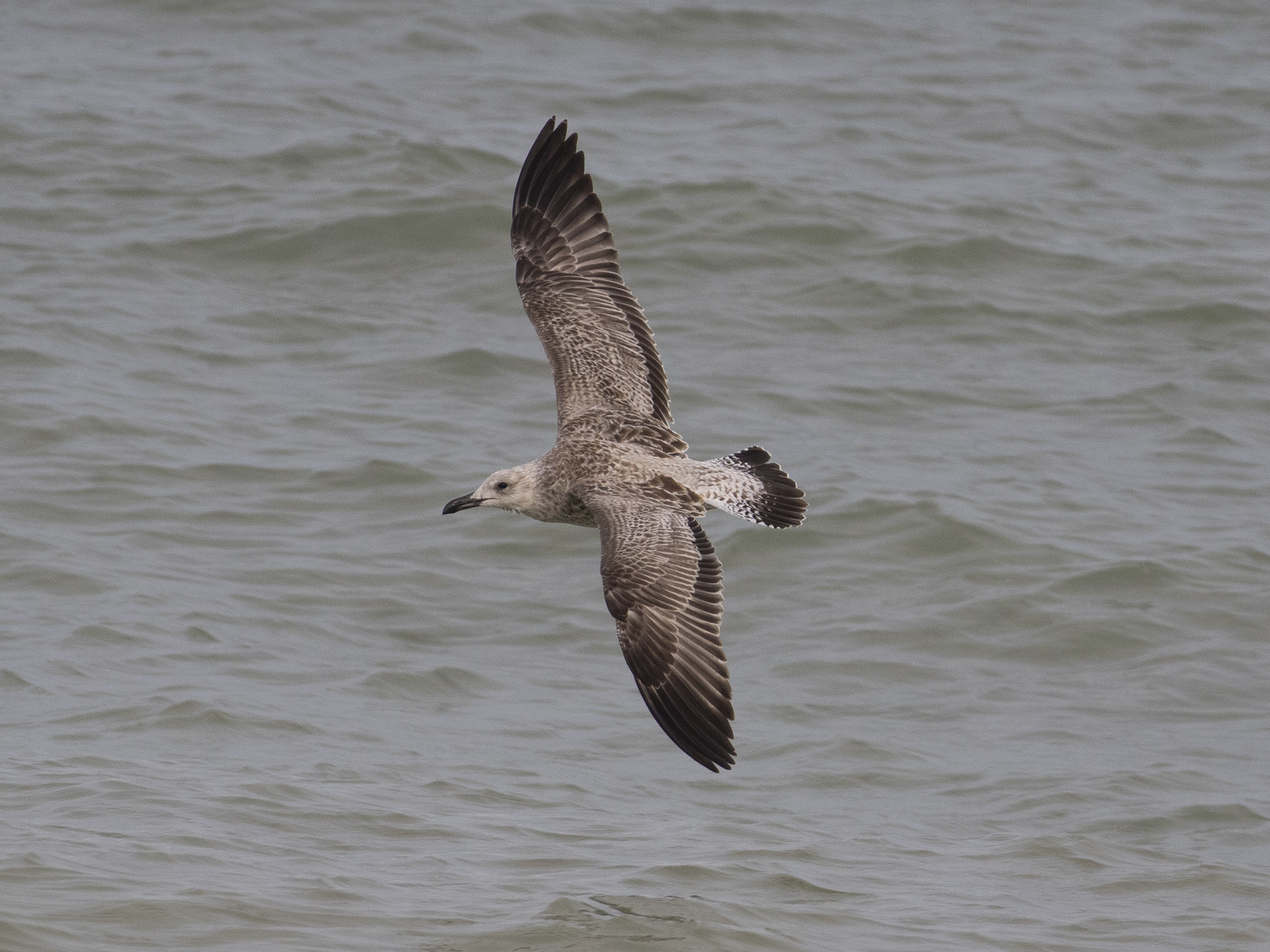
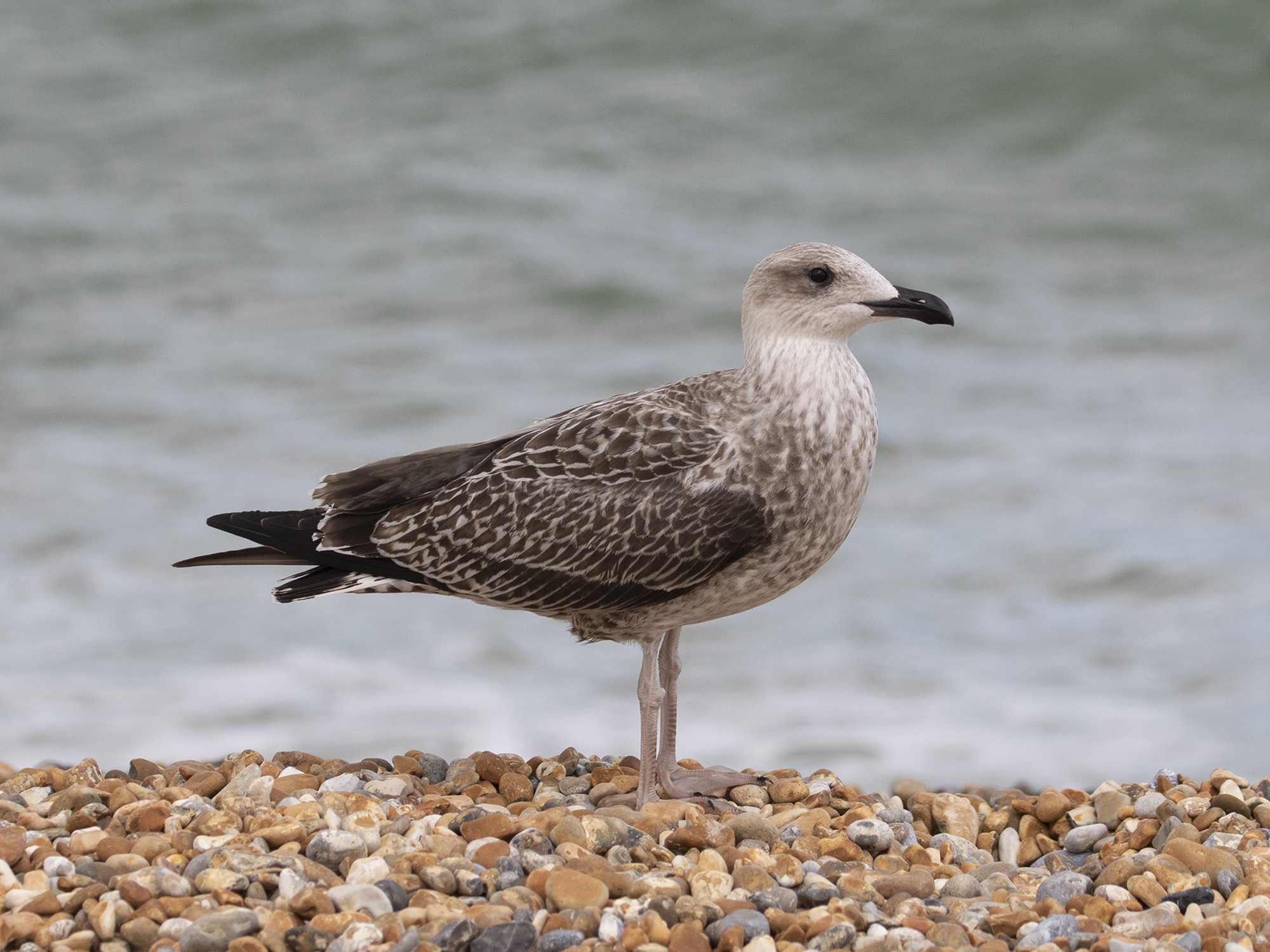
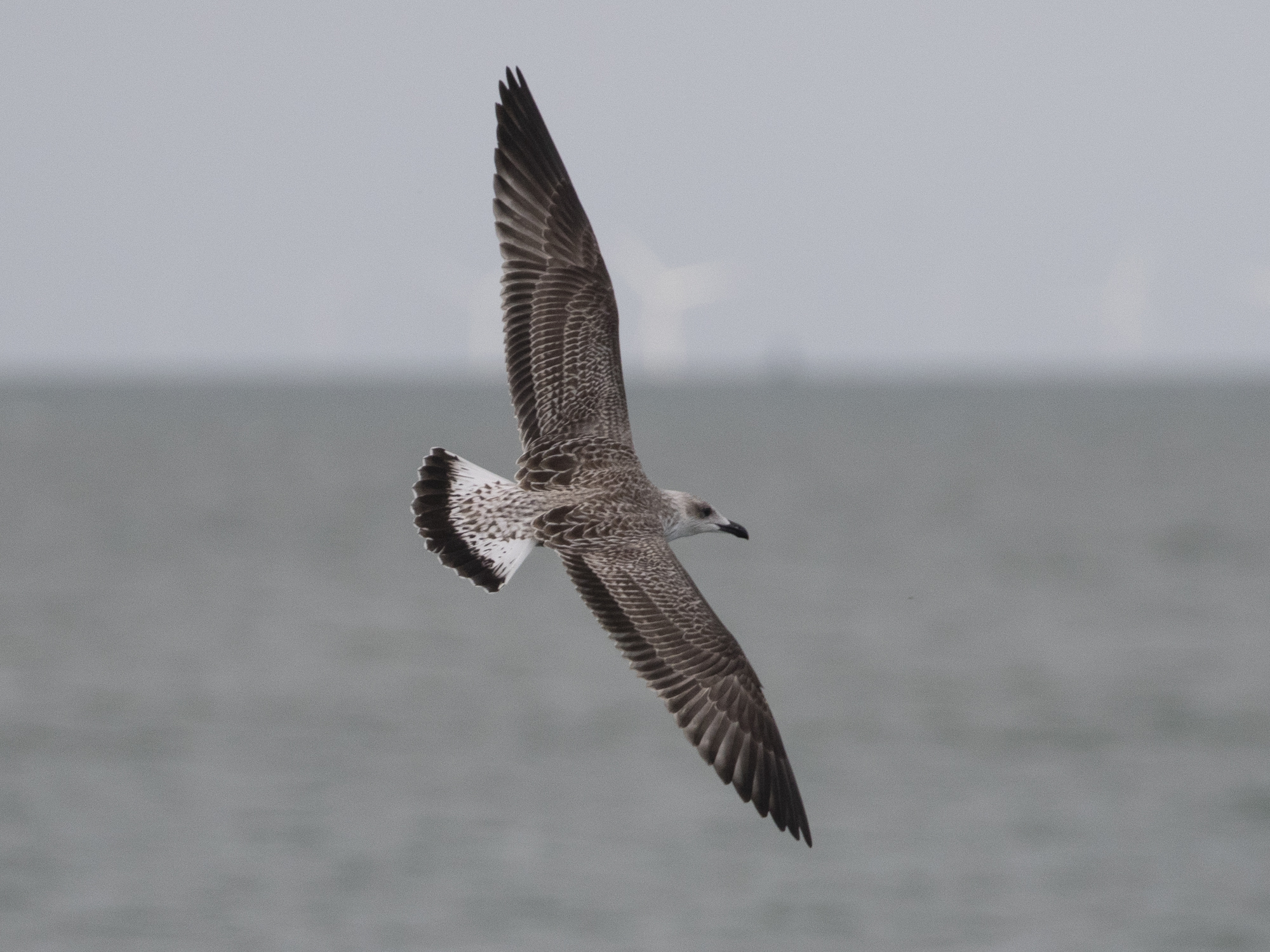
Finally some Gull action. Its been reasonably quiet along the coast for Yellow–legged and Caspian Gulls so far this autumn although Gerald S saw a juv Casp at Deal beach on the 22nd, my reglar attempts have held one or two YLG at best until today.
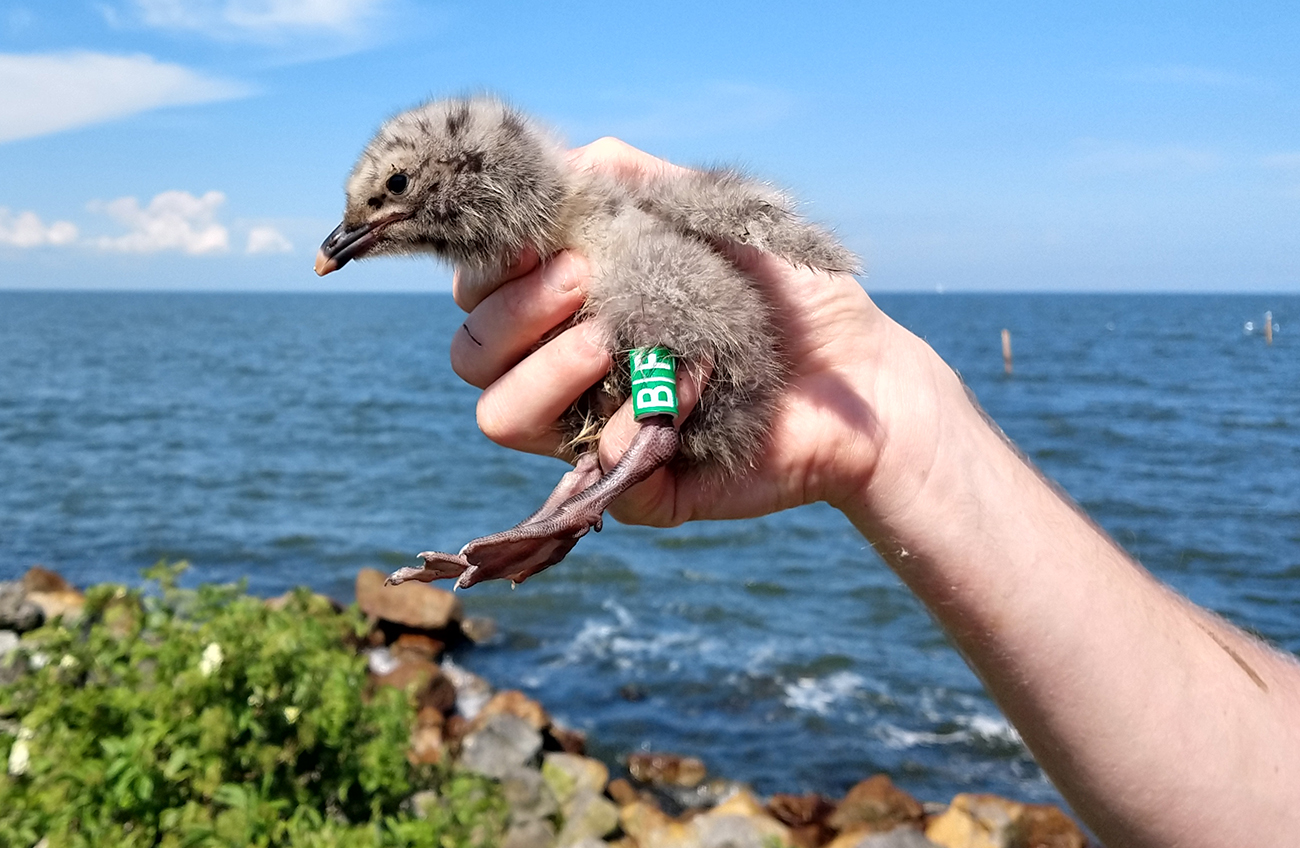
Heres the first of 2 juvs today, a Dutch ringed bird from Lelystad in the Netherlands which is the colony where good old Mars Muusse is the co-ordinator (and generous host to me on 2 visits.)
Here he is as a pullus, ringed by Mars and the team at the colony in Lelystad, NL.
The second Casp arrived from the horizon as I threw my last piece of bread, less advanced, less clean and silvery but a nicer shaped bird to my eye.
At last some action in the bushes. A text from Steve R that he had a Piedflycatcher in Fan bay encouraged me out of my late start/hang over situation and up the cliffs, where 3 Piedflys were flitting around in the dead Ash at Langdon, along with a SpottedFlycatcher.
Not much else to report other than an interesting high count of 10 Ravens appearing to arrive high in off the sea, another 3 did the same thing half an hour later.
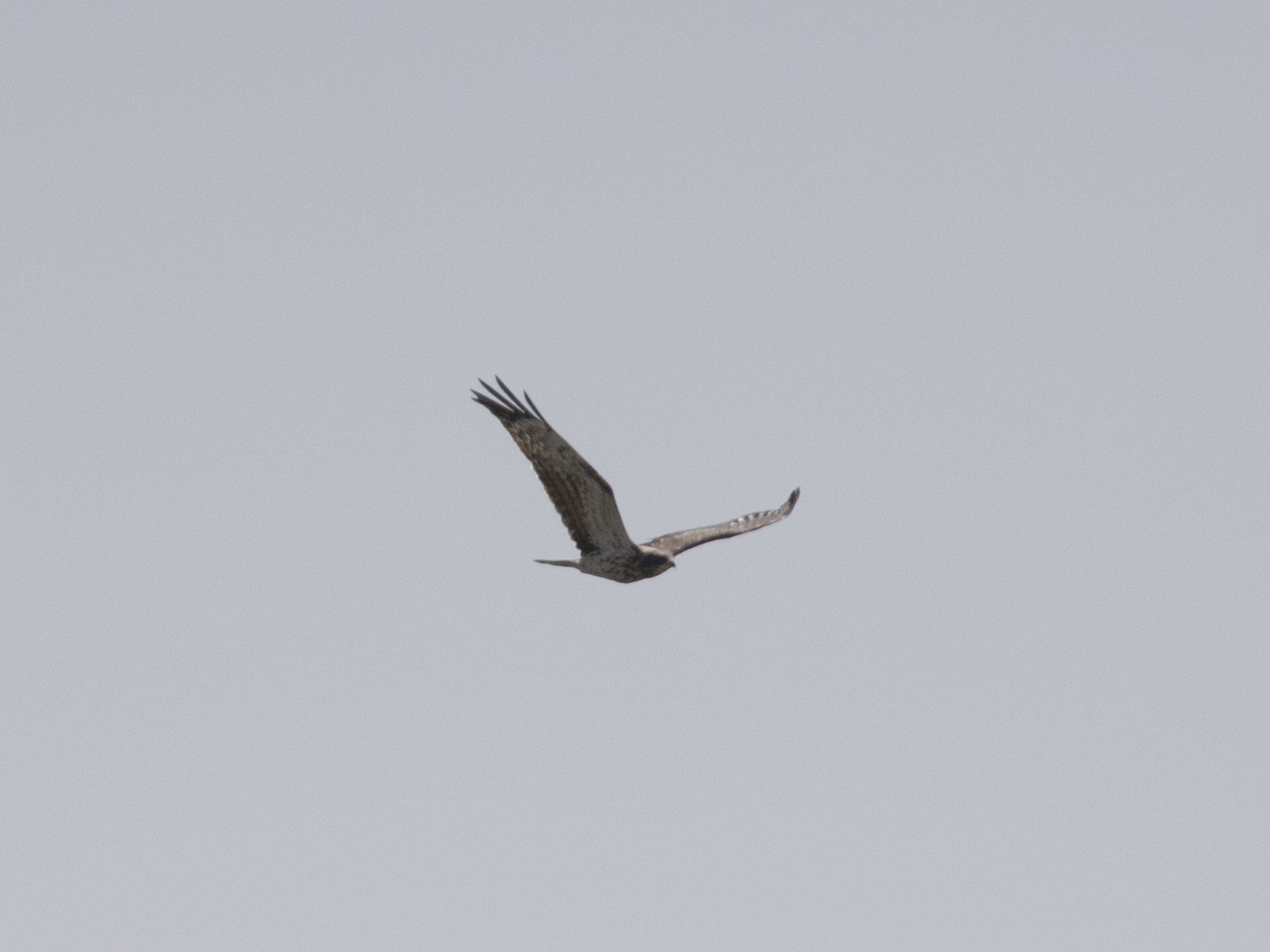
Light SW, overcast but warm – A quick dash around Fox hill down (in the hope of a Pied fly) on the afternoon of the 14th took a nice turn when the gulls alerted me to a female Honey Buzzard, powering in over the eastern docks and heading for the Castle (15.35)
Continuing West after abit of circling and lost to view. This bird followed the same line as many I have seen arriving at Langdon , though of course more likely at this time of year could be following the coast rather than ‘in off the sea…(?) The same scenario happened on the 10th August last year in light SE winds.
Im yet to beat my (conservative) high count of 40 Willow warblers on the 11th and also yet to see anything more excting in the bushes but I’m still half in ‘Inland HB mode’ so not firing on full cylinders at the coast currently, if thats an excuse!
Apologies for the lack of posts on this blog recently. Ive been working abit and spending time looking inland for HBs and not spent much time up the cliffs at all however the brief visits have been producing small numbers of common autumn migrants.
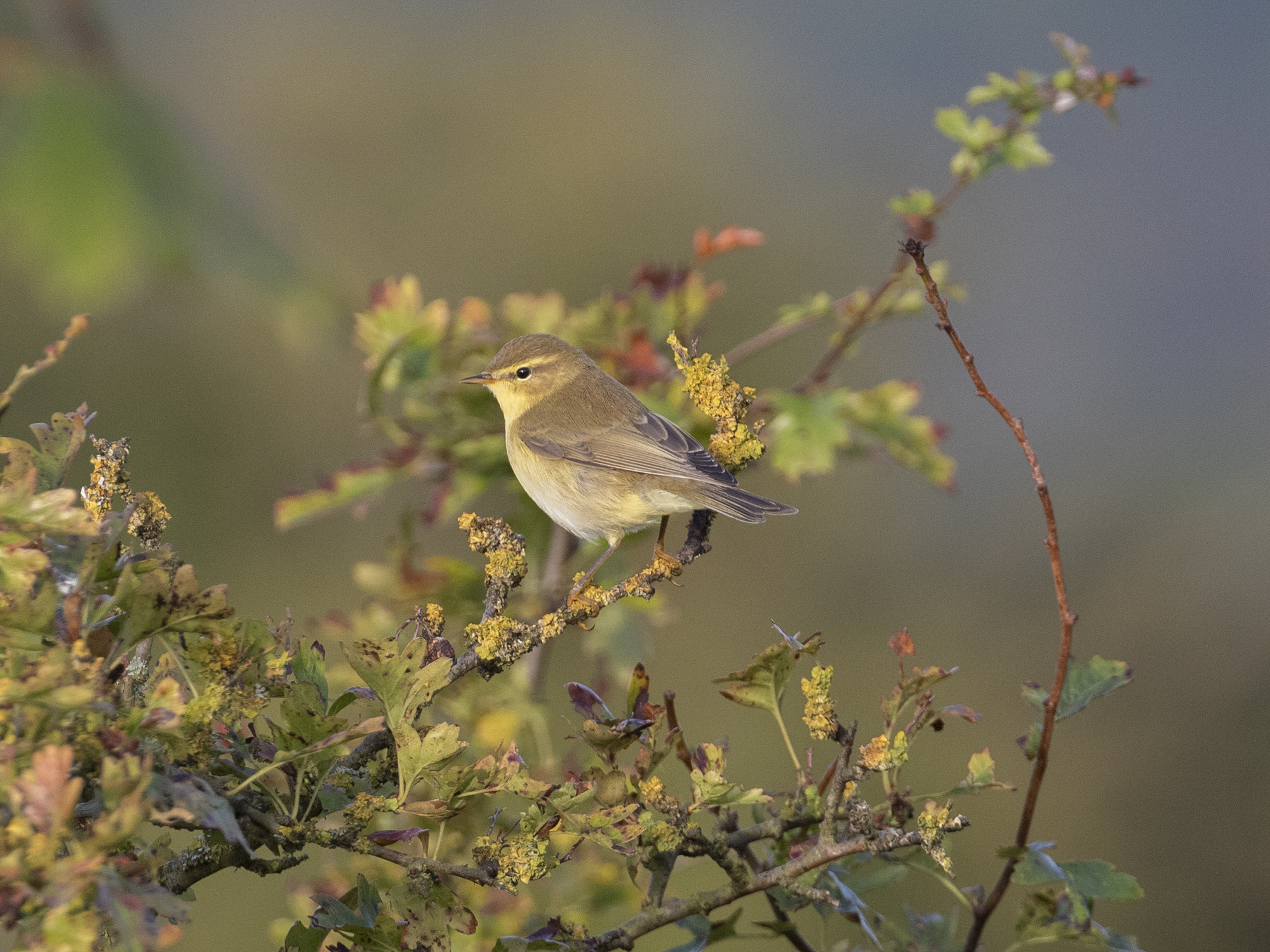
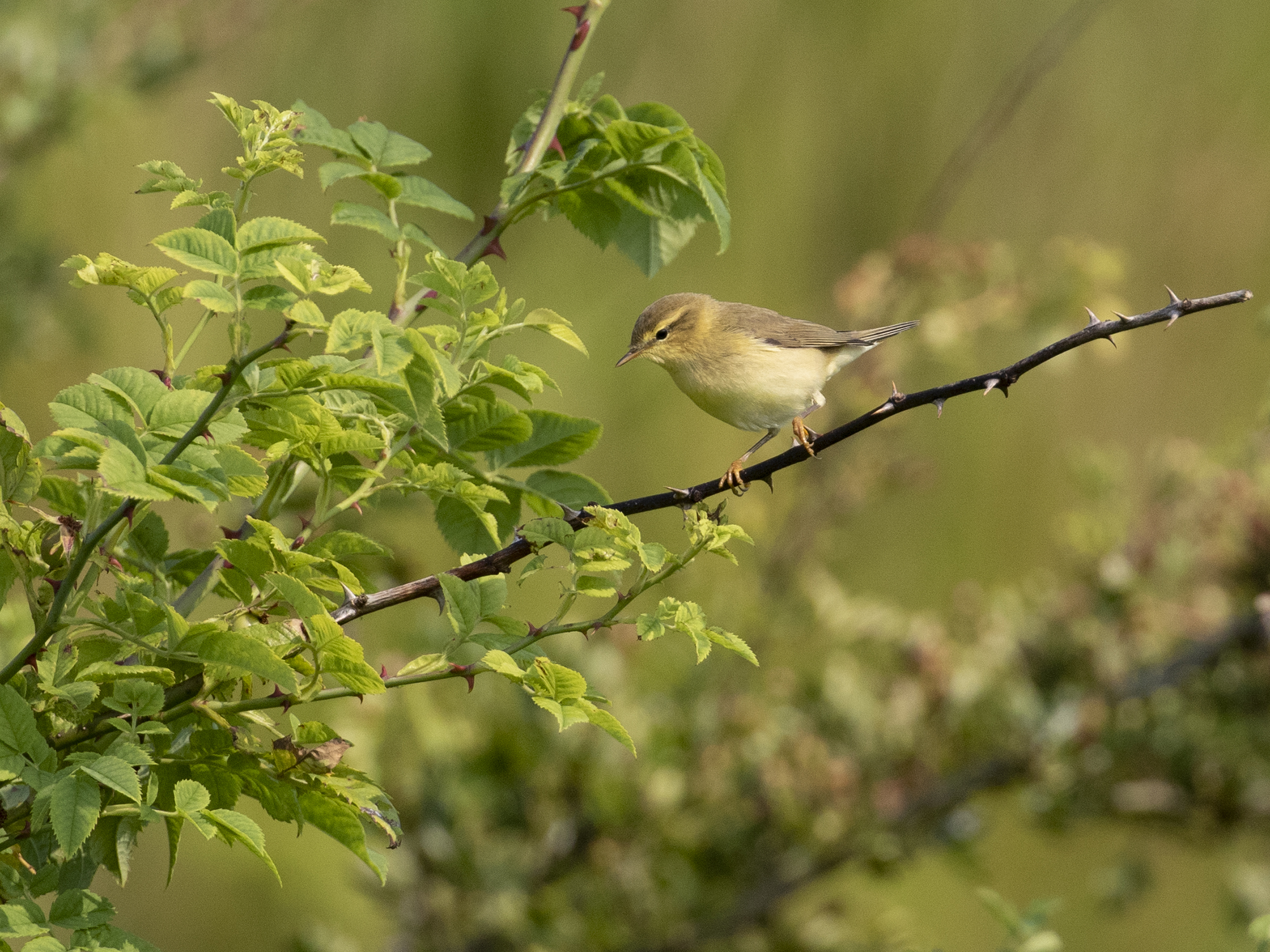
My first juvenile Willow Warblers of the autumn were in Langdon hole on the 24th July, numbers of Sedge Warbler from this date too have been good especially in the fennel field where i counted a minimum of 10 on the 27th July.
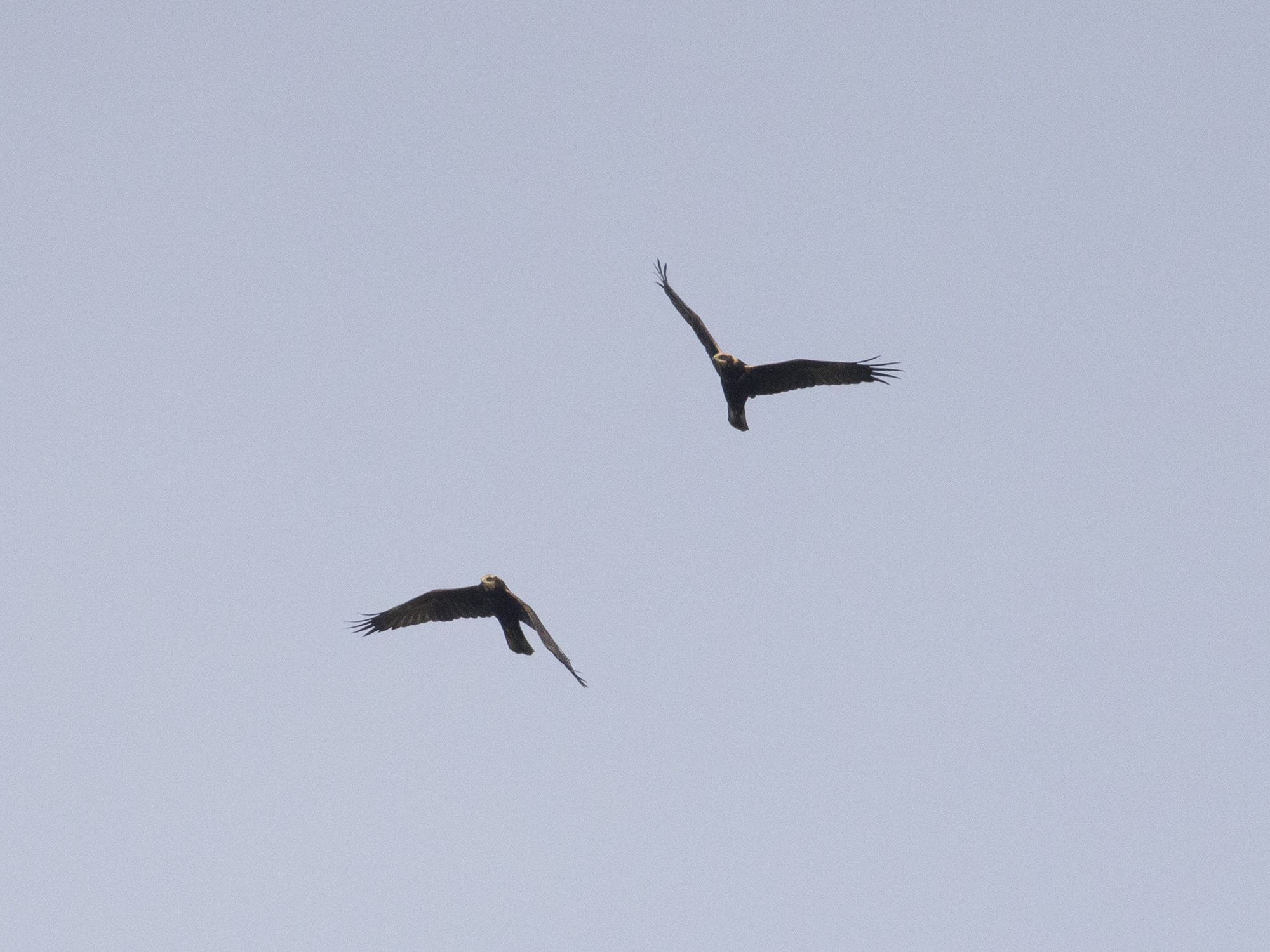
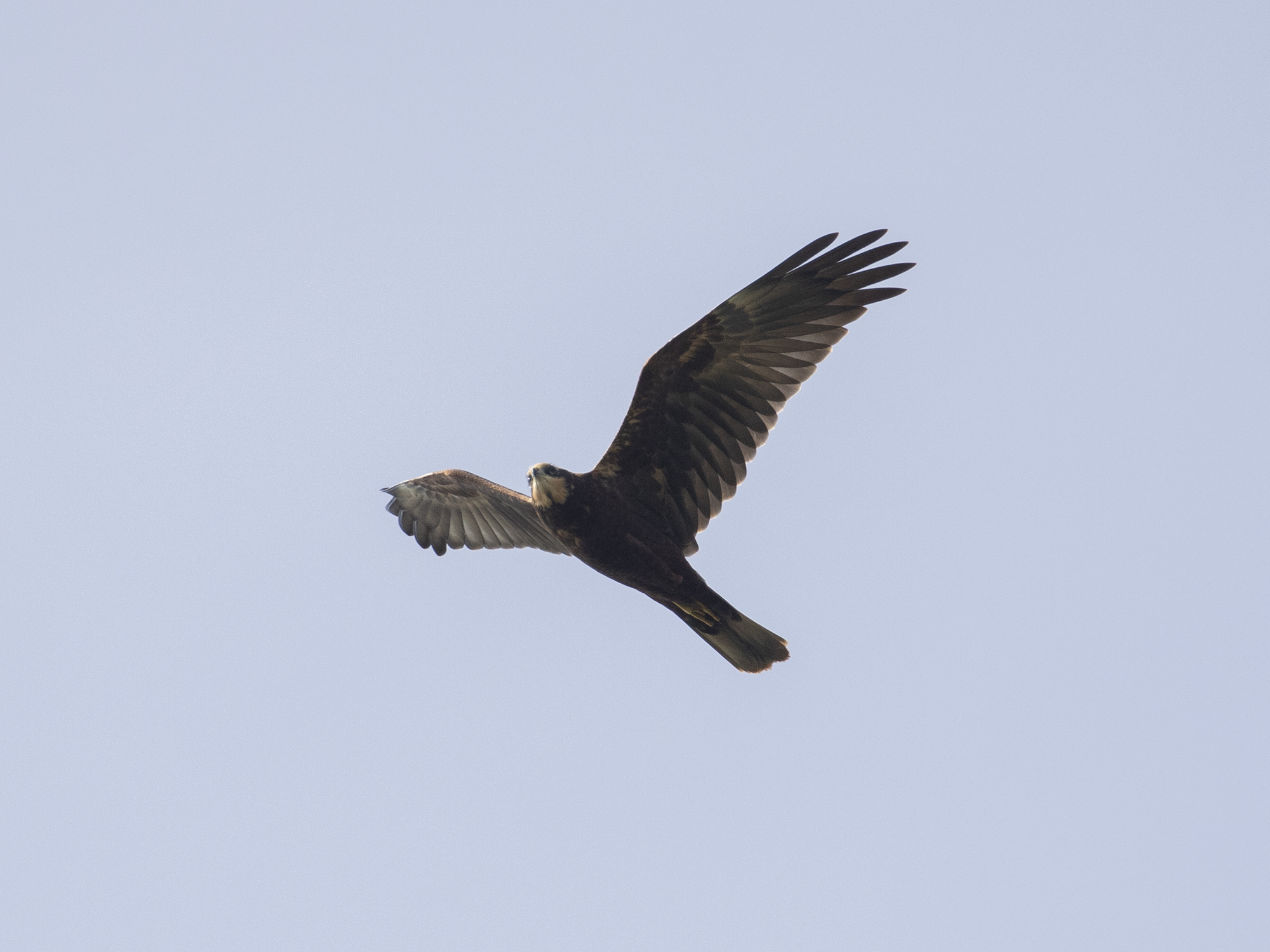
2 Juvenile Marsh Harriers flew over Fox hill down on the 1st August and a cuckoo flew through my back garden on the 8th.
Ive been seeing juvenile Yellow-legged gulls on and off in small numbers since the 10th July, a few along the cliffs and one or two in Dover harbour but yesterday was the first time I threw bread for close views. Only one bird came in, classic bird already showing scapular moult at Deal beach.
Soon I will be up the cliffs everyday, but theres more Honey Buzzard ‘work’ to be done so untill then…
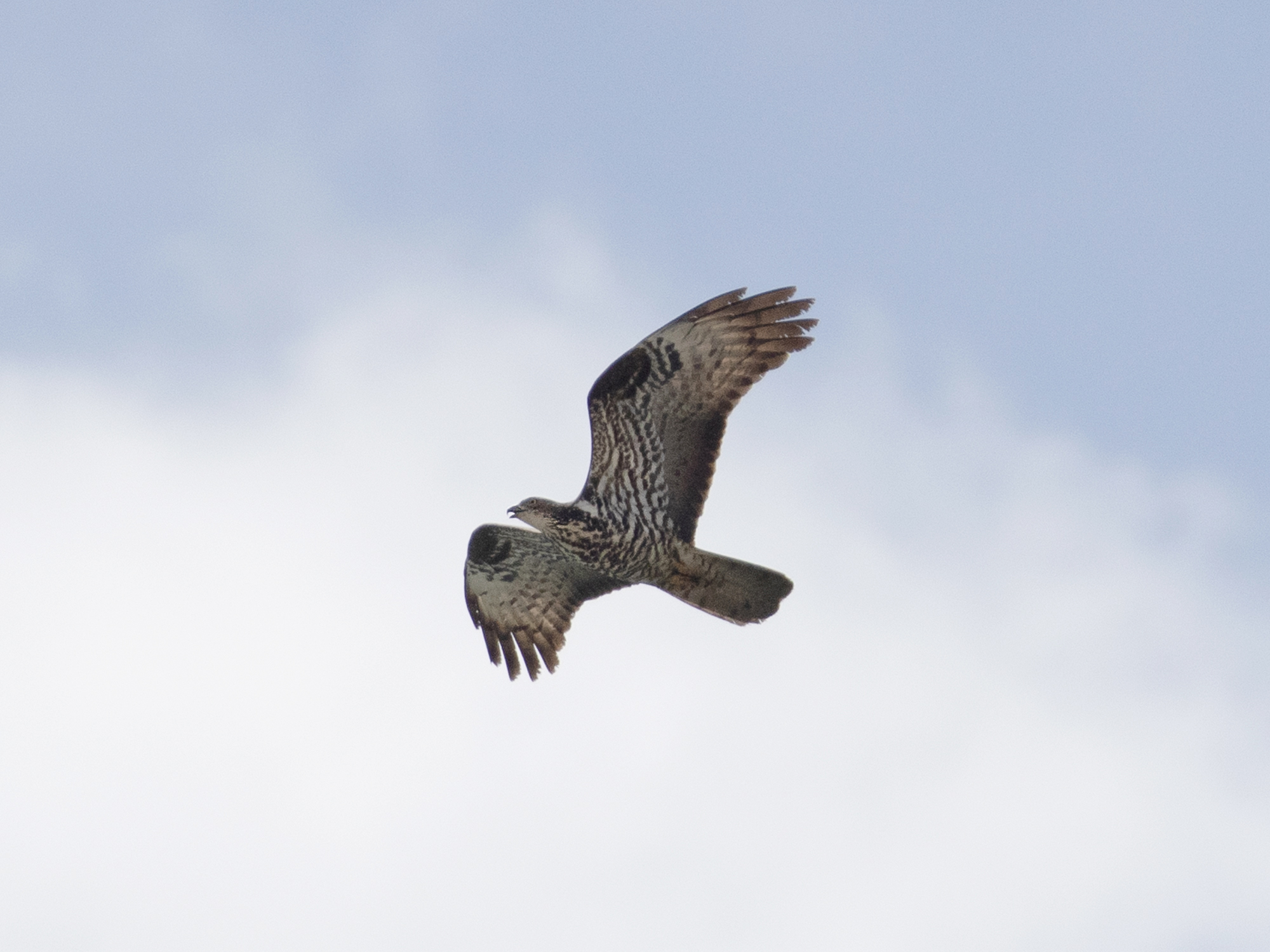
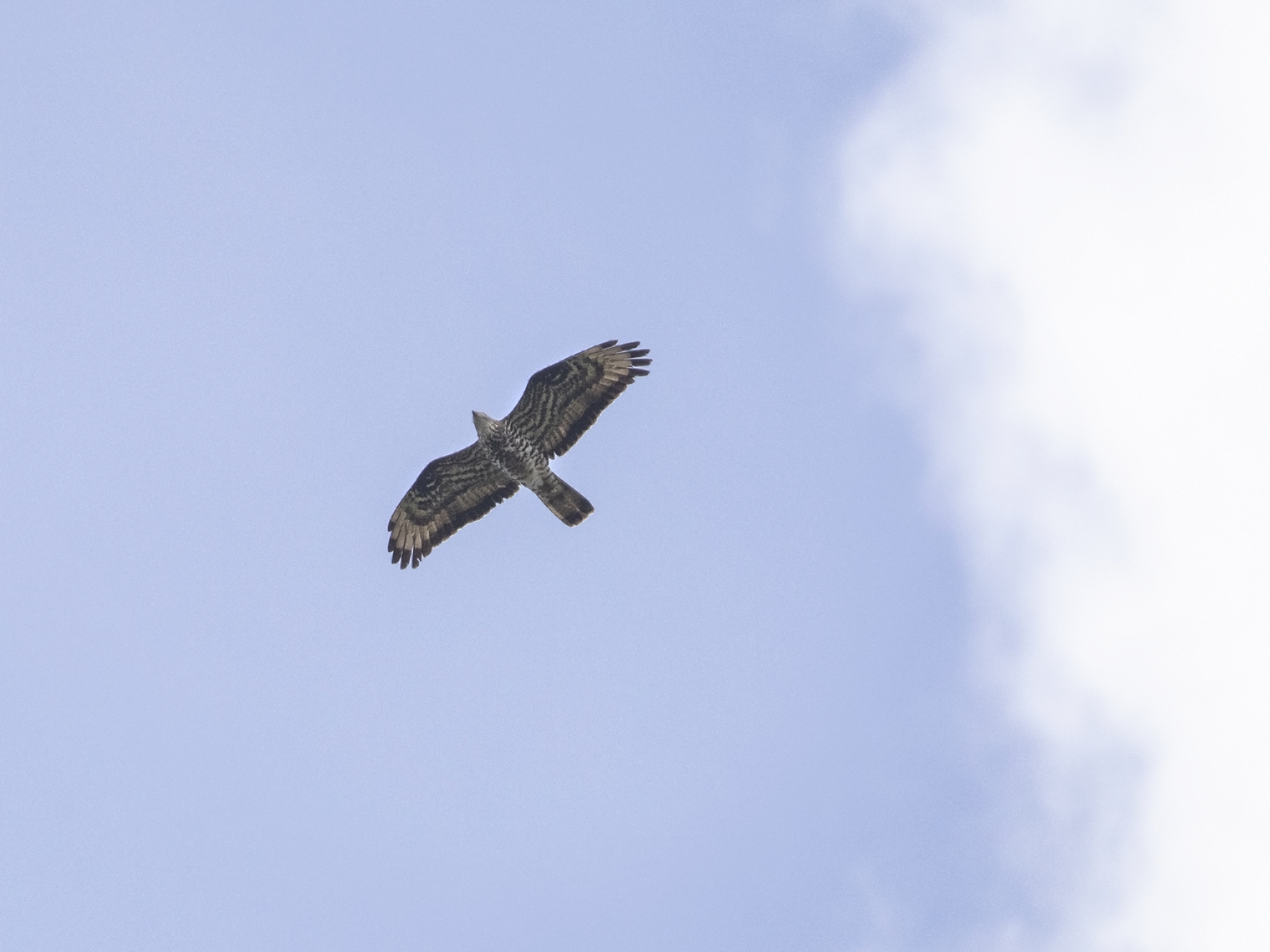
A light and warm SSW wind and a very clear morning – good weather for Honey Buzzards crossing the Channel. Most people, quite rightly, would associate HB arrival dates with May and early June. This is largely correct and the succesful breeders must arrive during this earlier part of the breeding season, However failed breeders and non breeding birds do continue to move around during the summer and Late june throughout july can be just as good for arrivals along these cliffs.
Not the first time I’ve seen 3 birds arriving ‘together’ or as in this case using the same line to arrive 5 minutes or so apart from each other, See here and here for other multiple arrival days.
The first two birds were distant and there was considerable heat haze so I didn’t waste much time photographing them but both were great to watch. I picked up the first bird just after 11 am – a fairly standard time for HBs arriving off the sea here. Alerted by a few Herring Gull alarm calls – A fairly dark female, came in low over the cliff top at Langdon hole and flew directly West towards the radar station/Foxhill down.
5 minutes later The gulls were calling again from below the cliff tops and soon enough the second bird which looked like a male was flying straight West over the water towards the harbour.
A similar story with this bird, it gained some height and continued, mobbed by one or two Herring Gulls.
I wondered if more birds might arrive following the similar line and legged it down to the western edge of Langdon Hole which would have been a fantastic watch point for the previous birds arrival.
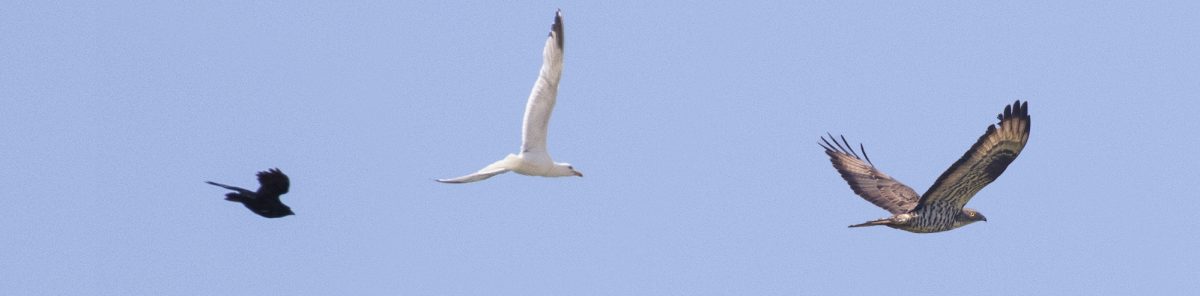
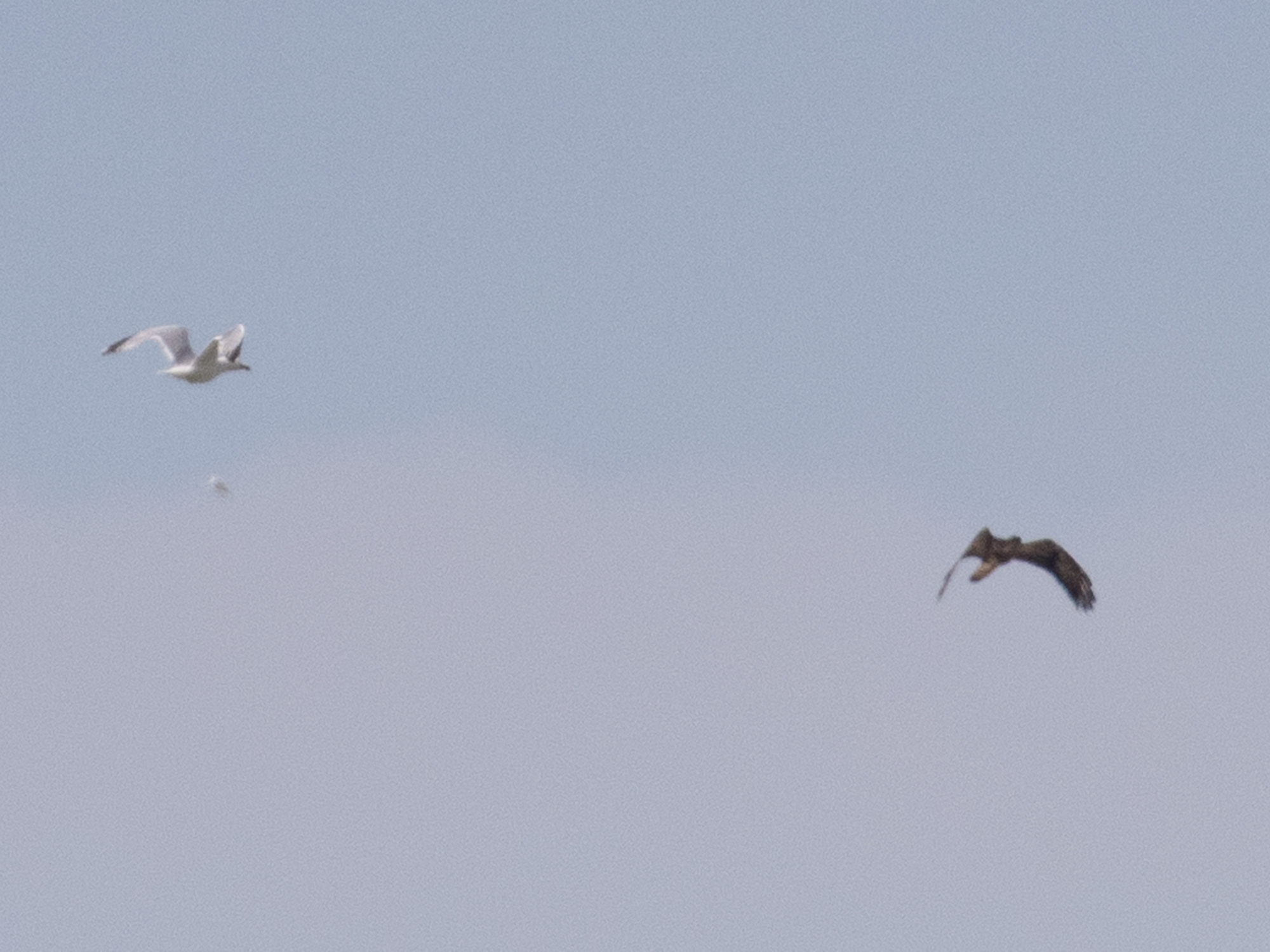
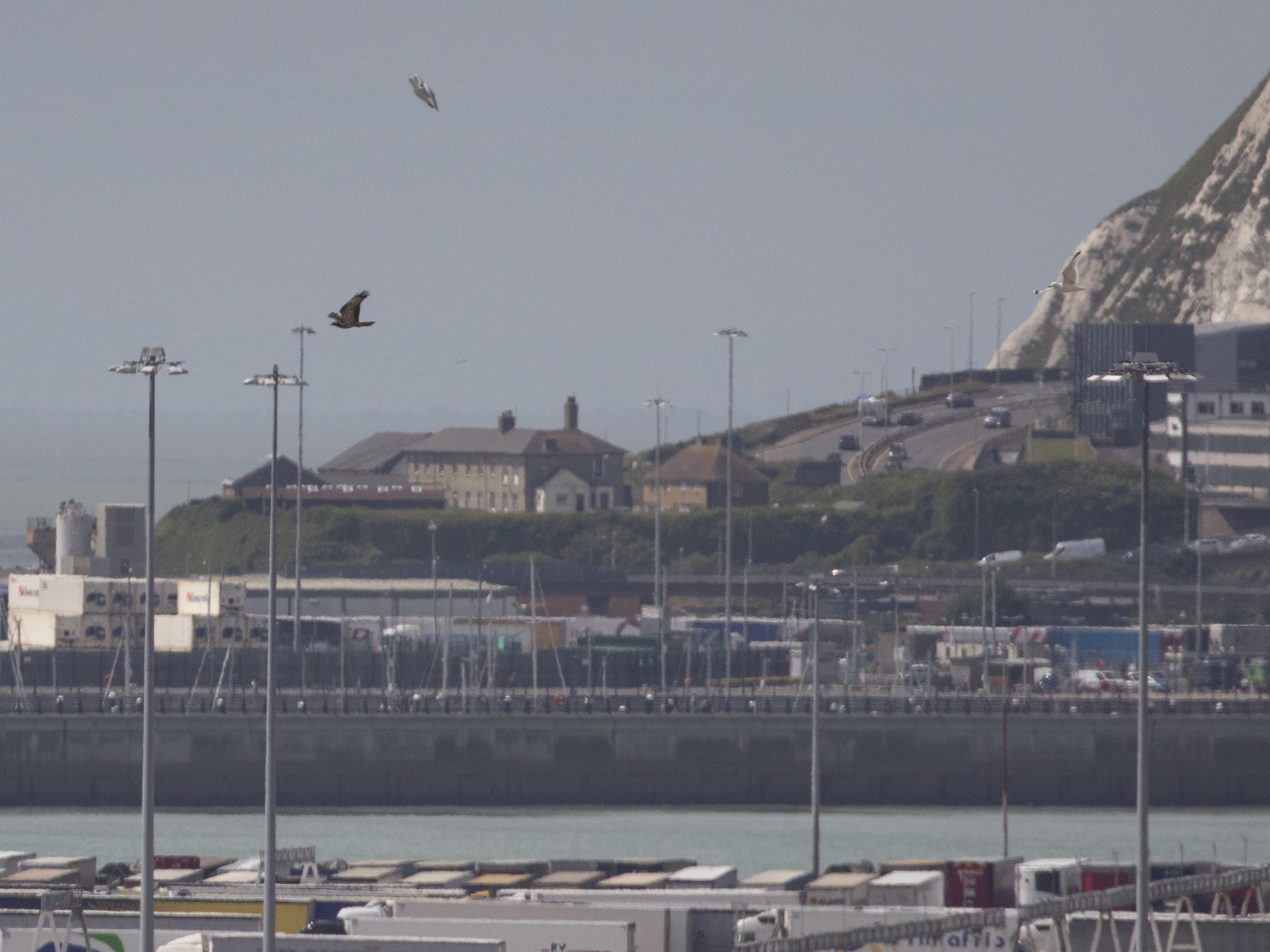
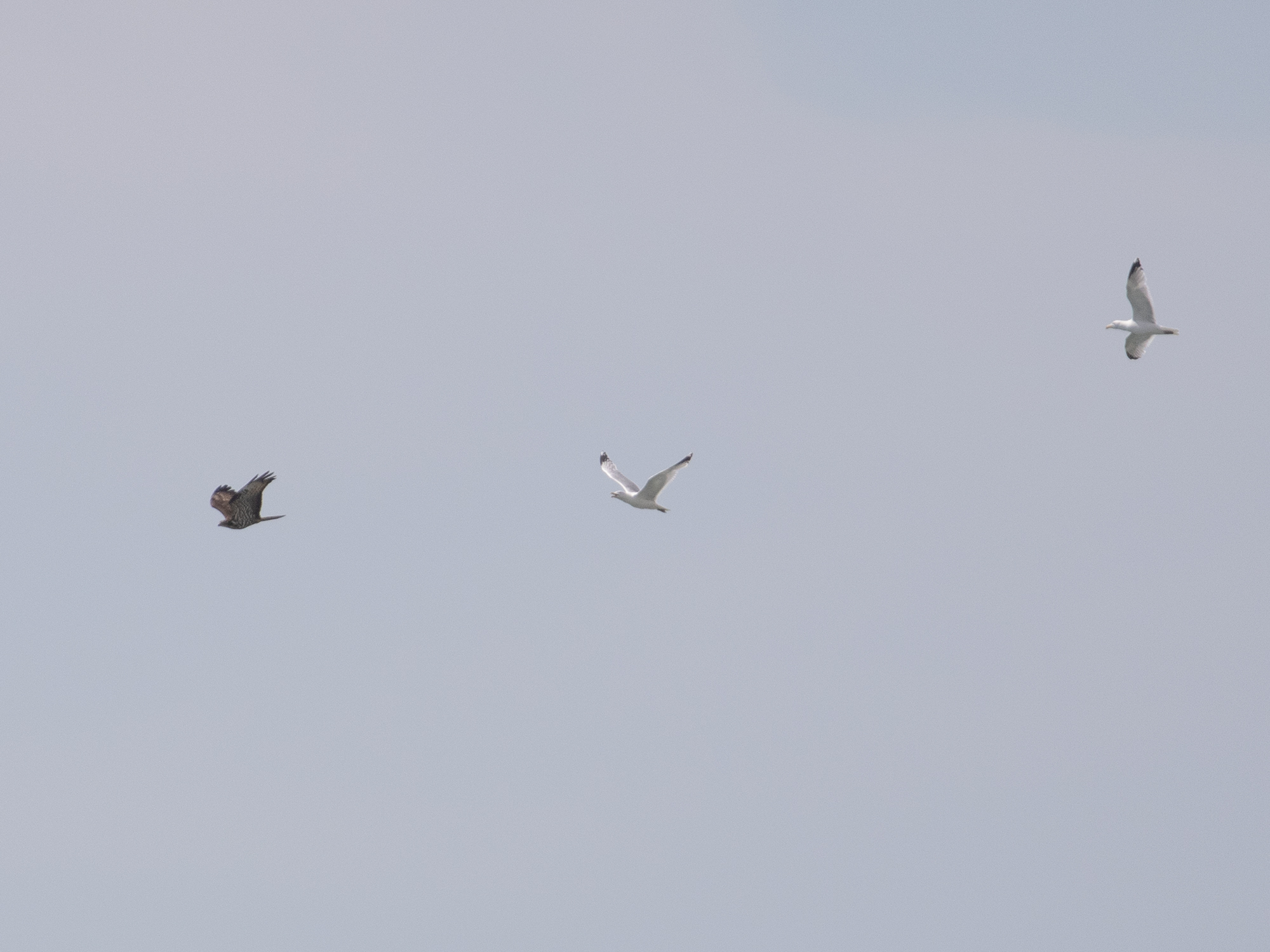
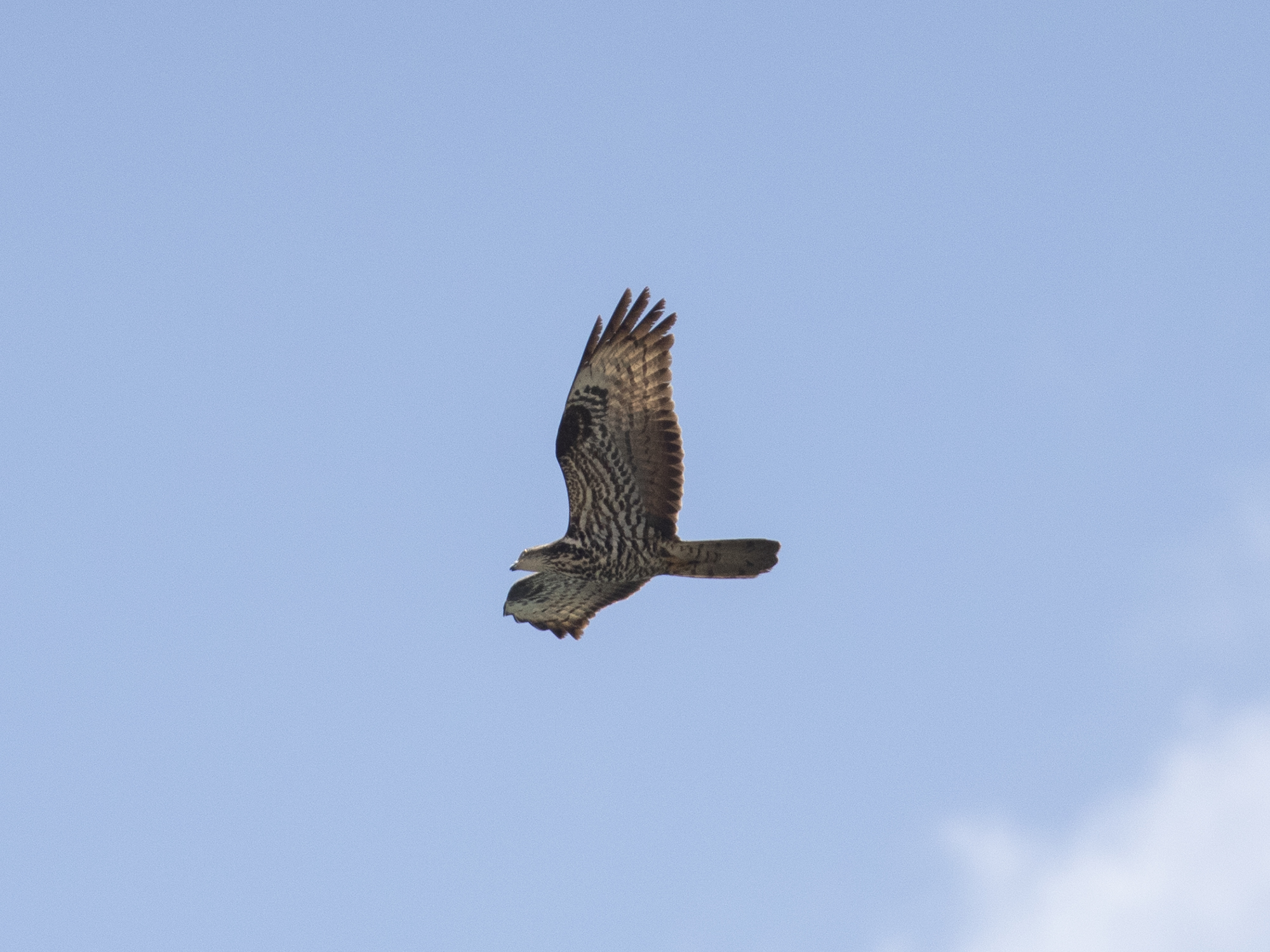
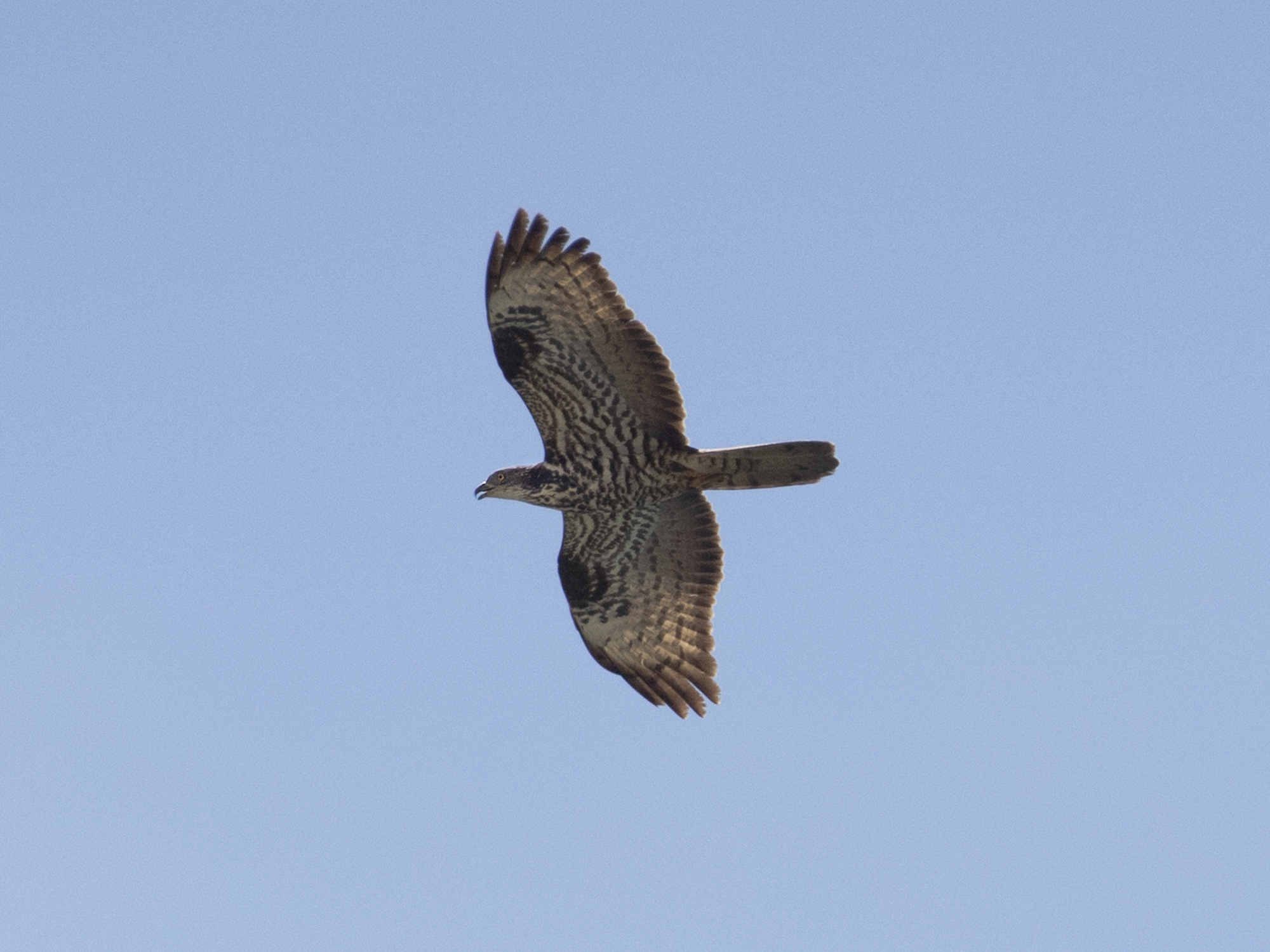
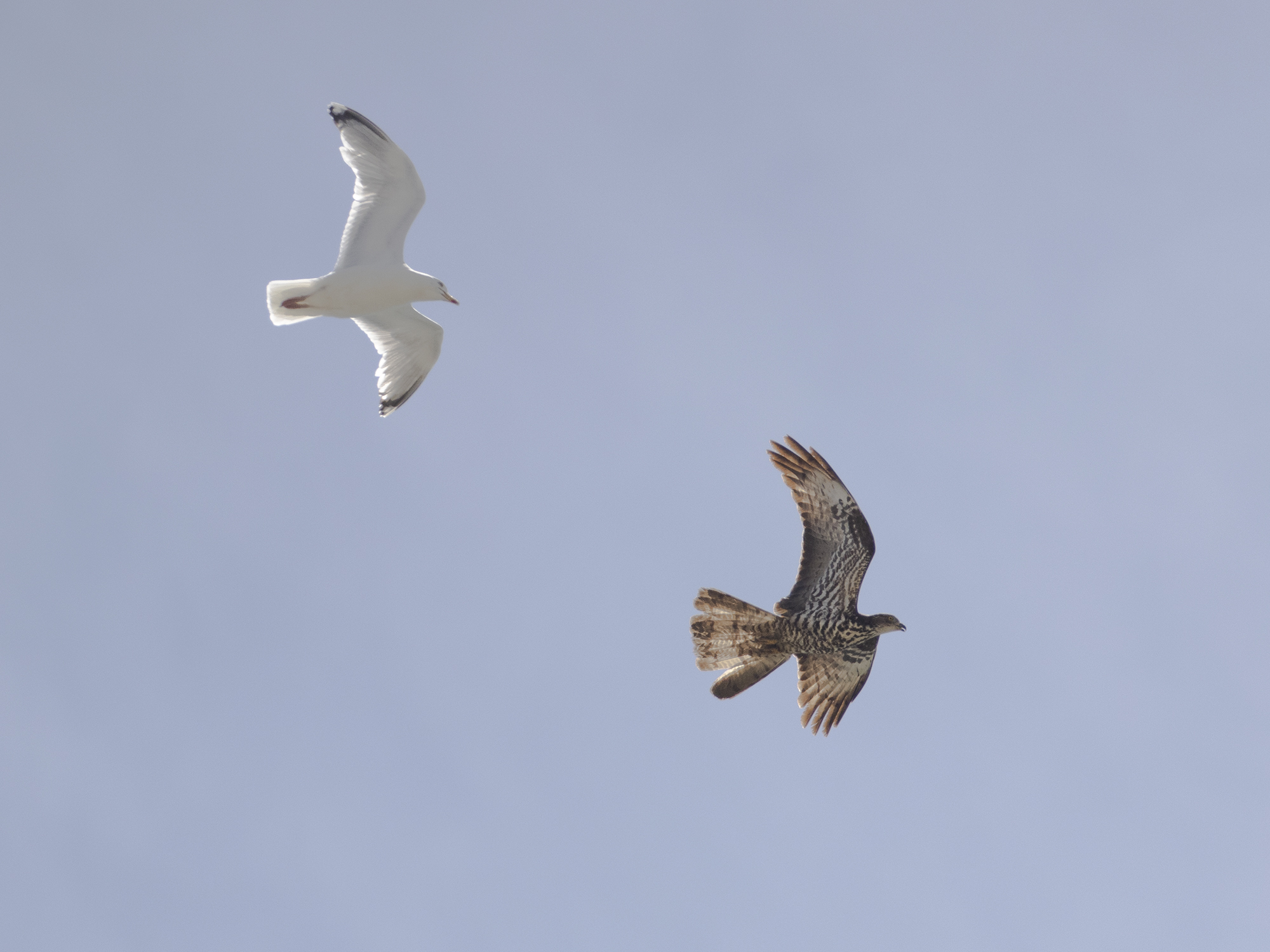
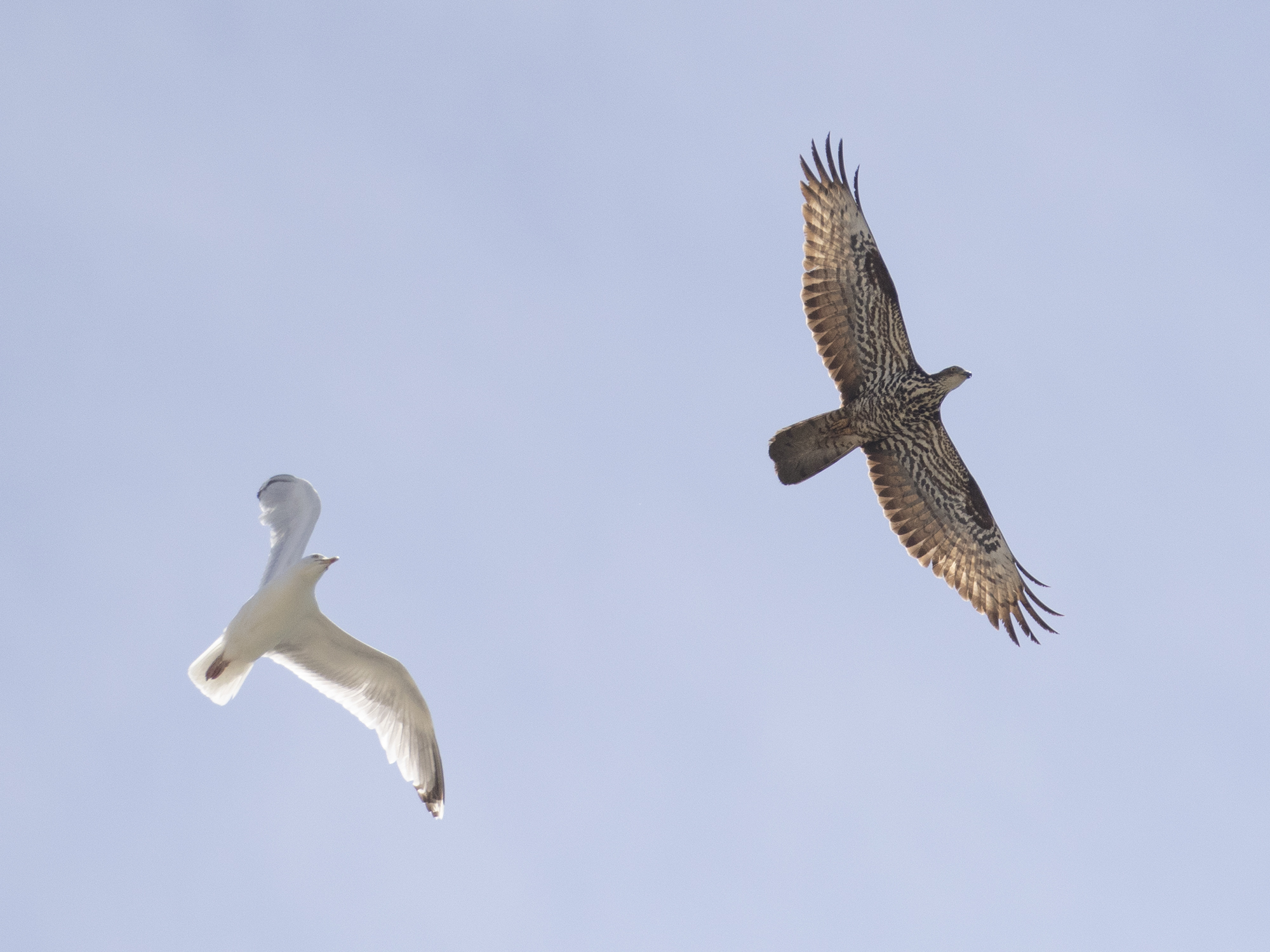
Again the gulls gave their particular ‘raptor alarm call’ and I scanned over the water for the incoming bird, picked it up low down being harassed by gulls and a Peregrine which managed to knock it out of the sky and onto the rocks at the bottom of the cliffs. Disaster!? I could see it half perched ,half wrecked and not moving, after 10 mintues I decided to go down there and either rescue it or retrive the body. 2 thirds of the way down the Langdon ladder the bird (a female) thankfully appeared low over the rocks coming towards me. Incredible heart stopping fly-bys ensued as It flew west and then turned back and came over head, here are some photos to remember the event by.
It got away, the peregrines here do really go for raptors during the summer, just last week they knocked a 2cy Common Buzzard out of the sky over the harbour, it dropped like a stone and was immeditaly ran over by a lorry, gnarly.
Sandmartins, swifts a juvenile Yellow–leggedgull (more on them soon i’d imagine) and a Yellowwagtail were the only other birds i noted during what was a very exciting day.
I’ve taken my foot off the gas partially since the Cisticola and have been focusing my energies inland looking, somewhat successfully, for Honey Buzzards. I dont mention it much on this blog but looking at and for HBs in Kent and Sussex has been enormously rewarding. last week I had my best views yet of a male that I came across last year in a previously unknown territory, returning in May this year and being characteristically secretive recently he showed nicely after 2 hour wait in a clearing. I call him ‘the meaningful male’ and though we saw some very strong evidence of breeding last year we were unable to 100% confirm breeding so fingers crossed for this season.
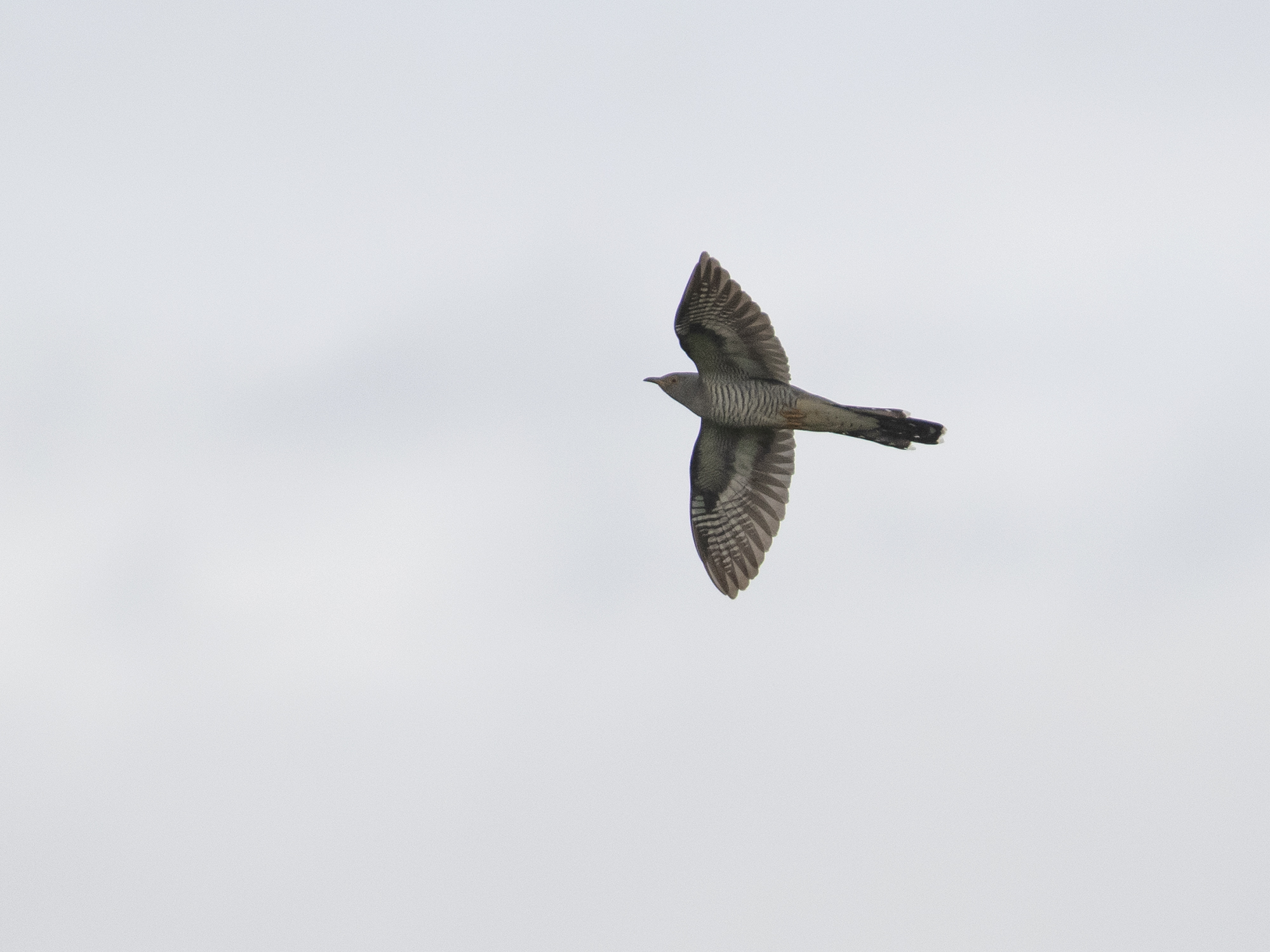
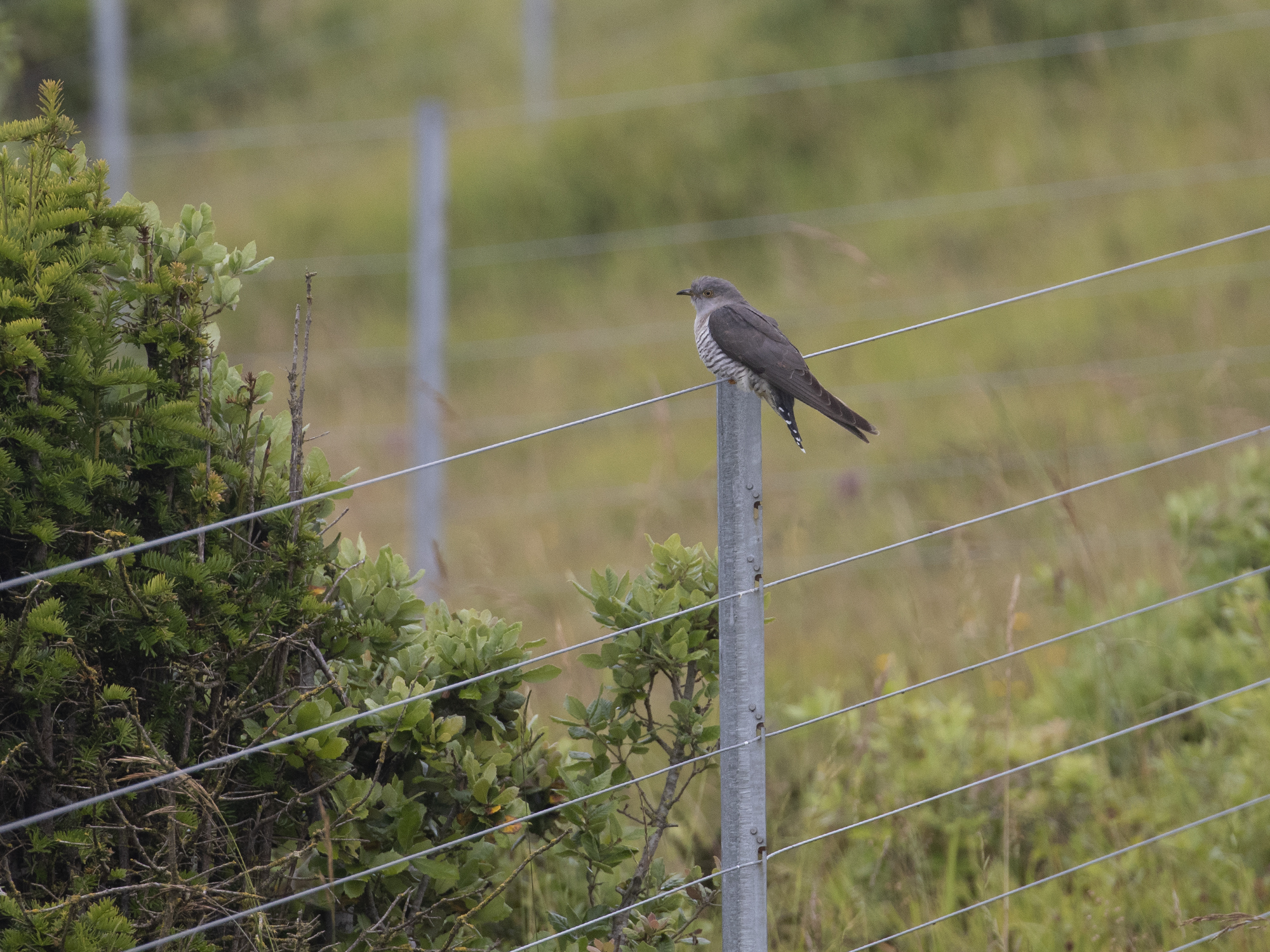
My walks along the cliffs have been seldom but I have seen at least one Cuckoo each visit, with 6 seen since coming back from Basel (shows how little ive been up there!) All adults so far and all accidentally disturbed whilst feeding on the ground, numbers of Swifts range from 0-700, maybe some big numbers in the next week or so. Friday the 1st of July I had a flock of c40 black tailed Godwit, a greensandpiper, curlew and lapwing over the patch whilst a Whimbrel called from the bottom of the cliffs on the 3rd, autumn is underway.
Below a bird growing its tail back, abit of a shock when I first saw it.
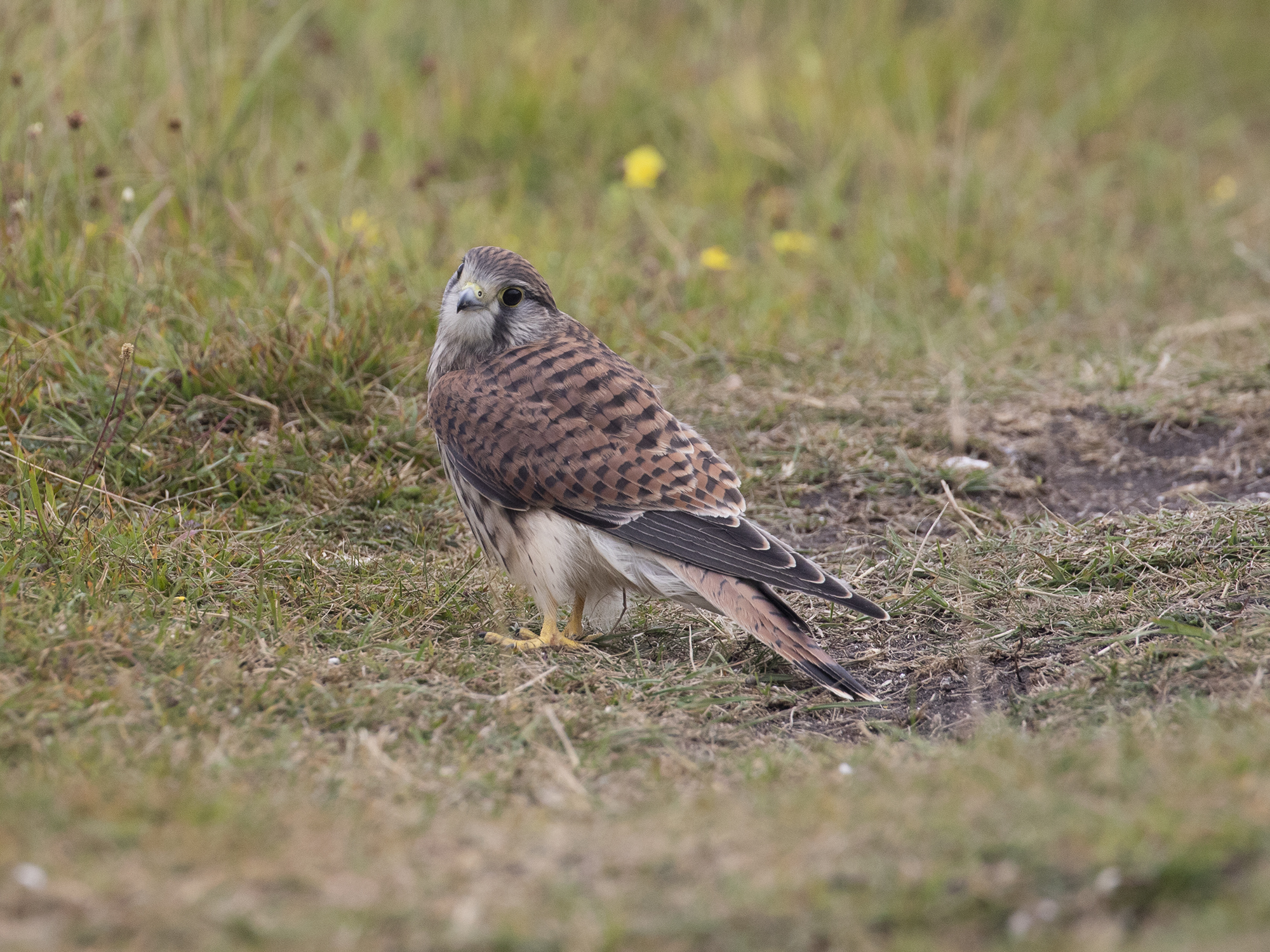
Juvenile Kestrel below, several pairs along the cliffs have produced young, still waiting for one pair, perhaps not this year.











 PERDIX BIRDER