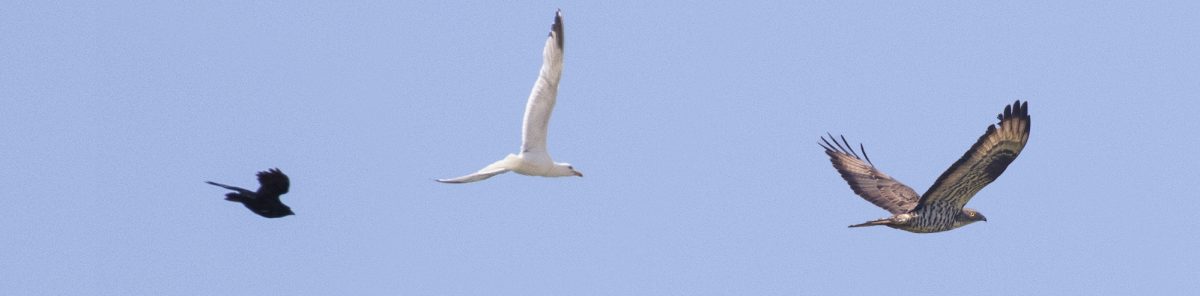
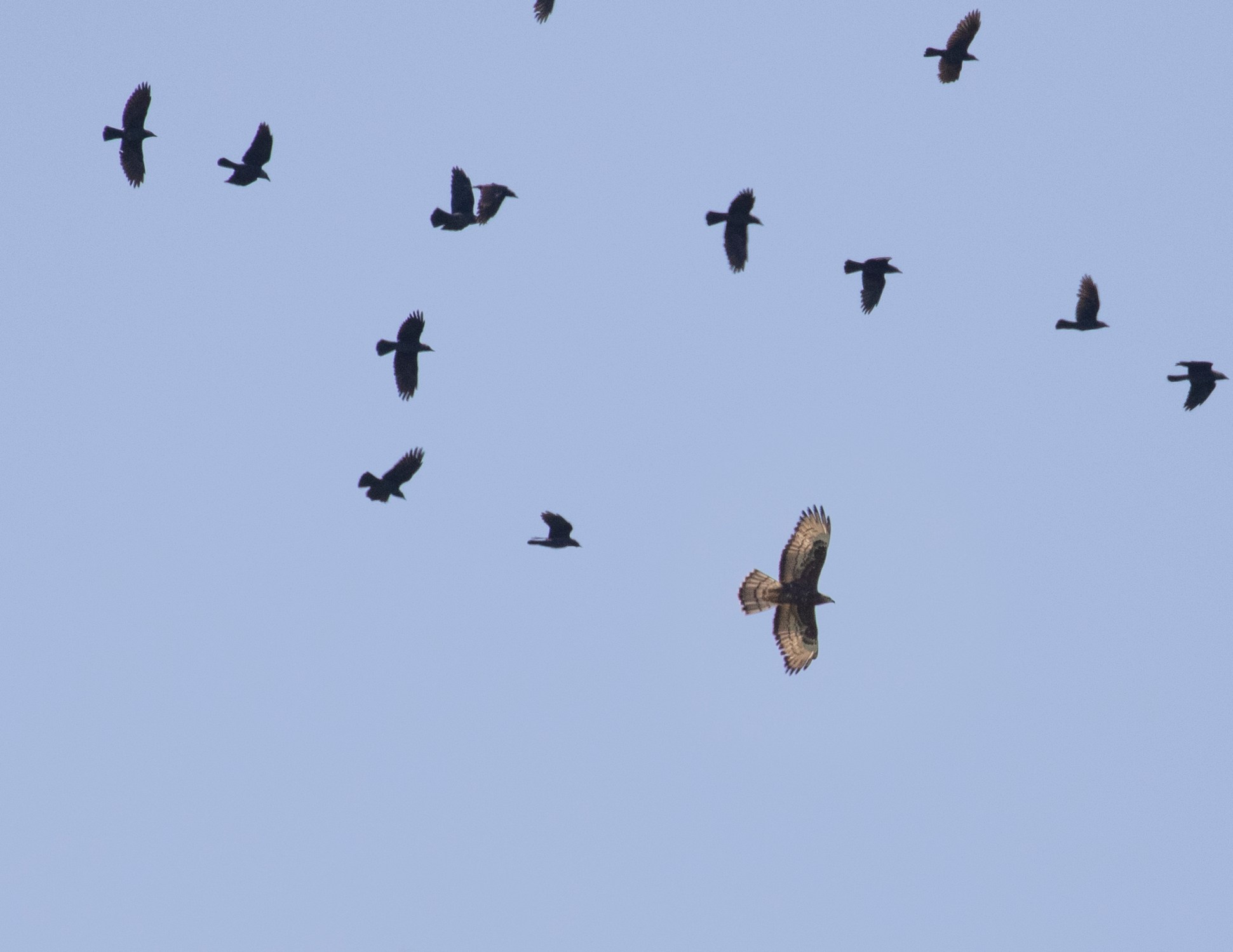
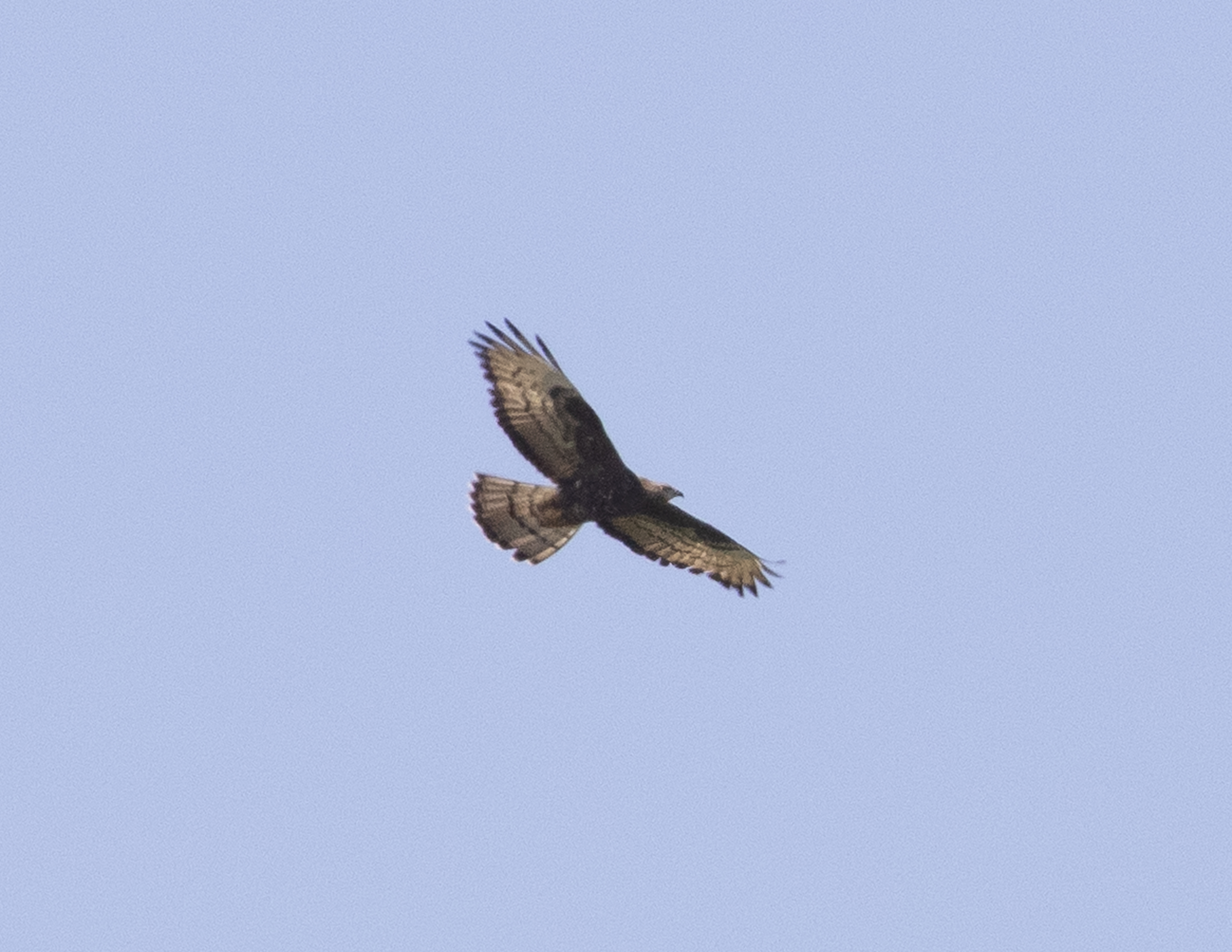
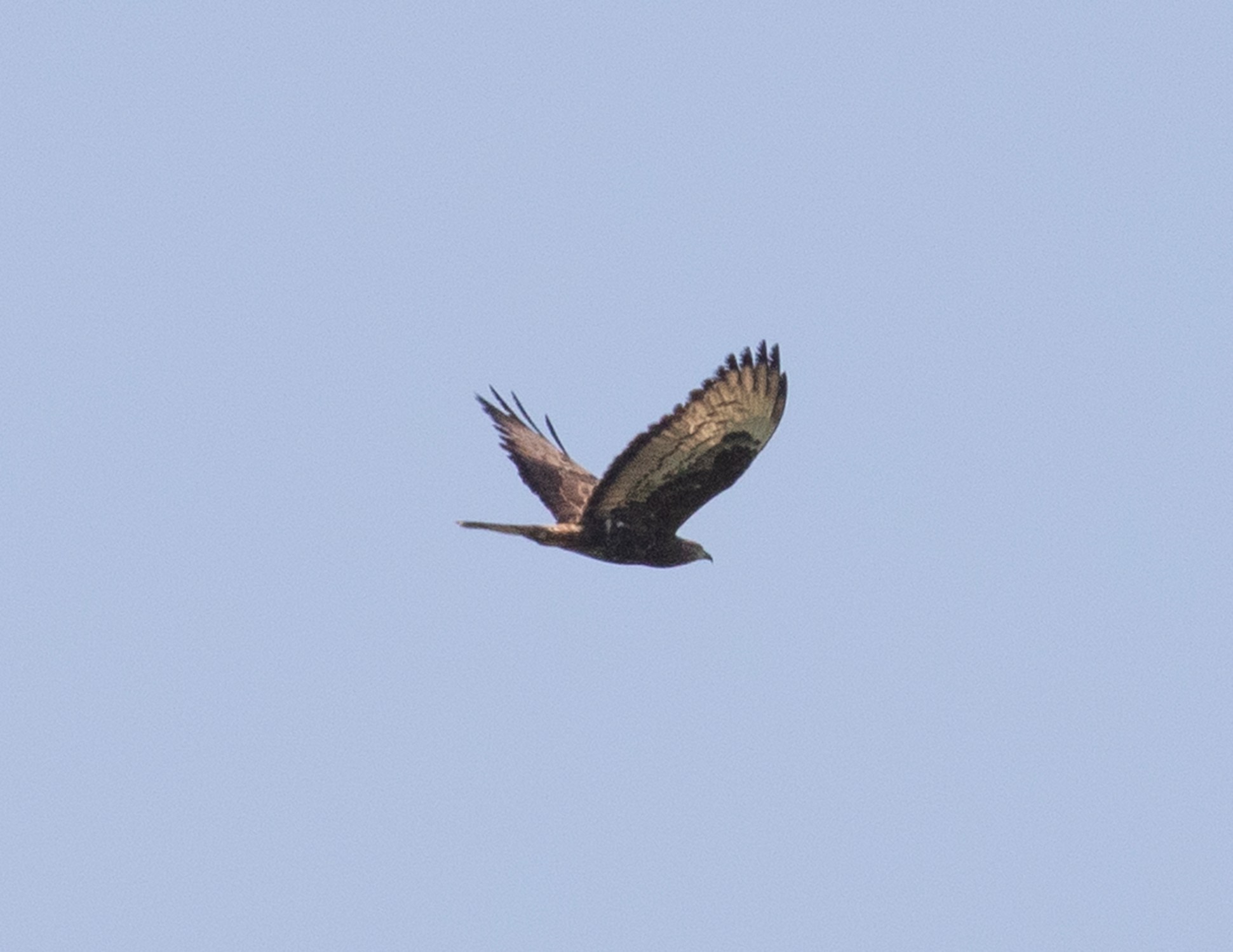
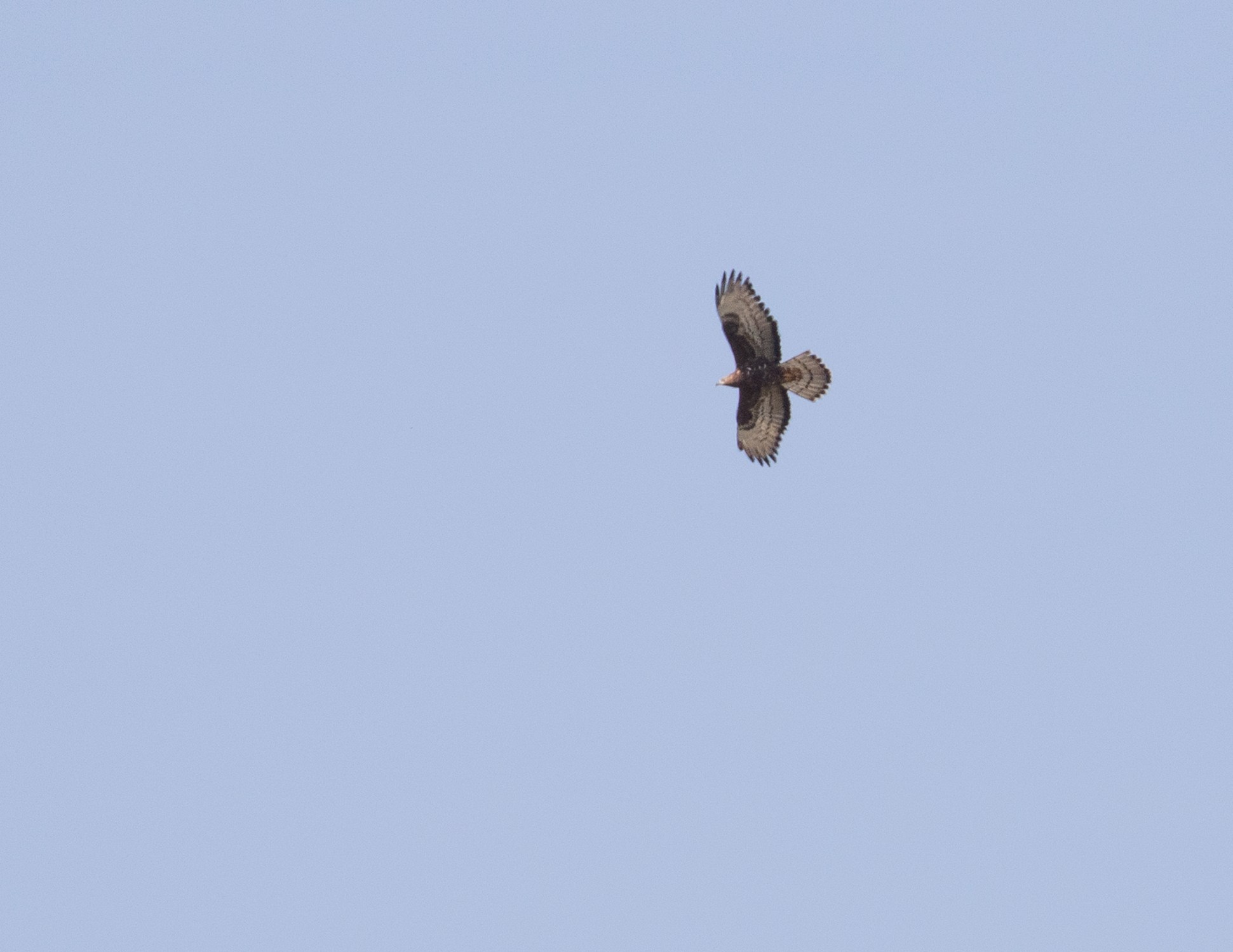
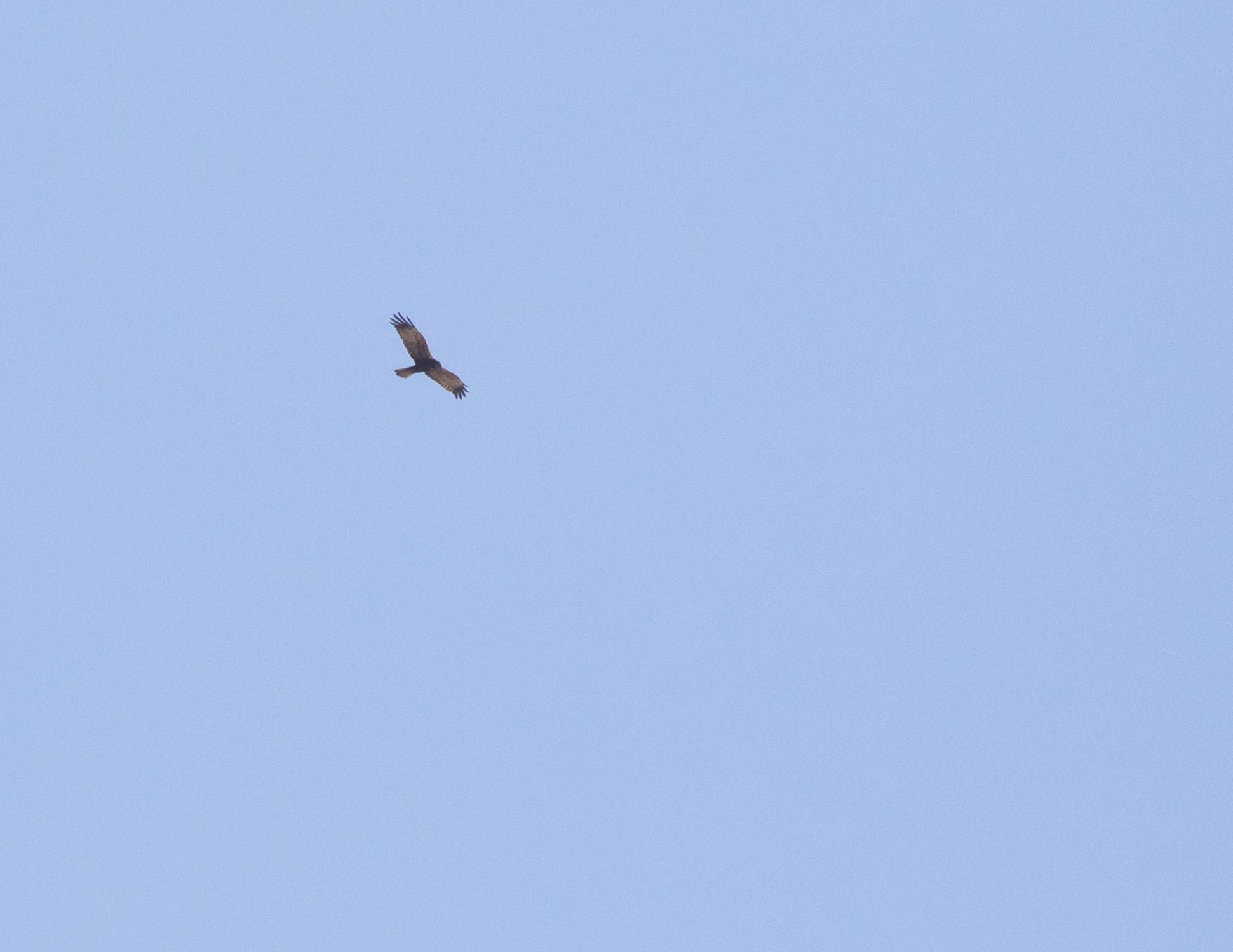
Light NW winds were forecast for today which had to be better than the strong NE we’ve had for so long, in real life the wind switched round to a light SSW and produced the first HoneyBuzzards for me this year. I was joined by Ian S, Russ B and Colin J for when the first bird appeared at 11.40, flying parallel to the cliff and away from us, picked up (as always) thanks to the gulls, the bird gained a little height and came over the valley, mobbed by Jackdaws.
A nice dark female which managed to loose the unwanted attention and circle off to the North.
The second bird appeared over the upper valley/Top wood area and moved Eastwards at 12.50 though too distant for the camera.
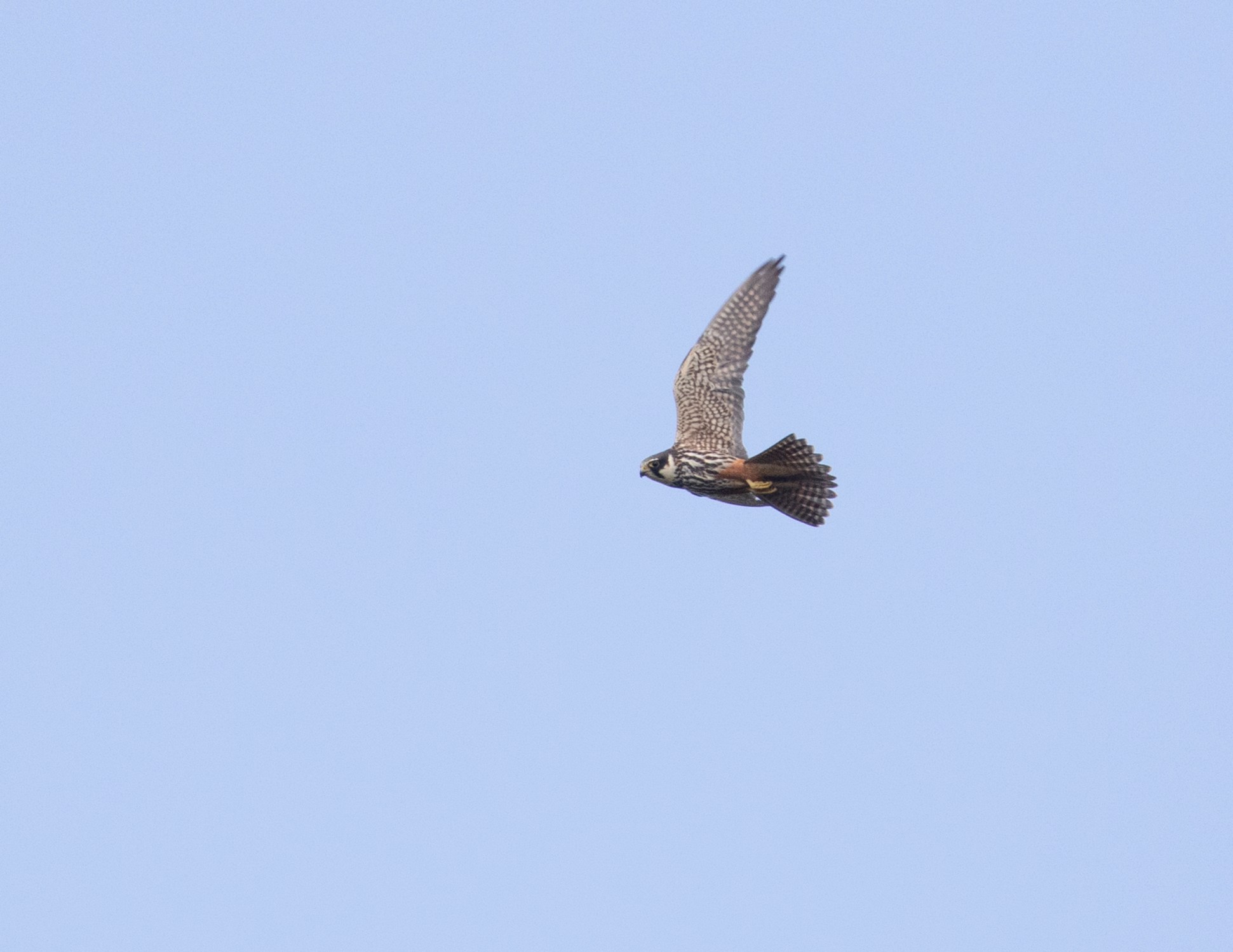
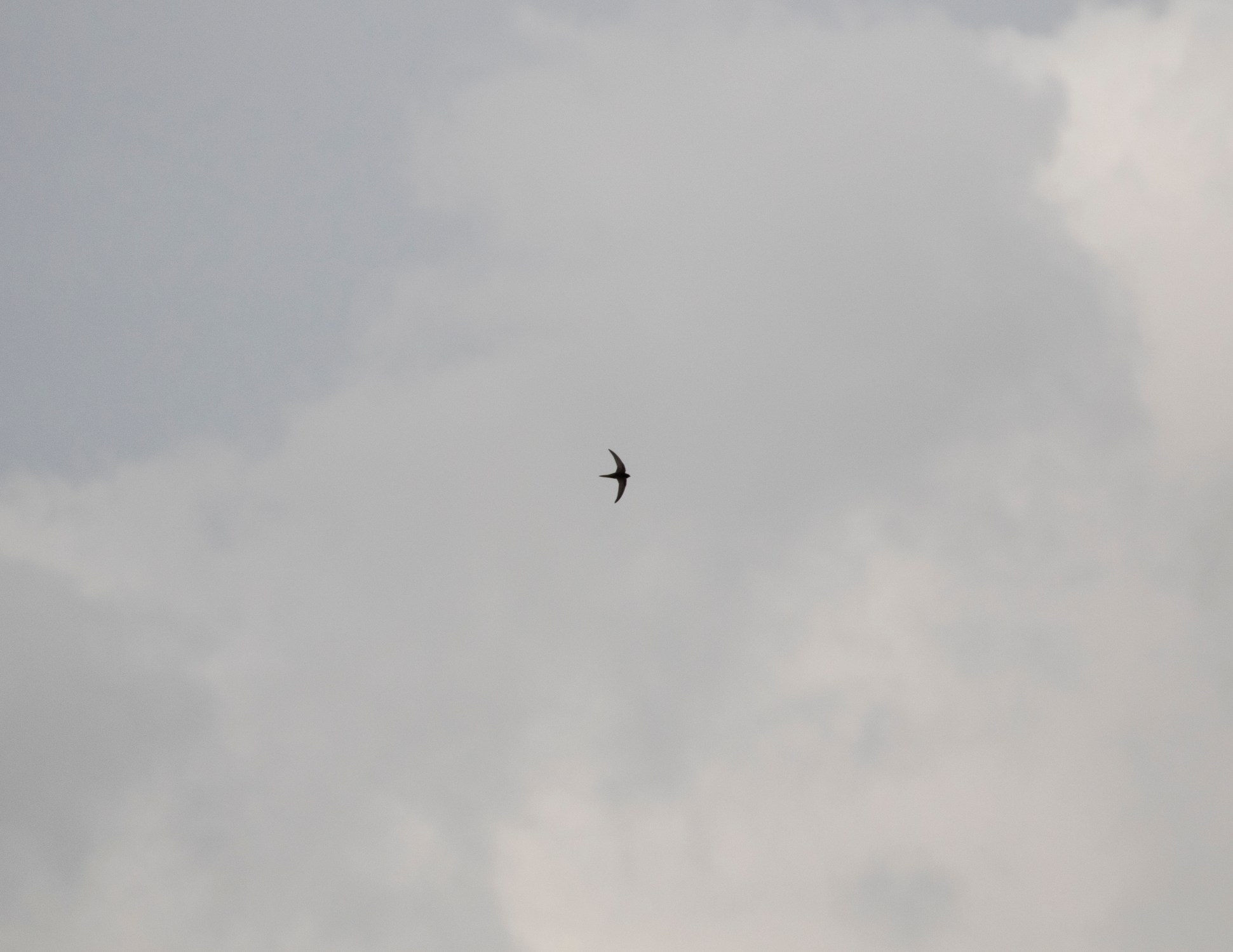
A Treepipit over Fox hill down first thing, a few Swallows, 2 Swift and a Hobby over the farm as I walked home were the only other notable birds.
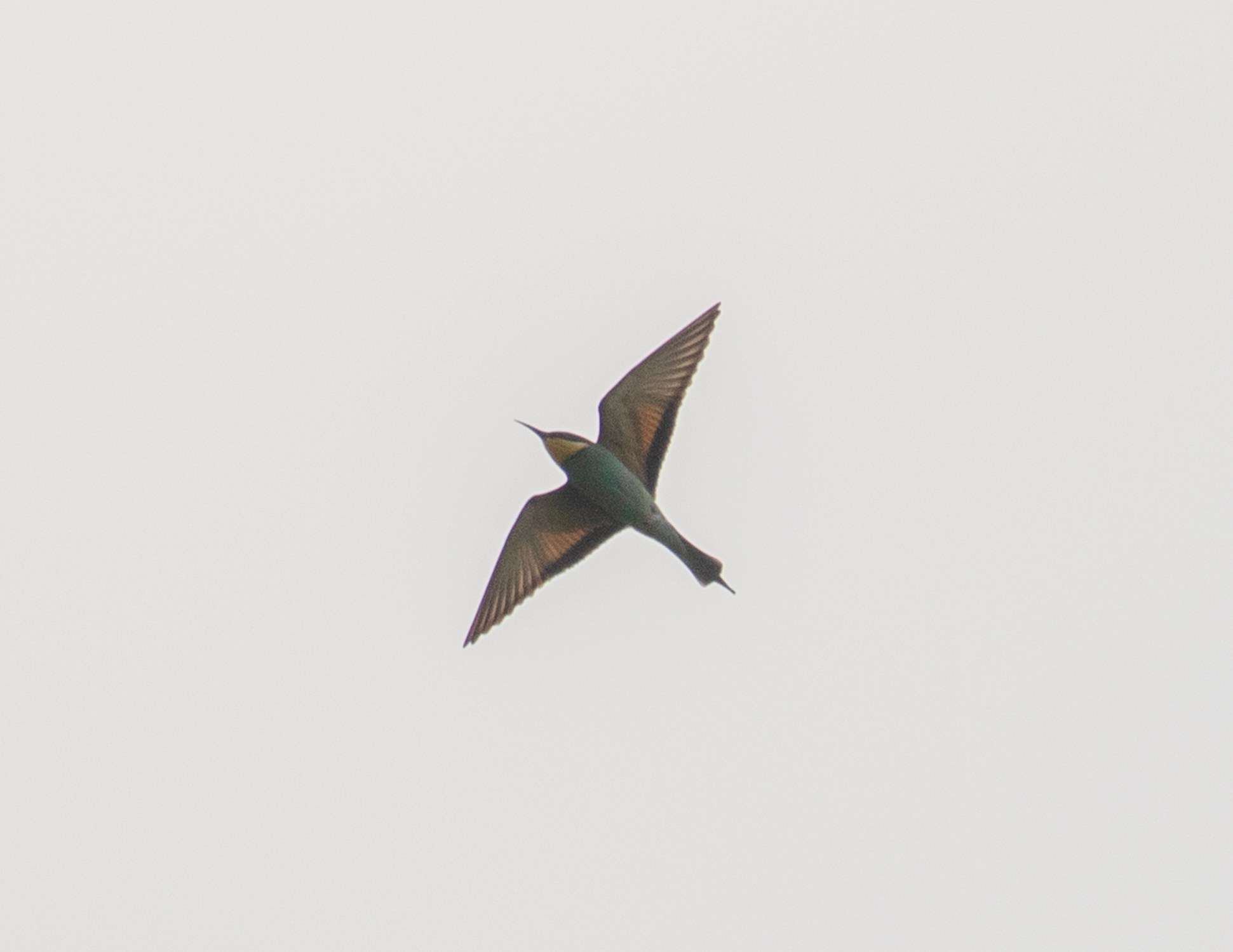
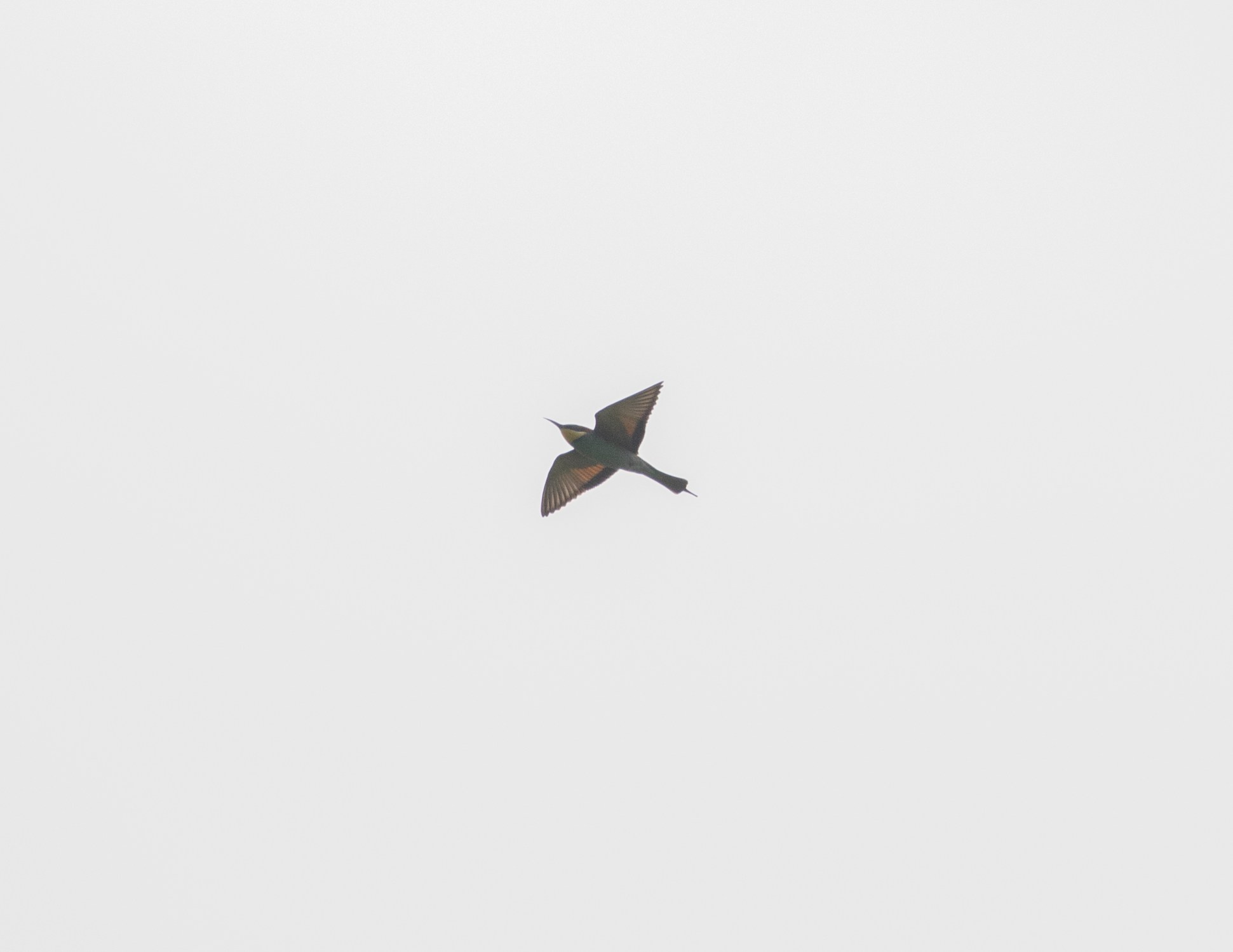
A little less windy than the weekend but still from a Northerly direction and an interesting morning on the headland highlighted by 4 Beeeaters that flew low over Langdon Hole and continued North East just after 11 o’clock.
Hearing the calls first I immediately started looking straight up in the sky but the birds were coming through just over head height, I managed to photograph the two birds at the back of the loose flock and got brilliant views of them all as they circled around and carried on towards Wanstone Farm.
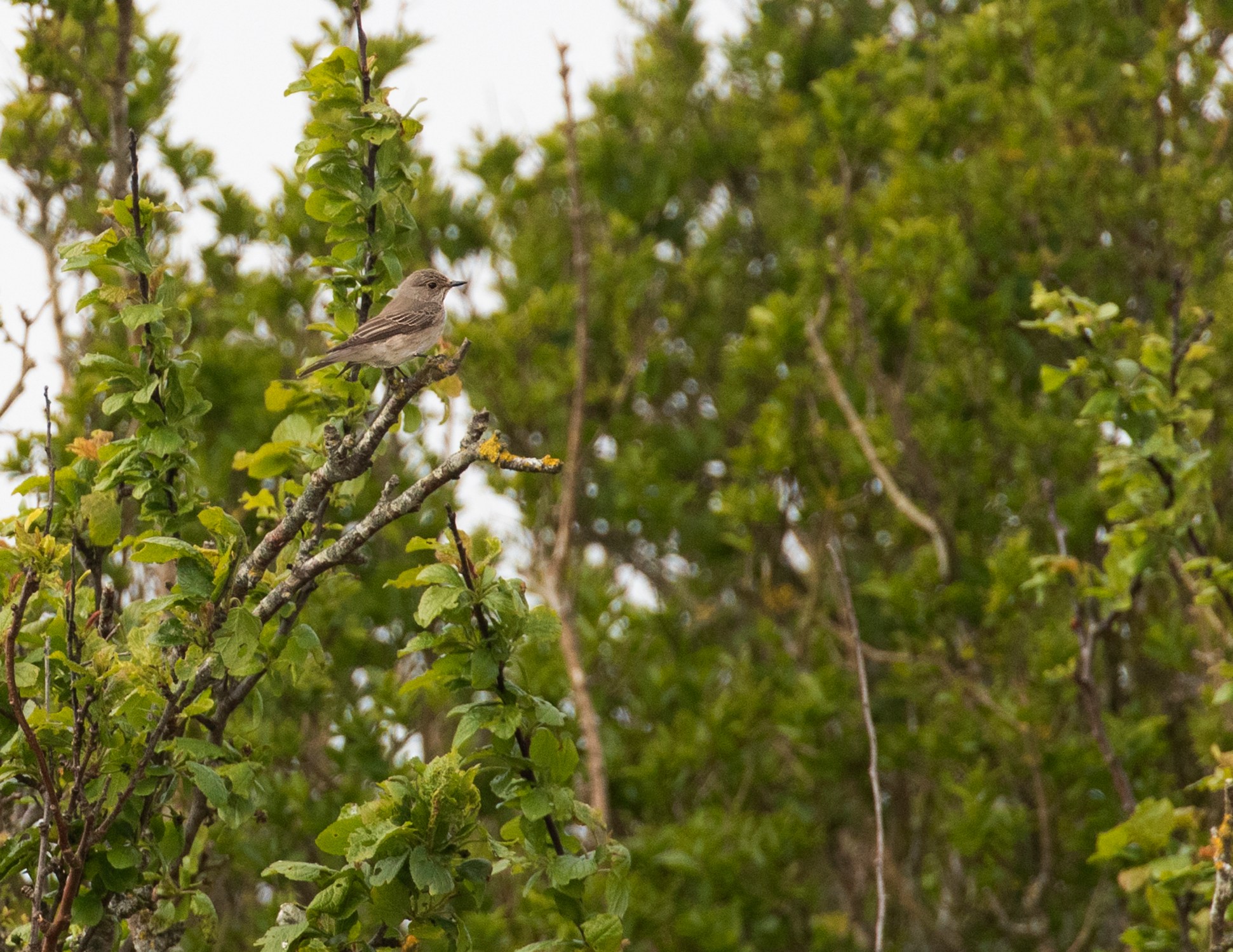
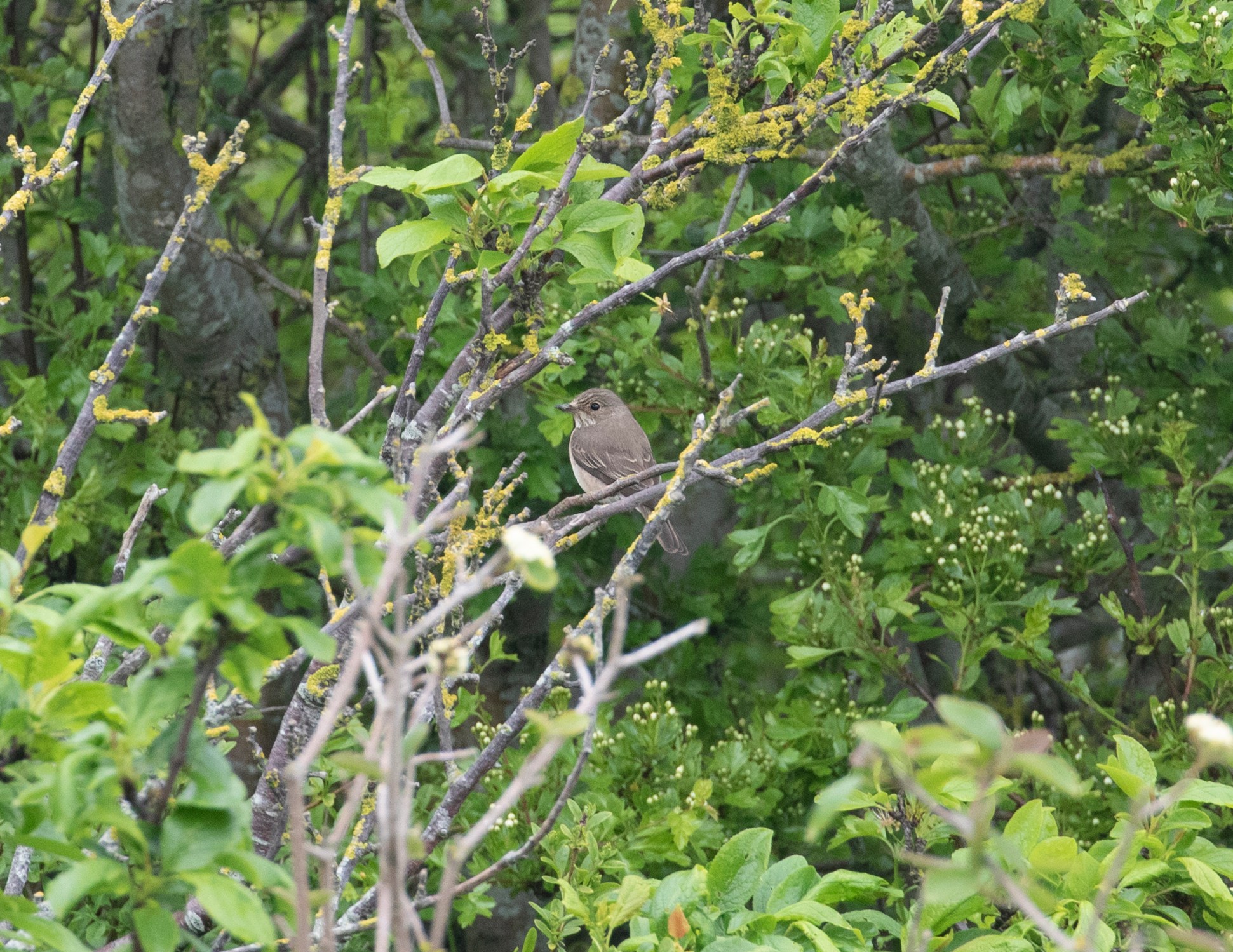
I did what i always do when something good flies over and ran after them hoping to see them again but lost them over the horizon. Immediately after the Beeeaters numbers of Swift began arriving off the sea with 44 Counted in a party and another 10 or so just after, 35 Swallow and 4 HouseMartins also flew low over the fields and 3 SpottedFlycatchers suddenly appeared , picking one of them up coming across the fields among the swallows before perching up at the farm. Another Spotfly was on Fox hill down as I walked home.
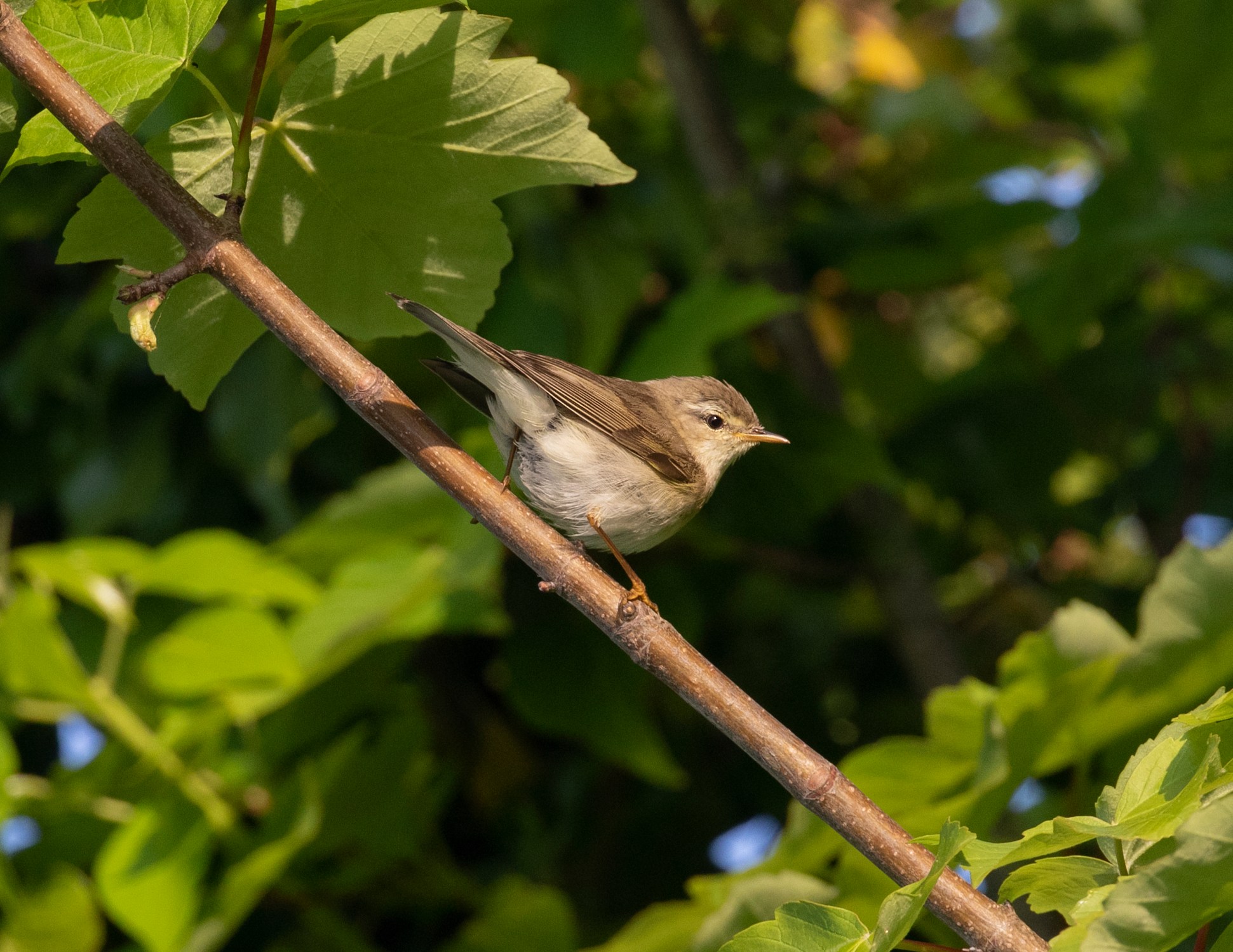
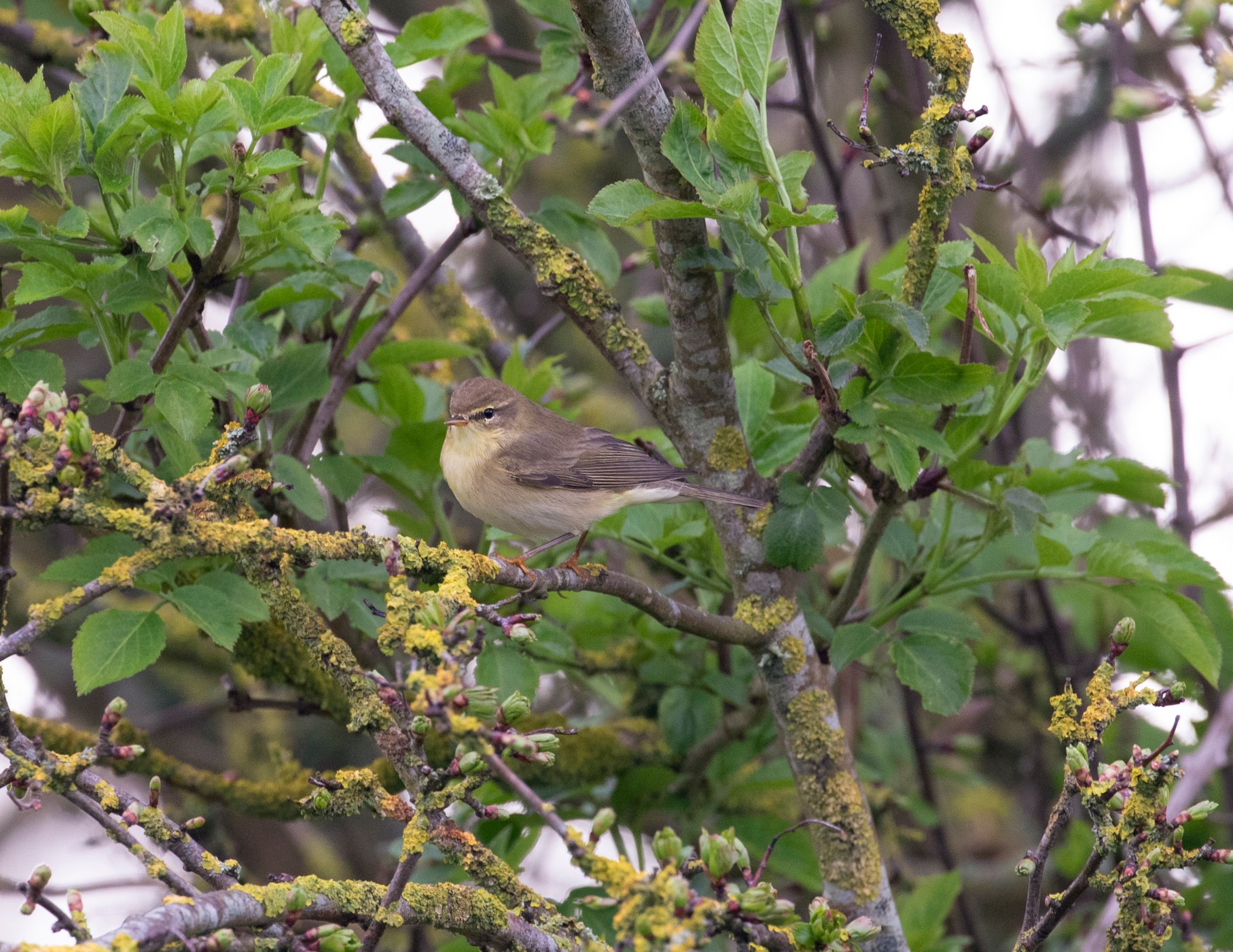
3 Willowwarblers were singing in Langdon Hole first thing along with 2 on the 20th these late birds are presumably headed further north than April birds.
2 BarnacleGeese, a Whimbrel and a RingedPlover Flew upchannel viewed from Light house down.
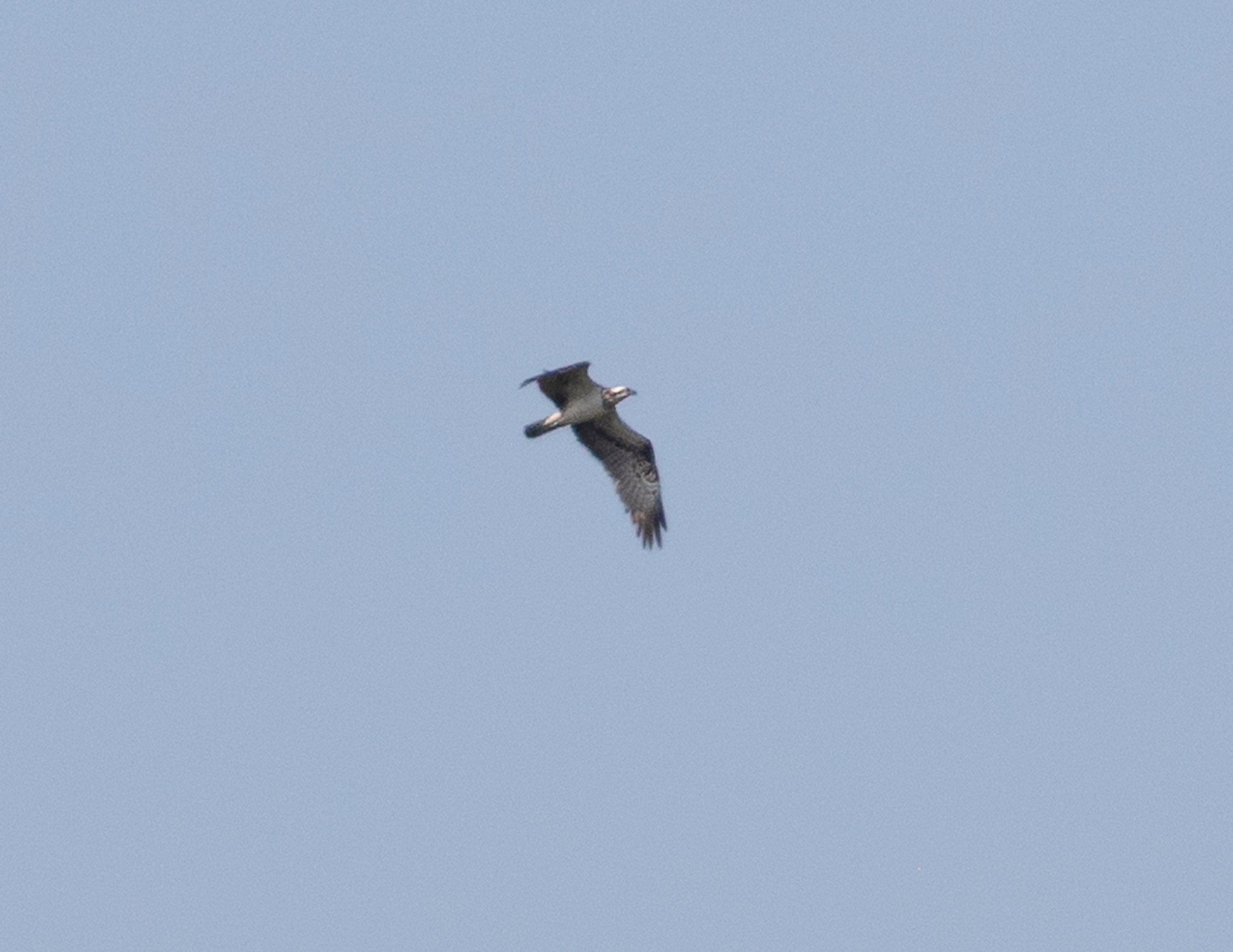
More daily coverage, more non stop Northerly winds and still little to show for it although a moment of excitement on the 17th – an Osprey appeared over the lighthouse and flew down the valley before moving North. A surprise Temminck’sStint was heard calling several times over the valley on the 18th, moving North unseen. A cool addition to the limited list of wading birds Ive had here.
3 Distant RedKites y’day and one over the valley today, A dribble of swallows and housemartins through each day with no more than 3 Swifts per morning. Siskin have been flying over most days in small numbers and thats basically it! Hoping for something to get through in the next week.
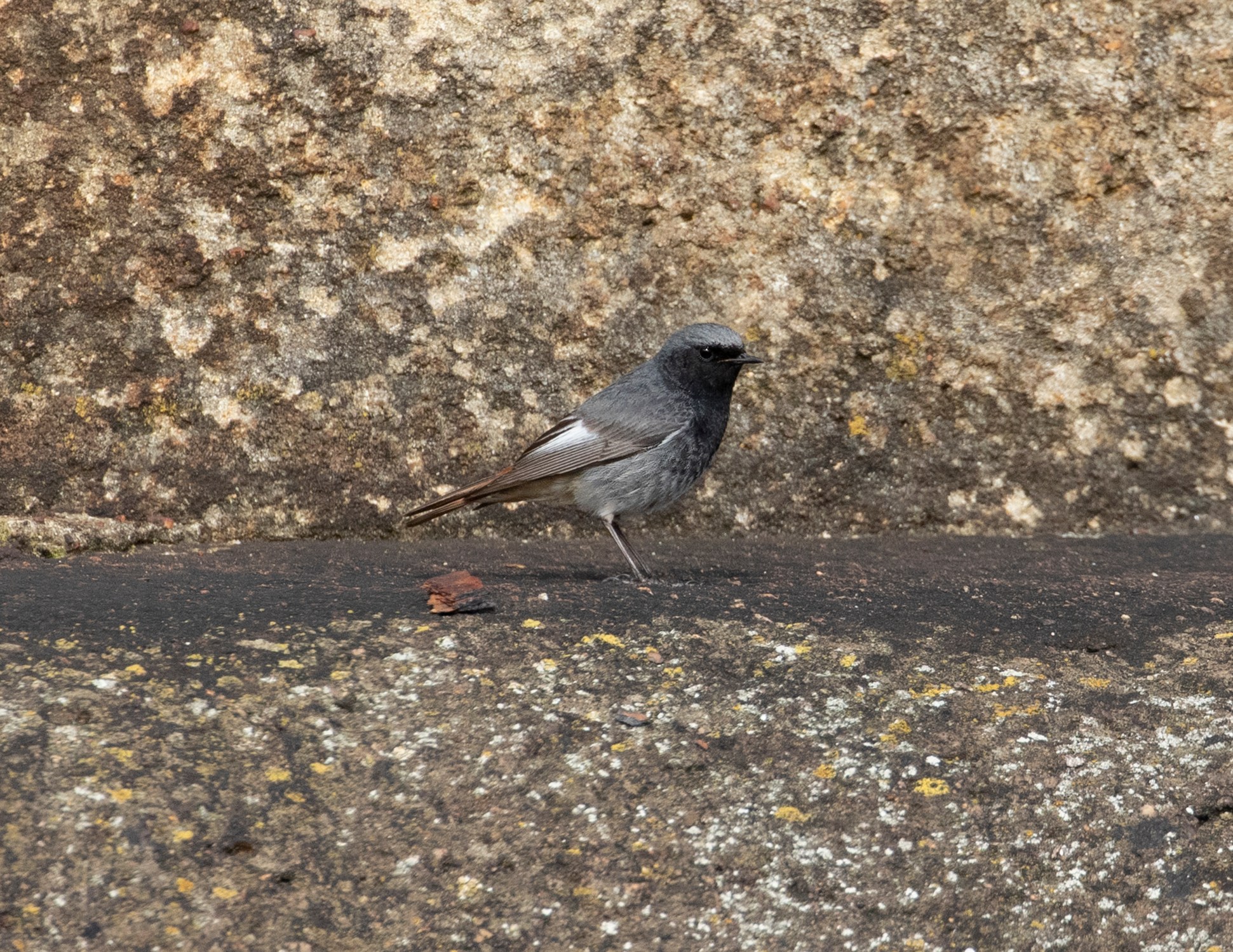
BlackRedstarts seem to be doing well, I know of a handful of Pairs locally this year.
I bumped in to Steve Ray this morning who had the Flock of 10 Beeeaters through Langdon earlier this month, that would have been nice.
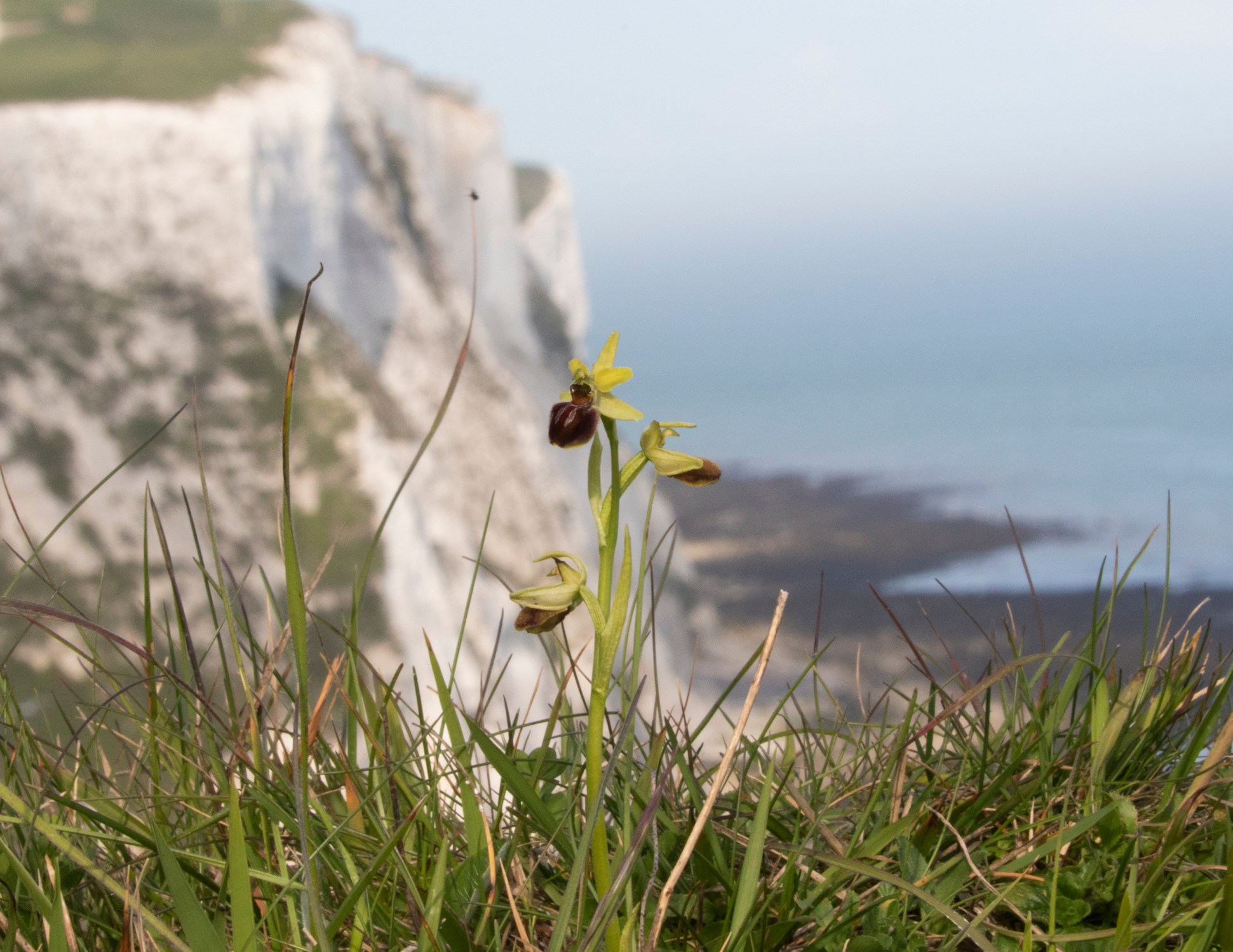
My first Dingy Skipper of the year below and the end of the Early Spider orchids.
Almost 3 weeks have past since my last post and despite daily coverage there has been little to report.
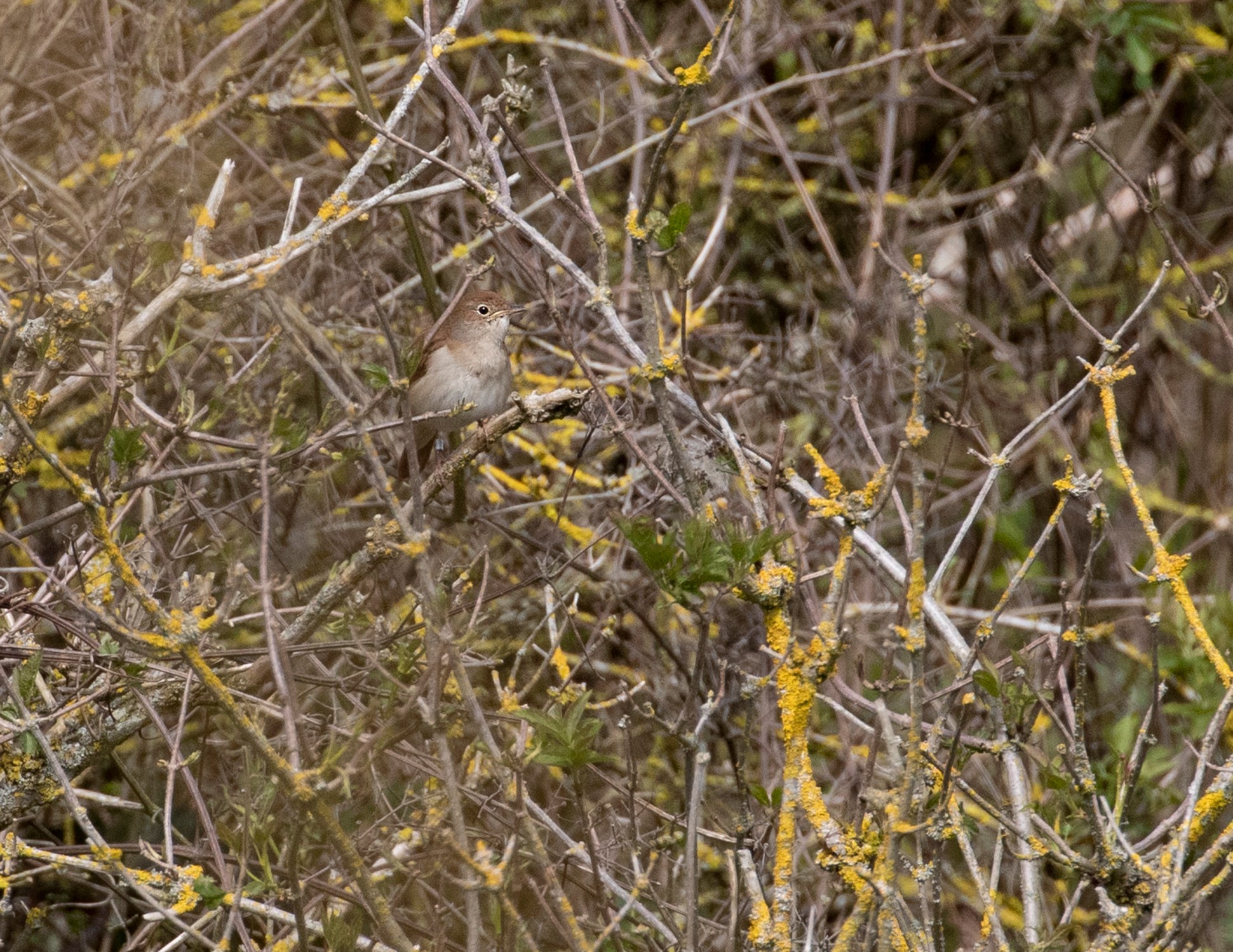
Highlights were few and far between but a Nightingale was singing in the valley on the 27th April followed by a lively morning on the 28th with a spring high count of 12 WillowWarblers in Langdon, as was a reeling Grasshopperwarbler and singing Sedge plus 5 swifts. Since then theres been a trickle of hirundines and the odd swift with a yesterday being a ‘bit of a Swallow day’ 130 counted around the lighthouse around midday. Ive counted 5 Hobbies and had a MarshHarrier come in off the sea over my garden but nothing more noteworthy. The forecast remains uninspiring for the foreseeable.
Just as I was about to give up this morning my first Spottedflycatcher of the year flew in over the cliff at light house down and perched up before continueing into the valley. 15 Housemartin and 22 Swallow also.
A morning of arrivals here today with my first Hobby in over the cliffs first thing. Later, both a ring tailed HenHarrier and a female type MarshHarrier were picked up distantly out over the water and made their way in taking the same line as one another and probably making landfall a km to the west of the lighthouse as i viewed from Lighthouse down.
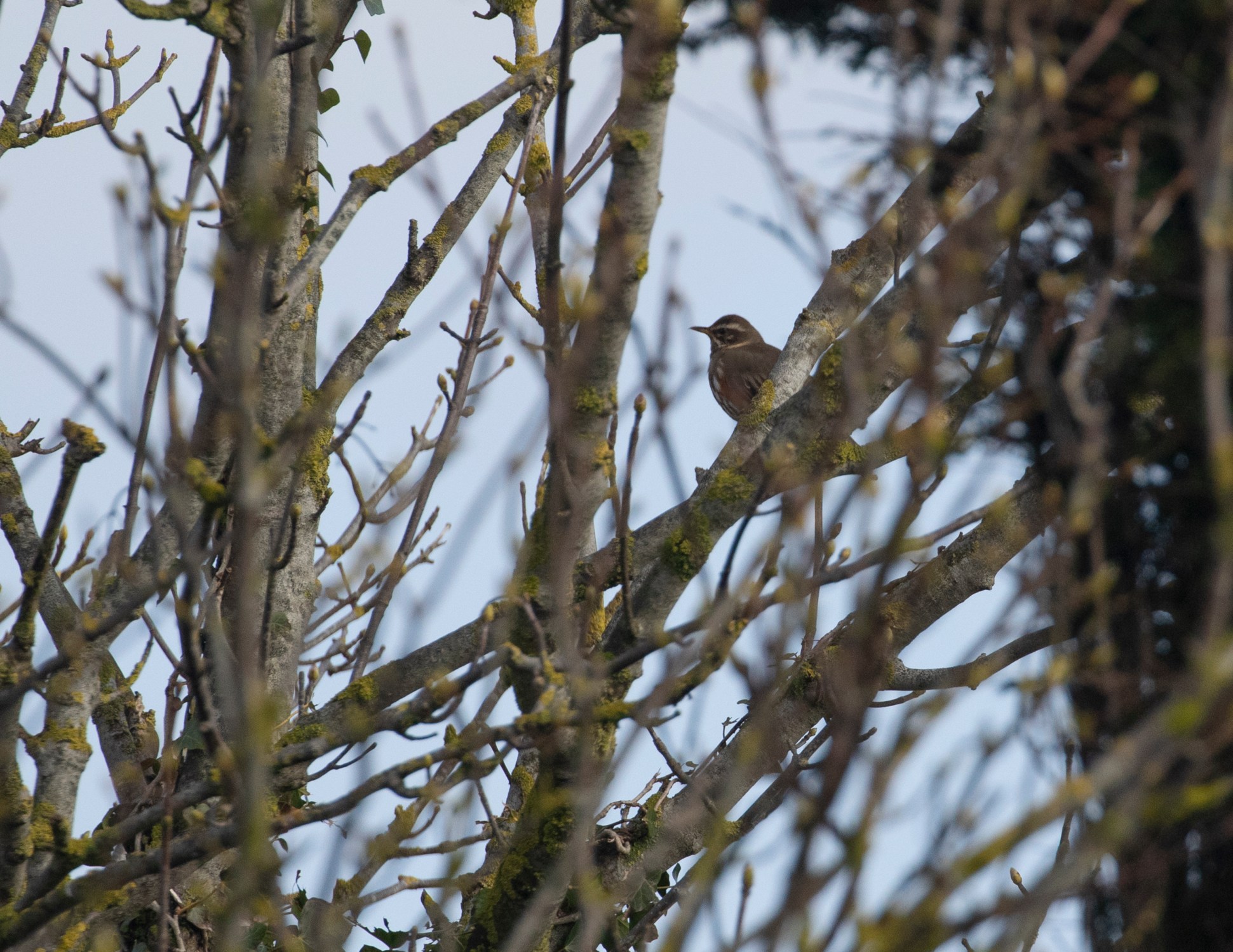
21 swallow, 4 Housemartin, 12 yellow&3 whitewagtails 3 Treepipit (my first of the year) also flew in off the sea, A single Redwing was aalso on Lighthouse down while 2 willow Warblers at Langdon and a male commonRedstart in Fan bay area. 10+ wheatear were counted during the morning.
Light Southerlies and overcast skies, clearing by mid morning sounded good on paper but delivered a deathly quiet morning in the bushes. A single WillowWarbler as I climbed the cliff path, a Yellowwagtail in off, 6 Swallow and singles of House and Sandmartin while 6 Common and 2 LesserWhitethroats were noted during the morning.
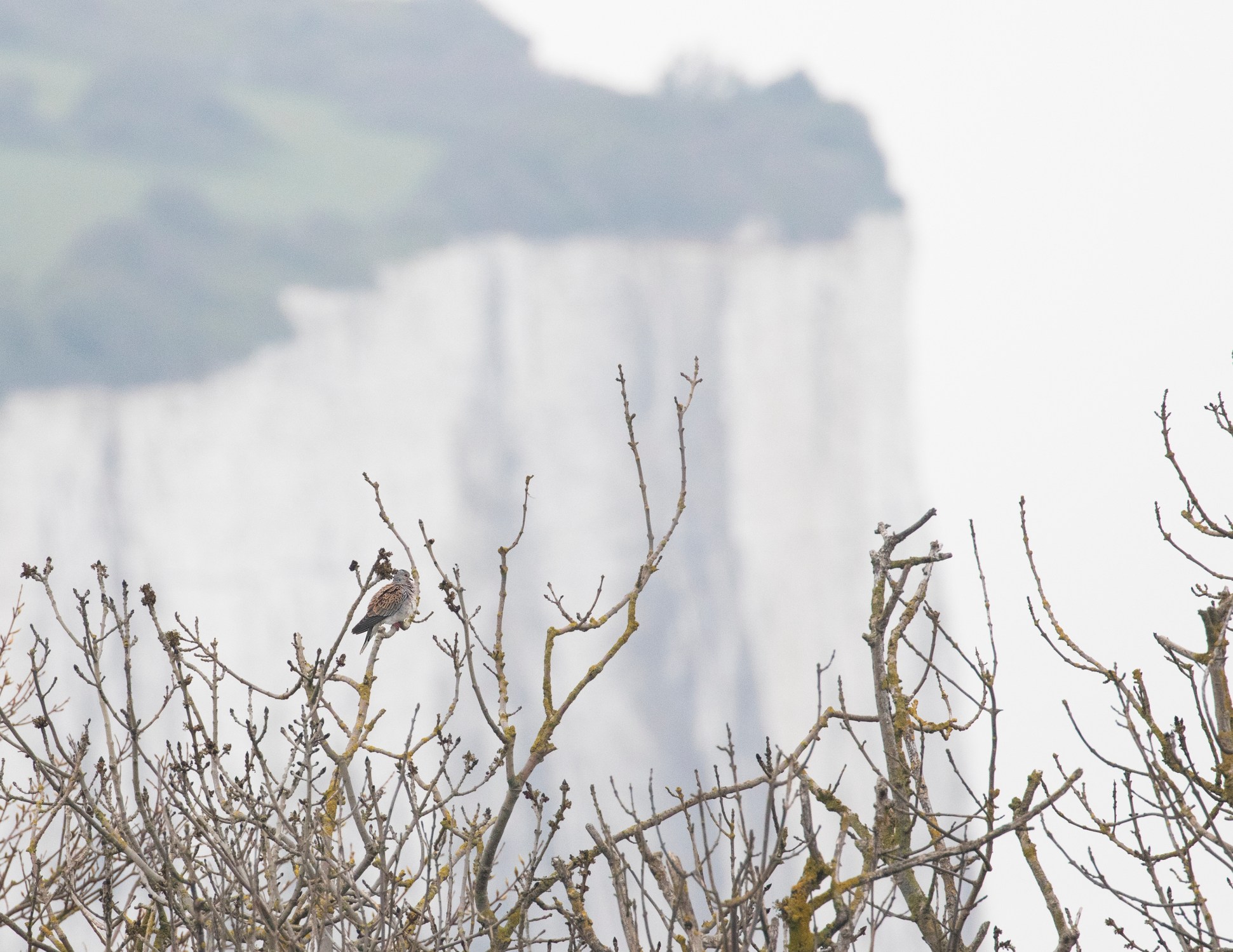
A Turtledove saved the day on light house down, appearing in the top of an ash tree before flying down into the valley and showing nicely atop another large leafless tree in a garden. Perhaps still around as it dropped down, presumably to feed.
2 RedKites and 5 Buzzards floated high over the valley aimlessly and a flock of 41 BrentGeese and several Sandwichterns flew up Channel while 10 MedGulls flew down Channel calling.
A quiet period since the last post although a small selection of migrants seen across the headland: CommonWhitethroats have arrived, a LesserWhitethroat was singing in Langdon hole on the 20th, 2 WillowWarbler and 2 Ringouzel on the 19th and a smattering of YellowWagtails and BarnSwallows in off most mornings plus the odd Wheatear whilst BlackRedstart are being heard singing in a few places.
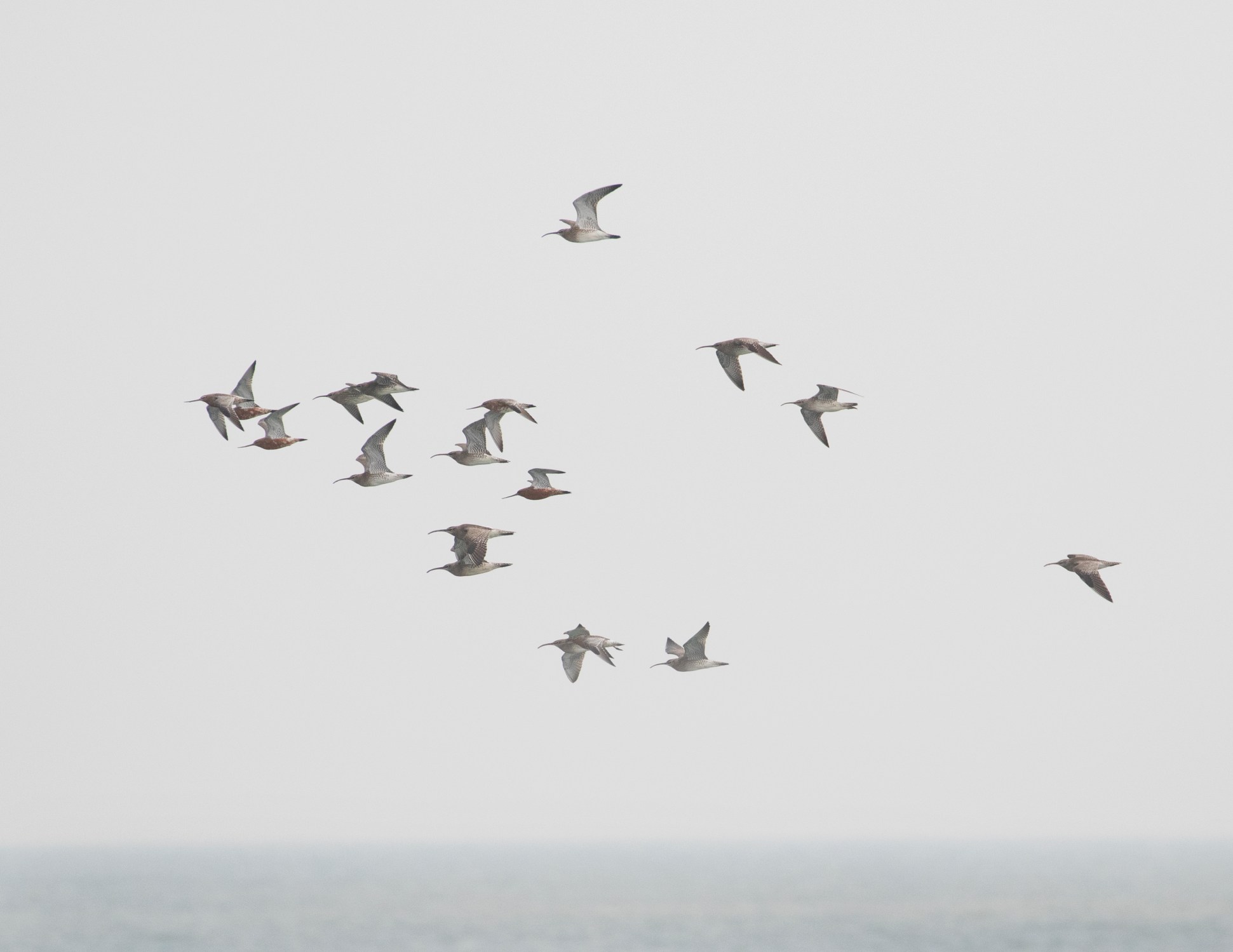
With it quiet in the bushes I’ve turned some attention to the sea, with the geography of this place keeping seawatching mostly poor and birds distant – South Easterly winds today pushed birds closer to land and around 400 Bar–tailedGodwit went through just west of the harbour at shakey this afternoon, along with 115 Whimbrel, 66 Brentgeese with around double figures of Gannet, Kittiwakes, Commonscoter and Sandwichterns.
Whimbrel & Bar tailed Godwits close in from shakey beach.
A less productive sea watch the day before was highlighted by 2 Red–breastedMergansers and the adult GlaucousGull, who’s still hanging round to my surprise.
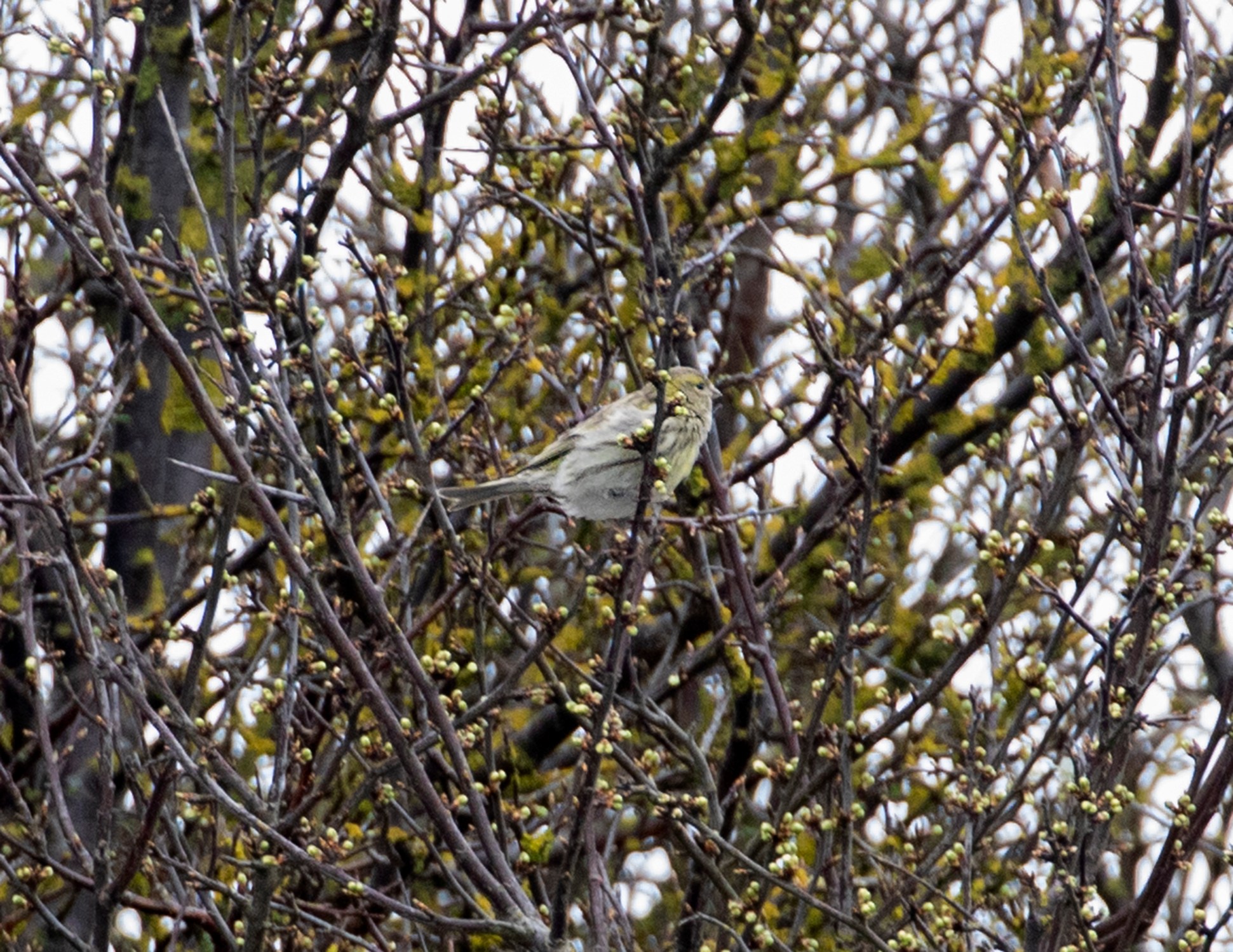
Light NW winds and sunshine with a cloud bank moving in from the East and my first YellowWagtail of the year in off the sea first thing. 2 Swallows and 3 Housemartins did the same thing followed by the highlight – a Serin which came straight over the cliff right in front of Michael Mcnaghten and I as we walked east from Fan bay.
The bird dropped into the gorse then flew another 100m and perched in the blackthorn above the entrance to the deep shelter. Brief views of it here before if carried on West, a dull female but nice still.
3 Brambling flew North, small numbers of Siskin and perhaps 150 chaffinches. 4 WhiteWagtails and a Redkite were also noted.
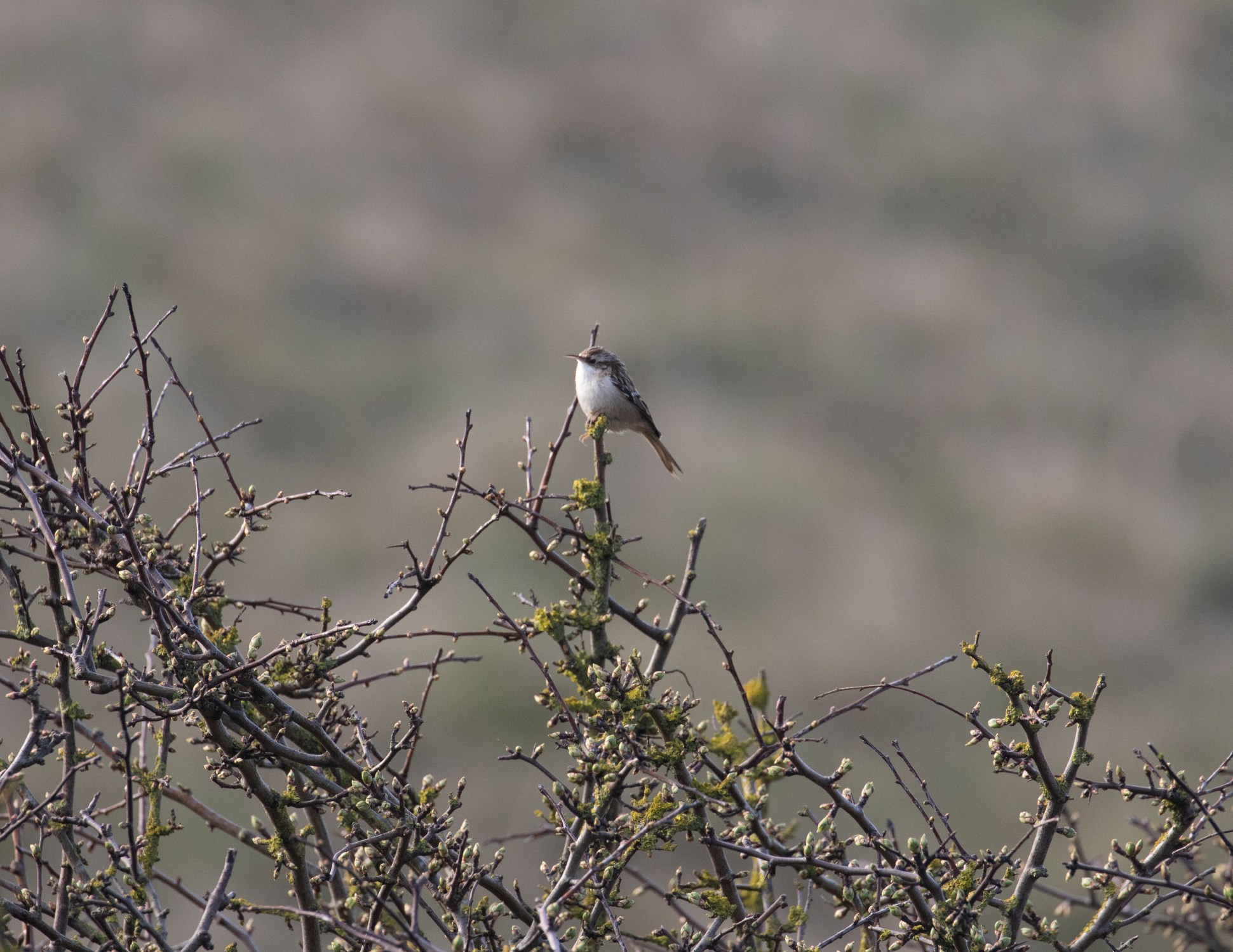
Before he moved to Dorset Ian Hodgson told me that the first day of a North westerly here along the cliffs was ‘not to be missed’. A waterpipit over langdon and 3 Swallows in off the sea were my first notable birds of the day, a relatively small number of Chaffinches (240) were moving North but the morning kicked into gear when I caught a glimpse of a Treecreepersp on the edge of Fan bay. It was initially seen in flight but then perched in a low gorse bush and It looked to have a long decurved bill and brownish flanks.
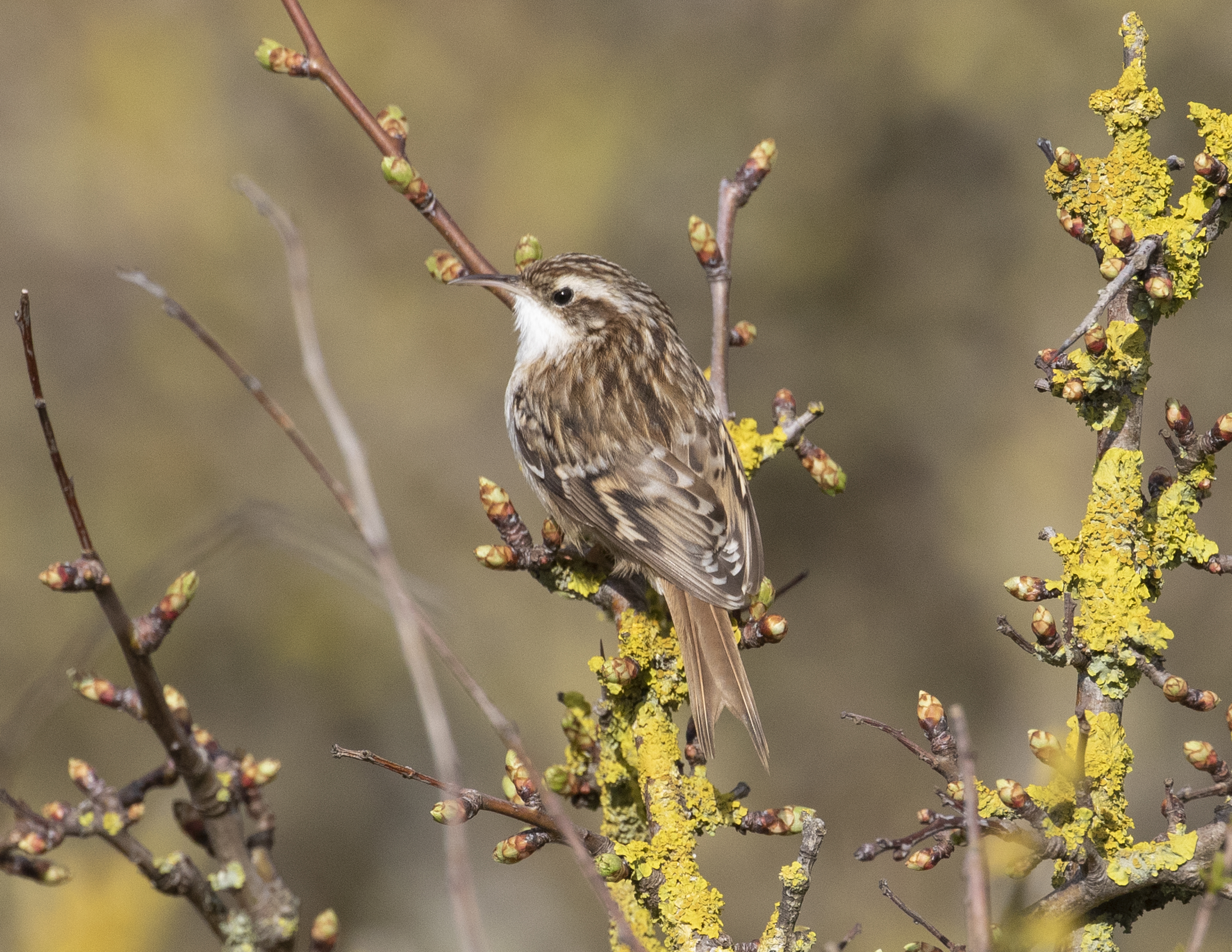
It flew down into the dense scrub of Fan bay with me in pursuit, running over the features in my head from the bird I’d found less than a km to the west in 2019. I was able to see it again and took some distant photos. The initial shots showed a nice gradual primary wing bar made up of pointed, not blunt, blocks with a small spot on p4. The primary tips showed nice, clearly demarcated white tips rather than the washy looking diffuse crescent shaped tips of eurasian treecreeper and seemed to have the correct spacing between p6, p7 and p8. I could see a pale unbroken fringe to the outer web of the alula and a pale buff coloured (rather than white) super, that didnt extent down the nape, a clean white throat with slightly grey breast sides contrasting with brown flanks.
Everything was looking good for Short toed treecreeper and the bird showed well despite being mostly obscured but at this time was making the high pitched waxwing like call, reminiscent of eurasian treecreeper. It flew up again to the gorse and continued along a line of small isolated bushes, it was at this point I first heard it give the coal tit-like call as it flew between isolated bushes near the main path, confirming it as a Short–toedTreecreeper. The news went out and the bird flew back into the shelter of Fan bay. more close views and photos revealed distal darkening to the tail tips and an all pale lower mandible, the hind claw also appeared to be shorter than the toe.
Local legend Phil Smith and visiting birder Micheal Mcnaghten were the first to arrive and after 20 or so minutes saw it moving about within the blackthorn aswell as perched. After this it flew to the very edge of the cliff and wasn’t seen again despite 5 or 6 birders looking.
I did a quick loop of the valley and had a superb male CommonRedstart plus 10 Swallows flying into the NW wind.
A moderate Easterly wind, clouds clearing to sunshine by mid am and the morning’s highlight was a smart summer plumaged Waterpipit that flew along the cliff tops calling. Id suspected hearing one yesterday but the bird was too high to get views of which made todays bird all the more satisfying.
My first swallows of the year also, with 12 counted throughout the morning including the birds that breed at the office buildings in the car park, singing overhead. 2 Sandmartin over the valley, c1,000 Chaffinch (I didn’t pay full attention as many birds were high up and moving on a broad front) Id counted 2,015 on Saturday. A single Brambling, 340 Siskin, 3 BlackRedstart (including a singing bird) 6 Firecrest, 11 Chiffchaff and 2 GreyPartridge. A male Marshharrier came in high off the sea over the lighthouse just before 11am, my third in the past month.














 PERDIX BIRDER