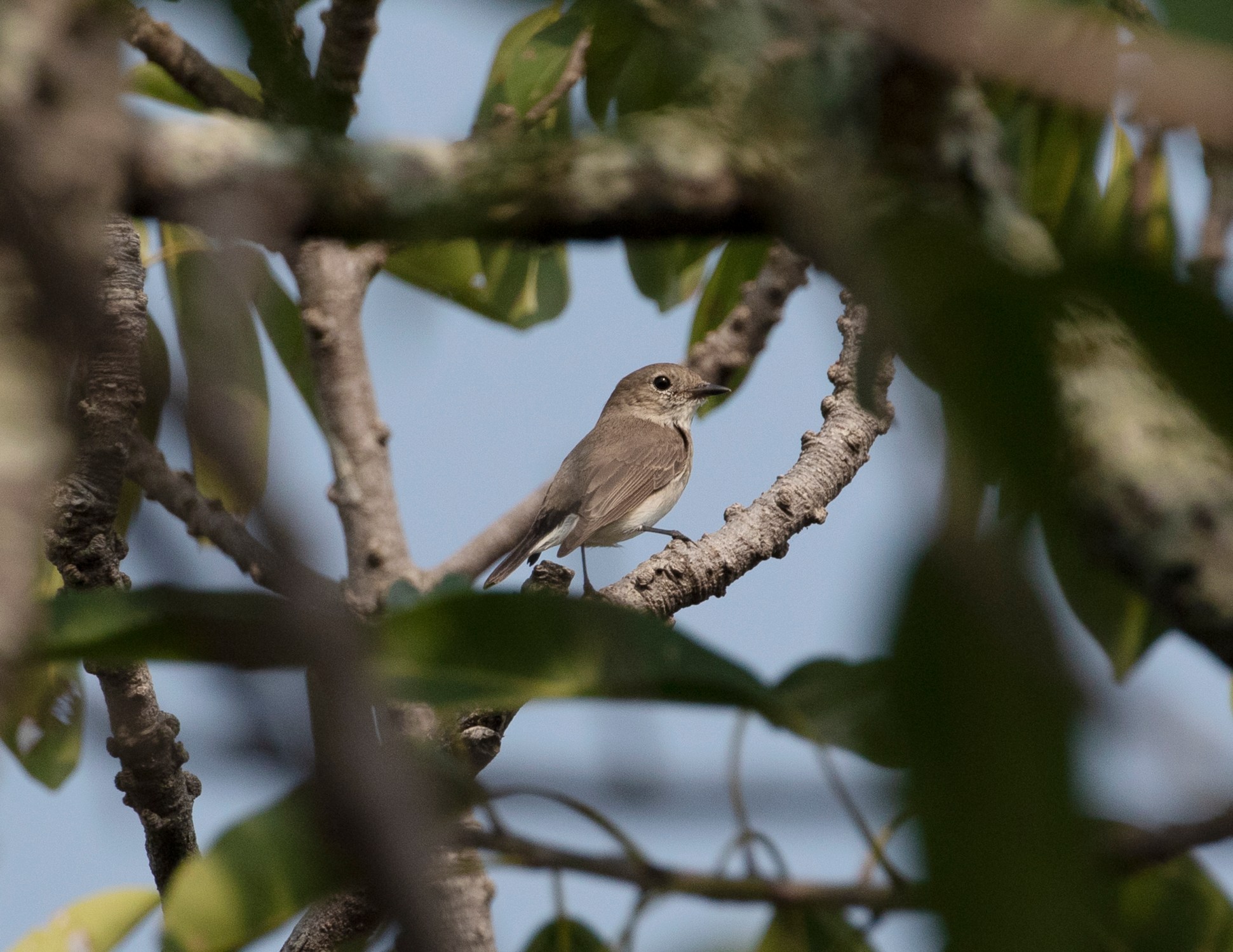
18/04/26 A spring Pied Flycatcher

Ventusky was forecasting light rain pre-dawn for this morning, I woke at 5am and looked outside; dry as a bone but the rain did start with the dawn. This band of rain came in from the North West and met the coast with very light WNW wind and resulted in the first ‘decent’ day for grounded migrants so far this spring here, whilst other sites in Kent also did well.
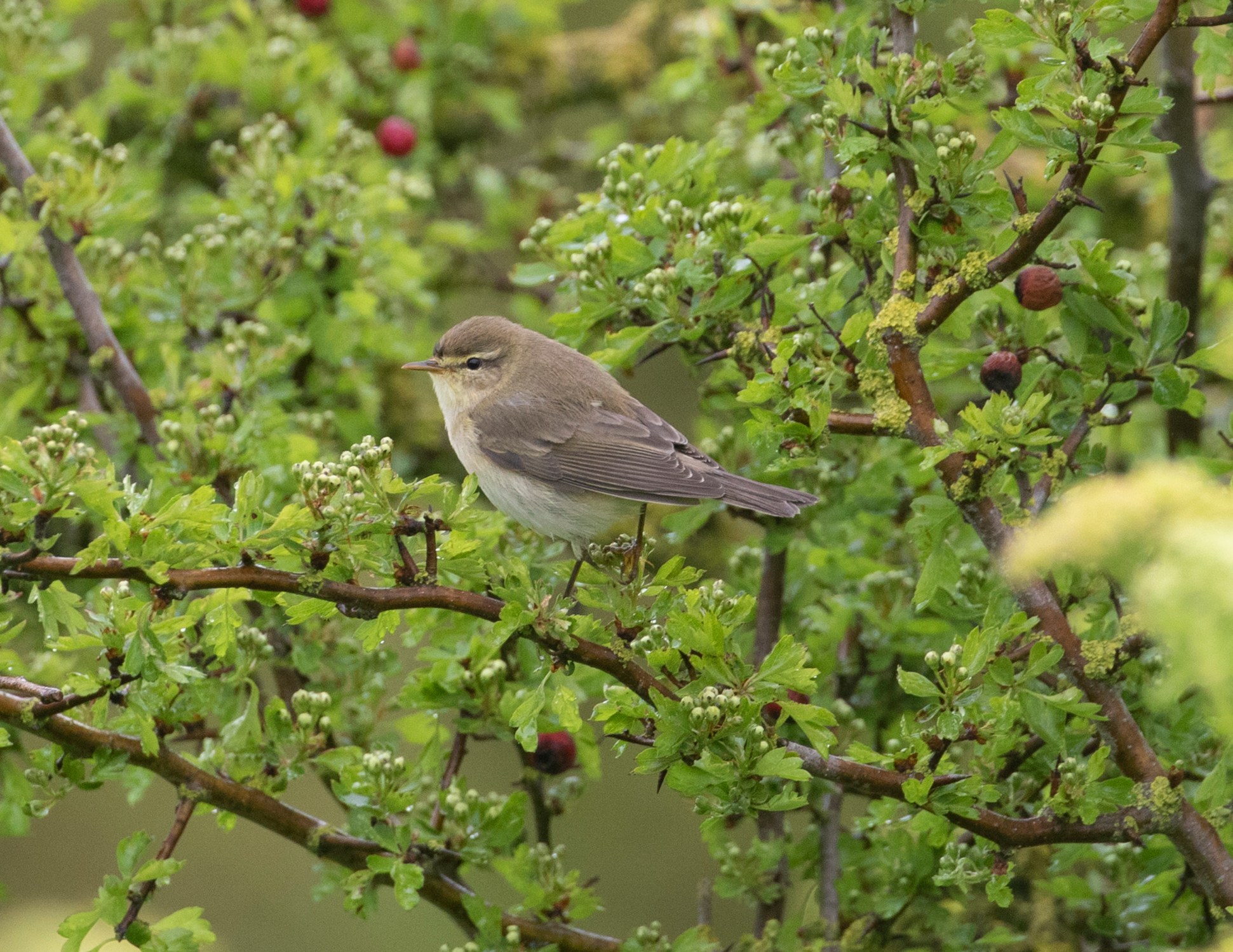
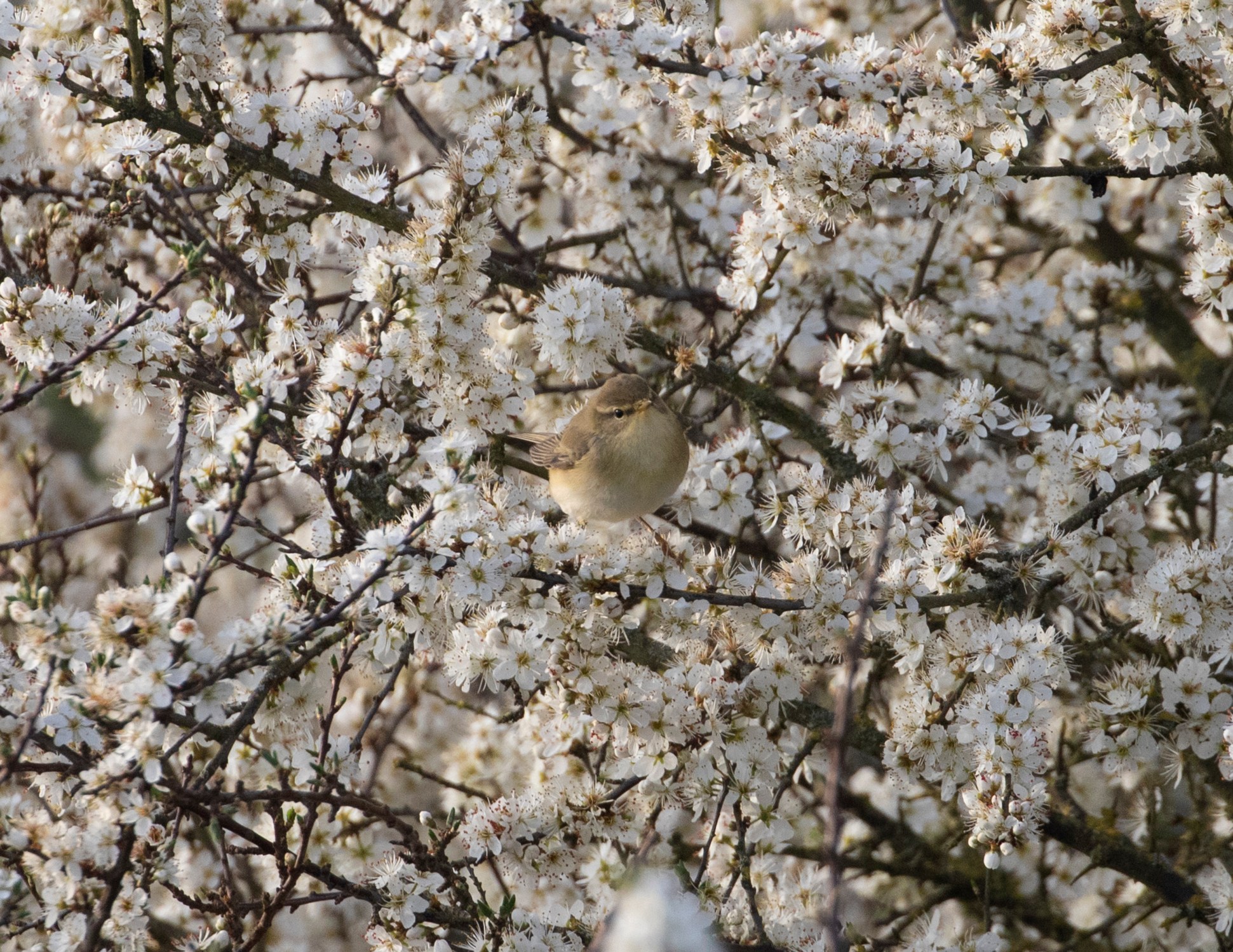
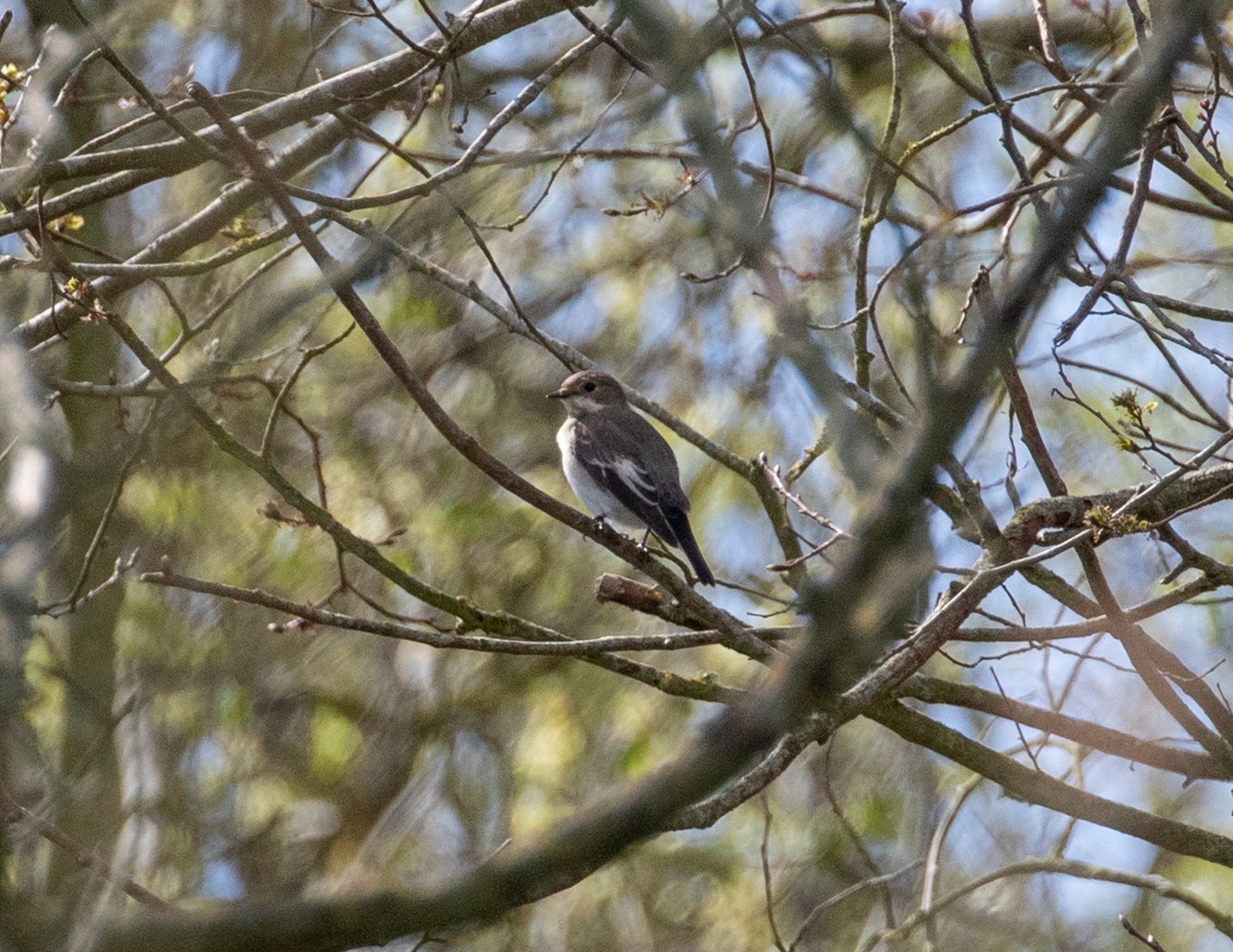
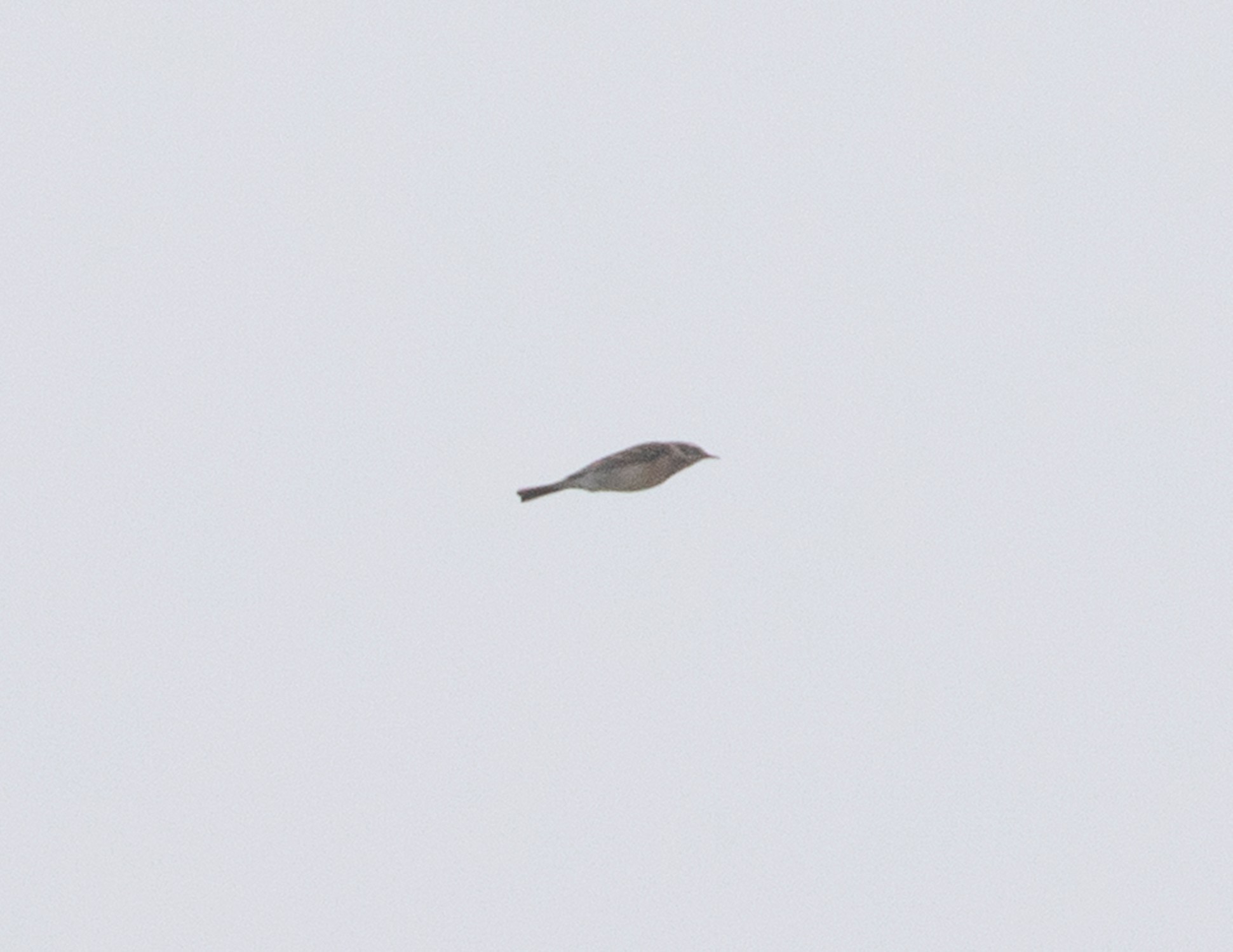
21 Willow Warblers counted between the end of my street and Light house Down. 3 Singing Lesser Whitethroats, excellent numbers of Common Whitethroats, Chiffchaffs and Blackcaps while c40 Swallows, 4 House Martins and a Sand Martin moved North, 12 Yellow Wagtails, 3 White Wagtails were counted, 3 Red Kites, 8 Med Gulls and the bird of the day was a female Pied Flycatcher at the North end of Top wood, my first in spring here.
During the walk back home I’d noticed the winds switching to the SSE despite the forecast of light NW and spent an hour looking South from my ‘Raptors in off’ spot over the Harbour and before long I picked up 3 White Storks powering in at 13.30.
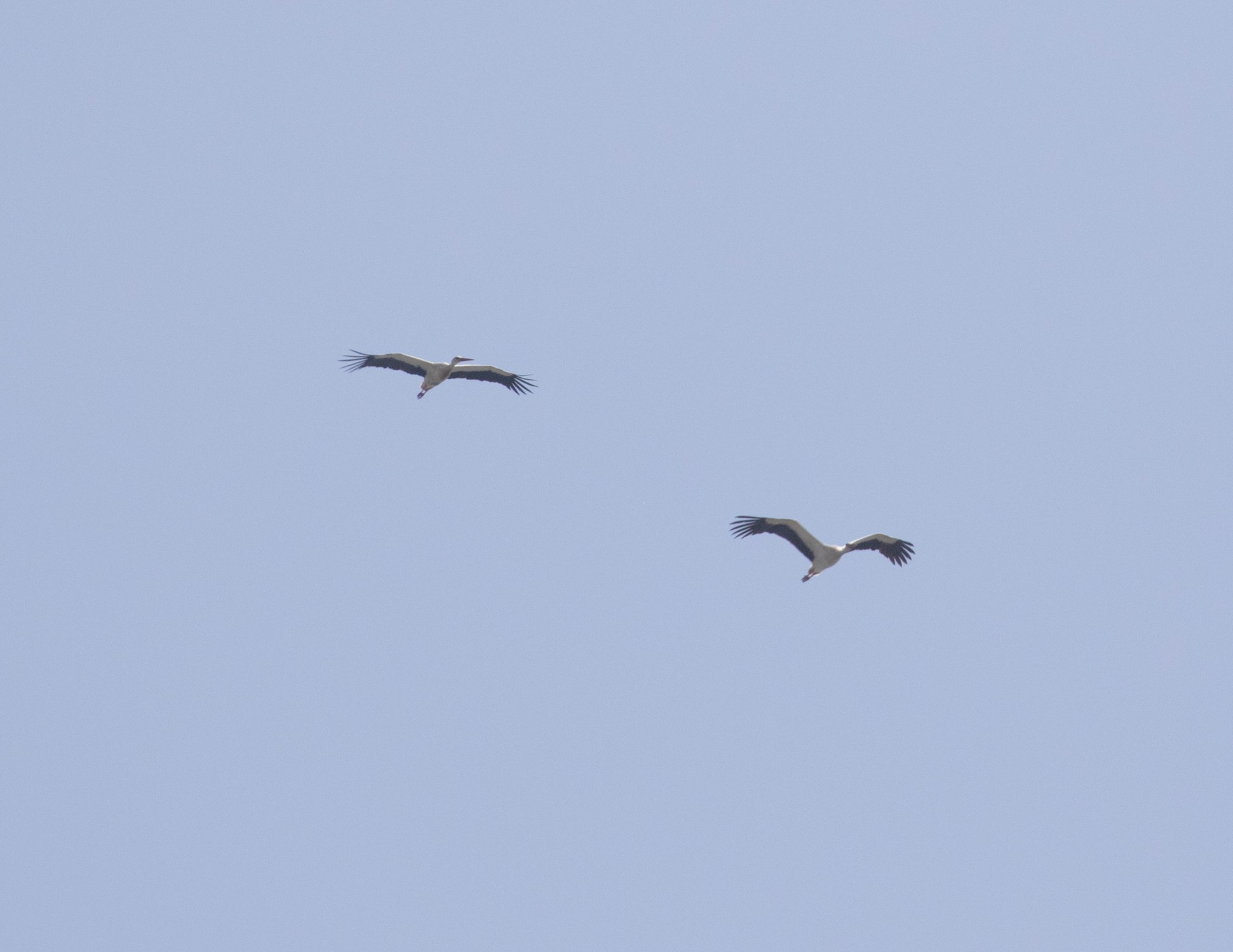
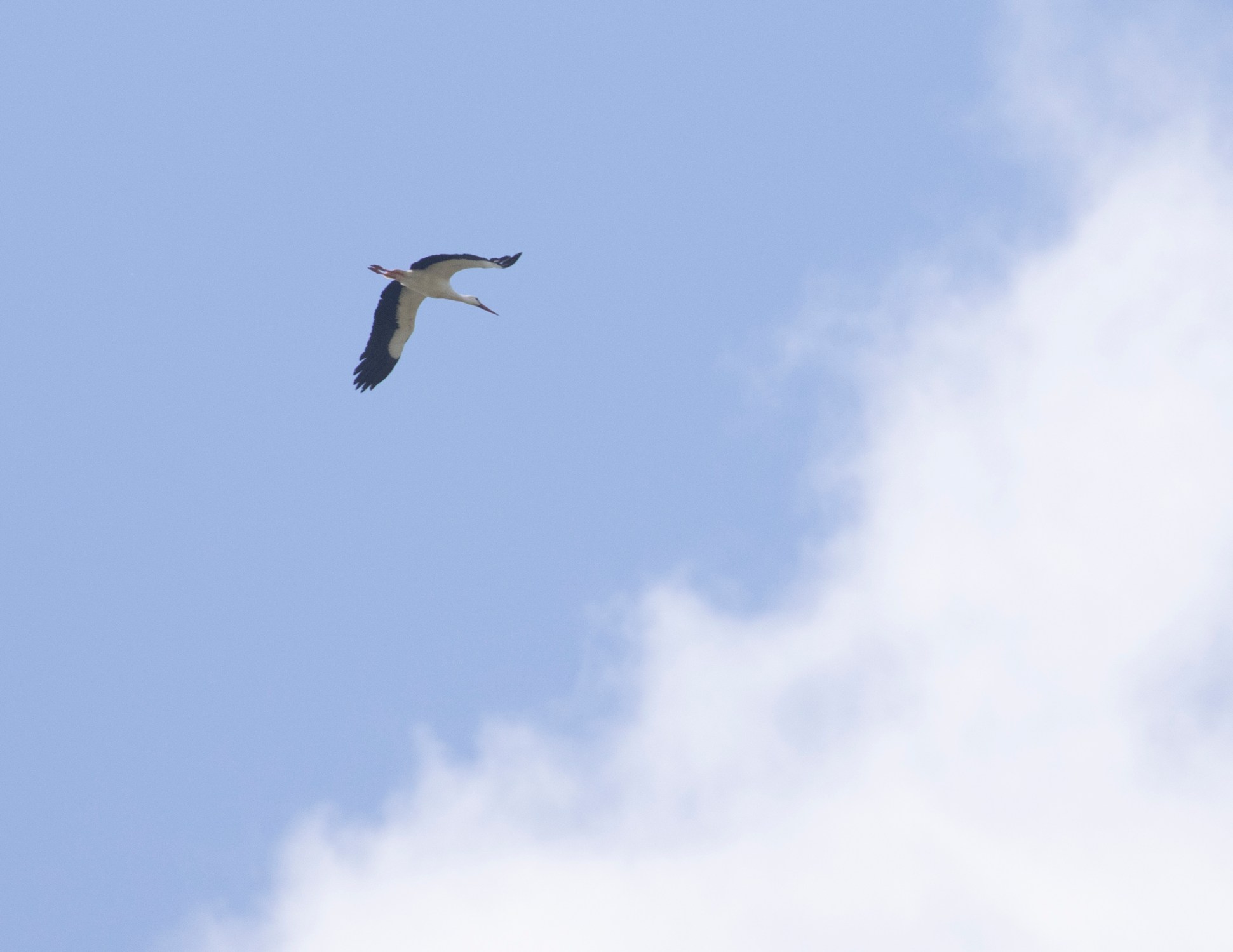
Most likely introduction birds but seeing them arrive is abit of a buzz.
17/04/26

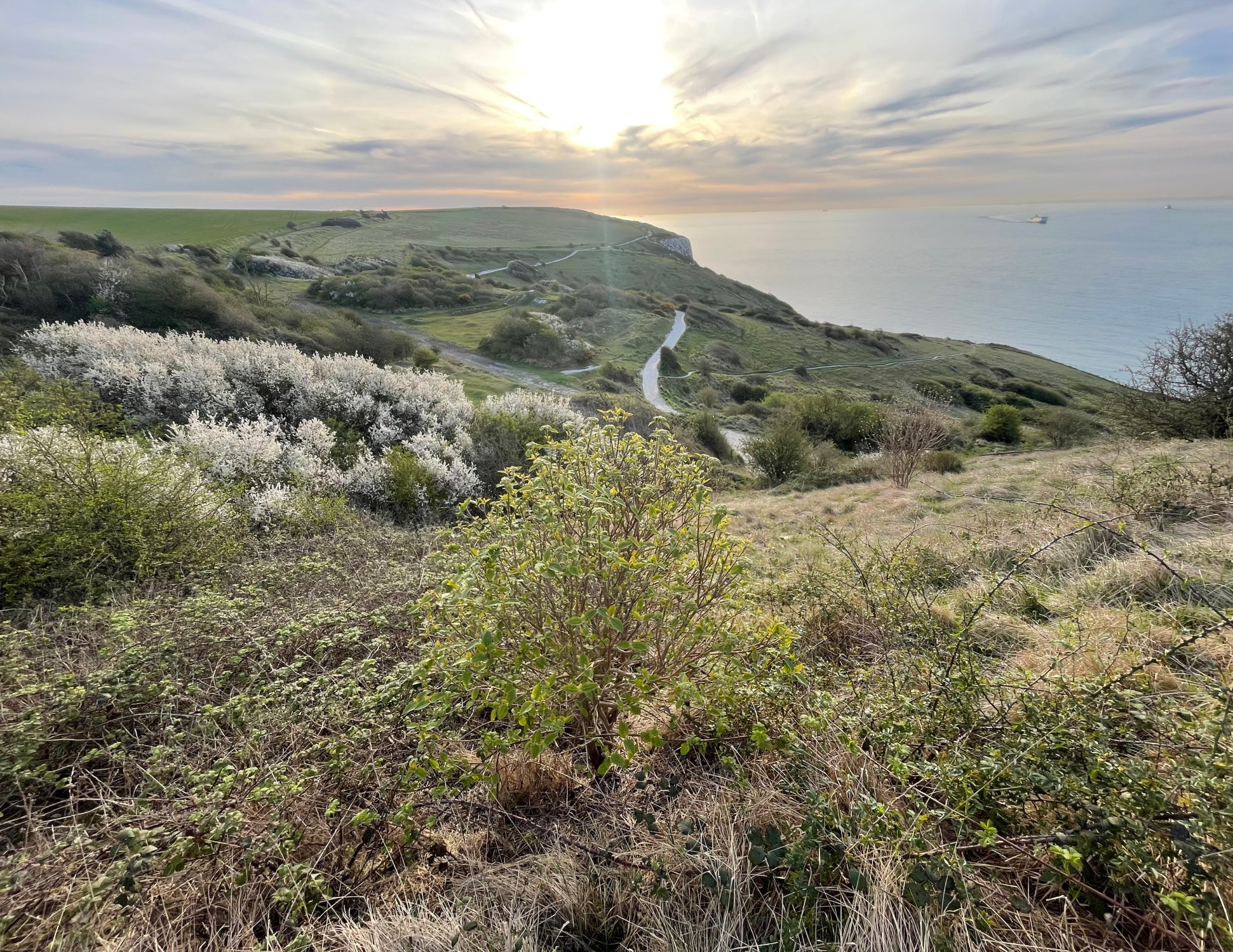
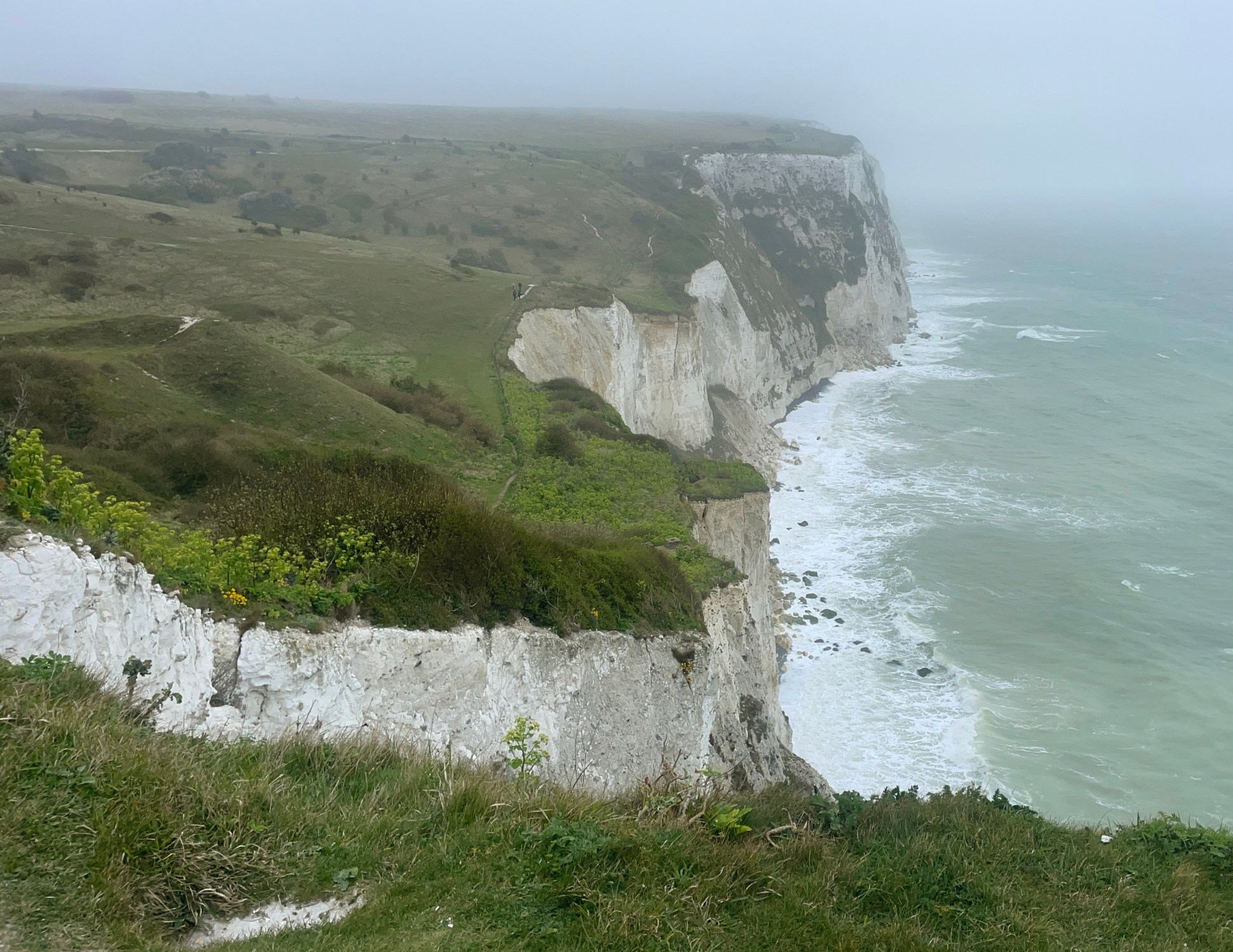
Back home after a week away. Spring has marched forward in that little time and the flowering Blackthorn is starting to go over in places. Moderate Southerlies with cloud and a patch first for me as I climbed the cliff – a singing Cetti’s warbler where the A2 crosses the cliff path, which could be heard even from the western end of Foxhill down. Little else between there and Light house down where a Water pipit flew up channel.

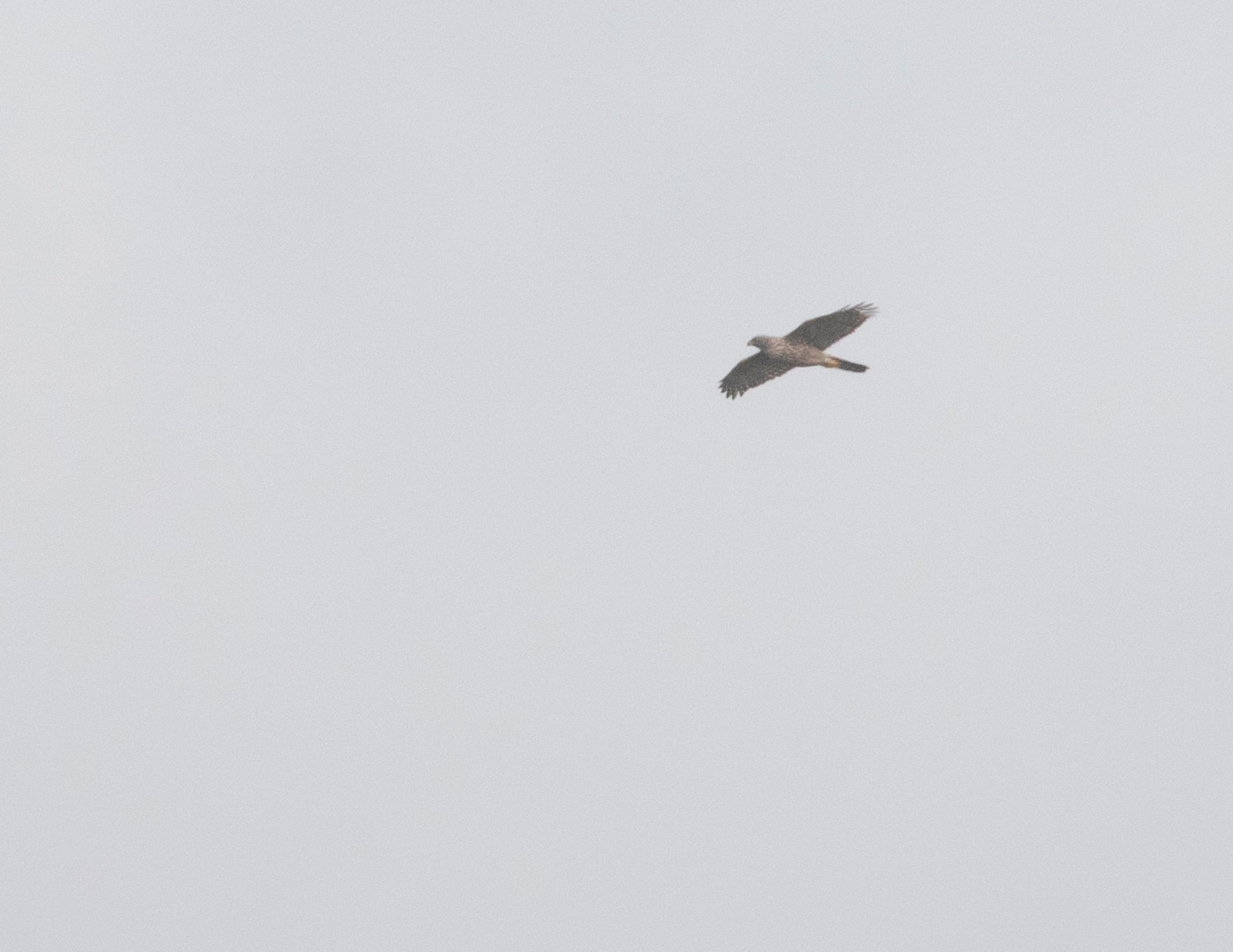
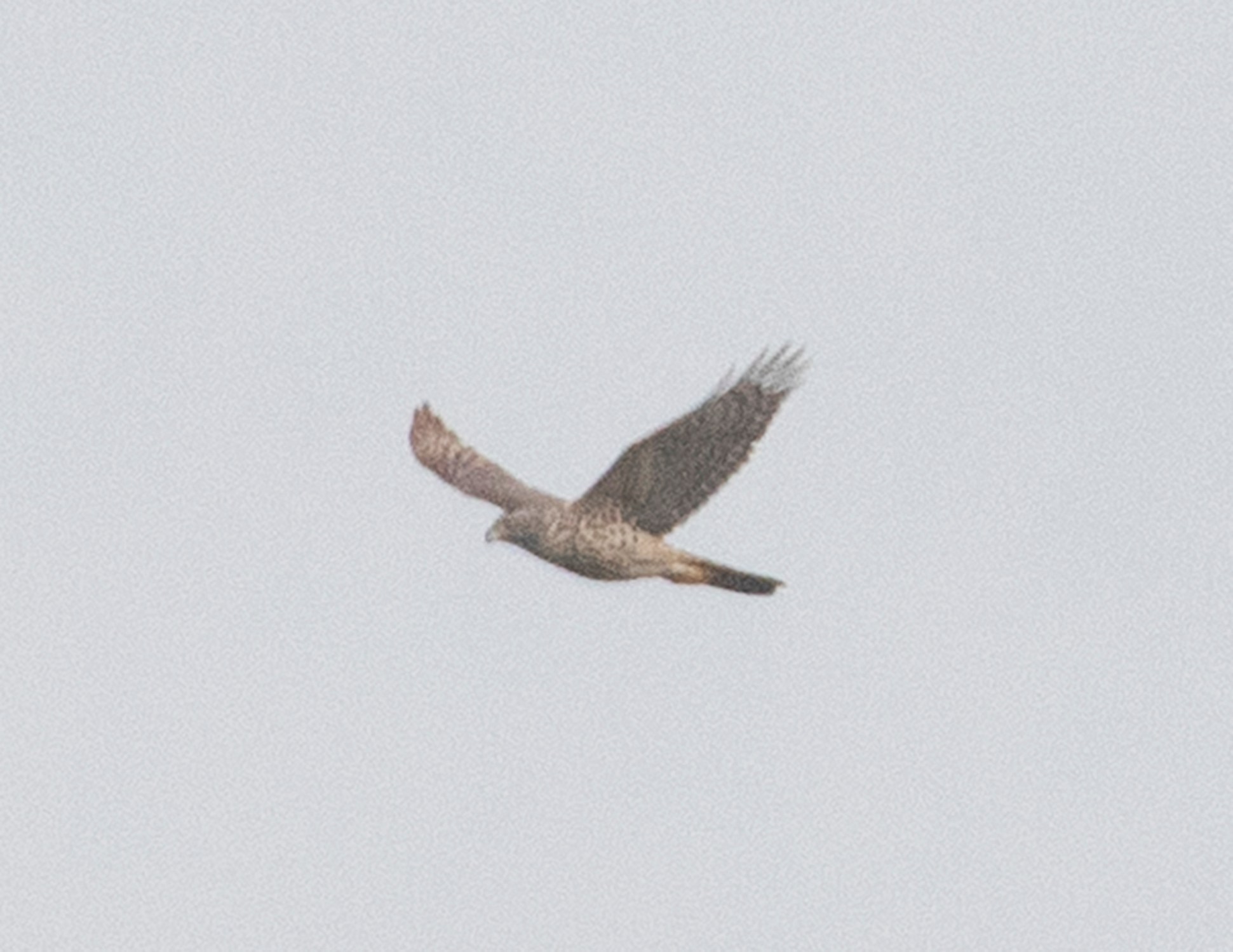
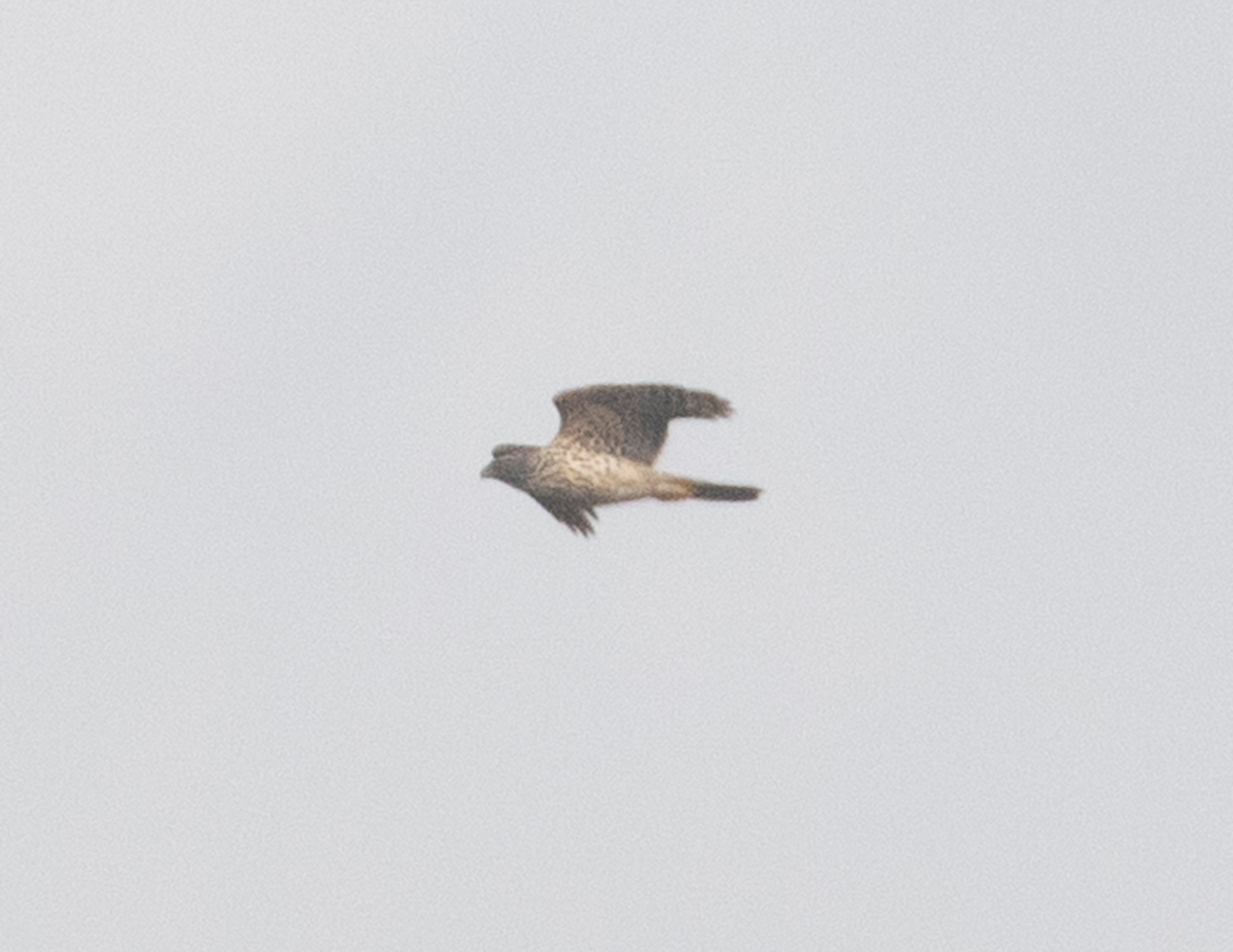
Single figures of Yellow Wagtails over and just shy of 20 Swallows but the (unexpected) highlight of the morning was a 2nd calander year Goshawk which I picked up over the Lighthouse and Top wood.

In active flight almost entirely at first, it showed some interest in chasing corvids but carried on generally North and was lost to view.

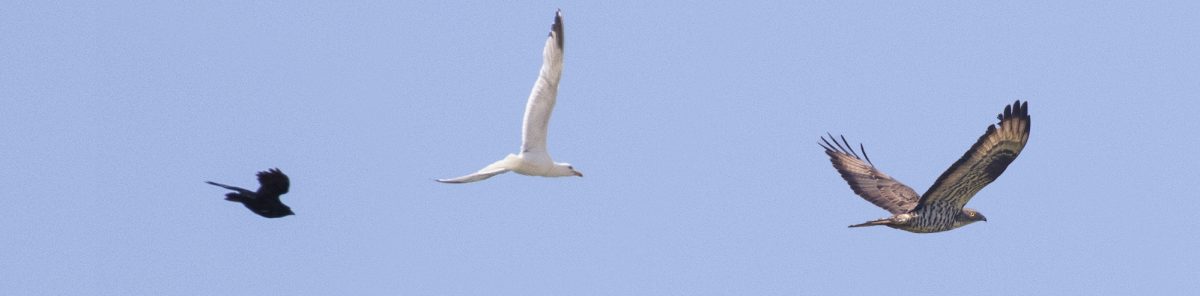
My second here after an adult male last March. Im disappointed not to have seen where it appeared from – following the coast or indeed in off the sea but there you go. 2 Marsh Harriers Flew out to Sea in a NE direction during the morning.

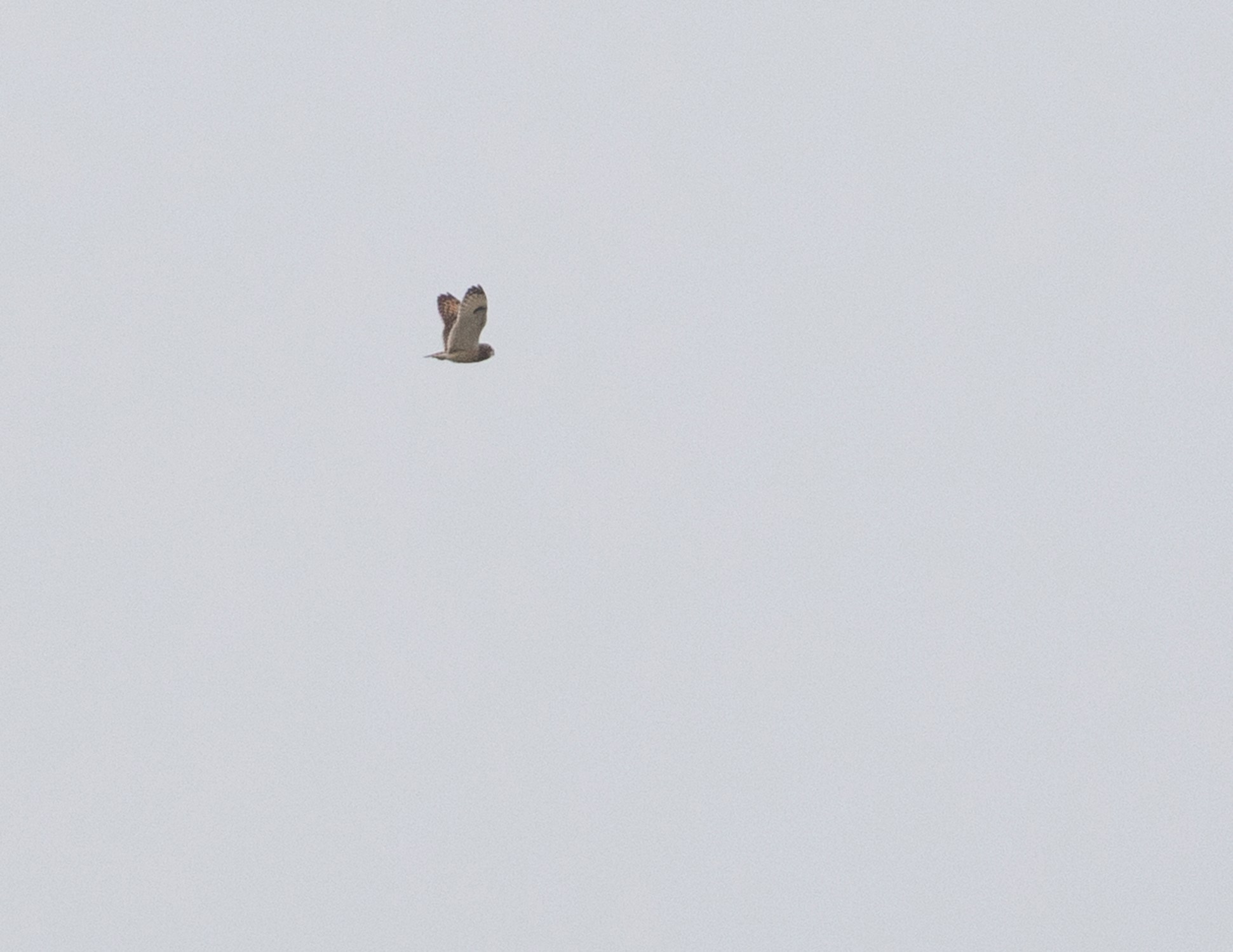
Before going away (on the 10th) I had a Littleringed Plover fly down channel (barely annual here) and a Short eared Owl flew in over the cliffs at the lighthouse, the same or another flew out to sea and disappeared shortly after.

Several stark omissions to the list of birds I’ve seen up here so far this spring, hopefully that will change in the coming week as I will be birding most days till mid june now.

06/04/26

Light Southeasterlies early April, I was hoping for a little more than was delivered but a pleasant morning still.

2 Willow Warblers were singing in Langdon, a trickle of Swallows throughout the morning probably 25 Birds, all seemingly in off the sea, 9 Sand Martins also, my first of the year.

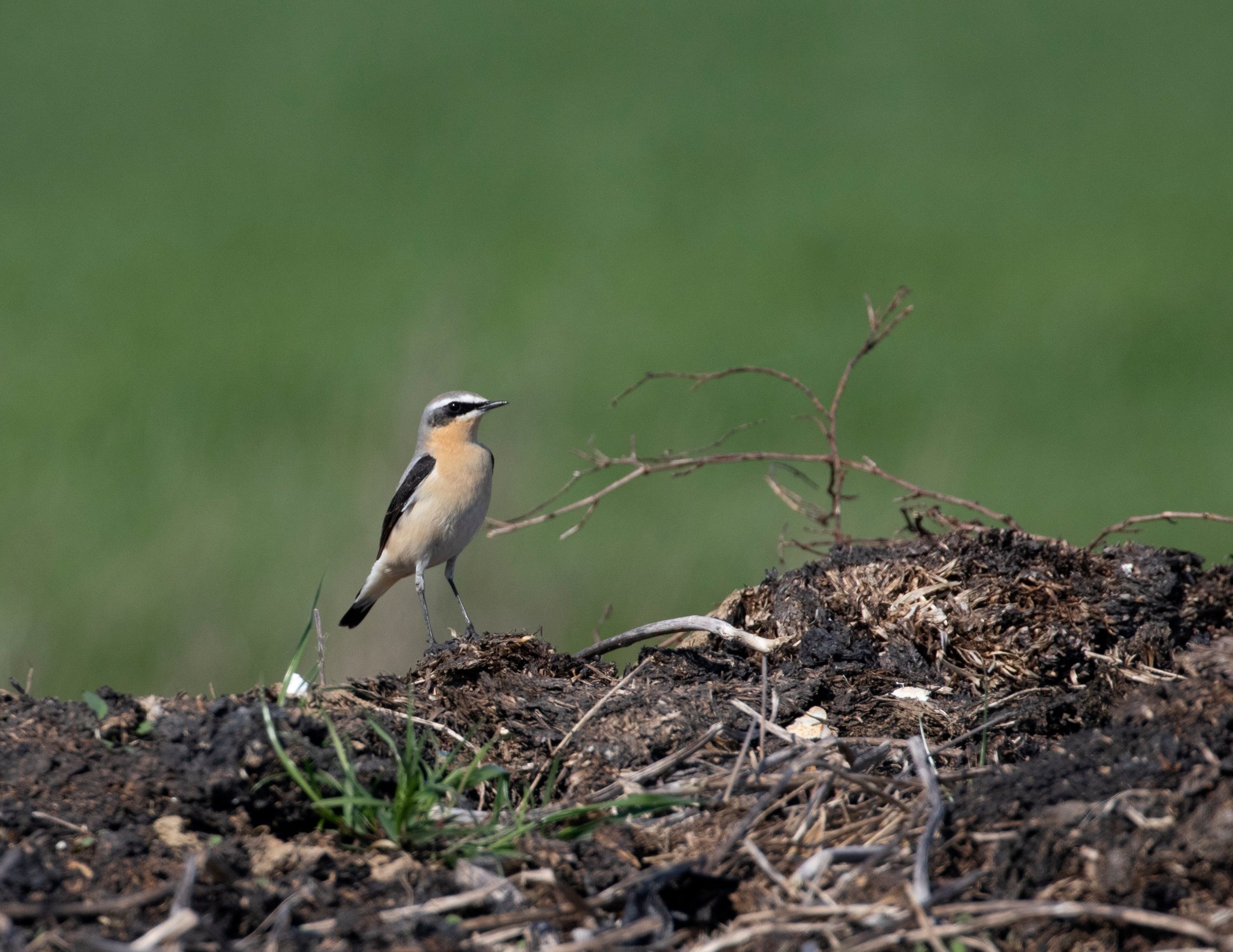
Finally some Wheatears, with 2 along the tarmac path, another 2 just inland on the dung heap and a single bird at the old airstrip, 4 White wagtails all in off the sea and 2 hours looking out to sea for raptors produced a Common buzzard that arrived over the harbour around midday.

Working in London this week sadly, just as things seem to have begun.

03/04/26

Back from Hong Kong on the 1st and keen to get up to speed with spring here Ive put in a little more effort than the first days of April warrant perhaps and have little to show for it beyond my first Willow warblers of the year (one on the 1st and one on the 3rd). A passage of 530 Chaffinches on the 2nd contained at least 10 Bramblings, heard mostly but a few seen among the groups. More Siskins moving now too. A singing Black Redstart on the 2nd was my first in song this year but still no Wheatear for me.

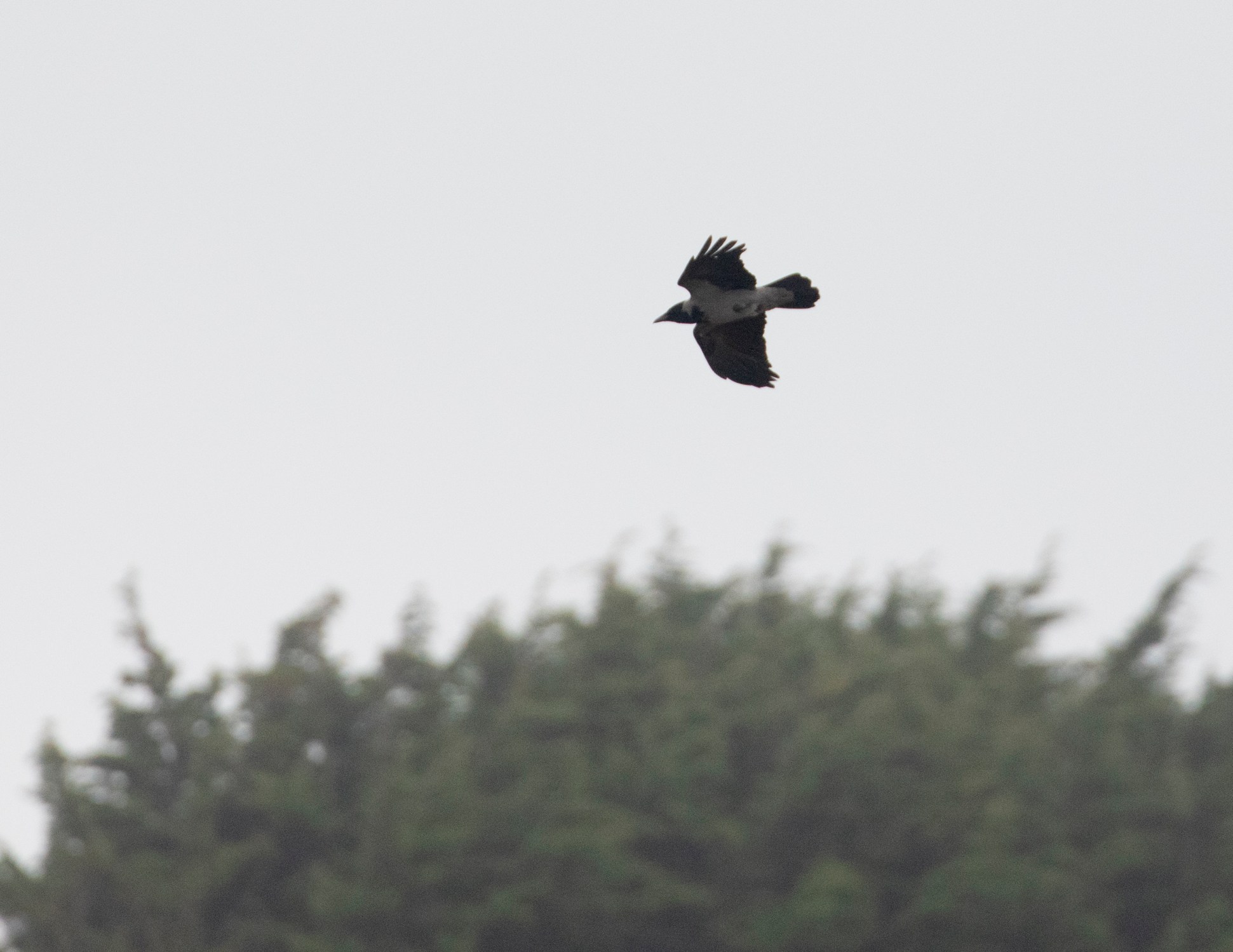
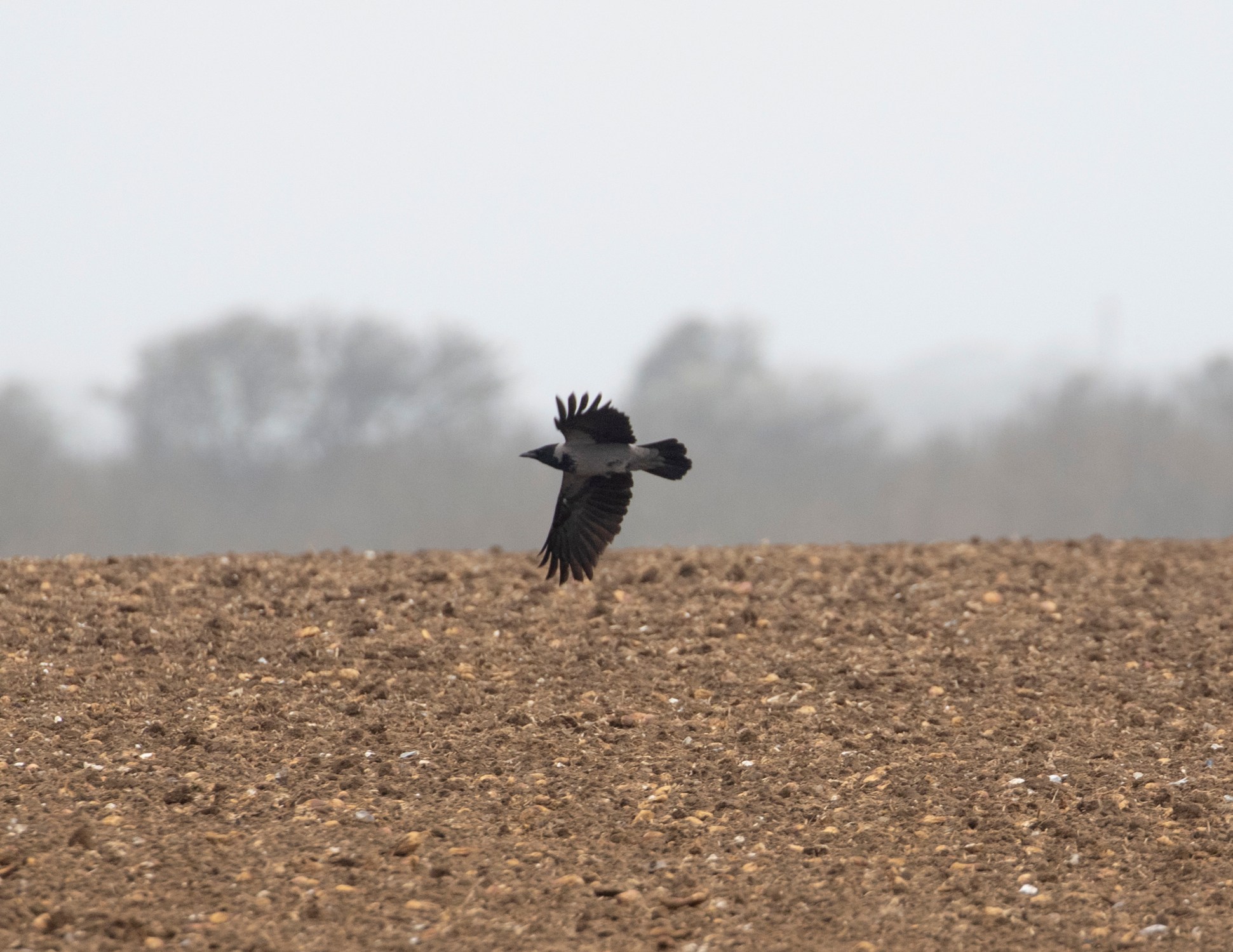
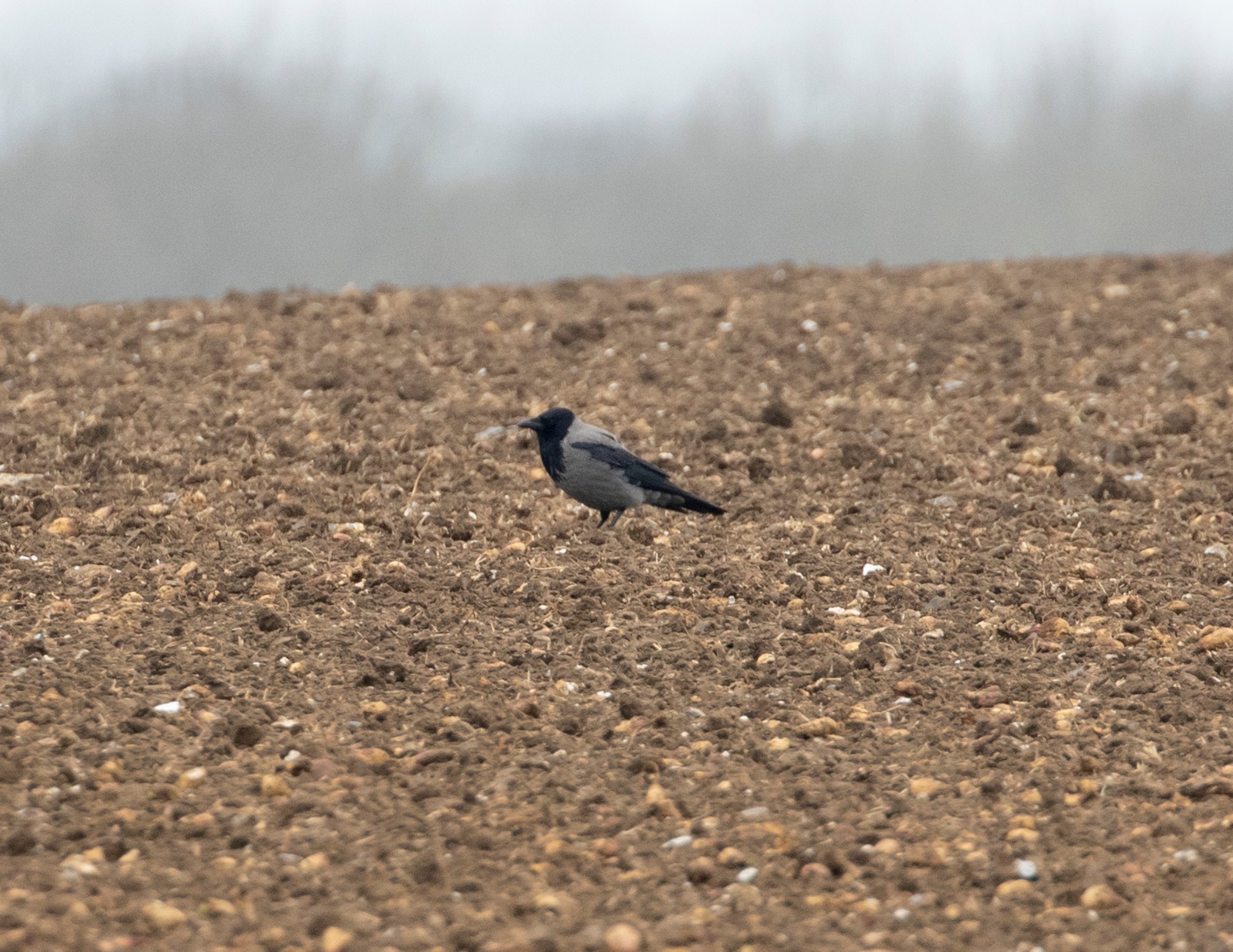
An afternoon slog up the cliffs on the 2nd was fruitless for me but visiting birder Kevin R picked out a Hooded Crow, among corvids in the recently ploughed field next to Sherley’s farm. He and David T watched it until it appeared to fly off late pm. Today It flew over my head as I crossed the top fields late morning and settled in the ploughed field again.

Nice bird. Squally weather with 40mph Sw’erlies. Not my usual ‘dash up the cliffs’ weather but nice to give it a go.

Hong Kong late March 2026

I’ve not done one of these blog posts for a while, despite several visits to Hong Kong every since my last post on the place, I thought they’d got abit repetitive. However, heres a photo dump from my recent visit, I tend to photograph things that take my fancy. An excellent place to bird, I visited Long valley 3 times and Mai Po once during my stay there. The tide was good at Mai po for the morning but a strong heat haze on the mud from the floating hides made photography abit frutstrating so I didnt bother with the camera much there.

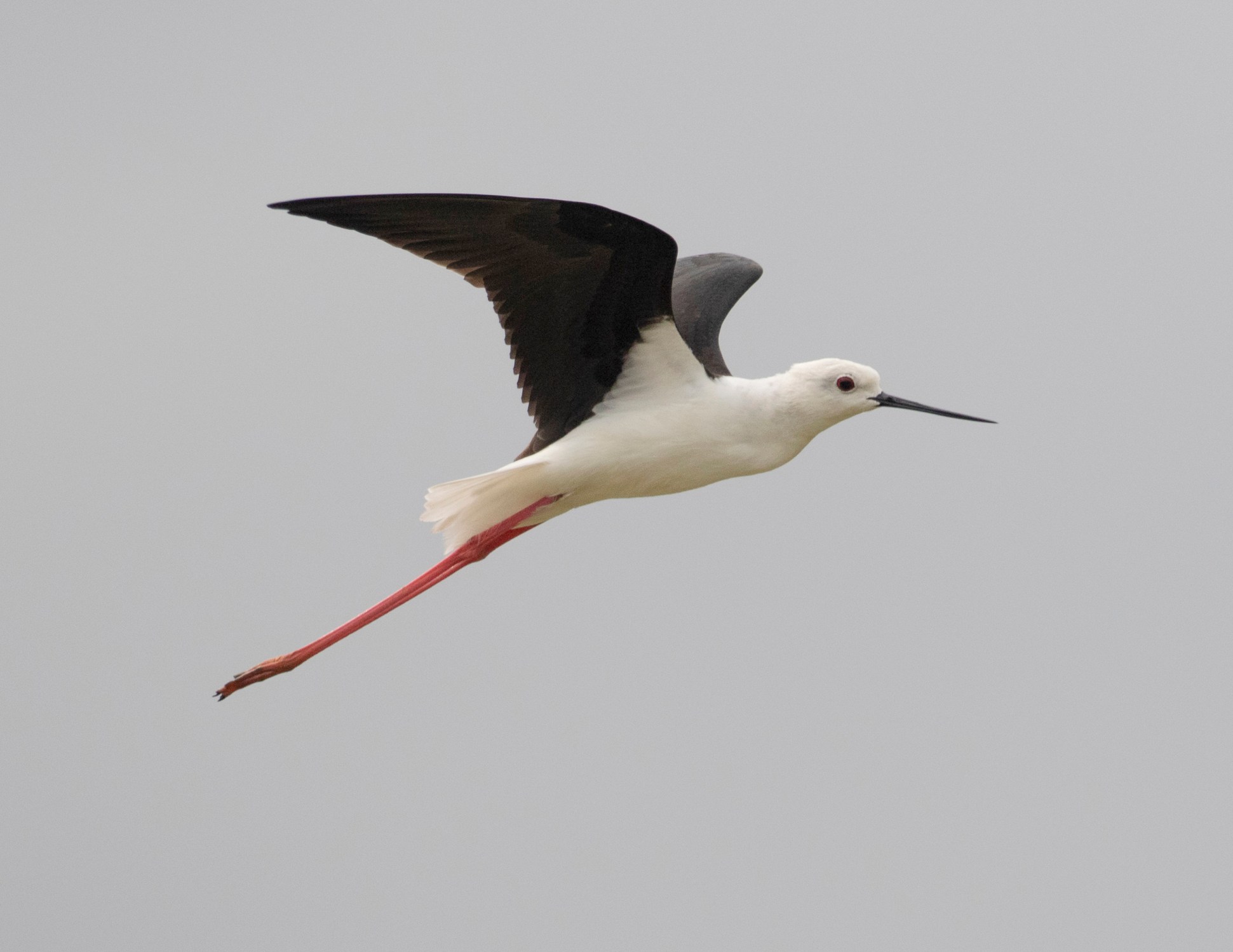
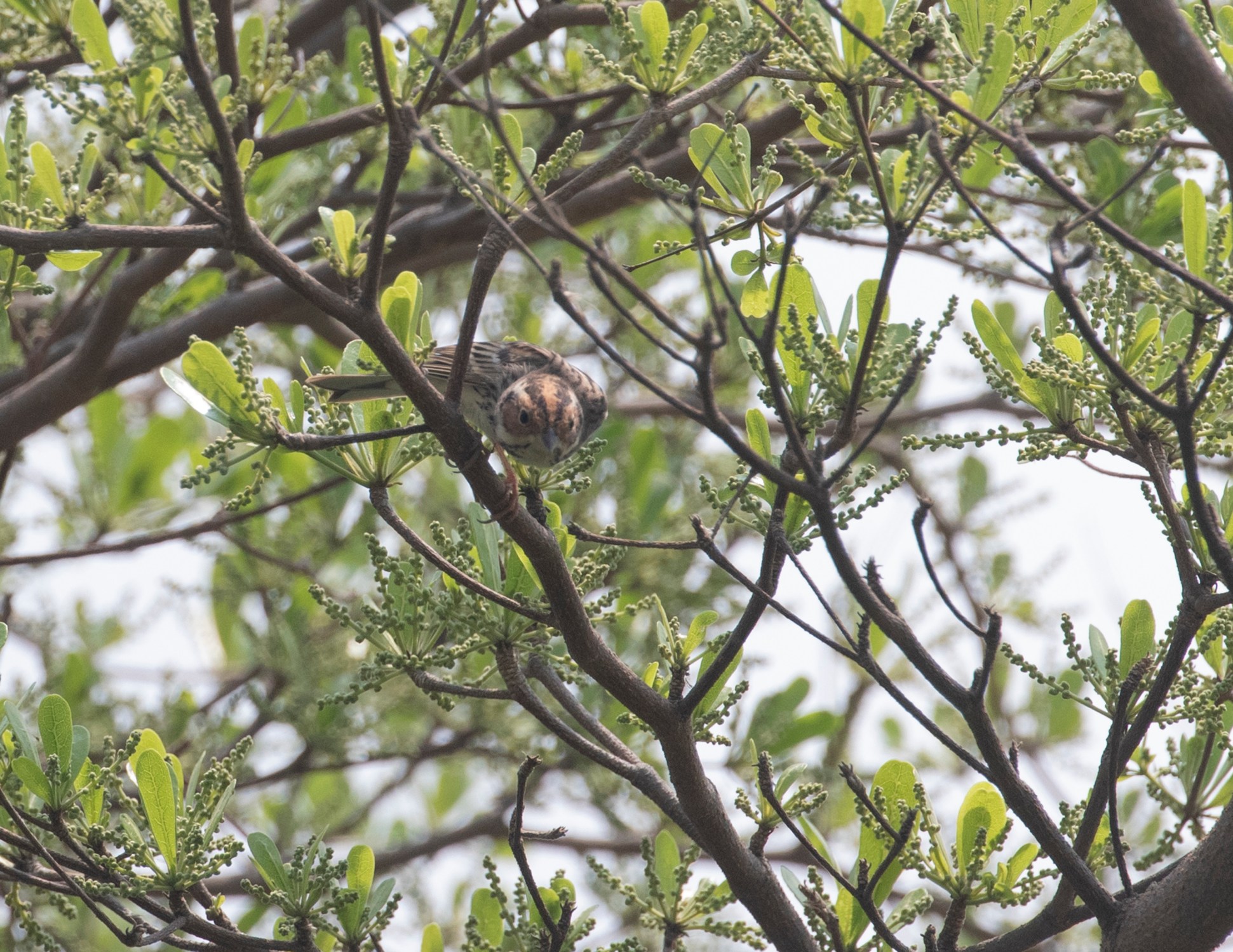
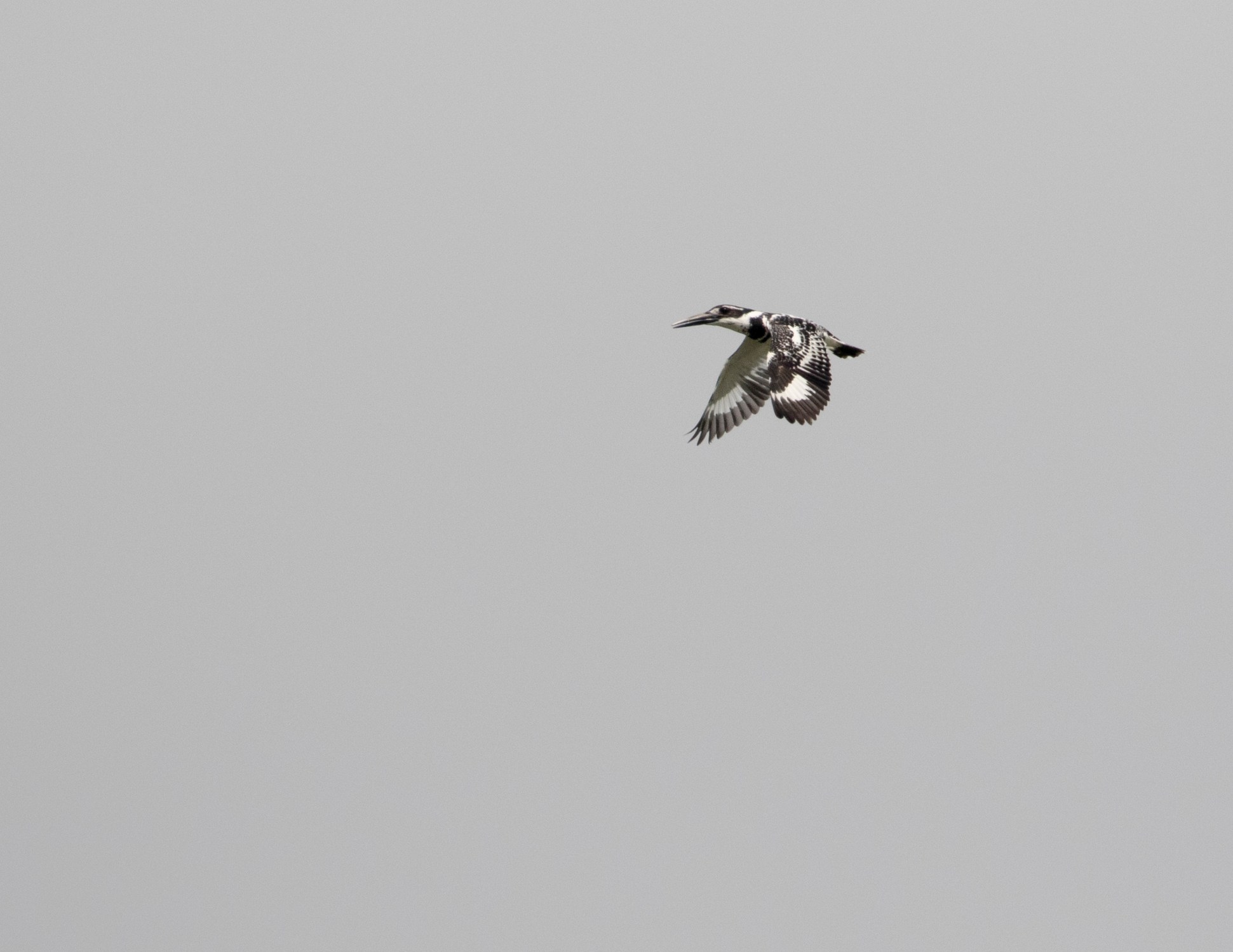
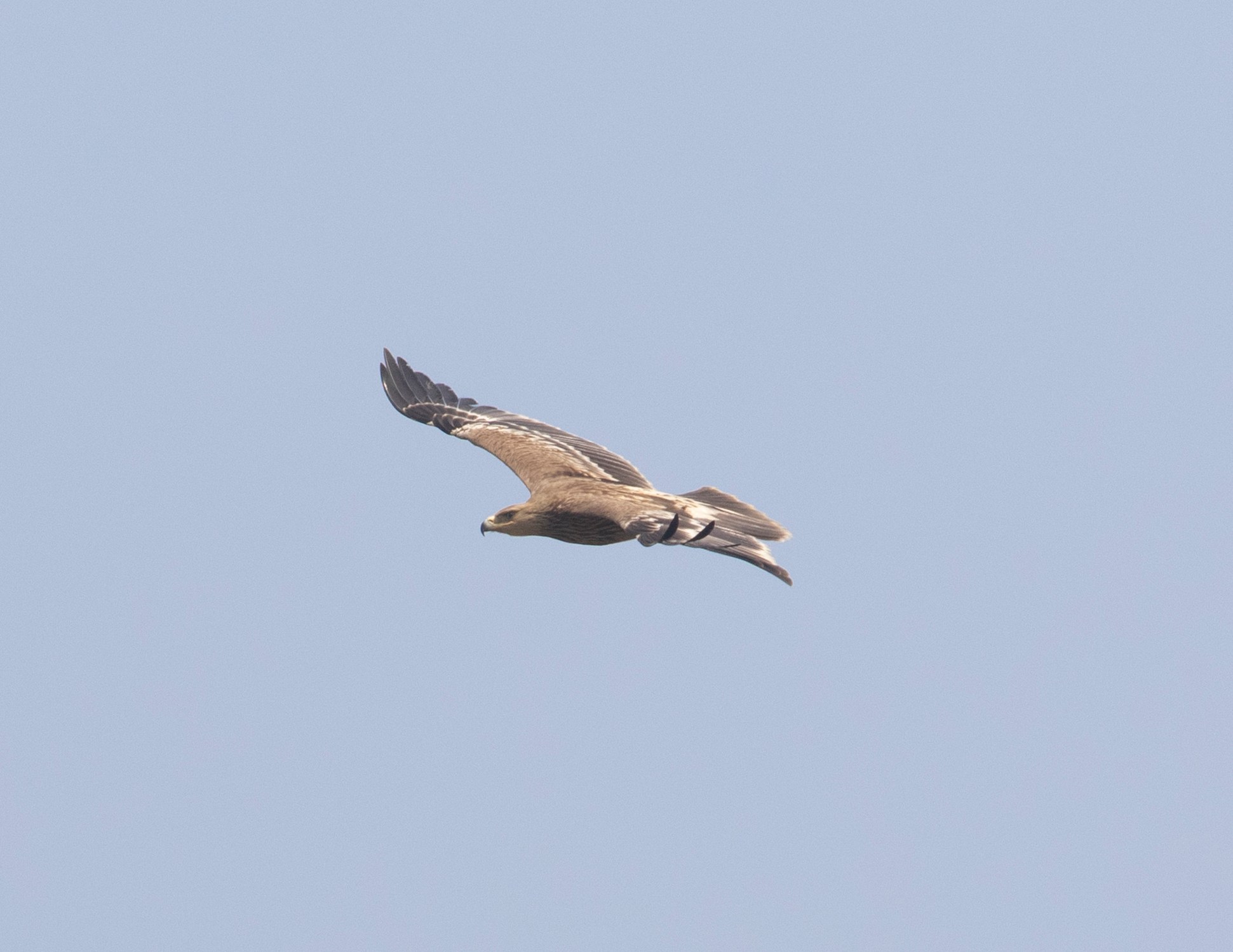
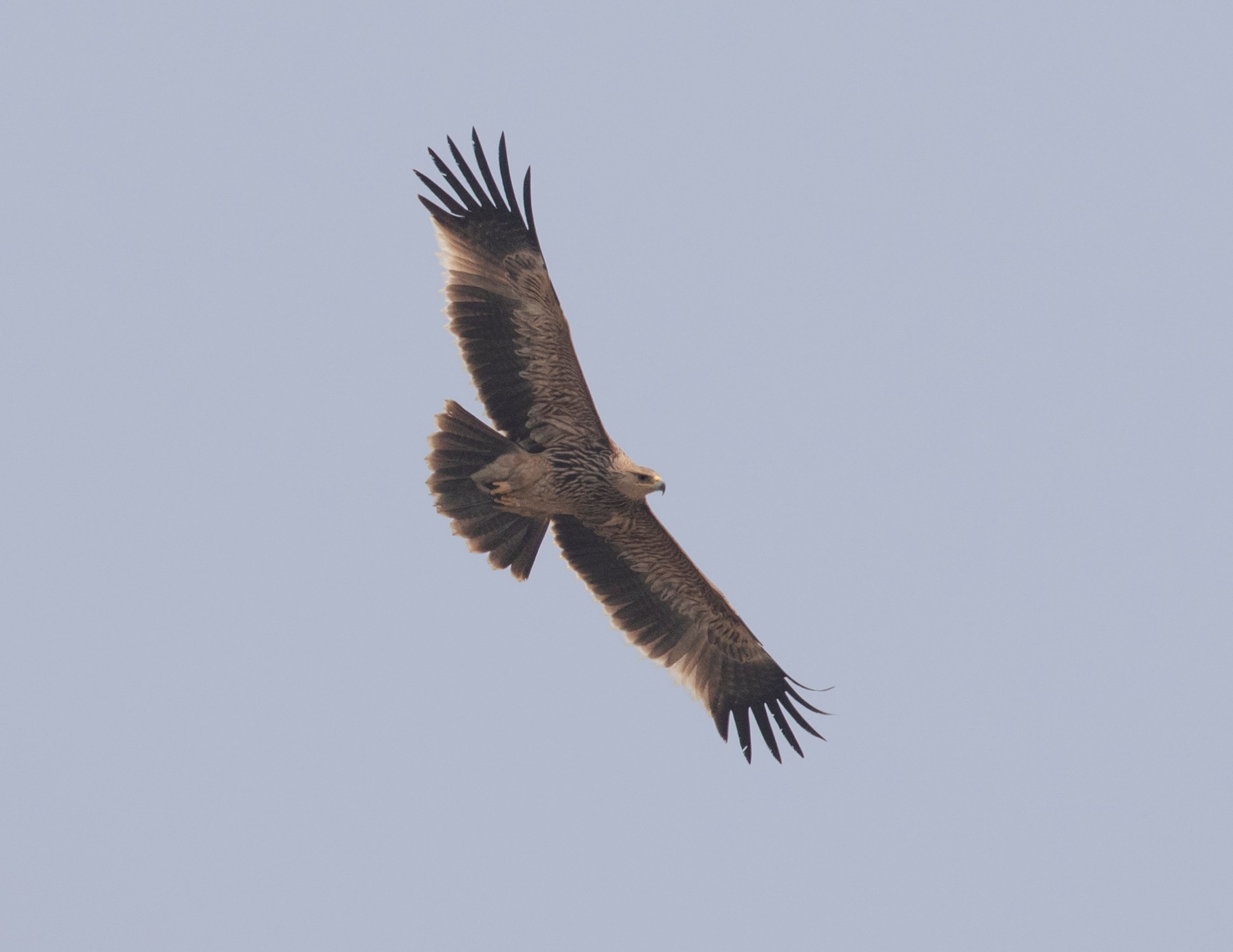
The walk to the floating tides was highlighted by the below: numerous Black-winged stilts, a few Tiaga Flycatchers, a Little bunting among several Black faced buntings and OBP’s that flush into trees as you traverse the path from the main gate, noisy Pied Kingfishers here and there and an impressive 1st winter Eastern Imperial Eagle that I saw 3 times over the morning.

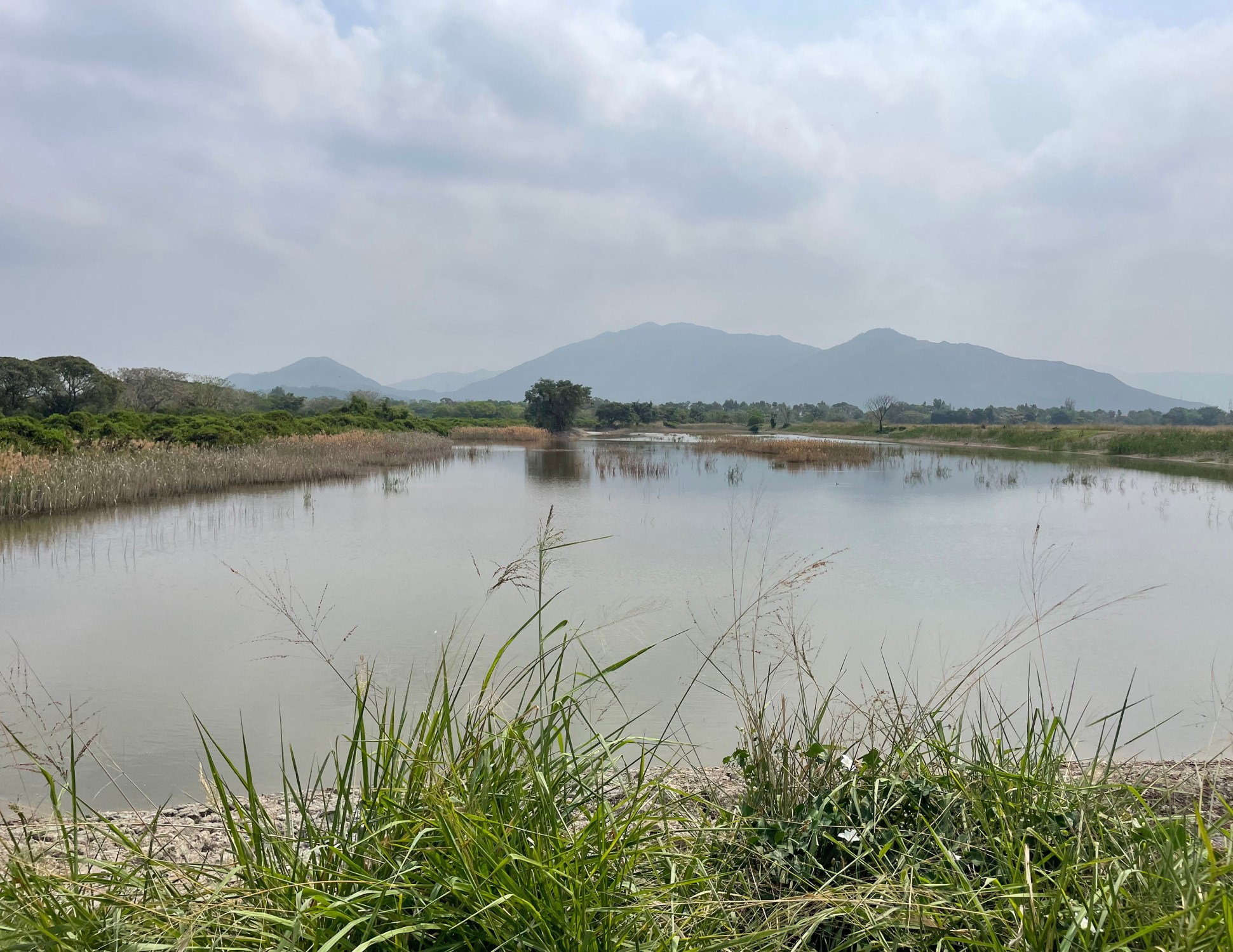
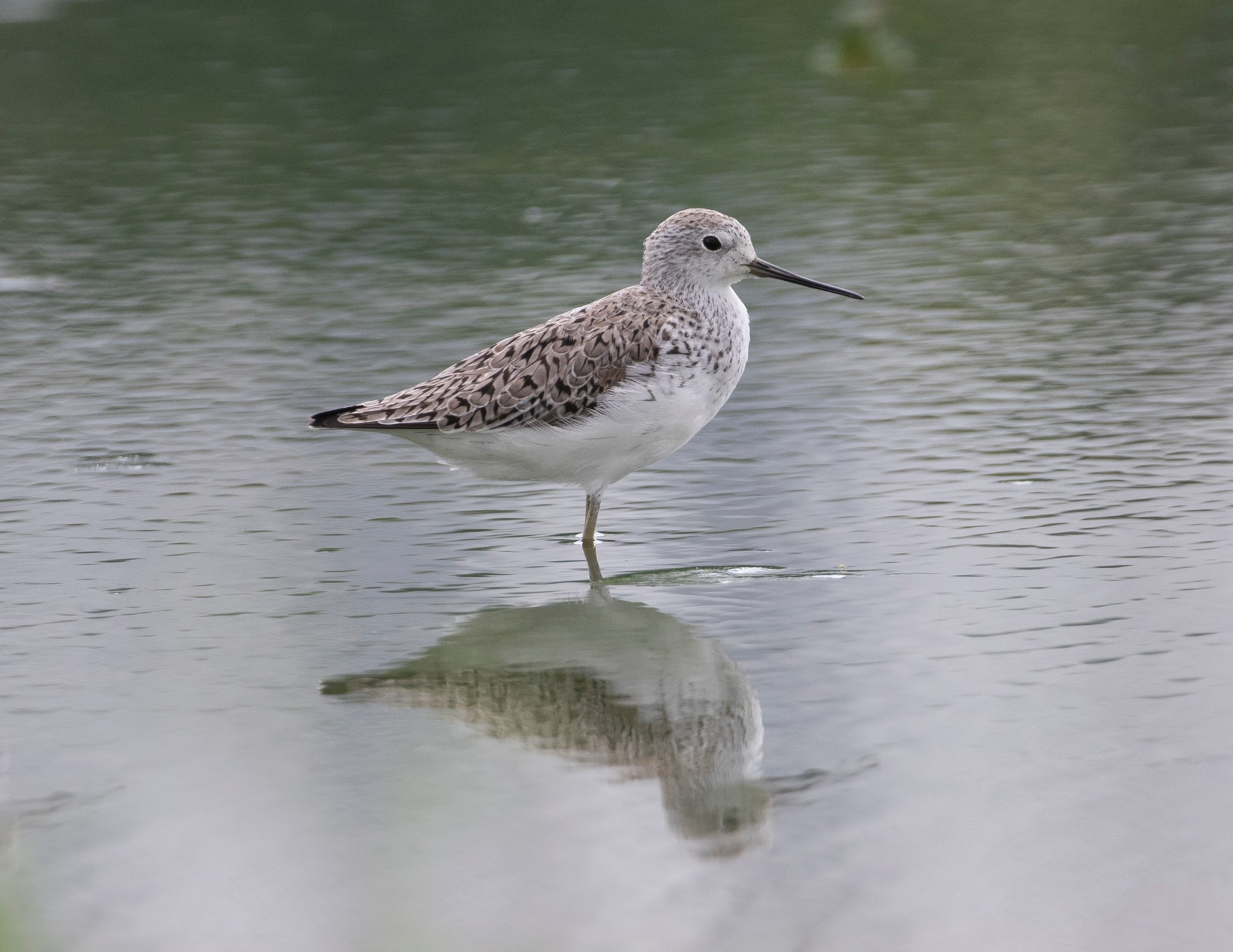
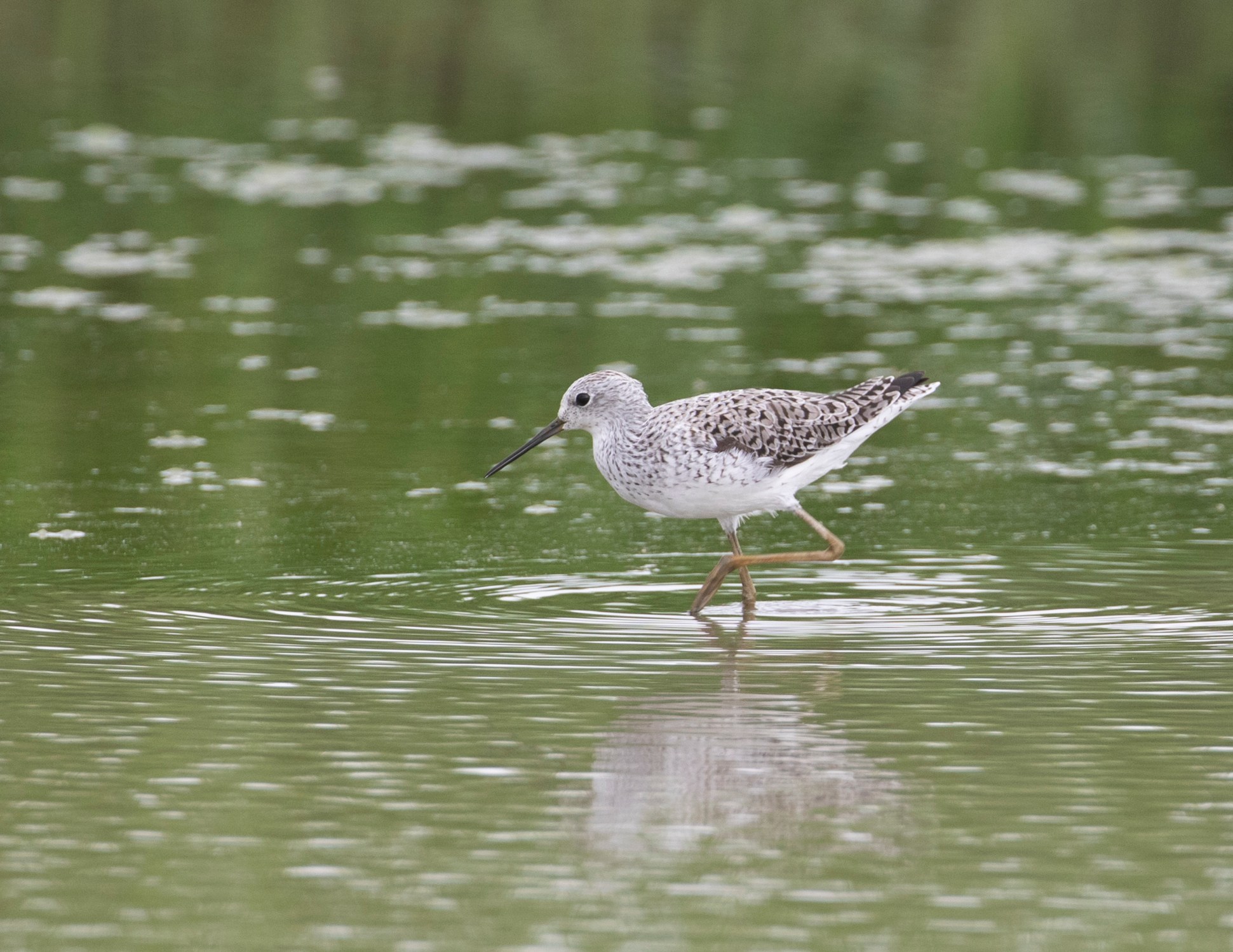
Long Valley has been modified into a nature reserve since my last visit, whilst still working farmland and paddy-fields it is managed for wildlife and essentially a large wetland area with decent areas of scrub too, an elegant Marsh sandpipier below, common at all wetlands I’ve visited in HK.

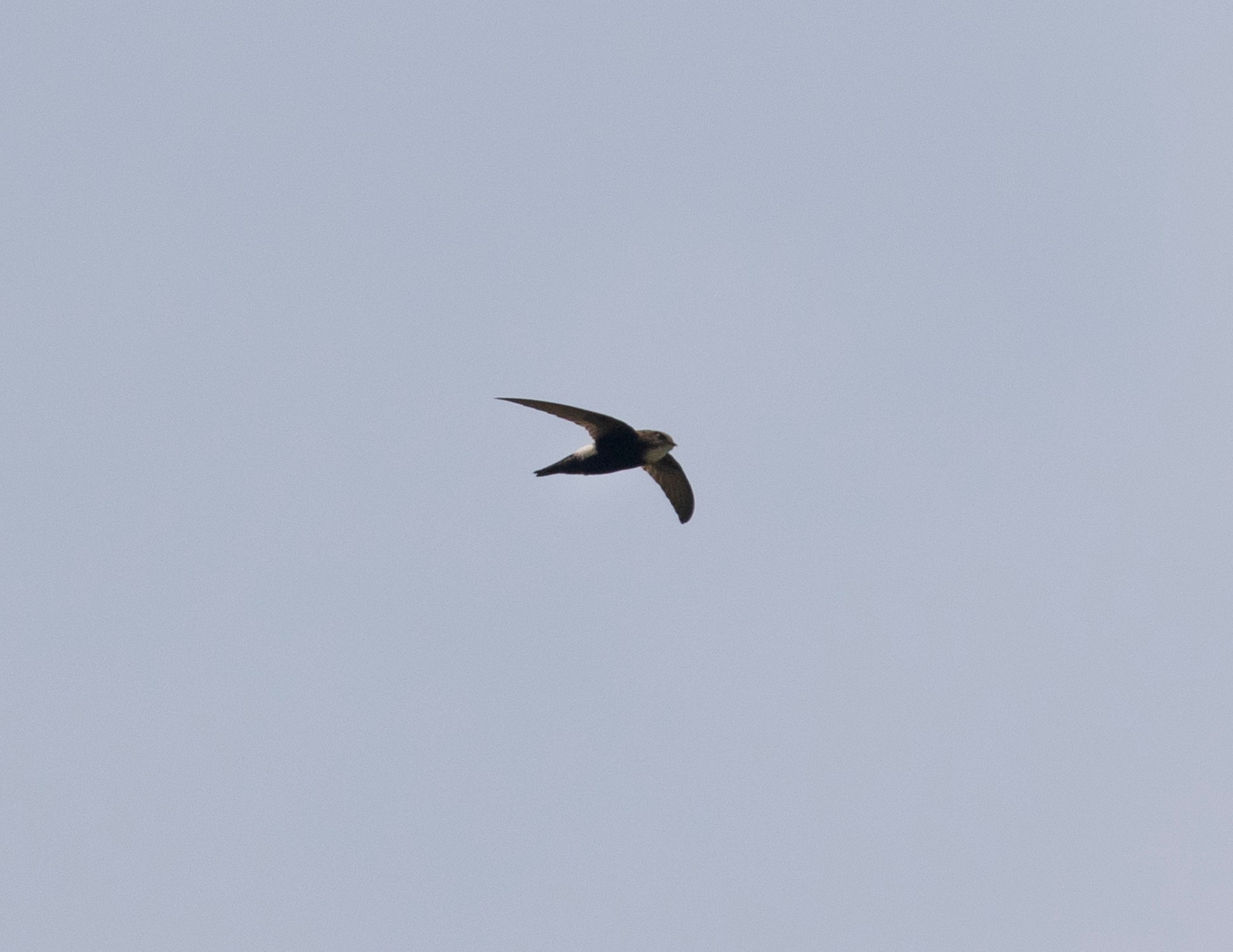
Some visits were better for migrants than others, one day in particular saw good numbers of Barn swallows passing through with smaller numbers of Eastern Red-rumped swallows and House swifts (below), Oriental Pratincoles too.

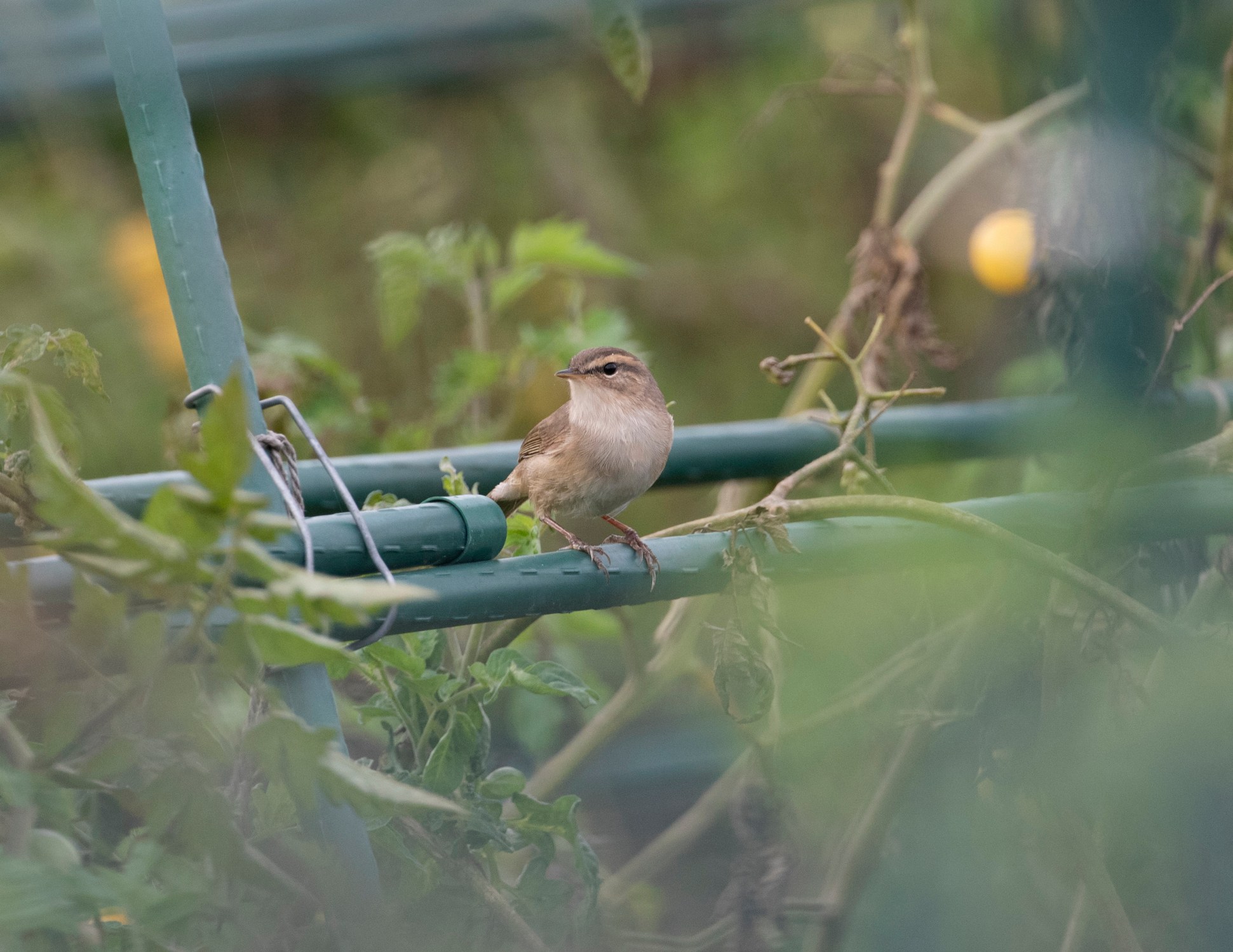
Dusky warblers, alongside Yellow Browed warblers are the most ubiquitous phylloscs .

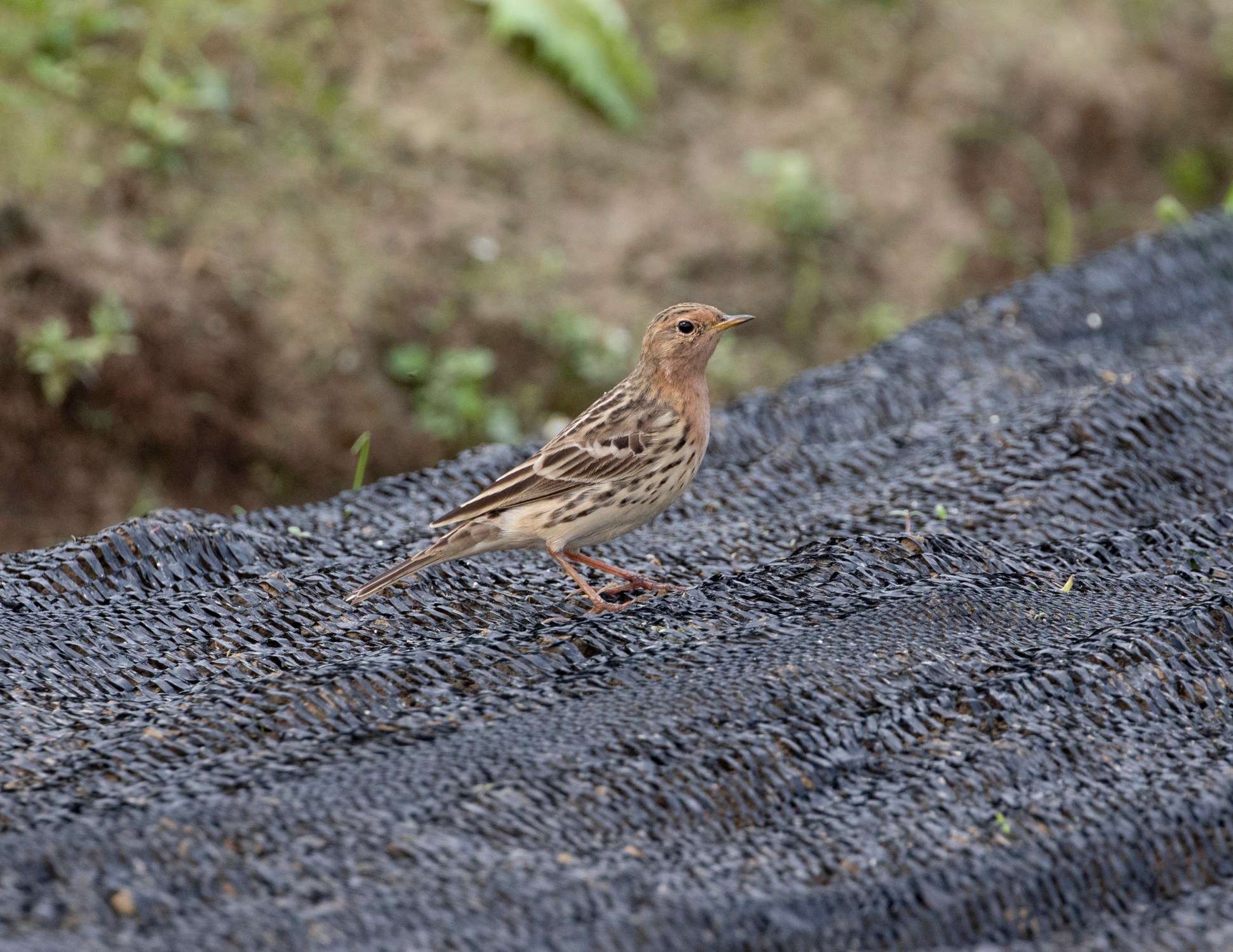
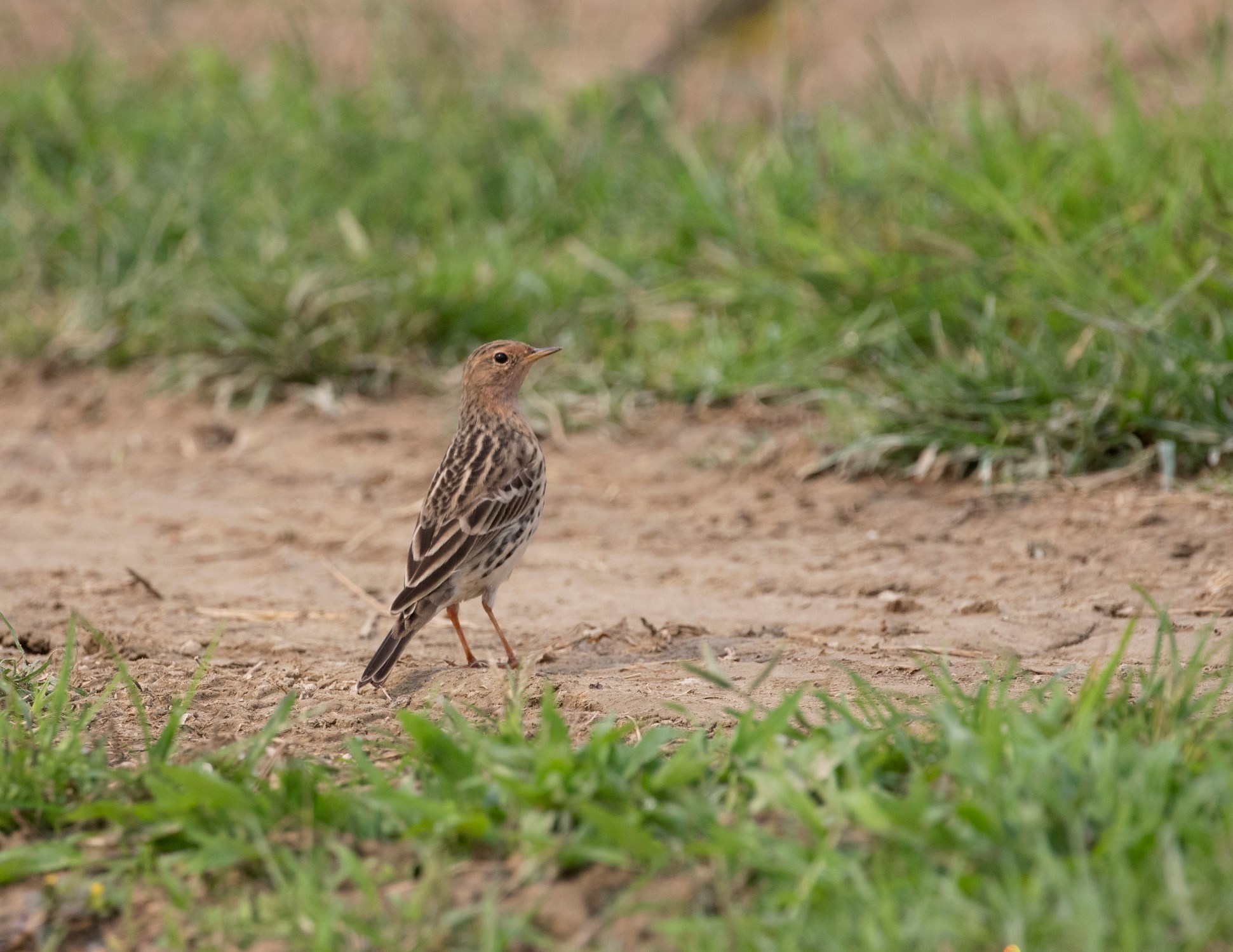
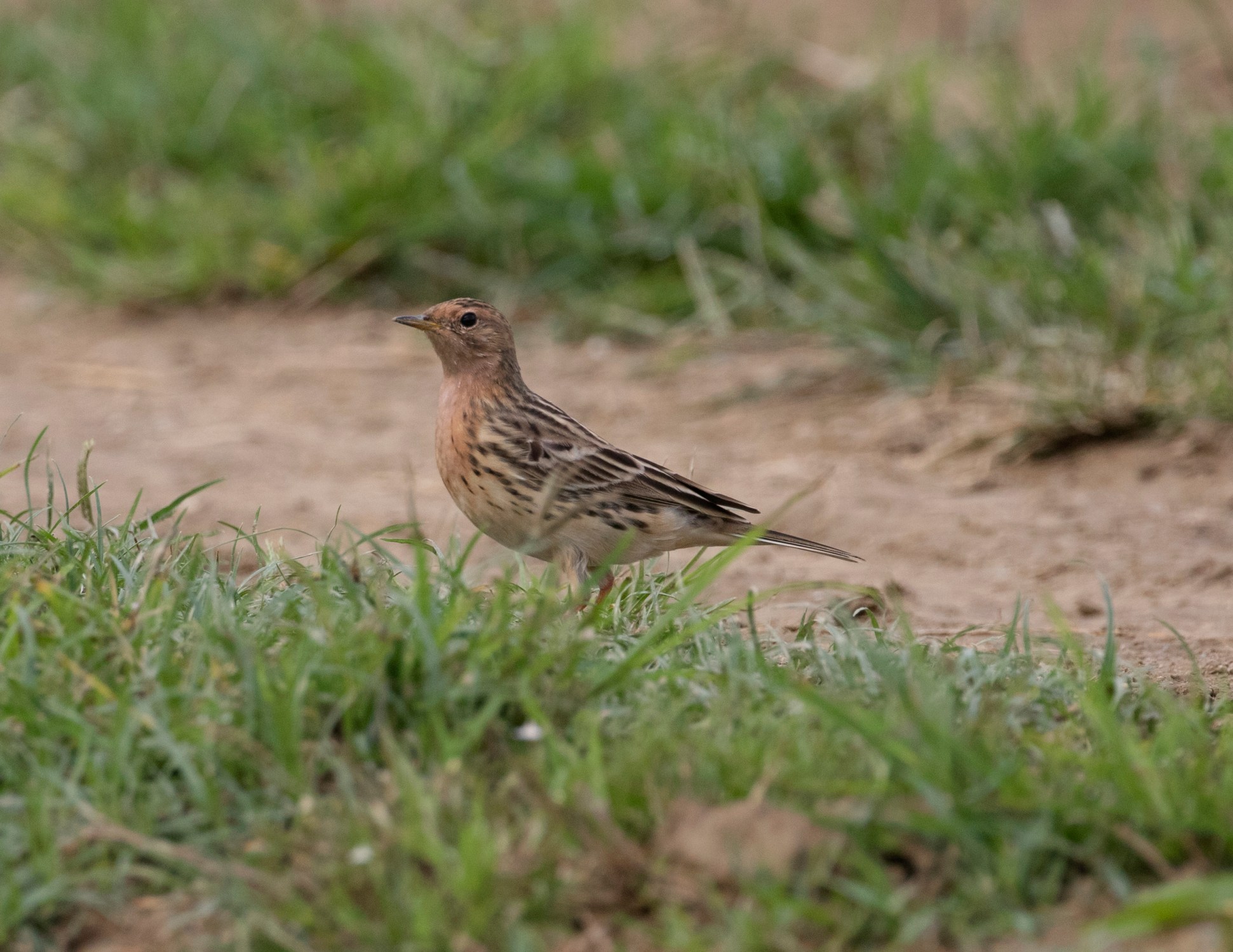
Red-throated pipits, another species that I actively seek out for abit of portraiture, many are going through body moult right now but some are approaching their finery.

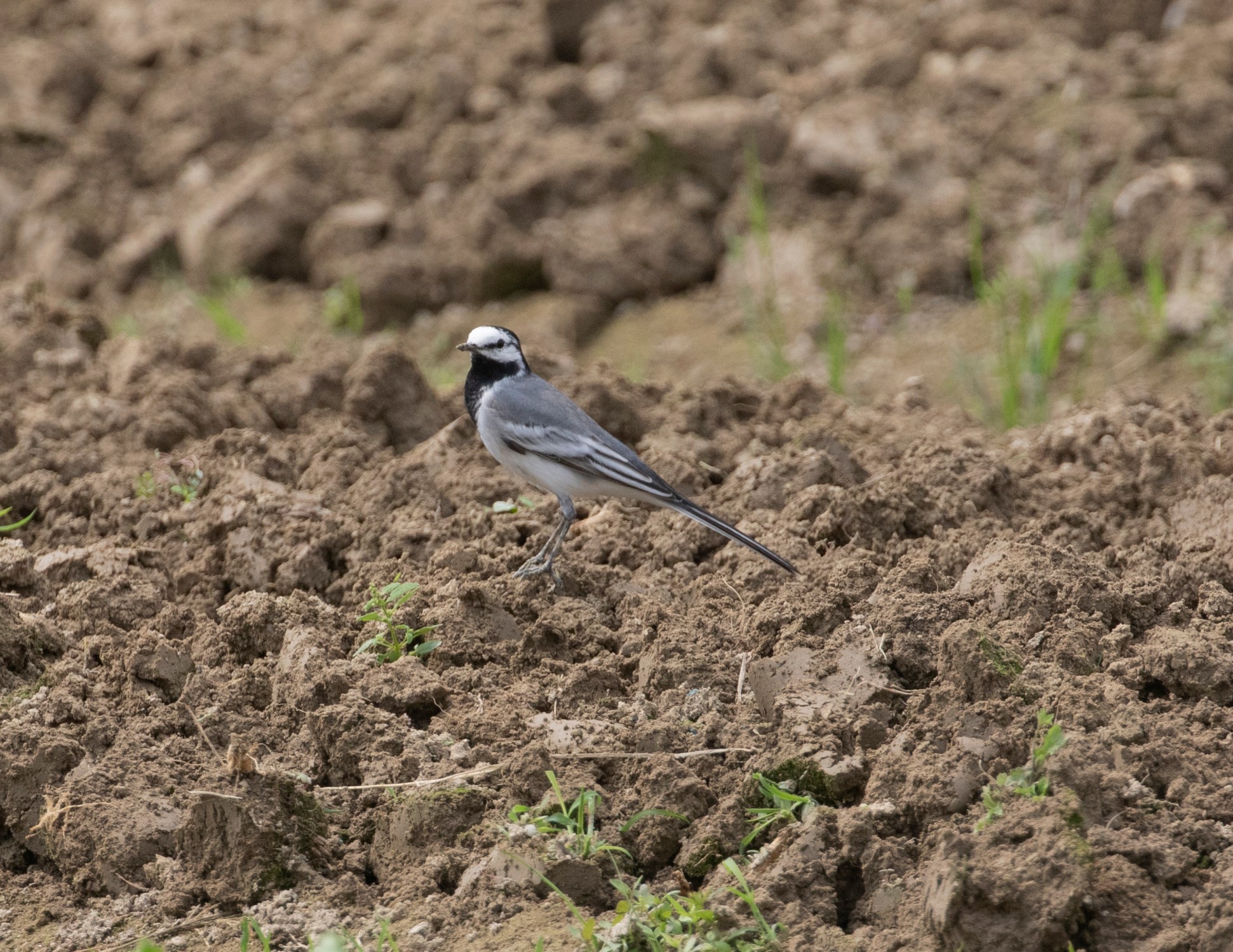
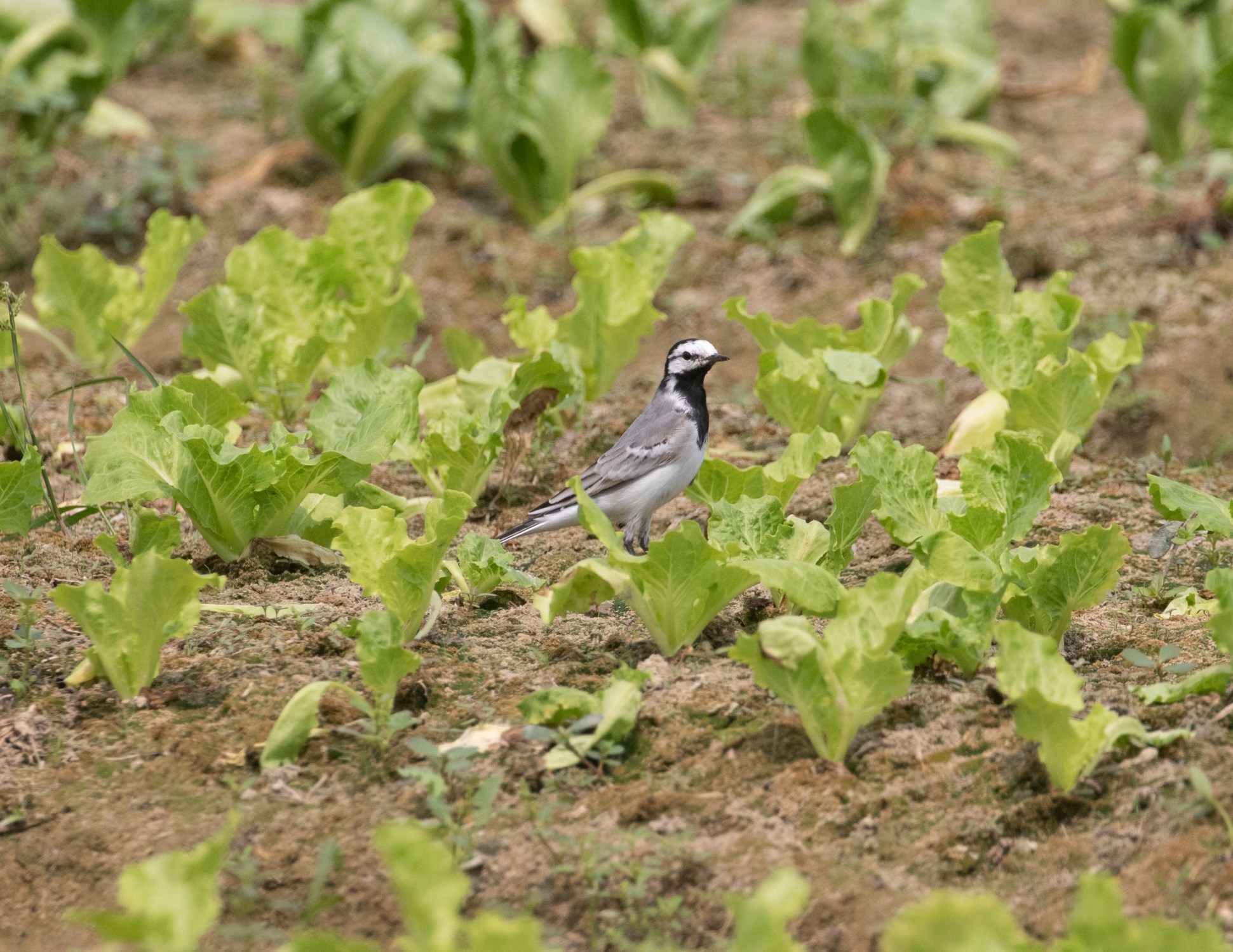
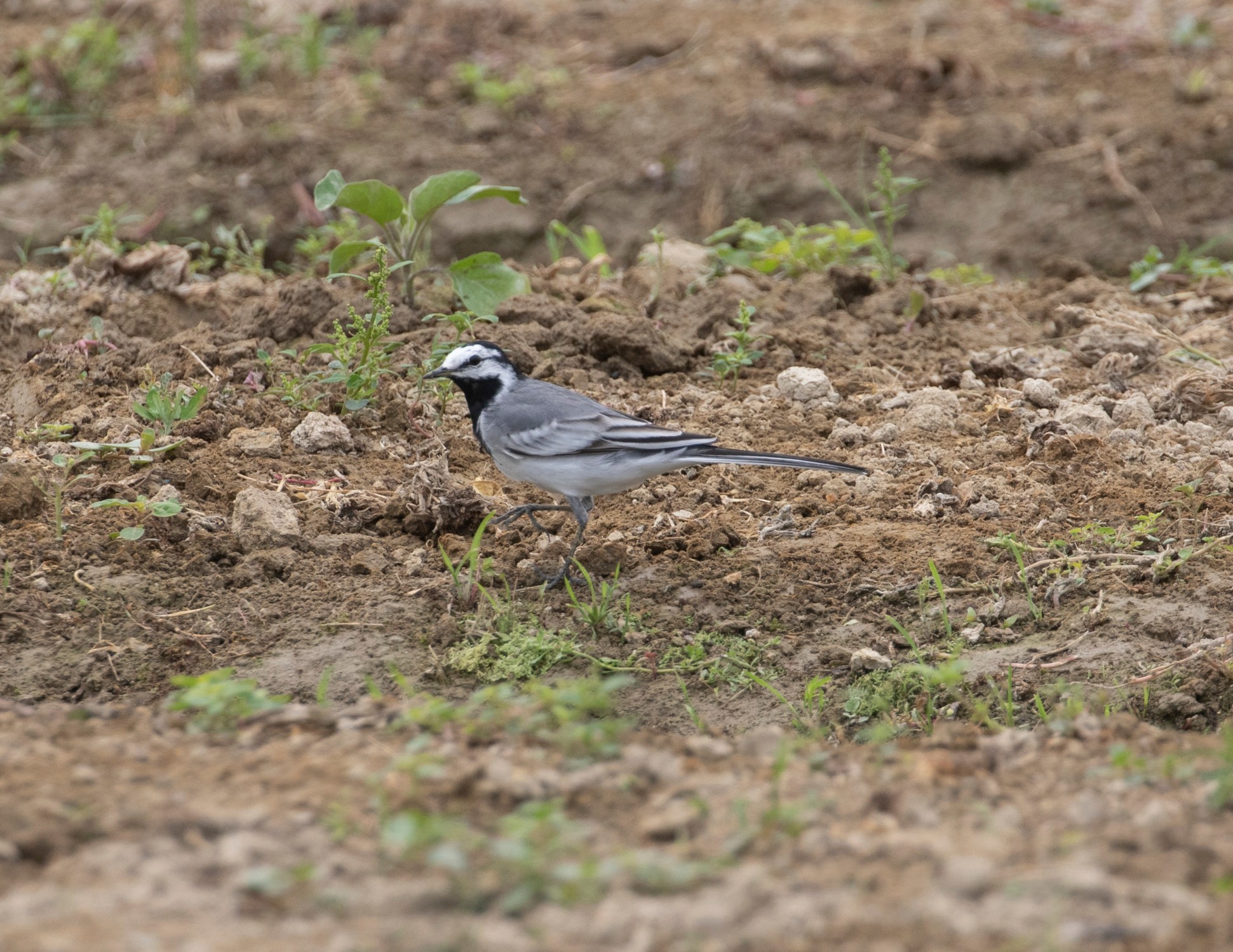
And finally – Ocularis White wagtails, a.k.a East siberian Wagtail, migrate through HK. A subspecies of particular interest to me and my favourite alba Wagtail. The following three are all different individuals, presumably first year males showing reduced white in the greater coverts in comparison to adults, still quite a unique median covert pattern.

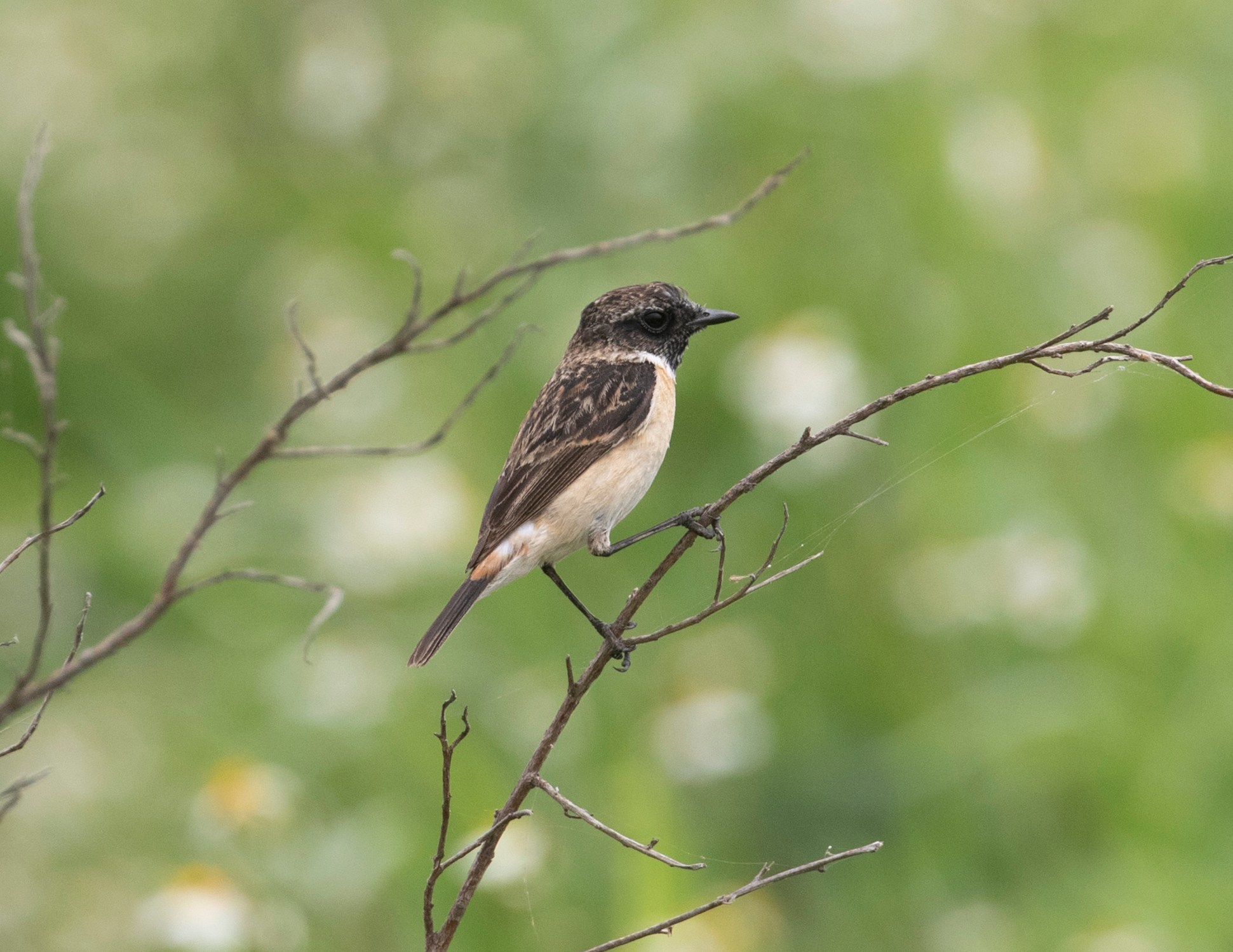
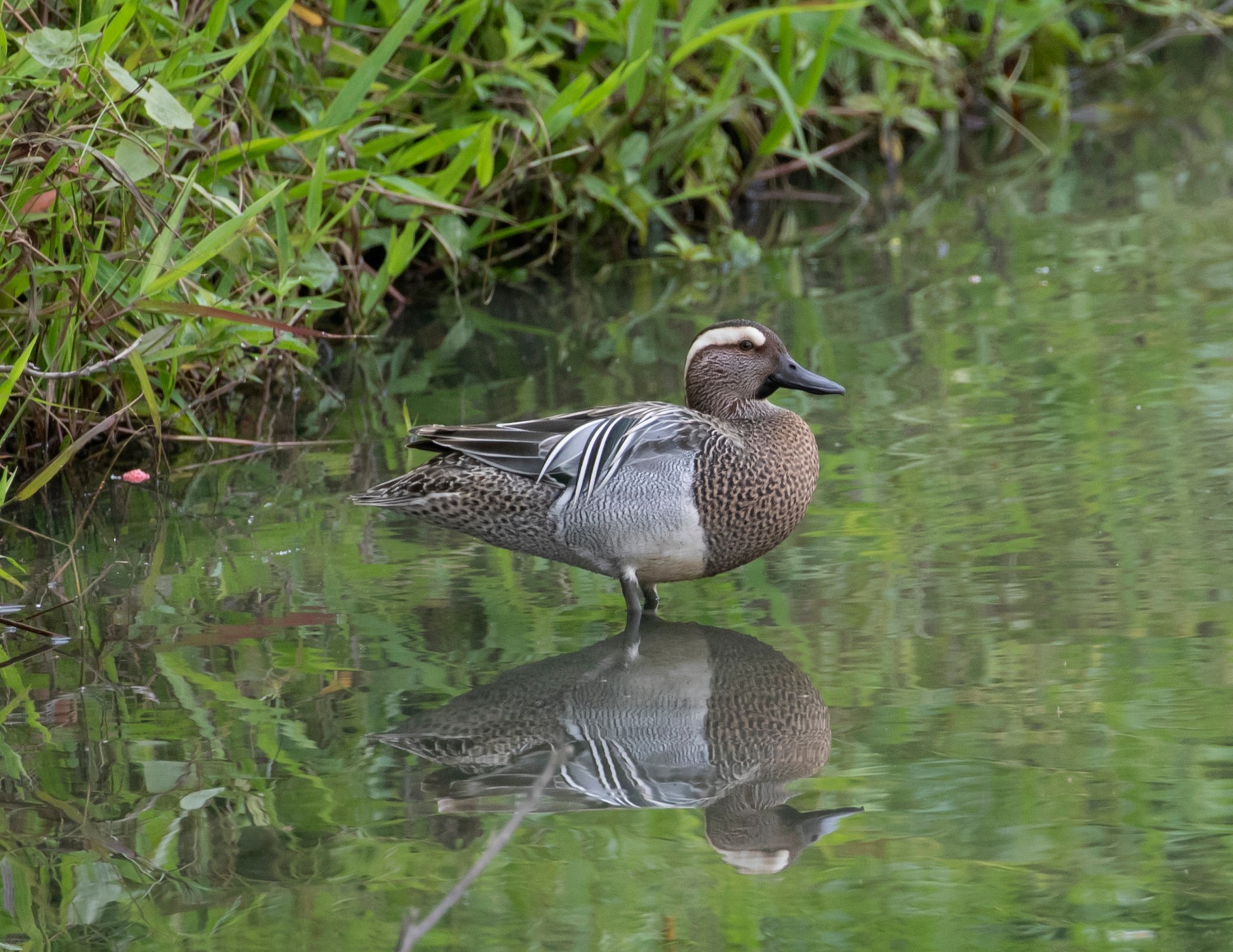
A first year male Amur stonechat above and a fantastic drake Garganey below, both easy to see here.