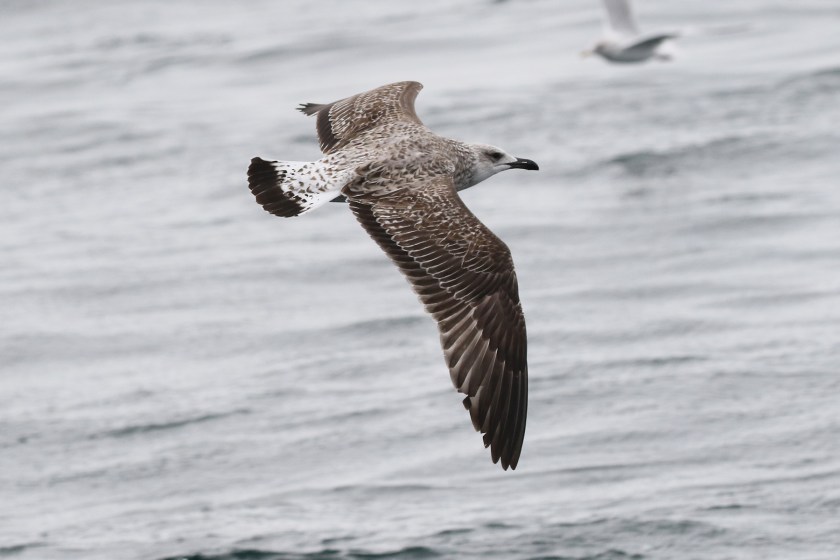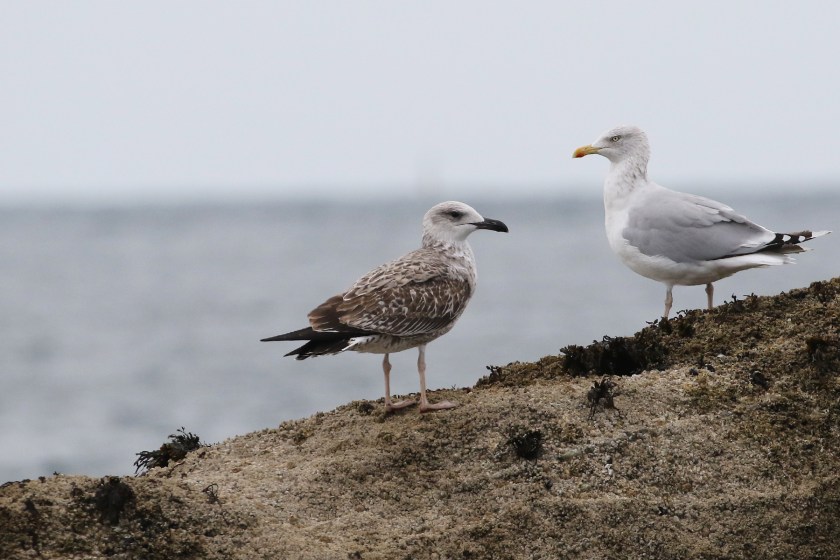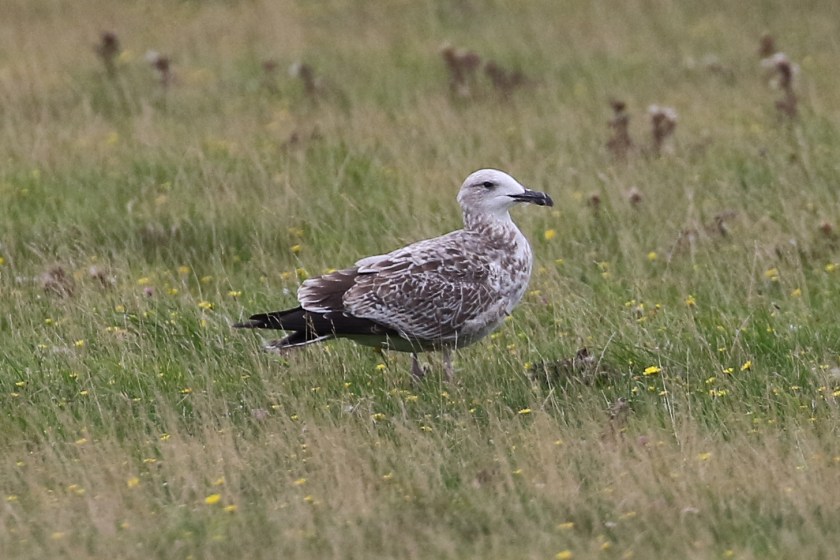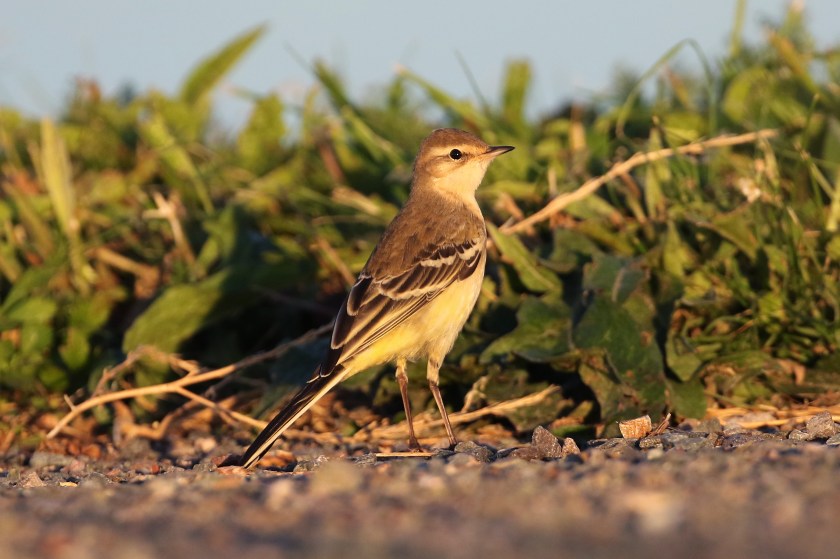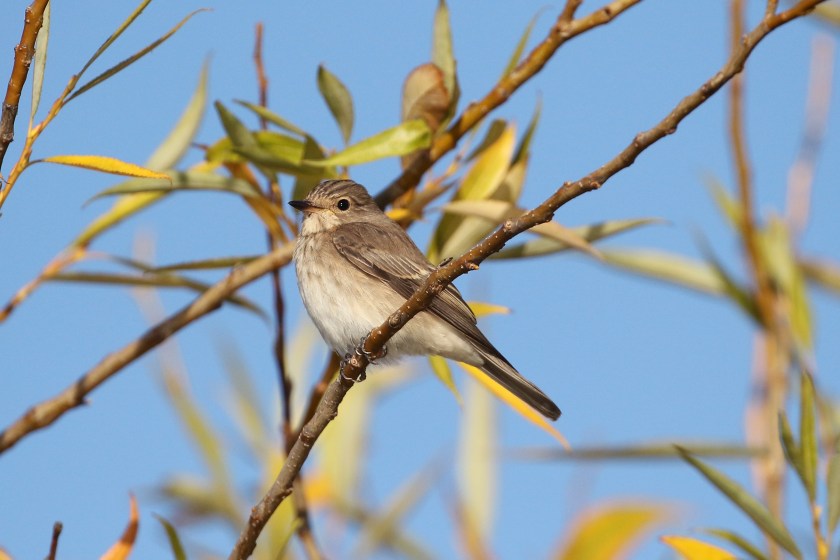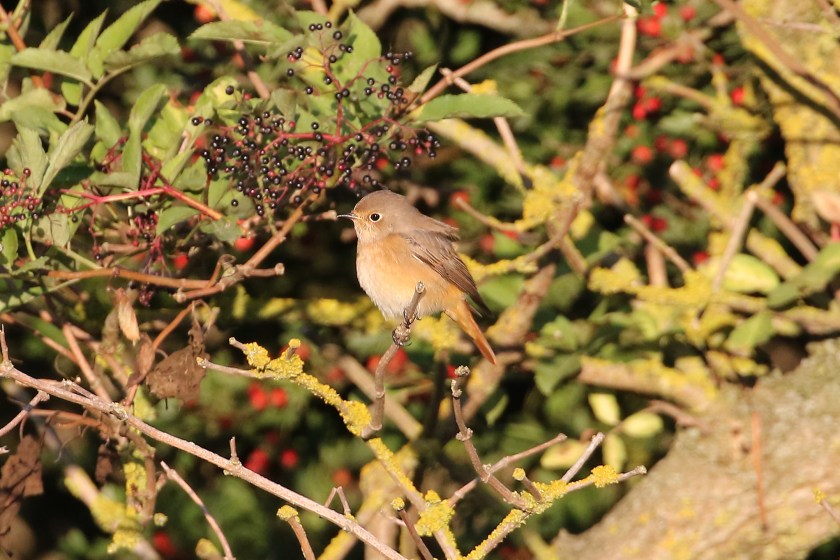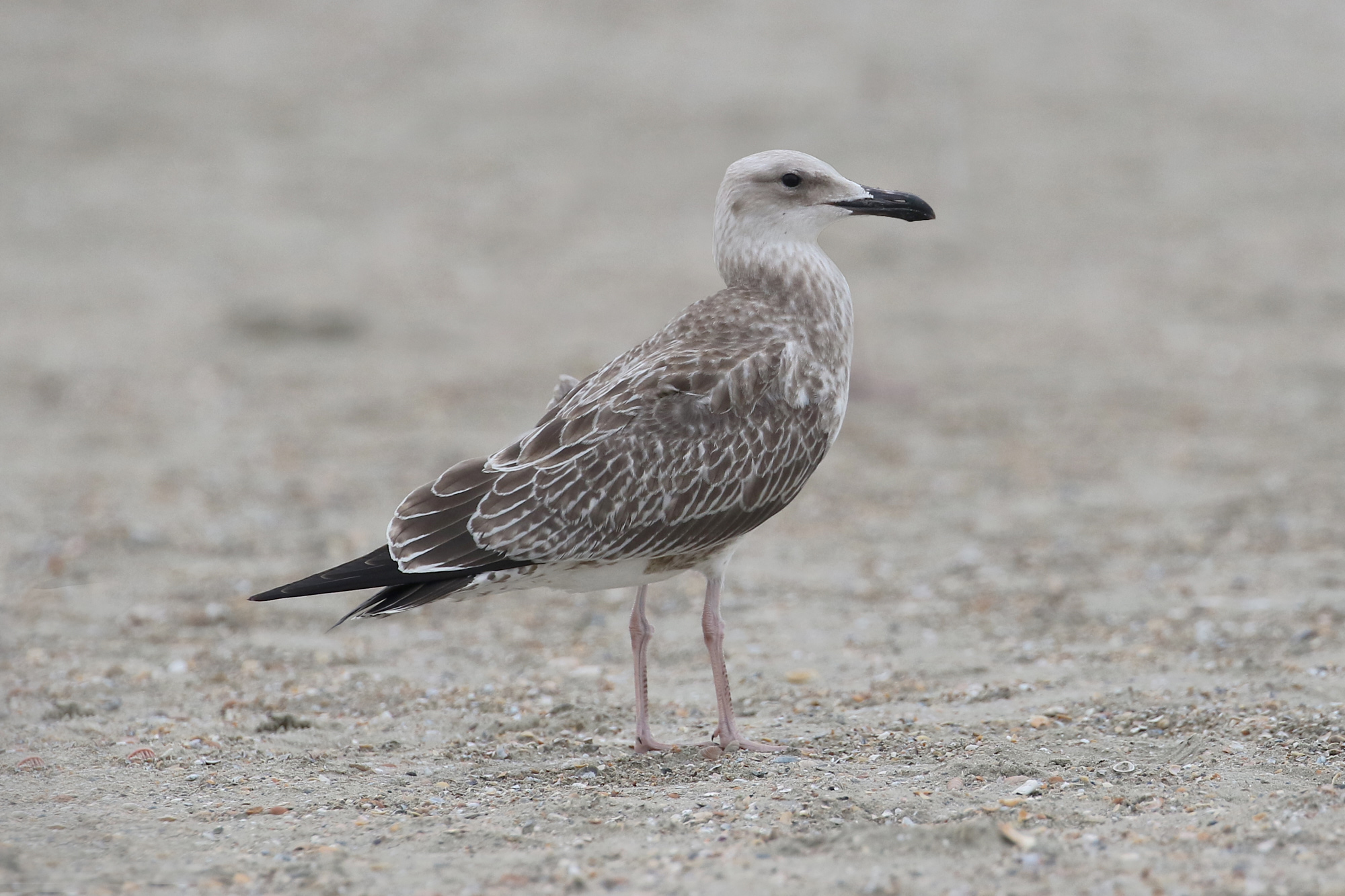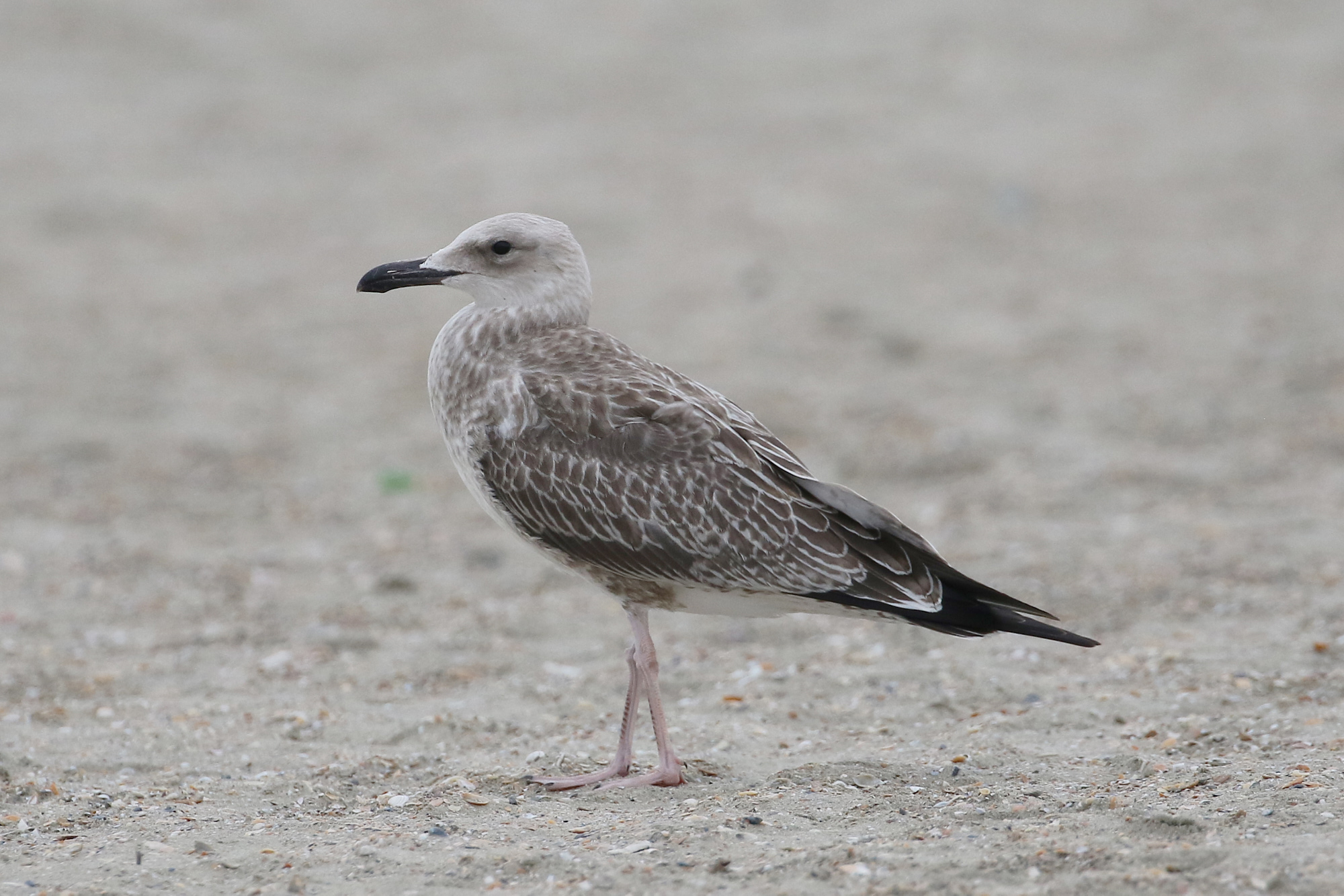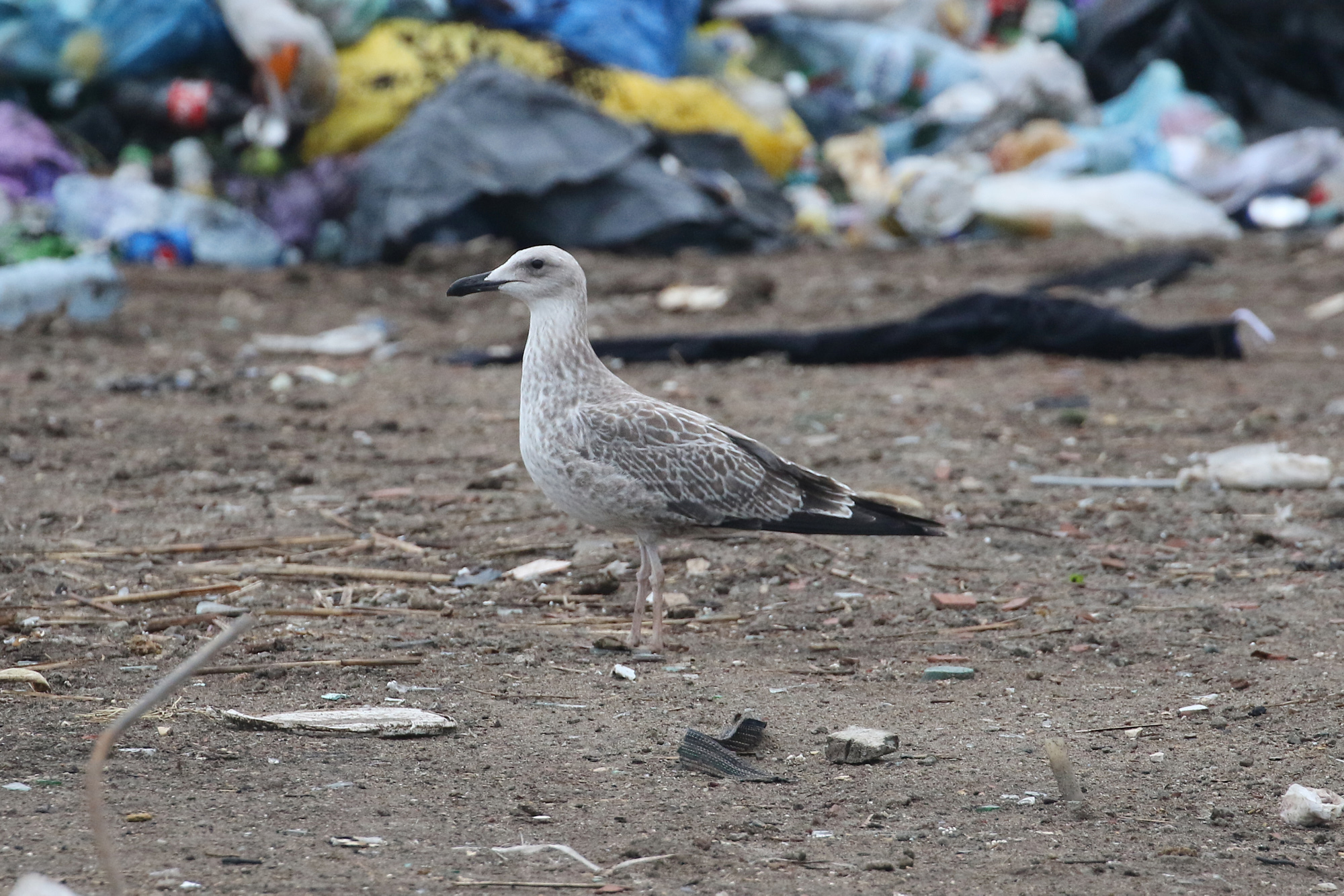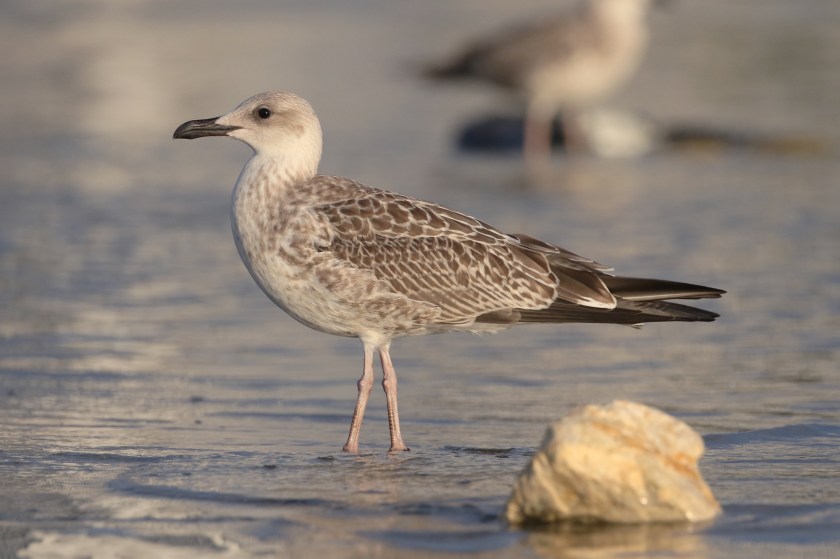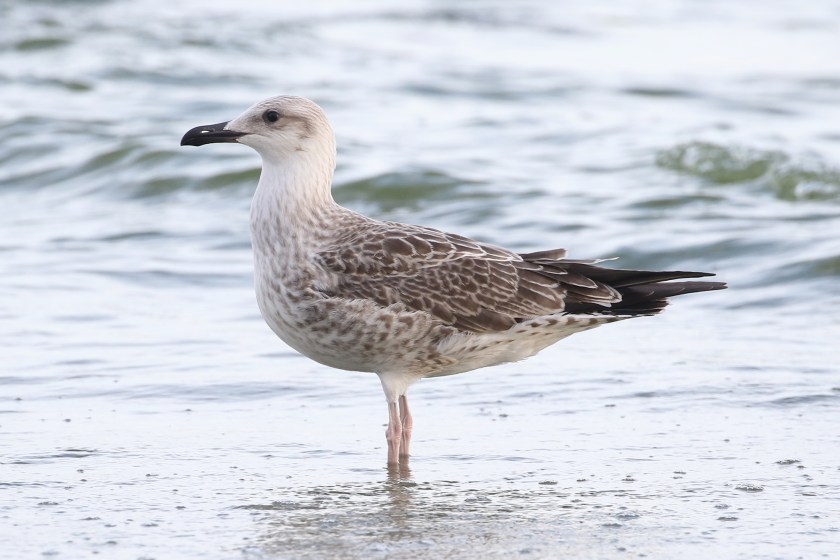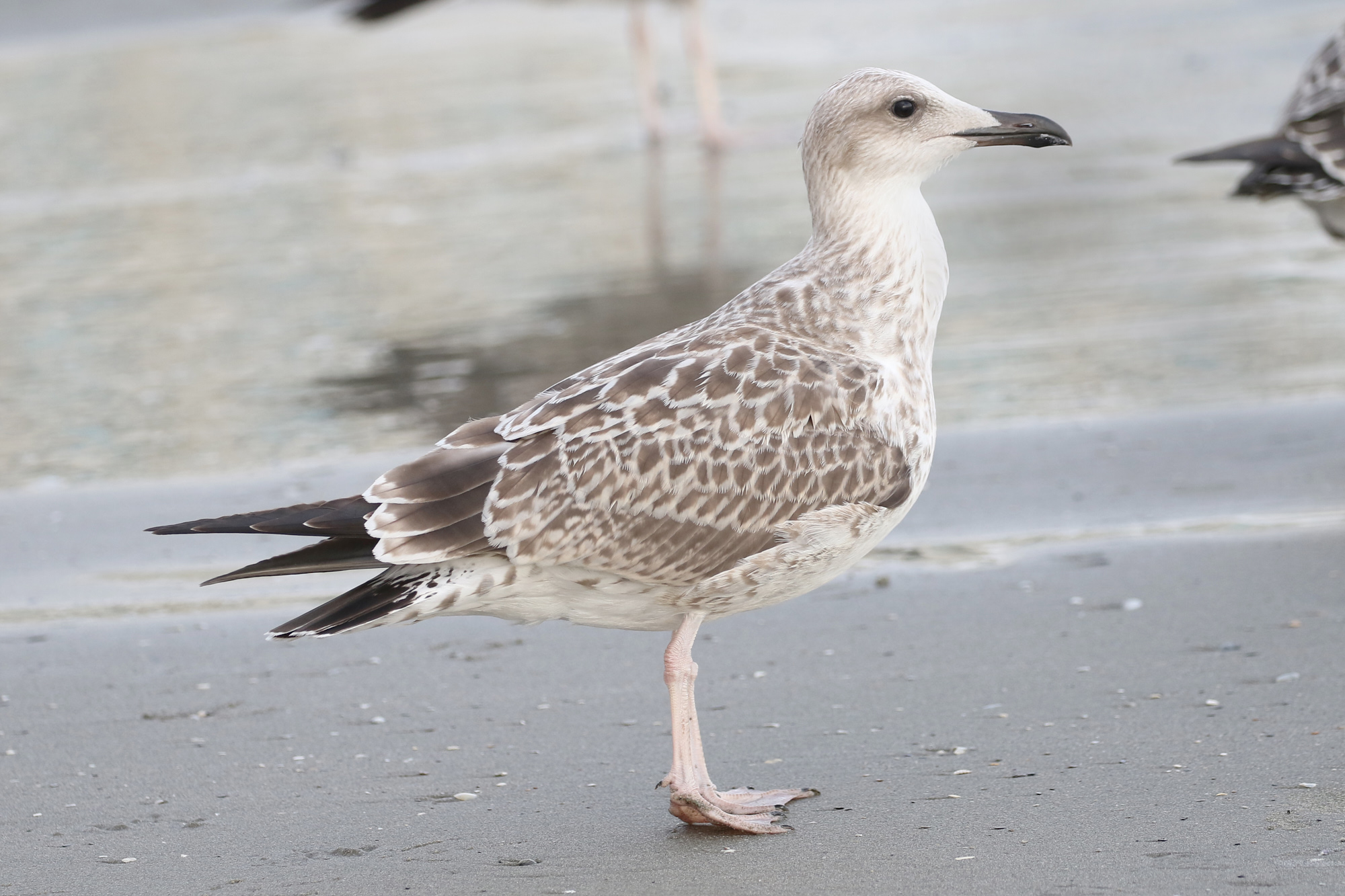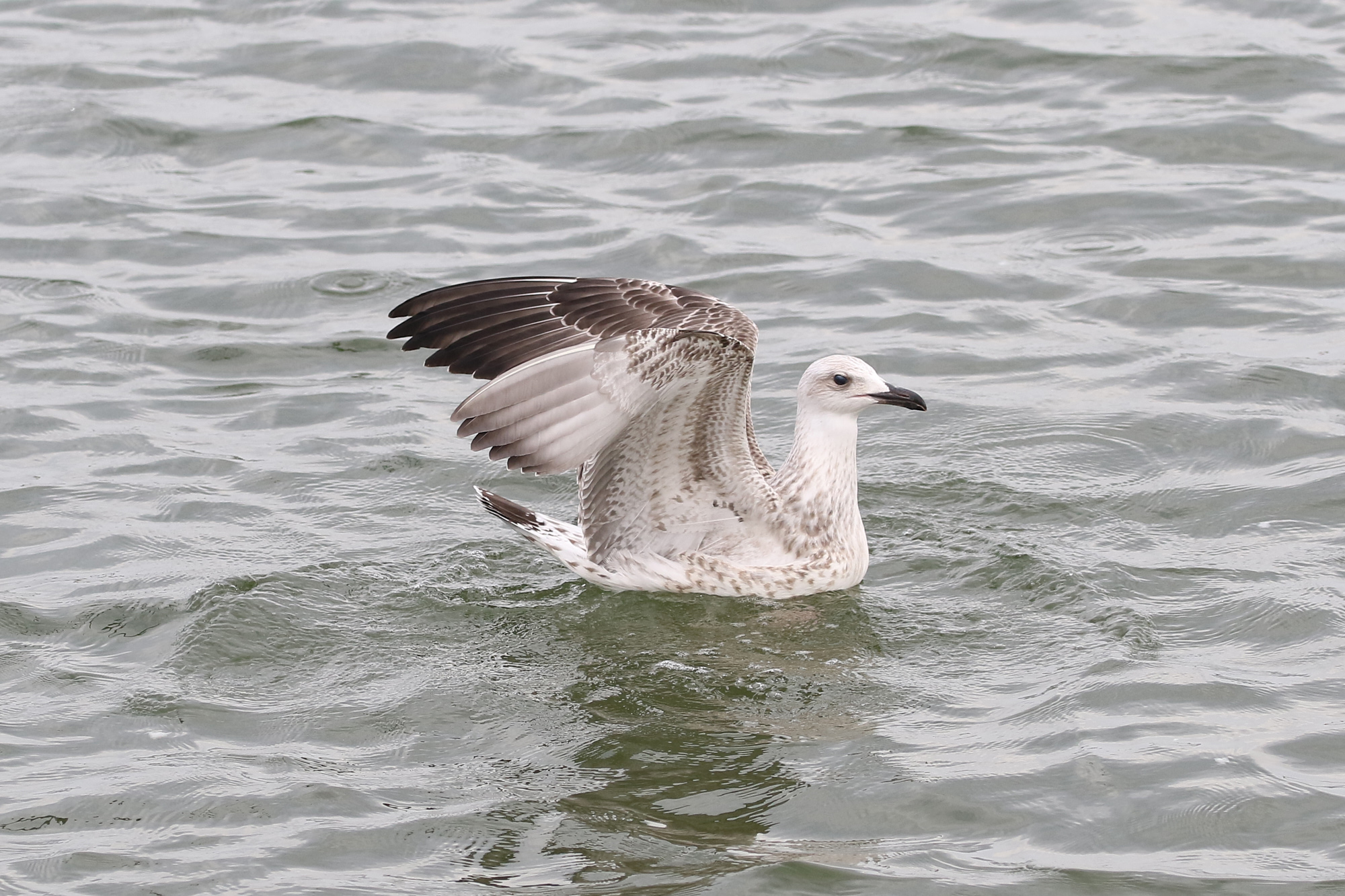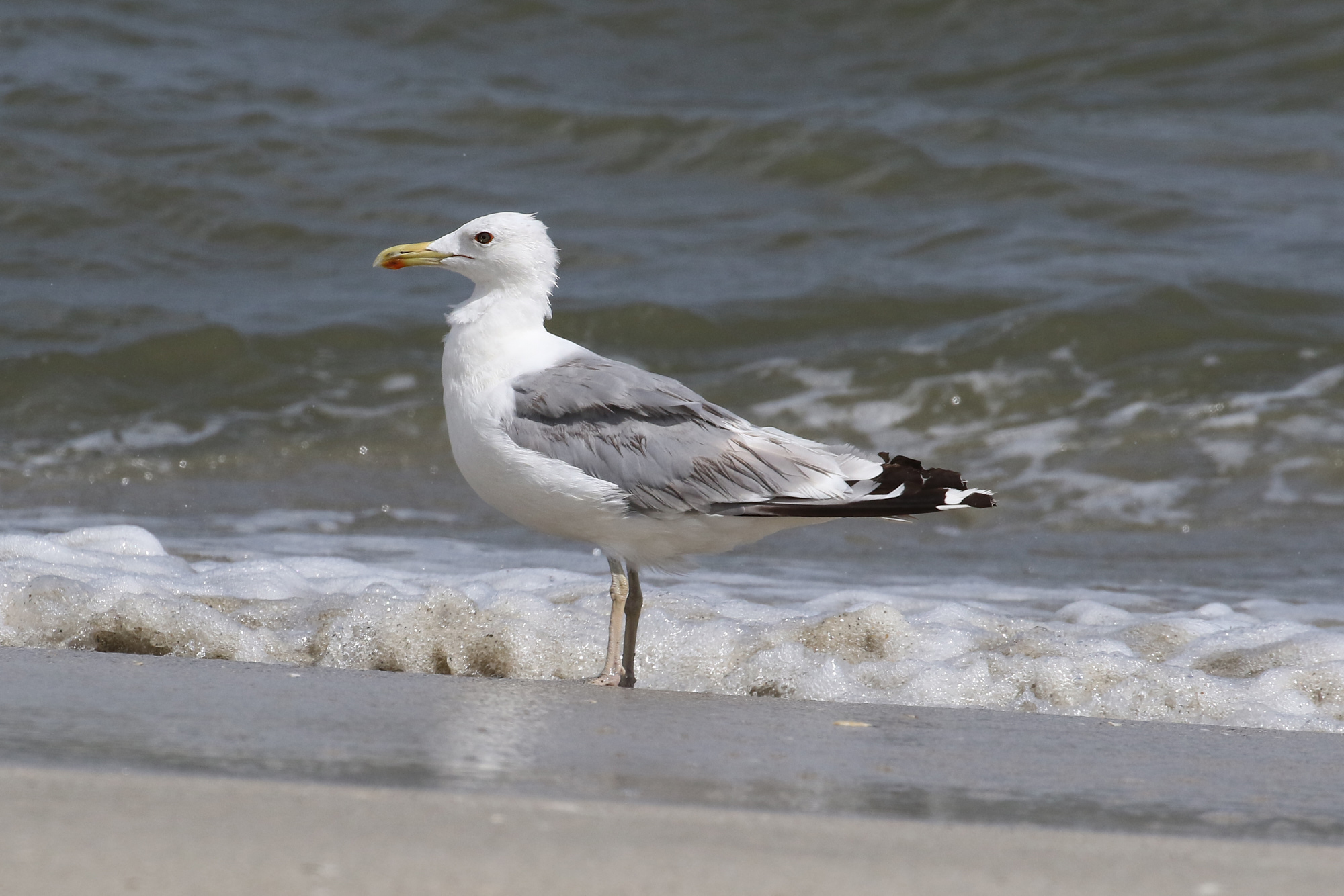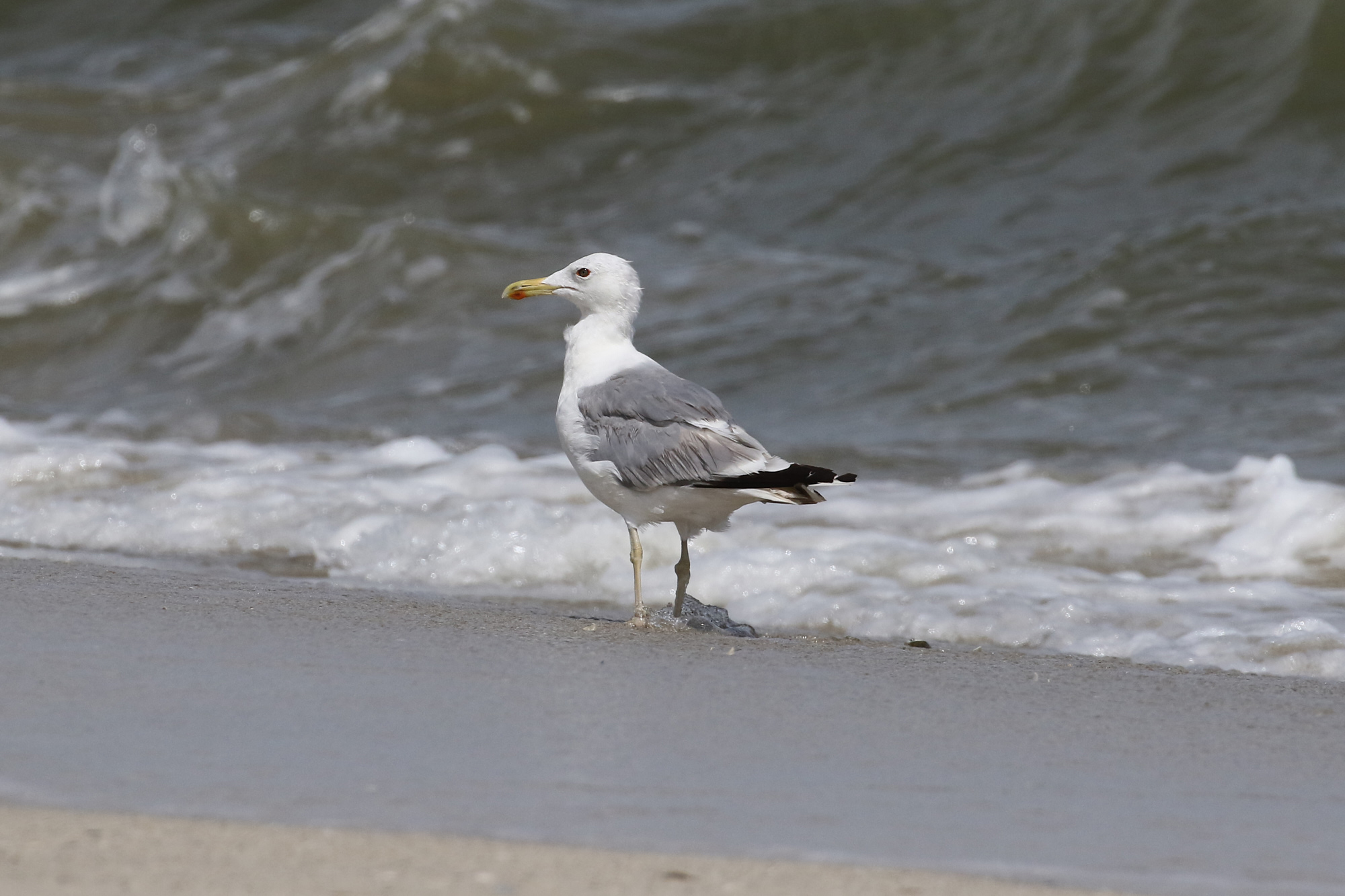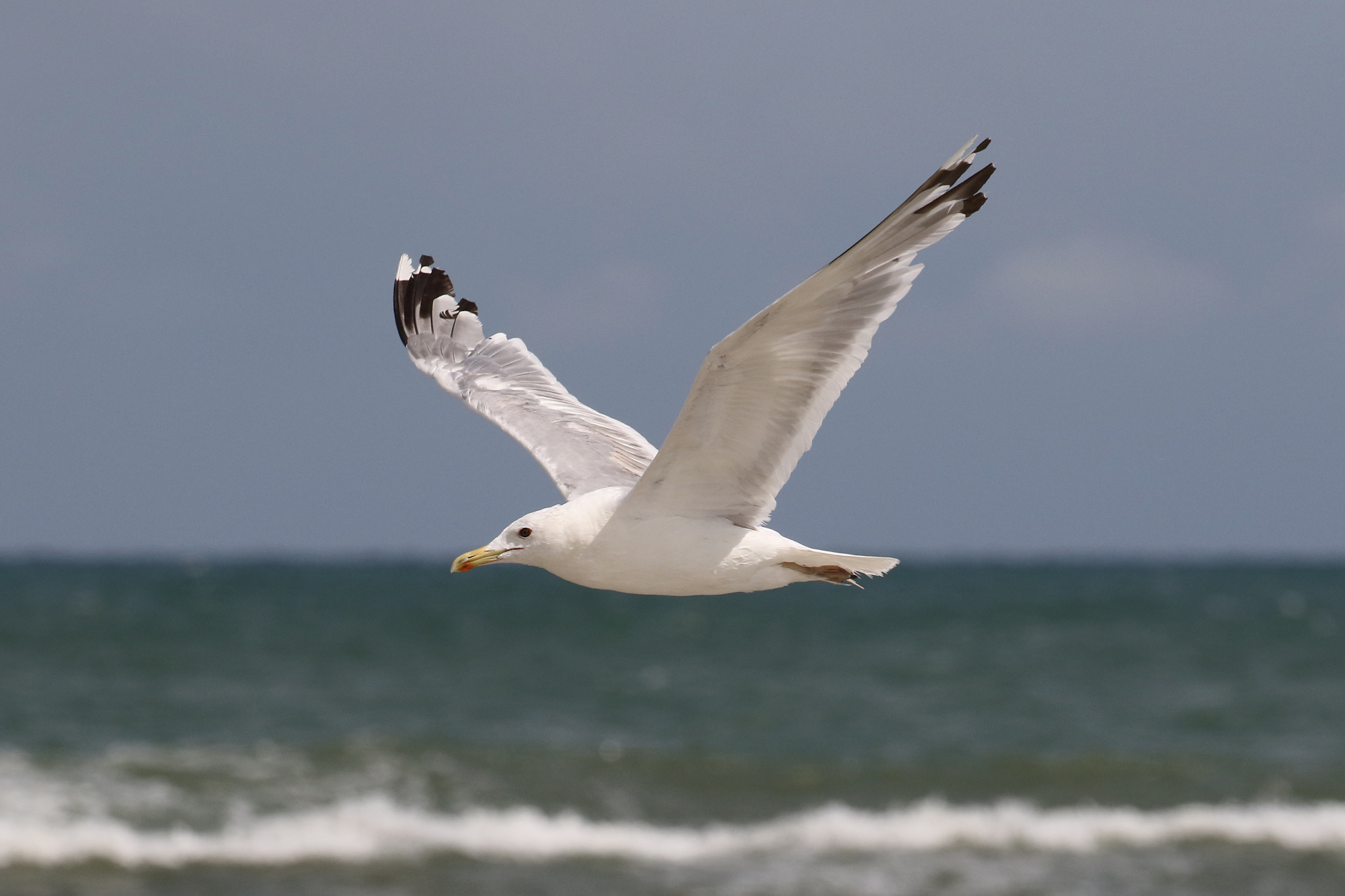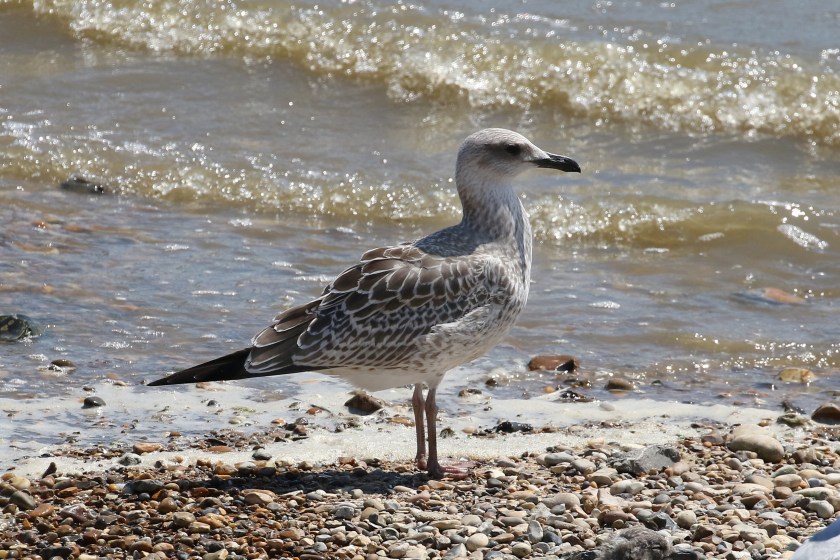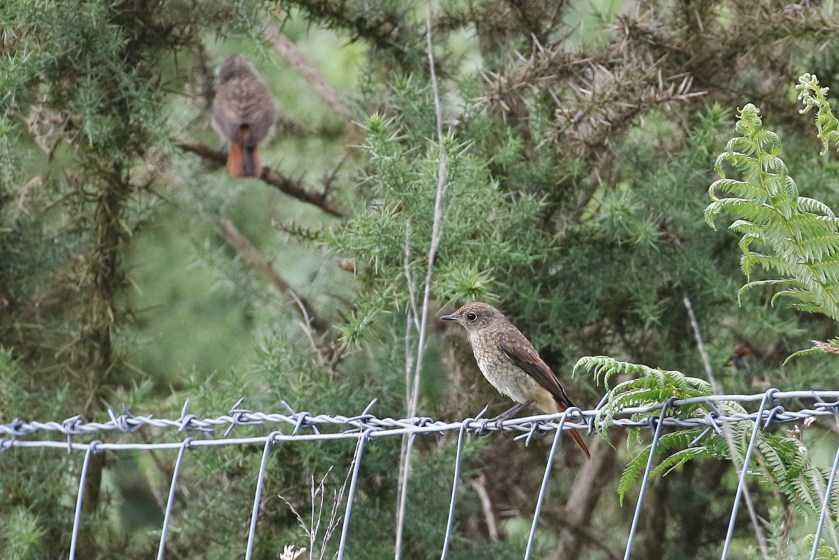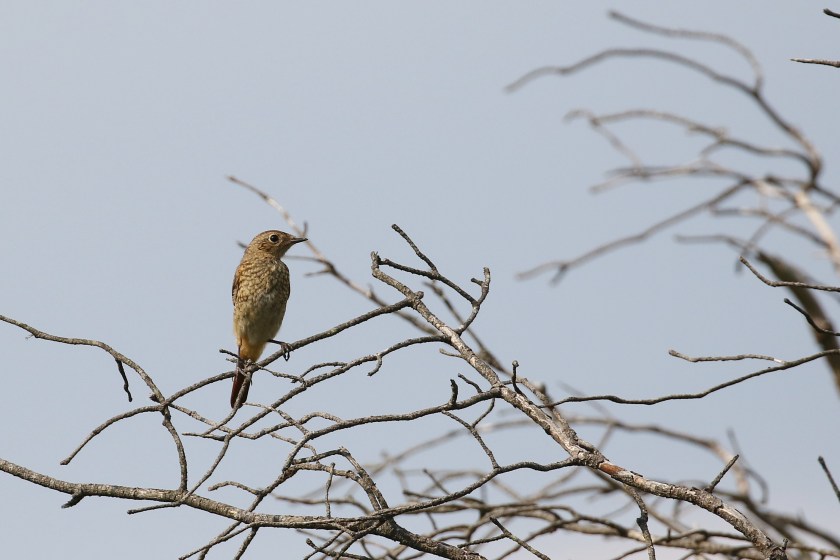
There Back! The first Juvenile Yellow-Legged Gulls of 2018


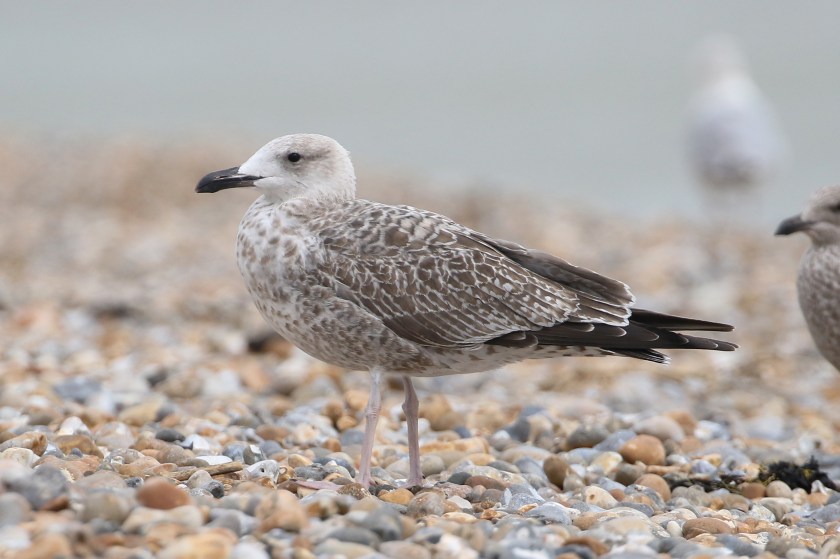
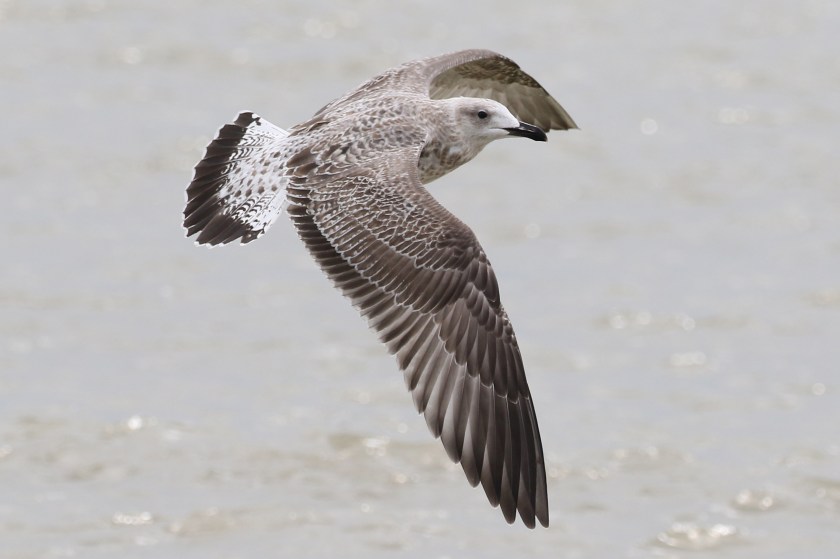
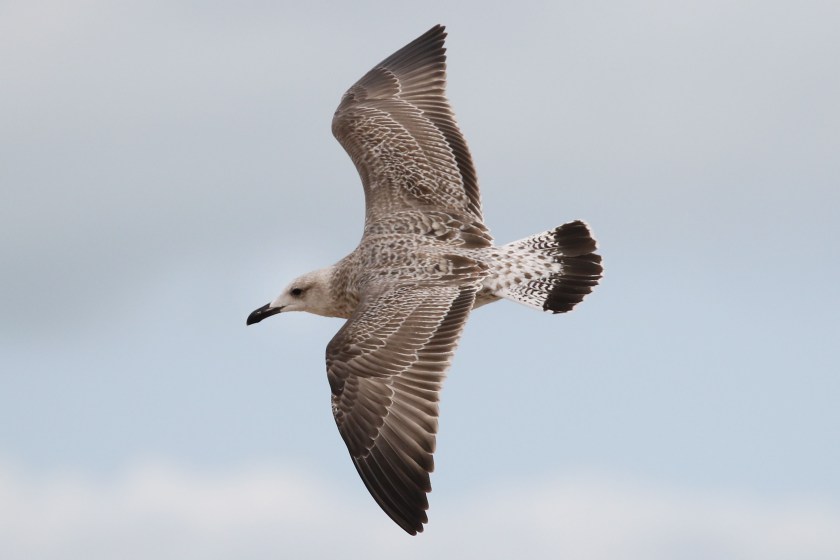
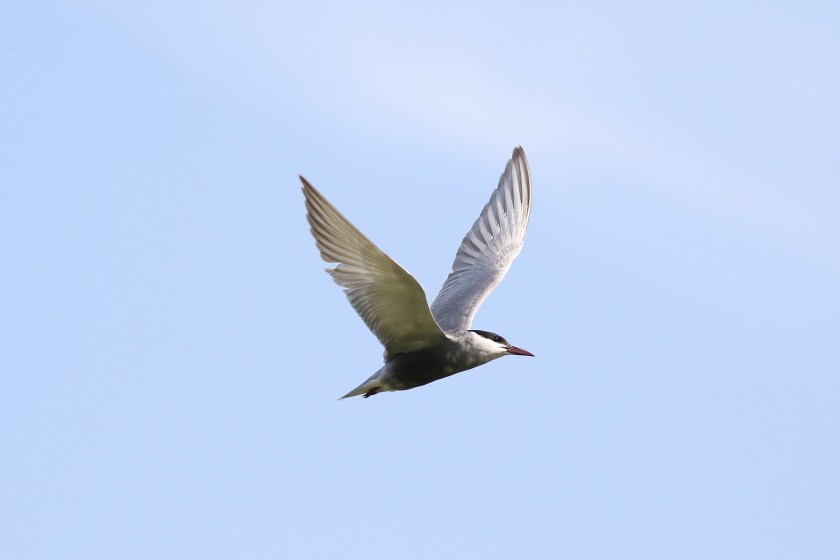
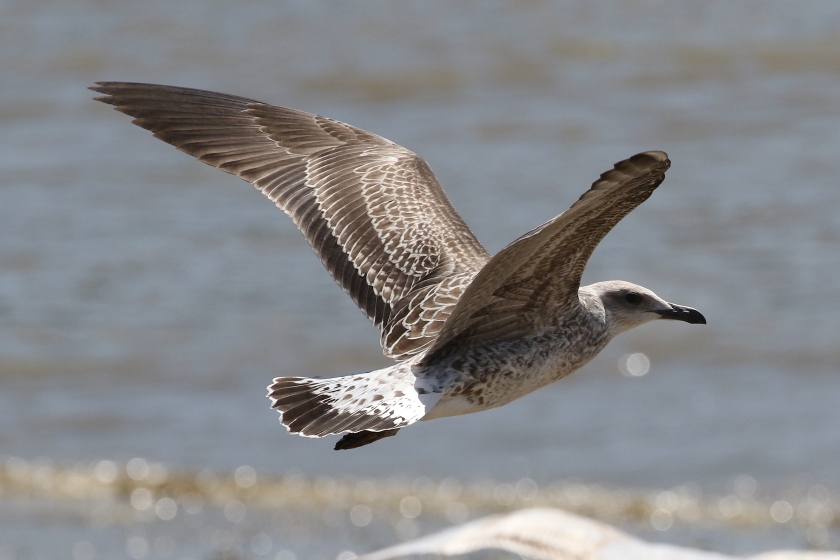
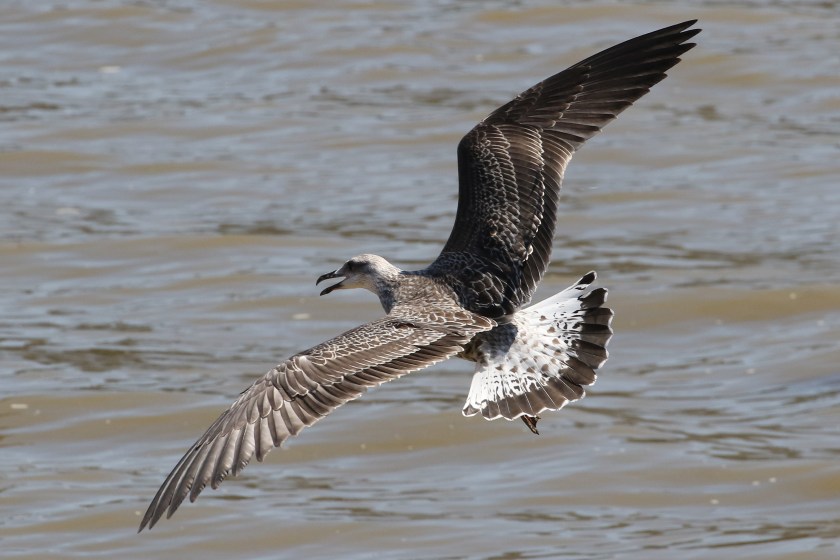
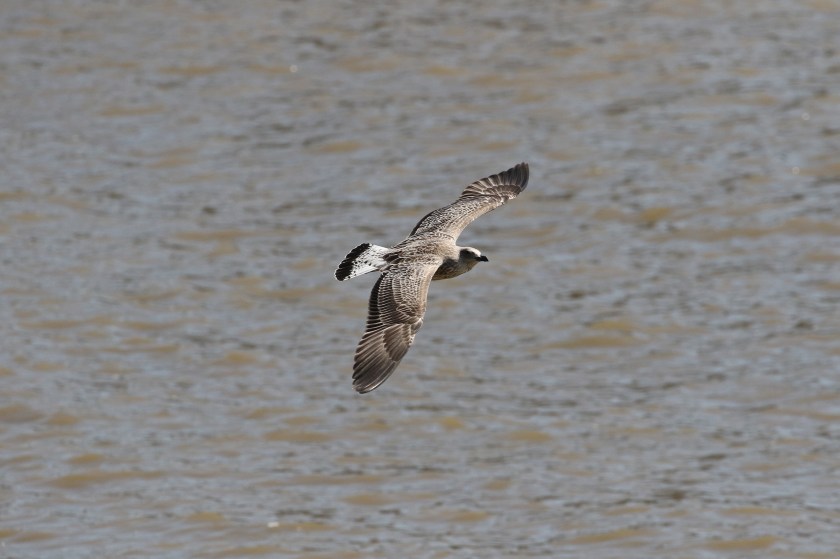
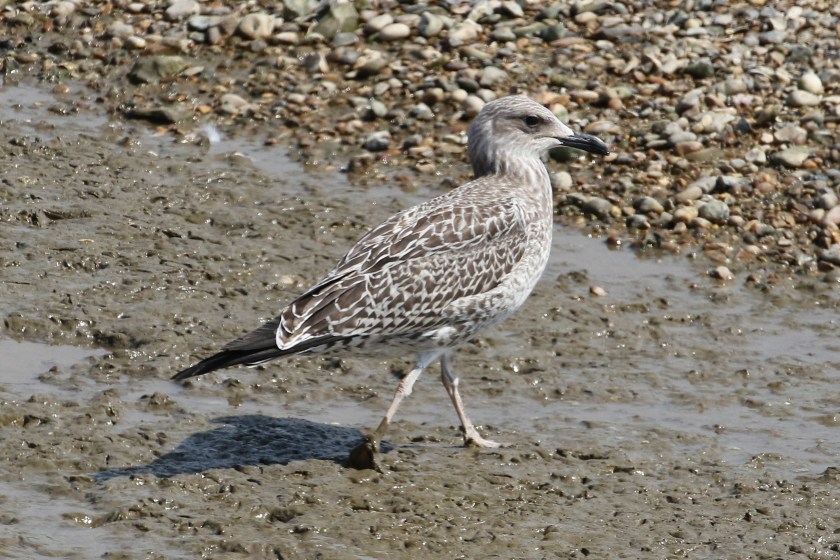
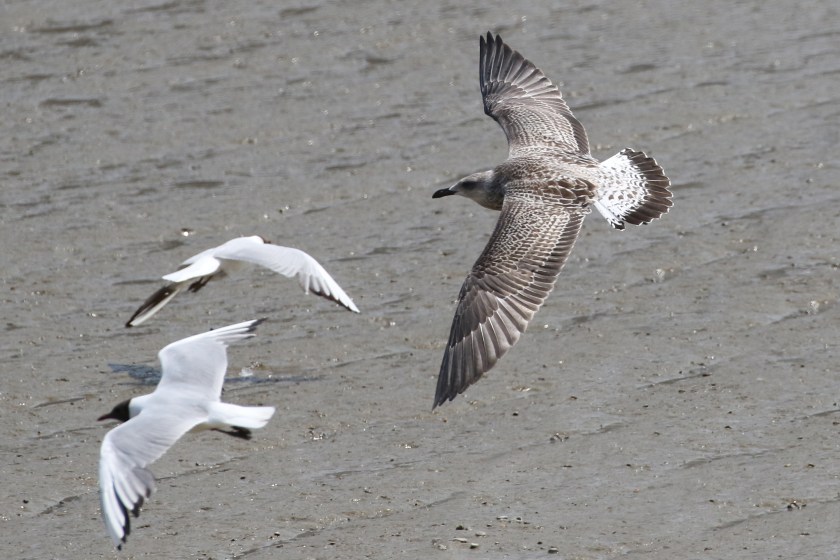
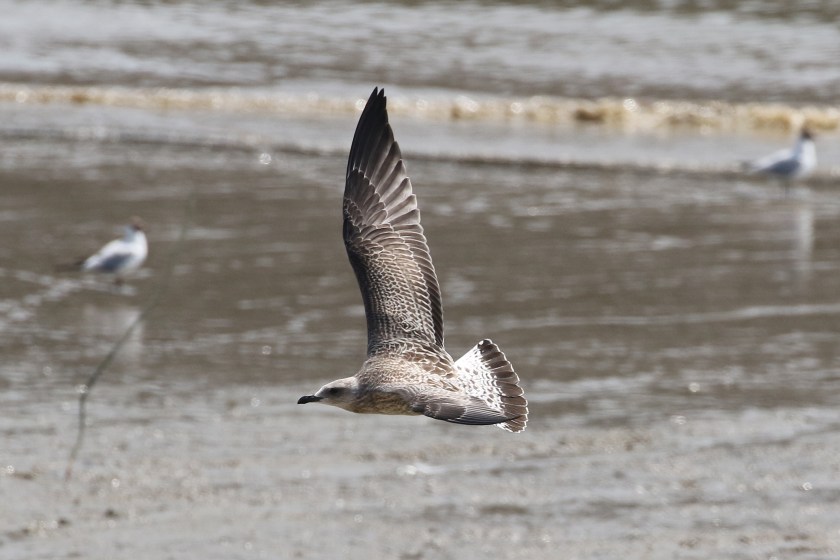
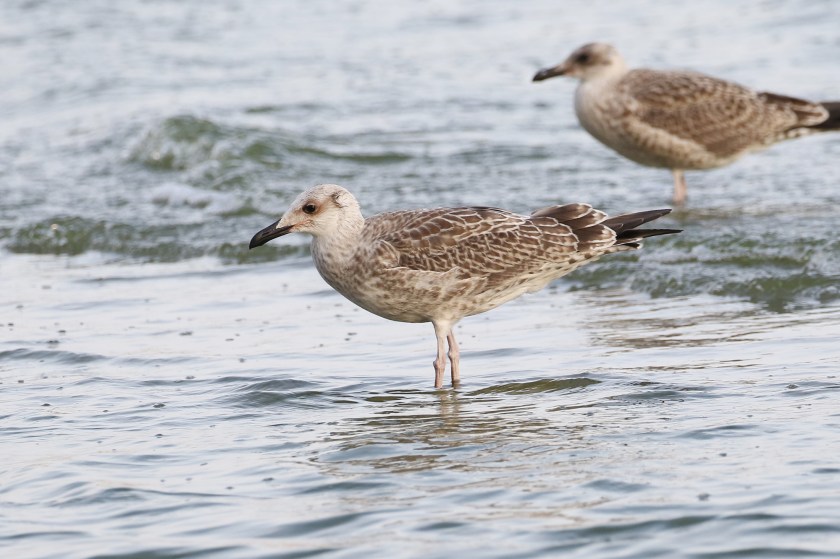
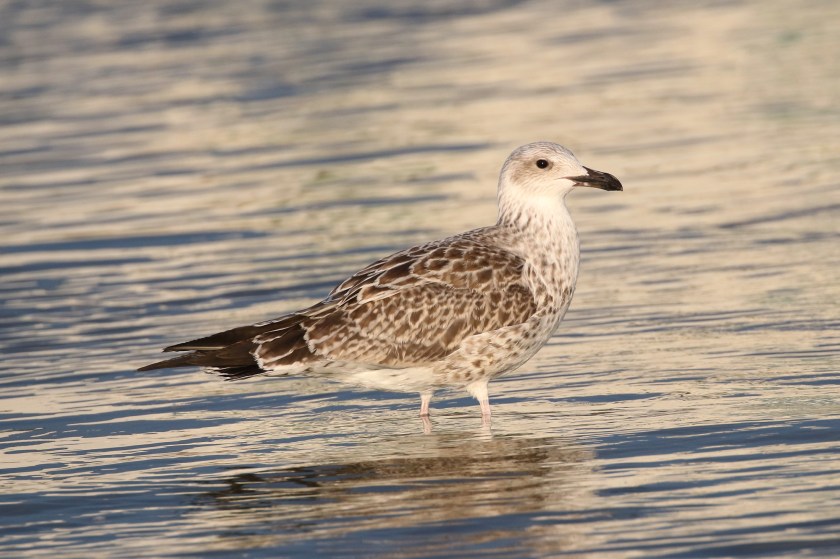
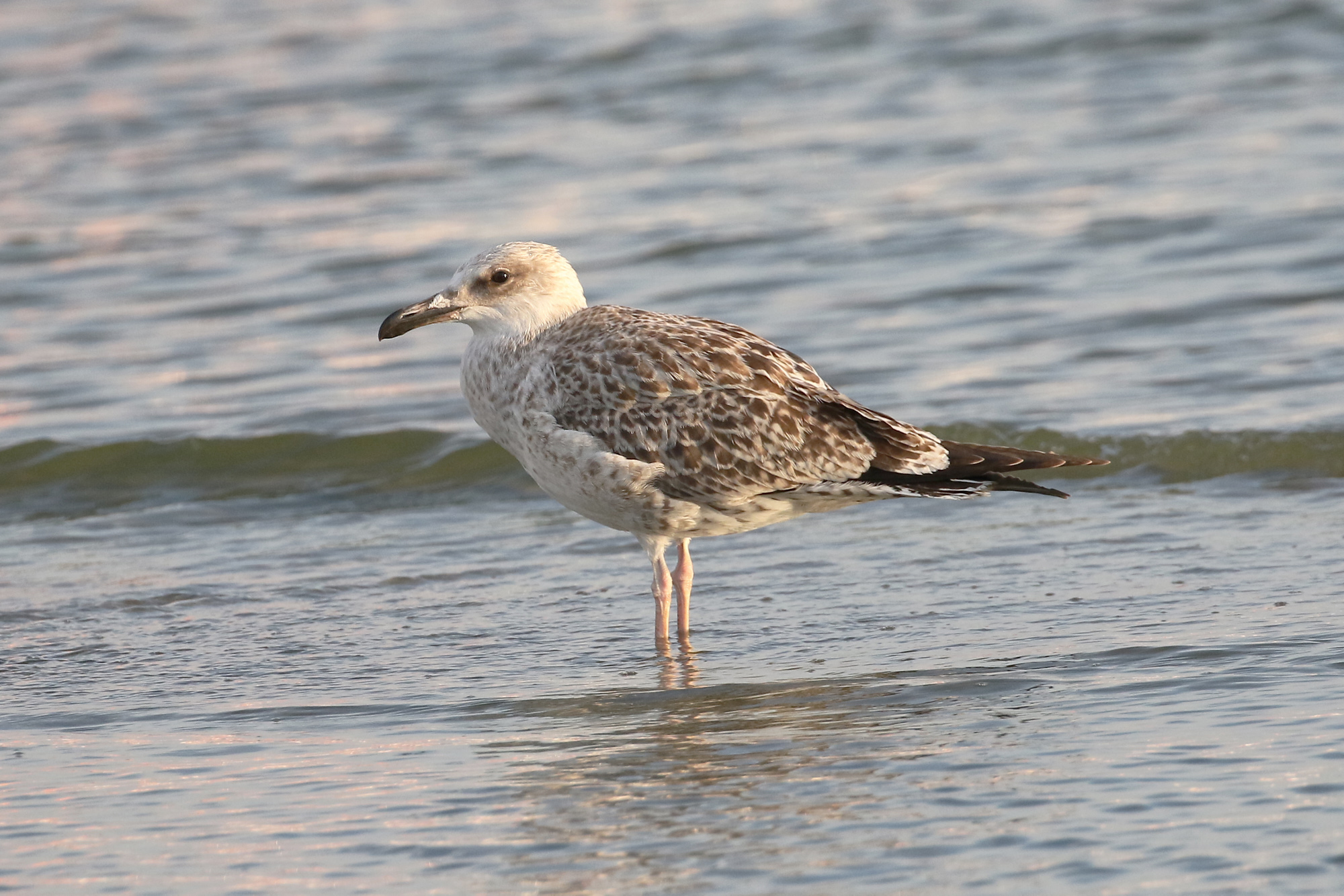
Its something I look forward to from about the end of May – mid summer influx of Yellow-Legged Gulls from the continent and especially the juvenile birds. Despite a gnarly summer cold myself and Dante un-earthed 4 Juvs and 2 second summer birds at Thames Barrier Park earlier on this evening. With the record for the earliest bird on our part of the Thames being the 1st of July (set by RB) these were almost a week late, better late than never.

V87A5600

V87A5529

V87A5488

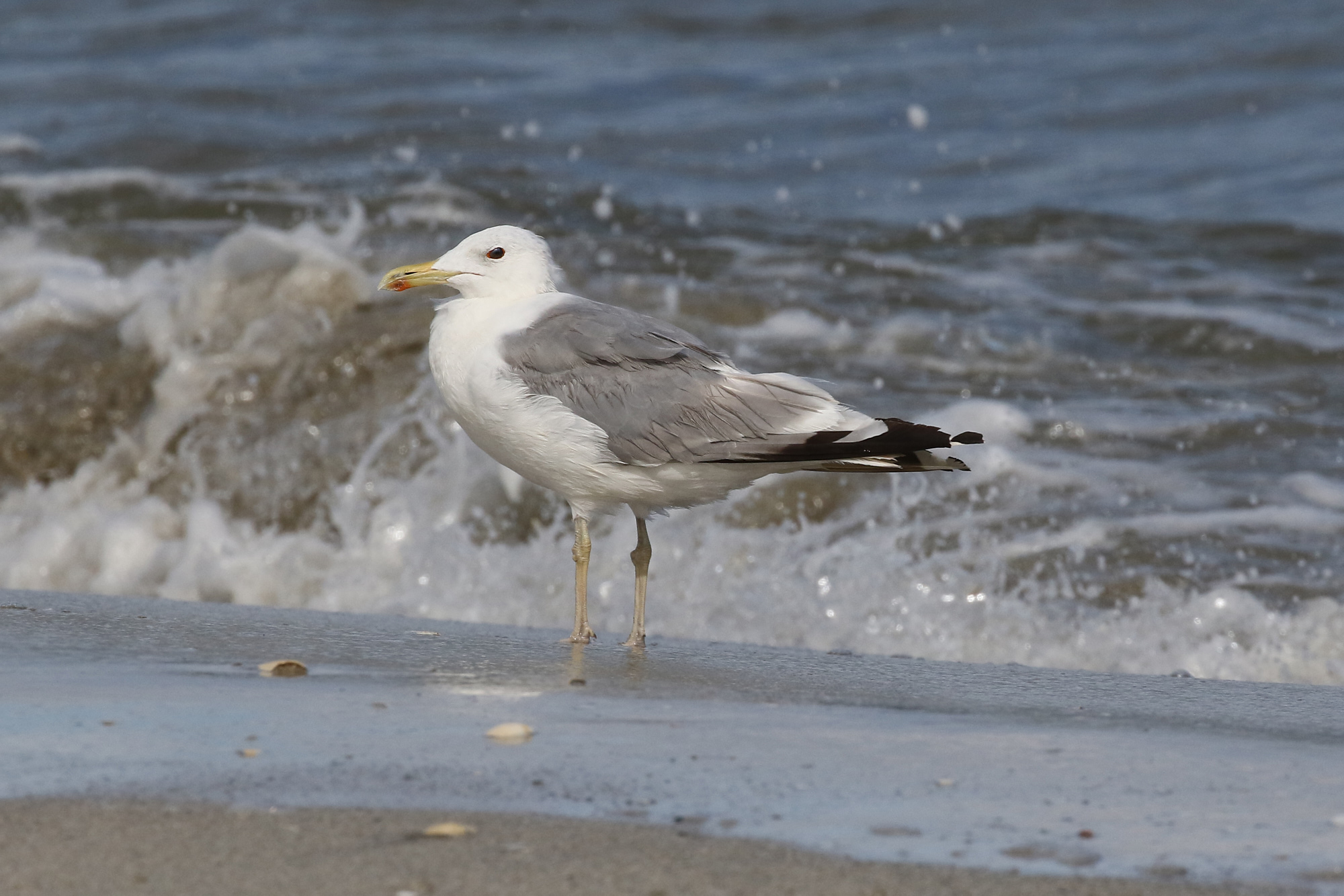
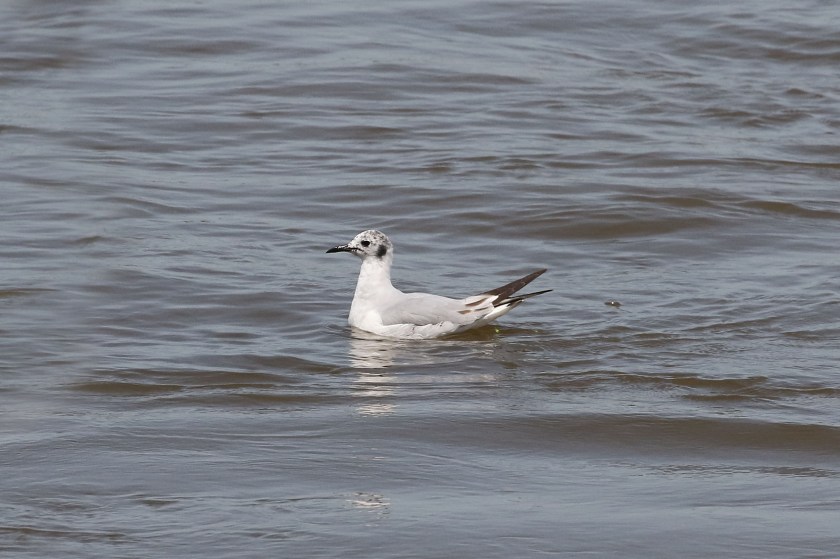
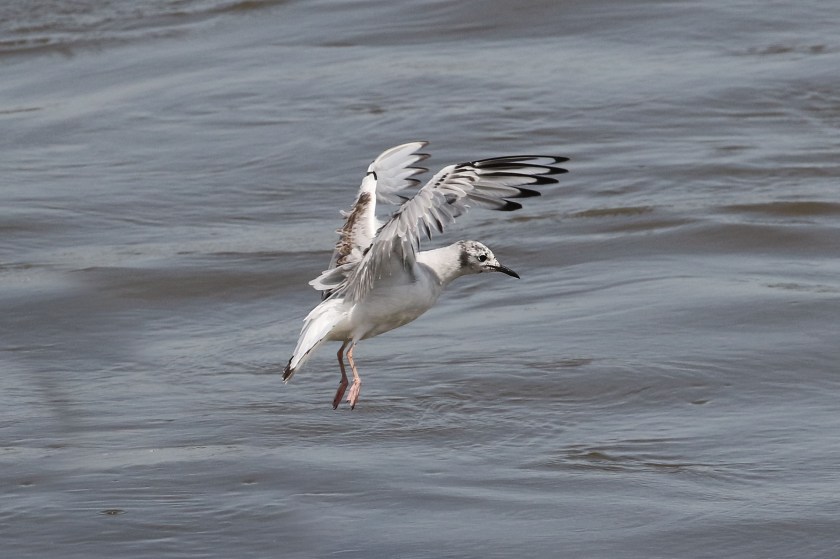
Two individuals were particularly interested in the bread however the two others made brief appearances only. The below Adult Mediterranean Gull was an added bonus.

V87A5497

I guess you can expect more ylgs over the next month or so but ill try and keep them to a minimum.

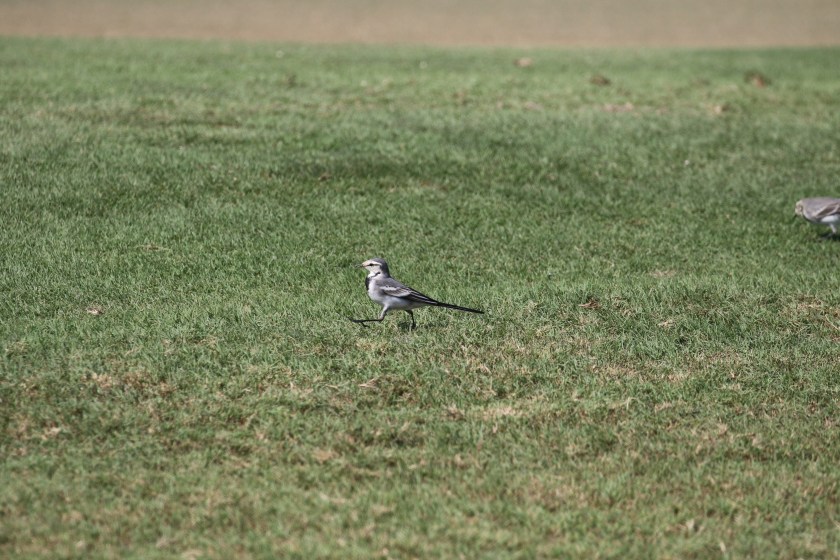
East Siberian Wagtail (Moticilla. Alba. Ocularis) Accepted by EBRC.

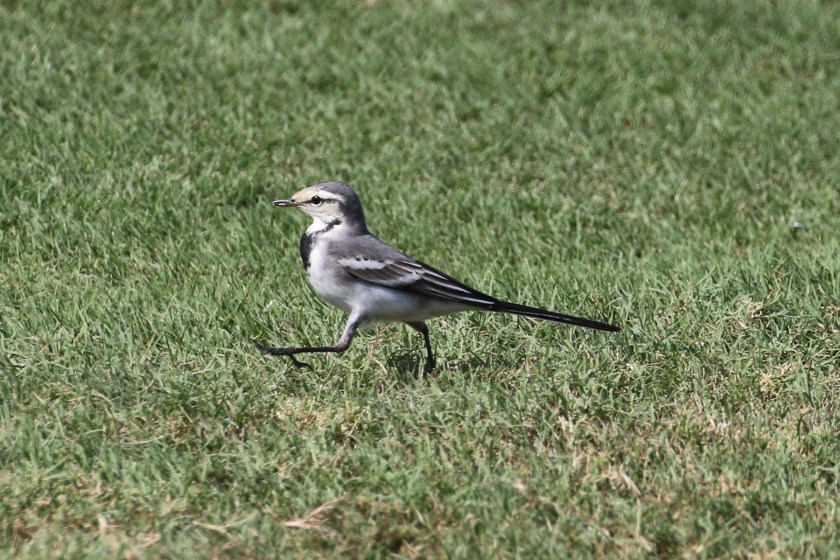
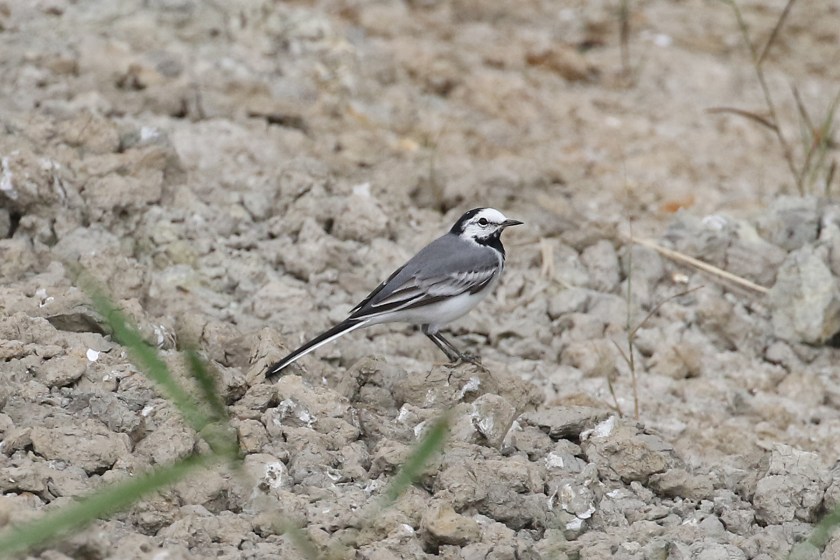
Last month I got an email letting me know that that the ‘Ocularis’ White Wagtail I found in Abu Dhabi last November was accepted by the Emirates Bird Records Committee 5-0. Its the first record of this sub-species for the UAE, Middle East and Greater Western Palaearctic which I’m very happy about it! Another record since (an adult in Cyrpus) will surely be accepted and will represent the first real western pal record.  The write up was printed in this months Dutch Birding too!

m.a.ocularis Saadyat island beach golf course Jamie Partridge 7.11.17

V87A7463

V87A7465

IMG_6896

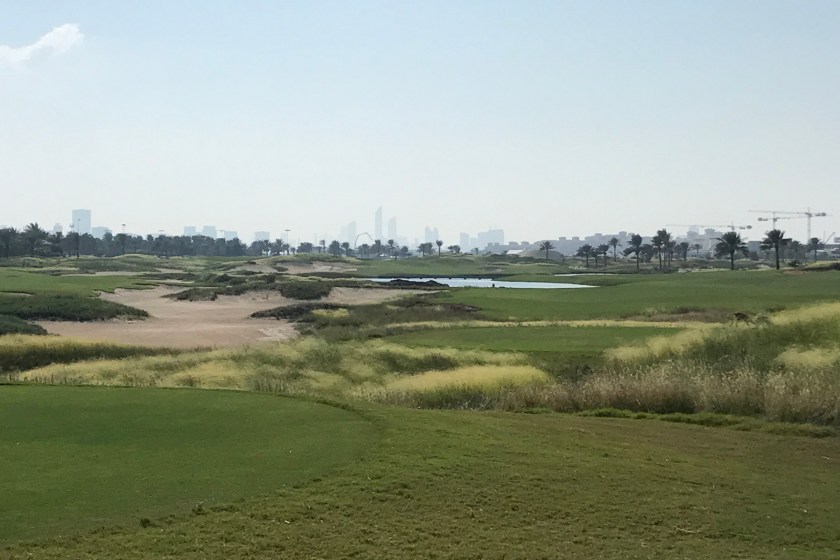
Above – Saadyaat Beach Golf Course. Below – 2cy ‘Ocularis’ White Wagtails, Both taken in  Hong kong, first pic taken by Matthew Kwan and the second my myself earlier this year.

1st w ocularis Hong Kong

V87A4875

Read the whole write up that Bird guides featured here 

Rose-Coloured Starling Dungeness

Having only seen birds in first winter plumage previously I tagged along with RB to see the Rosy Starling at Dunge. I guess its part of what looks set to be an influx/invasion with hundreds being seen on the continent and quite a few over here already.

V87A3280_

V87A3331_

I couldn’t believe the brightness of the mantle, it seemed to emit light! perhaps with it being earlier in the year/less worn etc.

Eyes to the telephone wires/supermarket roofs/anywhere really…


Estonia Trip 11 – 18 May 2018

7 days away in a motor home with Laurence Pitcher and Graham Gordon, driving anti clockwise around Estonia from Tallinn, taking in what we could.  Laurence and I had been pretty poor at sorting out gen before the trip but with the use of Dave Gosney’s 8 year old map book and Graham’s additional research we did pretty well. Even just pulling the RV over at random places proved decent more often than not.

V87A0313

V87A0996

The dates were chosen with the aim of catching the tail end of the geese and sea ducks and the arrival of the more interesting passerines towards the end of the week. This pretty much worked out as planned and we had good numbers of migrating wildfowl and Cranes too throughout the trip, as well as almost all of the eastern migrants I’d been hoping for. The weather was bizarre for the Baltic coast in May and we had 5 days in a row of the hottest May temperatures in Estonia on record!

V87A0183

V87A1309

V87A1015

We initially headed west hoping to witness the sea blackened by Long-tailed ducks, Scoter, Scaup, and divers. The good weather must have given a lot of them the option to head north and the first site held only Arctic terns, Thunbergi Yellow Wagtails and a White Tailed Eagle. However, at Spithami in the very north west of the country, the sea was alive with the yodelling calls of thousands of Long-tailed ducks with smaller parties of Scaup, Eiders, Common and Velvet Scoter, 2’s and 3’s of Black- throated divers moving North, as well as a number of Herring and Caspian Gulls lurking around the shore under the regular noisy skeins of Banacle Geese moving over head.

V87A0331

V87A0200

V87A0831

V87A1030

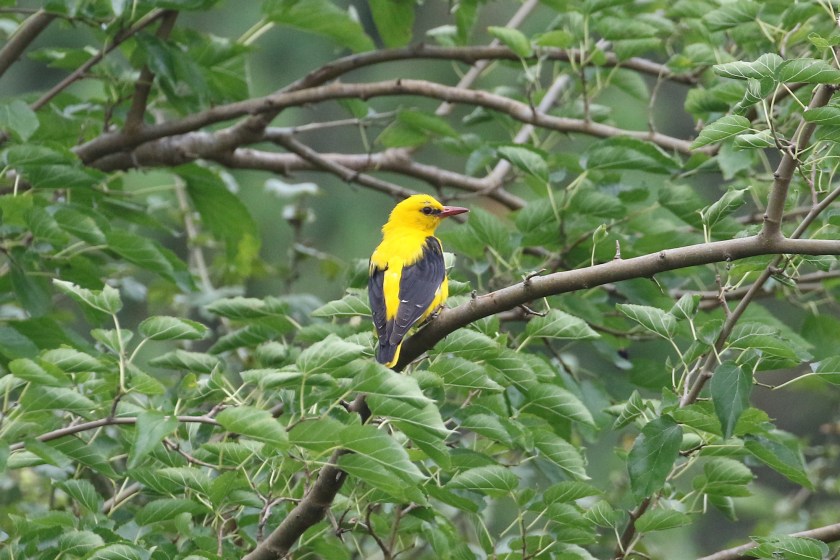
Our first evening yielded many Roding Woodcock and first morning gave us a taste of what was to come with several singing Thrush Nightingale, Rose Finches, Whinchats, Wood Warblers, Hawfinches, Redstart, Tree pipitsPied Flycatchers, Wrynecks and Golden Oriel, as well as Black Grouse heard in the distance and an Adult Male Montague’s Harrier over our heads in between ranks of Barnacle and European White fronted Geese, all within slipper footed walking distance of our mobile home and the single track road.

V87A1355

V87A2565

V87A0612

V87A0481

Spithami also held our first Red breasted Flycatchers, including one dropping out of the sky just metres in front of me upon its apparent realisation that the next stop was Finland. Evenings were spent eating and drinking, watching over clearings in mixed woodland with more Woodcock and the appearance of a Moose.

V87A0939

V87A1861

Thick forest is abundant in Estonia, both mixed deciduous and vast expanses of coniferous, and it was in this habitat that a couple of highlights for me occurred. Pulling off the road on spec and walking into the forest randomly produced a few lucky moments; whilst listening to a Red-breasted Flycatcher singing in a small clearing, the whistling call of a Hazel Hen was heard a few times before we saw the bird.
V87A0528

I was taken aback at how incredible it was! I hadn’t really expected to see them without a guide and the perfectly cryptic plumage in the setting it was designed for was fucking excellent. On the way back to the car we heard a Nightjar churring and spent 20 or so minutes trying to locate it, which we did.
V87A0605

V87A0749

V87A1051

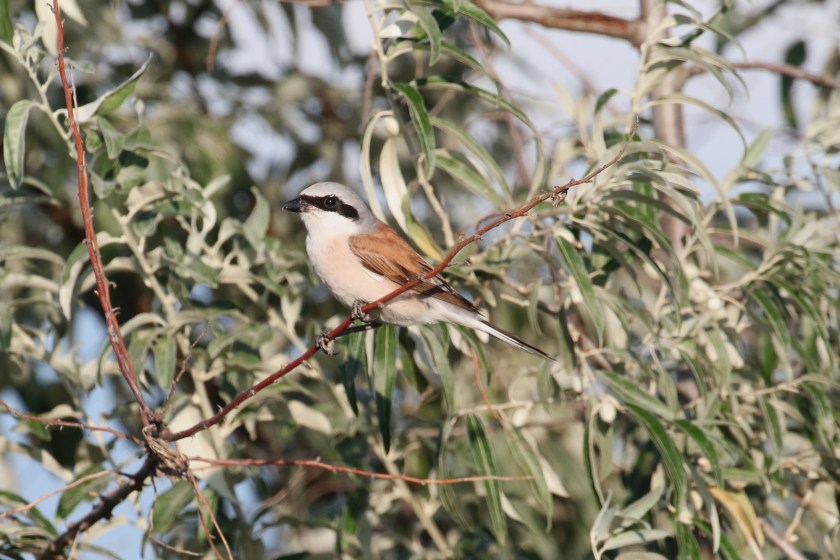
A few days in, we left the coast and headed inland. There were a few sites that appealed, all in close proximity to Tartu,  so we headed to the general area intending to move between them over the following days. The wooded marshland, freshwater lakes and open countryside near Aardla as well as Ilmatsulu fish ponds became our regular sites. It was in these bird-abundant habitats that something really stuck out: the amount of Mimicry involved in the songs of so many bird. The Sprossers and Marsh Warblers of course, but also things like Red Backed shrikes imitating Whitethroats, insane Icterine Warblers and an Incredible 2cy Whinchat that almost sounded like a Sedge Warbler in terms of phrasing and constant singing. Graham is very good with calls and very interested in song and even he was slightly baffled by a couple of things singing outside of their usual repertoire.

V87A2903

These areas were brilliant, and yielded new additions to the trip list in the form of many Black terns, Little gulls, Whitewinged terns, more Rose finches, Great Reed Warblers, Marsh and Icterine Warblers, River, Savi’s and Grasshopper Warblers

V87A1591

V87A1941

V87A2235

V87A2652

V87A2640

V87A2688

V87A2756

V87A2751

V87A2119

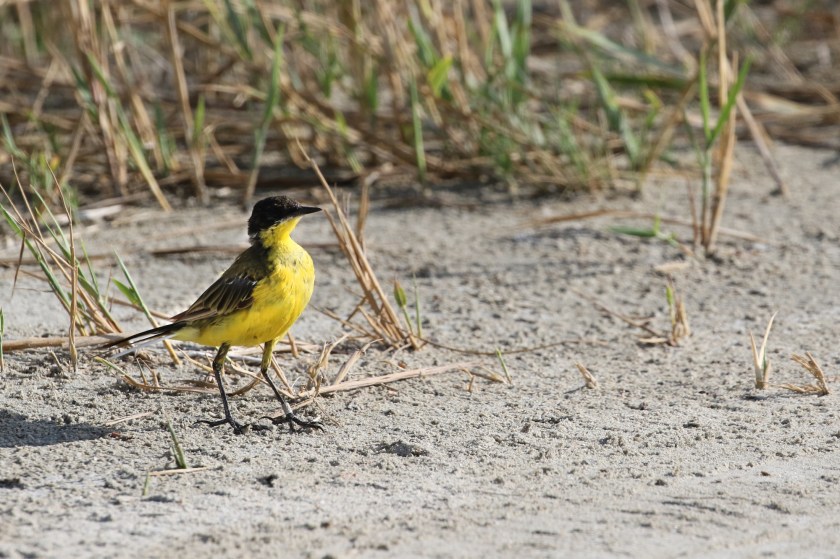
Penduline tits, Citrine Wagtails the males of which were completely astonishing. Having only seen autumn birds before, I was blown away; I really like wagtails anyway but these are really almost the perfect bird, I guess it’s things with yellow on them that make you go ‘oh fucking hell!’ when you see them.

V87A2266

V87A1982

V87A2324

V87A2306

V87A2068

V87A1221

V87A2092

V87A0796

This area also proved interesting for Both Lesser-Spotted Eagle (an individual we saw a couple of times, below)

V87A1848

and one or two ‘Middle’ Spotted Eagles. A broad winged bird with long p4 (Greater Spotted feature) also showed a pale iris and more Lesser Spotted-like barring to the secondaries, confirmed by consultation with my keen-eyed raptor enthusiast friend young Dante. We did hear that the chicks from a pair of what were thought to be Great Spotted Eagles in the area had been DNA tested, and there were mixed genes at play.

V87A1885

V87A1925

Gulls were a little disappointing,  but what else can you expect in hot weather? Our first encounter with any Large Gulls were a smallish flock distantly loafing in a field made up of mostly Caspian and one or two Herring Gulls. It was bizarrely in this same field, next to the gulls, that I came across my first ever Black Grouse!

V87A0693

At the Coast, the Gulls were a little closer. The Caspian Gulls I saw were very reminiscent of birds I saw in Cyprus, winter 2016/17, in both structure and also a propensity for many softly patterned grey replaced 2nd generation wing coverts in first cycle birds. Above is one that came close(ish).  Some of the Herrings were what might be described as a Baltic type Herring Gull, with Yellowish legs, a red/orange orbital ring and limited black in the primaries.

V87A2445

I saw one or two small, dark, long-winged lesser black-backs, which I took to be Fuscus, and a large, paler mantled 3cy bird with many replaced adult grey wing coverts, replaced in rectangular blocks, that I recognised from my time in Abu Dhabi as a Hueglins – alas it was not seen on the deck.

Our final day was a very successful one and began with Graham and I seeing our First Black Woodpecker (we also had Middle Spotted that day and I think Graham had a WhiteBacked).  Graham also found a Ural Owl right out in the open being mobbed by Chaffinches and Song Thrushes. By the time we got there a pair of Jays had moved in, and the bird was forced to move, however we all saw it well.  It’s attention was split between us and the Jays mobbing it, in turning its head back and forth it gave a shaggy impression and almost looked like a man in an Owl suit, much bigger than I had originally thought. Another ‘FUCK-ING HELL!’ moment.

V87A2052

V87A2047

Another thing that occurred to me on the trip, was that pretty much all of the passerines we were seeing would have been migrants. The Flycatchers and Warblers of course, but the small numbers of Wrens, Dunnocks and Robins too, which gave them an elevated status. A Robin singing on the top of a spruce became as vital to watch and listen to as the Wood Warblers, Pied and RedBreasted Flys.

We saw a few Caudatus Long Tailed Tits as well as Northern Bullfinch and Familiaris Treecreeper too

V87A2113

V87A2874

The final night was spent just off an unmade track near Aardla. We’d had a walk taking in an Osprey, Spotted Crake, very close Citrine Wagtail, Red- Backed Shrikes, Marsh Warbler and a showy River Warbler (below). It did actually show very well, walking along branches and across the ground only to appear metres away for another minute of reeling.

V87A2851

V87A2357

V87A2341

V87A2439

V87A2715

As the evening drew on, and the long sun set began, Graham and I heard the electrical trickling sound of Lekking Great Snipe! We then enjoyed much closer views than we had previously at a well known site; wing flicking and bill clapping whilst 3 Spotted crakes sang behind us, squadrons of Wood Sandpipers came and went, the big beers were good and LP and I broke out some Neil Young on the car stereo as the mozzies licked their lips.

V87A2801

Different styles…Graham (above) and Laurence (Below)

V87A2797

We missed a few things during the trip, this was expected and we were prepared to. I would have liked to have seen rather than just heard the Barred warblers, having only seen 1st winters in UK.  I was surprised there were no Bramblings, no sign of any Greenish or Blythe’s Reed (although I think Graham had one or two after we left). We accepted that without a guide we weren’t going to see all the owls, and that the Wood peckers would be harder given the date, but overall it was a brilliant trip. I’d recommend travelling around in a motorhome too, we must have turned up a few bits that other birders wouldn’t have just by getting out and walking around on spec so often. Below ‘The Map’ butterfly…

V87A0707

I’d also recommend buying Dave Gosney’s ‘Finding Birds in Estonia’ map book if you’re thinking of going. And also recommend doing endless impressions of him whilst driving a ridiculous vehicle, fridge stocked with giant cans of beer, cupboards full of cracker breads and bogroll, vehicle full of hiding mozzies, down unmade gravel roads to the soundtrack of Estonia’s incredible bird life.

Annual Peak District spring trip


Once a year I try to get to a couple of sites in the Hope Valley, Derbyshire. Its 25 mins drive from my Dad’s house and I usually make the pilgrimage over the last weekend of April/first weekend of May. Arriving at Padley Gorge about 6.00 am I could hear a Pied Flycatcher singing before even getting out of the car. Ancient Oak woodland isnt quite totally in full leaf at this time of year so birds are easily seen. I think I saw about a dozen males and about 5/6 females, some of the females were carrying nest material about.

V87A9555

V87A9562

V87A9826

V87A9854

I had a Wood Warbler briefly in Song and briefer views which In havent seen there for a few years as well as a Spotted Flycatcher heard singing from the treetops and a Dipper was seen and heard in the gorge itself. 5/6 singing male Common Redstarts…

V87A9589

…and about the same number of Tree Pipits.

V87A9710

V87A9739

The next site is open moorland and gritstone cliffs and boulders – ‘Stanage Edge’ and the surrounding area is a good spot for things like Ring Ousel. (a female flew right over my head as I ate a packed lunch.)

V87A9908

V87A9934

Its also a great place for Cuckoo, Wheatears and Whinchats but the bird i enjoyed up there the most were Red Grouse. A species surrounded by controversy and the reason for the lack of Hen Harriers in this perfect habitat. You just don’t see Red Grouse away from moorland so I made a point of spending time watching these Incredibly plumaged birds.

V87A9995

V87A9997

Its hard to see all of these in one trip so i really happy. Its well worth the trip and only 3.5 hours drive from London. If anyones intrested in the gen contact me directly and i’ll happily share. emailpartridge@gmail.com


A return to winter with the Gulls and recent patch highlights.

Dante, Rich and I had one of our best days at Crayford today. Despite a brief interlude to dip a rare hirundine in north London. The weather was spot on for staring at Larids with icey winds and what felt like freezing temperatures for late April

V87A8662

Above and below are 2 of 3 second calendar year Caspian Gulls present between Viridor and Jolly Framers at Crayford.

V87A8826

There were 2 Iceland Gulls present, this 2cy and the following 3 cy. Both have beem seen elsewhere in London I’m pretty sure.

V87A8949

V87A8901

Next up was a beautiful juv Glaucous Gull, very special birds.

V87A9095

There were one or two 2cy Yellow-Legged Gulls.

V87A8913

Back to normal spring birding now and before too long I wanted to highlight a few species that arn’t always easy to see on the patch from the past week or so. Before the excitement around the Black Kite(s) last week I was planning to write a blog pointing out a couple of valuable moments.  The Ring Ousel that was present for a few days was a real highlight for me.

V87A7626

V87A7634

A small flock of 8 or so Brambling featured in morning walks, feeding on insects and towards the end of their stay included one or two singing males.

V87A7822

Yellow Wagails are much more common but rarely let you get close and I’ve had a handful of them on the deck. This bird was present with two White Wagtails during a rainy morning on the 27th.

V87A8458

Graham H found this Black Redstart on the paddocks. I took the silvery fringes to the innermost tertial to be an indicator that this was a 2cy male, although I see no moult contrast in the wing so im not sure really that its not an adult female… maybe the real question is – Who cares?

V87A8578

.. I do abit so let me know if you can age and sex it.

Black Kite Walthamstow Reservoirs!

Amazingly (after finding last weekend’s bird with LP on Beachy Head) I had a Black Kite! Fly west over Walthamstow Reservoirs on the morning of the 24th April.   The ‘In Profile’ and active flight views of a Kite sp left a nagging feeling as to ID, and the shorter looking tail appeared to lack any Reddish tones. As the bird disappeared west, I was left concluding the ID from Photos, which showed; 6 long primaries  (rather than 5 shown by Red Kite) the slight fork to the tail, the broad secondaries (longer than tail length and most obvious in third and fourth shots below), darker more diffuse primary window and mask can all just about be seen in this morning’s shots. I put the news out “Black Kite heading West…” this was followed by another 4 records of (surely the same) black Kite over a few sites in London. 

bk1

BK

bk4

bk3

Its the first record for the site and nicely won back after a bird I had over my old house in Hackney 2014 that went unrecorded due to lack of photos. 


Black Kite, Beachy Head 21/04/18

A short trip down to stay with Laurence P was headlined by a Black Kite that flew East along the headland. LP picked it up initially and sounded it out as looking like a Black Kite. Our first views were probably the closest but involved me running like mad to get some diagnostic shots of the disappearing bird then some (legal) formula one style driving in an attempt to intercept the bird further down the coast. We parked up at Beachy head pub at the apex of the headland and sure enough the bird gave us more distant but in my opinion better views – Circling as well as some direct flight.

V87A8097 

Nice bird and a really fun 30 mins or so. We also had a female Ring Ousel but very few other migrants. I drove home that evening and missed out on an excellent following day which can be read about here


Hong Kong 2018

Another 10 day trip away with work and with a full day and a few afternoons off I managed to see abit more outside the city compared to last years trip.  The birding is brilliant out there, with such variation and abundance of birds. I tend to seek out birds with more of a relevance to western palearctic birding but also enjoyed alot of the resident and migatory sub tropical type stuff but apologise for the lack of shots thereof.

V87A4959

My time birding was separated into three habitat types really. These were:  The open grasslands and fish ponds surrounding the Mai Po nature reserve,(above)  The Estrine tidal mudflats viewed from the hides within Mai Po nature reserve (Below)…

V87A5913

 …and the densely wooded hillsides of Hong Kong Island itself (below) This was the hardest and least rewarding habitat, with with many things heard only or seen badly was abit of a pain. Not exactly coastal stunted sycamore, October elm on scillies or bare ancient oaks in early spring for seeing birds well.  Still, an incredible environment.

V87A4149

One thing that even the non birding visitors notice daily is the presence of Black-Eared Kites all over the city and surrounding landscape.

V87A5131


V87A5673

V87A5679

V87A5137

V87A5119

V87A4744

Other Birds of prey included: Japanese Sparrow Hawk, Osprey (below), Bonelli’s Eagle and Oriental Honey Buzzard, this last species are apparently uncommon migrants in the area.

V87A6292

Mai Po is ridiculous for waders. The following is a list of what i saw during the trip accompanied by some photos of birds that came within camera range. Its a list with some very exciting birds on it but these are all relatively easy to see over here of course: Rednecked and Temminck’s Stints, Common, Green, Marsh, Wood, Broad-billed, Curlew, Terek and Sharp-tailed Sandpipers, Black Winged Stilts, Little-ringed, Grey, Greater Sand and Pacific Golden Plovers, Great Knot, Spotted Redshank, Redshank, Green and Nordmanns Green Shanks, Both Godwits, Avocets, Whimbrel, Eurasian and Far Eastern Curlew, Painted and common Snipe and Oriental Pratincoles.

V87A5425

Red-Necked Phalerope

V87A5449

Little-ringed Plover and Temminck’s Stint

V87A4673

Temminck’s Stint

V87A4689

Black-Winged Stilt

V87A4237

Painted Snipe

V87A6196

Greater Sand Plover

V87A5993

Marsh Sandpiper

V87A6331

Wood Sandpiper

V87A5571

Oriental Pratincole

V87A6473

Sharp-Tailed Sandpiper (a new bird for me!)

Next up are the birds I came across whilst wandering around the fish ponds and down the gravel tracks along side them. This is my preffered kind of birding. walking around seeing whats about; the pipts, wagtails, shrikes, buntings and stonechats were the most fun for me, and theres a kind of self gratification in identifying these birds from glimpses or on call alone that feels good and moving about in a cool unknown landscape too gets me going.

V87A5780

‘Sinensis’ Richard Pipits (above and below) these mostly rather short/weaked billed and short tailed, so much so that I had one down for a Blythes for a while. Despite the upright stance, tibia legnth and behavoir which was very much Dick’s like.

V87A4928

4747

Below are a couple of Olive-backed Pipit shots. This time of year in Hong Kong all the individuals I saw were going through some moult. They all characteristically flushed into trees and over headwires and made both a tree pipit type call aswell as a high pitched alarm call.

V87A4518

V87A4542

V87A6314

Shame they weren’t abit brighter as their one of my favourite pipits in full effect. The Below Red-throated pipits were mostly smart.

V87A5208

V87A5753

‘Stejnerger’s’ Siberian Stonechats (Below) Common, flighty and all silent in my experience this and last year.

V87A4790

V87A4799

V87A5721

V87A5487

One of the most commonly heard calls around the ponds was that of Eastern Yellow Wagtail, with m.t.taivana (below) the most abundant and also two m.t.macronyx (following image) seen. The calls are really quite different to Flava birds, harsher and more pipit like than Citrine even, although when hearing Citrine in Abu Dhabi fairly frequently last Novemeber I commented on the similarity to Eastern Yellow Wagtail (having heard birds here previously and a bird on st mary’s in 2016). Here are some notes from the field on the call, ignore any nonsense its just a quick note! –

” Short little yikes! rasp… grainy and urgent tree pipit/western yellow wag combo.”

V87A4227

V87A4644

V87A5665

The most common Alba Wagtails are m.a leucopsis (above) with m.a ocularis (below) coming through on passage.

V87A5554

V87A5548

V87A4614

Long tailed shrikes were abundant and characterful. ‘Dusky Shrikes’, The variable melanistic dark morph (below) were pretty impressive too with a couple of individuals seen.

V87A4999

Birds in the reed beds were mainly Plain Prinia and Yellow Bellied Prinias but i did see many ‘personata’ Black-faced Buntings that all gave ticking type calls -something i didnt hear last year. A few Zitting Cisticolas were seen and brief but still incredibly exciting views of a male Siberian Ruby throat

V87A5240

V87A5085

V87A5257

Views were better than the photo describes. The same goes for the many many Dusky and Yellow-browed Warblers that I heard at regular intervals through each of my days birding. For some reason I just couldnt take a picture of hardly any of them! heres my best dusky shot and all my YBW shots were from directly underneath so got binned. I was hoping to see some other Phylloscs but other than hearing something very like Arctic once or twice and a very brief view of what i think was most likely two barred greenish, I saw none.

V87A5261

Mai Po is famous for the variety and numbers of Herons and Egrets I was glad to see the Yellow Bittern, the eastern palearctic version of little bittern a couple of times and one or two Purple Herons flying about as well as all the Little, Intermediate and Great Egrets and Chinese pond herons.

V87A5860

V87A4277

V87A4501

Black-faced spoon bills (below) are a globally threatened speices but occur at Mai Po in decent numbers.

V87A5823

Another bird with low numbers globally is the Saunder’s Gull. Most of the adults had gone north but this and a dozen or so other 2cy birds were feeding around the mudflats at Mai Po. Sadly for me the only gull that came close enough for photography and a very distant flock of large gulls was basically not even worth looking at 😦

V87A4420

V87A4426

The Saunders Gull sat amoung avocets whilst the water was higher along with Caspian and Gull-billed Terns (below)

V87A5842

Here’s a handful of commoner east asian birds from the trip.  

V87A5595

Asian Koel (fem)

V87A5183

White-breasted Water hen

V87A5174

Pied Kingfisher

V87A4702

Spotted Dove

V87A4597

Azure winged Magpie (introduced here i think)

V87A5935

Collared crow. One of the best corvids out there.

Thanks to Matt Kwan for his help and to the Mai Po staff.