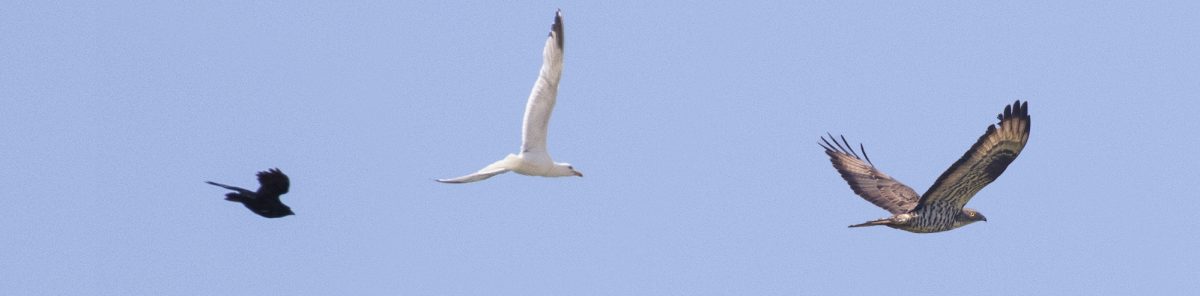
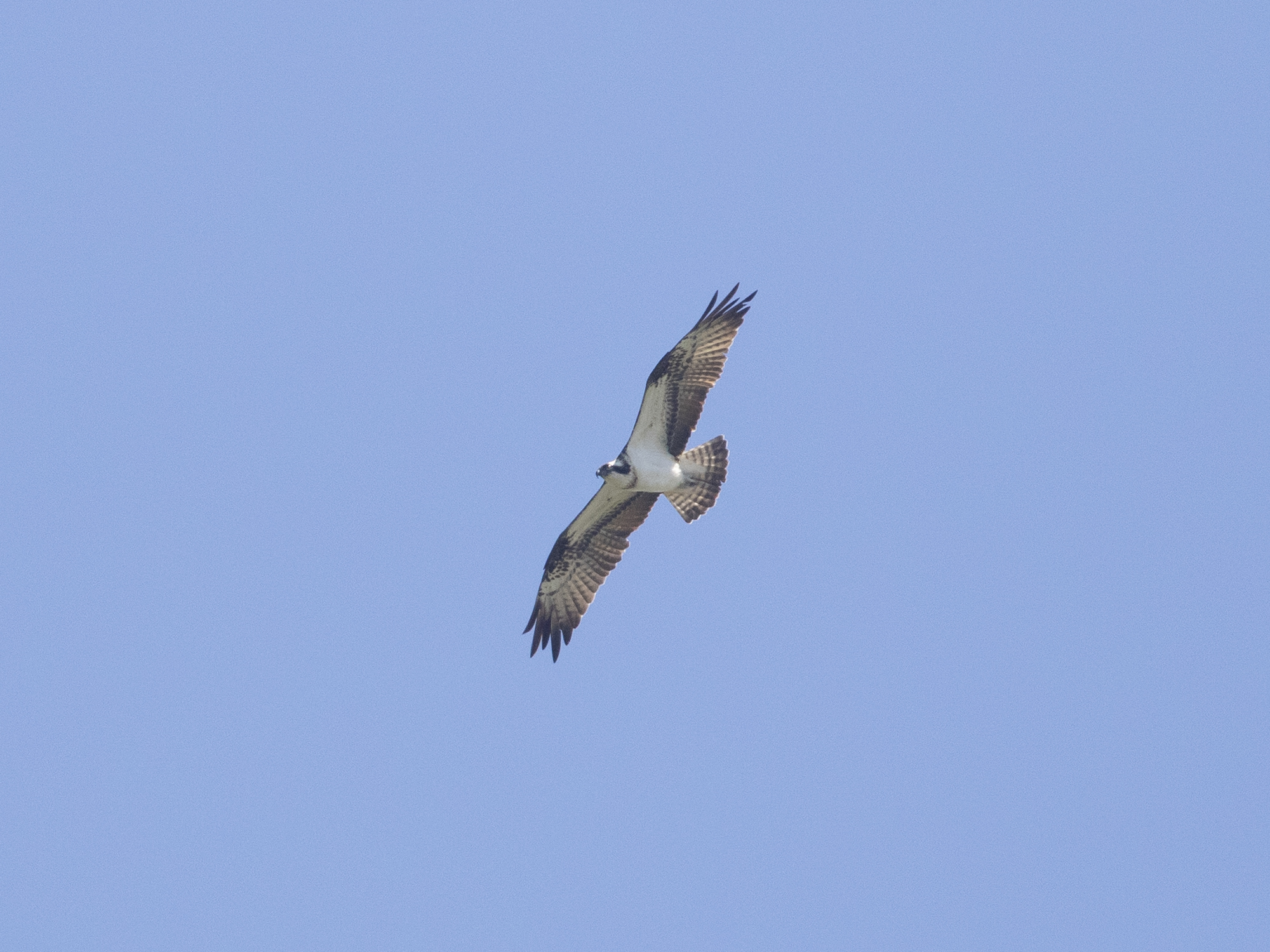
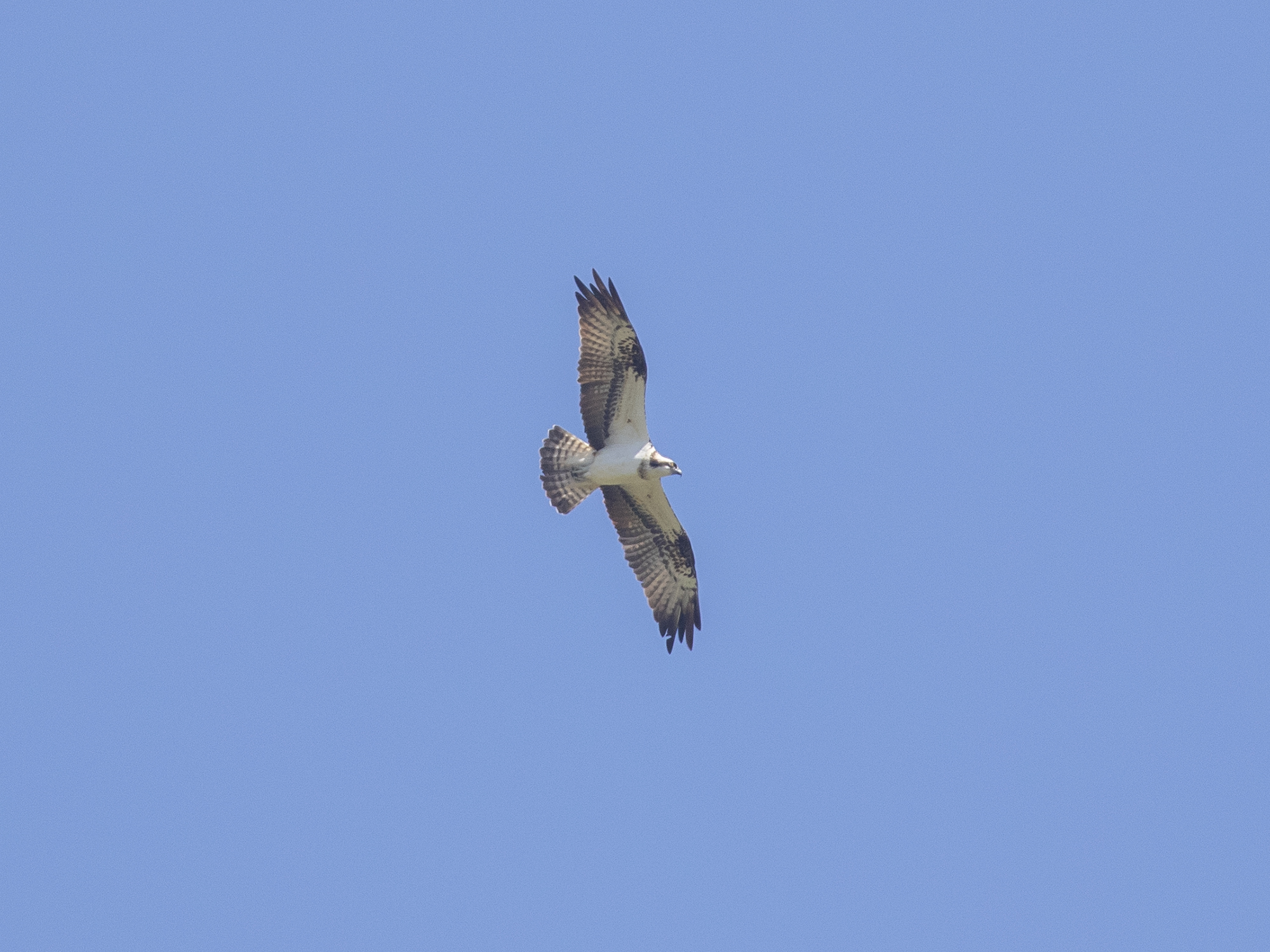
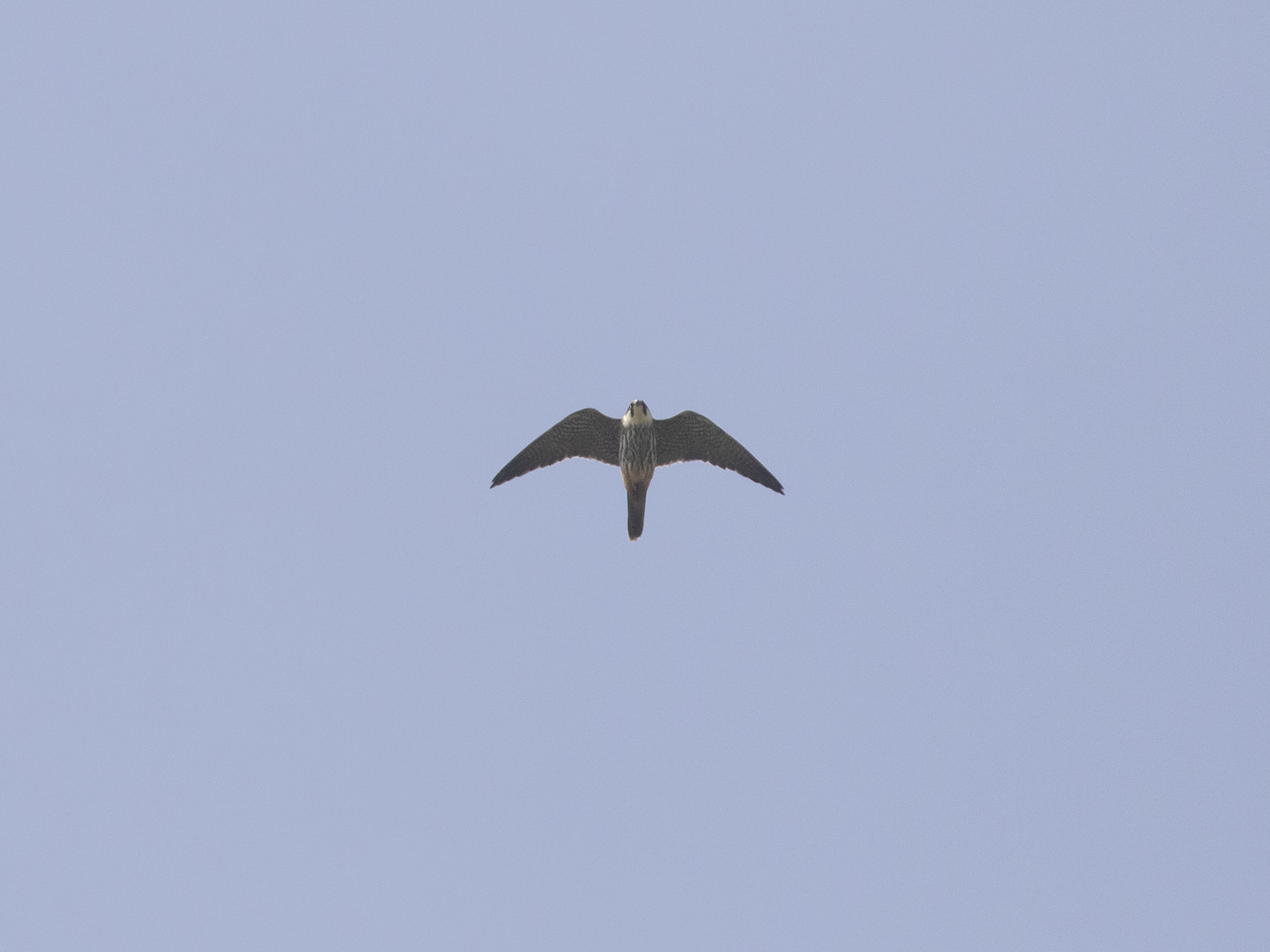
Strong SSW winds and clear skies led to very little in the bushes but some minimal hirundine movement and a cracking Osprey were today’s only features.
The bird circled up over the Eastern docks just before 1pm and continued NW towards the Castle and beyond.
I also counted 7 Sparrowhawks, all heading West along the cliffs.
A few days of variable weather, with some rain, so light and heavy and wind blowing from all directions but little to show for it.
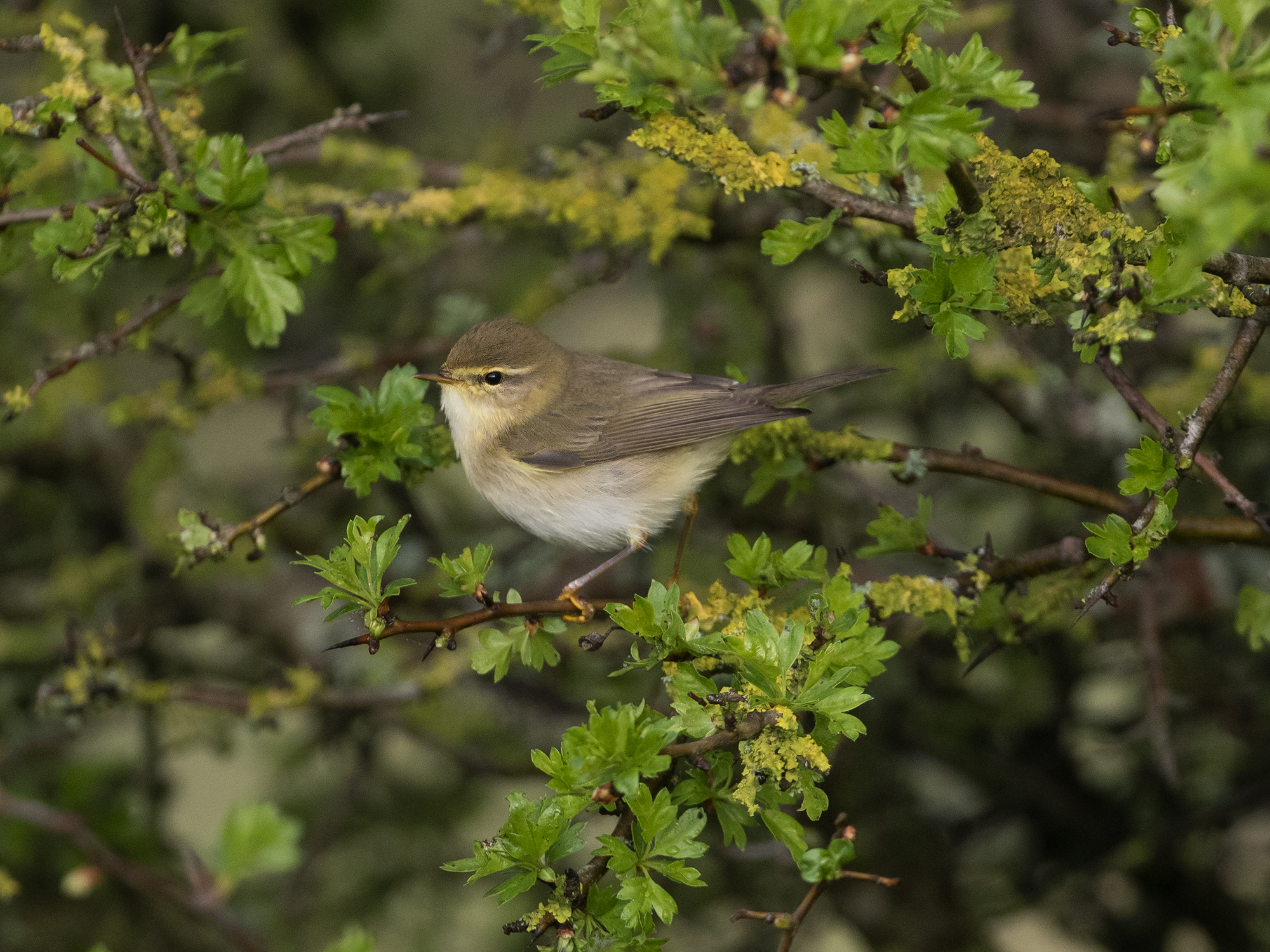
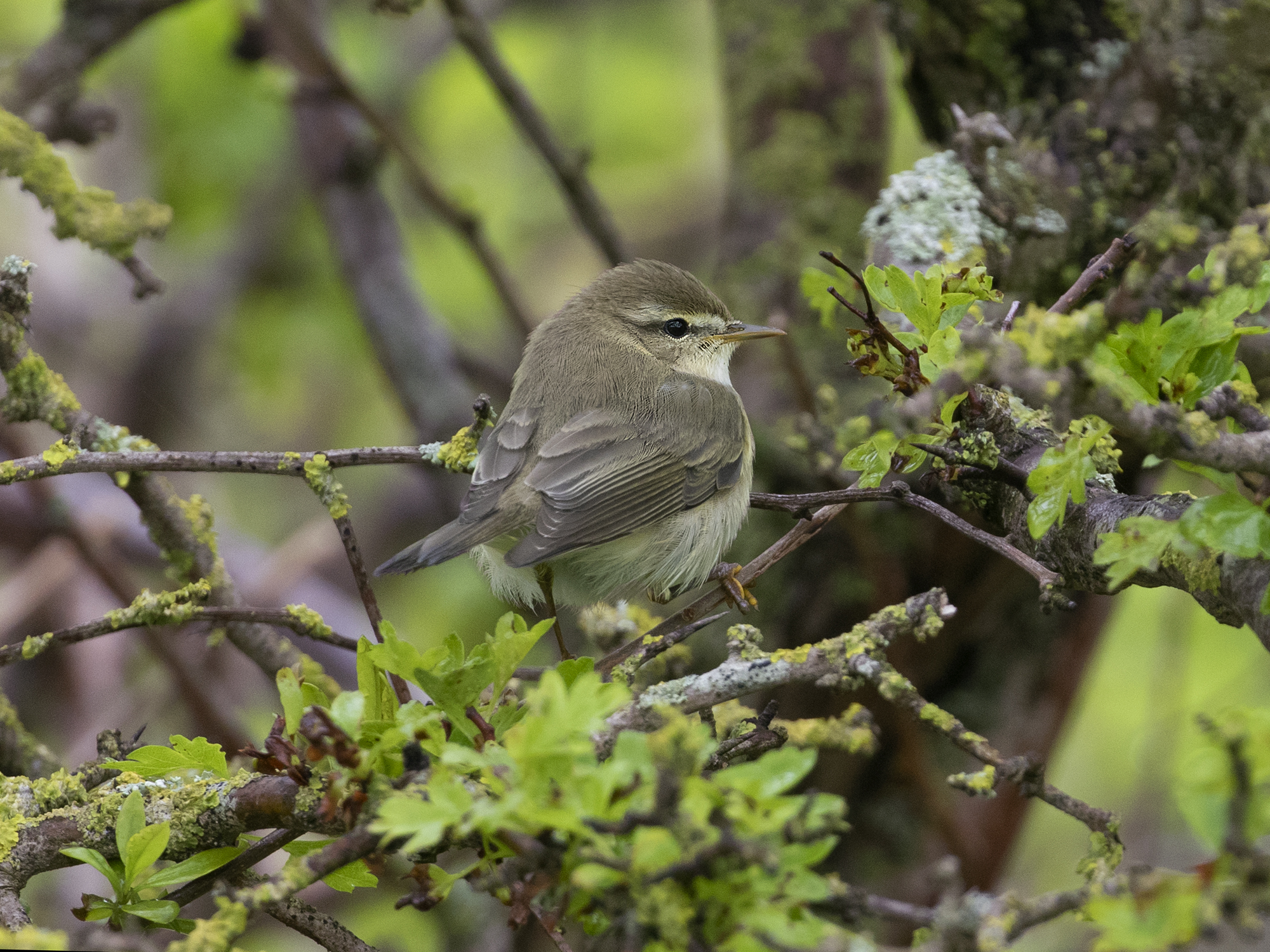
A Greensandpiper over the cliffs and 5 or 6 WillowWarblers and a few Swallows on the 24th, the Whimbrel in the overspill carpark field was still around on the 25th. Rich and I walked the length of the patch on saturday the 27th, with poor visability, rain clearing and light South Easts and had the first Swift of the year, also the first Hobby, a single RedKite, 2 WillowWarblers, ReedWarbler, YellowWagtail, 20 Swallow, HouseMartin.
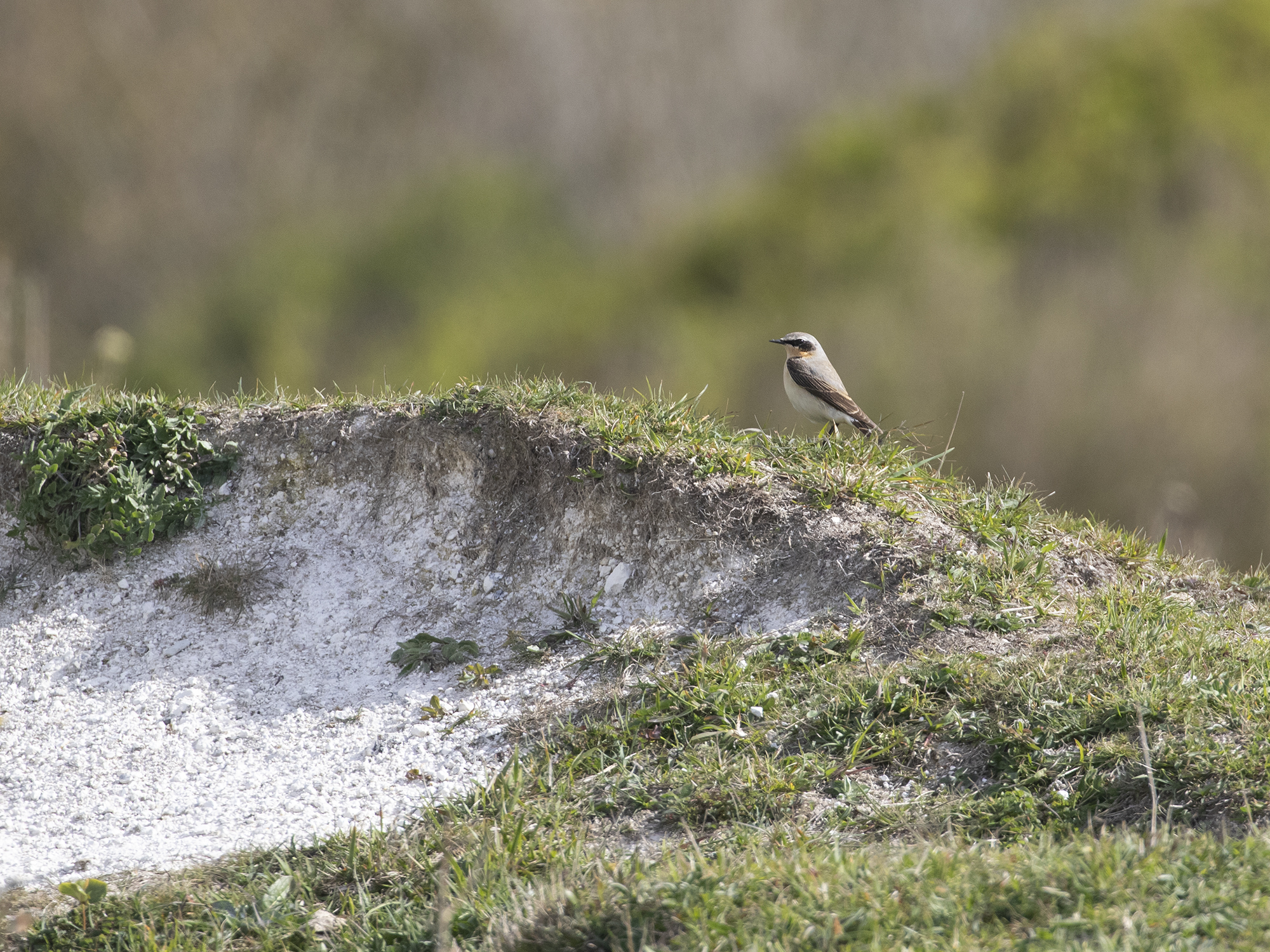
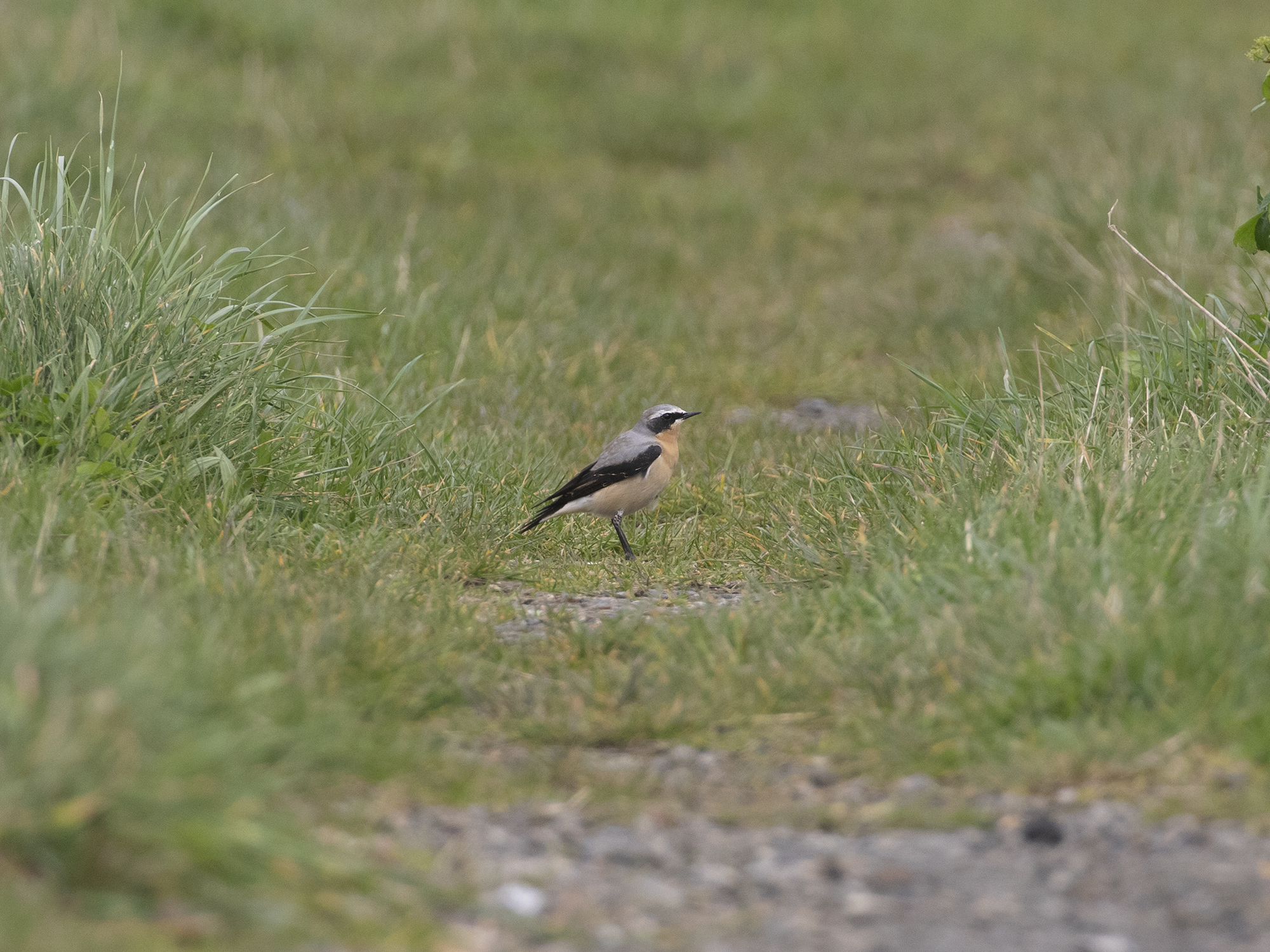
An afternoon visit en route to Sea watch in the bay produced 2 more Willows, and 5 Wheatear on the old airfield. An hours afternoon Seawatch in light NE winds wasn’t awful, a fairly close ArcticSkua, 4 Barwit 18 Whimbrel, 6 CommonScoter, among Gannets a few Sandwich terns and Kittiwakes.
This morning’s (28th) Seawatching totals were as follows: 4 Bonxie, 7+ ArcticSkua, RedBreastedMerganser, 5 SandwichTern, 40+ CommicTerns, 16 C Scoter, Swallow, Whimbrel, 15 RedThroatedDivers, Gerald and Nigel also had GreatNorthernDiver & 2 VelvetScoter just before I arrived.
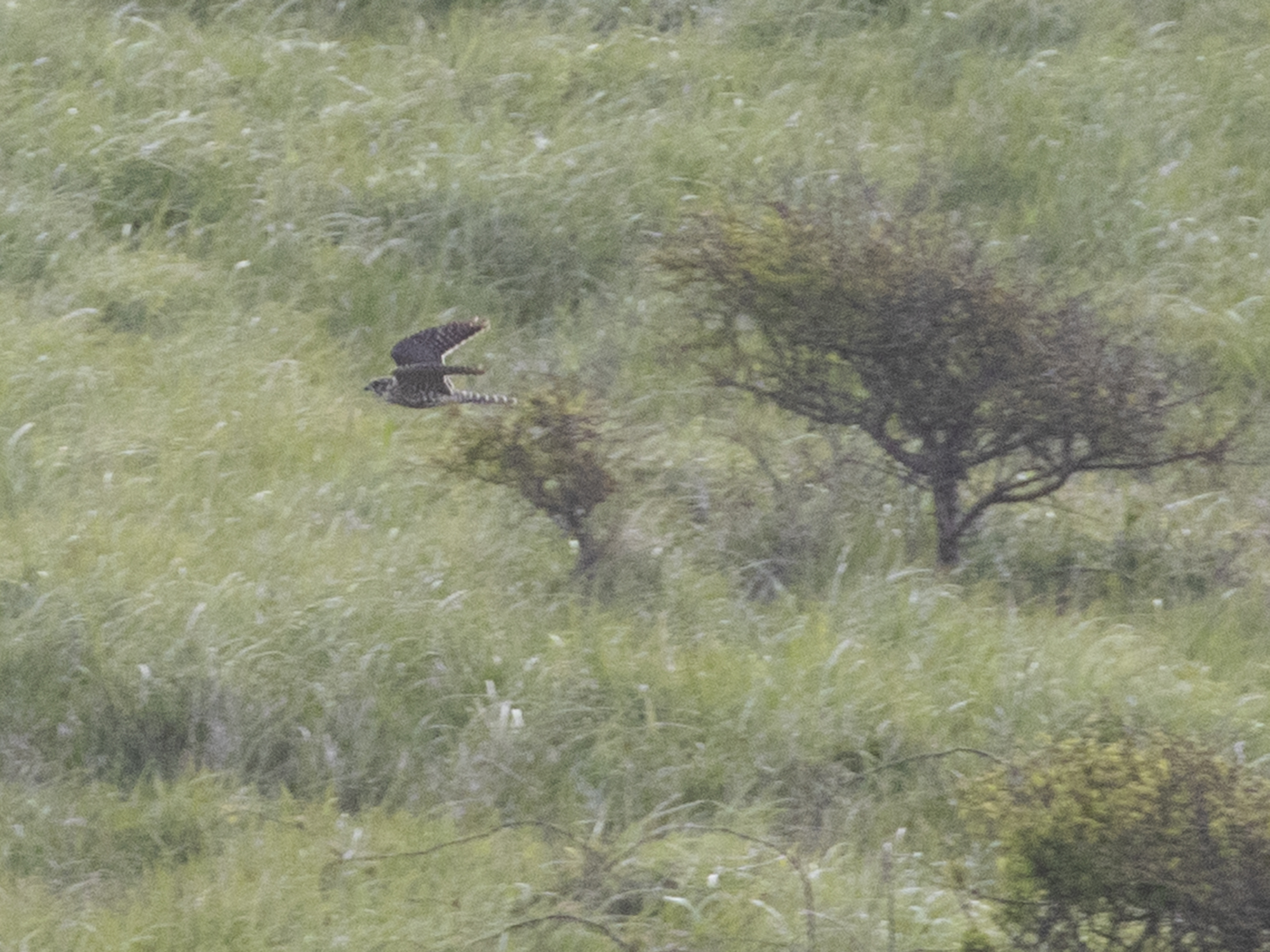
Another cold and clear day with light winds from the North. Barely a grounded migrant in the bushes but many Lesserwhitethroats are now in, & singing across the patch. c25 Swallow 17 HouseMartin and 3 SandMartin all north over the cliff tops, my best day for hirundines this spring. A female Merlin cut in the cliffs at Fan bay and headed north.
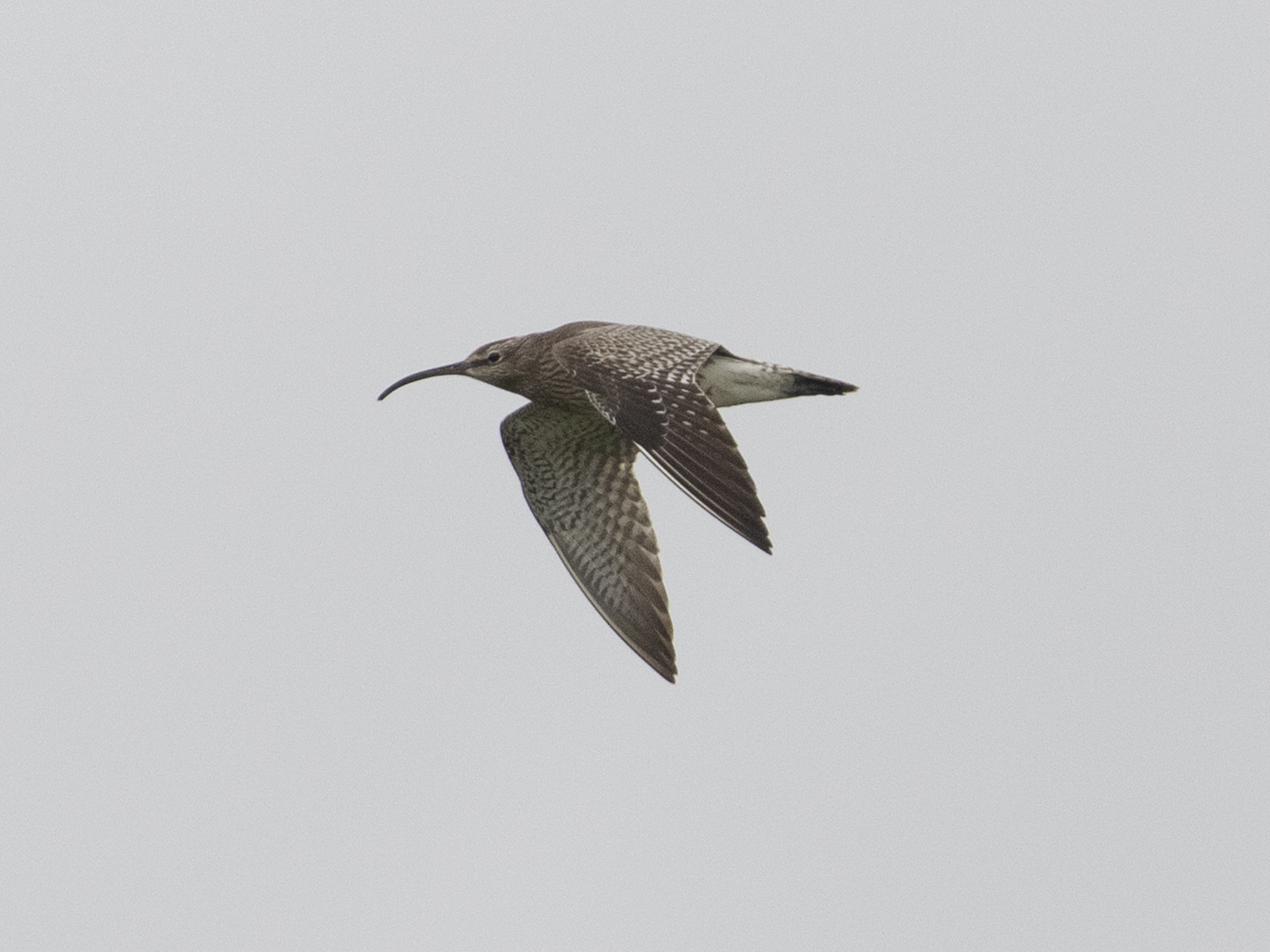
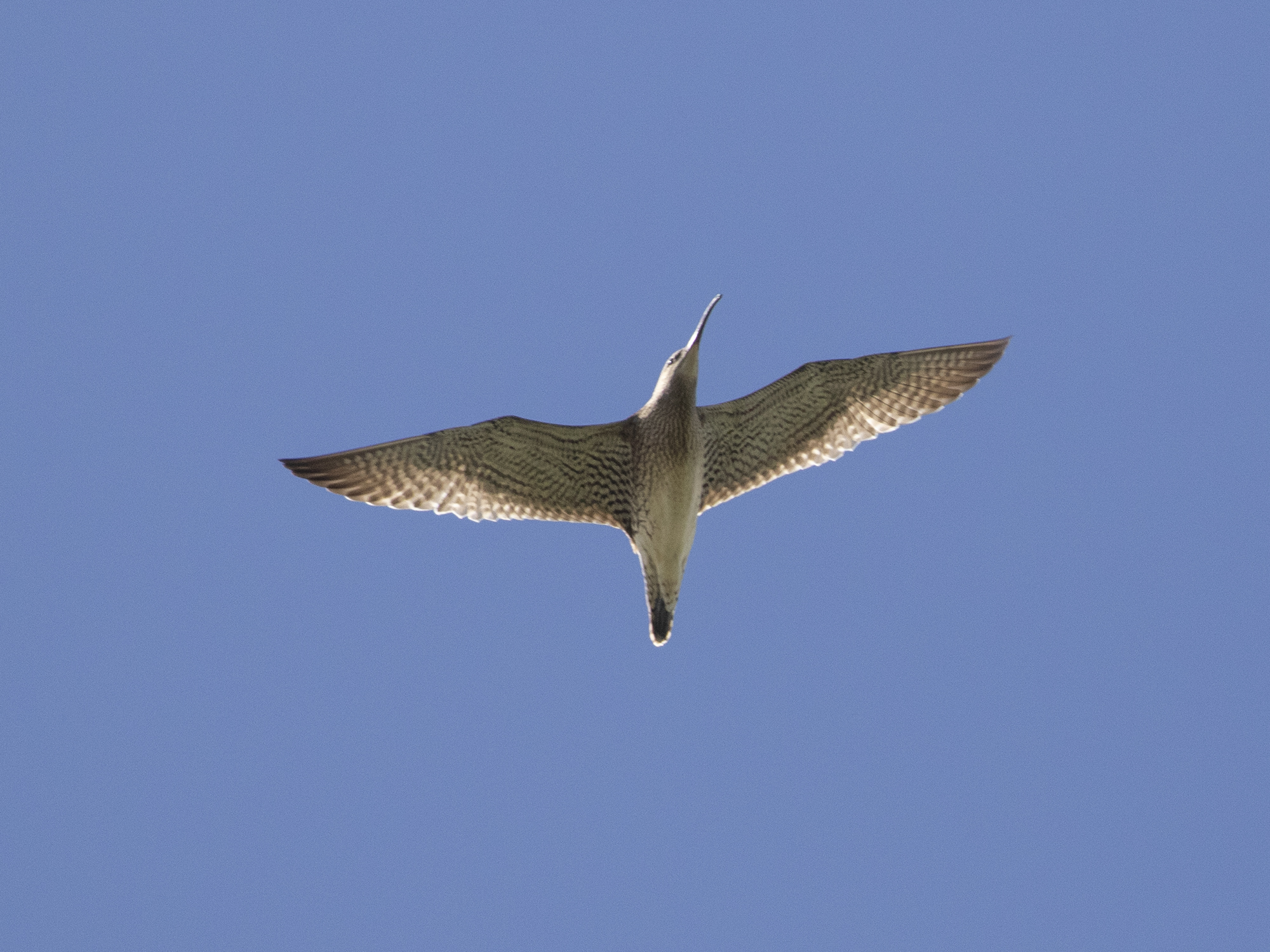
A Whimbrel flew North, viewed from Lighthouse down where a Greenshank was heard calling unseen.
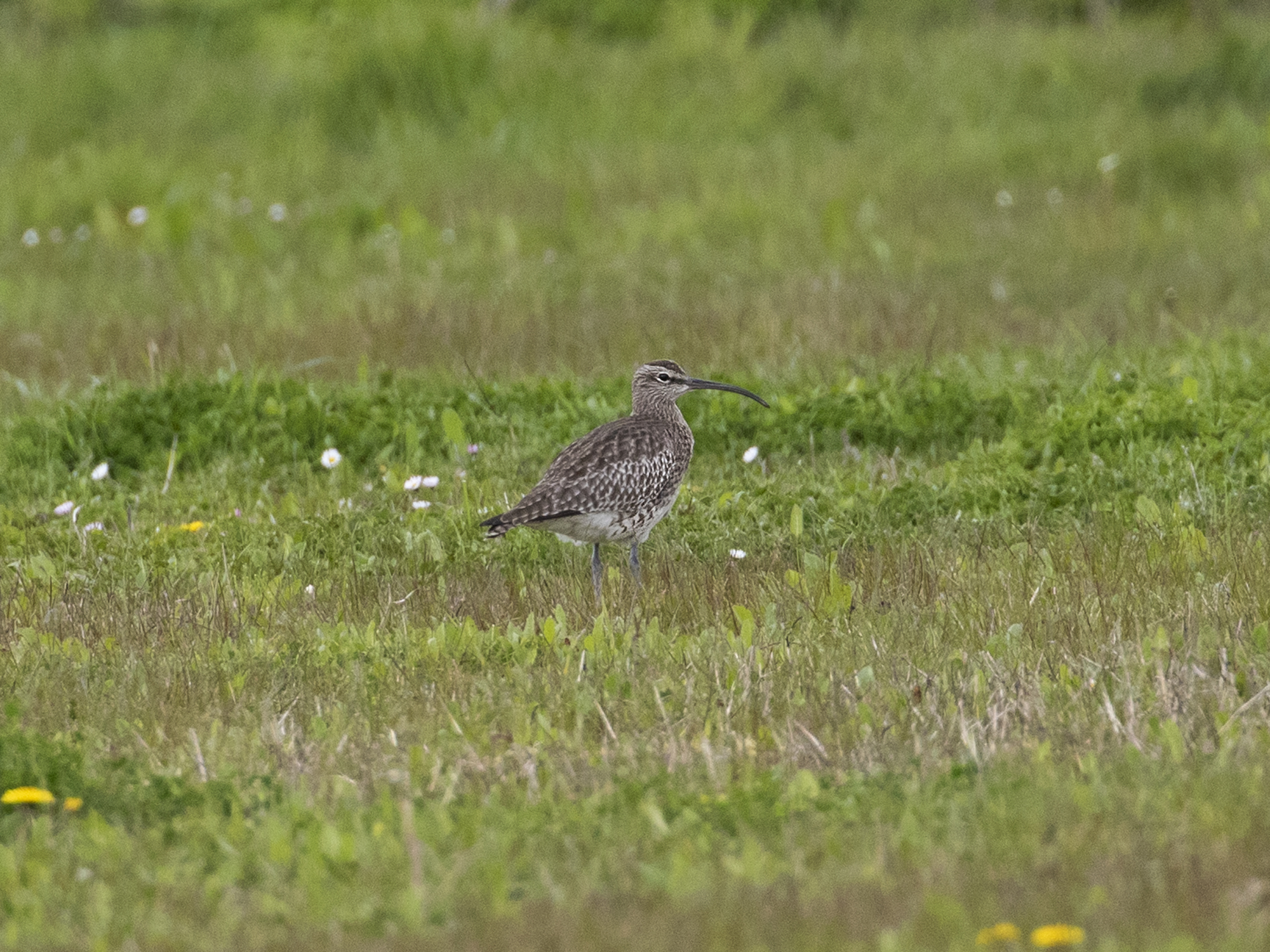
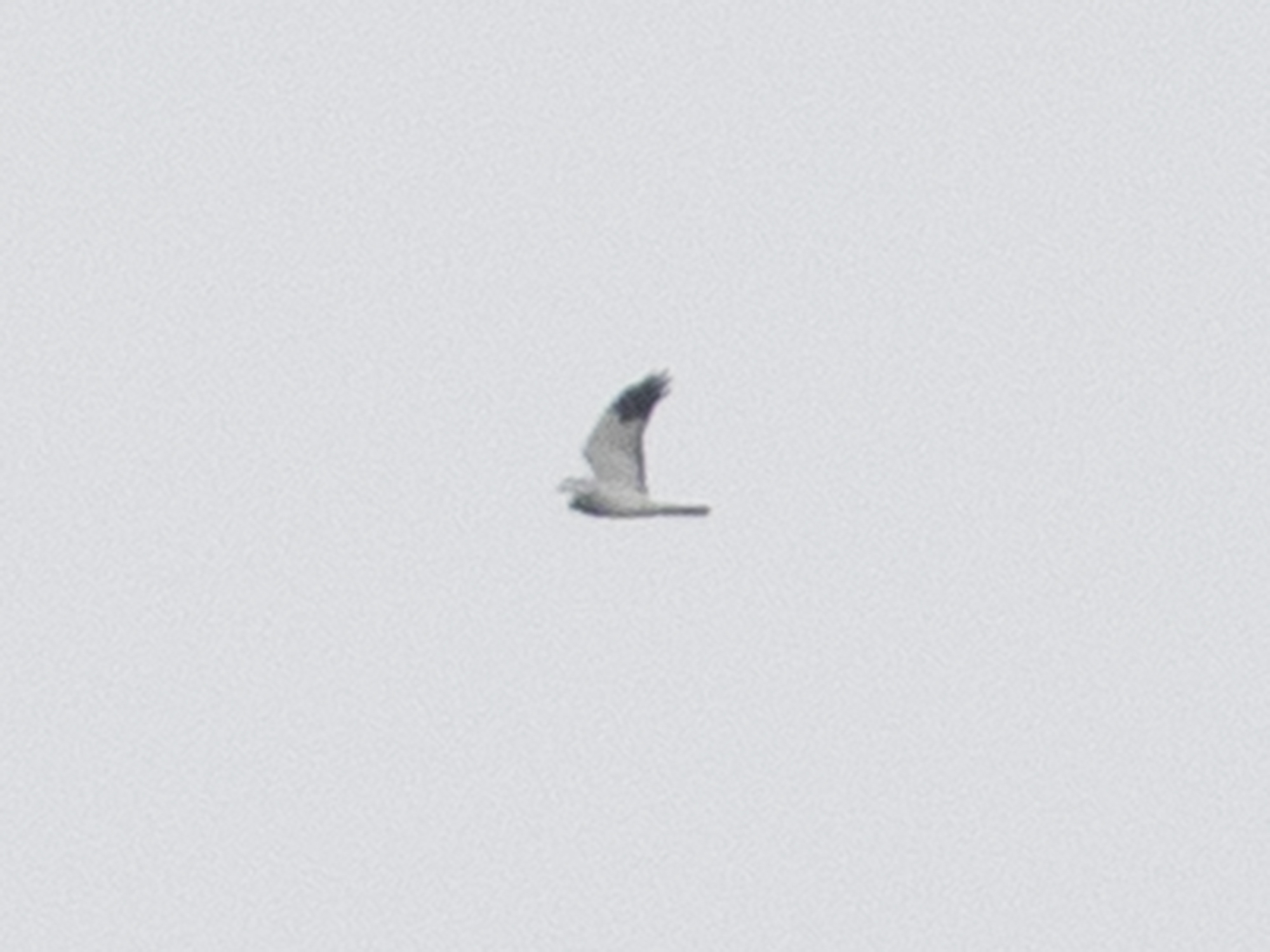
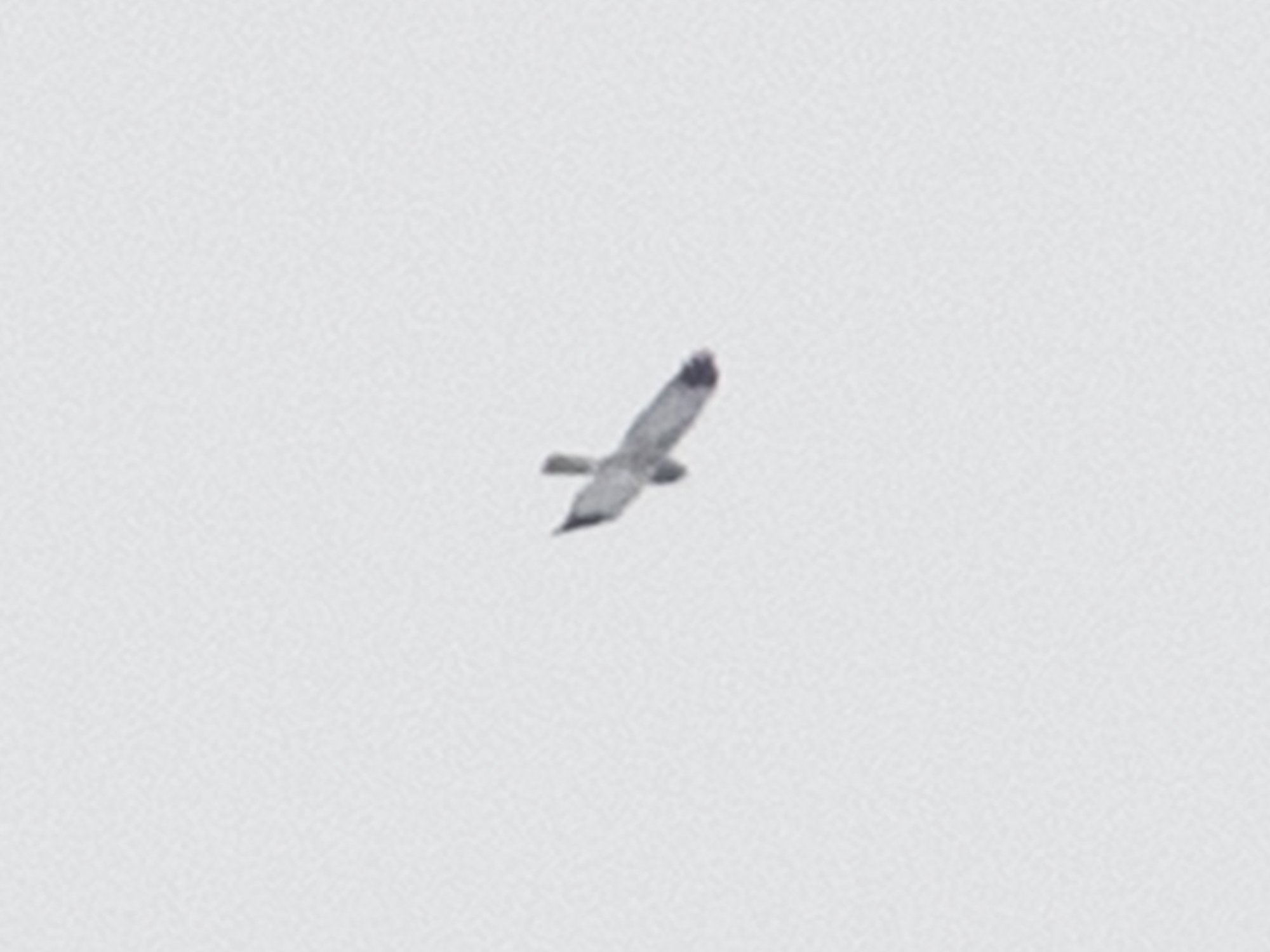
Another Whimbrel was feeding on the ground in the overspill car park near Reach Road, where I stood as I picked up a male HenHarrier gaining height above Fan bay, having presumably just come in off. A brief bit of mobbing from the local gulls and it continued NNE inland at height, the same line I’ve seen this species take here before. Poor pics below, shame it was miles away.
Back from Southern Spain with a bump, a moderate but very cold Northerly wind hit me as I climbed the cliff path early Sunday am. 2 WillowWarblers flitted along the bushes up the path which is usually a good sign that things arrived over night. Sadly the willow count didnt get higher than 6 but a bright male Serin was a good enough highlight. Initially heard calling from an unseen perch somewhere in fan bay it then flew NE and out of sight. Interestingly I had the bird again on another 2 occasions in a similar fashion – heard calling, seen briefly and gone , flew towards Dolphin’s leap and out of sight, fairly standard encounters for here!
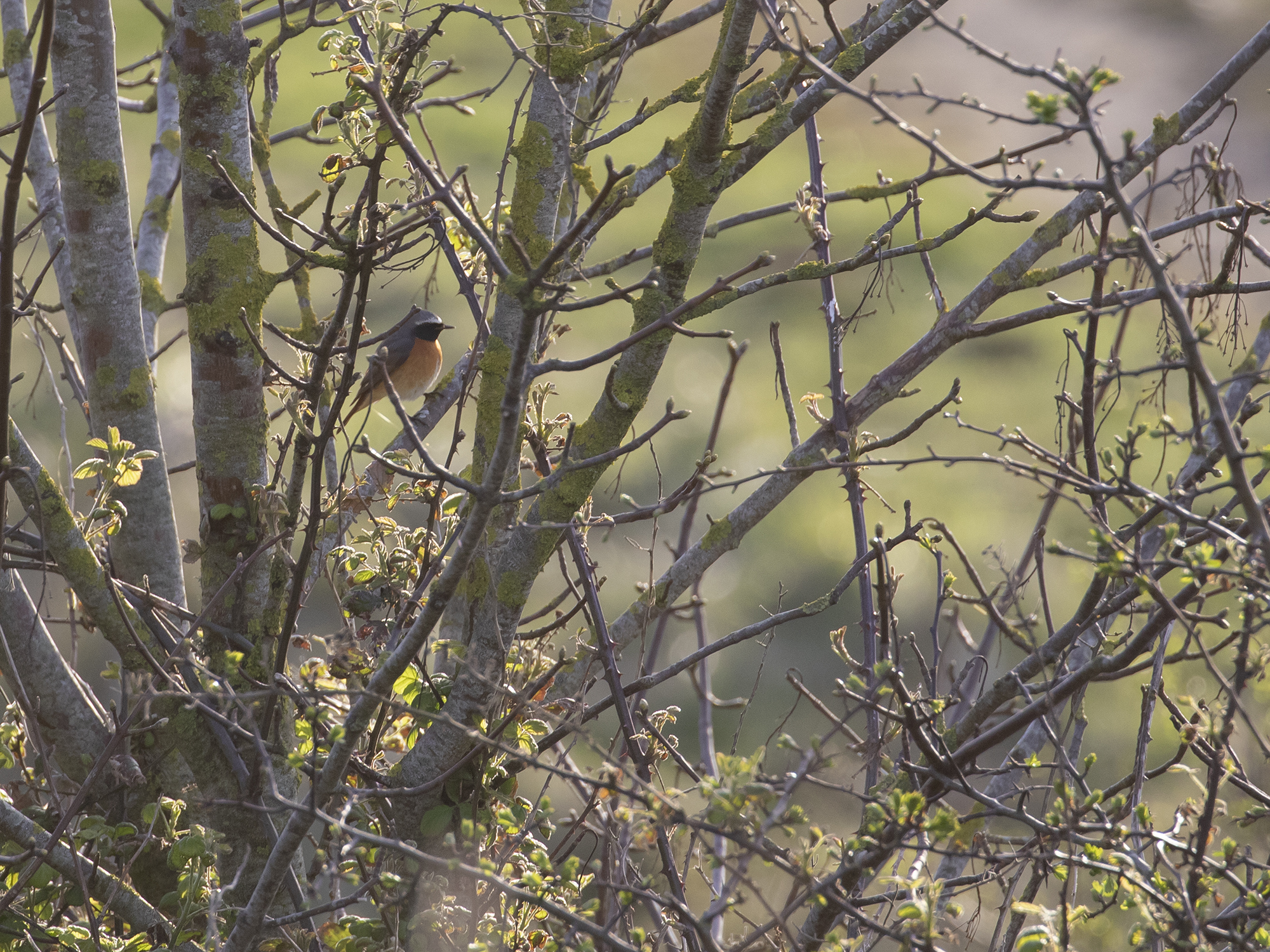
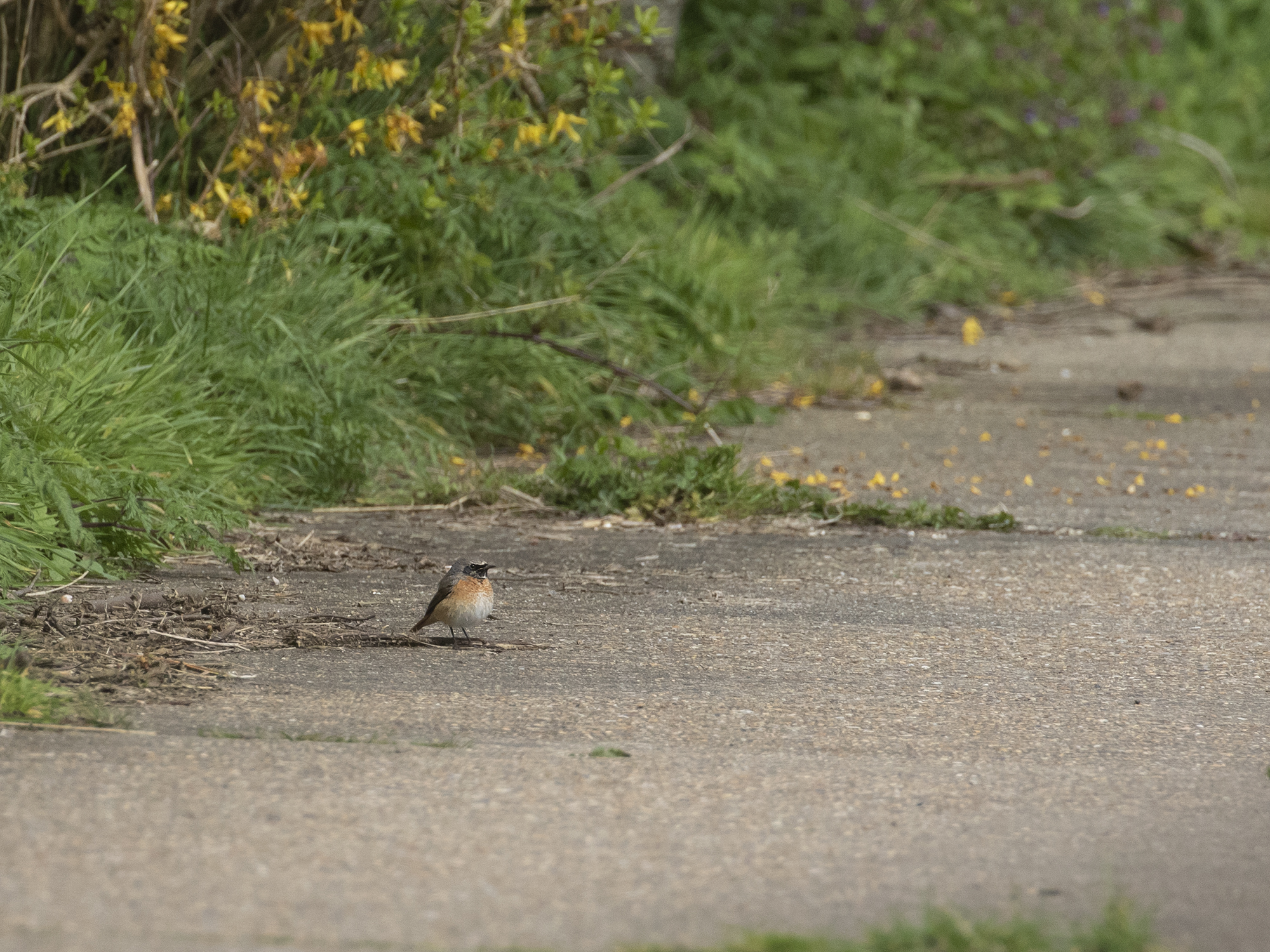
30 Siskin, A yellowwagtail over and a female CommonRedstart near the coach parking at langdon were the only other notables. 8 Lesserwhitethroats were counted singing.
Fast forward to Monday morning and a similar wind direction though not as strong, chilly but better birding conditions, though less Willow Warblers with only one heard singing in Langdon. I accidentally flushed a ShortearedOwl out of a hawthorn in Fan bay, which flew about breilfy giving lovely views before flying NE under the cliff top height.
A single Whimbrel flew noisily right over head, just before I realised there were 11 of them right on the cliff edge, they flew out to sea when they saw me.
A yellowwagtail, 2 Wheatears and about 25 Swallows were also noted.
The comparatively smaller numbers of WillowWarblers here in spring have occasionally been a sore point for me, but this spring has so far been was an exception with today especially so! A conservative count of 29 between Langdon cliffs and South Foreland is my highest day count in spring (previously 15) . A foggy morning with a moderate SW breeze – goes to show how good poor visibility can be here.
Other notable birds were a Nightingale singing under the Radar at Langdon and a CommonRedstart in the Valley, both picked out of the murk by Peter E who was out and about this morning.
More murk this evening and a light southerly tomorrow first thing…
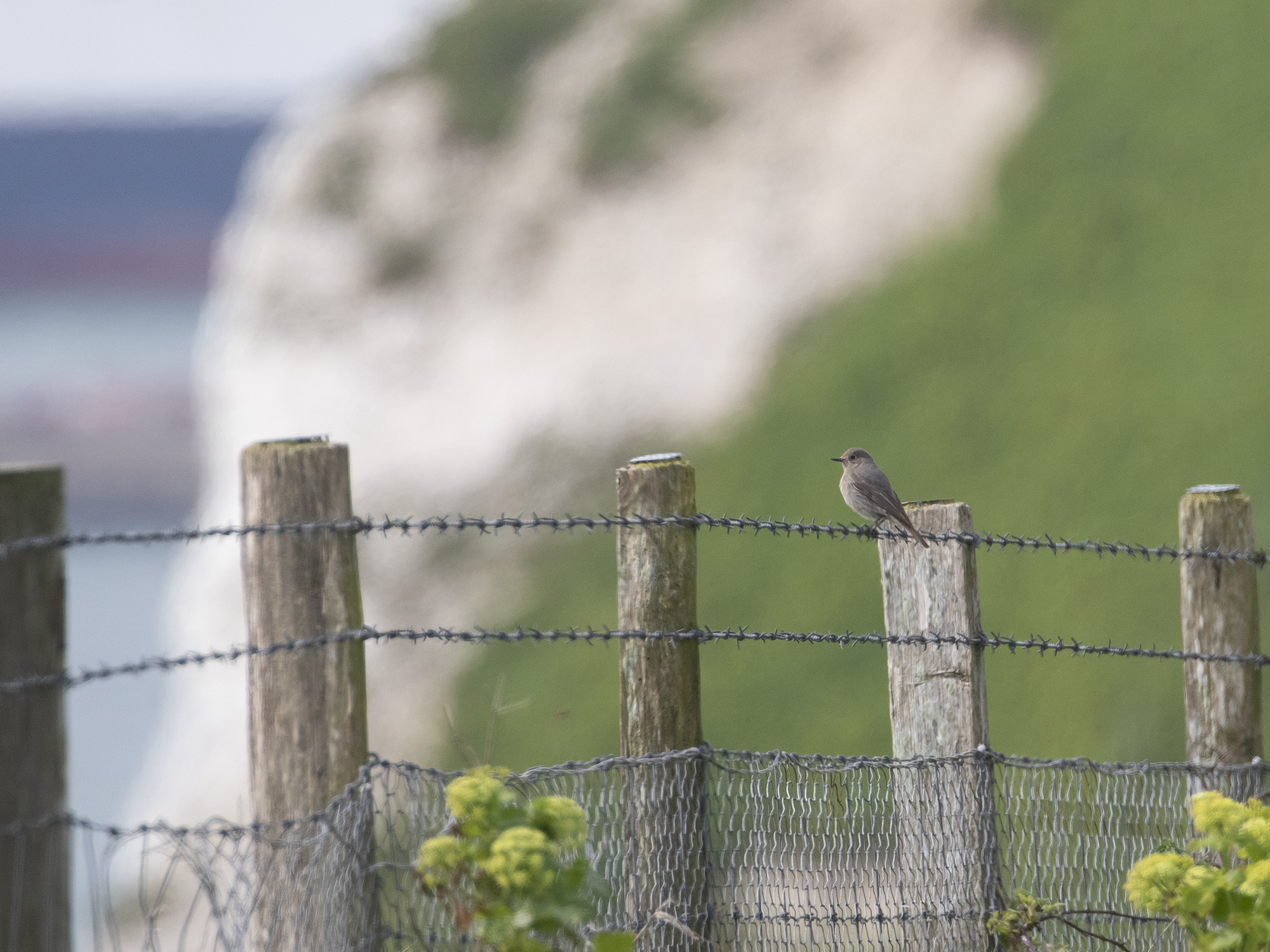
A clear night and a calm morning with light WNW winds, a BlackRedstart was singing and a LittleEgret flew East along the cliffs as I drank my coffee in the garden whilst the sun came up.
Highlights up the cliffs were limited to a nice male CommonRedstart, 2 Willowwarblers, 2 Whitethroat and a single Redpoll in langdon.
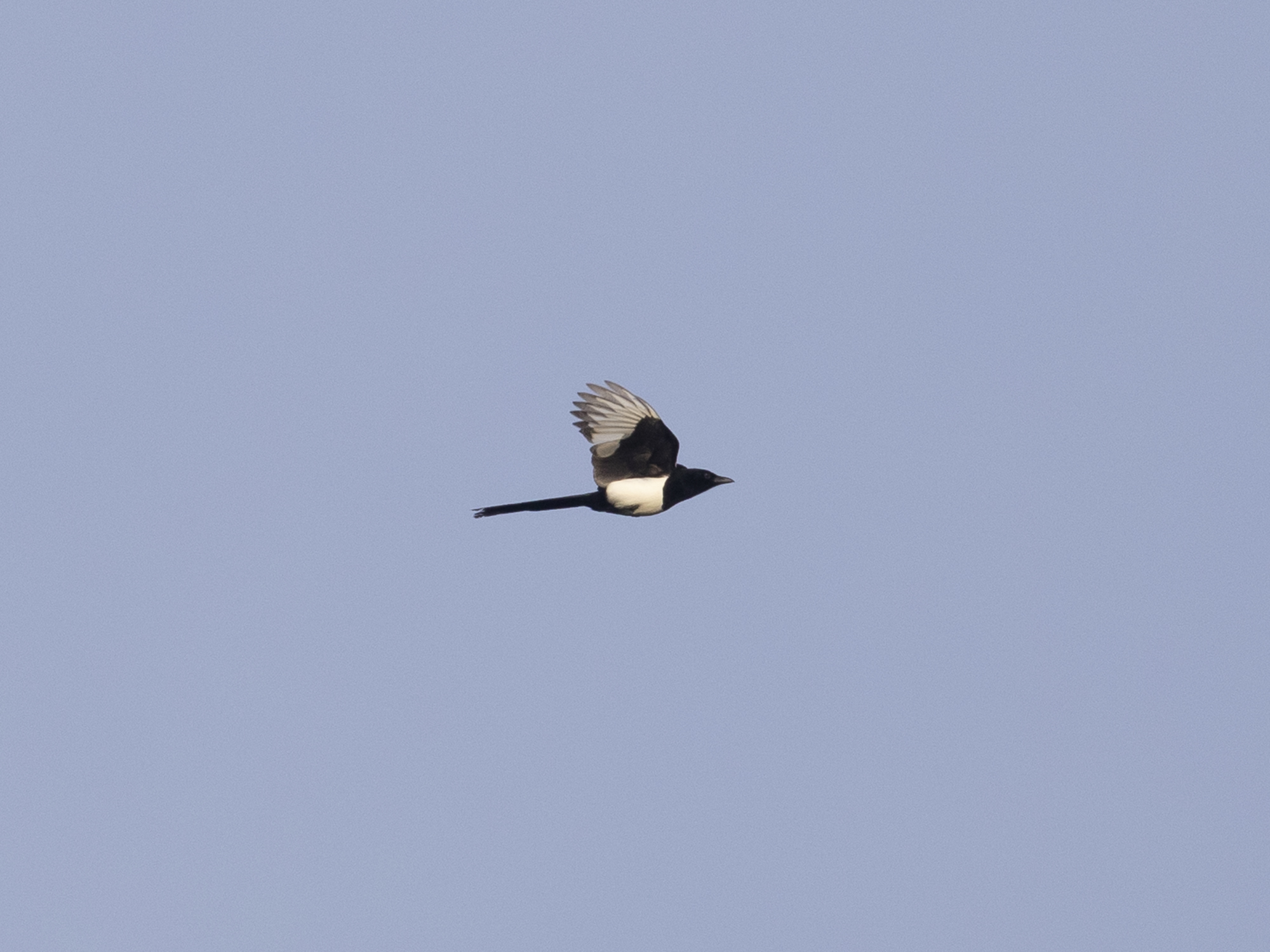
I noticed a group of 8 Magpies flying high and North East and decided to count the ones I saw moving for the rest of the morning; I ended up on 48, mostly in small flocks all heading North. This, along with 11 SparrowHawks West (on the 8th) are the kind of thing I easily overlook and often only noticed if numbers are moving, although I really enjoy them.
another 5 or so CommonWhitethroats were singing around the patch, 3 YellowWagtails came in off the sea, 2 WhiteWagtails North, My first speckled wood and Orange tip butterflies of the year were seen and a single Swallow flying west into the wind was the only hirundine noted.
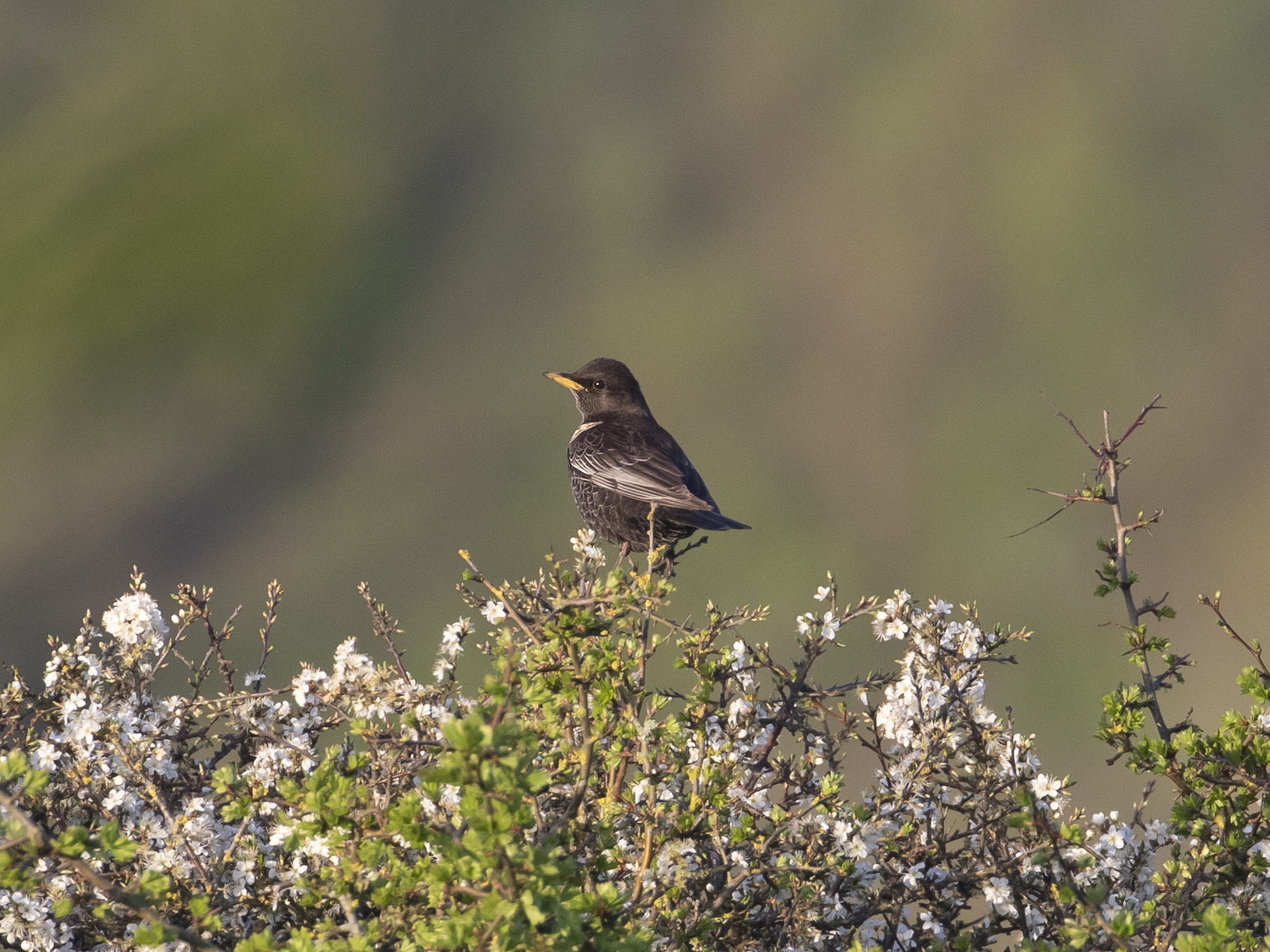
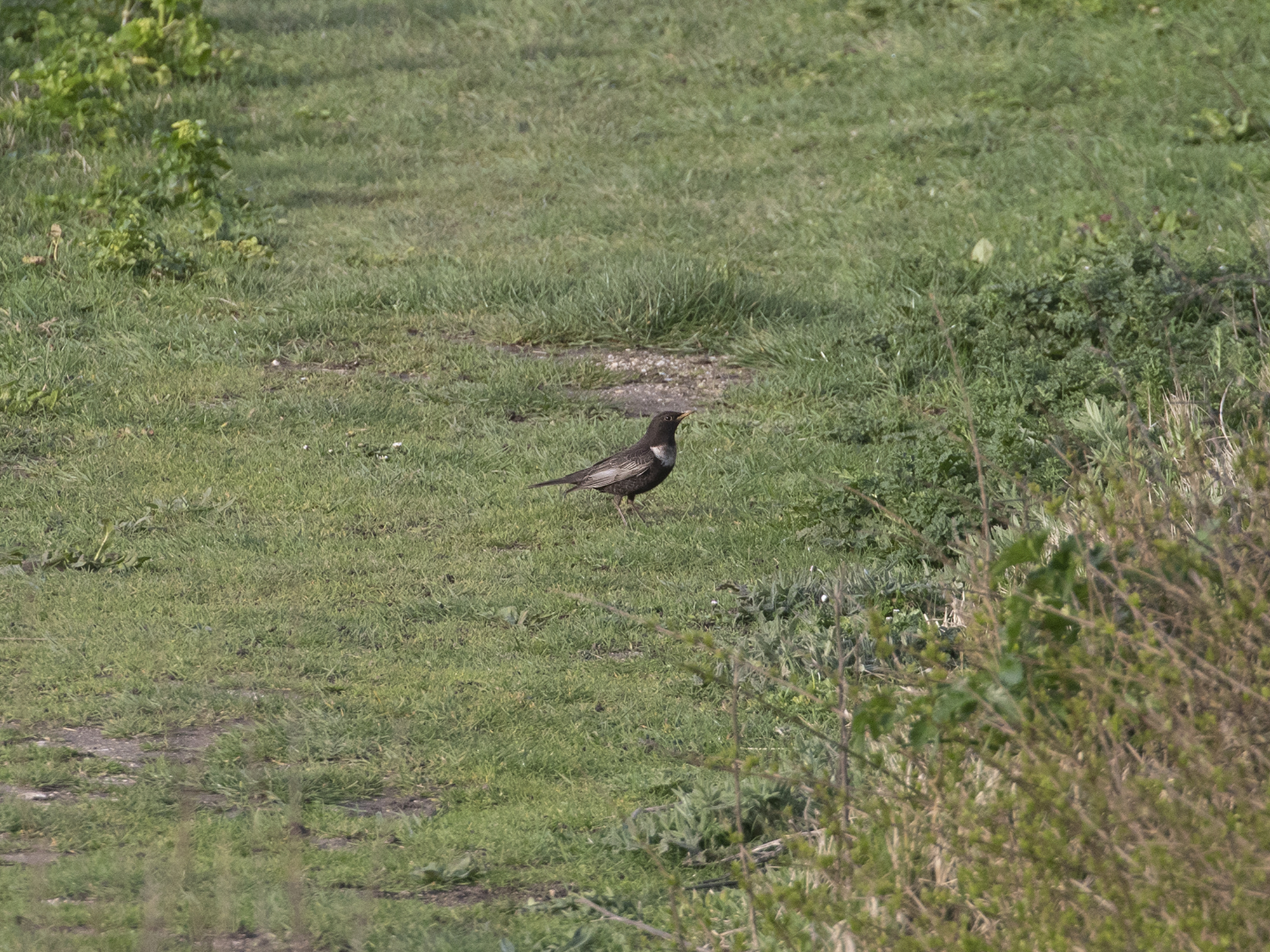
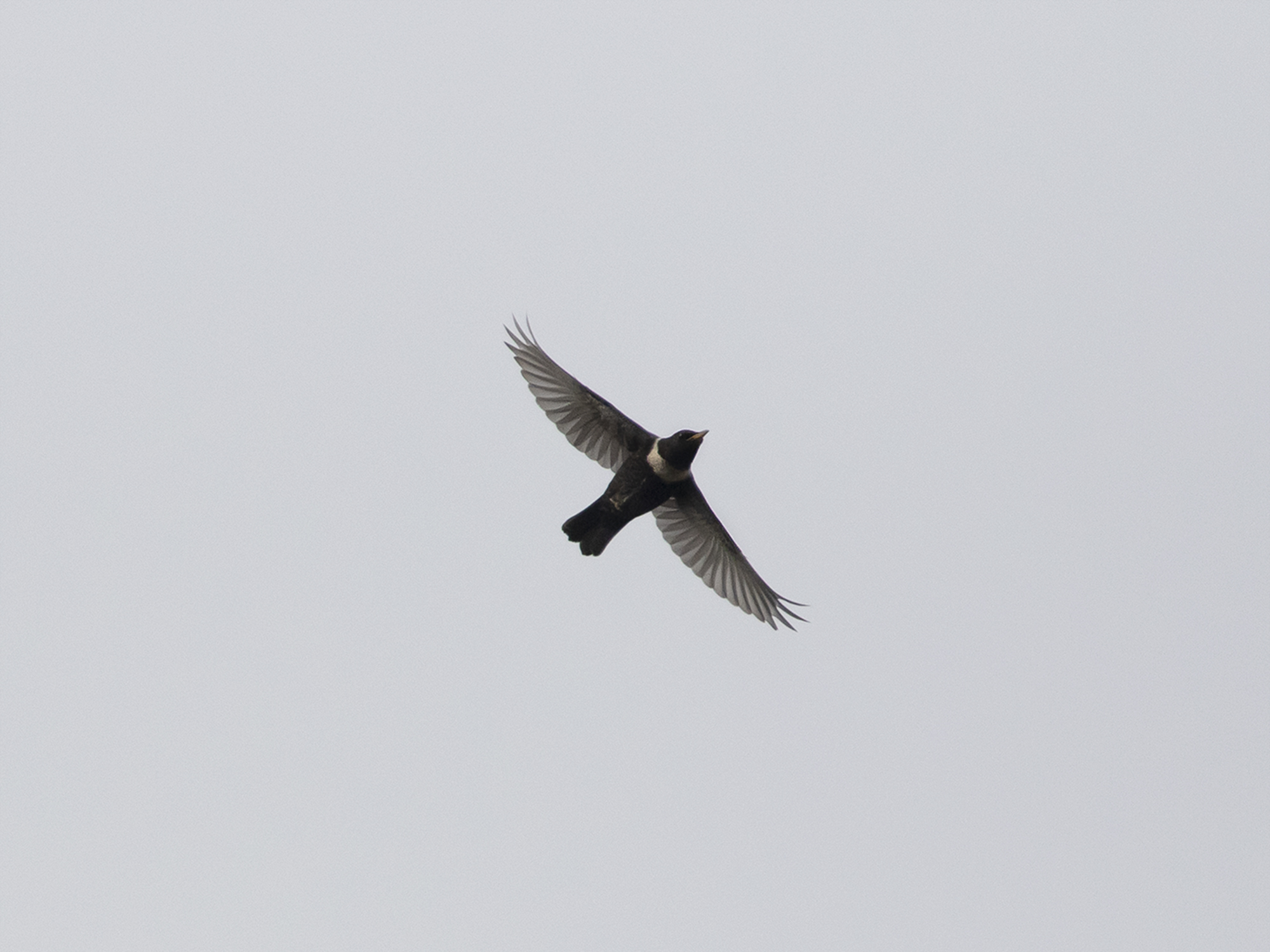
Another day of strong SSW winds with a few notable arrivals but nothing spectacular in terms of numbers. A BlackRedstart was singing from the end of my road at first light, A RingOuzel on Fox hill down was the first bird I put my bins on.
2 WillowWarblers were in Langdon as was my first CommonWhitethroat of the year, another Whitethroat in Fan bay along with a fantastic singing Nightingale (video below.)
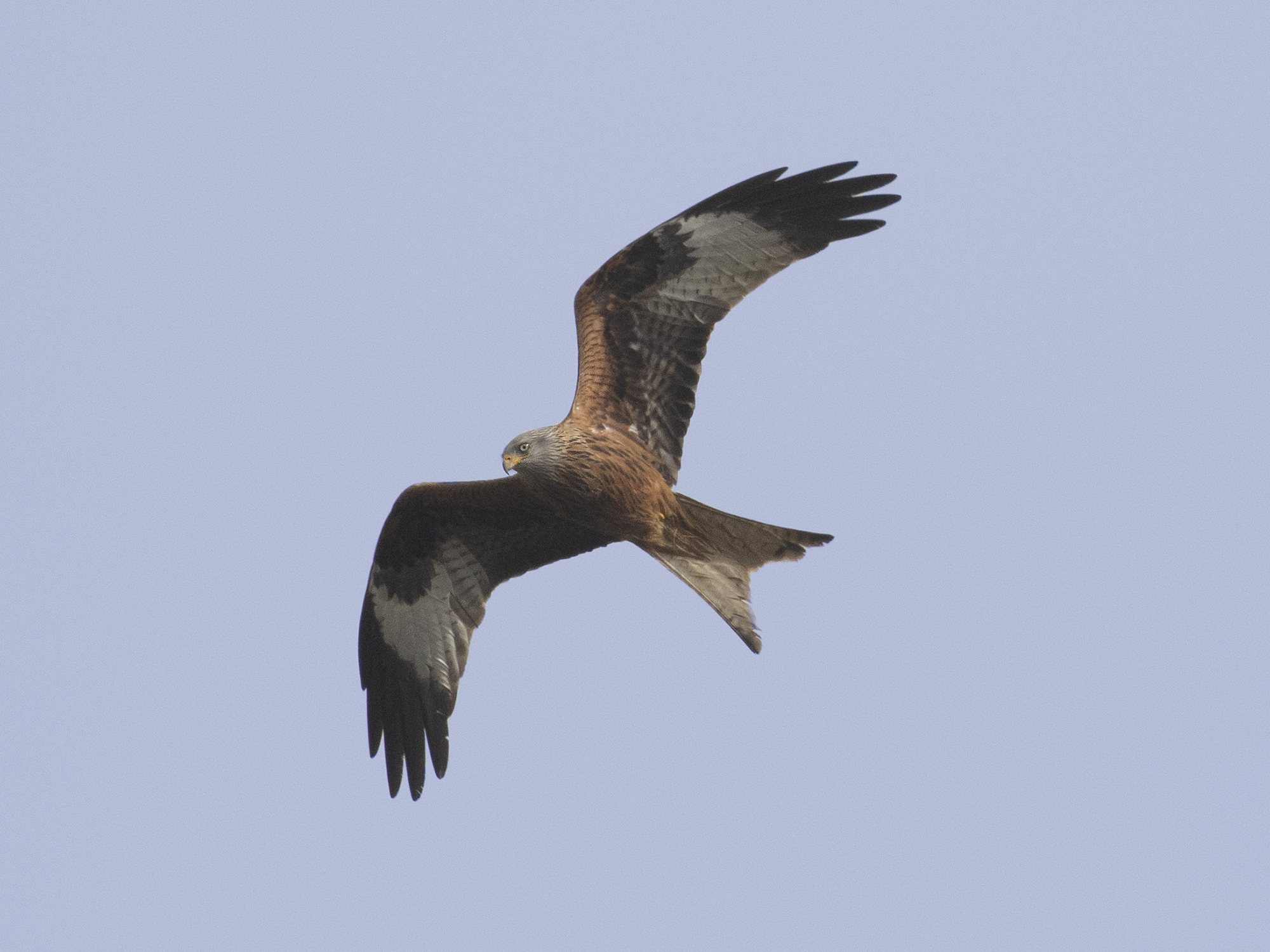
Another BlackRedstart (fem type) was above fan bay, 2 Woodlarks flew West over Lighthouse down, I countd 13 Swallows also West throughout the morning, a RedKite flew North East over the top fields and 4 Wheatear were dotted around the site.
Strong southerlies and at last direct airflow from the continent provided the best morning so far of the spring up the cliffs. Highlighted by a smart male Blueheadedwagtail that flew West over Light house down.
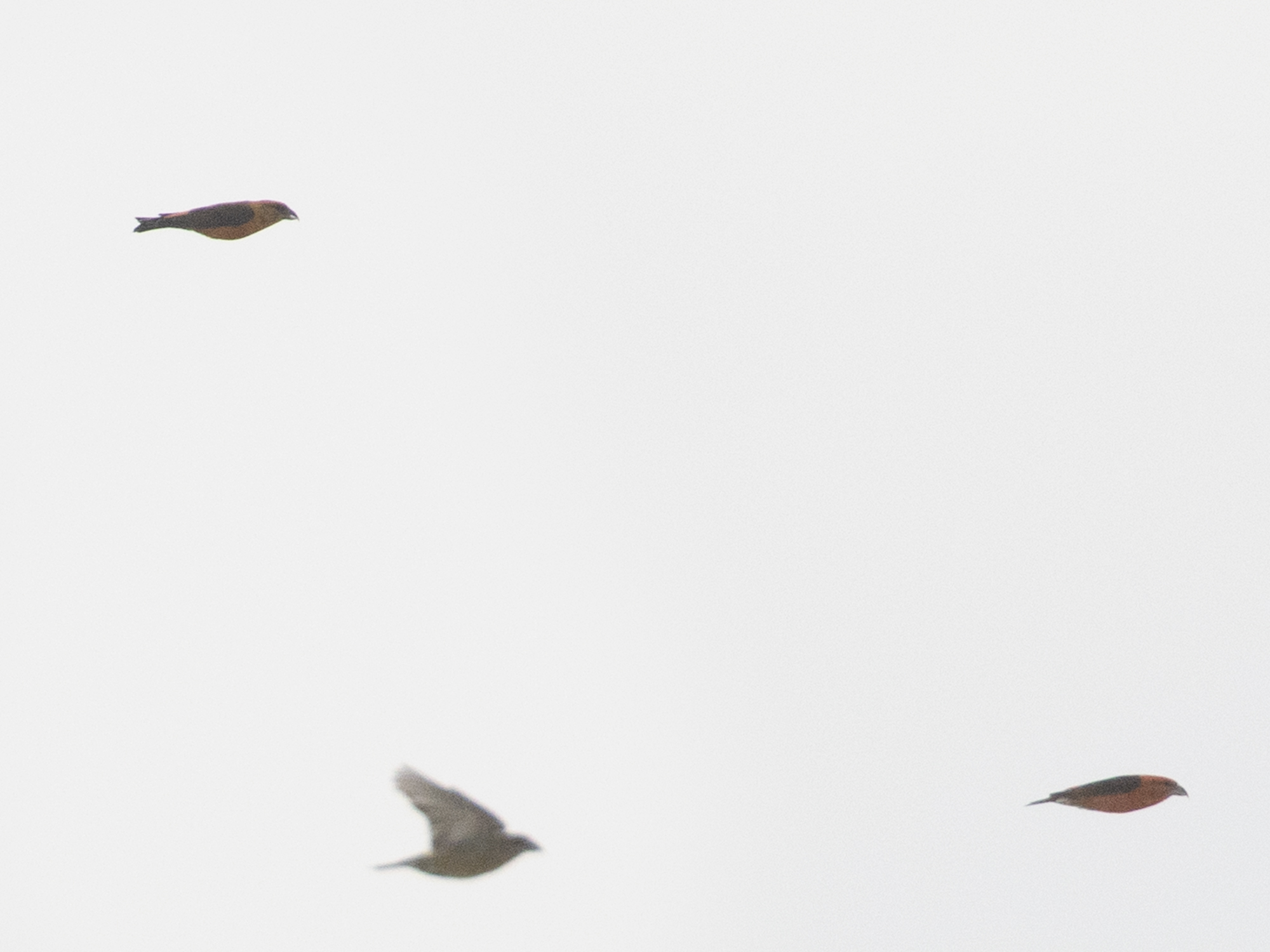
Slightly over due and the first Ive seen well enough around here. Other highlights were a male RingOuzel in Fan Bay, 13 Crossbills & c90 Siskin west, Russ called to say he had a male commonRedstart at Sherley’s farm which I nipped over to see. The first singing BlackRedstart for me in a while, 5 Swallows North a single Firecrest in the wood aswell as my first male Wheatear of the year near Reach road.
The sea was fairly quiet as per but 9 Brents and c50 Sandwich terns North whilst many Gannets and a party of 7 CommonScoter were moving south (!?)
A willowWarbler in Fan bay on the 4th was my earliest here, my first Swallow of the year came in off the sea just after, Ive since had a party of 10 Swallows arrive in over the harbour on the 5th and another 4 flying around over town just before that.
Ive been greatly looking forward to spring and am so happy its here.
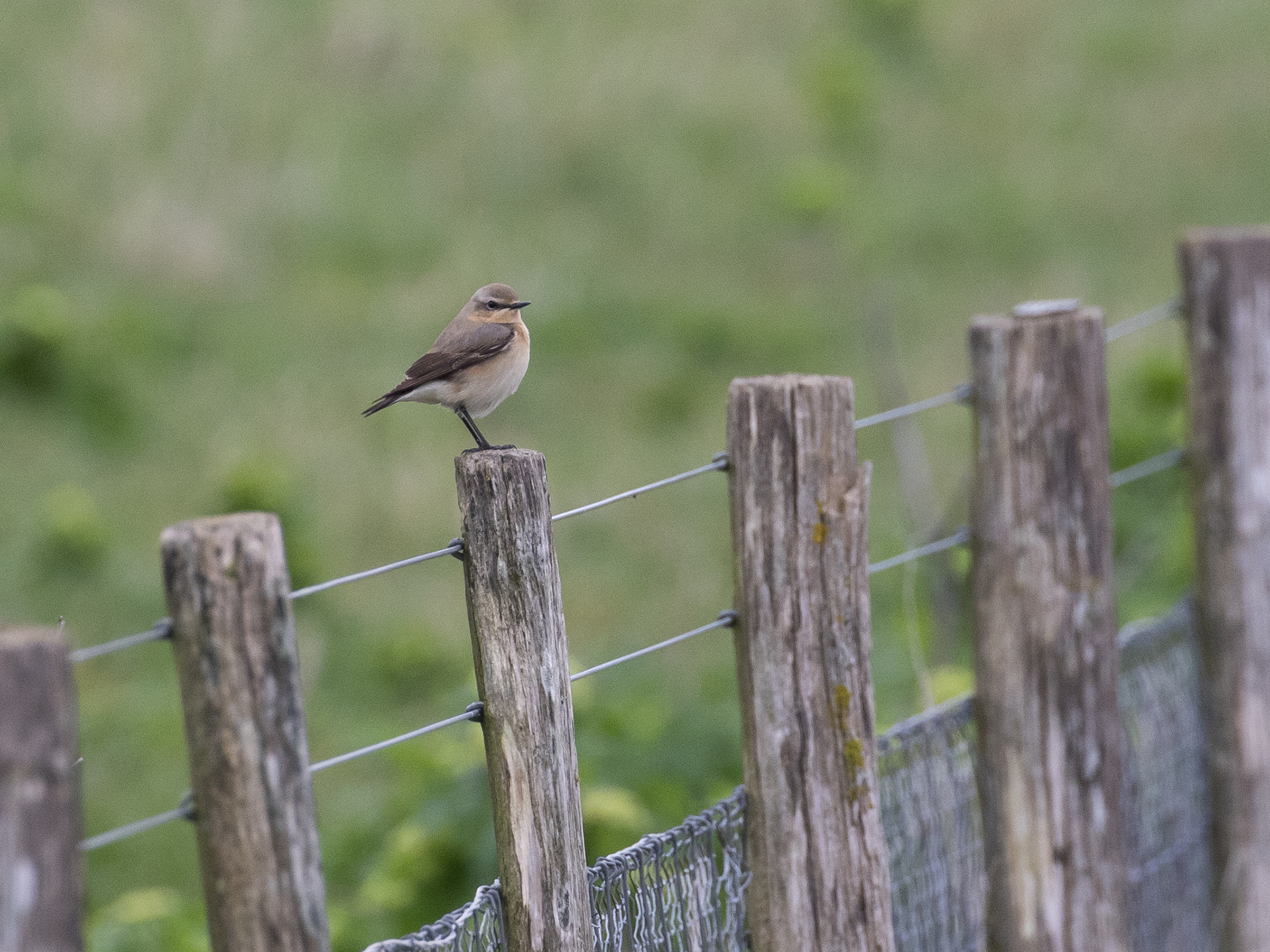
Not my earliest here but still a welcome sight in my brief walk up the cliffs this morning, a female Wheatear hopped along the fence line at Fan Bay along with 4 Stonechats. 14 Chiffchaff across the site 6 of which seemed to be recently in and feeding up, a few of which were wearing their early spring pollen horns.
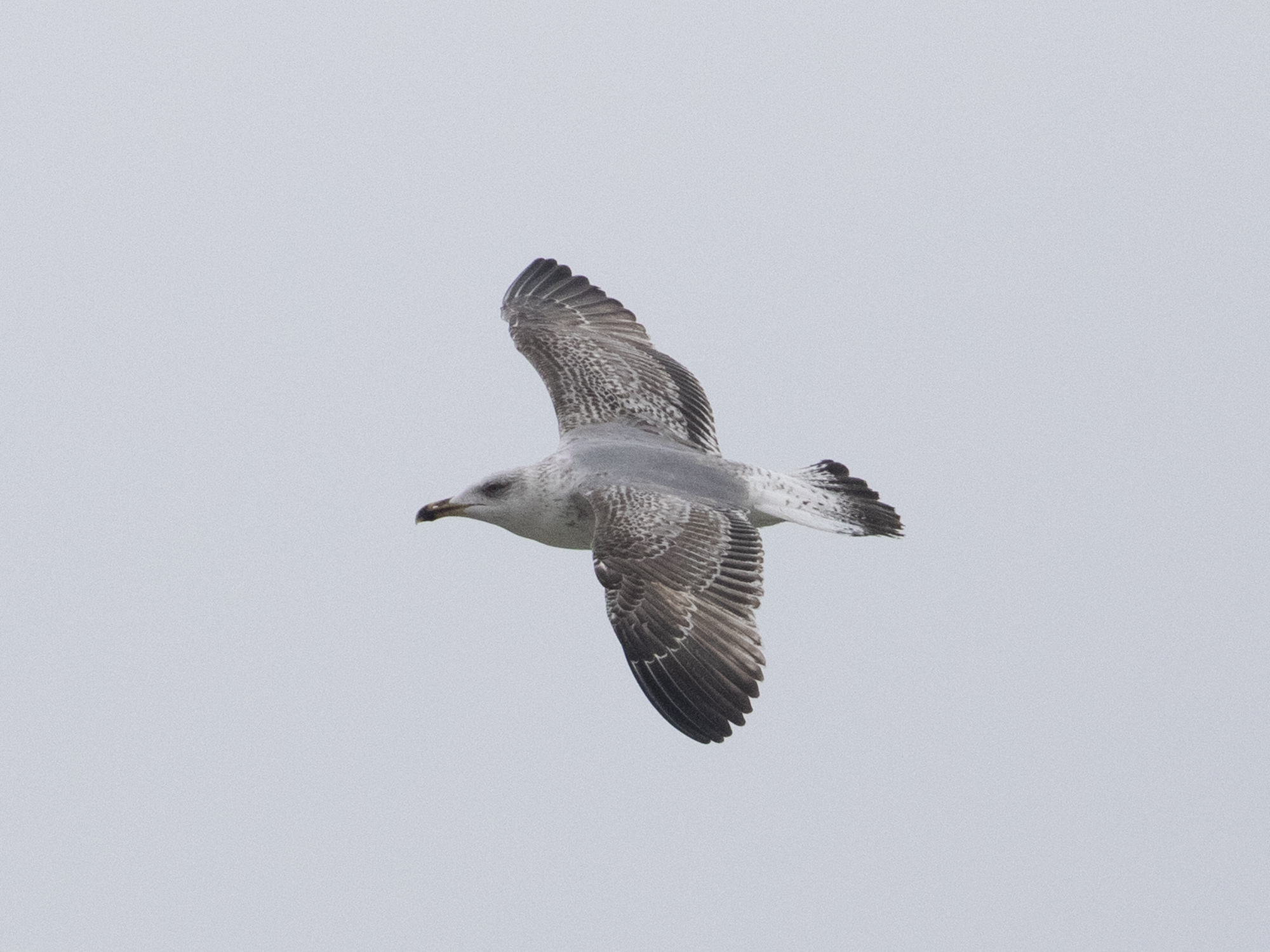
The Peregrines co-caught a Woodcock over the sea at Lighthouse down, where a 2nd winter YellowLeggedGull flew along the cliffs, a few Meadowpipits and siskins arrived in off here but little else. No chaffinches in any number yet for me this spring.
A warm sunny 20th of March, a light SE breeze and seemingly a few RingOuzels in Kent today and y’day, earlier dates than I’ve seen them by 2 weeks or so here but a noisy male in Langdon Hole first thing followed by another at the South Foreland end of the patch were both lovely to see.
No Wheatear or hirundines yet, but today felt like the tides had turned, 2 WhiteWagtails West along the cliff tops, 4 Chiffchaff and 2 Firecrest in the wood and valley, a Vocal TawnyOwl in bottom wood, A brave lone Lapwing flew along the cliffs at langdon, seemed to survive as i saw it/one over the farm 15 mins later. GreyPartridges somewhere up top, up to 13 CommonBuzzards in a kettle over the farm plus another kettle of 8 and another of 11… not sure how many birds involved really. 3 RedKites plus 4 Sparrowhawk and active local Peregrines .
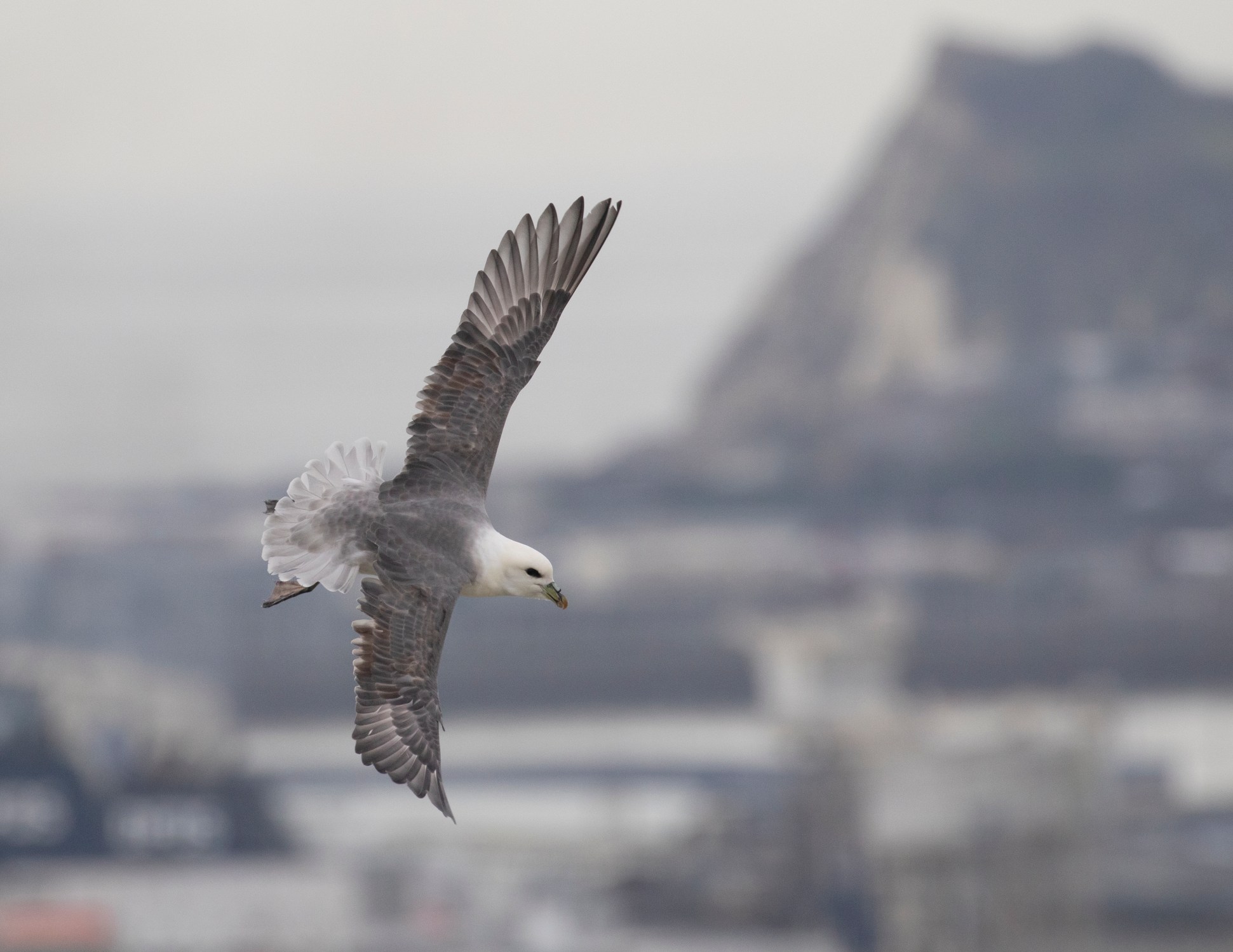
Local Fulmars are being entertaining, I’ve paid so much more attention to them recently especially the pairs on the cliff above my house, such a great bird. A pair took up residence on last years Ravens nest over the winter…they’ve since been booted off of course.
Ive been working away alot and going away again tomorrow for more work but will be about pretty much all of april and may, looking forward to the daily routine of the cliffs.









 PERDIX BIRDER