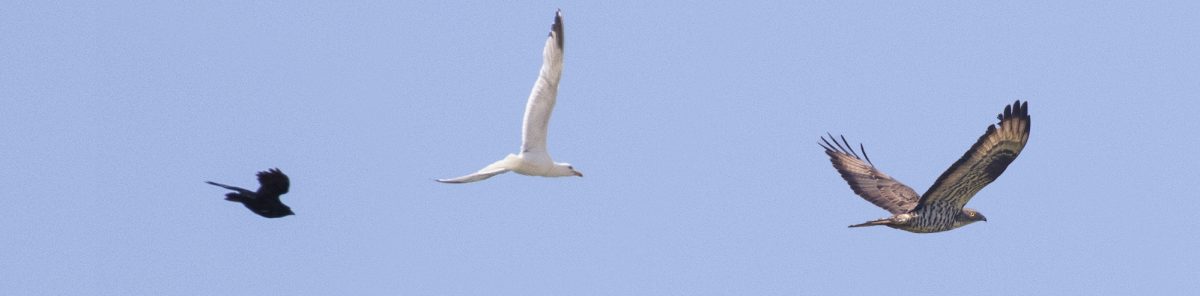
I’ve not done one of these blog posts for a while, despite several visits to Hong Kong every since my last post on the place, I thought they’d got abit repetitive. However, heres a photo dump from my recent visit, I tend to photograph things that take my fancy. An excellent place to bird, I visited Long valley 3 times and Mai Po once during my stay there. The tide was good at Mai po for the morning but a strong heat haze on the mud from the floating hides made photography abit frutstrating so I didnt bother with the camera much there.
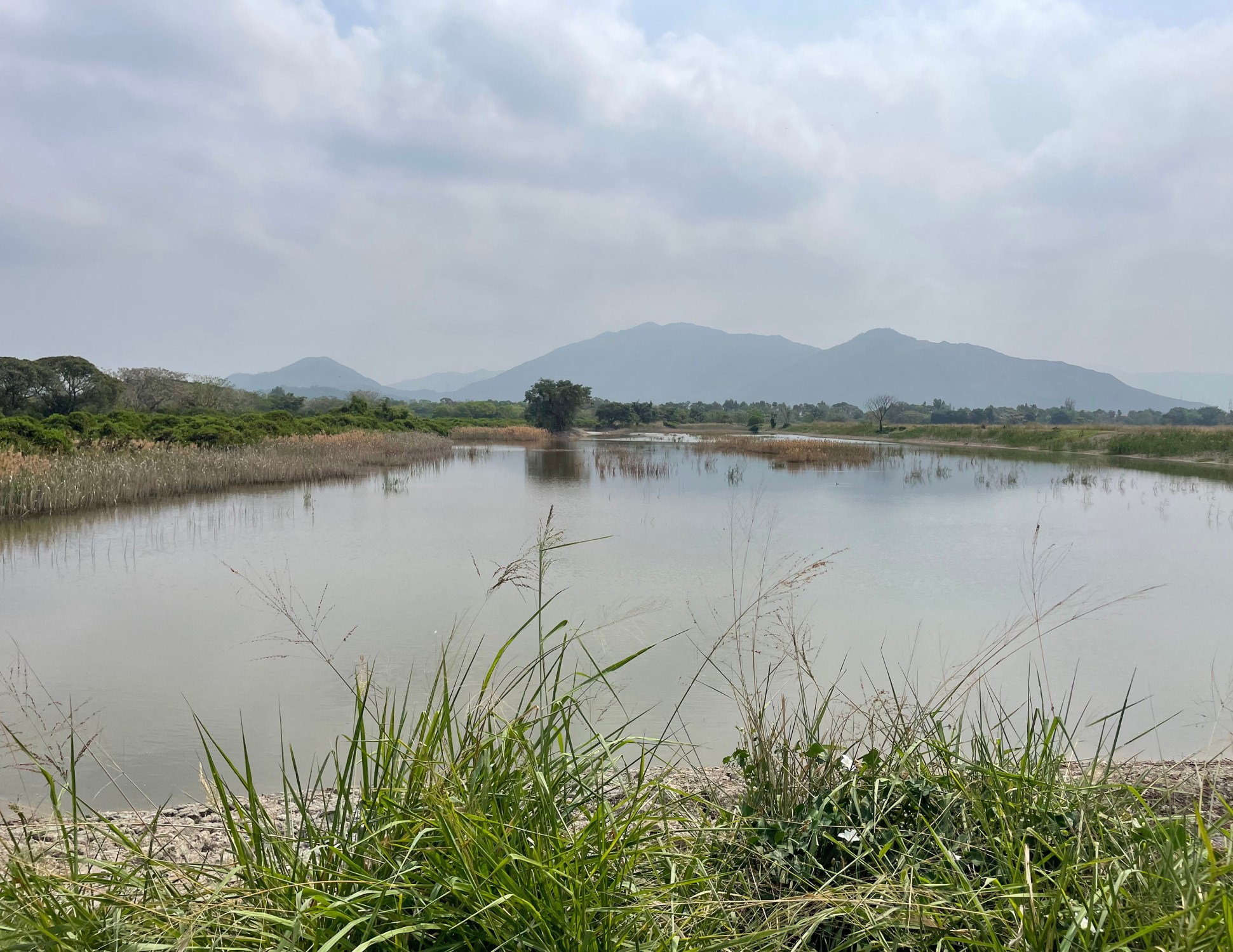
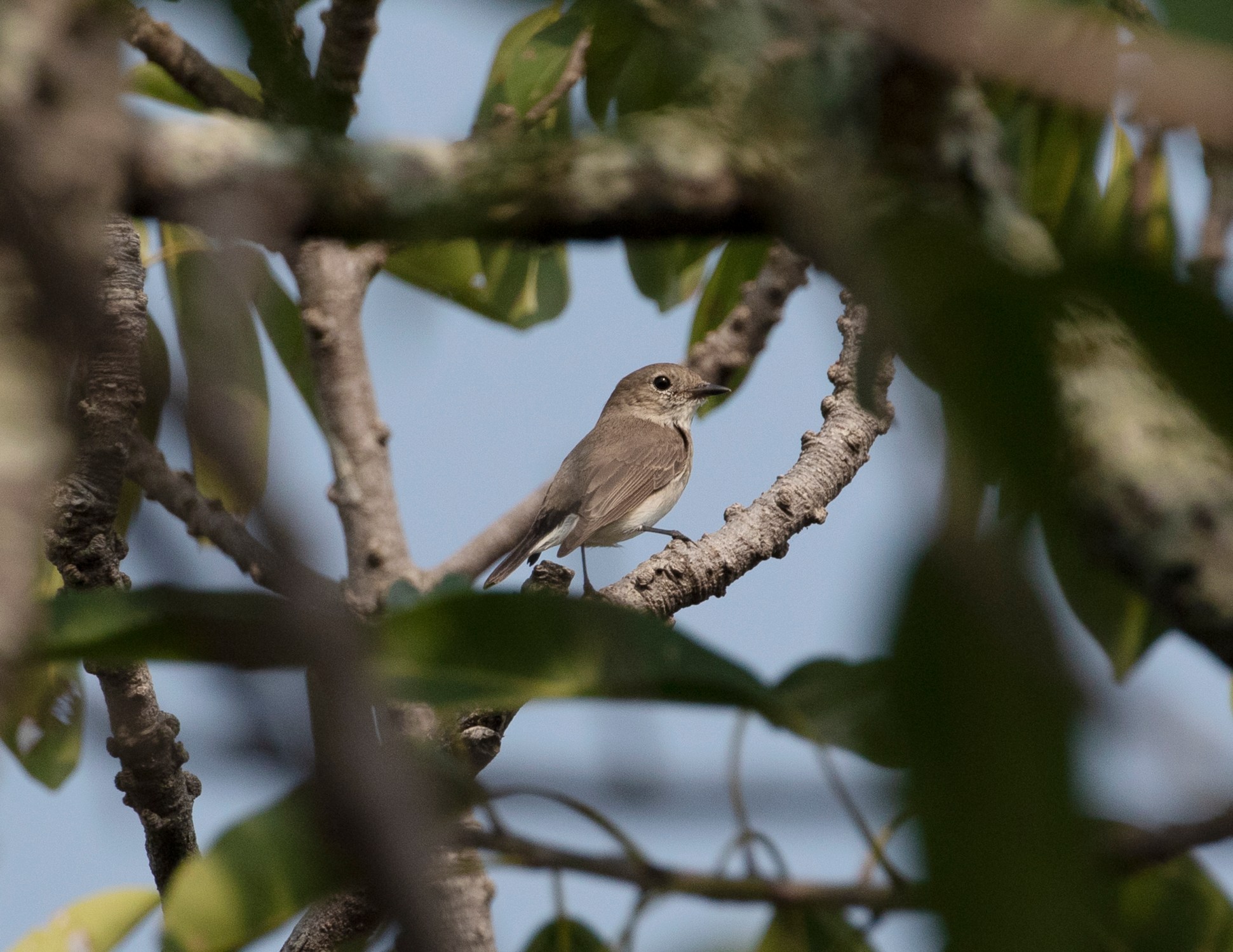
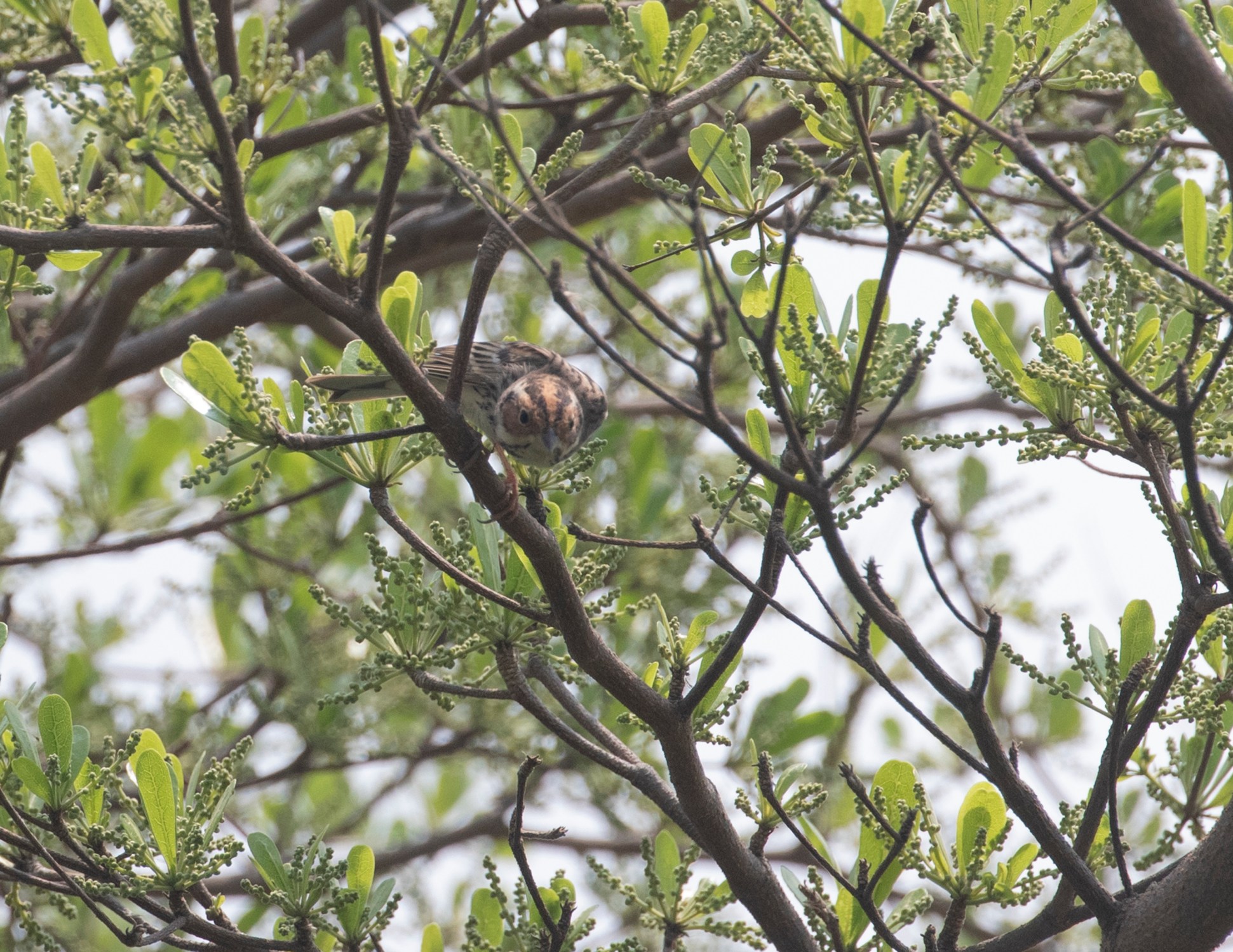
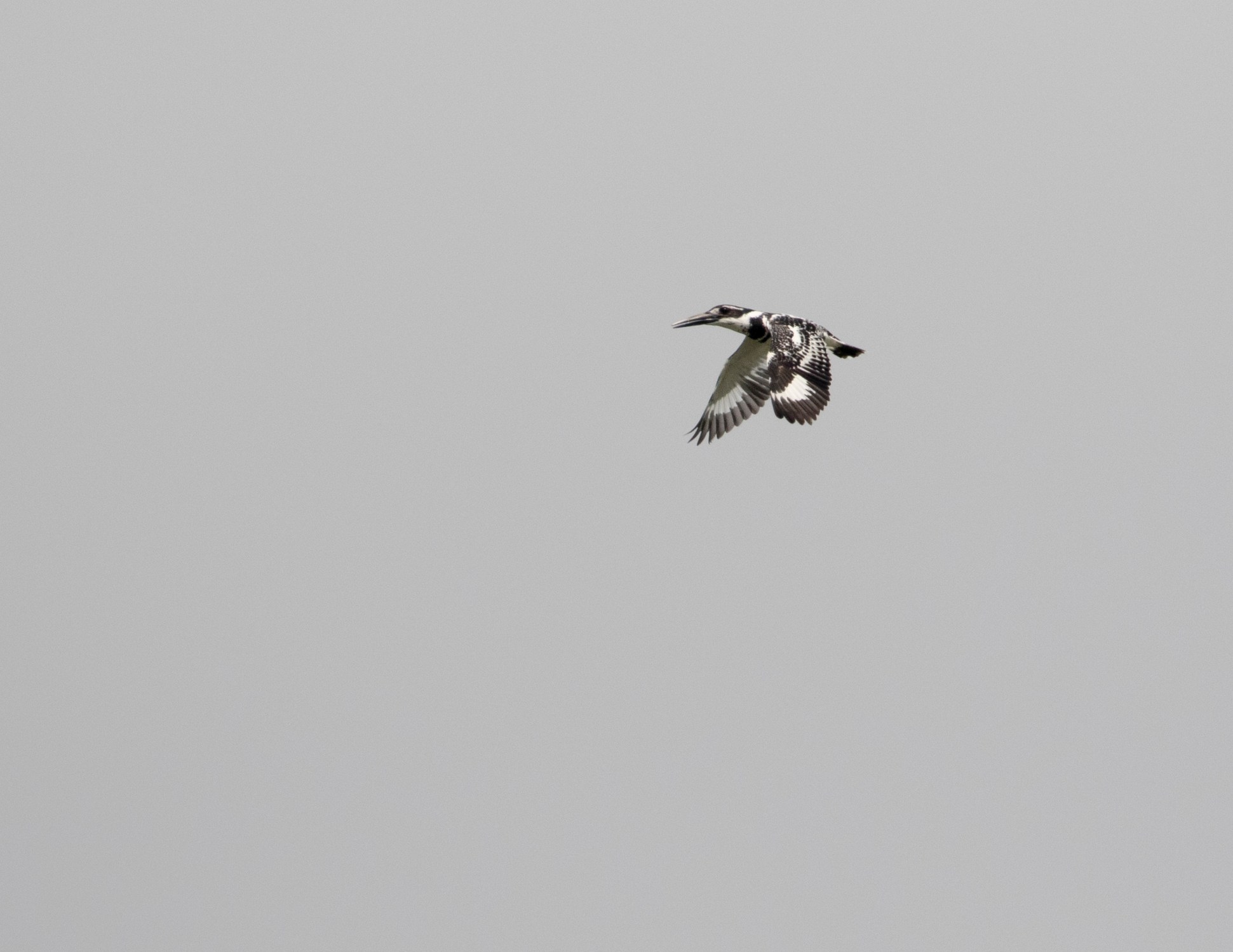
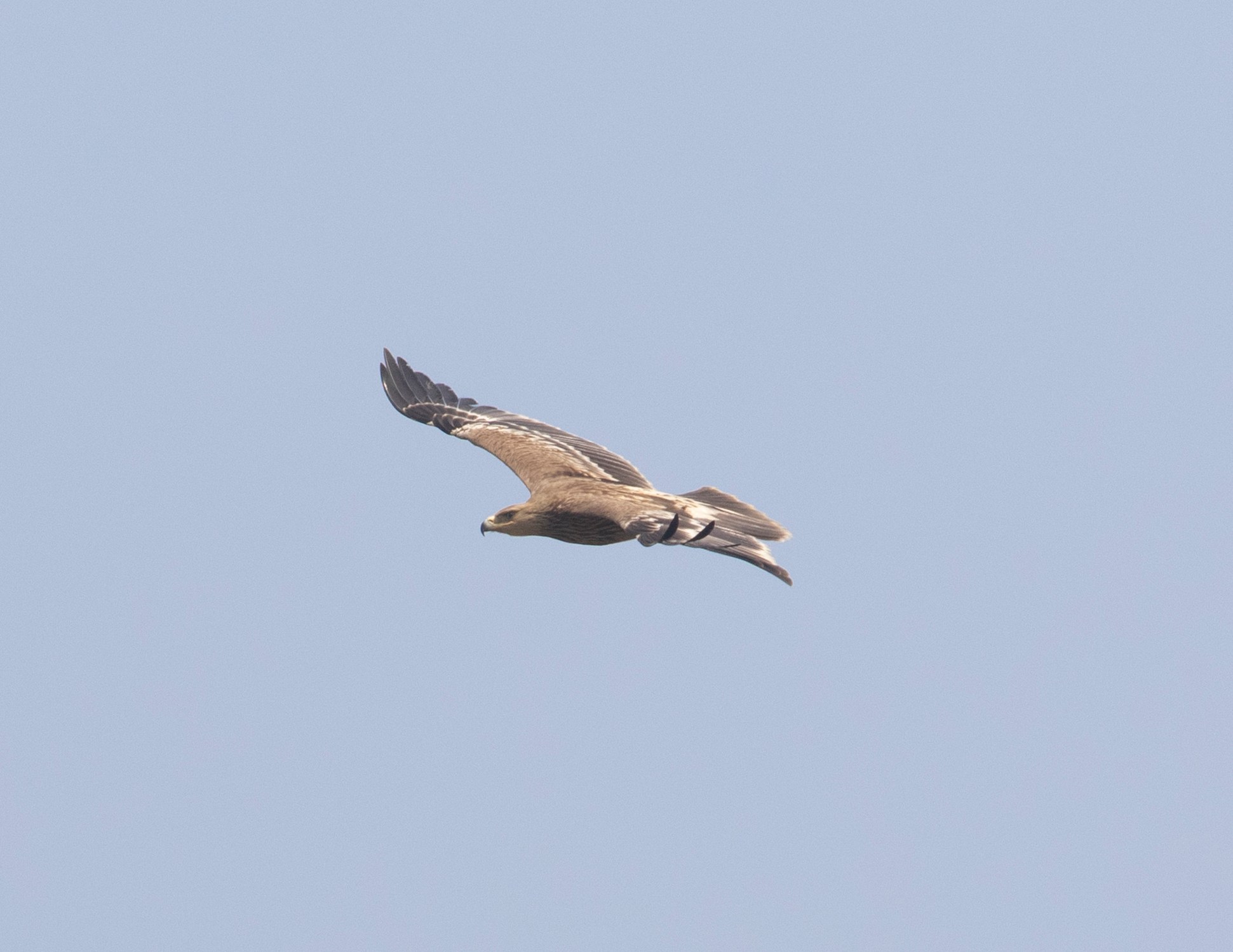
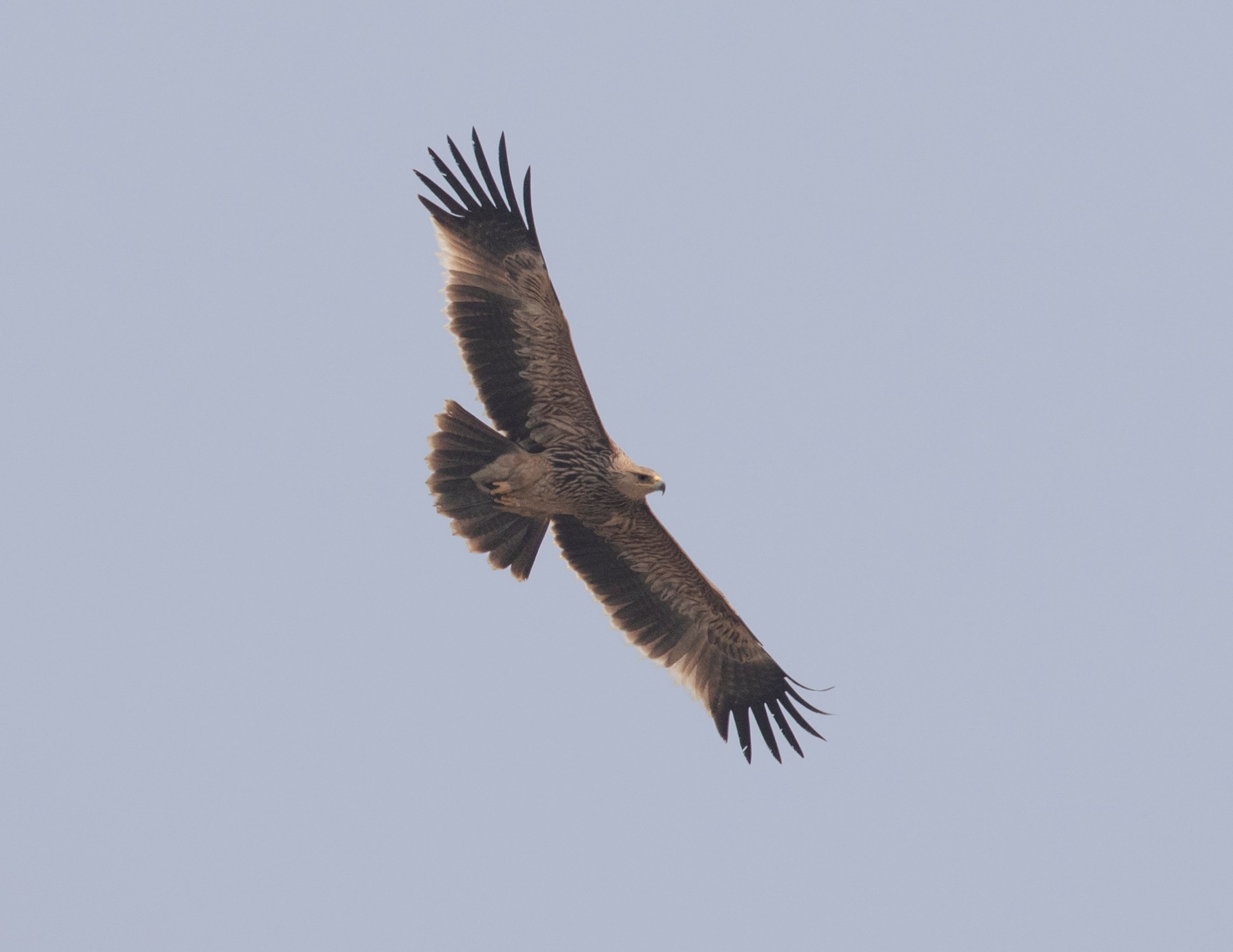
The walk to the floating tides was highlighted by the below: numerous Black-winged stilts, a few Tiaga Flycatchers, a Little bunting among several Black faced buntings and OBP’s that flush into trees as you traverse the path from the main gate, noisy Pied Kingfishers here and there and an impressive 1st winter Eastern Imperial Eagle that I saw 3 times over the morning.
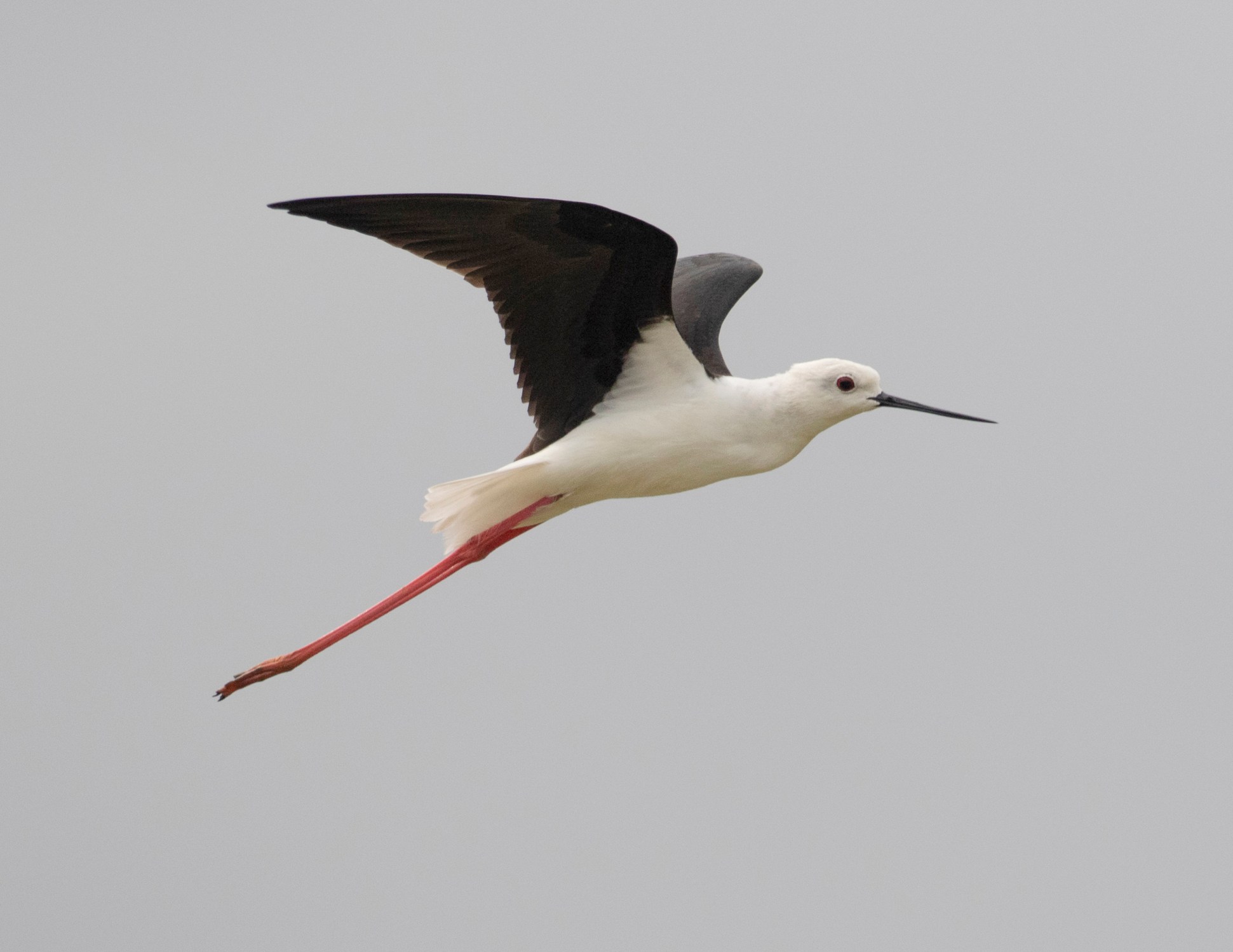
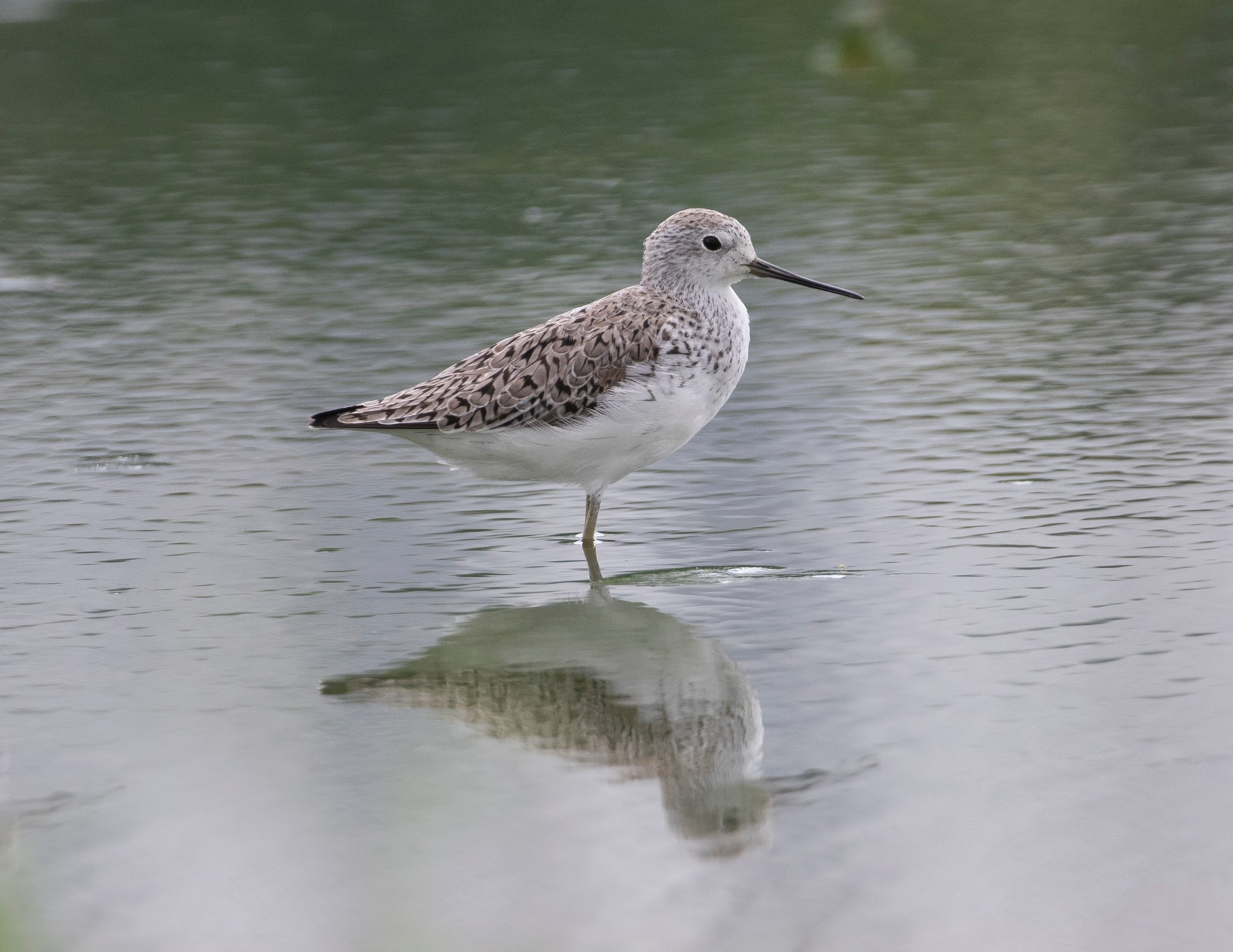
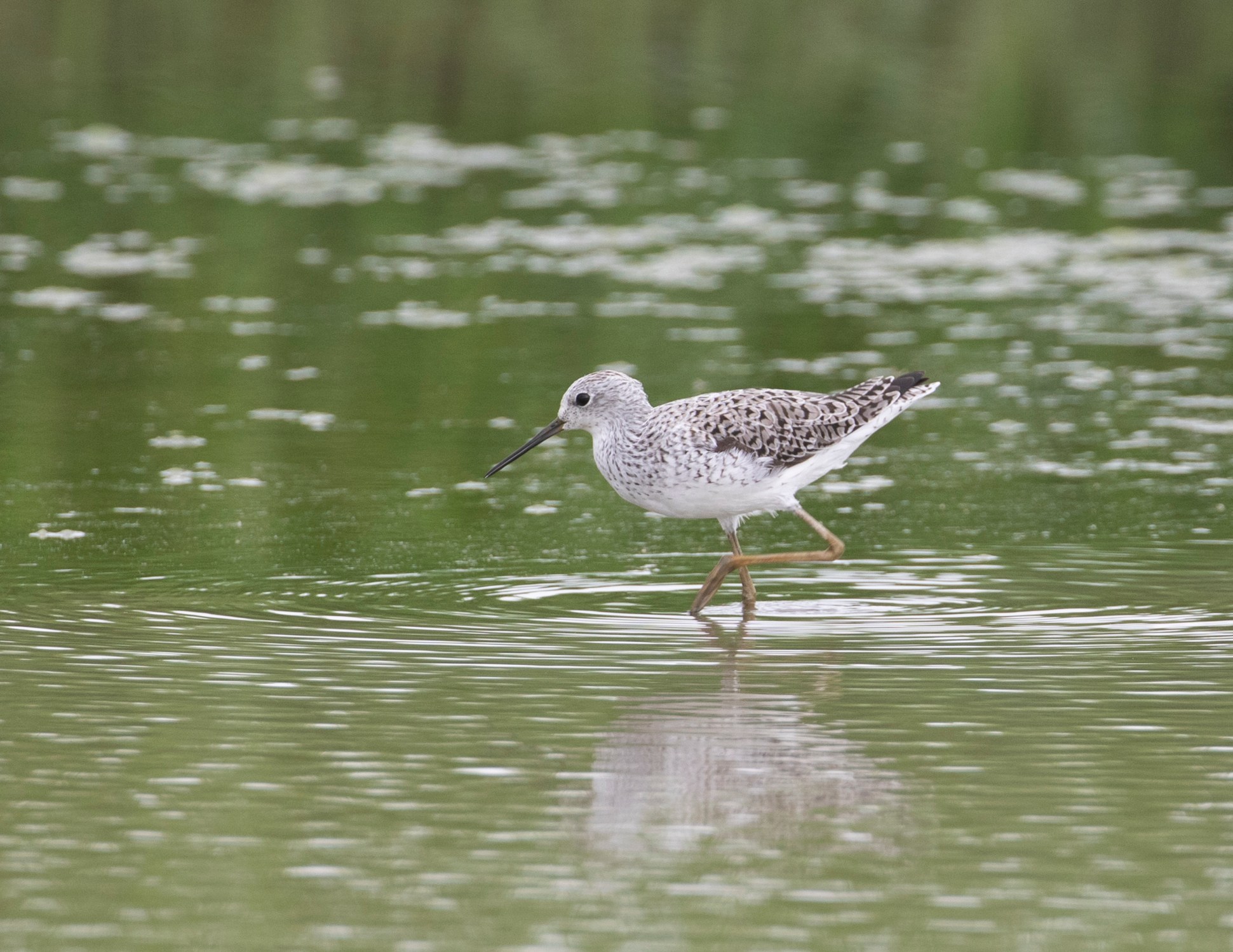
Long Valley has been modified into a nature reserve since my last visit, whilst still working farmland and paddy-fields it is managed for wildlife and essentially a large wetland area with decent areas of scrub too, an elegant Marsh sandpipier below, common at all wetlands I’ve visited in HK.

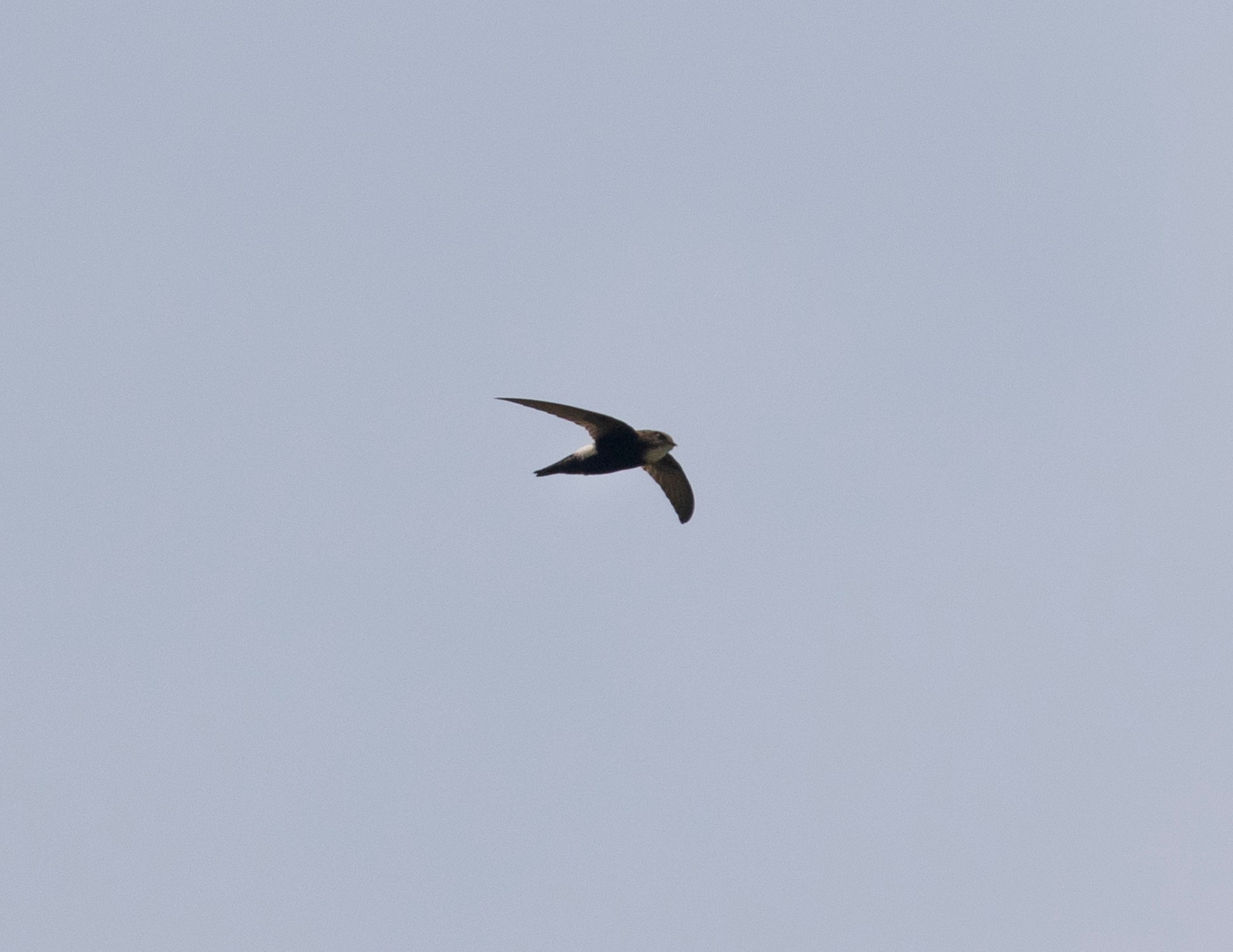
Some visits were better for migrants than others, one day in particular saw good numbers of Barn swallows passing through with smaller numbers of Eastern Red-rumped swallows and House swifts (below), Oriental Pratincoles too.
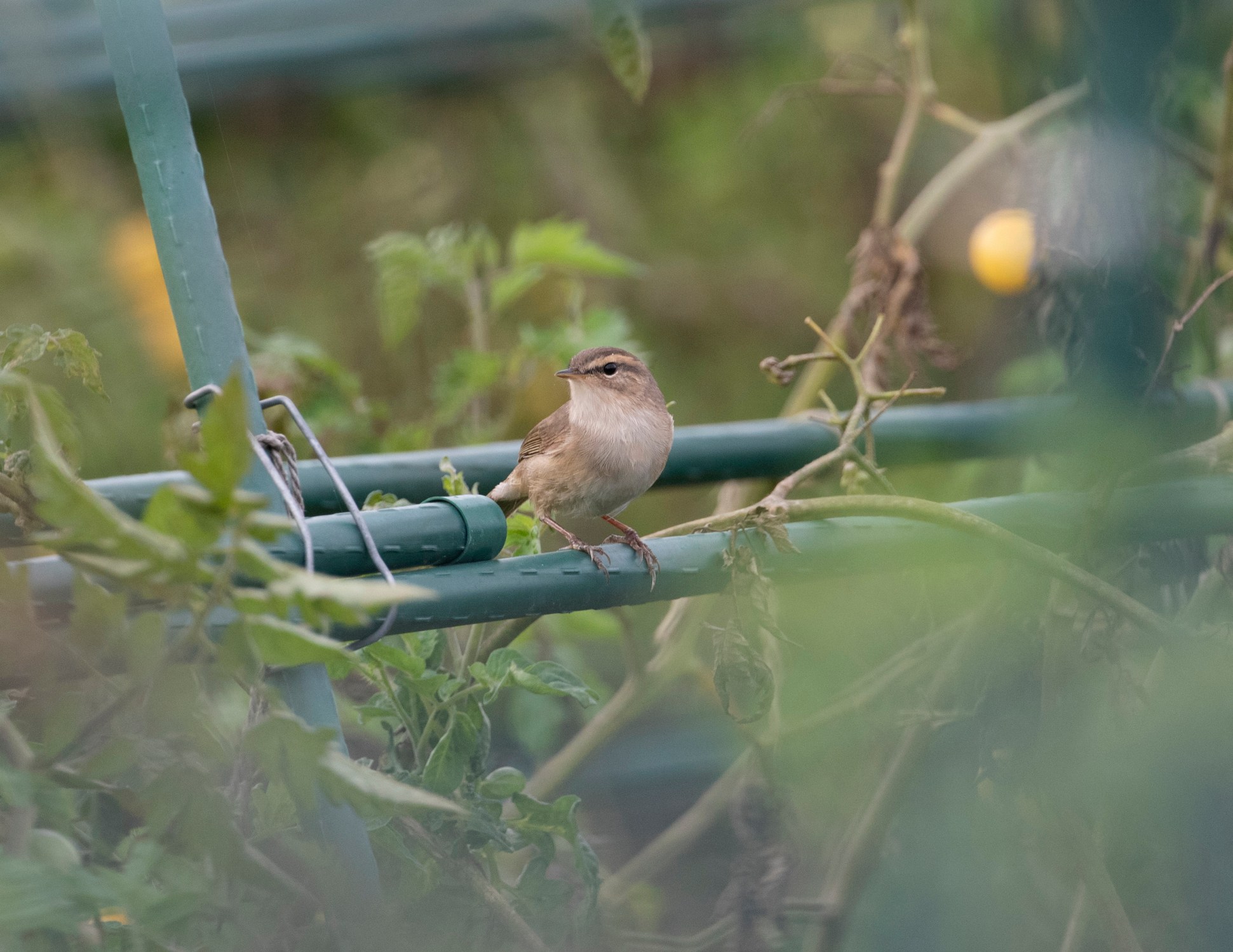
Dusky warblers, alongside Yellow Browed warblers are the most ubiquitous phylloscs .
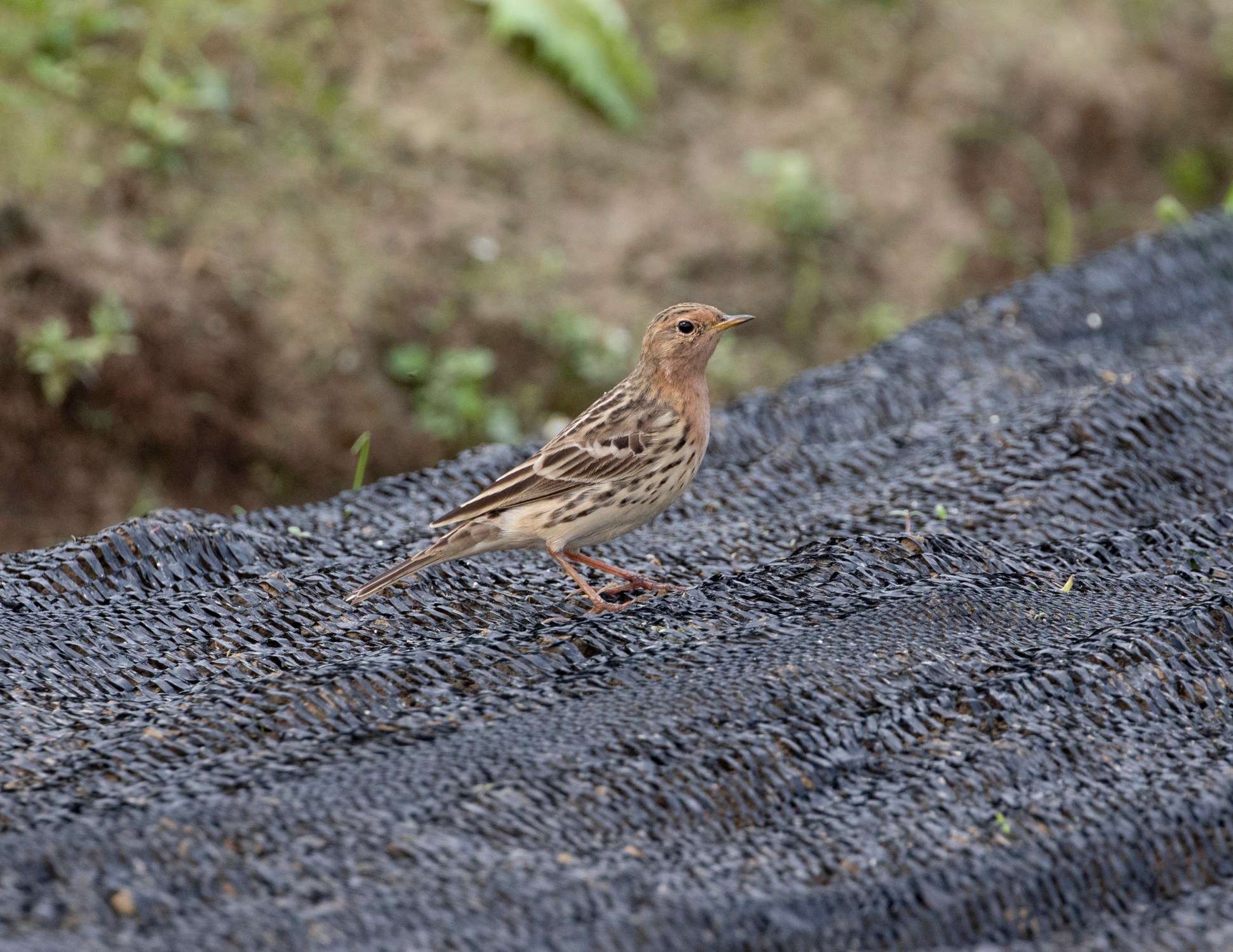
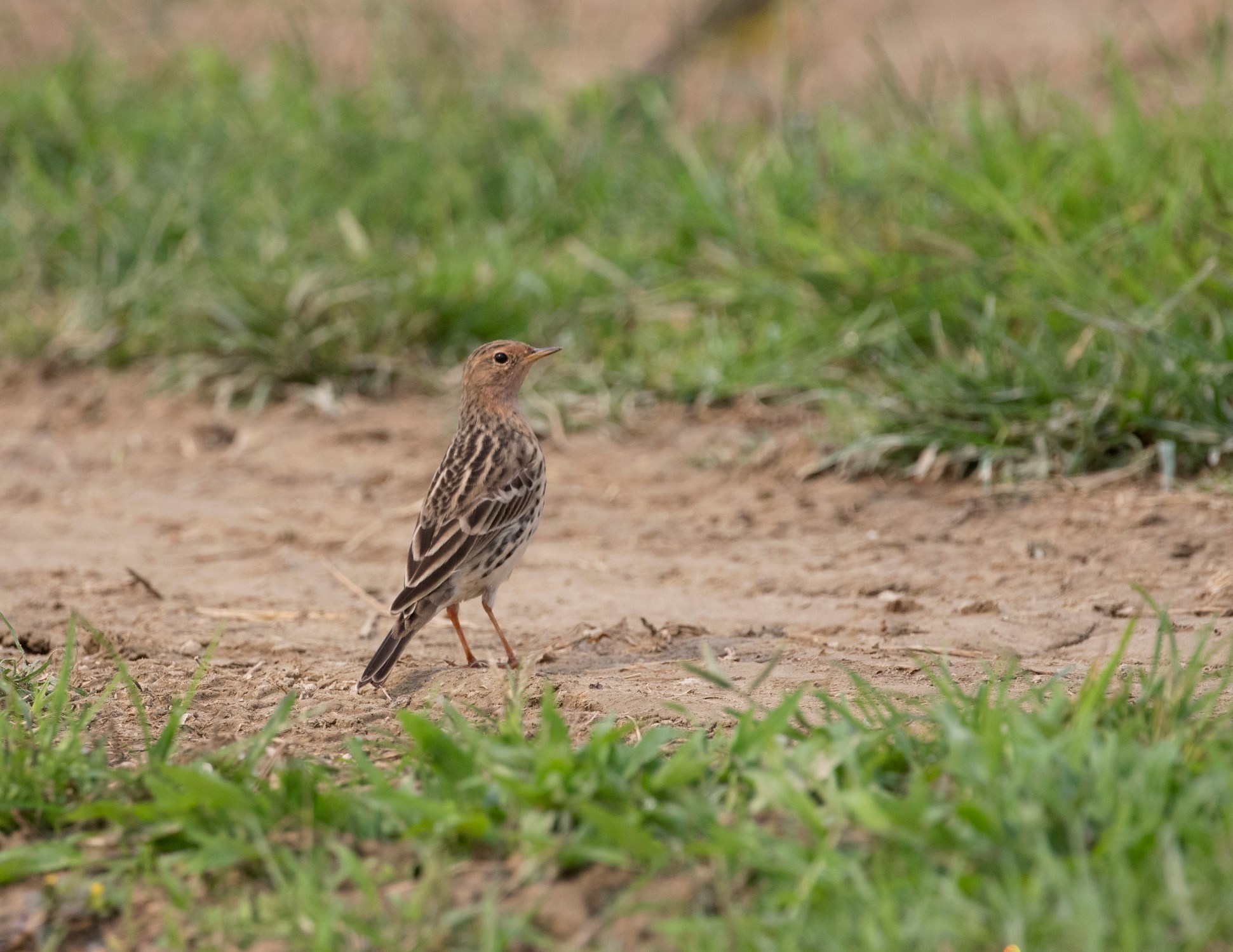
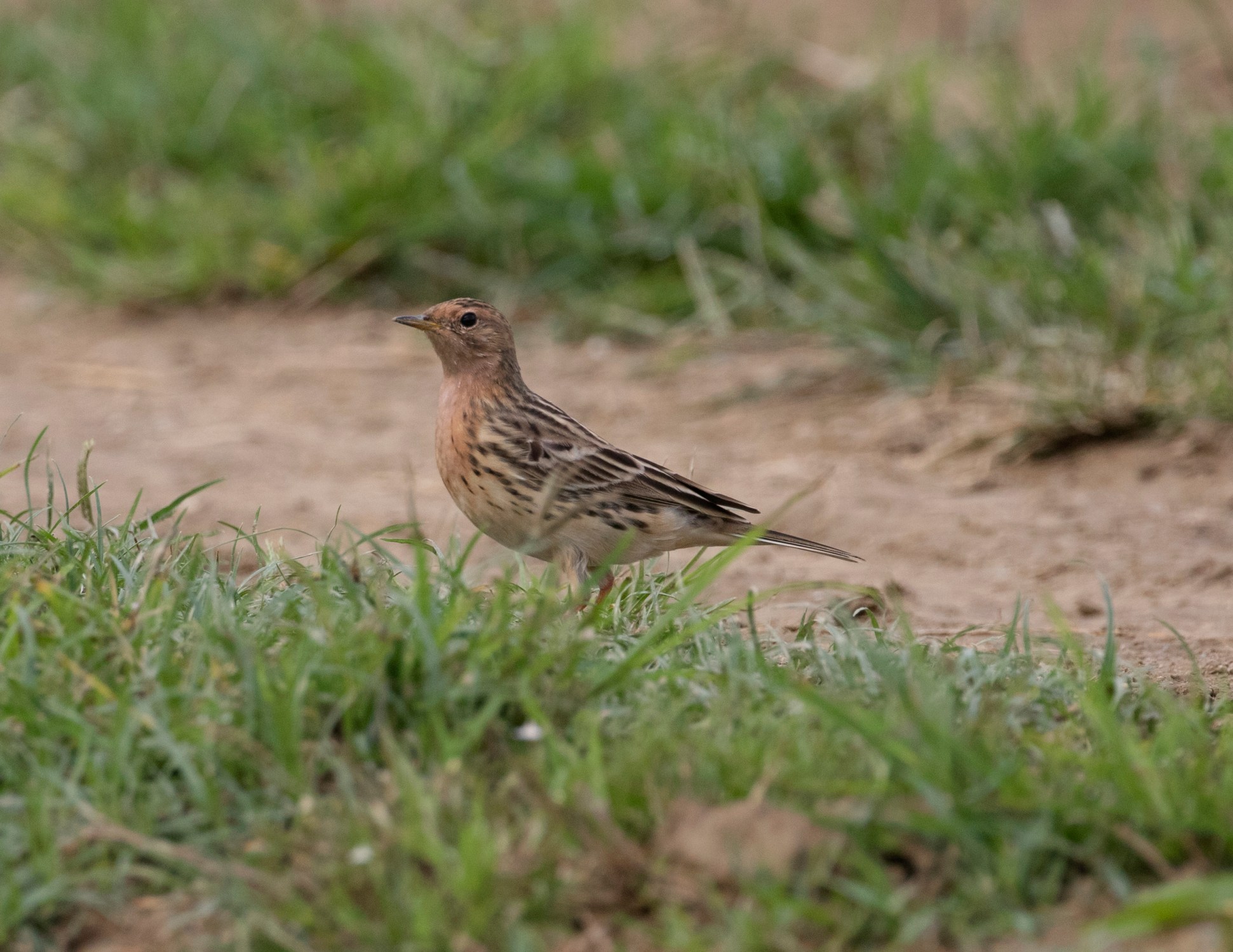
Red-throated pipits, another species that I actively seek out for abit of portraiture, many are going through body moult right now but some are approaching their finery.
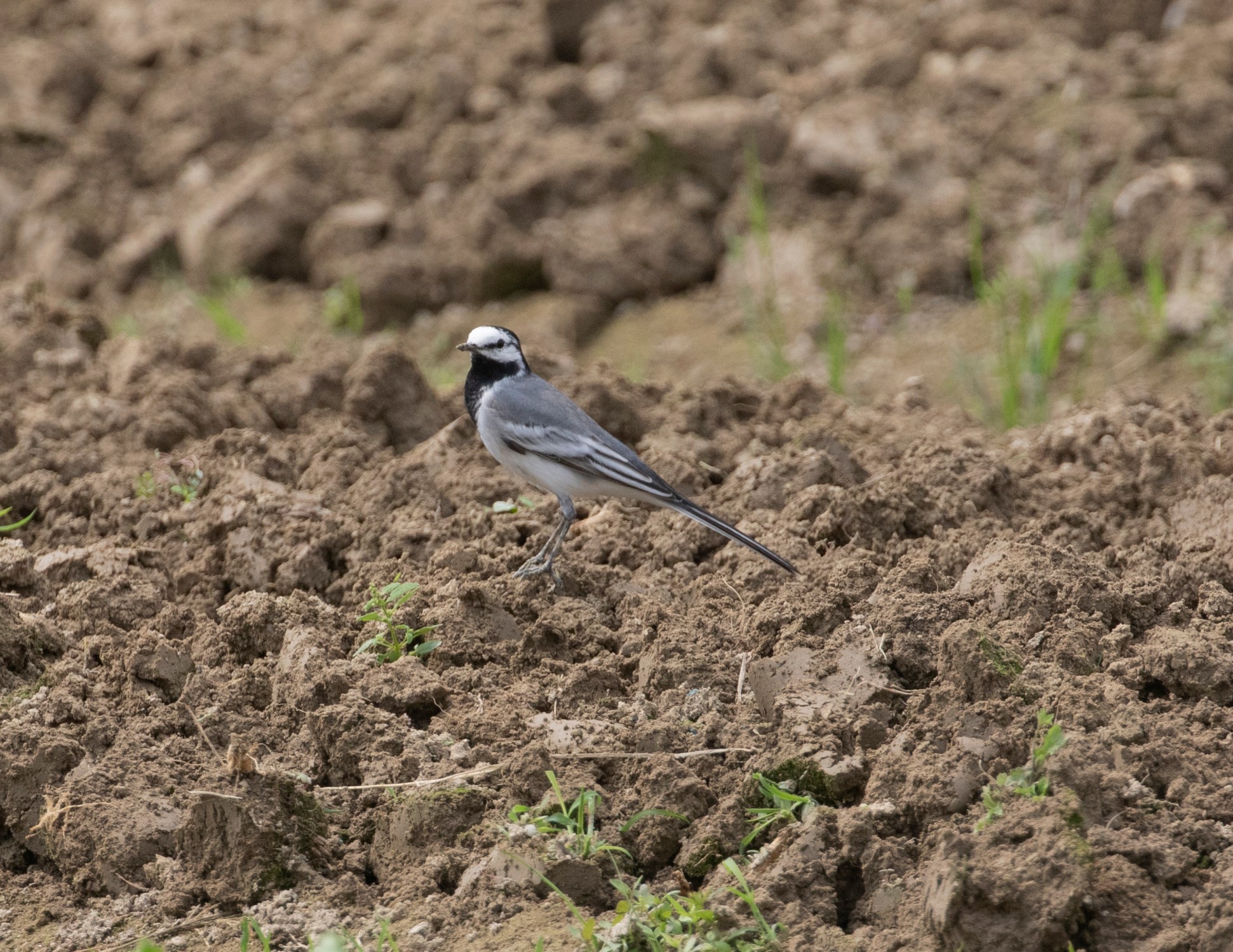
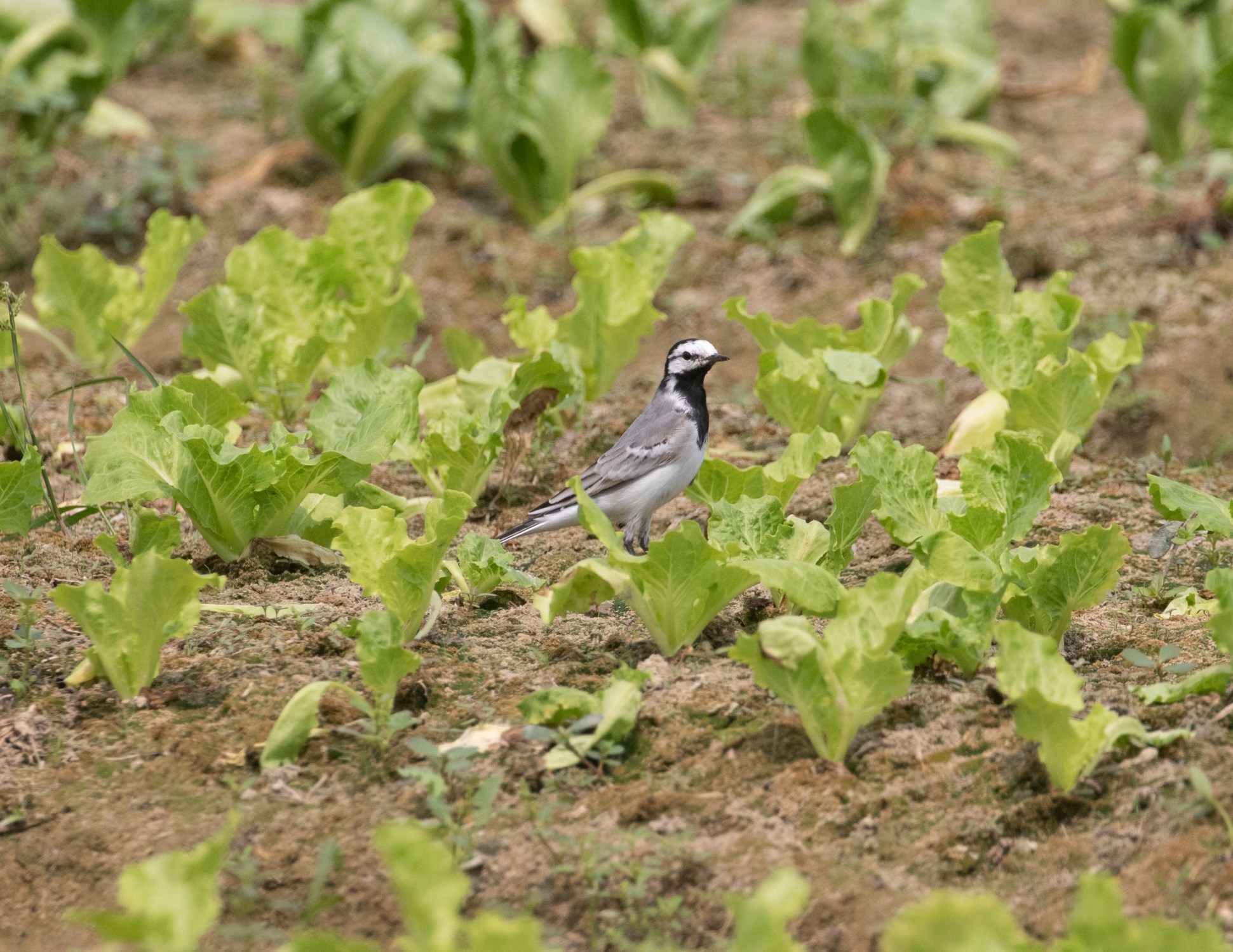
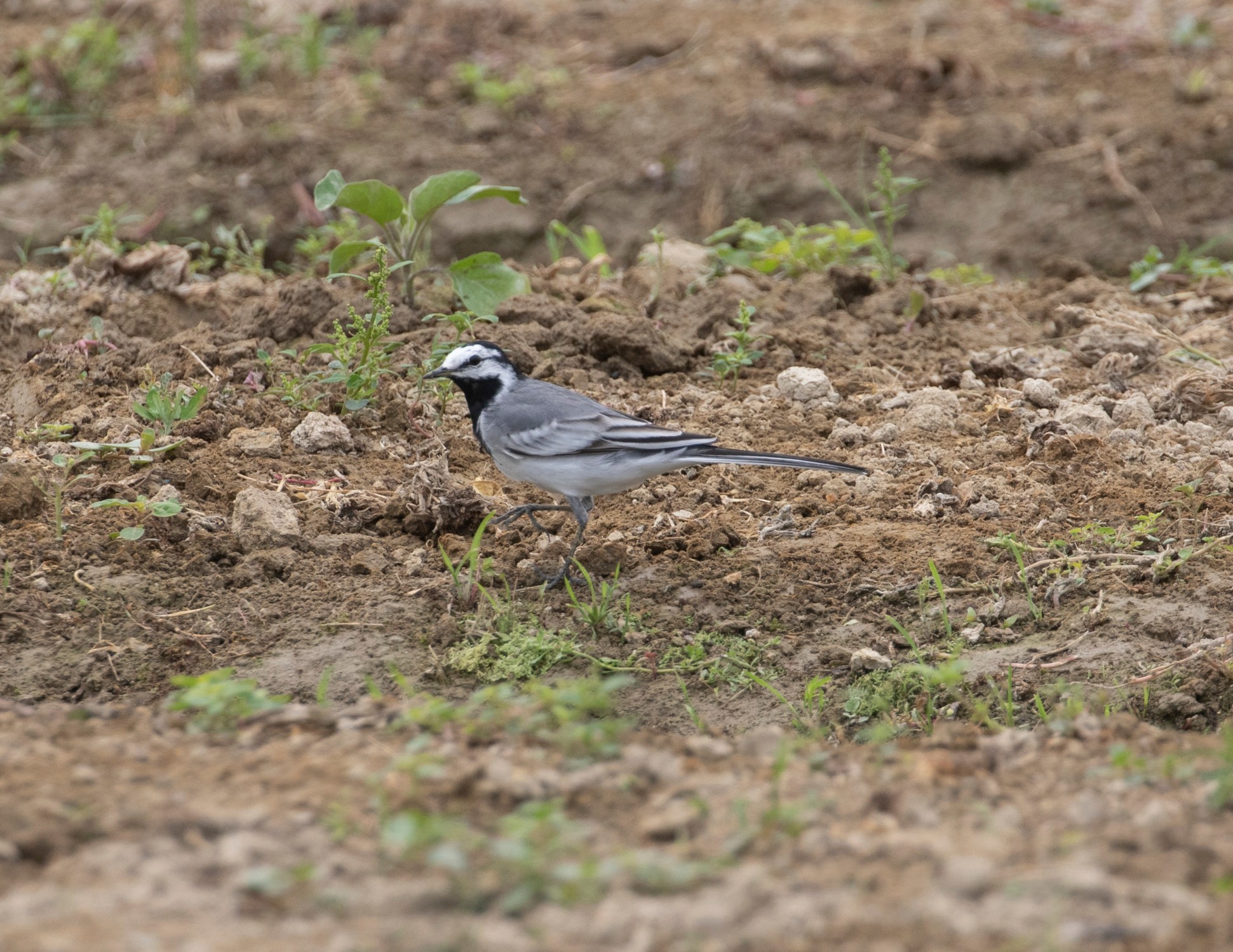
And finally – Ocularis White wagtails, a.k.a East siberian Wagtail, migrate through HK. A subspecies of particular interest to me and my favourite alba Wagtail. The following three are all different individuals, presumably first year males showing reduced white in the greater coverts in comparison to adults, still quite a unique median covert pattern.
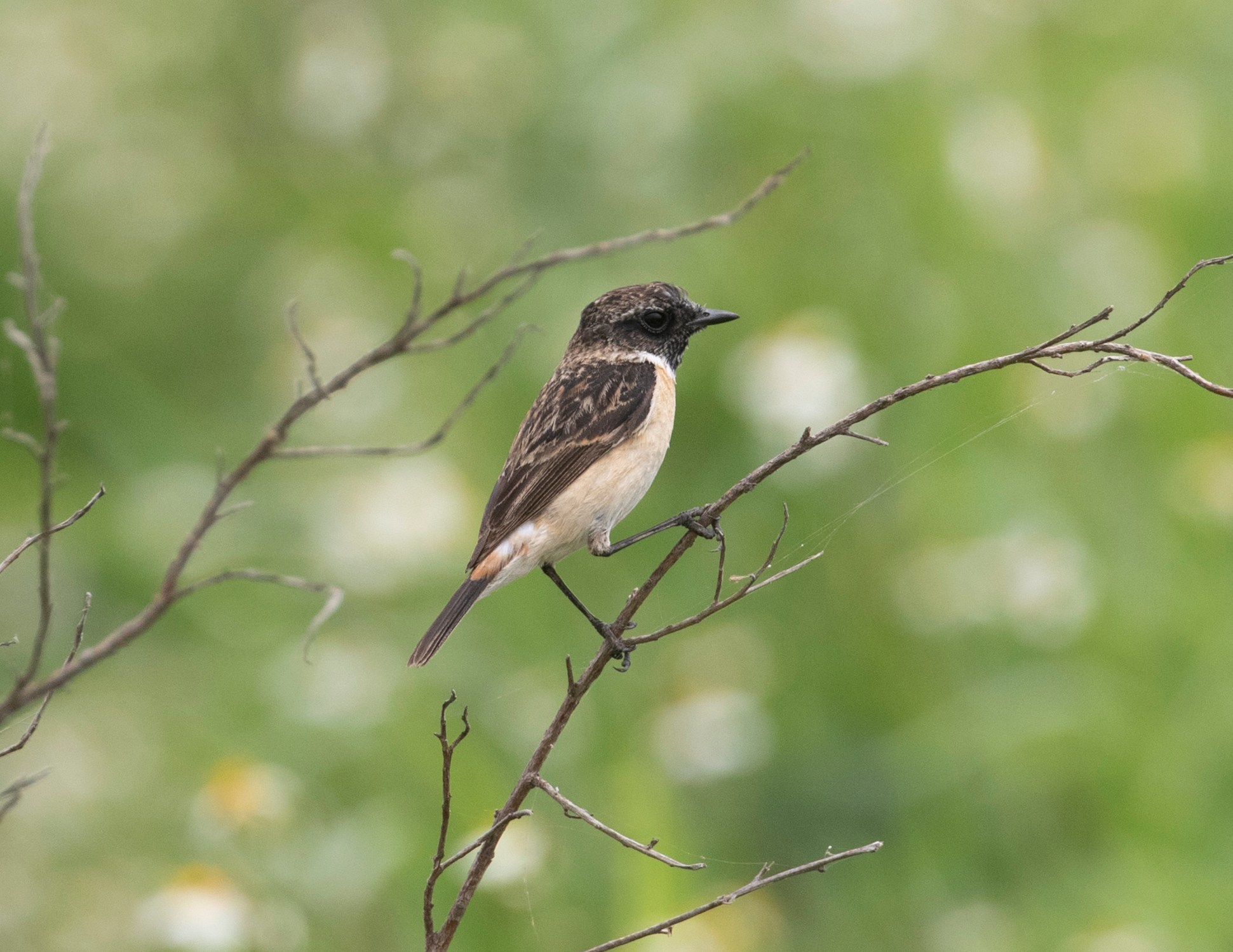
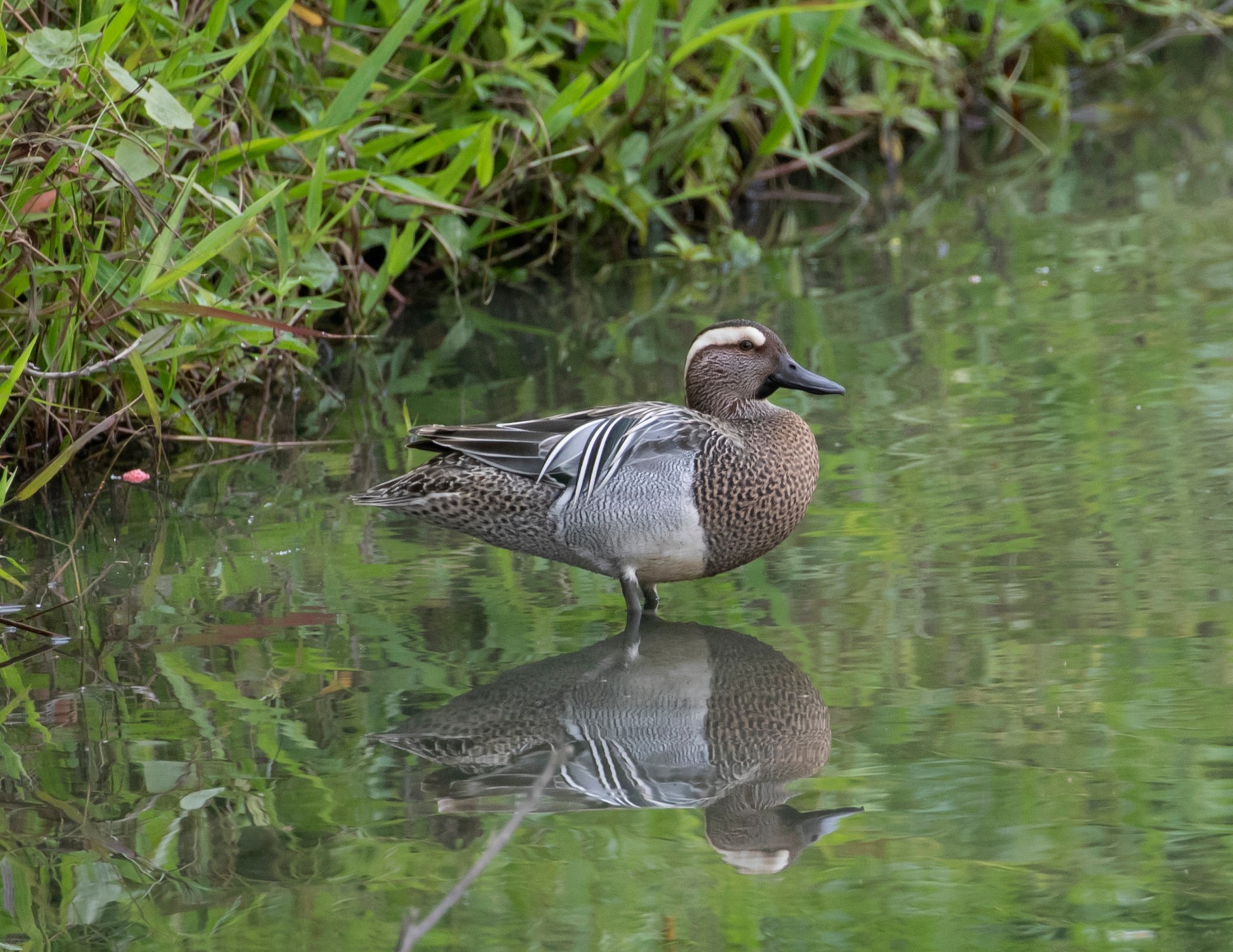
A first year male Amur stonechat above and a fantastic drake Garganey below, both easy to see here.

 PERDIX BIRDER