East Norfolk mid November

A weekend away to see family and what better place than to meet half way (my fam all live up north) than coastal Norfolk. A cheap and cheerful cottage near Hembsy right on the beach was our base for 2 nights and I did my best to fit in abit of birding here and there.

IMG_5846

V87A4170

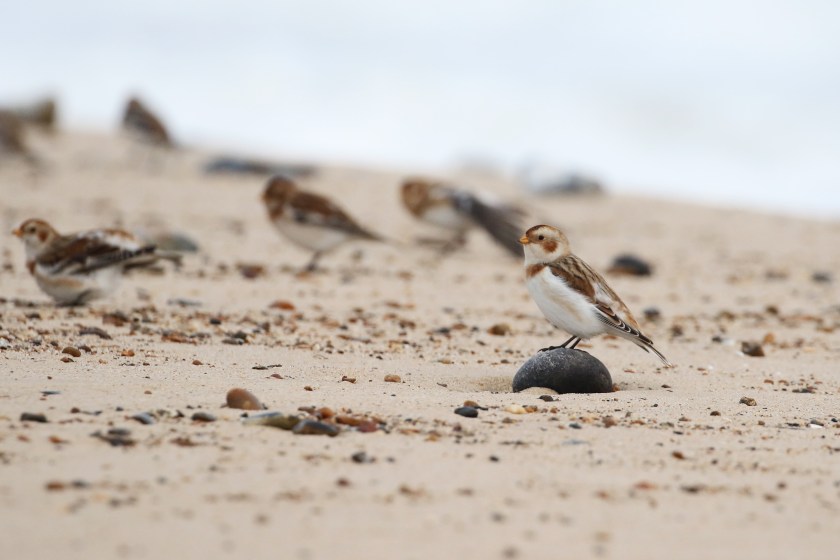
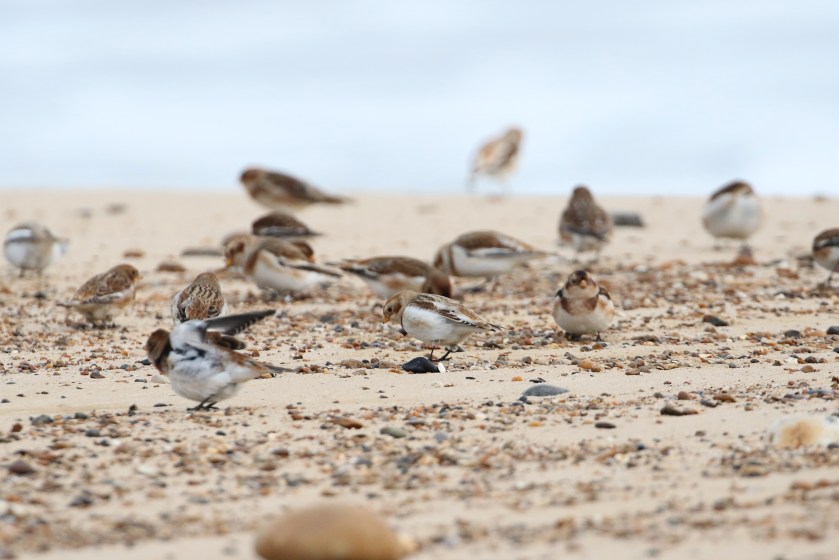
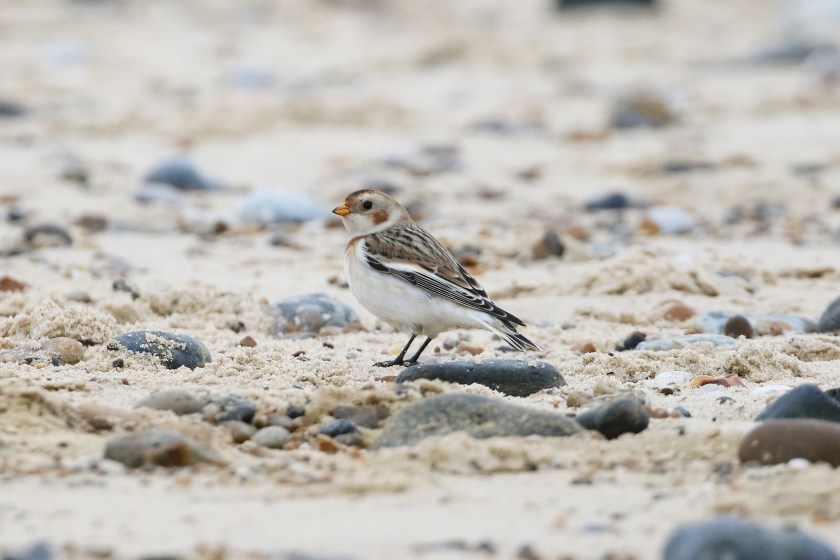
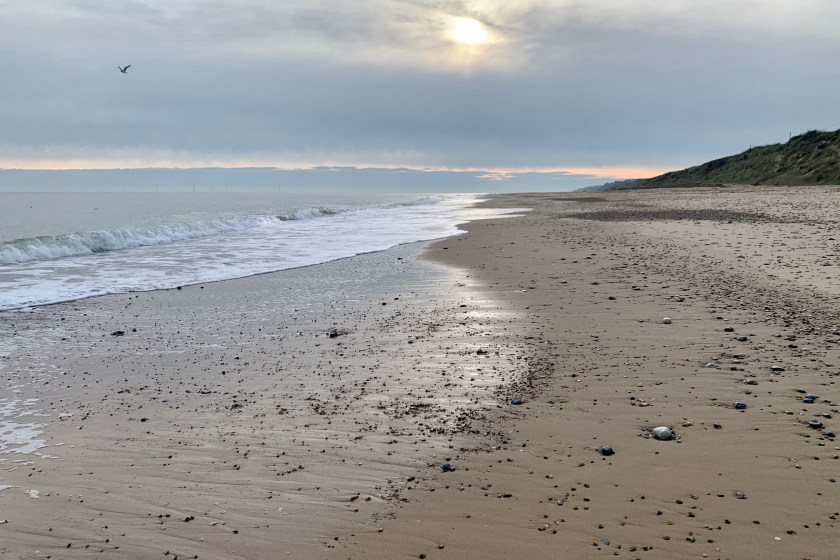
Saturday morning I was up and out on the beach at first light and happened upon a mobile flock of 43 Snow buntings. the long and empty beach was perfect for them and its contours allowed some close viewing.

V87A4037

V87A3991

V87A4161

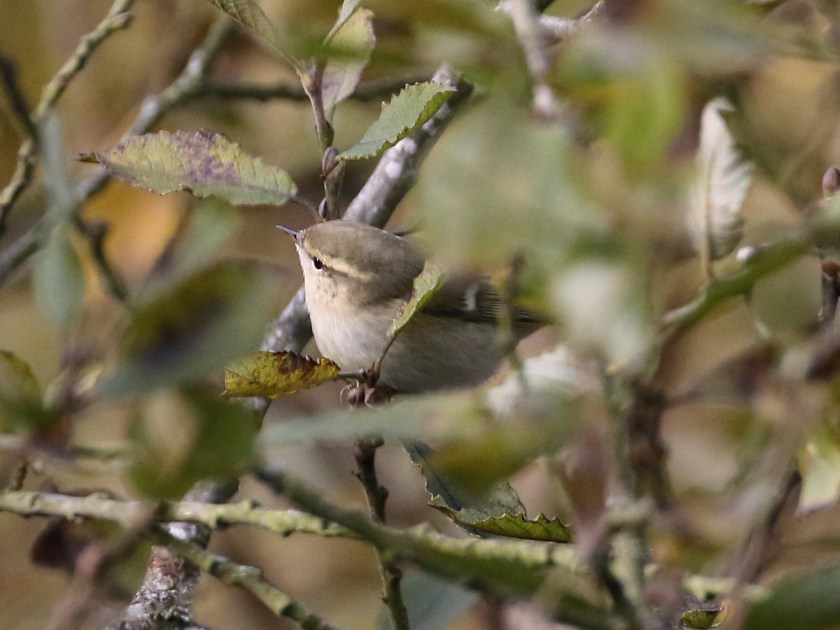
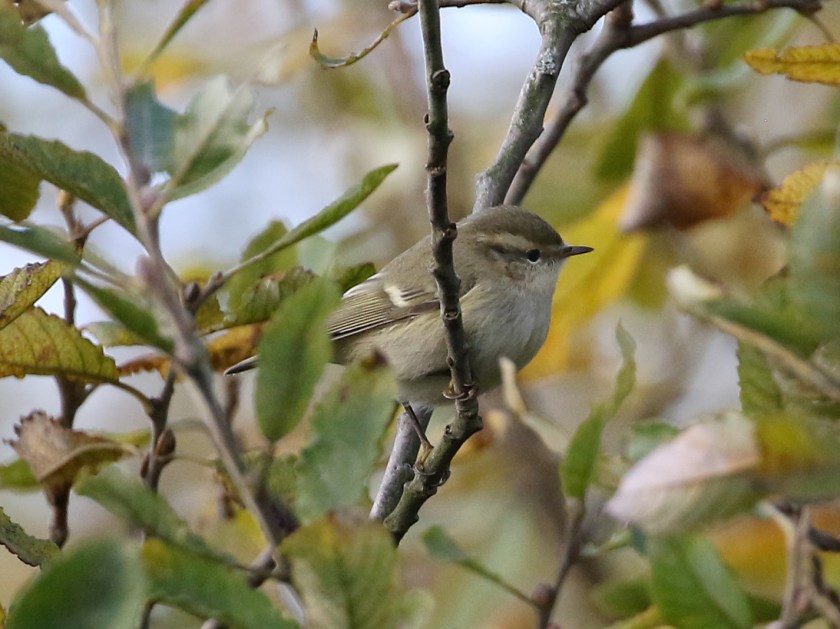
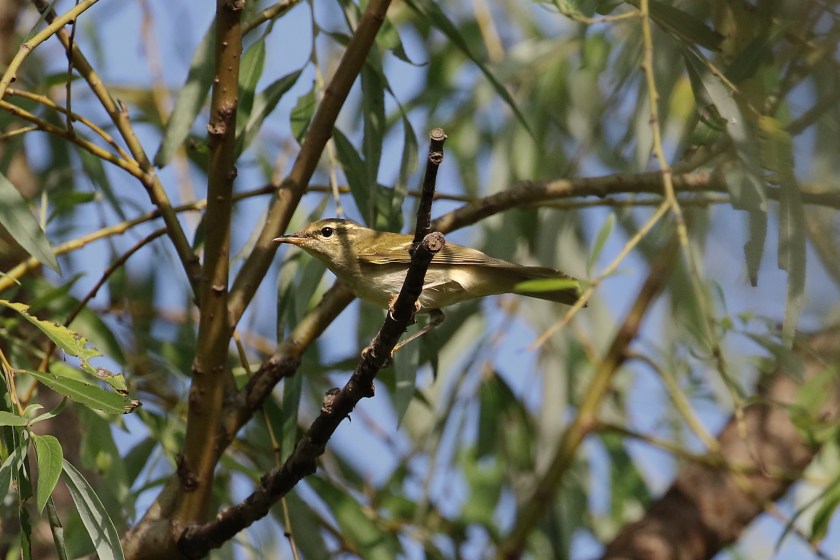
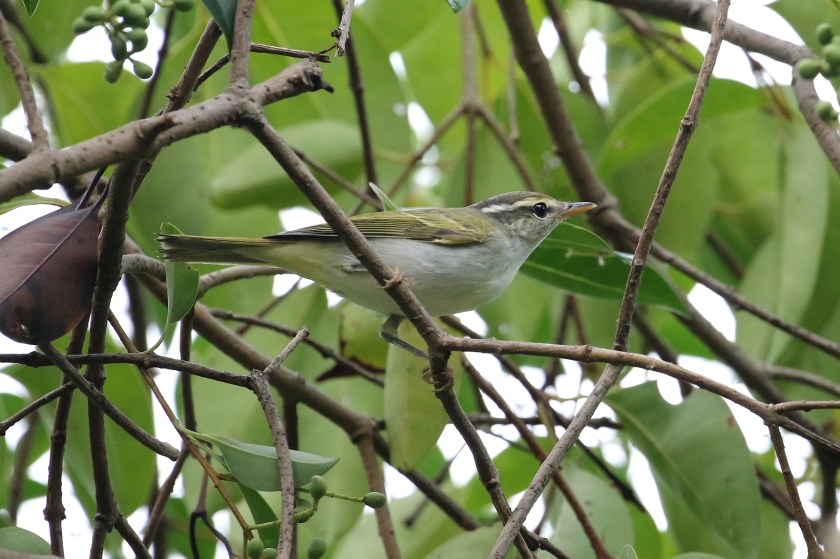
After breakfast we got in the car and headed north west to Holkham where I was able to covertly twitch the Humes Warbler and a juv Rough Legged Buzzard near by.

V87A4130

I really enjoyed the warbler, it was vocal and showed well enough. Chameleonic at times but the overall tones were noted, aseemingly warmer individual compared to the bird i saw last year in Sussex. I love the call and really hope to come across my own one day.

V87A4124

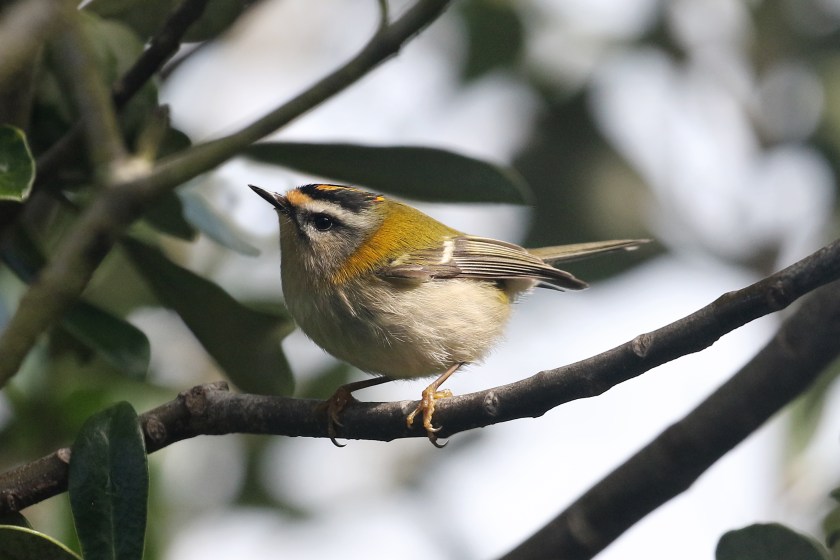
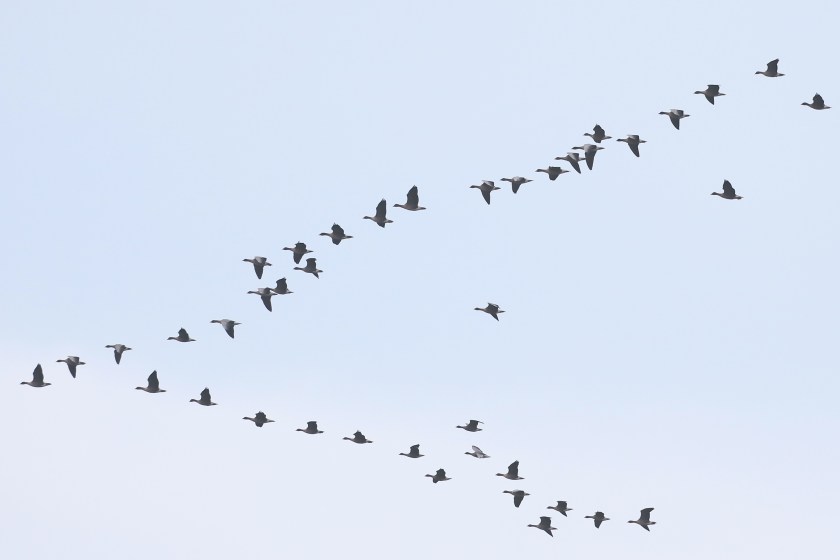
The following day was started in a similar way with a smaller number of Snow buntings, a Firecrest near the cottage and 2 waxwings (that had been seen flying the opposite direction just before dusk the evening before) fly over head to and from an unknown location. Norfolks great, Ive not been up for a few years and might try again before spring.

IMG_5852

Scillies 2019

Looking back at this years Scillies, it was really good. If I list the headline birds it probably goes down as the best out of the past 5 autumns Ive been staying on st Agnes. Although there were several days with little change and very few migrants and the majority of the action happened on almost every other Island plus the word on the lips of every birder we bumped into “Agnes is quiet…”

Headline birds: Yellow-Billed Cuckoo, Blue Rock thrush, Rose-Breasted Grosbeak, Red-eyed Vireo, Spotted Sandpiper, White-rumped Sandpiper, Blue Winged Teal,  throw in the birds we didnt see; Black and White Warbler and Buff-Bellied pipit on st Martins and a brief Swainsons thrush on Marys and thats a pretty good few weeks.

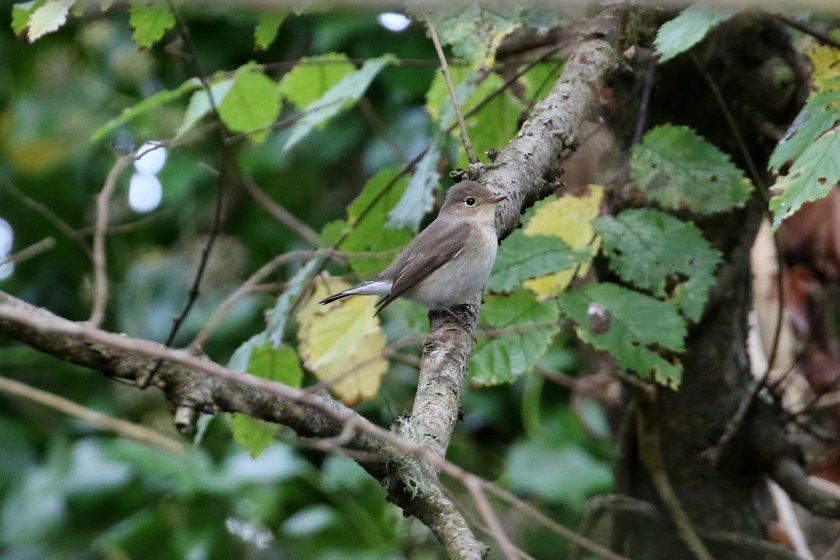
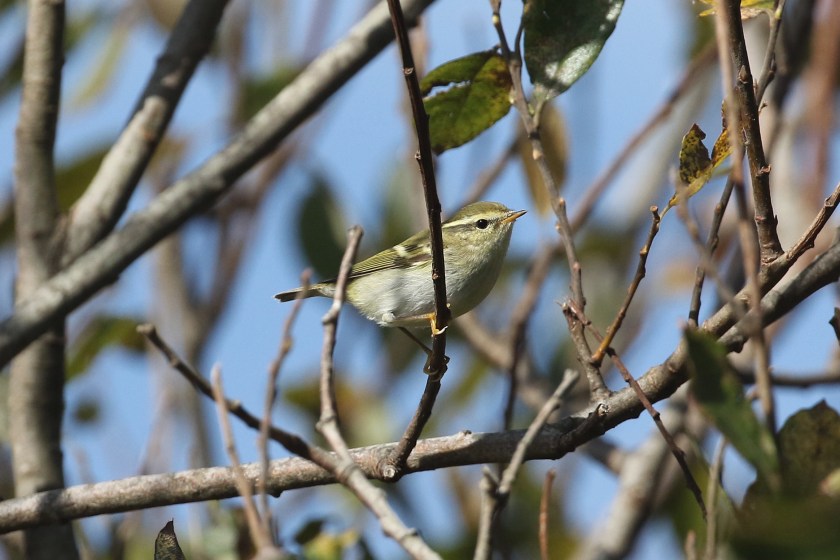
I arrived on the 5th of October, winds had been exclusively from the West although I was able to check in on a Red-breasted Flycatcher in the fruit cage on my first day on the island aswell as bumping into a Yellow-browed warbler and the usual Firecrests, Spot flys etc around and about but very little else.
V87A2882

V87A1263.jpg

V87A1237

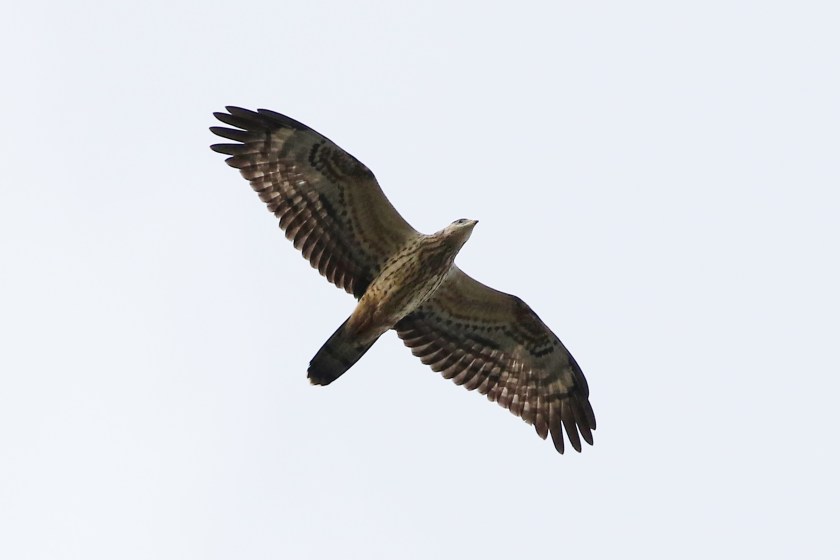
The following day was a similar story with no real new arrivals until a striking juvenile Honey Buzzard flew in from the West over Porth Killier flushing the waders and alerting Laurence, Lee and I to its presence.
V87A1117

A Scilly tick for me and the bird was tracked over st Agnes and st Marys but not seen the following morning.

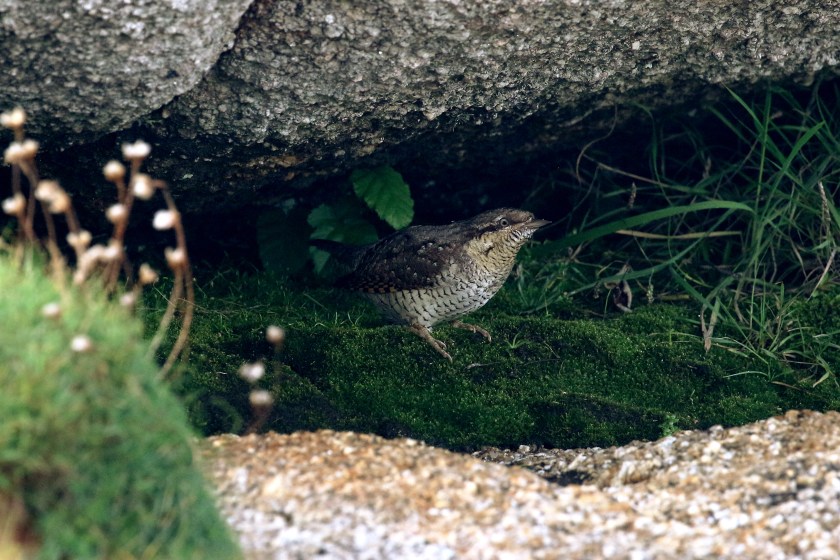
I had it in my head that I would be birding differently this year, I really wanted to find a Catharus Thrush and so spent more time sticking my head in bushes, behind sheds, checking the edges of fields throughly as well as sitting under the quiet pines and inside pittosporum hedgerows now and then. Imagine if it had paid off, sitting there whilst an Veery hopped out in front of me or imagine an Ovenbird walking into view … Graham found an Arctic warbler in our garden whilst having a smoke (and at first without bins!) Lee, Laurence and him saw it well but it wasnt seen again after.  More quiet days would follow with little of note, although the below Wryneck was sheltering under the next boulder over from me during a heavy rain shower on Wingletang one afternoon which was a nice moment.
V87A1375

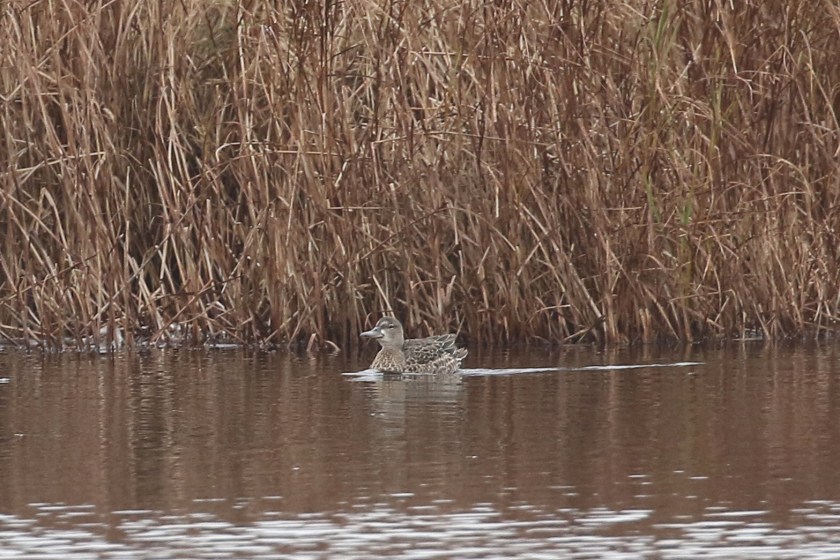
A real bit of excitement on st Agnes was in the form of a call from Neil Wright informing us that his brother Paul had found a Blue-winged teal on the pool, we all went and had a look , A UK tick for LP and I, and I learnt abit about splitting them from cinnamon teal…
V87A1204

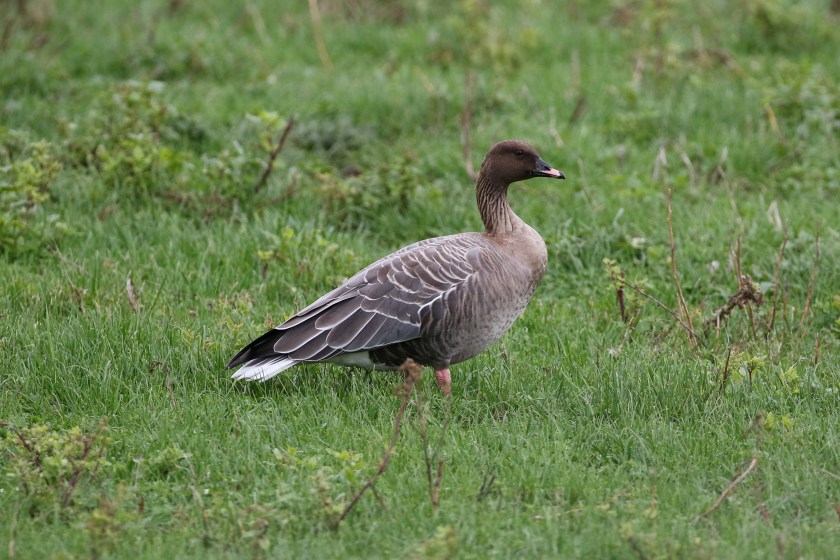
This Pink footed Goose was hanging around for my entire stay, seen some days to be feeding and other days flying around. It was nice to peek over the drystone wall and have a close look, its not often I get close to Geese!
V87A1520

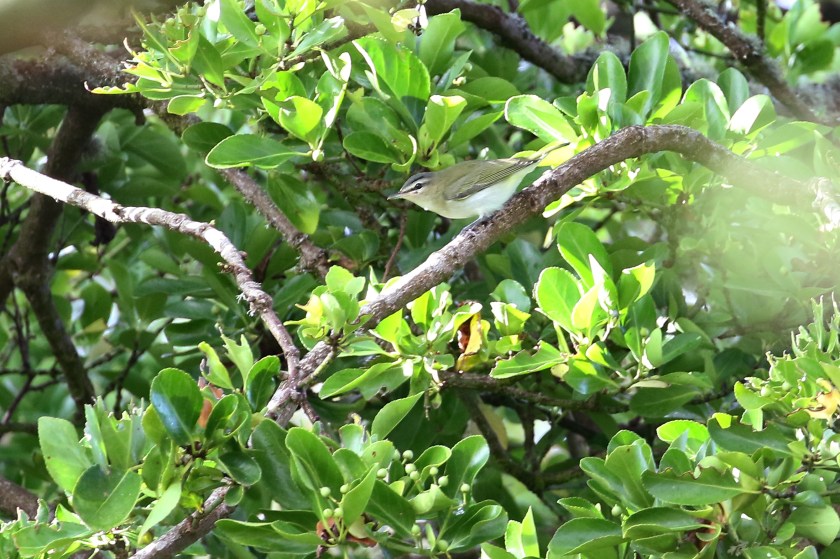
Our accommodation was abit split up with 7 nights on our beloved Roseveer cottage and our final 5 nights in the lighthouse garden gatehouse but the middle 2 nights were unknown. Graham, Laurence and I decided to upsticks and spend the 2 nights on st MArys where all the actiaon was happening. We caught up with the incredible Yellow Billed Cuckoo which showed down to 2 metres although partially obscured by sallows and almost impossible to get on at first. The Red-eyed Vireo (found by ex hackney birder Jonathon Nasir) was a treat, I really like Vireos and this bird showed well on a couple of occasions including coming into Grahams incredible pishing and calling back on occasion.
V87A1985

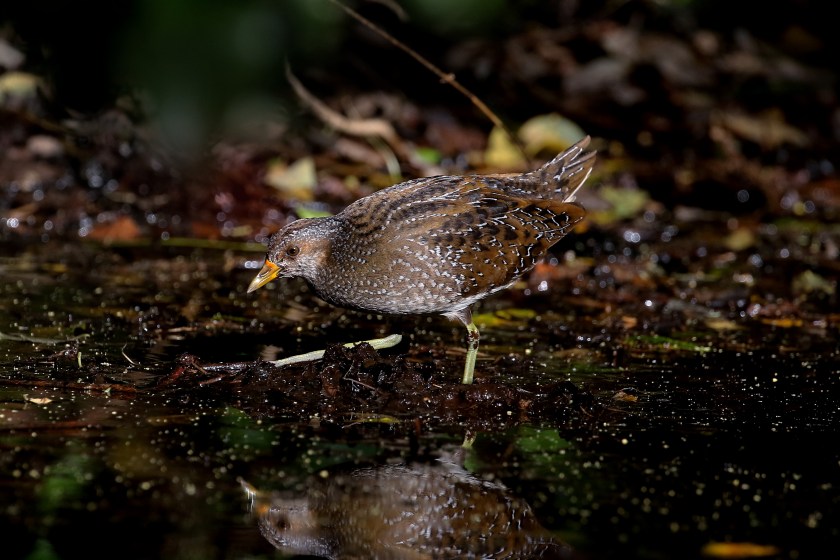
We stopped in on the fearless Spotted Crake that was arsing around lower moors a few times, each one was worth it.
V87A2066

later that day and Will Scott found a juv White-rumped sandpiper and If you can believe it, thats a world tick for me… So we made out way all the way to Bants carn where the bird was feeding and preening on a rotting pile of seaweed.

V87A1641

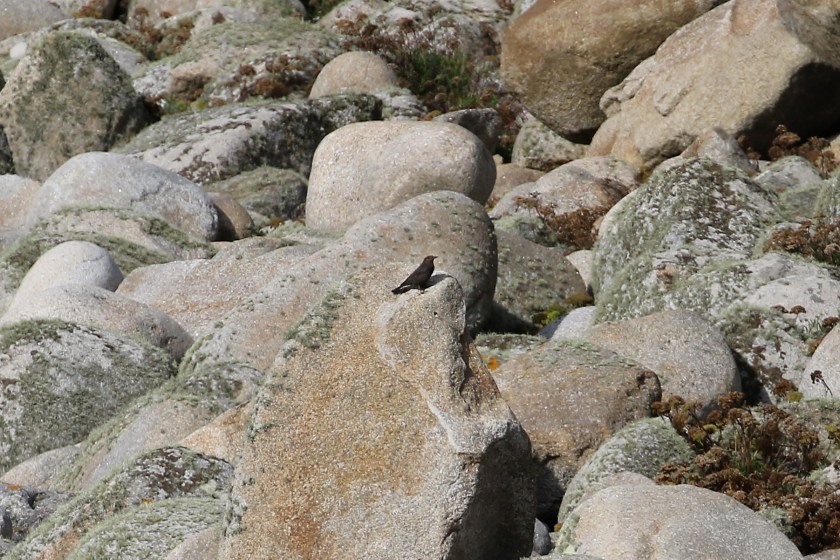
The next morning we all managed views of the Blue Rock thrush, found by scilly local and extremely nice guy Ren Hathway. Later a mooch around between the airfield and porth Hellick area held one or two Lapland Buntings, some common dolphins from the turning circle and what was certainly the Richard’s Pipit Rob Stonehouse had seen on the airfeild the previous day flushing from one of the fields above porth Hellick.
V87A1703

V87A2118

V87A2125

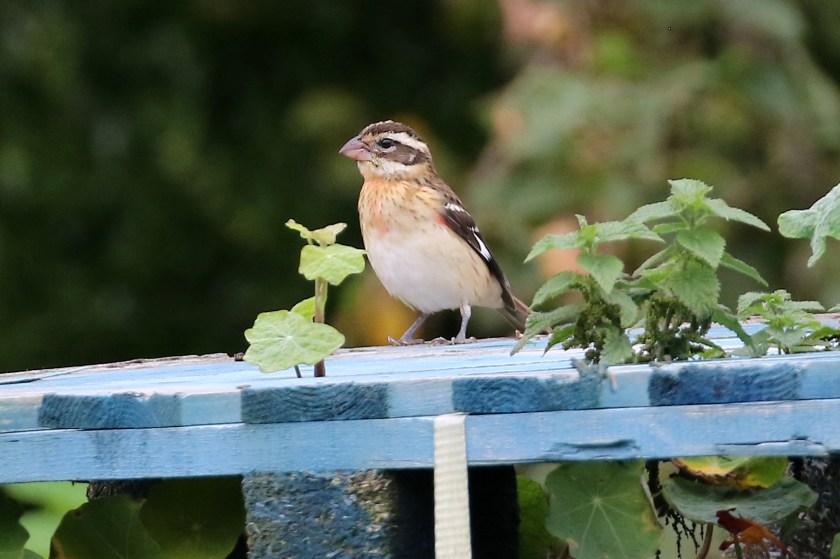
Whislt this had been going on the mega alert went of as news broke of a Rose-breasted Grosbeak on st Martins.. I knew it had to be the year of the next one since mine in 2017 and this was a 1cy male so we decided to carry on the twitching malarky and got the early boat over the next morning. An hour of standing around with the crowd waiting for the bird to show had Laurence and I considering packing birding in all together but as we walked away I picked up the bird in flight heading to the cricket pitch. 2 mins later and weve got it all to ourselves a couple hundred metres from everyone else, we put out the news and we made our way back to marys to return to st Agnes that afternoon.
V87A2234

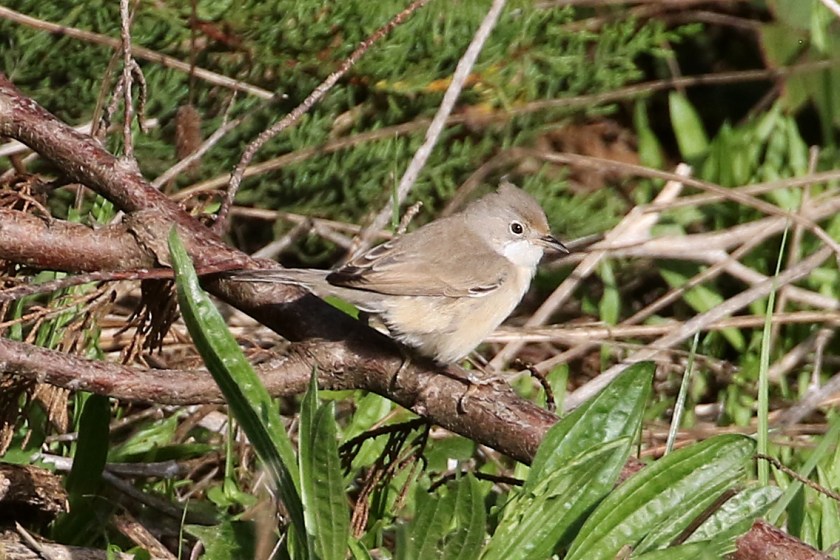
Back on st Agnes with 4 days to make the most of the rest of the holiday but not an awful lot happening, Paul Rhodes had found a hard to see Subalpine Warbler near the hump which we eventually saw, it like many birds of the week had been seen badly more often than well although did call for a while recalling western subalp type tacking and I think Lee has a shot of the spread tail which showed very little white to t5, which i guess in combo with call suggests western.
V87A3482

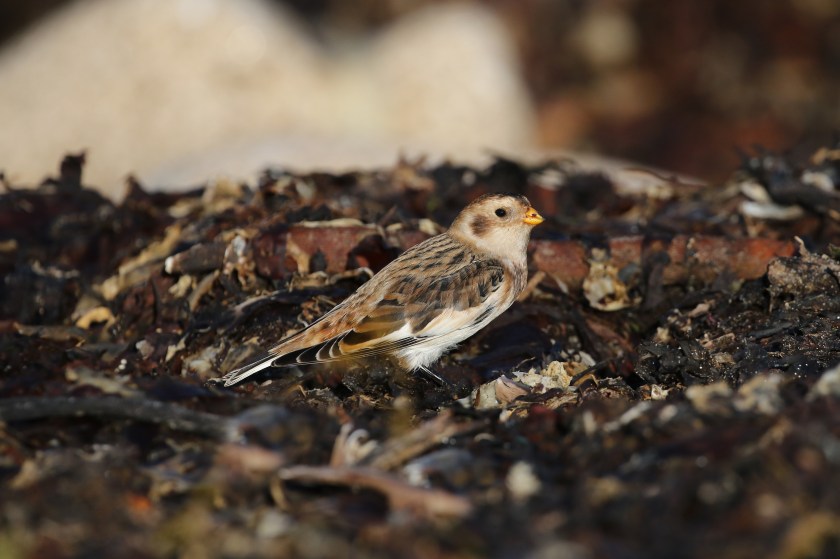
One or two Snow buntings were seen and heard flying around wingletang and porthcoose.
V87A2649

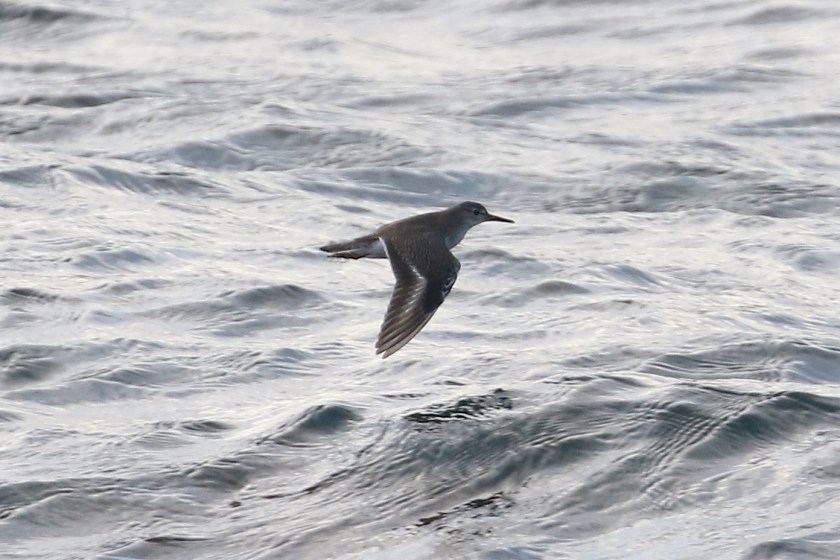
Our final morning and some adrenaline; the weather looked very windy and wet and we had prepared to be seawatching from some where. Graham had suggested checking the waters between islands and getting some shelter too.  Whilst walking around browtarth Graham Laurence and I flushed a small Actitis wader. Given the date, its short tailed appearance and inconclusive flight views of the wing bar, we knew we had to pursue the bird until we were confident of its identity.
V87A3054

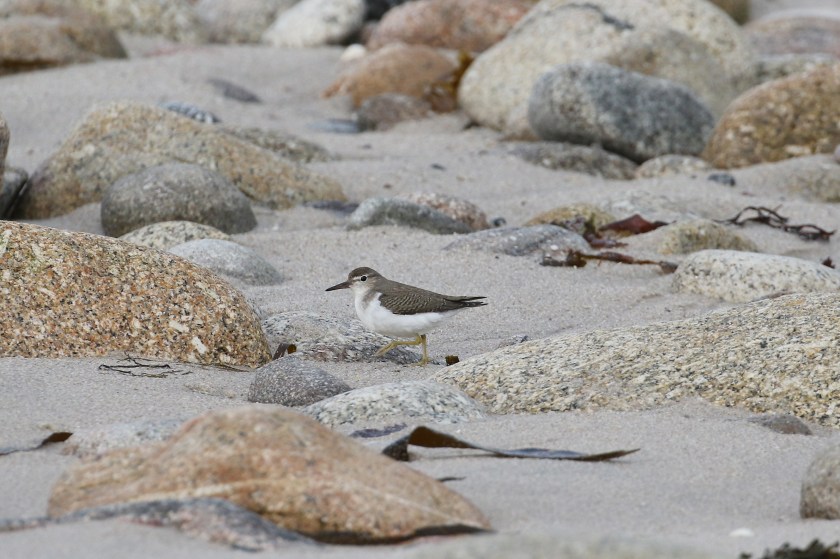
The bird was flighty and would flush around corners, was keeping low and didnt give its self away initially. We stealthily pursured it over around 1km of coastline back and fourth however despite the rain, wind and terrain the distant views and photos I had taken were beggining to show the features; very short back end, be-spectacled appearance on a strongly patterned face, fringe barring confined to the wing coverts, plain tertials, smooth breast side ‘streaking’ and legs that against the darker seaweed looked a warm yellow, in flight the wing bar fell short of meeting the body of the bird – disappearing under the greater coverts: A 1cy Spotted Sandpiper. We put the news out on Twitter aswell as the islands whatsapp group. The bird ending up showing very very well and was enjoyed by most of the island.
V87A3256

later in the day rumours of the bird having been seen the day previous were emerging and it seems that someone had seen the bird but for whatever reason had not been able to clinch the id.  It had probably arrived on the weather system of weds night thurs am.

V87A3393

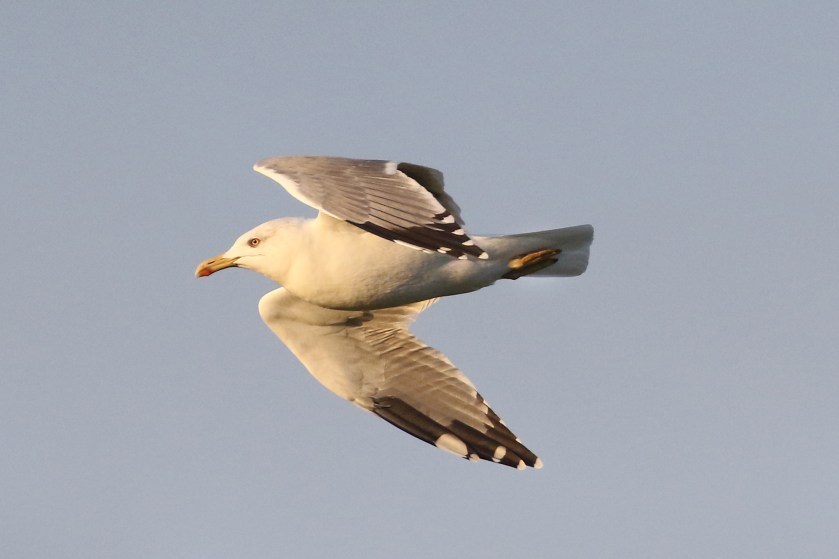
I usually have a causal glance through the Gulls on st Agnes and occasionally pick out a Yellow Legged Gull this year I had one or two adult birds (below) and LP picked out a second winter.
V87A1316

Were booked again for next year of course although I should really try and get to Shetland too over the autumn…
 

Shanghai, September ’19

My second work trip to Shanghai this year. The first, back in March was excellent birding – basically a wintering, therefore almost captive bunch of target species for me to look at. This time its early September and the focus was on migrant passerines in urban Century park.

V87A9517

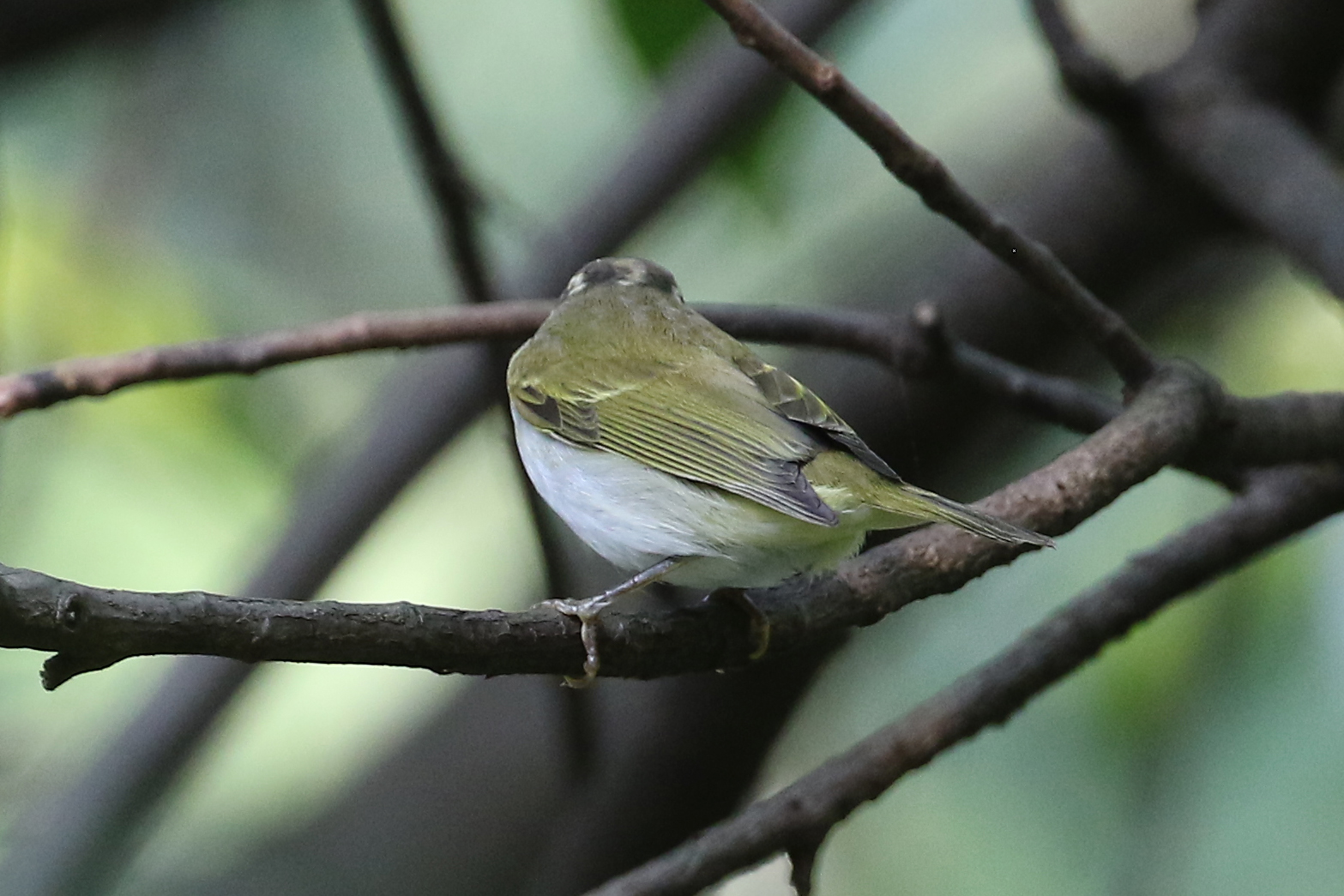
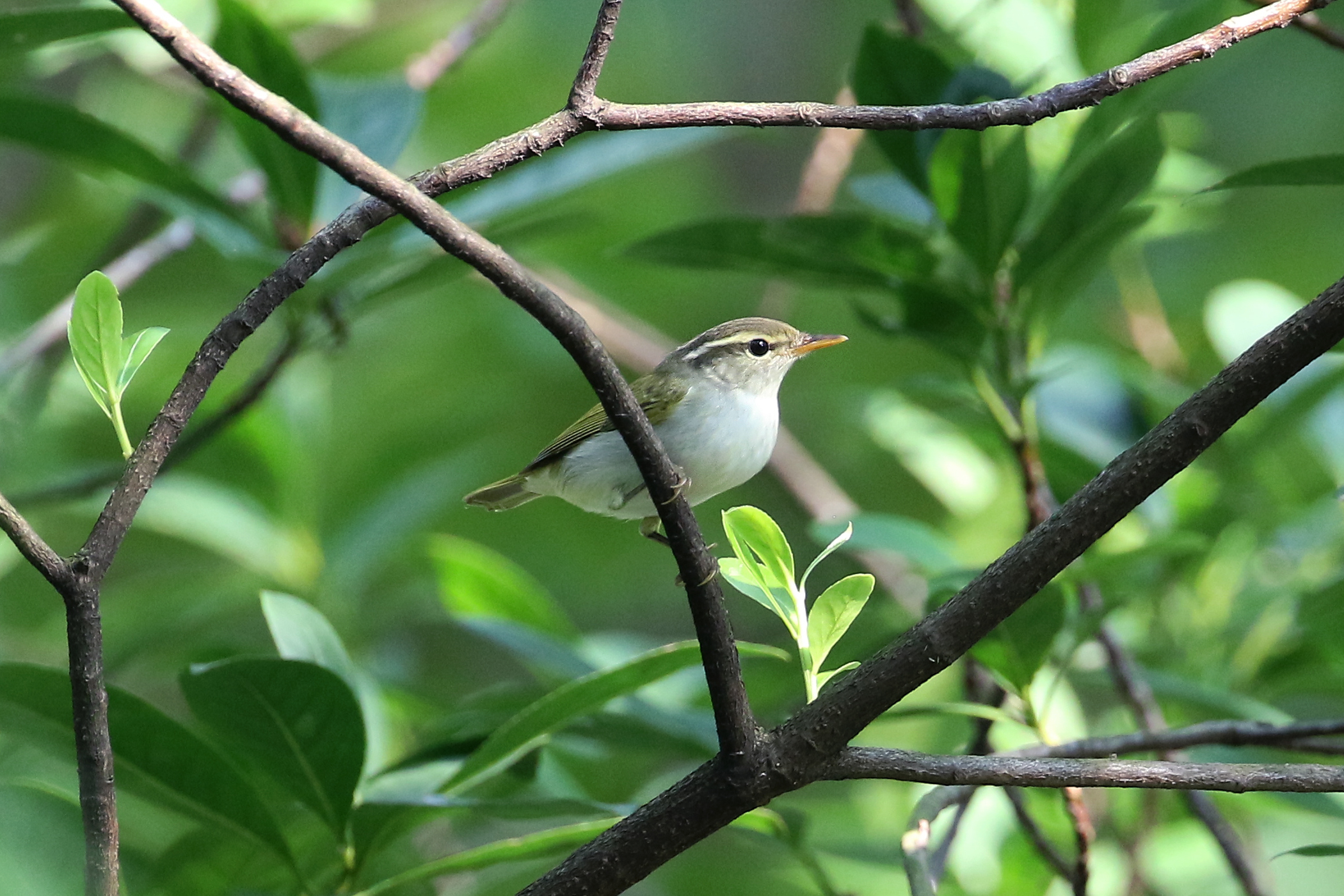
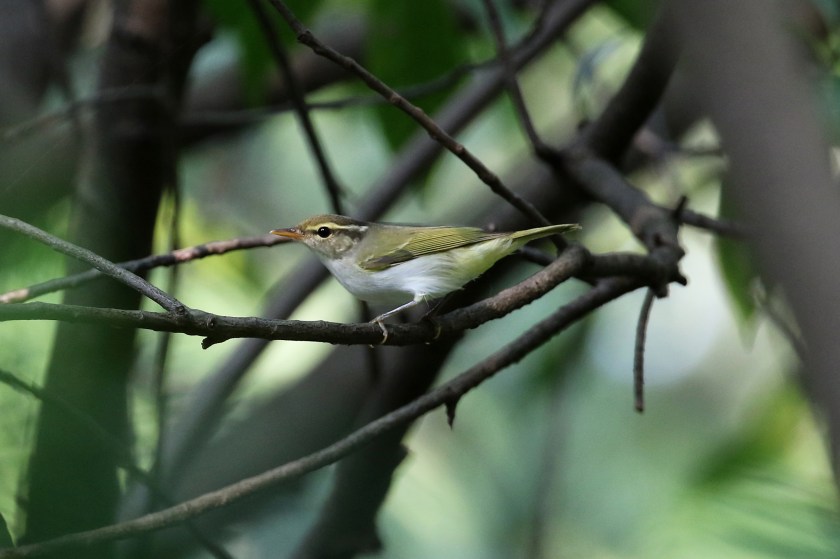
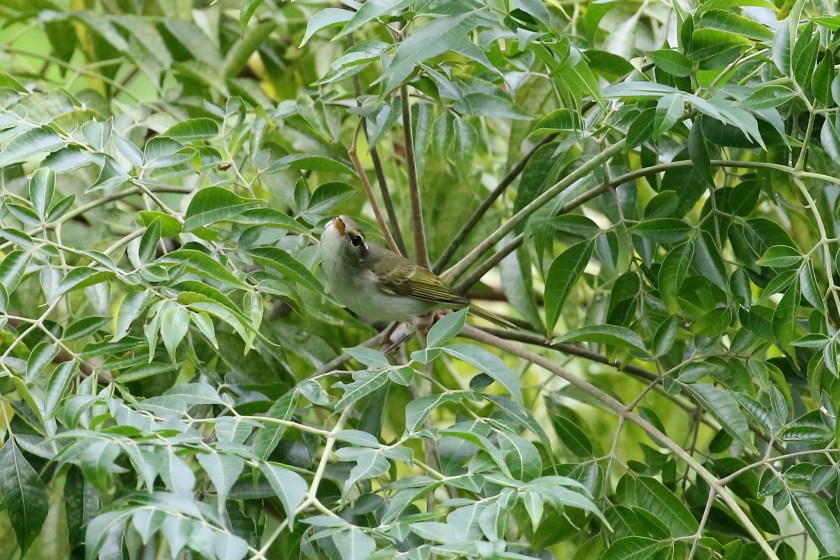
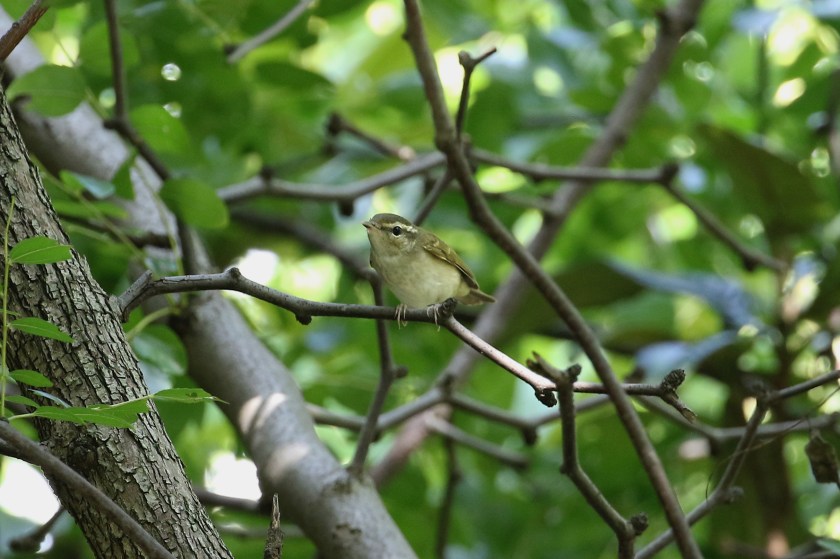
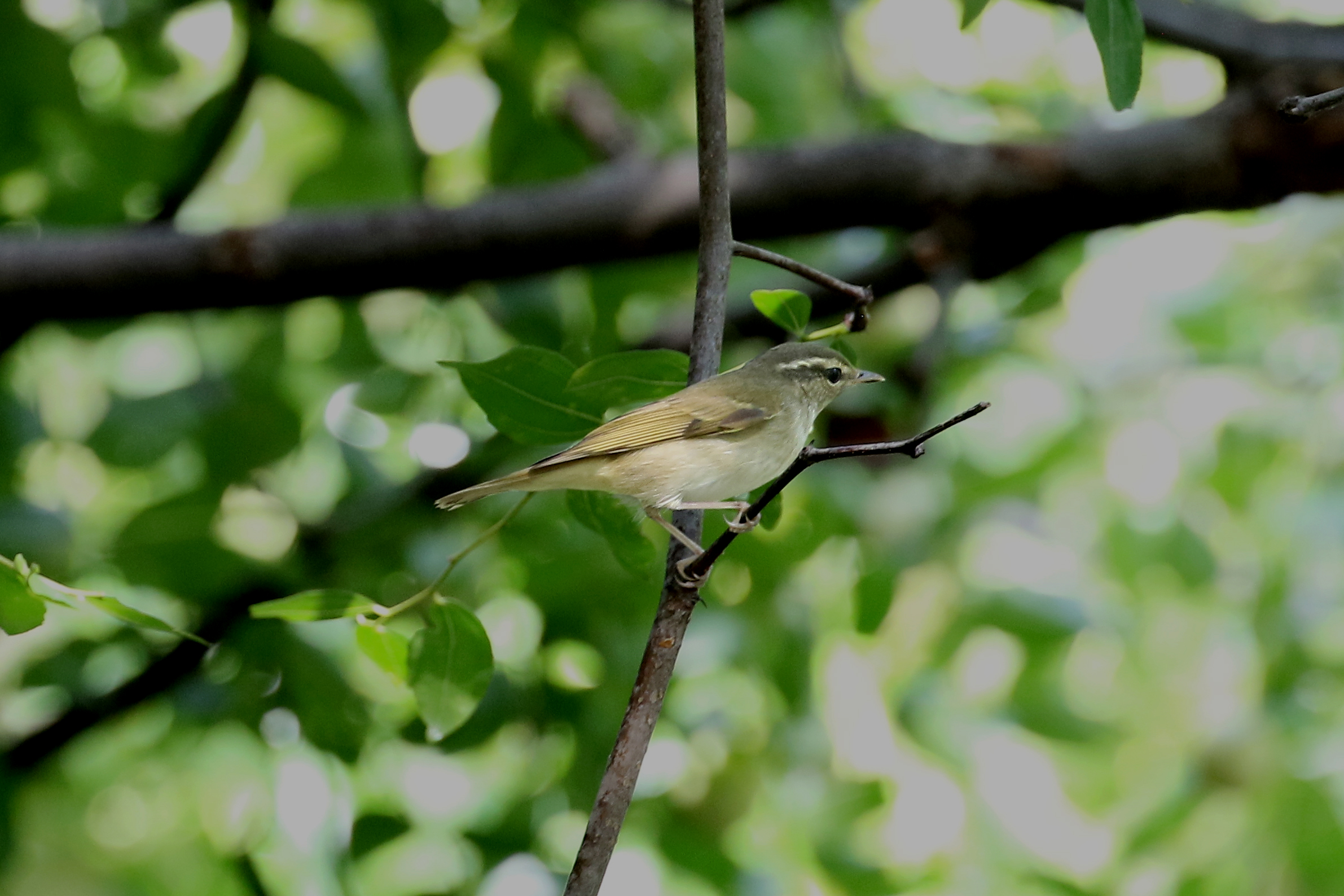
Eastern Crowned Warbler

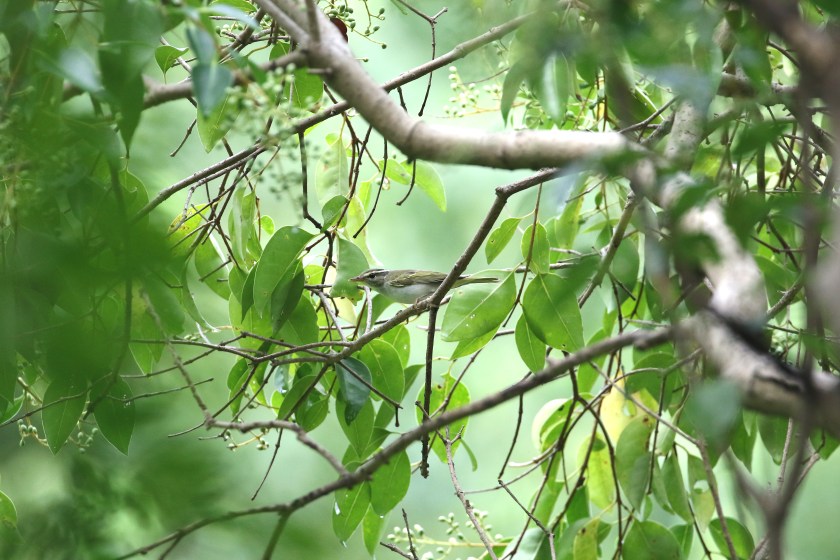
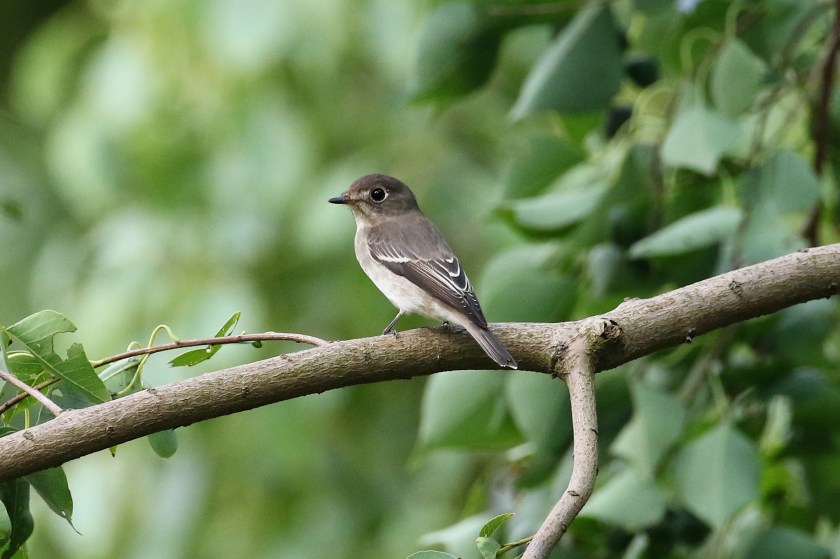
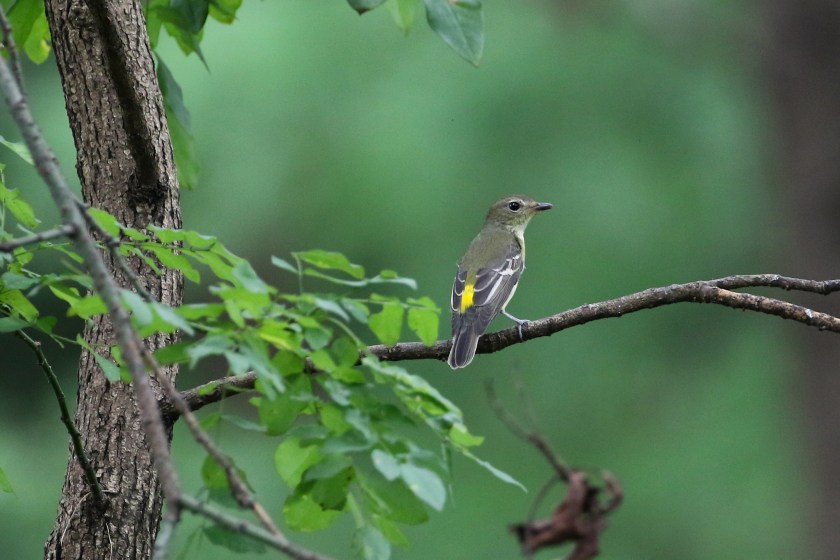
Upon arrival the city was shrouded in low cloud and bouts of prolonged heavy rain made it pretty much unbirdable. Having said that I was keen as mustard so braved the rain and got out to century park. Numbers of warblers were probably the highest at this point of the week and after 20 mins looking I stumbled across a spot with seemingly native trees and warblers;  Yellow Browed, Pallas’, Arctic, Eastern Crowned and later a couple of Pale legged/Sakahlin leaf warblers. The following mornings were spent birding before work from 6.30 -09.30 every day.  Numbers of migrants went up and down but generally a downward progression through the week as the wet weather gave way to occasional dry periods over night . Wednesday was a brilliant morning for migrant flycatchers, the crown of many large trees held perhaps one or two flycatchers, namely Grey streaked, yellow rumped and Asian brown

V87A9617

Asian Brown and Yellow Rumped Flycatchers

V87A9716

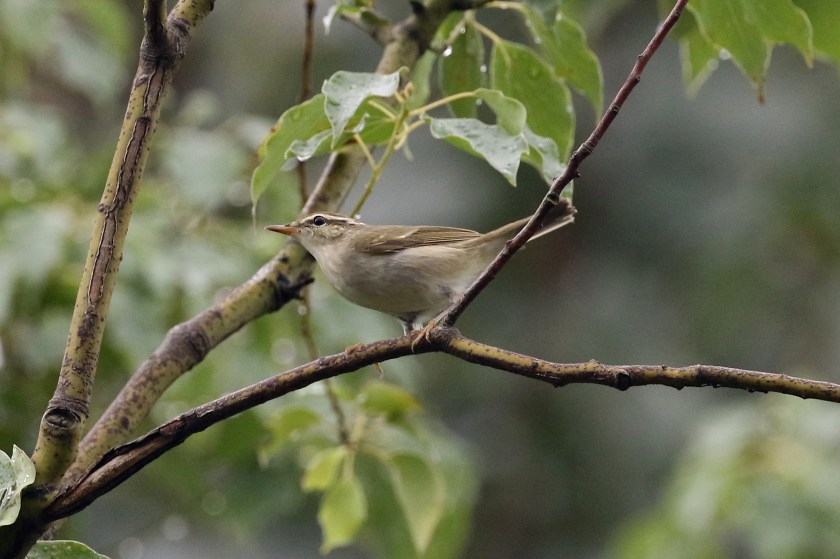
Phylloscopus warblers were really my focus. I was perhaps falsely under the impression that the commonest warbler would be Yellow Browed, however this wast the case during my stay, I saw one or two at the beginning of the week along with a single Pallas‘ but infact the most commonly seen birds were Arctic Warblers.

V87A9447

Arctic Warbler

Often vocal and mostly in the higher foliage I saw and heard many. Aware of other ‘Arctic Types’ being a possibility I was cautious to hear birds call before ID’ing them which most did to be honest. Kamchatka leaf warblers is the most likely other Arctic type and of this sp Im sure I had at least one individual. Based on call which was heard on my final day out in Binjang forest park – a bird high in the canopy appearing as an artic warbler in all respects (perhaps a longer more pointed bill) giving a loud disyllabic call, almost like a red breasted flycatcher rattle or  like 2 Arctic Warbler calls in very quick succession, something like ‘d-dzit’ 

V87A9753

Arctic Type

I’d been salivating over the idea of seeing Eastern crowned warbler and luckily they were fairly common and certainly the most enjoyable bird to watch, slightly sluggish movements punctuated by the occasional flycatch that seemed to crash through patches of foliage quite unlike smaller phylloscs. It struck me that they were perhaps the phyllosc version of a Red eyed Vireo and wasn’t too surprised to read someone else’s agreement with that in a Bird guides finders report for a bird in Cleveland in 2014.

V87A9568

Eastern crowned warblers

V87A9931

V87A9950

V87A9942

one of the more stand out features is the concolourous lower mandible, quite bizarre if you catch it at the right angle.

V87A9582

I saw perhaps 7 or 8 Pale legged/ Sakhalin Leaf Warblers during the trip, I found them to be quite grubby little birds, dark about the face and crown, pale pink bill base and cutting edge, some quite short billed, pale pink legs were obvious and often feeding low down in the dark foliage .

V87A9821

Birds were dipping their tails as if writing a letter U it seemed. The call sounded closest to PLLW to me but its probably abit beyond human hearing to separate the two. 

V87A98561

Pale legged/Sakahlin leaf Warblers

V87A9823

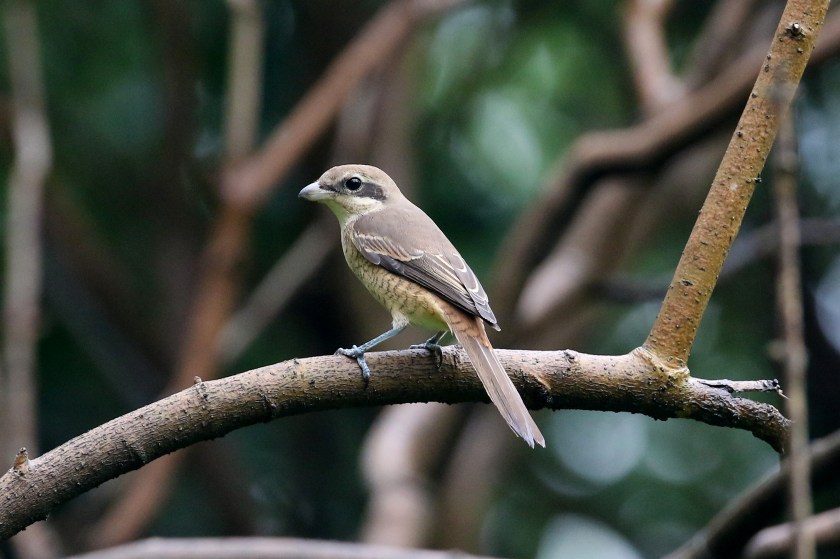
Other migrants were things like Brown Shrikes, many Eastern Yellow Wagtails, both Red-rumped and Barn Swallows. Also a special moment when a female Siberian Thrush flew across an open area in front of me at Binjang Forest park, with the light on the other side of the bird to me its underwing pattarn was lit up, I got onto it for 3/4 seconds but that was enough to make it the highlight of the day. 

V87A9406

Brown Shrike

V87A9798

Eastern Yellow Wagtail – Motacilla tschutschensis

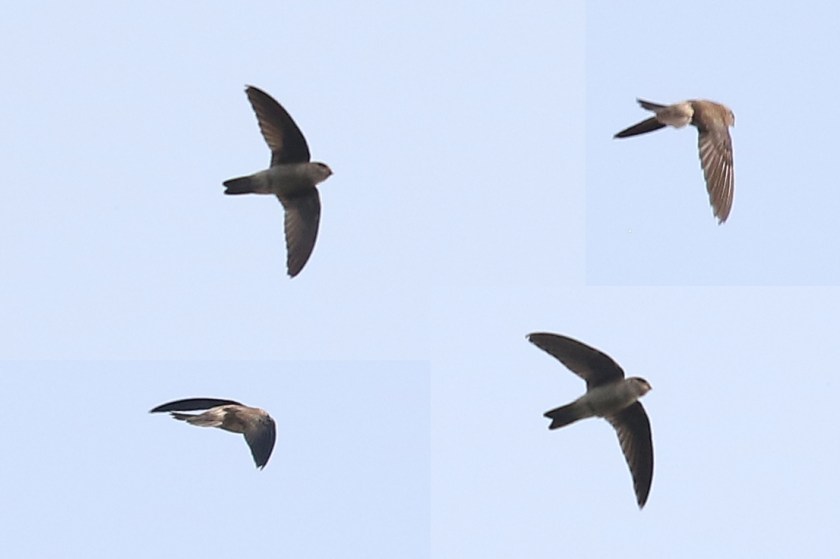
A decent find in the form of a Himalayan Swiflet over Binjang Forest park in the mouth of the Yangtze River, only annually recorded species for Shanghai.

Untitled-1

Himalayan Swiftlet

2 completley Urban Richard’s Pipits were seen on the deck early one morning in Century park.

V87A9653

Richard’s Pipit

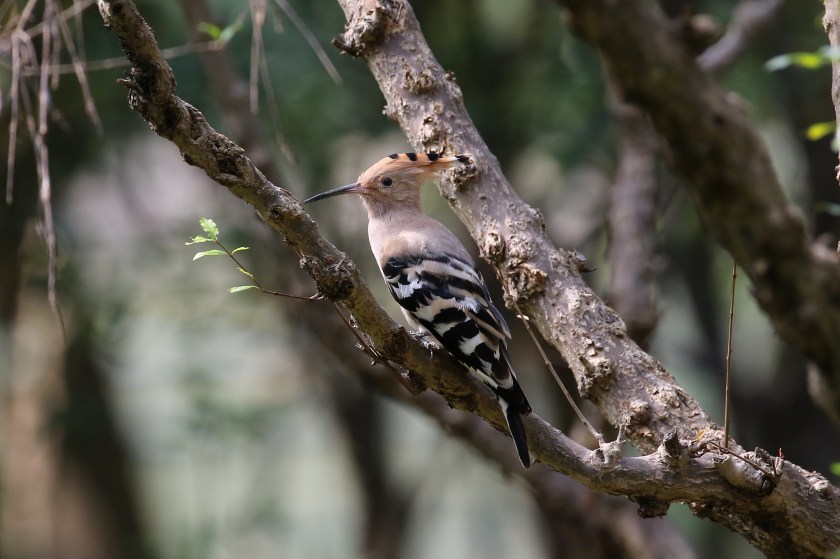
Hoopoe is a common bird throughout the year in Century park as far as I can tell.

V87A9926

Hoopoe

So thats early Autumn in Shanghai for me, I probably could have been luckier with the weather and number of migrants but it was pretty good. My next trip will probably be February next year and I must try and get to the coast!

Again thanks to www.shanghaibirding.com , a really excellent resource for birding the area.

Pied fly Springfield park

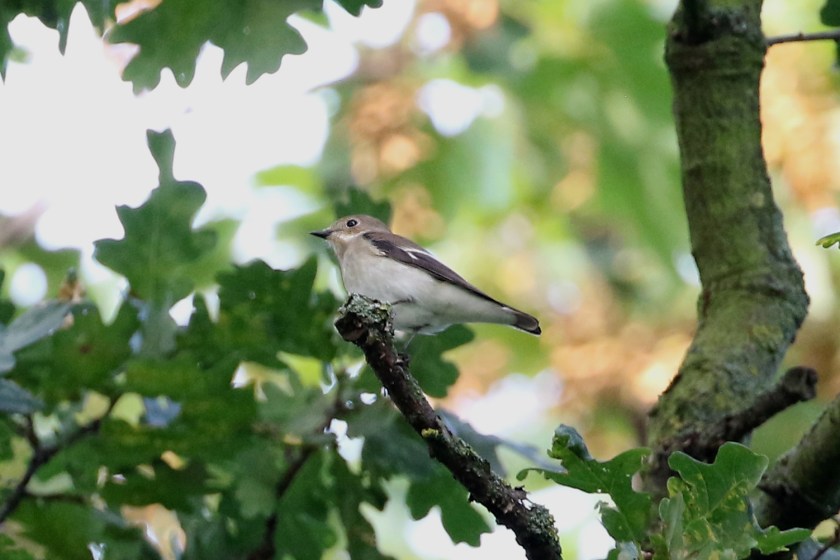
I have been including a small section of Springfield park into my occasional morning walks over the marsh. Ive known that it gets birds but as its off the patch technically ive always over looked it, foolishly it seems now as after 4 visits i bumped into this Pied flycatcher, high in the large oak near the bandstand on the morning of the 30th

V87A9285

Its taken me over ten years to find a Pied fly locally, thats madness. at least one spot fly was also present too.

V87A9263

August Bank Holiday Weekend

For the past few years I have made sure Im free for the bank holiday in August, mainly to see common migrants in decent numbers with fingers crossed for something scarcer down at Beachy Head.

V87A8982

The bird of the trip was an Ortolan Bunting, found early on by Kris Gillam. We just about got onto it before it flew off West calling.

My personal Highlight however were 4 Honey Buzzards (three together on in the early part of the weekend and then another lone Male bird the following day) that Laurence and I picked up between us over the headland.

V87A8835

V87A8567

V87A8573

5T6A5377

we’ve seen HBs before on these dates at Beachy Head but to get 4 in 24 hrs was great. An Osprey headed east along the coast on the Saturday about midday and a Hobby was seen once or twice probably attracted by the 1000s of Swallows that lingered around the headland and seemed to thin out towards sunday.

V87A8972

Common migrants were present in good numbers rough totals are as follows for the two days: 23 Wheatear, 15 Whinchat, 15 Redstart, 10 Pied Flycatcher, 6 Spotted Flycatcher, 10 Robin, c50 Willow Warbler, c65 Whitethroat, 10 Lesser Whitethroat, 25 Blackcap, 2 Grasshopper Warbler,  c70+ Yellow Wagtail, 35 Tree Pipit,

V87A8889

V87A8900

V87A8707

We spent saturday evening’s sunset on the headland hoping to glance a Nightjar in the gloam. LP picked one up from the car whilst driving home and we saw it a couple of times hunting around the lights of the pub.

Early Sunday morning and we heard of new of a Tawny pipit over west just a mile or two down the coast, abit of a blow as we were totally primed to find one, next time.

V87A8679

Sometimes looking at the size of the place I’m amazed that anything is found at all, there is so much cover and potential, I wish I could be there more.

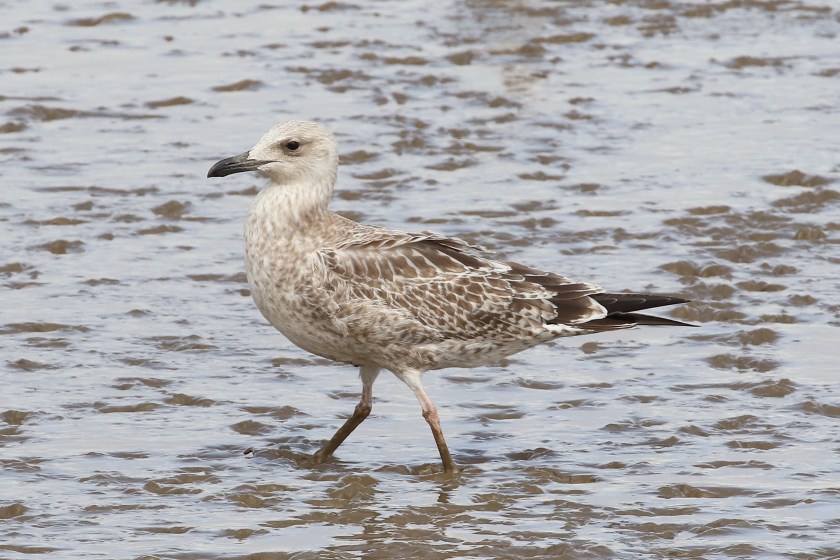
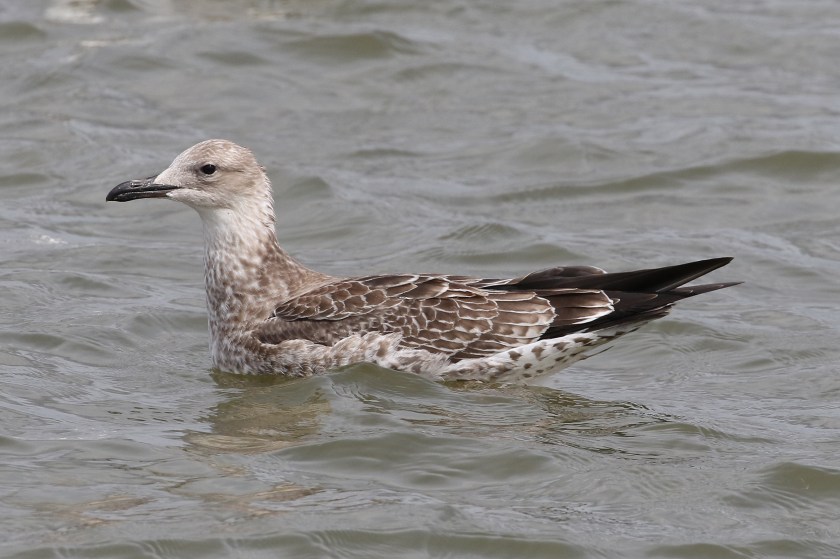
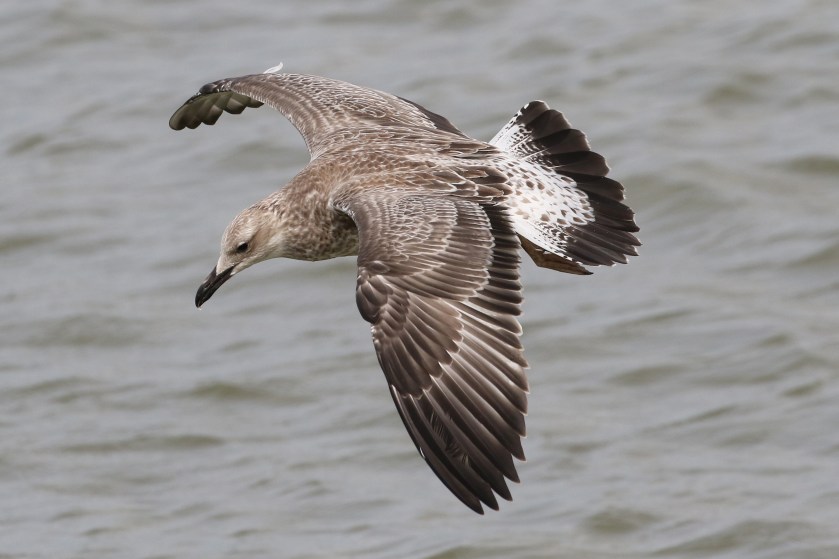
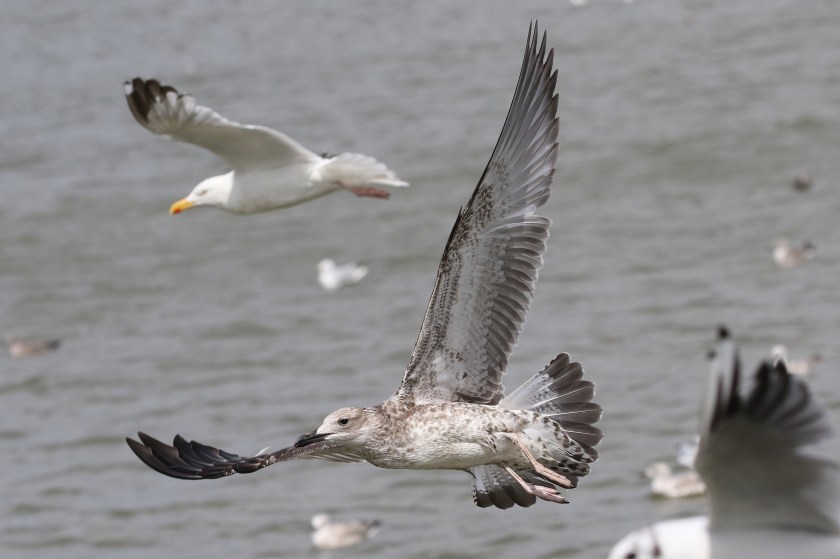
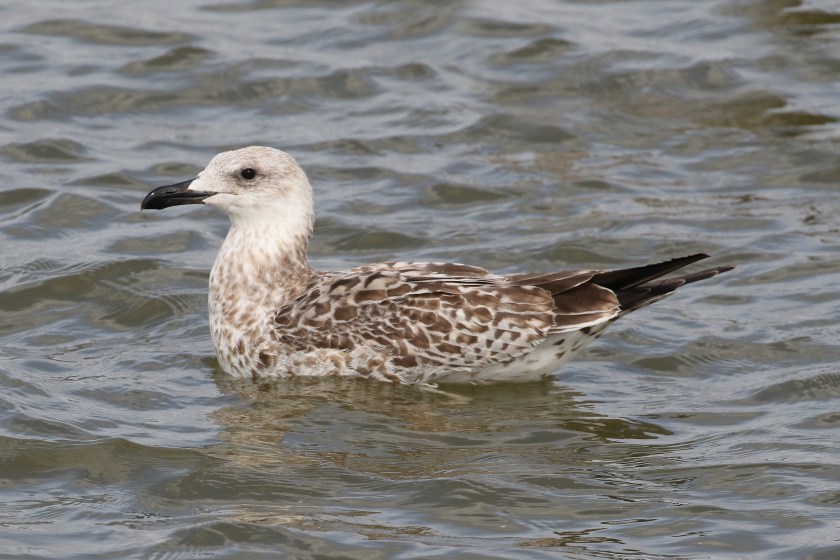
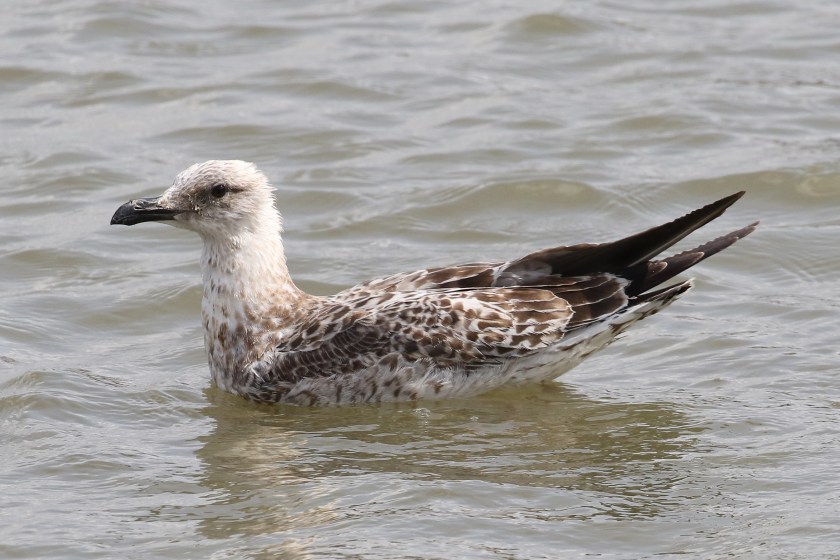
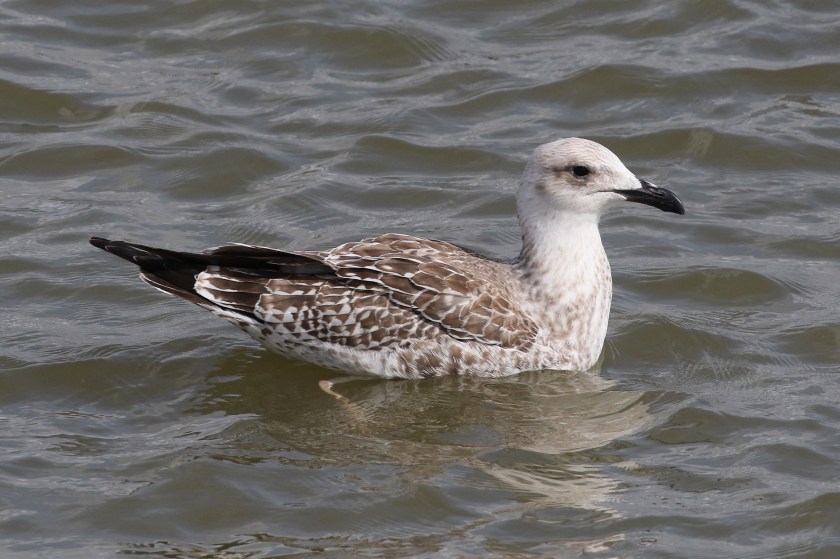
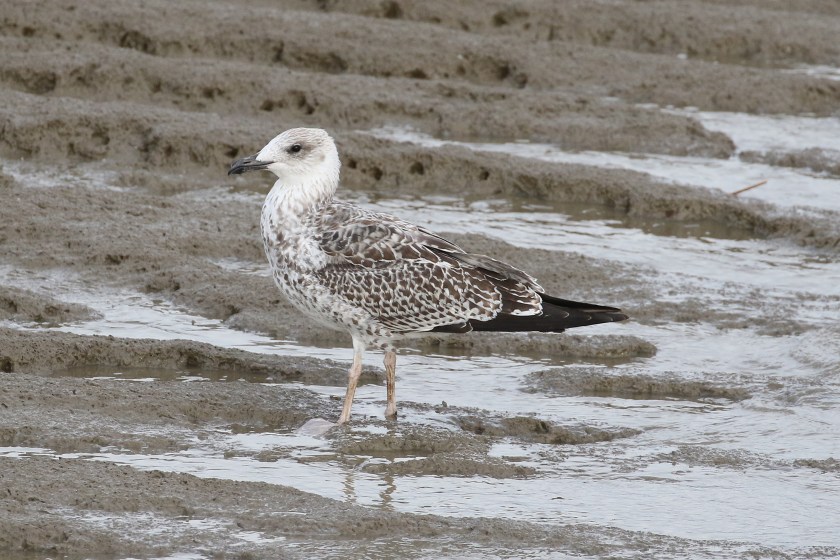
Juvenile Caspian Gulls from Erith.

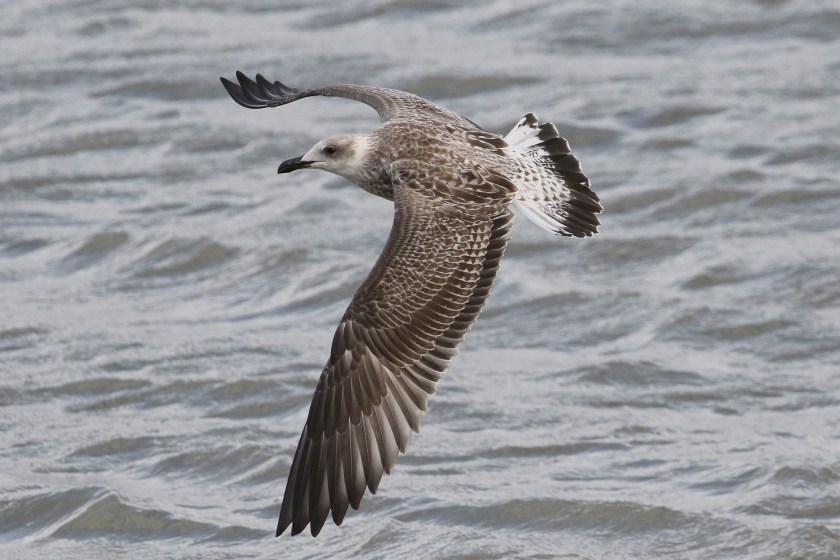
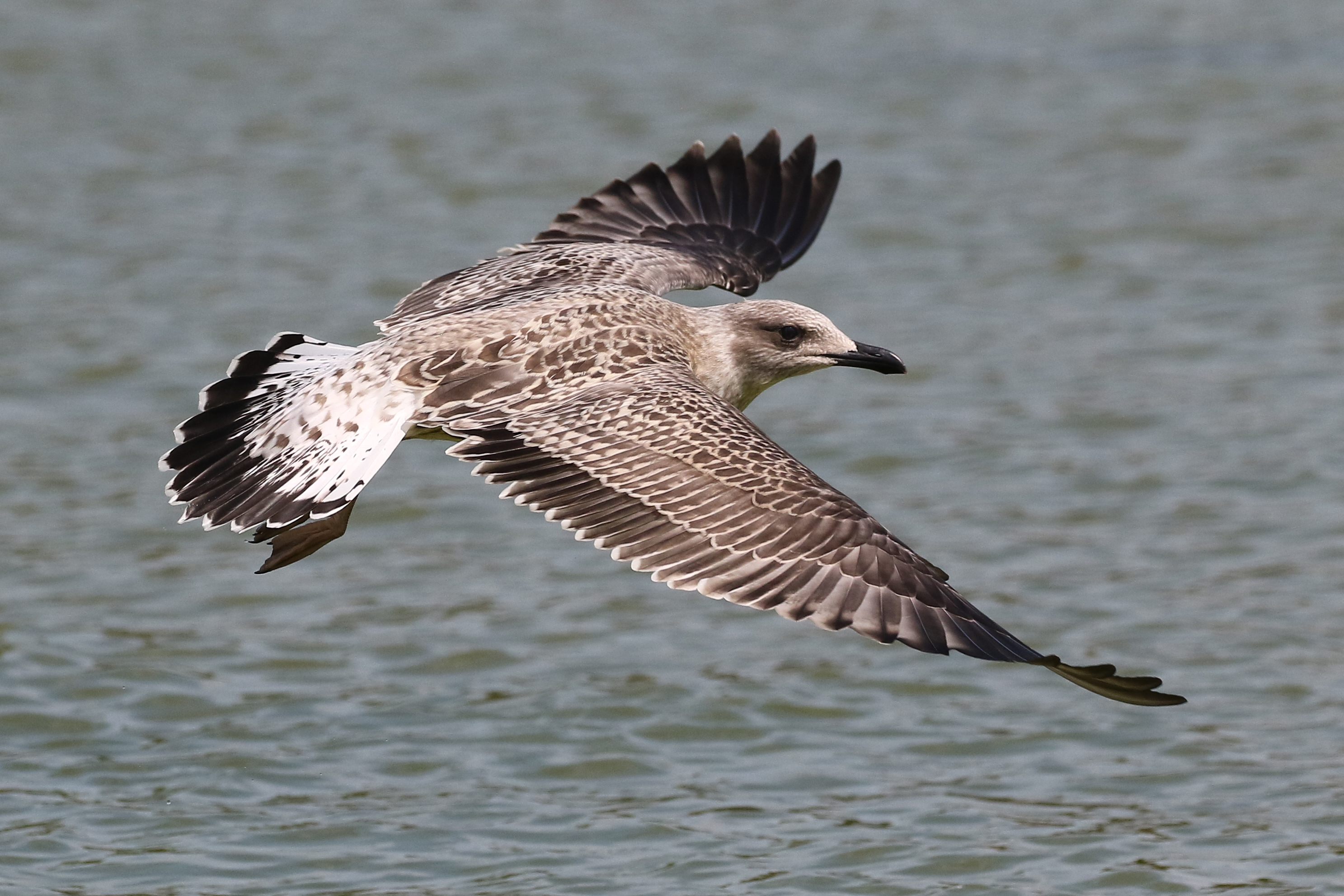
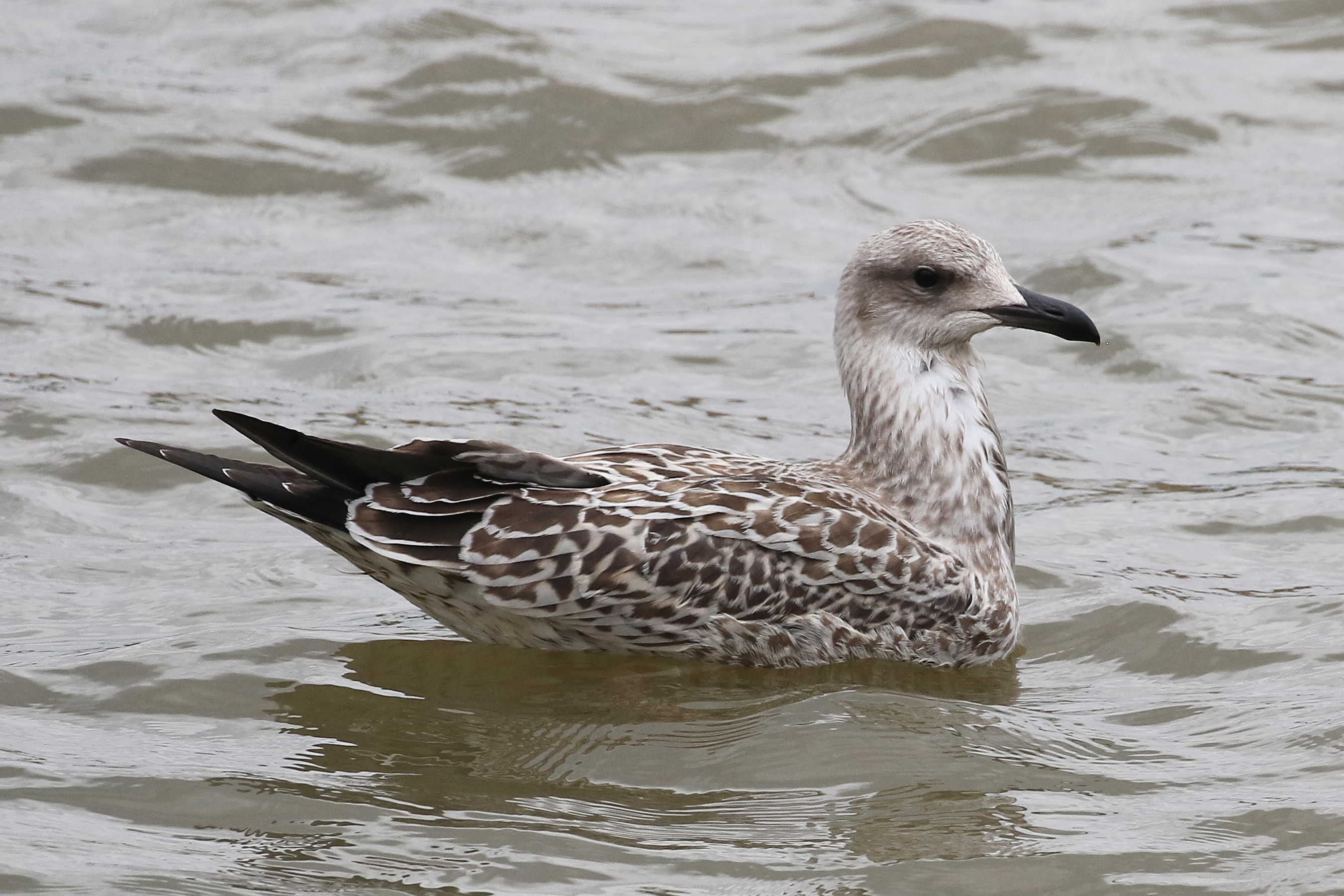
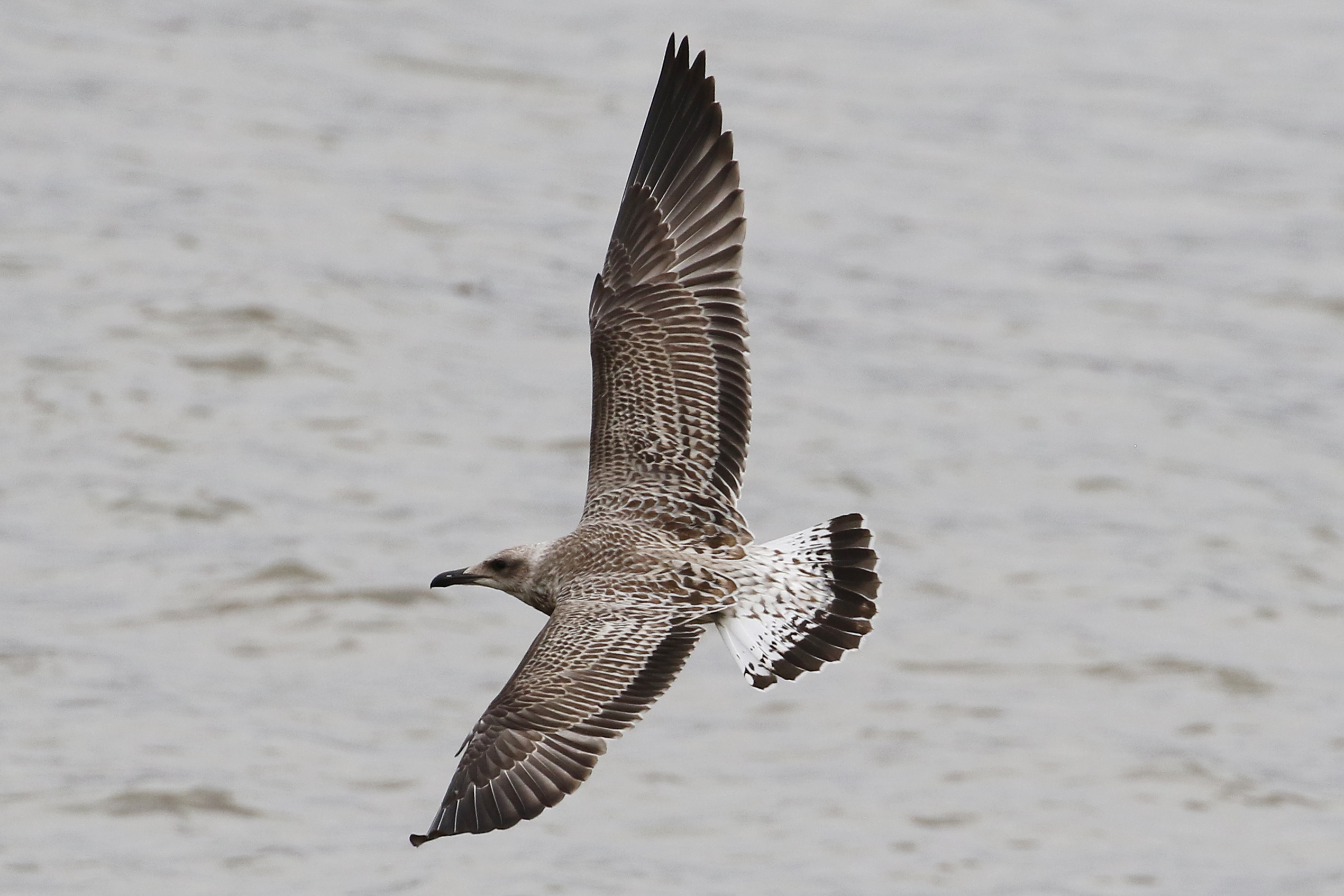
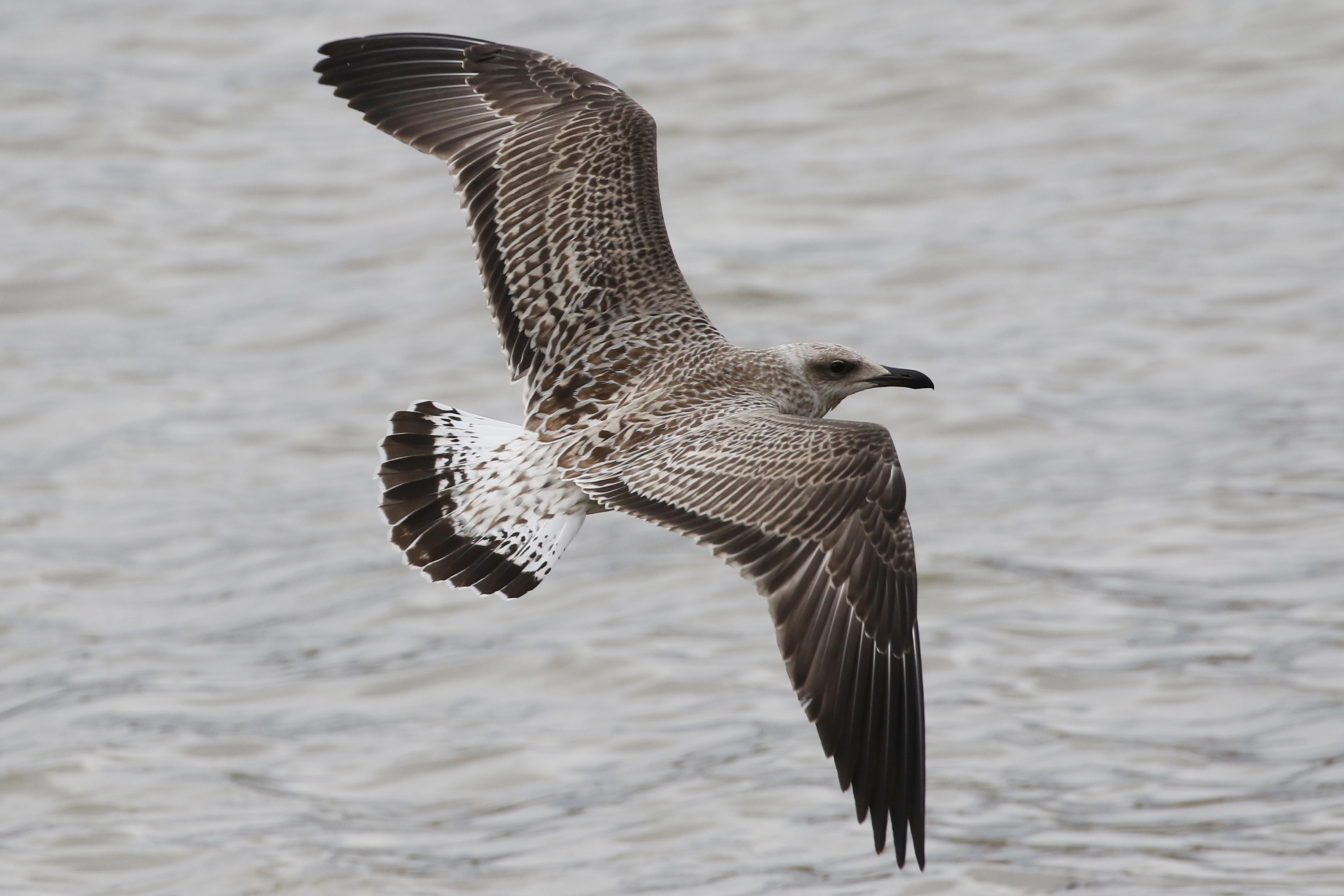
This blog has been a little quiet of late. Fear not however! with last weeks arrival of a handful of juvenile Caspian Gulls (found by Rich Dante and Josh down Erith pier) I have snapped out of my june/july lack of inspiration and caught up with a couple of them over the weekend.

V87A7221

Above and below, a nice pale bird that was present on saturday to an audience of Rich, Richard, Josh and I. A striking bird that I really hope sticks around to see what it looks like in a month or so.

V87A7413

This next bird showed well for Rich and I on Sunday, a small, dark a delicate bird with a nice deep tail band.

V87A7616

V87A7500

V87A7599

V87A7639

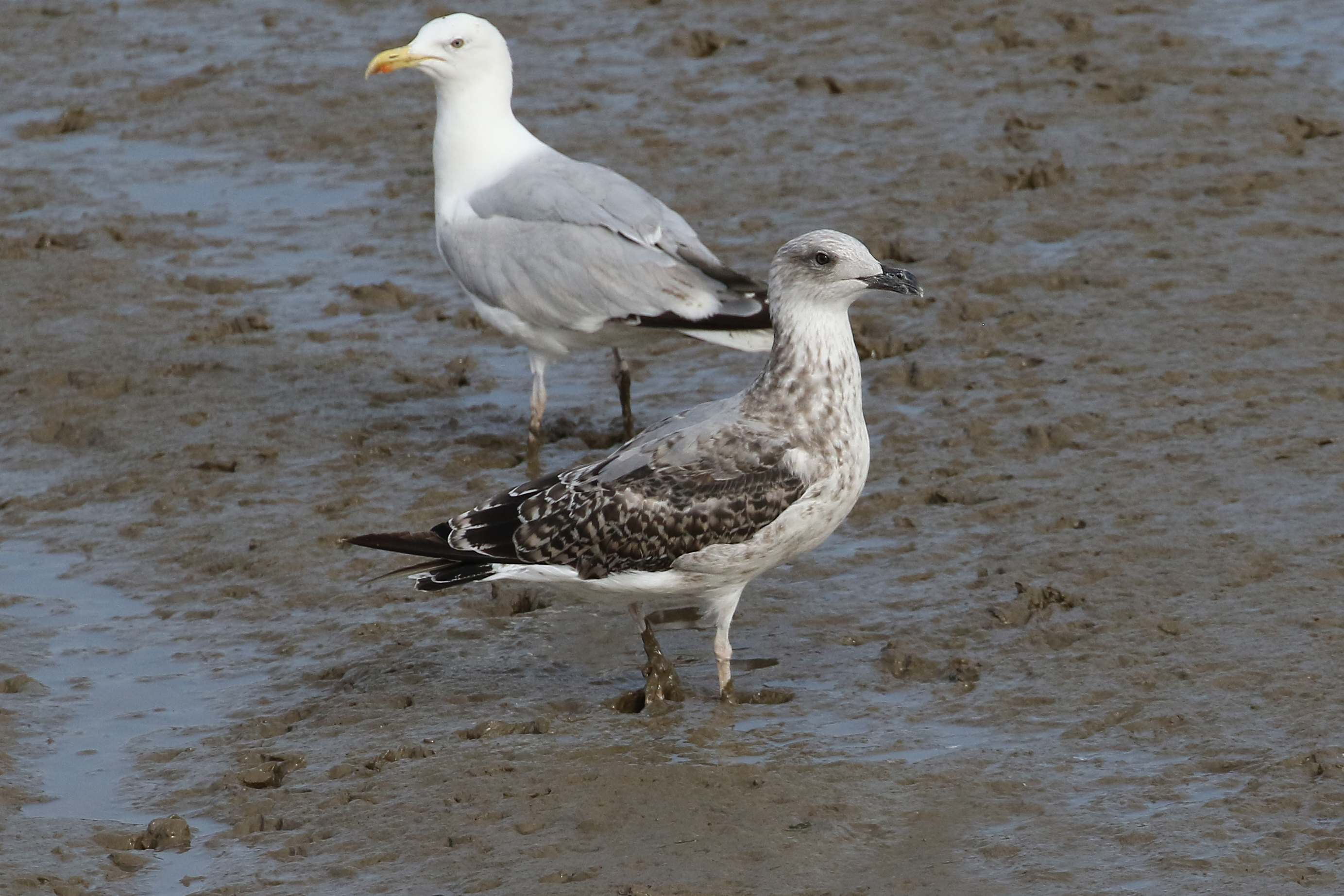
Besides the Casp today there was a particular theme to some of the YLGs: White headed and pale underwinged, slightly gingery.  

V87A7462

V87A7456

V87A7455

V87A7114

V87A7167

V87A7171

Now that its almost mid August I will be posting with more regularity. expect trips from the south coast for the next few weeks untill I go back to Shanghai for the first 9 days of September!

The first Juvenile Yellow-Legged gulls of 2019

The arrival of juvenile Yellow legged gulls in early July is a nice snap out of birdless june for me and something I look forward to immensely.  This year it was old Laurence P who struck gold on July the 1st with a juv down in east Sussex (the first uk record of a juv ylg in 2019) I went to visit him on the first weekend of July, as is out custom for the past few years and we notched up another different bird (below) in the same spot aswell as a flyover along the coast abit.

V87A6283

Since returning to London Ive been far too busy to check the river until this weekend where Thames Barrier park revealed my first London Juvenile YLG of the year in the form of a distant bird on the water edge. Generally there are more other aged birds around during this late summer period and a first summer (below) 2 second summers and an adult were also lined up among the local herrings and Lesser black backs.

V87A6340

I had more free time today and ventured down to Erith where I was greeted by a greedy juvenile Yellow leg almost instantly . It was very excited by the bread and dominated the melee as they often do.

V87A6427

V87A6465

V87A6500

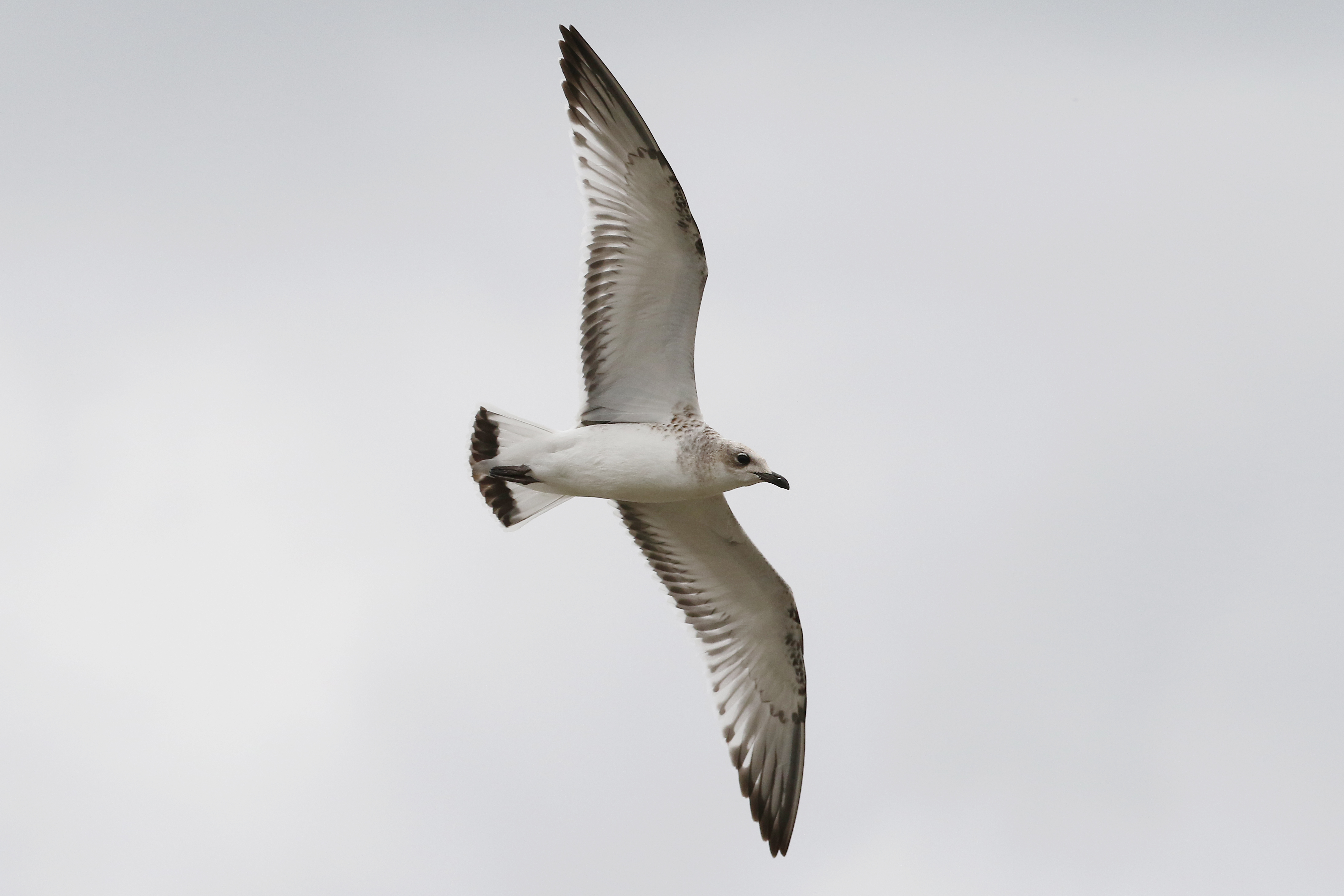
As per there were a couple of other YLGs about aswell as 1 first summer and 1 juvenile (below) Mediterranean Gulls. 

V87A6556

Nice to properly kick off the summer gull season with a showy couple of birds, I will however really be keeping my eyes peeled for the first juvenile Caspian gulls to turn up in the Thames in the next few weeks.

Spring at Long Point, Ontario. Part 4- …and the rest

The time has come to wrap all this Long point business up.

No more living in the past.

That was then this is now.

A post for the remaining birds, with much missed off as usual but highlights etc. Please excuse the hair-brained jumping between taxa in no particular order but thats how things come and go and maybe this post can reflect that truth.

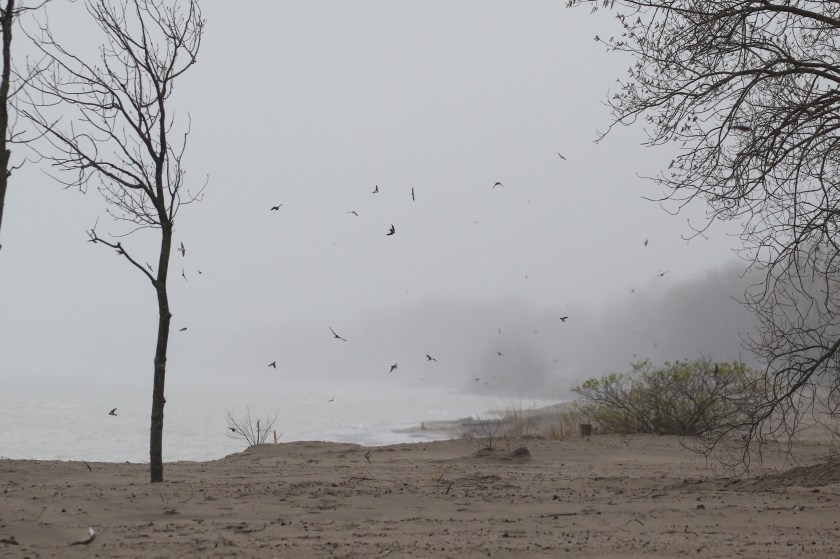
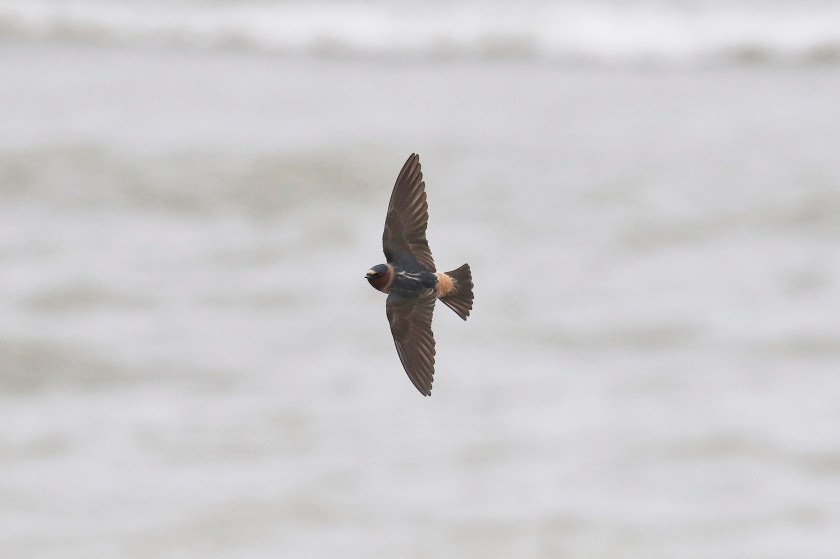
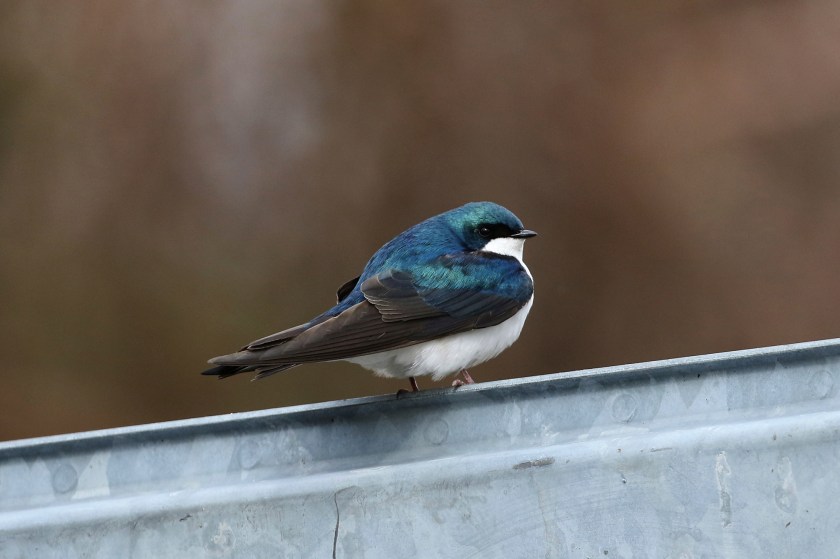
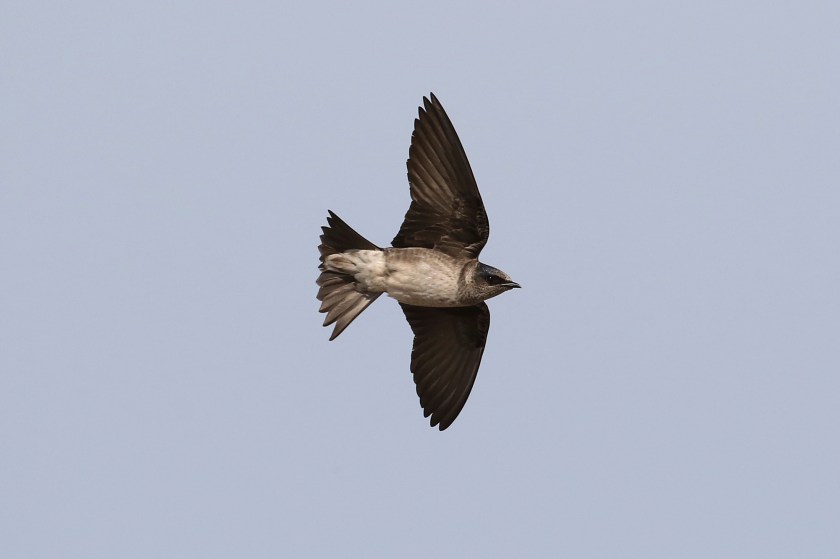
Swallows were an enigmatic presence with huge movements on some days and very little on others. Almost every local tree hole or garden nest box had a Tree Swallow within and Barn swallow flocks harboured the odd feeding Cliff Swallow particularly towards the end of the trip. Local Purple martins with their gaudy looking man made abodes were great to watch and listen to and both Bank swallow and Northern Roughwing were seen most days in smaller numbers.

V87A3438

zV87A3289

Cliff Swallow

zV87A4009

Tree Swallow

zV87A1213

f Purple Martin

We’d hoped out daily topping up of bird feed at our garden feeder would attract a migrant Redheaded Woodpecker but alas the birds We saw were away from the house. Some on territory in a small patch of older trees aswell as one or two migrants. Our visits to Backus Woods and the Wilson tract were occasionlly soundtracked by the drumming and calls of Hairy and the mighty Pileated Woodpeckers.

zV87A2831

Red-headed Woodpecker

zV87A4155

Solitary Sandpiper

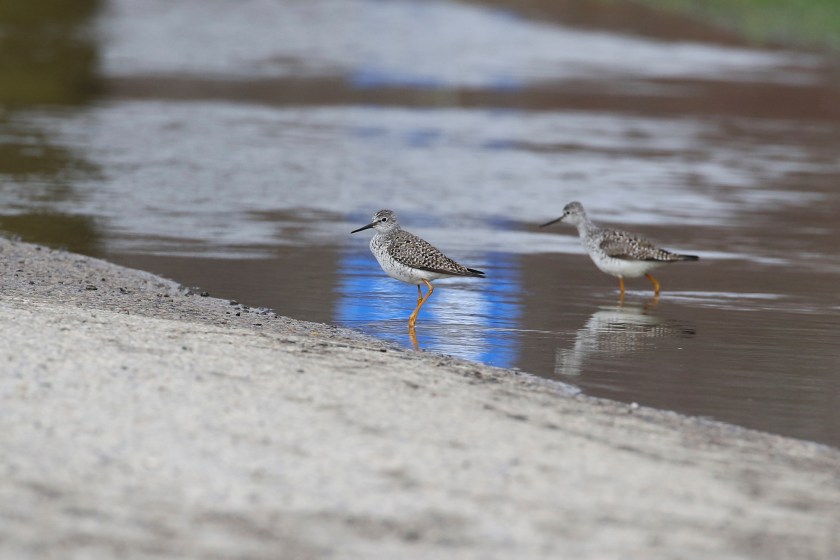
Our encounters with Wading birds were few and far between with no real number of birds but ones and twos of things like Spotted and Solitary Sandpipers, Lesser and Greater Yellowlegs. Kildeers were in every carpark puddle or gravel driveway and a couple of fly over semipalmated plovers. I ticked Hudsonian Godwit on our final morning with a flyover and a flock of 16 Shortbilled Dowitchers flew around a waterbody in the rain a few times before continuing on their journey. Woodcocks were heard every evening and a we visited a local bird on several occasions who would call and display as the light disappeared.

zV87A1799

Lesser yellowlegs

Heres a few random Passerines;

zV87A3911

Eastern Kingbird

V87A2396

Eastern Bluebird

V87A4379

Bobolink

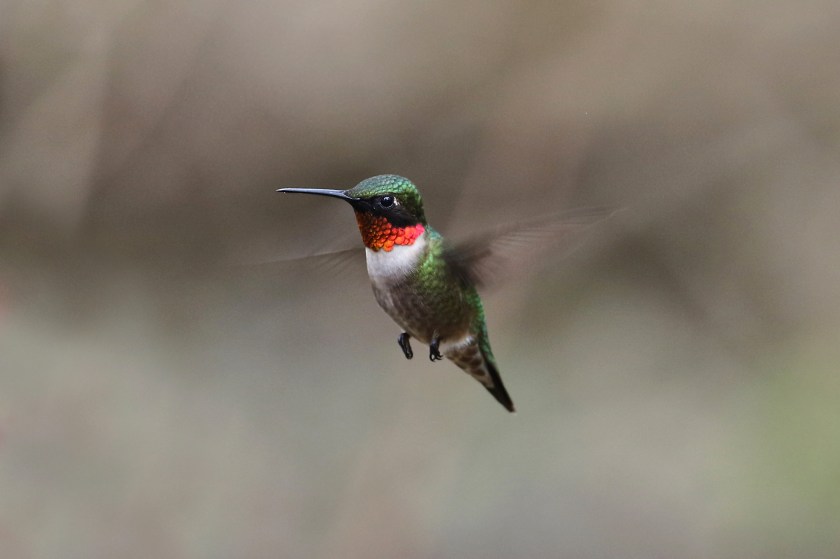
Ruby-throated Humming birds were a daily occurrence at our feeders.

zV87A4133

Ruby-throated Hummingbird

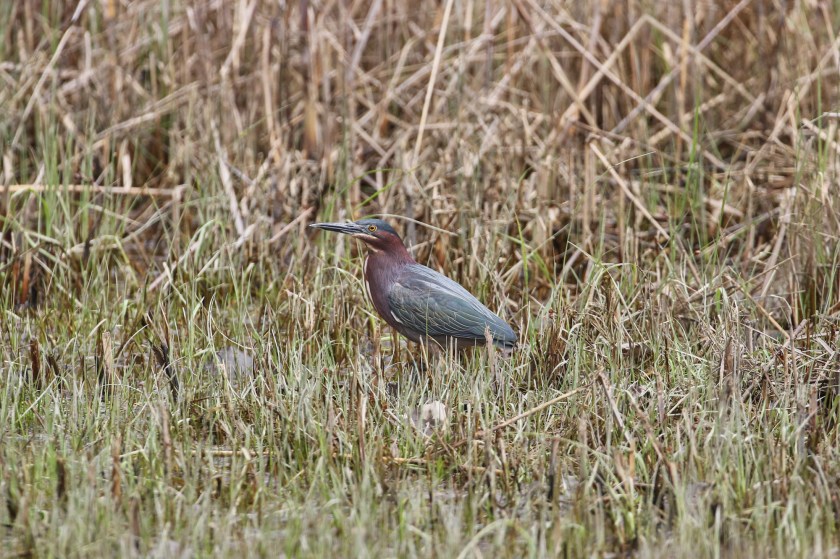
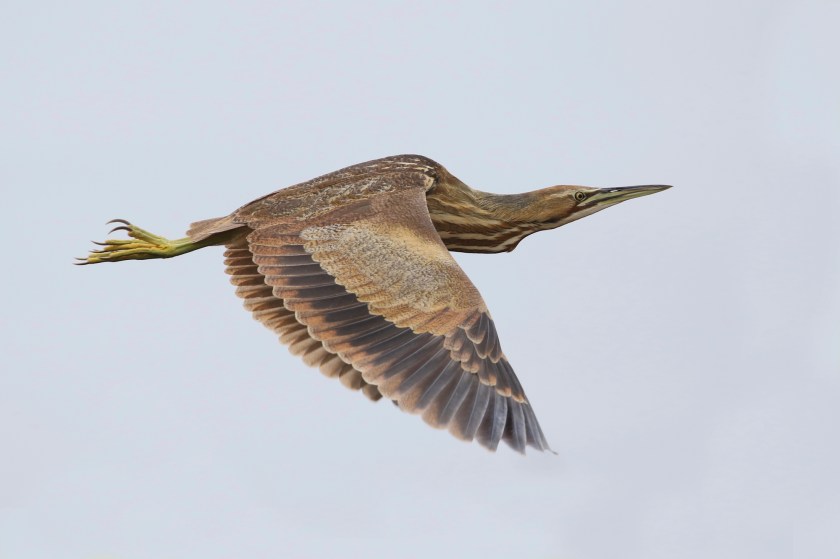
Herons, egrets and bitterns were well represented with American Bitterns supplying a daily soundtrack.

zV87A0835

Green Heron

zV87A4676

Least bittern

zV87A0238

American Bittern

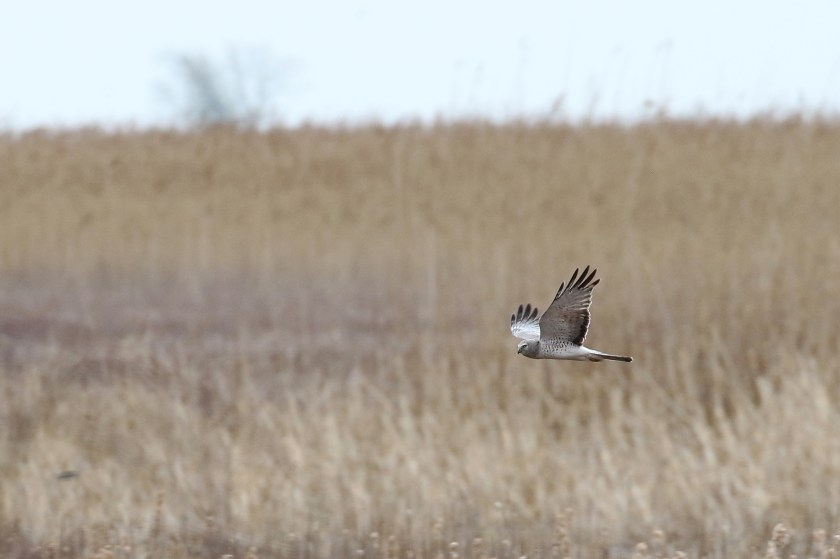
Raptors were a little quiet, lots of Turkey Vultures and a good few Ospreys and Bald Eagles, Broadwinged and Red –tailed Hawks, Sharp Shinned and Coopers hawks aswell as one or two Kestrels and a single Merlin. Northern Harriers were seen every so often.

zV87A3636

Northern Harrier

Last but not least the gulls! Not my focus for the trip but a nice bonus. We saw small flocks of Bonapartes Gulls flying around aswell as a close up handful of them at a local pier. Accompanied by Ring Billed Gulls. I probably saw 2 American Herring Gulls per day but never very close.

V87A1642

Bonapartes Gulls

V87A1498

So thats that. an immense trip with so much new information and birds for me. I really loved it and will be visiting again .

V87A4504


Spring at Long Point, Ontario. Part 3-Vireos, Grosbeaks, Tanagers and Cuckoos


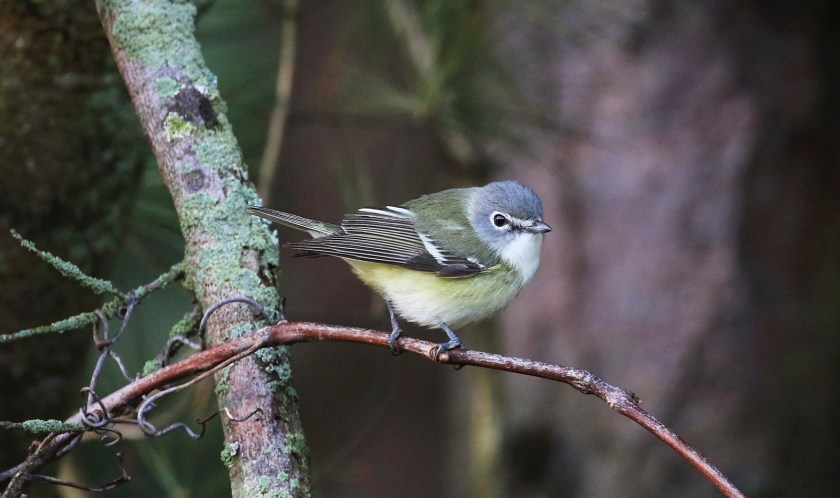
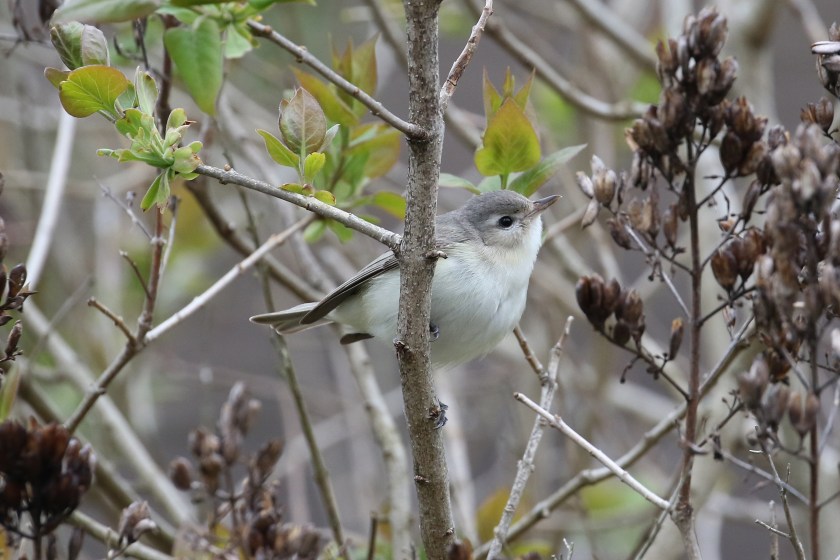
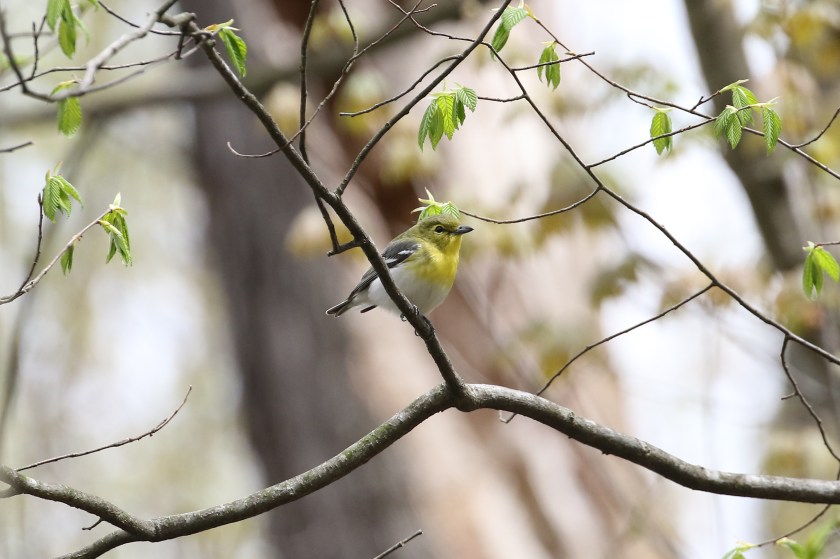
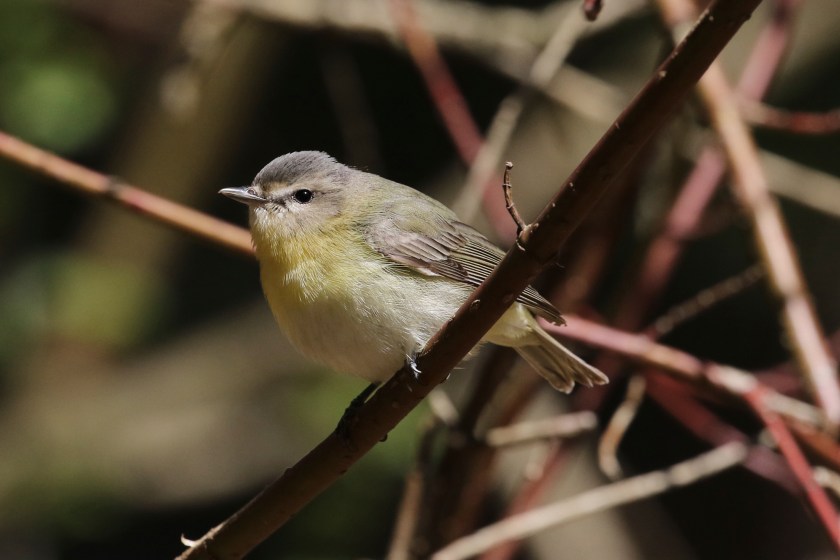
I keep thinking Im almost done with Long Point images and then I remember something like Scarlet Tanager or Philly Vireo, how could I leave them out? Im trying to be brief for my own sake (although I know i’ll look back at these posts fondly) THE VIREOS were excellent birds to watch, with most encounters providing prolonged views of birds sometimes stationary for lengths of time.  The most common were Blueheaded and Warbling Vireos, followed by smaller numbers of Philadelphia  and smaller still (perhaps only 5)  Redeyed and Yellow Throated, Whiteeyed were seen by others but not me.  Again a great range of personality, colour, subtlety and expressions aswell as both bizarre calls and sweet tuneful songs.

zV87A4579

Blue-headed Vireo

zV87A3835

Warbling Vireo

zV87A2587

Yellow throated Vireo

zV87A4987

Philadelphia Vireo

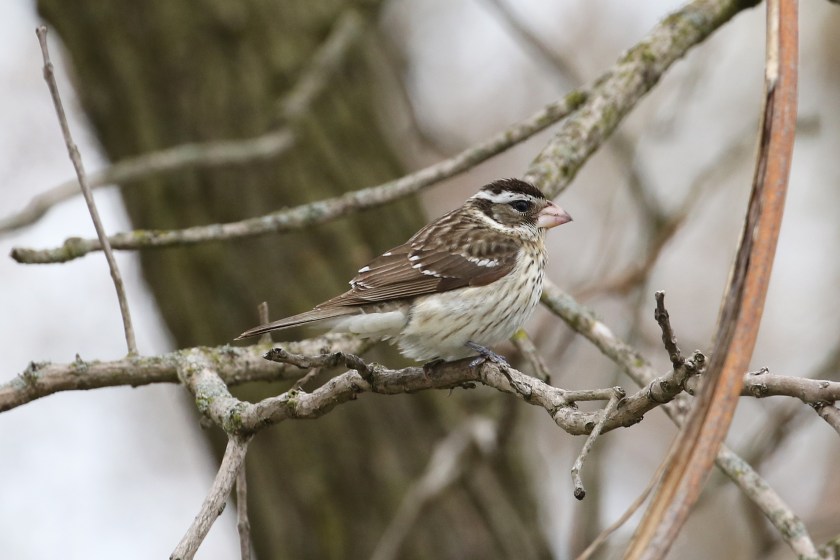
alas, no shots of Red-eyed Vireos but they were probably the most exciting to watch. There was very little on the trip that didnt get me going and the OTHER PASSERINES, were no exception. It was very nice to catch up with Rosebreasted Grosbeaks, particularly the females, and I certainly appreciated seeing them in context, made me like them even more, their ‘squeaky shoe’ call was often heard.

zV87A2247

Scarlet Tanagers were shocking things to look at, I had a high count of 15 one day and some were very approachable.

zV87A1341

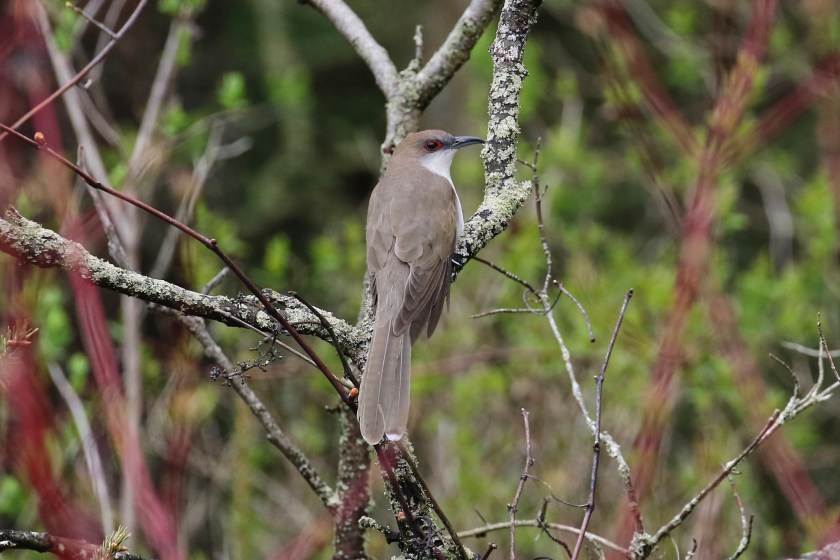
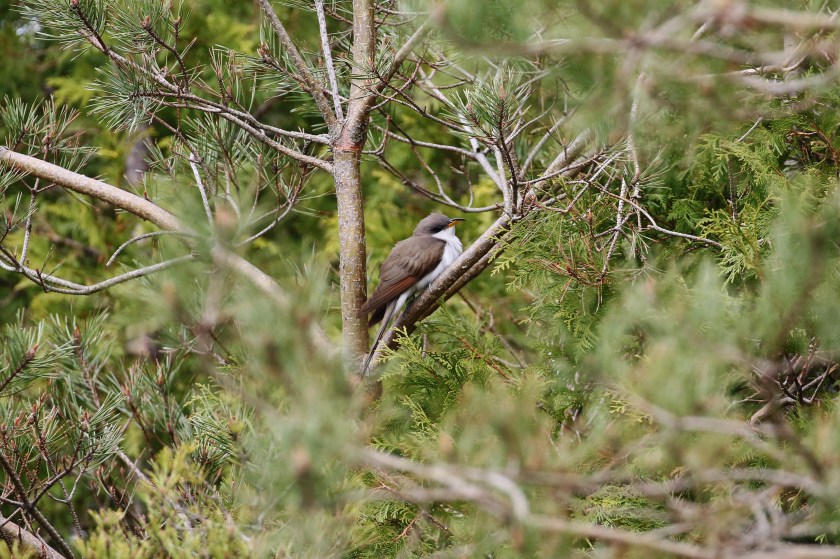
We had both Black and Yellow-billed Cuckoos within 20 mins of each other and that was pretty much all we saw of them.

zV87A1776

zV87A1822

Expect the next post to be everything else in a ‘last but no least’ style.