North Uist

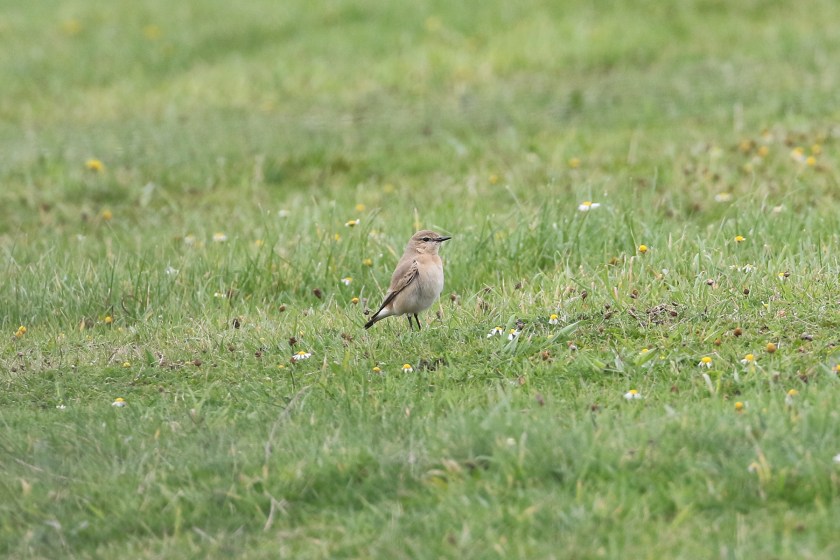
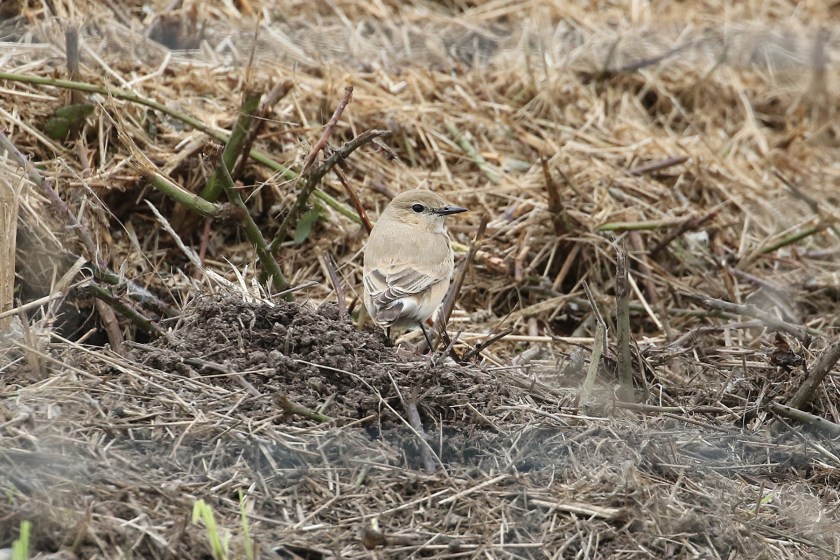
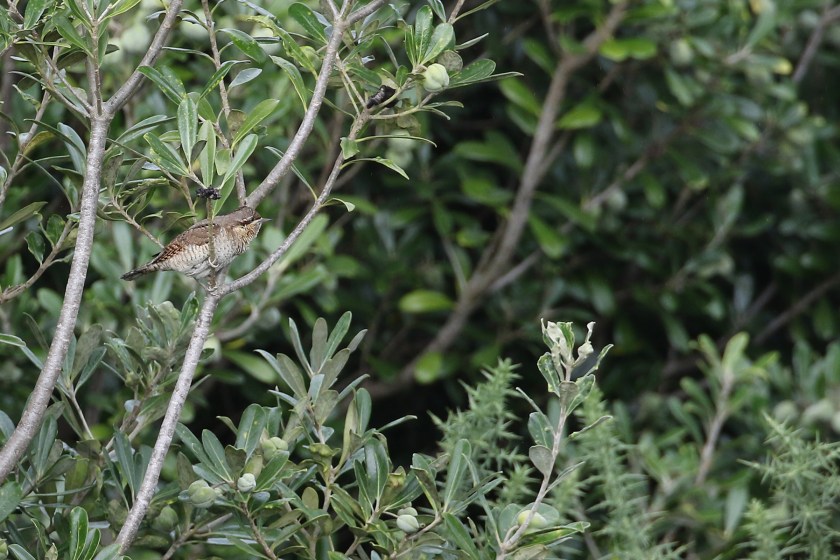
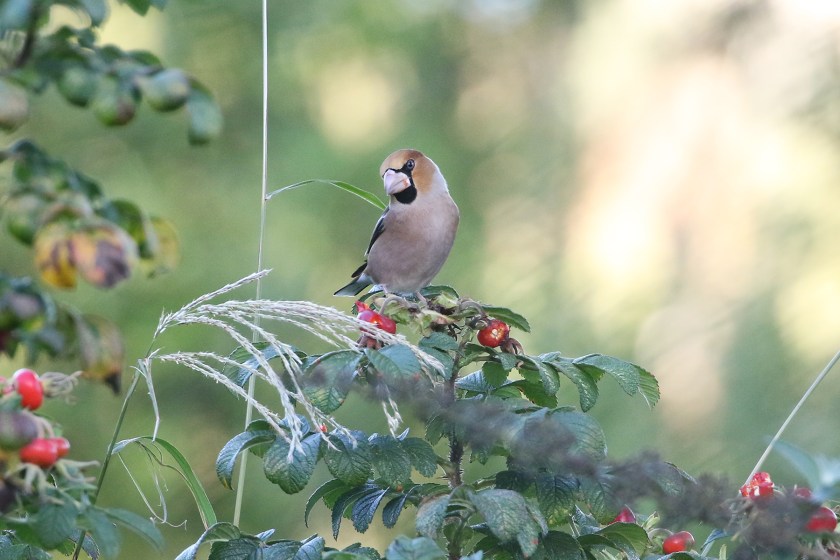
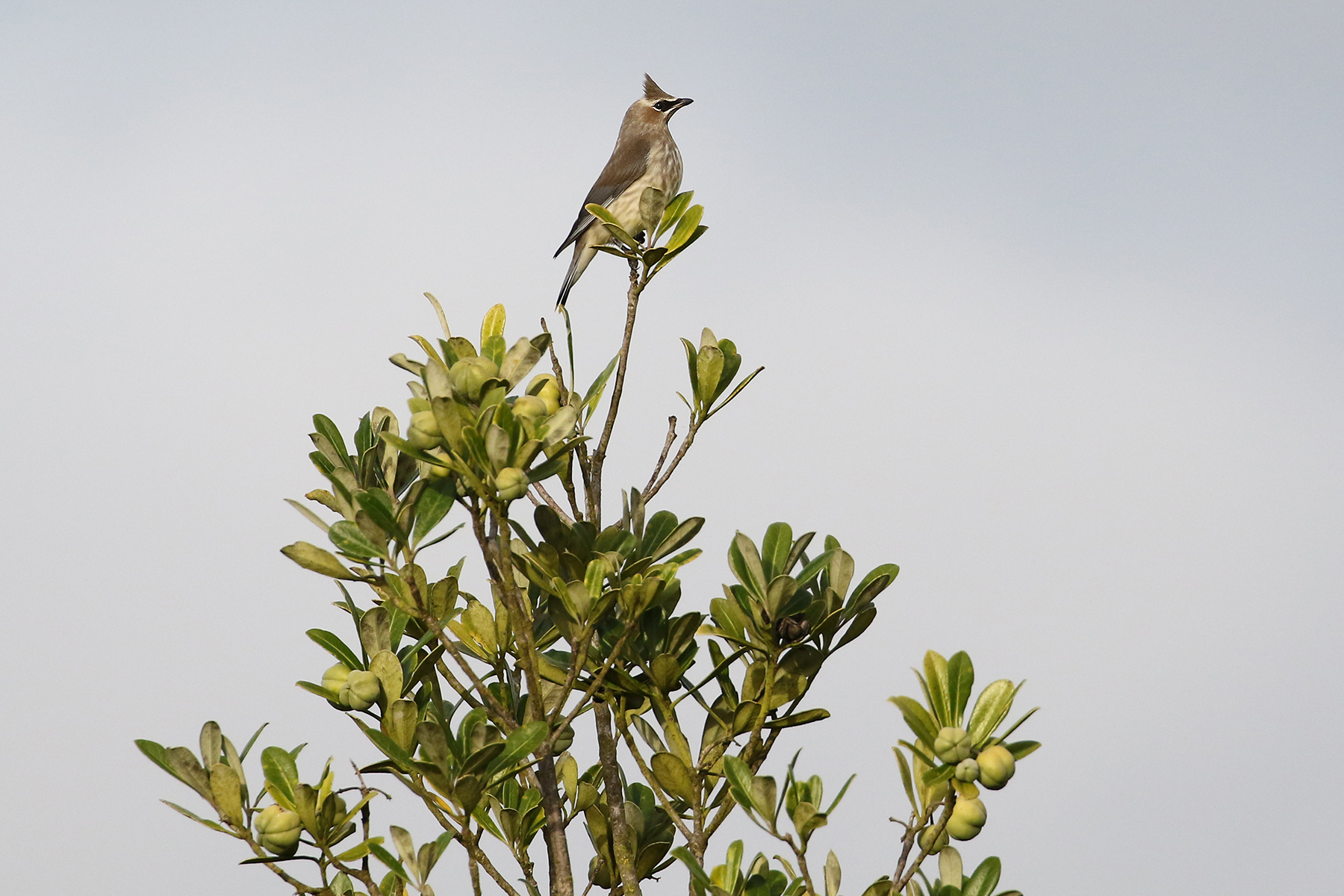
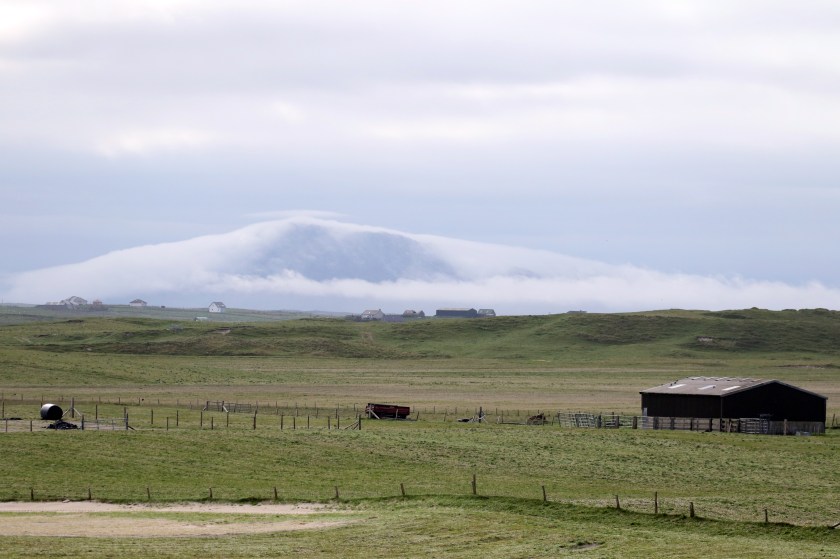
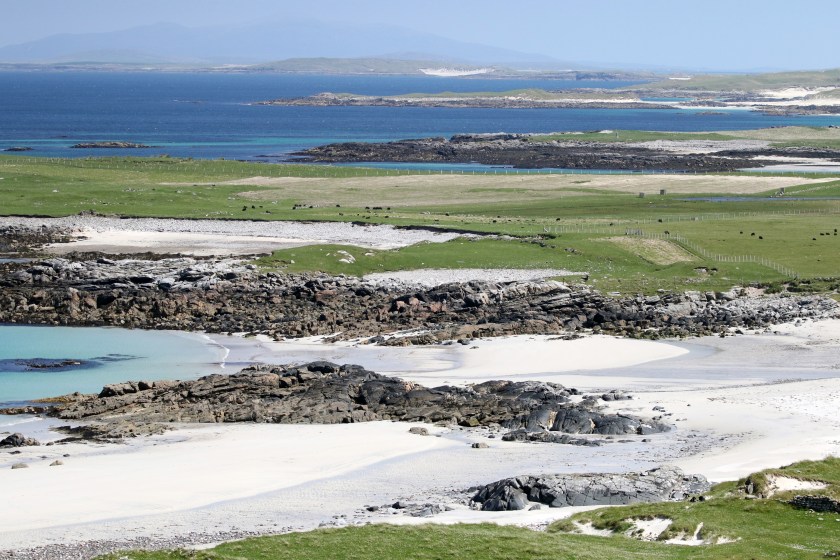
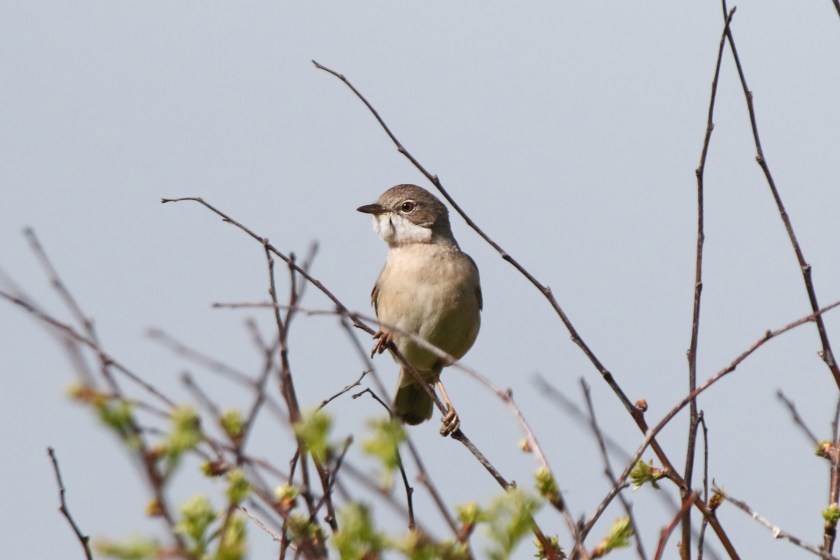
A much anticipated and well deserved break from London, 7 days on North Uist and my first time on the Outer Hebrides.  Stunning and uplifting scenery with a soundtrack of constant wader calls, skylark song and Corn crakes ‘crexing’.

V87A6426

V87A6703

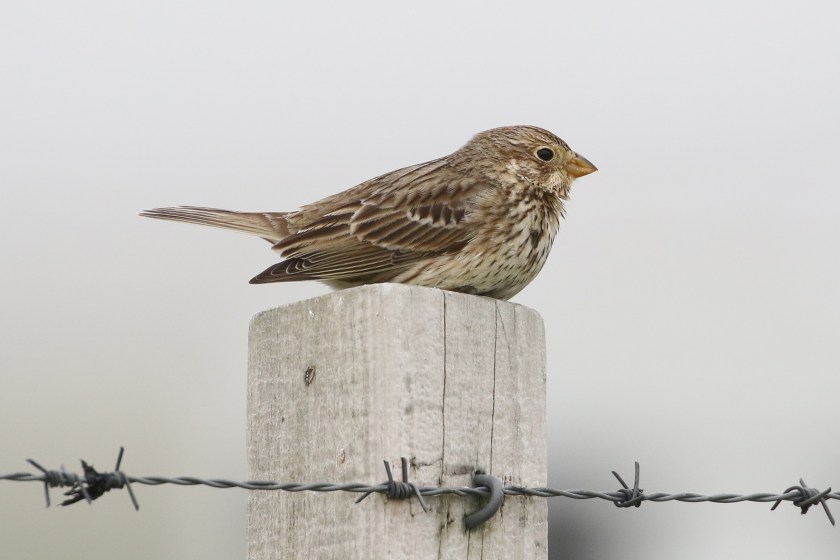
Although it was the first thing I heard as I got out of the rental car at Bayhead Caravan, it took me 3 days to properly lay eyes on any of the local Corn Crakes.

V87A6504

V87A6519

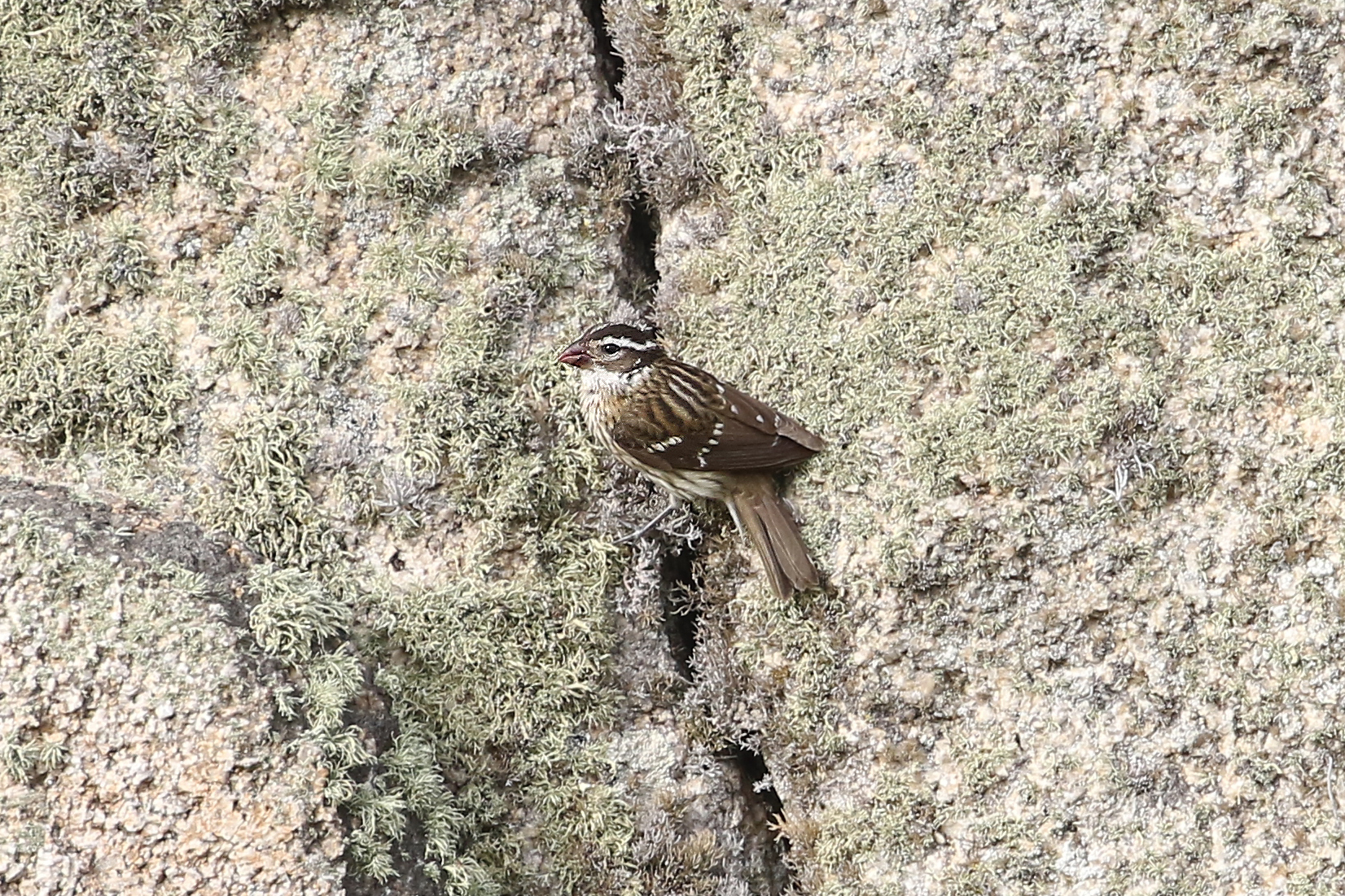
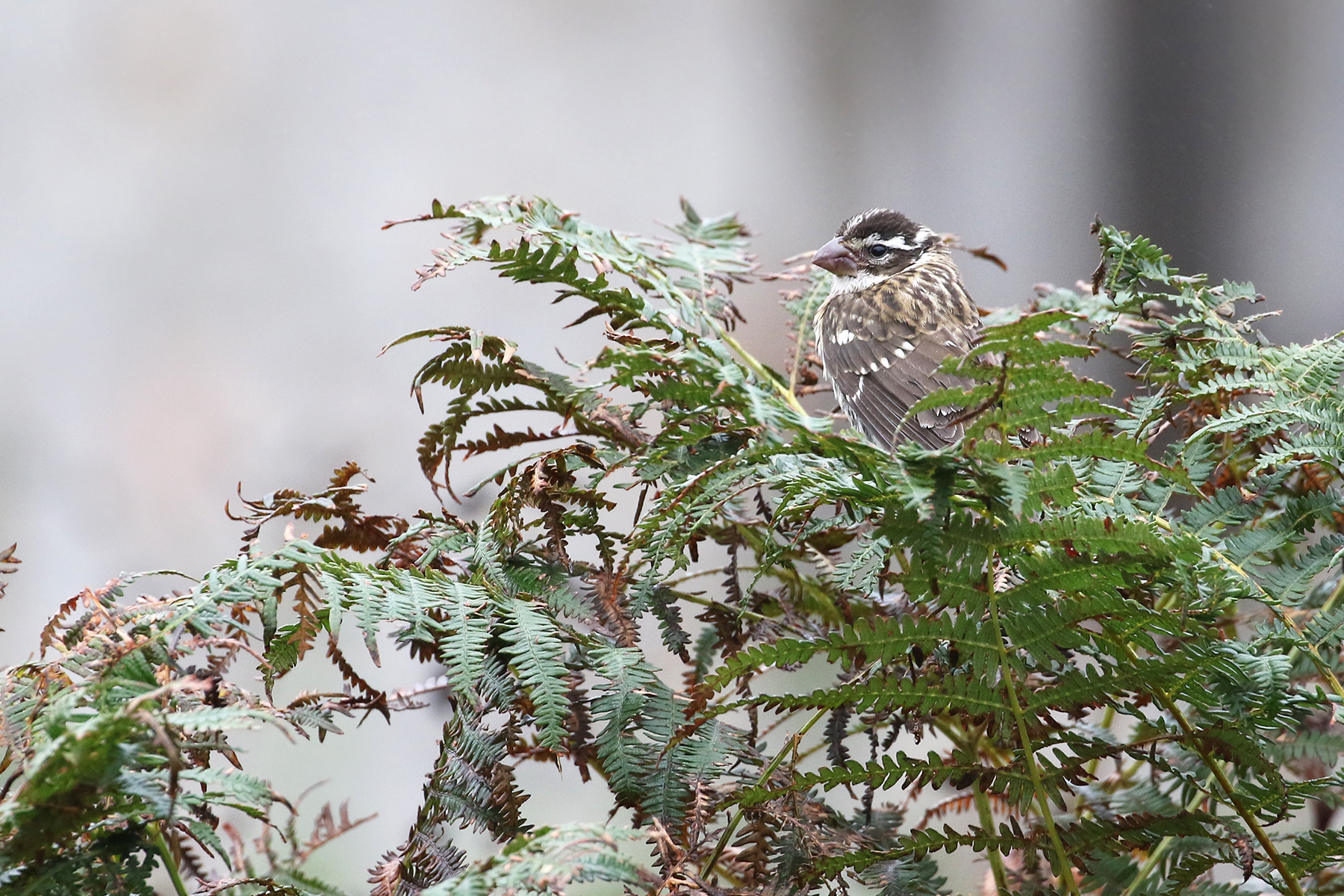
Excitement and optimism were serious fuel for the birding. 5 am starts with hopes of new world warblers or other bonkers American passerine finds petered out eventually and to be honest after 4/5 days of thorough birding every morning, checking 100s of gulls and waders in the hope of something out of place, I gave into photographing the residents and enjoyed some brilliant views.

Common birds were mostly obliging and often perched on fence posts along the roadside.

V87A6283

V87A6343

V87A6677

V87A5708

V87A6125

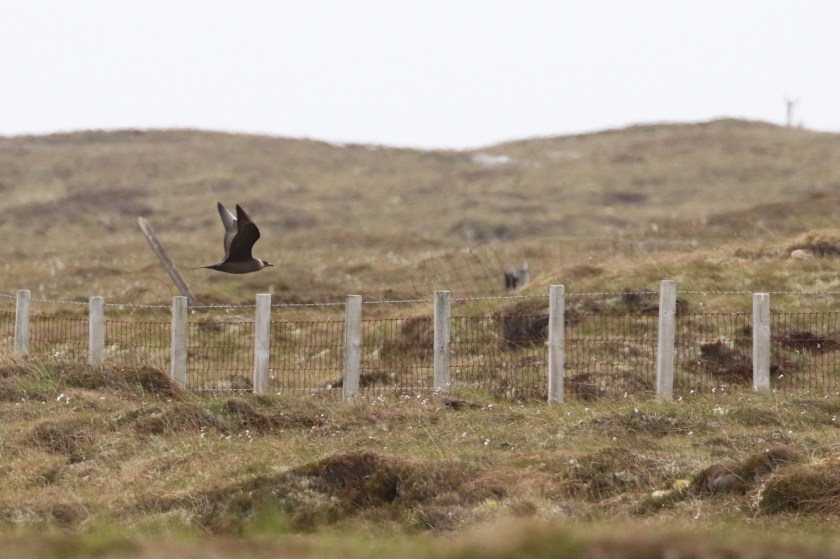
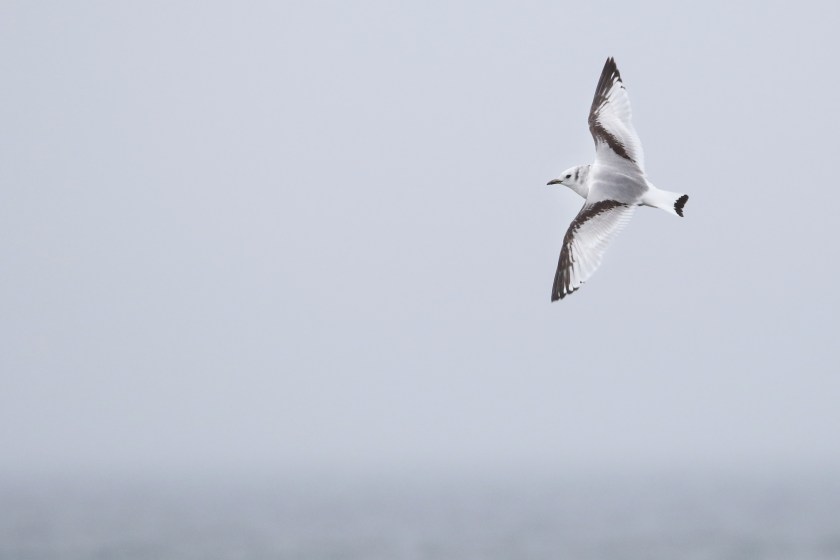
One of the features of the Outer Hebs this time of year is the Skua passage. Despite my efforts all I encountered were the local Bonxies and Arctics. Great to see them on a daily basis flying around over the land. These, Puffins, Guillemots, Razorbills and many Kittiwakes were present on every seawatch. The other Hebridean specialty were breeding plumage Red-necked Phalaropes . Three were seen from the roadside on Benbecula along with a red male Ruff , all stunners in the scope but a bit distant for the camera.

V87A6151

V87A6167

V87A6401

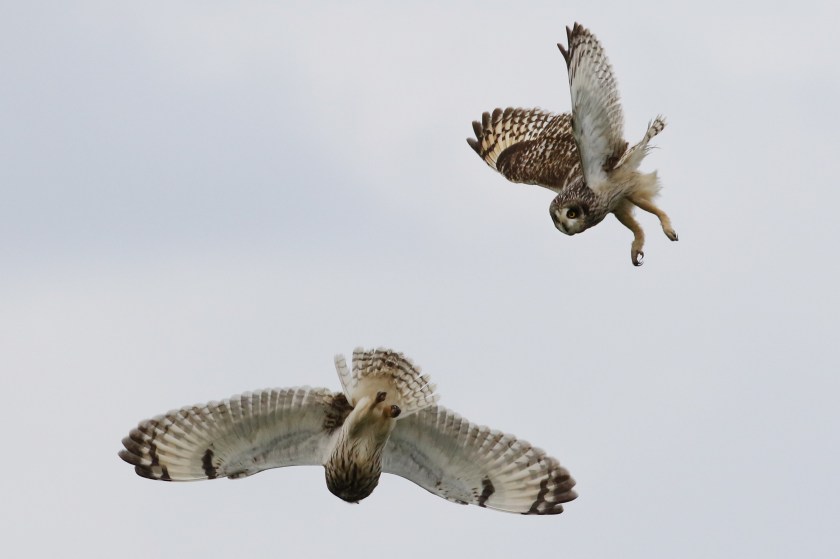
Short Eared Owls were a daily occurance.

V87A7015

V87A6573

V87A6554

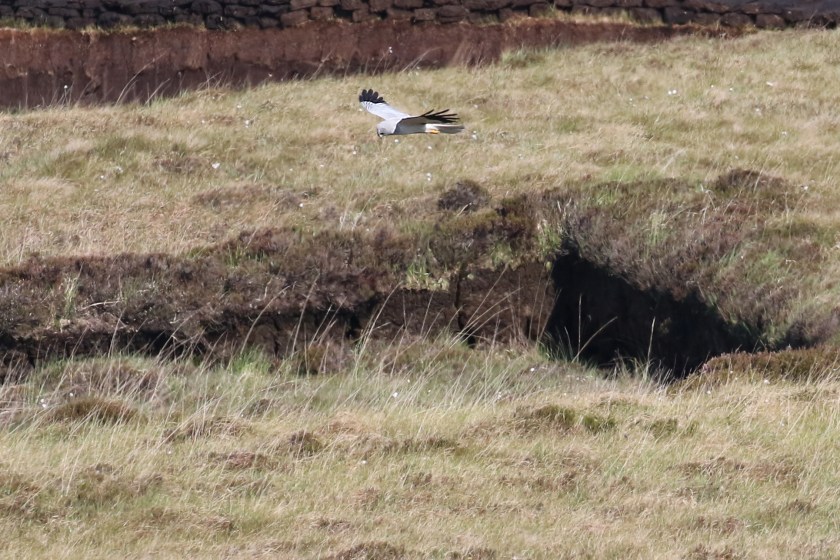
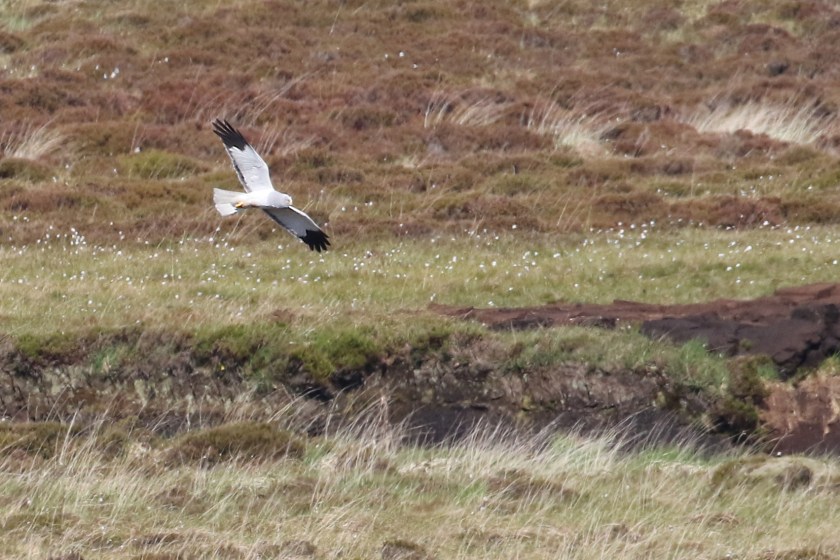
As were Hen Harriers.

V87A7039

V87A7029

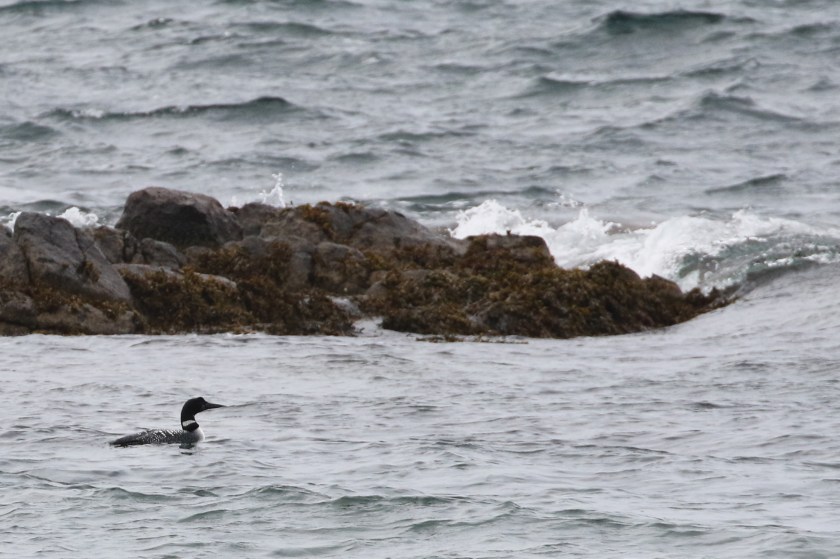
I had c15 Great Northern Divers during the week. A pair of Red throated Divers were also seen on a small loch N.Uist.

V87A6421

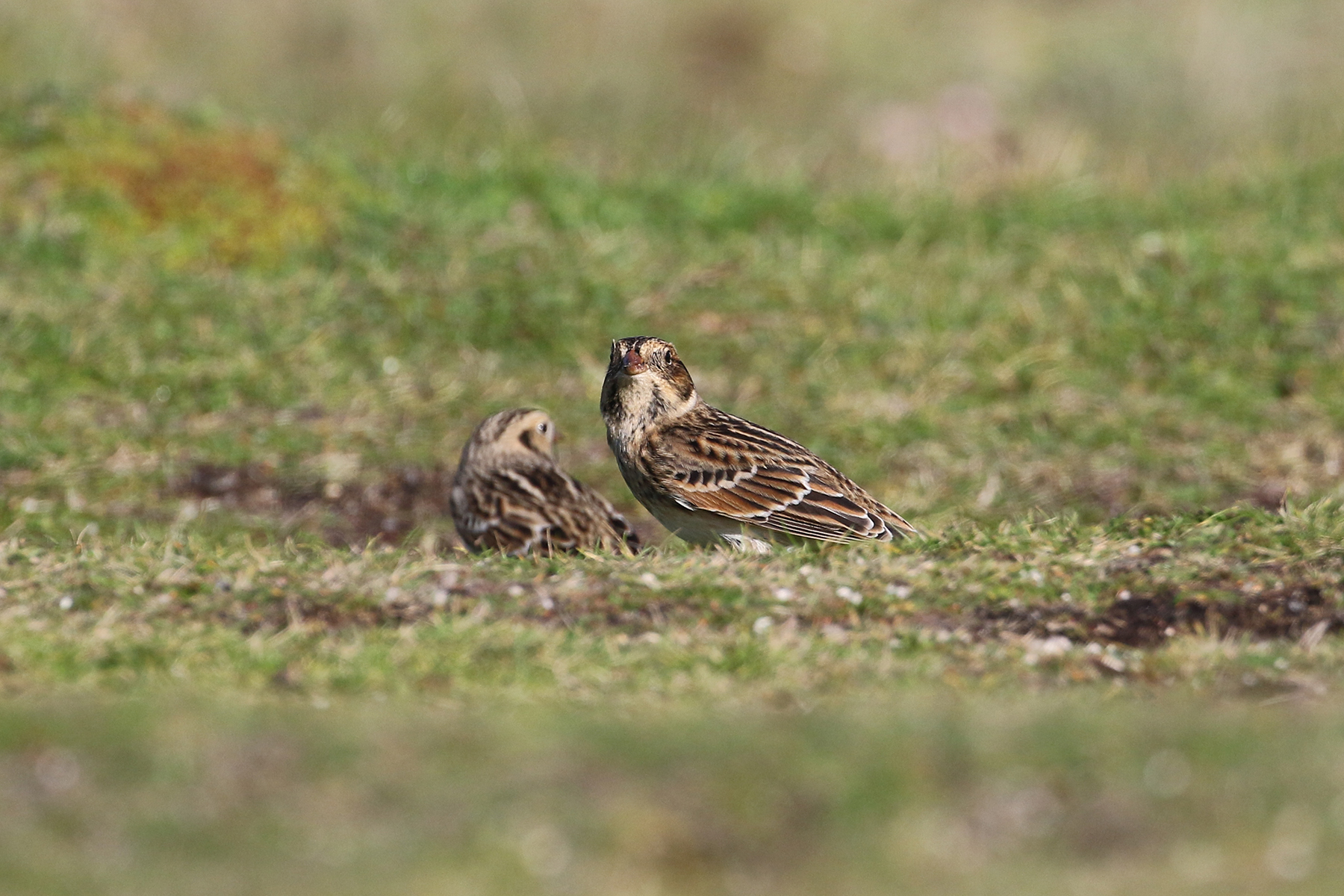
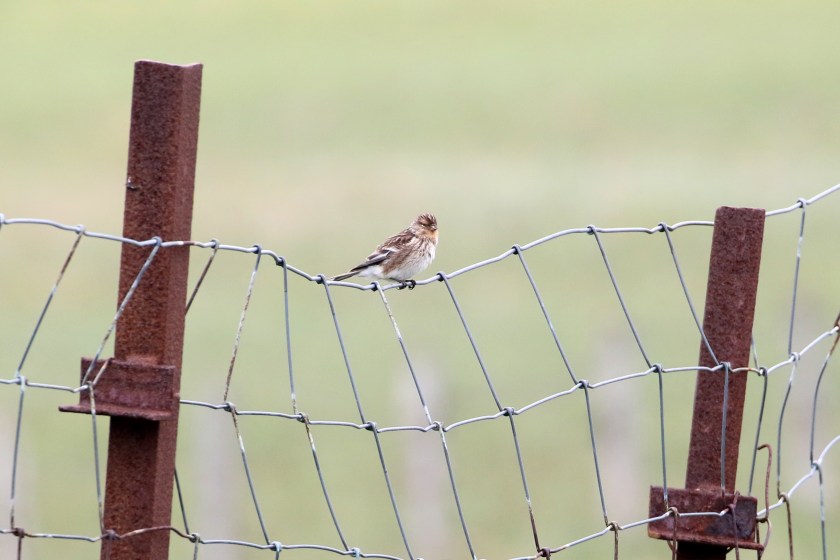
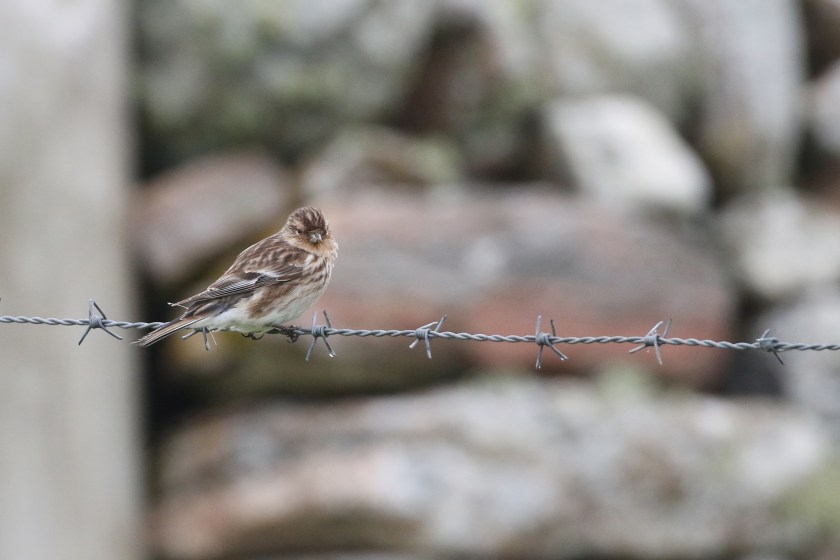
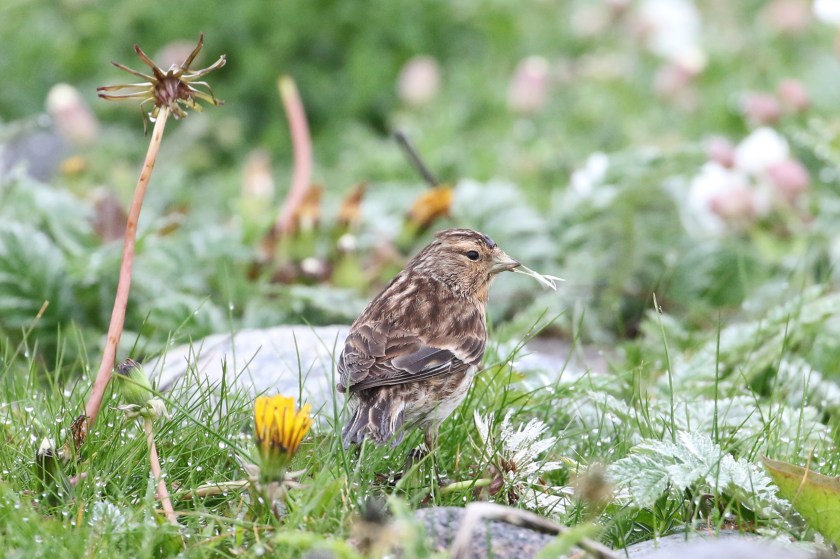
Twite were present in small numbers. A seldom seen bird down here in the south east of the country and very welcome and expected addition to the trip,

V87A6244

V87A6269

V87A6398

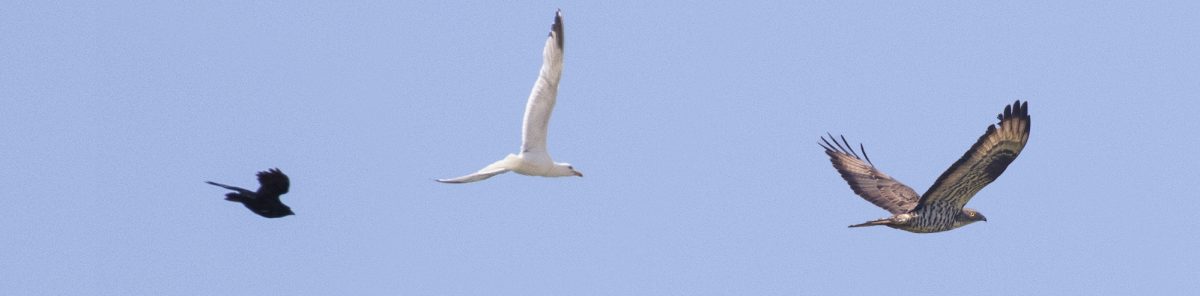
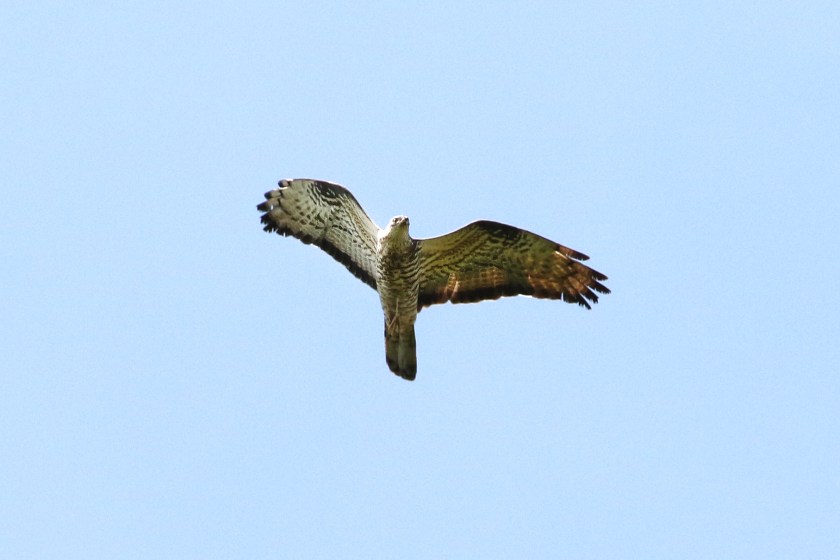
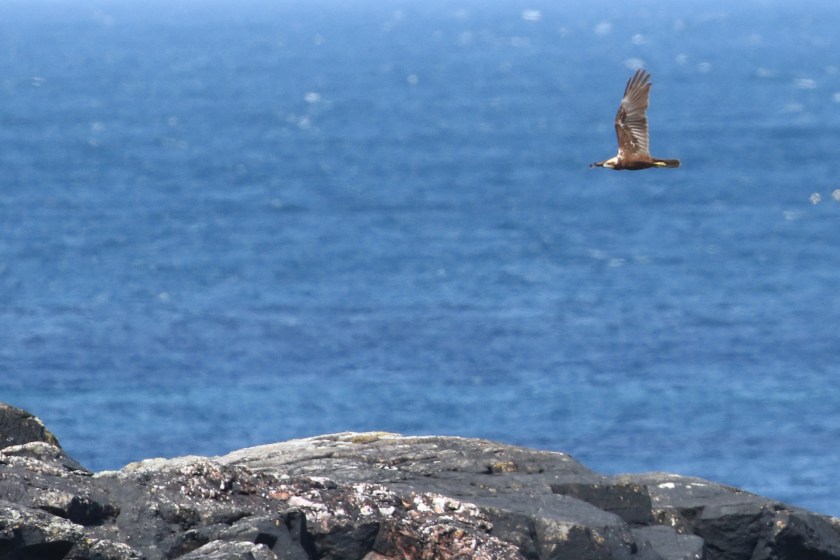
Apart form the regular breeding birds I had a few decent or notable birds. A surprise Marsh Harrier during a seawatch from the NW point of N. Uist on the 25th. The bird flew along the coast, briefly mobbed by a female Hen Harrier and continued north. A Little Stint was amongst Dunlin on the Machair at Aird an Runair.

V87A6648

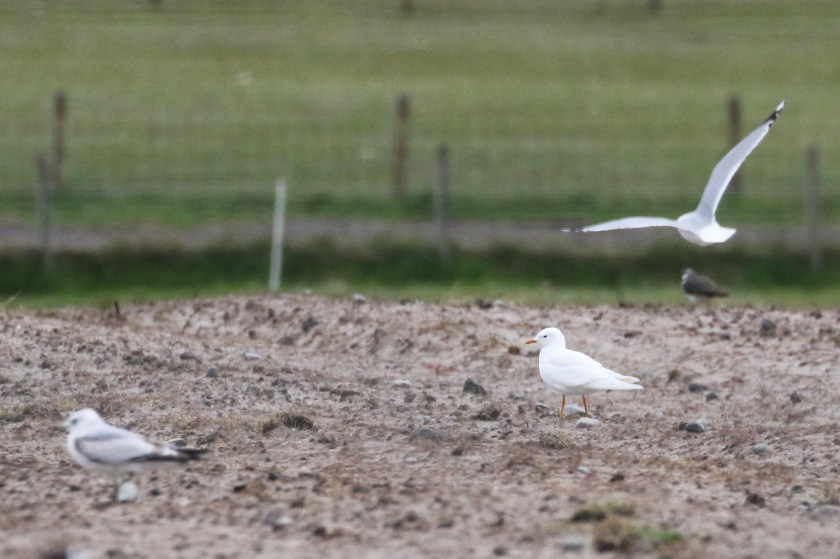
The below leucistic adult Common Gull was probably causing a few of the fly over Iceland Gull reports!

V87A5814

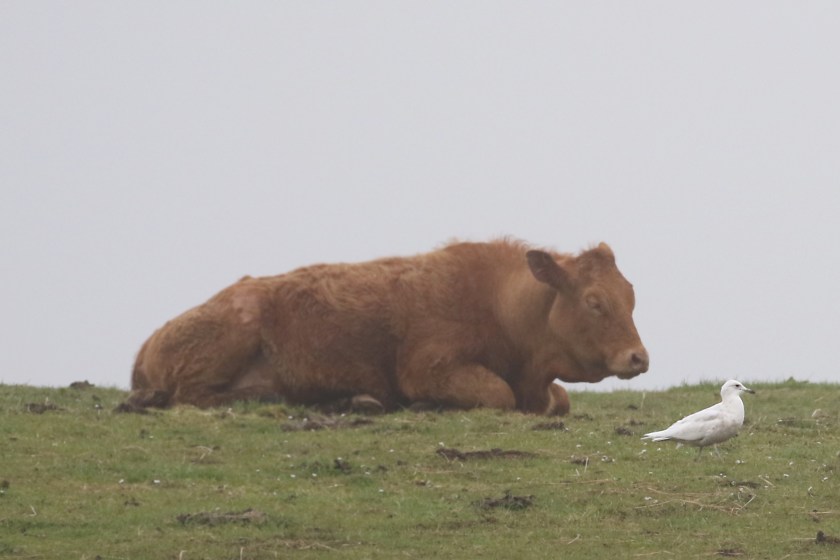
Meanwhile a real 2cy Iceland Gull was in fields near the Caravan on the 24th.

V87A6303

V87A6286

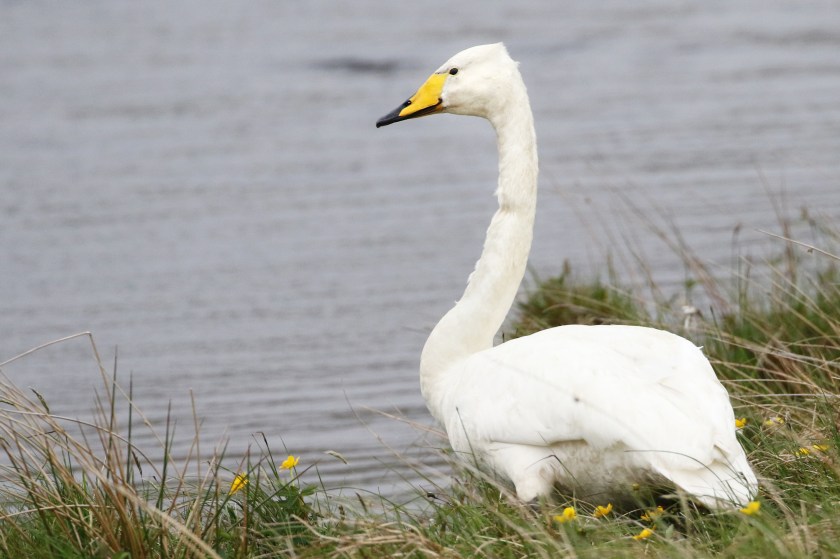
Whooper Swans occasionally breed up there, this bird was close to the road on North Uist.

V87A6353

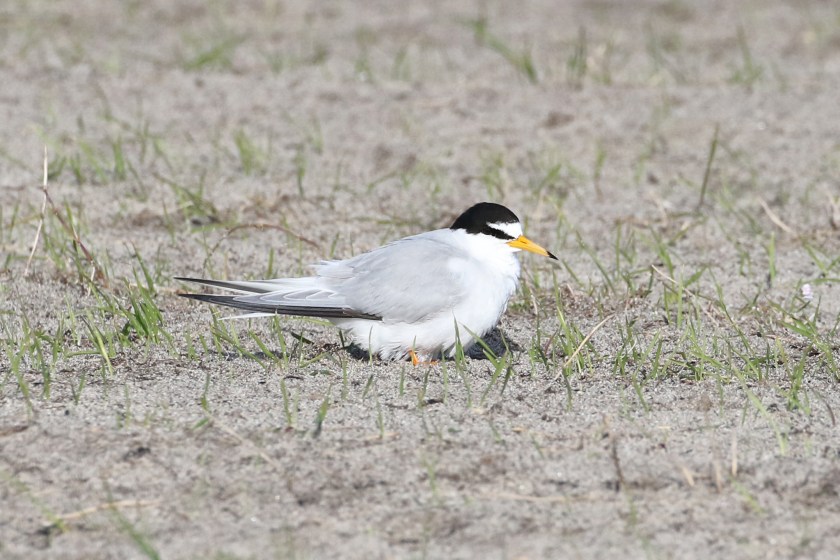
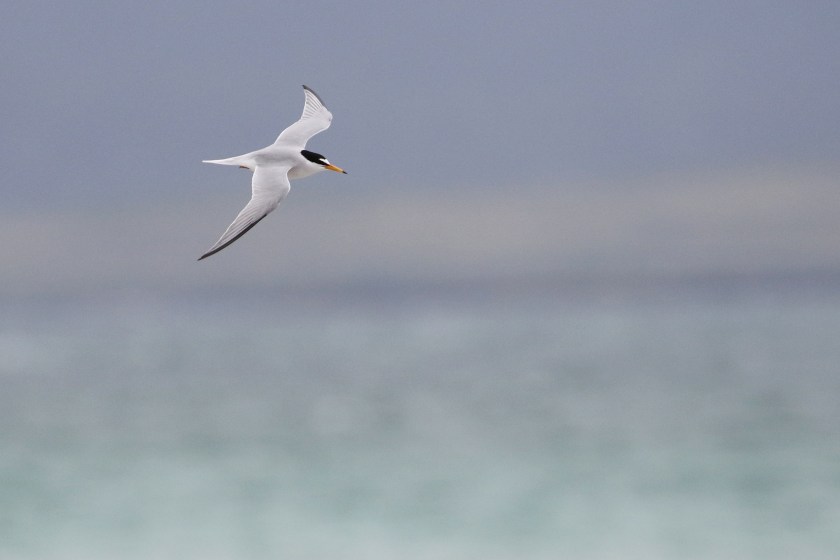
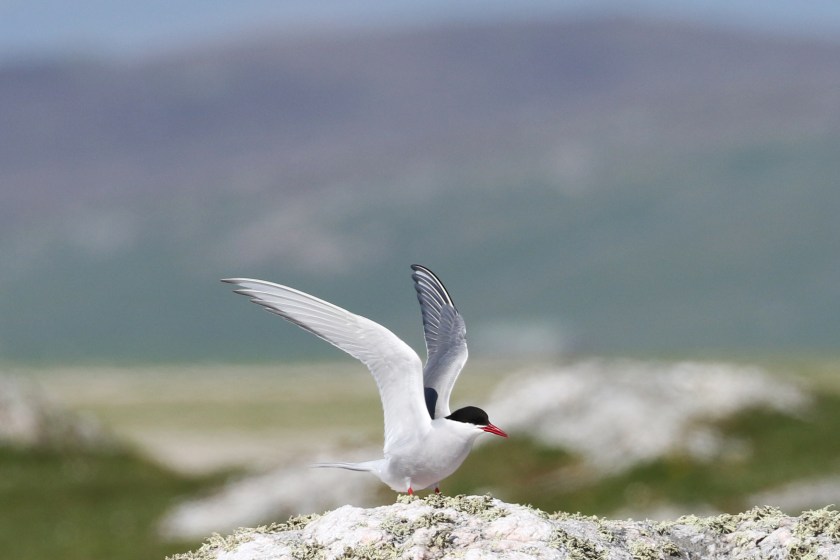
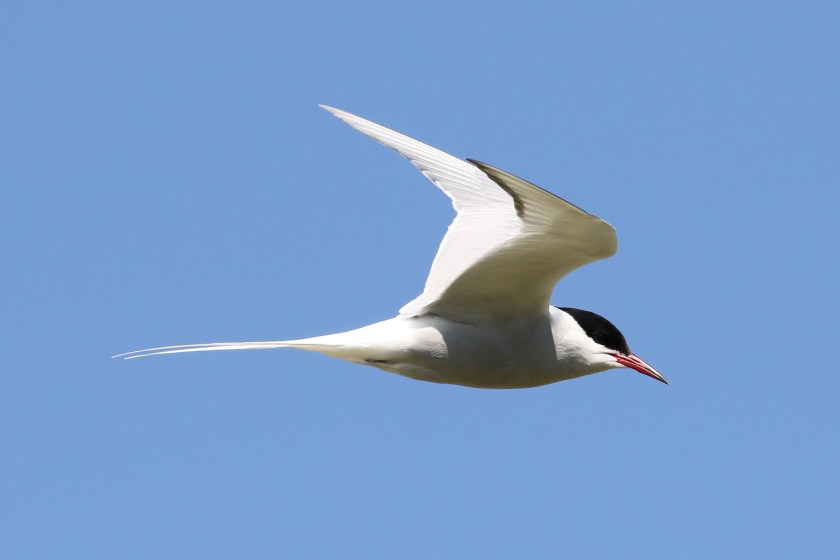
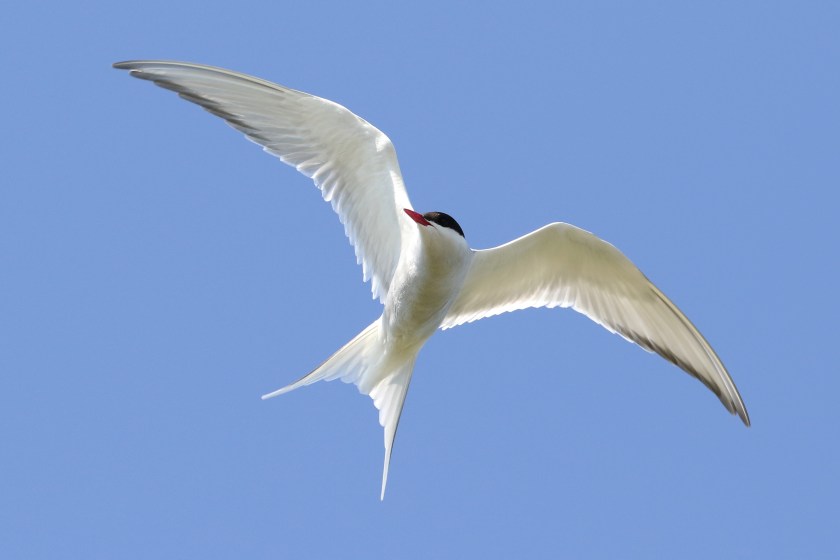
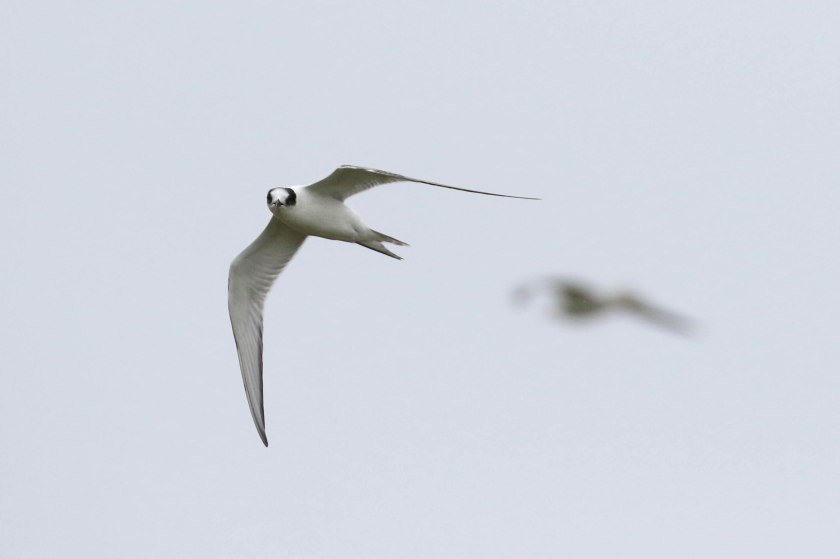
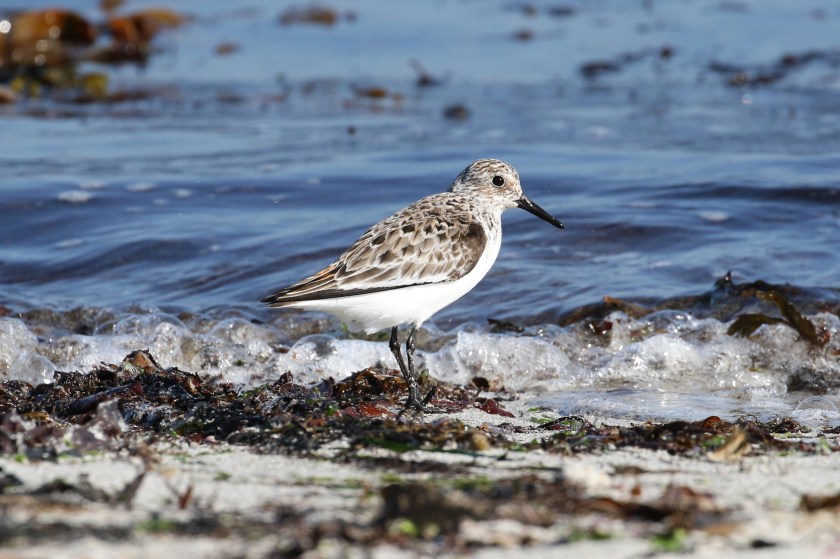
Little and Arctic Terns were both common place and often sitting on the Machair alongside the usual Ringed Plovers, Dunlin and many Sanderling.

V87A6017

V87A5971

V87A5965

V87A6778

V87A6808

V87A6757

V87A6739

The below ‘Portlandic’, first summer Arctic tern was nice, I saw it most trips to the sea watching point at Aird an Runair.

V87A5984

V87A6974

V87A6840

White tailed Eagles were seen on most Days, with a local Adult and sub adult being our regular birds, unfortunately they too stayed to distant for decent shots but wonderful scope views and enjoyed watching scraps with the local Raven mob.

Although no rarities, and many fruitless hours bush bashing and front garden pishing, I had a great time and will be going up again before long. perhaps in autumn when the constant worry of standing on a lapwing chick or oystercatcher nest doesn’t play a part in your mornings walk!

Peak District Pied Flycatchers


A site that I try to get to each spring, and one of the first places I went “out birdwatching” Near Grindleford in the Peak District.

IMG_3869

IMG_3874

IMG_3871

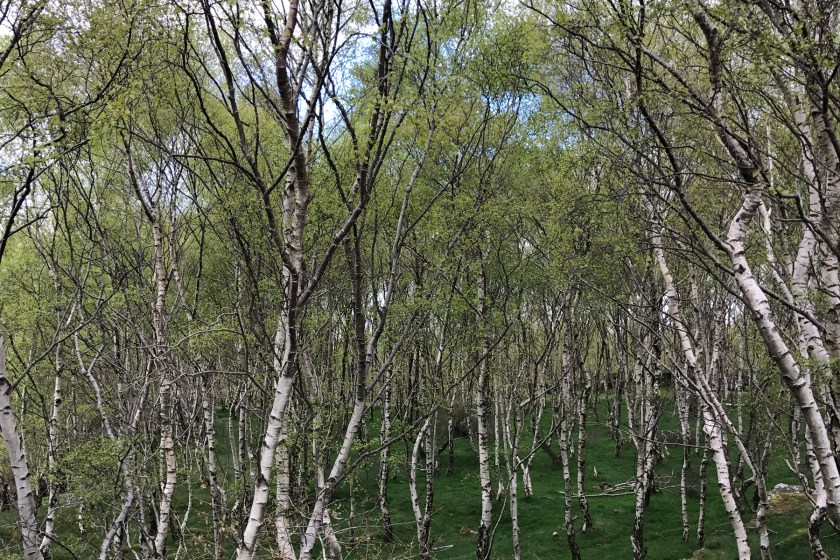
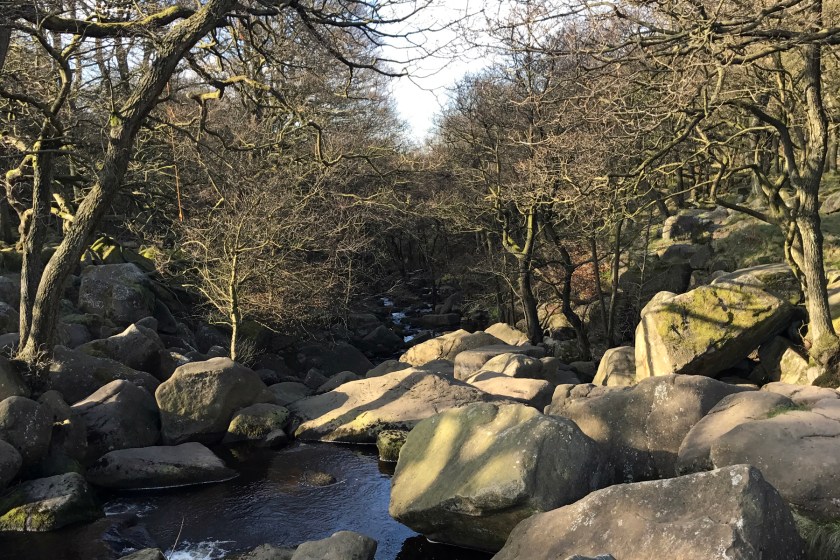
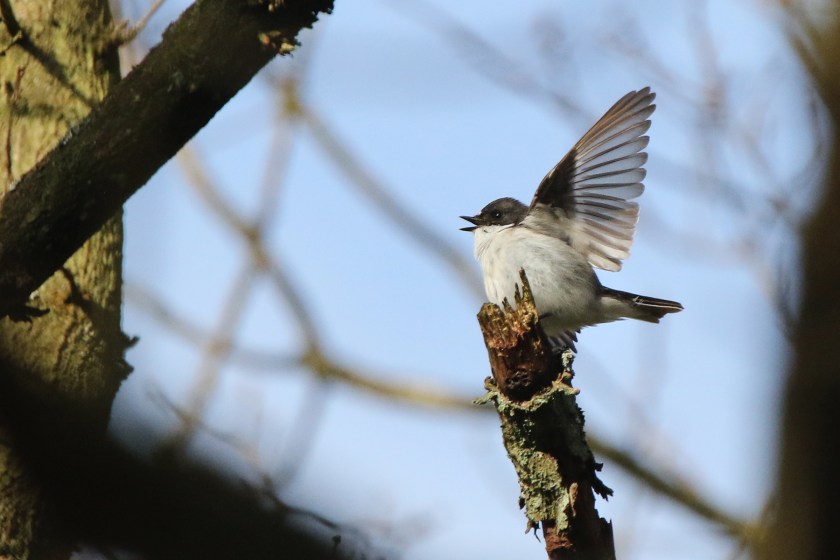
Situated just outside my Hometown of Sheffield an ancient oak and birch woodland set in a gritstone gorge thats nicely sheltered and summer home to good numbers of our scarcer breeding and most beautiful woodland birds.  Todays visit was really about Pied Flys which were in good numbers. I had probably 10-12 singing males and a single female.

V87A2689

V87A2869

V87A2742

V87A2621

V87A2780

V87A2872

V87A2559

V87A2572

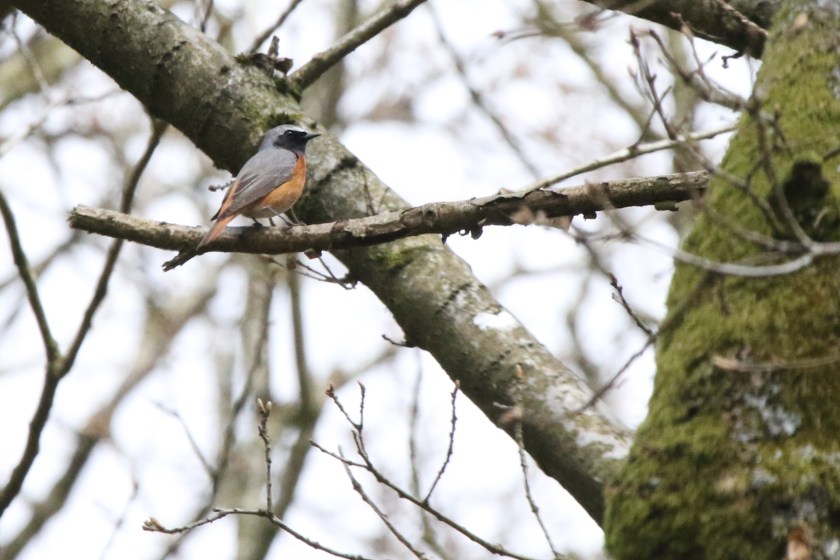
Scores of Willow Warblers and two or three Redstarts were also singing high in the mostly bare trees and it was nice to see Treecreepers, Nuthatch and coal tits. Dippers and Grey wags patrolled the deep gorge itself.

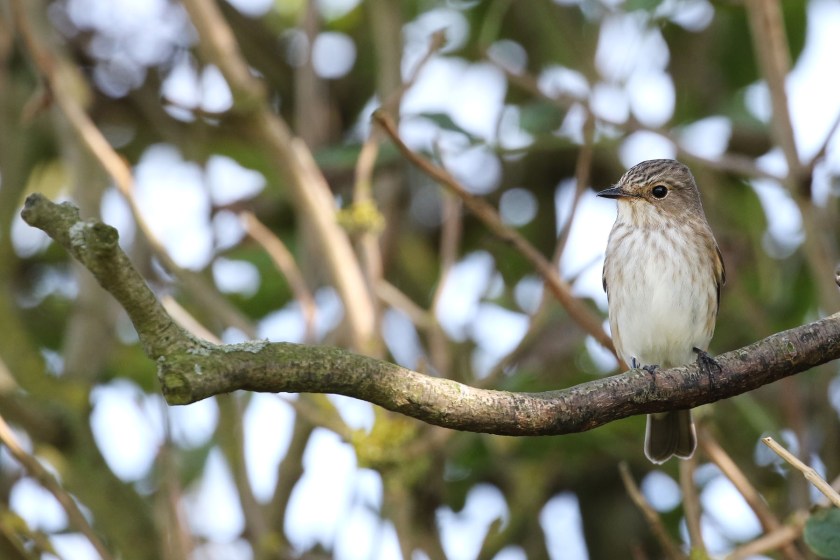
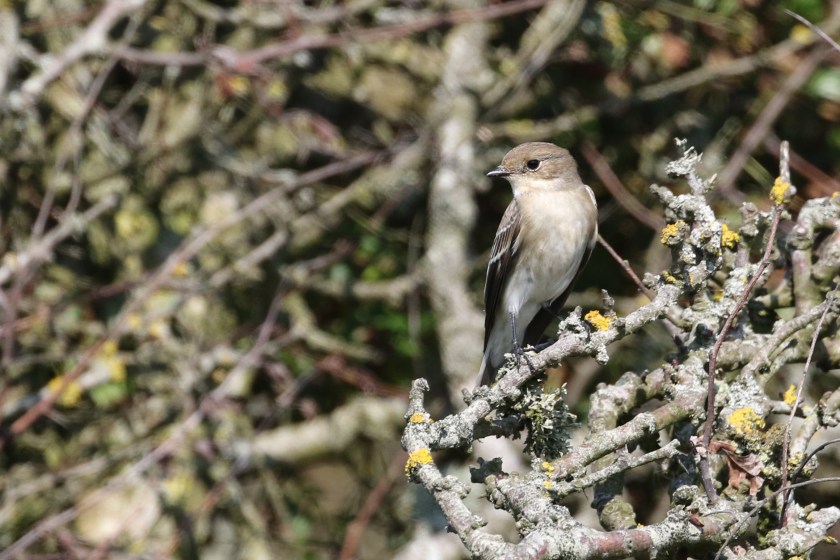
Previously around the first weekend of May I have seen and heard Wood warbler in this spot and later in season it’s great for Spotted Flycatchers.

V87A2835

IMG_3873

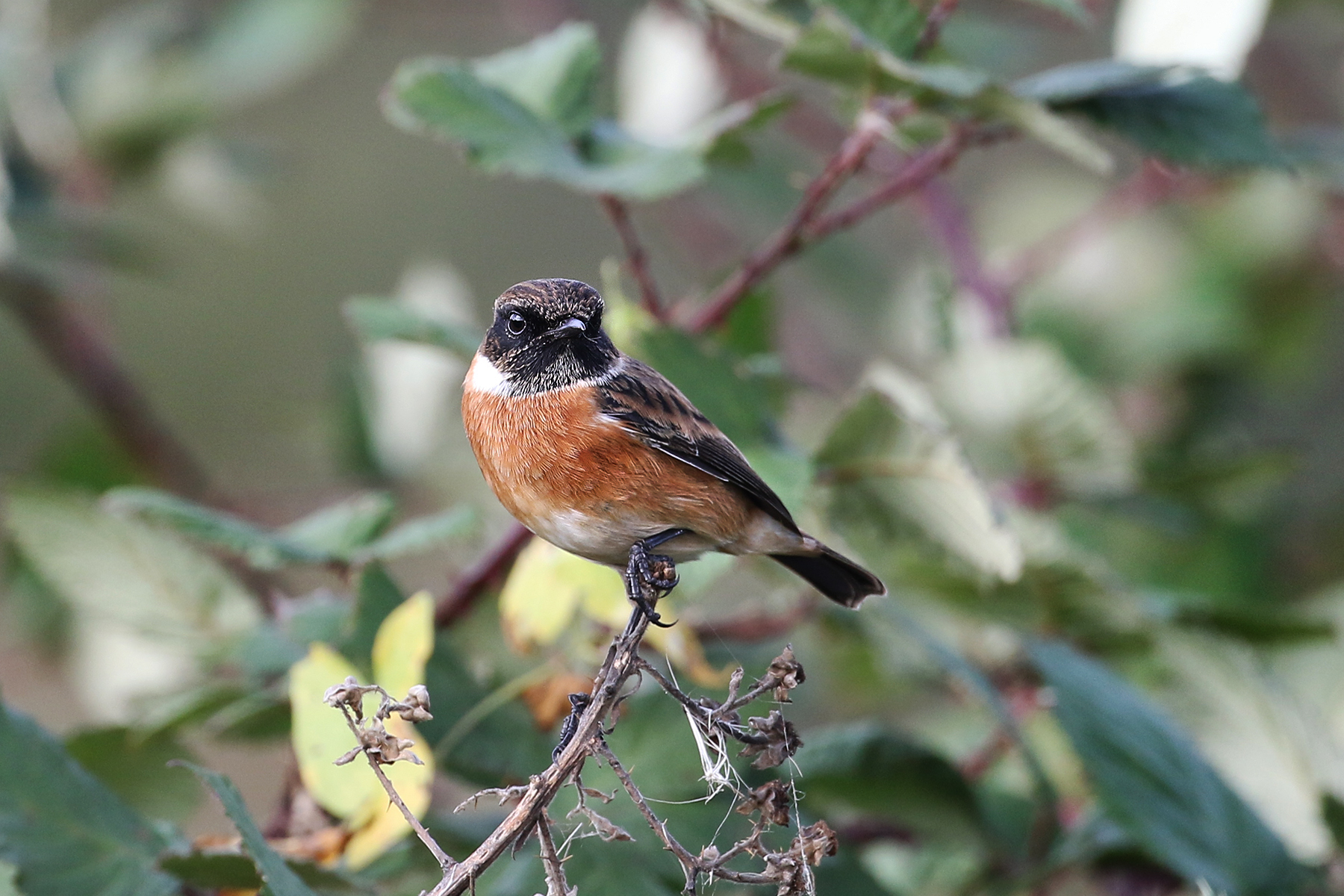
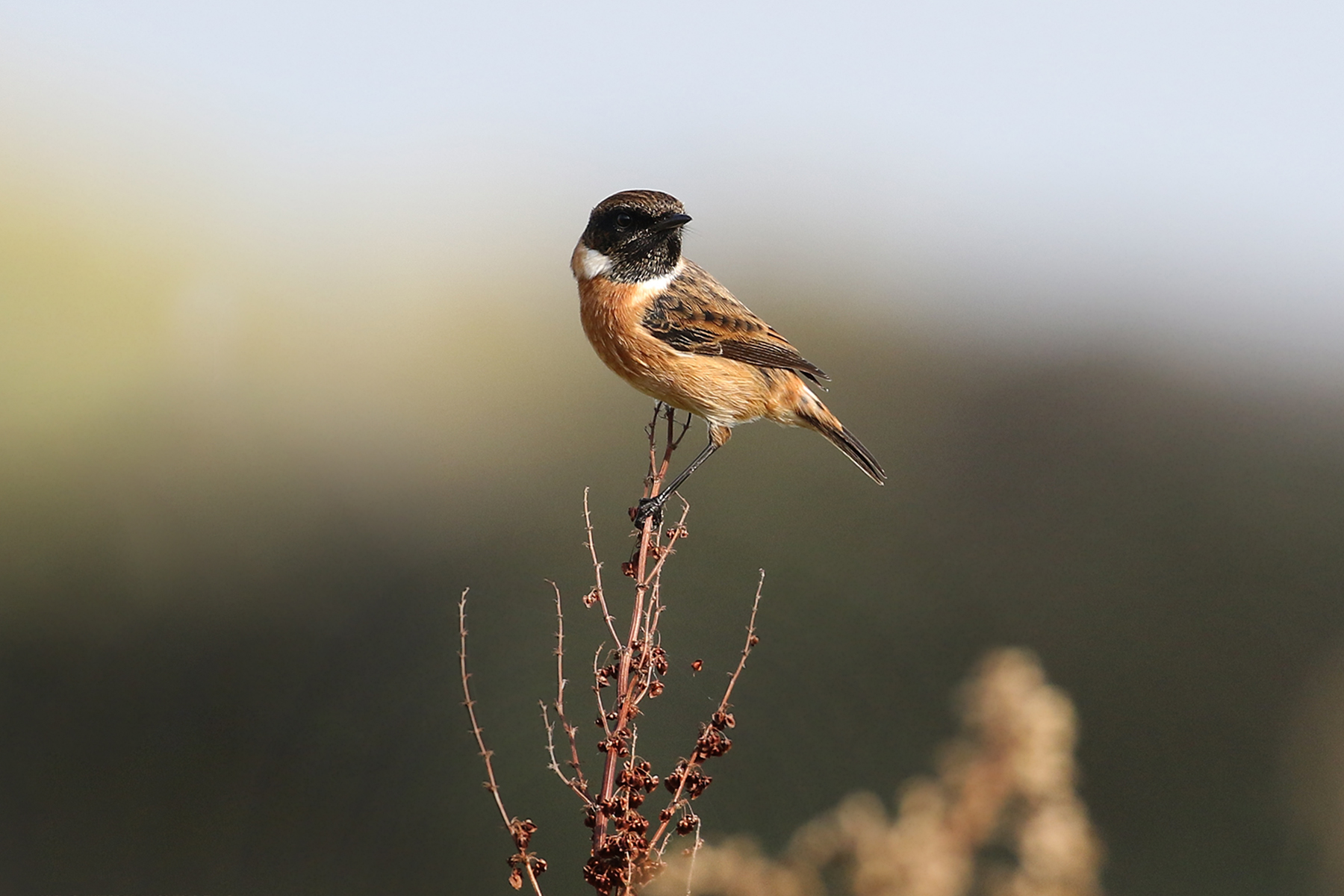
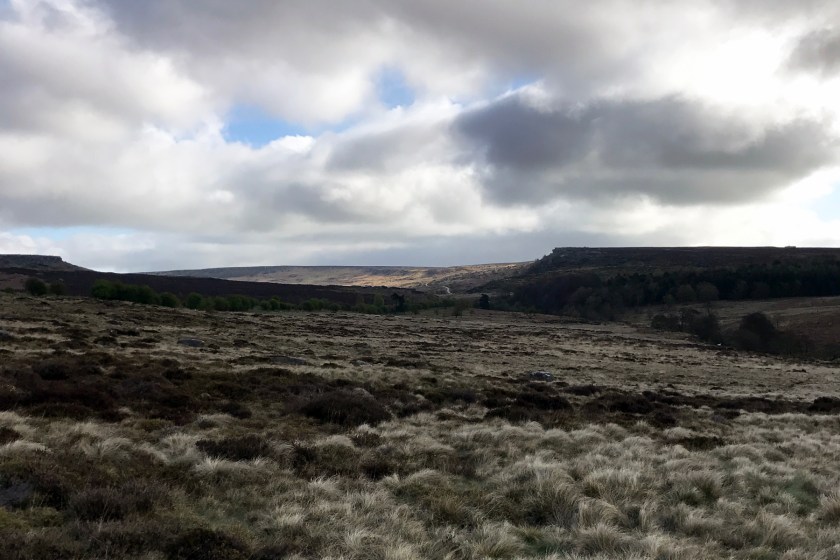
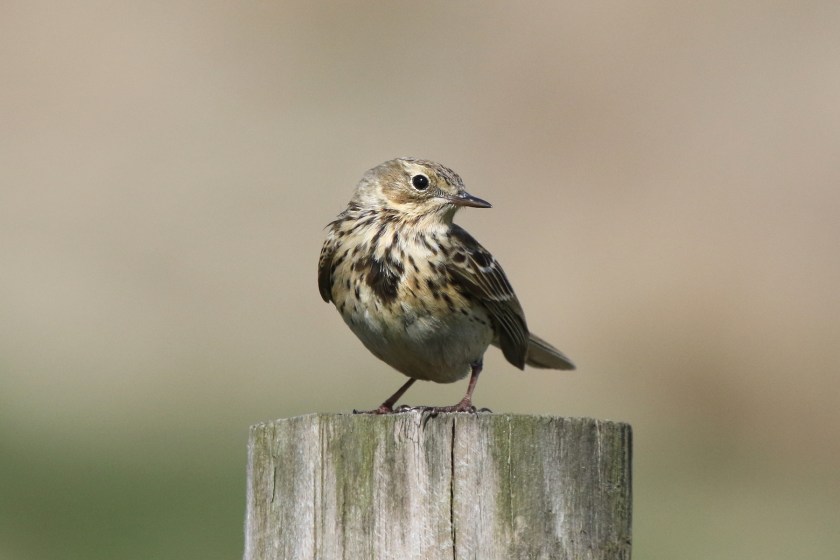
The open moorland above the gorge can hold Whinchats, Cuckoo, Tree pipits, Curlews and scores of Stonechats and Meadow pipits (below) Except for Whinchat I had all of the above on this occasion as well as a singing Ring Ousel.

V87A2910

Sunday night I made my escape back down to London. Hopefully I can come across something on its way here this week before the window closes until autumn.

Beachy Head, Easter Weekend

Another visit down south to see m’old mate Laurence Pitcher on Beachy Head was just the spring birdy injection I needed! We did the whole site on foot and tallied up 36km back and fourth over the 2 days.

V87A1561

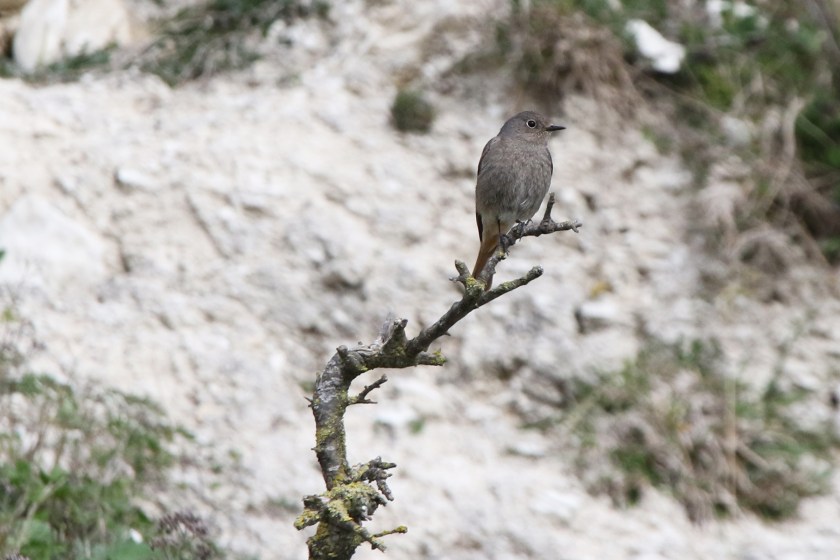
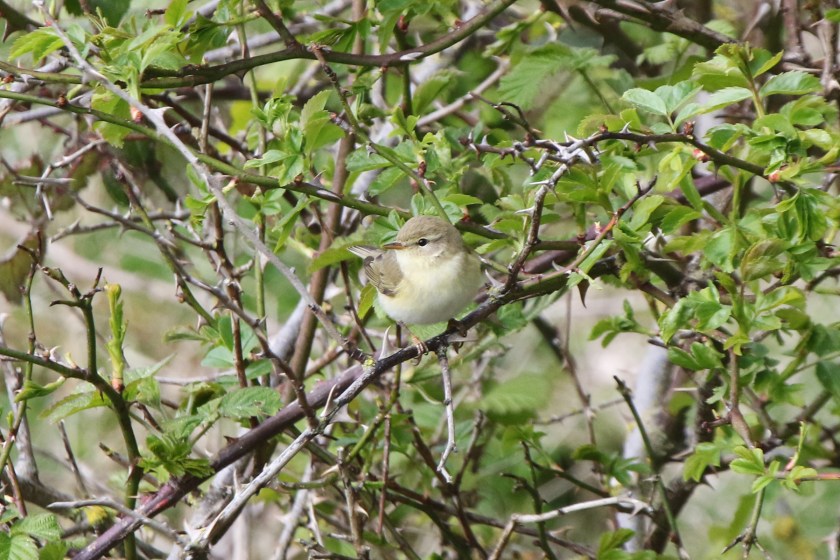
On the Sunday we counted around 25 Willow Warblers (below), 7 Wheatears, 3 Common Redstarts, a Yellow Wagtail and single siskin over, a Black Redstart (above)…

V87A1571

… as well as many Black caps and Chiffies, a Lesser White throat and a few Common White throats (below). A firecrest was in the pines on Birling lane and over at West rise a drake Garganey and a couple of Water pipits were seen as well as fairly good numbers of all 3 Hirundines hawking insects over the water.

V87A1939

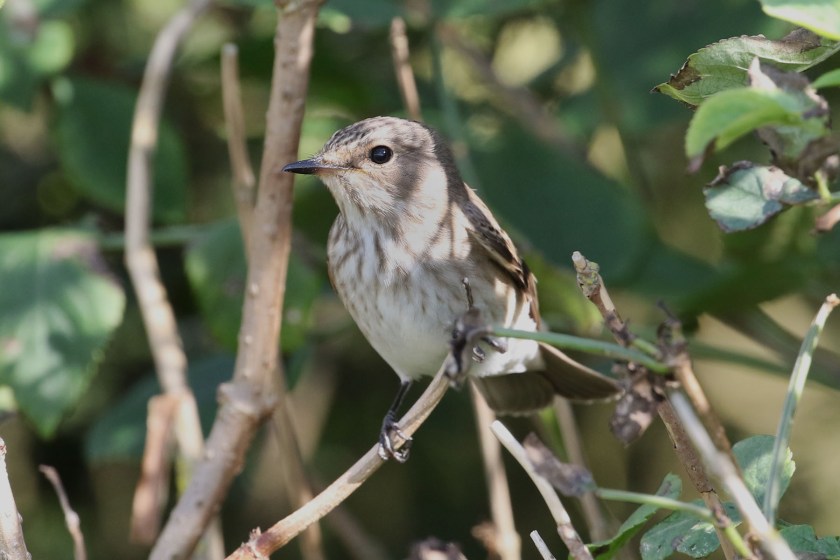
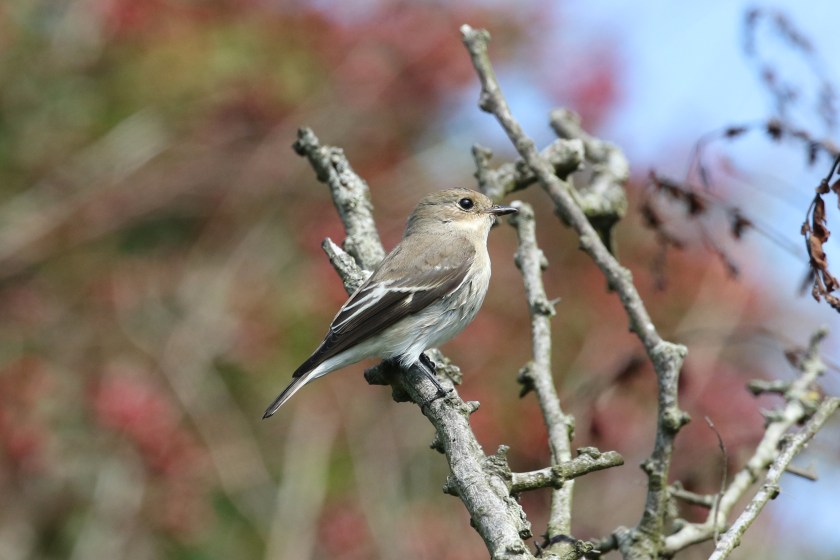
The highlight of the day was a female Pied Flycatcher that Laurence picked up in a dense and sheltered group trees at Went Hill. We spent a good while watching and photographing this welcome little beauty.

V87A1710

V87A1750

A female Merlin (below) was seen on both days.

V87A2078

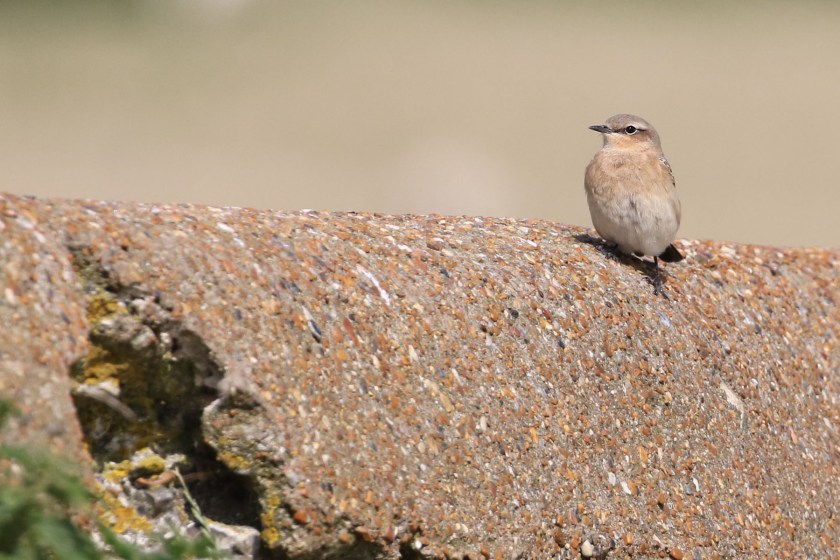
The Monday saw winds turning more northerly and similar numbers of birds were counted, another 7/8 Wheatear, a Redstart etc , A white Wag (below) was hanging around the light house at Belle Tout…

V87A1867

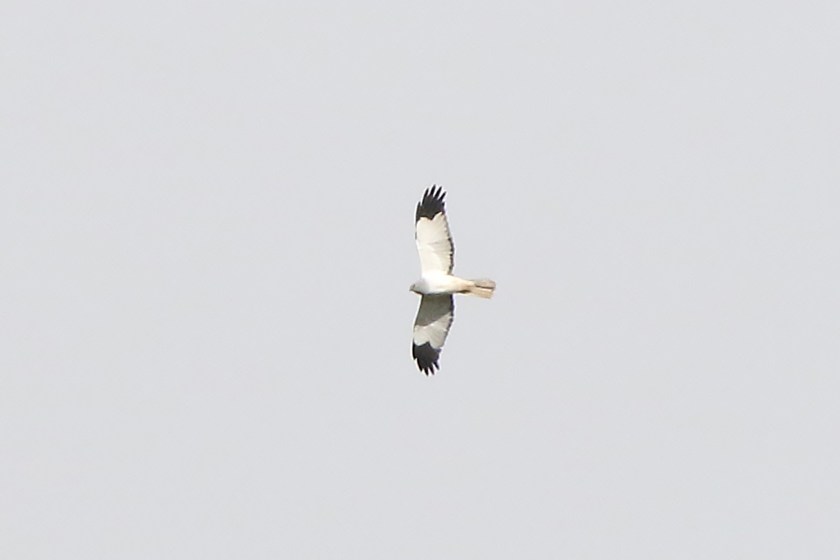
… The highlight of today was an adult male Hen Harrier (below) that I picked up thermaling over the headland. It gained height and headed north, an apparently scarce passage migrant and a good bird for the area.

V87A1904 (1)

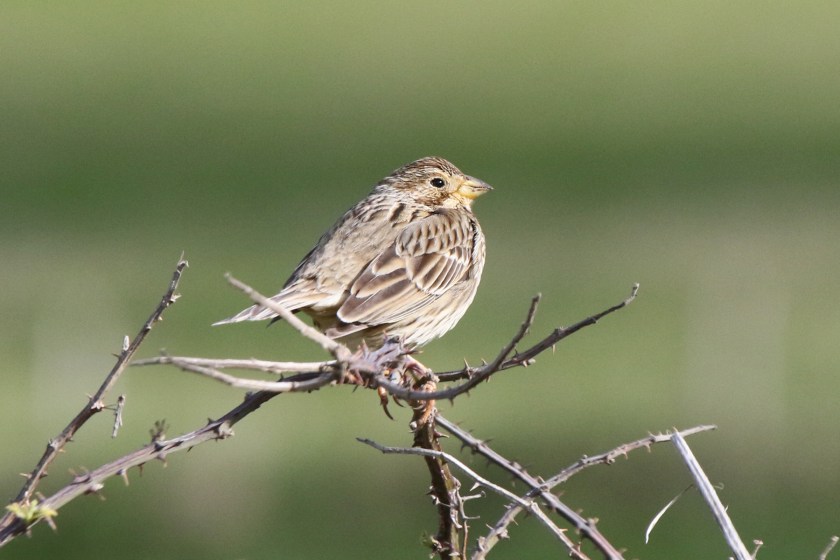
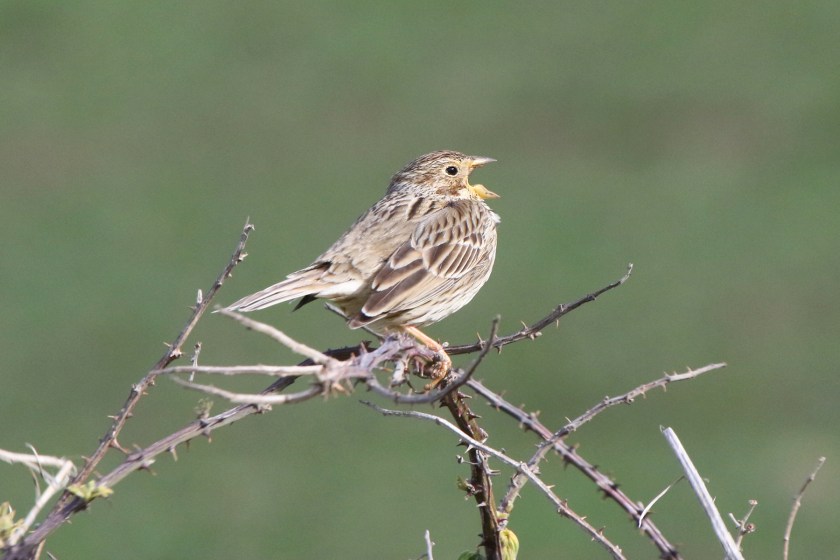
Other than 20 or so Yellow Wags in off that flew over our heads that was about it for migrants, I managed a some shots of a local Corn bunting singing from the side of the road in nice light.  Great birds and other than my visits down here I don’t see them this well very often.

V87A2127

V87A1963

V87A2110

V87A2018

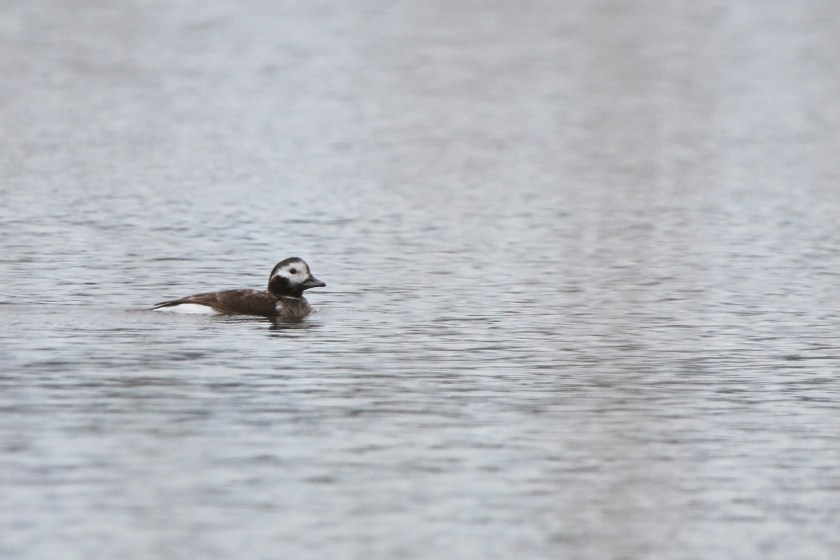
We checked west rise again on the way to the train station and saw the long staying Long Tailed Duck (below), the drake Garganey as well as the many Hirundines again.

V87A2186

Great couple of days, Cheers Laurence.

3 – 15 April


Its been fairly slow going, with my pre-work walks turning up the odd migrant or two. Handfuls of Willow Warbler, a few each of White Throat, Sedge and Reed Warbler and in the last couple of days the rattle of Lesser White throat has been noted. Sand Martins are on breeding grounds at the bottom of Lockwood and though I’m yet to see a House Martin I’ve probably seen close to 50 swallows go North over the week.

V87A1312

My first Yellow Wagtail of the year was on the East Warwick also a few White Wagtails have been noted including a small flock of 6 on the Lockwood on the 14th these are a particular favourite of mine and come through in small numbers most noticeably in spring.

V87A1339

V87A1348

V87A1355


The grassy banks of the aforementioned Reservoir held this Skylark for a few days, only the second I’ve ever seen grounded at this site. It was nice to take it in,

V87A1253

V87A1269

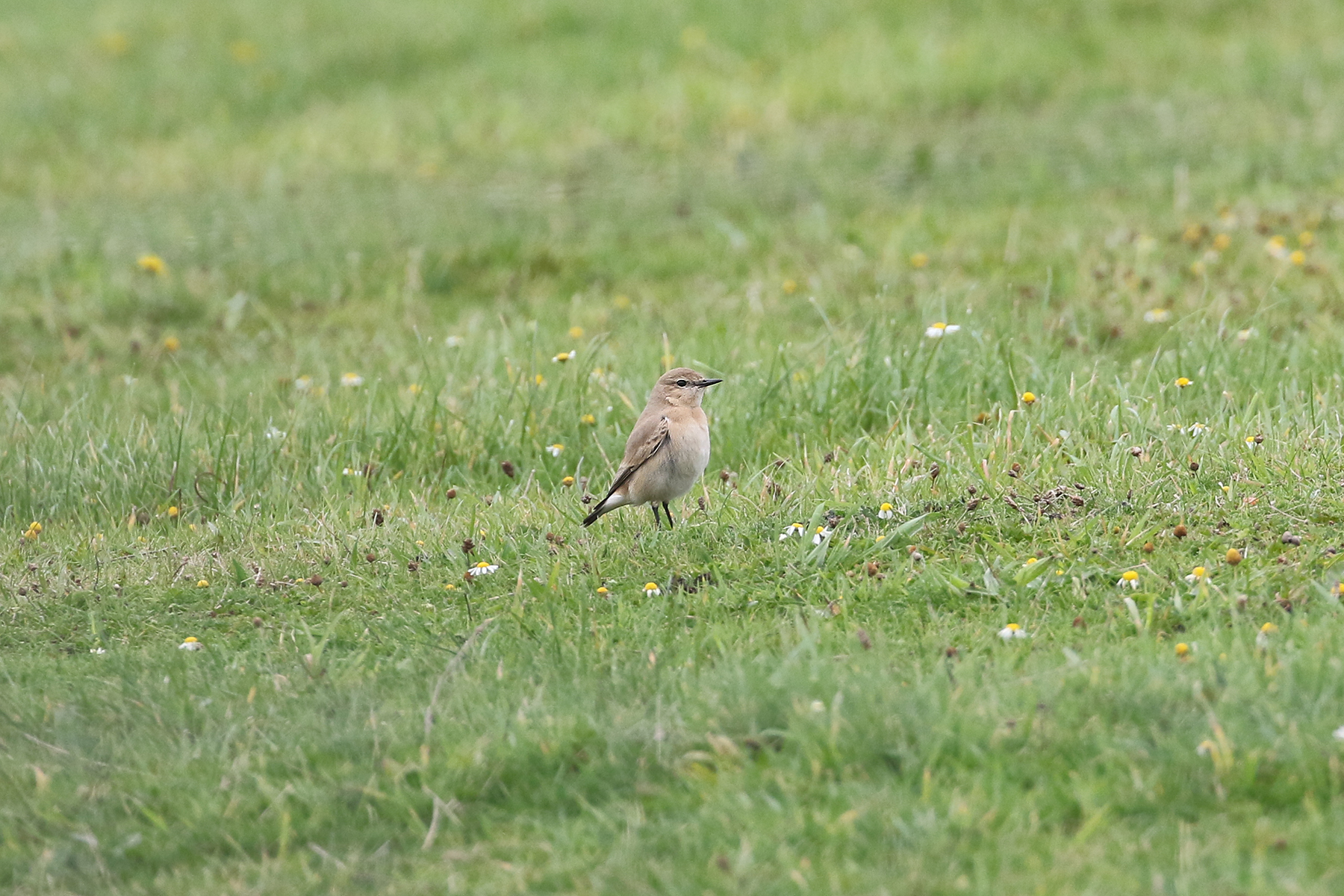
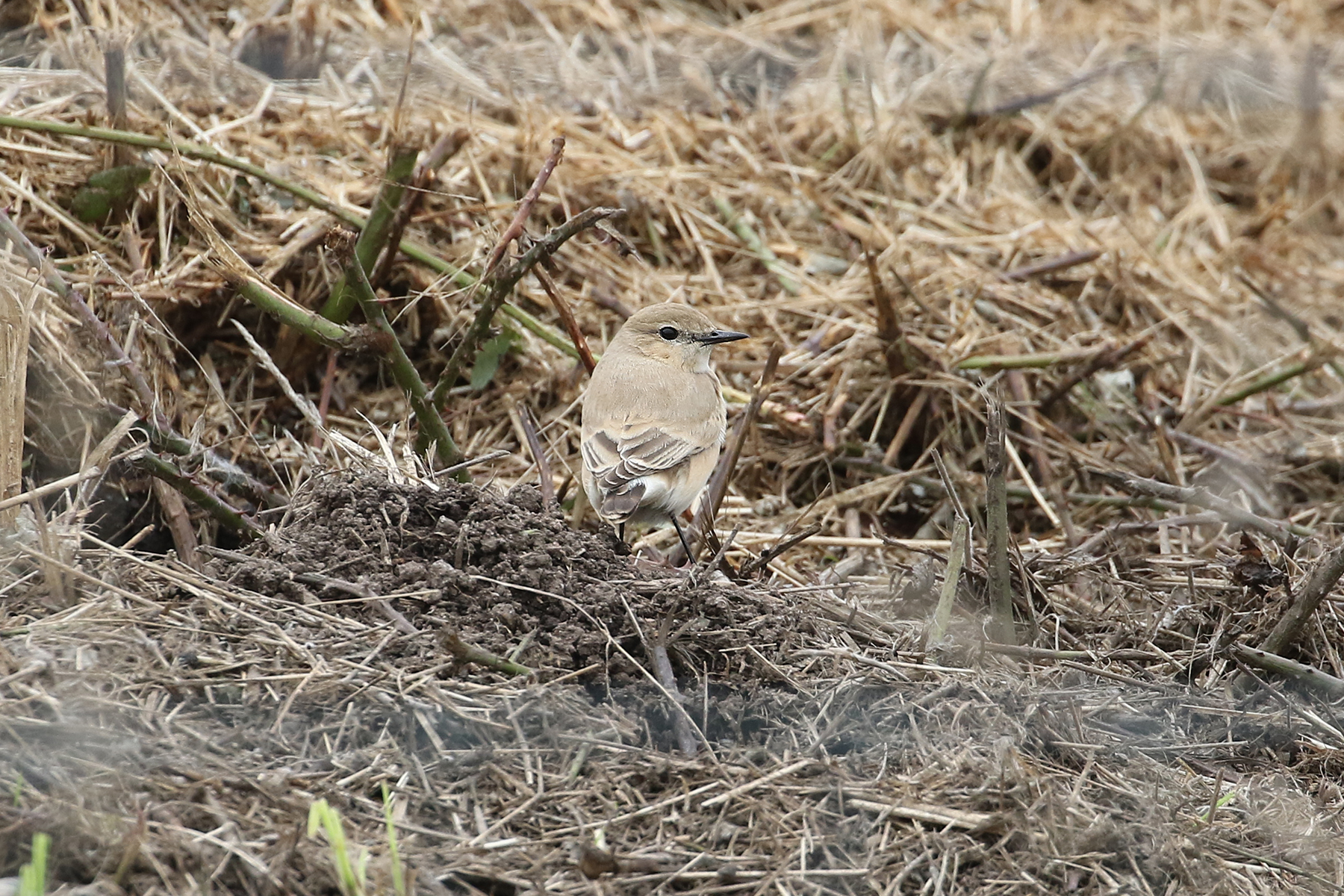
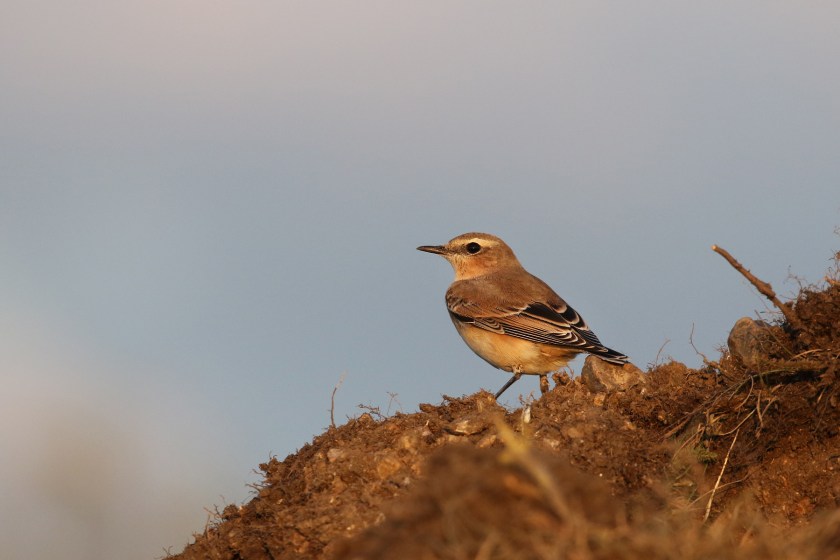
A Wheatear on East Warwick on the 13th came close enough to reveal several features of Leucorhoa or Greenland Wheatear, a likely much under counted sub species in Britain.

V87A1156

Leucorhoa  Wheatears migrate alot further and are longer winged showing 7/8 primary tips in the closed wing (Our native birds showing 5/6). 7 were counted on the East Warwick bird as well as warm buff tones reaching right down to the vent, brown marks in the Ear coverts and mask as well as a ‘dun brown’ in the mid mantle apparently fitting of a Greenland Male in spring.  Traditionally Greenland Wheatears were thought to come through later in the season but ringing records have proved this not always to be the case.  I tried to note size, structure and stance and although it was alone it did seem quite a thick set bird and when first picked up seemed very upright in posture,to be honest I think any wheatear in longer grass is likely to adopt this kind of posture so i dont think its of use really. I think my presence was noted and whilst photographing it stayed in a fairly similar ground hugging pose.

V87A1150

Our Local raptors are all present and correct. Displaying Sparrow hawks and mating Kestrels in their nest tree. Peregrines have been active and are seen most visits as well as flyover Red Kites and Common Buzzards. 

V87A0693

Rain over night on the 14th meant I was down on the Waterworks first thing this morning and brief but close views of a Male Redstart were the reward. no pics unfortunately but Its a good feeling to get the Redstart find out of the way and set hopes a little higher before the end of spring. 

This Weasel was compensation for missing out on Redstart shots.

V87A1399

V87A1414

V87A1419


Tristis Chiff Chaff and Gulls from both patches

I found a Siberian ChiffChaff at Walthamstow Reses on the 27th of last month whilst out with the other local lads. It wasn’t until a few days later that I heard it call,( which it did so 5 or 6 times), each time a highpitched “eeeiiip!’ and strangely only during brief rain showers. Ive seen it again most mornings and noticed its also undergoing body moult, a real good signifier for Tristis at this time of year. More (and better) pics to follow hopefully. But the below pic shows the white underparts, buff (not yellow) super, rusty toned ear coverts. The yellow and green tones were exclusively in the wing and tail and a little around the alula. Other people have seen and heard it and Pete Lambert has actually heard the bird singing as Siberian Chiff, Something i’d describe as a fast jingling of chiff type notes mixed with many alternating higher and lower syllabels. this is the second Siberian Chiffchaff Ive found that has ended up staying around long enough to get some song in before leaving as the waterworks bird did the same in 2016. Paul and I also had a first winter Caspian Gull on the Coppermill filterbeds that day.

_MG_9633

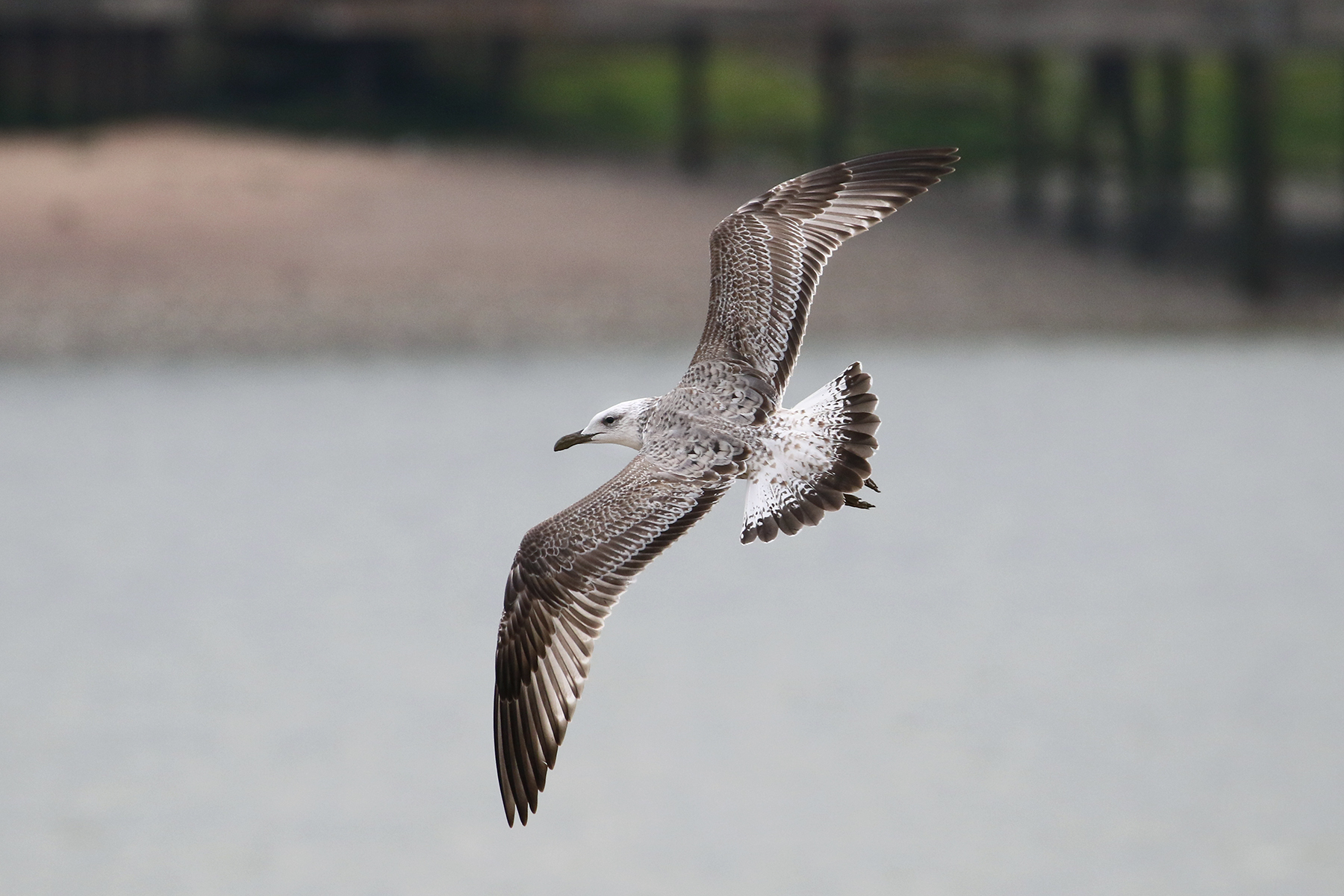
With the arrival of March and early opening times at Walthamstow Ive been walking around the Lockwood before work hoping to see an early Wheatear or Sand martin but also there are good numbers of Gulls loafing on the NW bank. The below 2nd winter Caspian Gull bombed past me, looked good in brief fly by but it wasn’t till I got home and processed the images that I noticed the small mirror on p10 confirming the ID.

_MG_0008

_MG_0007

Other birds of note this week have been a Rook calling and circling the Lockwood before drifting NW and a Skylark over N this morning too. There are Green Sandpipers around in the Channel, a few Goldeneyes displaying, 3/4 singing Cetti’s Warblers and a flock meadow c15 pipts loitering on the Lockwood banks. Long tailed tits seem to be concentrating on nest building but this one posed nicely for me

_MG_0328

Possibly my final weekend of Thames gulling as I’m away on the weekends now till April. Irish birder Niall Keogh was visiting London and keen for some Caspian and Yellow legged gulls so joined a mob of gullers; myself, Rich Bonser, Dante, Dave Johnson and Martin Hallam. Yellow Legs were the highlight of the day for me.

_MG_0229

_MG_0145

_MG_0199

_MG_0051

_MG_0059

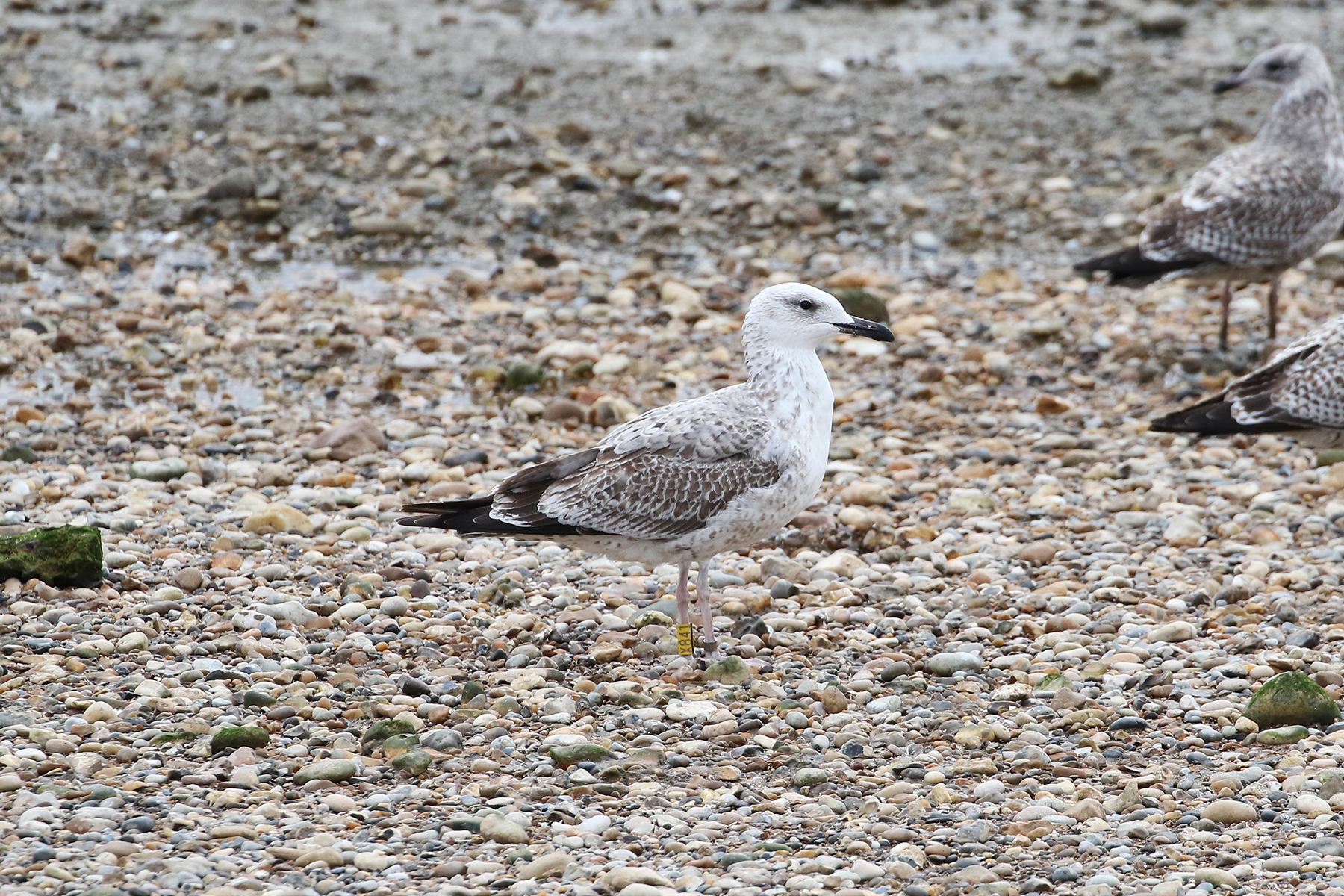
This giant 1st winter Casp hung around the bread at the Thames barrier, Lovely legs and wings but feather wear let it down abit, but its march and to be expected.

_MG_0097

Another German Ringed Caspian Gull – X309, Dungeness


Rich and I gave the Thames a go first thing and had pretty much Zilch so burnt rubber to Dunge and found this ringed first winter Caspian Gull.

_MG_9337

It was ringed last June at Grabendorfer See , Germany near the Polish Border, the same day and same colony as two other Casps I have seen this winter at Thames Barrier Park.(x307) and (x090) . We were joined by Mick Southcott who confirmed it was a new bird.

_MG_9325

_MG_9360

_MG_9379

_MG_9351

_MG_9395

The Same 2nd Winter Yellow Leg that Laurence ad I saw last Saturday was lurking about. (also pictured with the casp above)

_MG_9299

This Adult Kittiwake also came in to check out Mick’s fish bucket.


Another Dunge and East Sussex Weekend

A weekend Trip down to see friend Laurence P began with a full day at Dungeness. Things were fairly slow to begin with but we did see the 2 Juv Iceland Gulls and a couple of first winter Caspian gulls by the patch. The tide was out and there were very few gulls by the puddles and fishing boats so we took in a/the Long eared Owl and Ring necked duck (for the 2nd or 3rd time recently) on the reserve.  This and a hearty veggie breakfast at the cafe killed some time before returning to look at the Gulls. The below 2nd winter Yellow-Legged Gull was nice, I like them this late in the season, beginning to brighten up in the bill and iris also.

_MG_8834

_MG_8870

I basically wasted pretty much all the bread trying to keep a group of gulls close with nothing of interest, however as the last fishing boat came in (followed by loads of gulls and thick fog!) This absolutely bonkers 1st winter Caspian flew infront of us.

_MG_9012

_MG_9022

_MG_9027

_MG_9038

Originally seen 5 days before by Paul Watts and ringed in Poland last may.

As the fog thickened this dark 1st winter Casp also flew about abit but never posed in the same fashion.

_MG_8982

_MG_9084

_MG_9086

_MG_9088

A nice adult Kittiwake flew by close in

_MG_9066

This dark eyed ad Yellow Legged Gull was present too but flew off before any closer inspection.

_MG_9056

The Next day was spent birding a few sites closer to Eastbourne. Prince’s park held a Black head ringed in Denmark that we’d seen there back in July whilst photographing some of the first Juv Yellow legs in the country and a NTGG 1st winter herring. Holywell held zero gulls, but this rock pipit posed with 90’s blurring Gerhard Richter painting as backdrop!

_MG_9127

Then on to Cuckmere Haven. Which holds one or two large and often distant gull day roosts, great scope views and a nice way to see many birds from one spot, we had 4 Med gulls of all all 3 ages, 5 First winter and a one third winter Caspian gulls.  Photos were pretty shocking from this distance here’s 4 of the 6. The third winter was the bird of the trip for me

_MG_9173

4 of 5 Local Caspian Gulls


I arrived at Lyle Park in the rain. Rich and Dante had already seen all four of the most regular 1st winter Caspian Gulls, one of which I missed, and recent cold weather seems to have made them more attracted to the bread and fearless in their approach coming close in and giving good views. Below is ‘Lyle’, still my favourite bird on the Thames and present most trips.

_MG_7312

_MG_7313

_MG_7303

The following bird is the paler regular Casp, very beautifully marked.

_MG_7287

Next up is a murkier bird that I originally had at the O2 in November.

_MG_7283

We crossed the River where the above bird was waiting on the beach. A quick scan through the surrounding gulls and I had a new 1st winter Caspian in my bins.  As the tide was about to engulf the entire beach we climbed the fence to view the birds at the same level.

_MG_7430

_MG_7441

_MG_7447

_mg_7424

This regular Yellow Legged gull was bobbing about off the beach as the tide came in. Also standing with the new casp for comparison.

_MG_7457.jpg

_mg_7386

Dante and I stopped in on some Islington Waxwings for dessert.

_MG_7470.jpg

Cyprus Part two… The Gulls!

Here’s the real reason for my trip.  The photo below was taken at Lady’s mile – a furiously potholed dirt track just south of Limassol with pools to the right and the sea on the left. Birds loaf around the puddles and lagoons but also come to bread on the beach. I did most of my Gulling here and also spent time at Larnaca Sewerage works and a couple of Harbours along the south coast.  I saw many birds and have included ones which are particularly nice looking or came close enough to get decent, useful photos.

_MG_6242

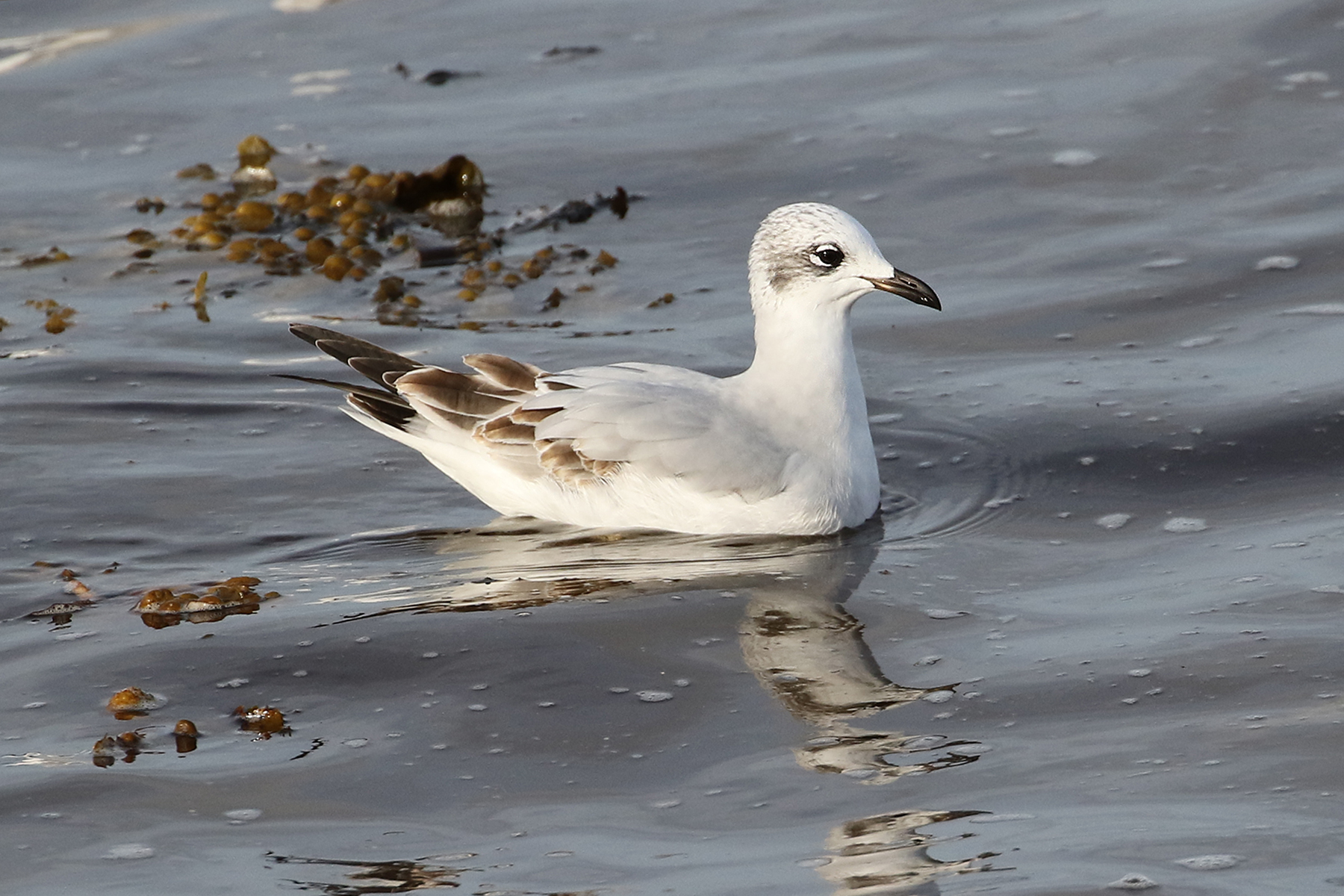
Black heads were in good numbers at Lady’s Mile and scanning through them revealed a few Slender billed gulls.

_MG_6121

_MG_6122

_MG_6123

_MG_6058

The most common large gulls were Armenian.  Quite unremarkable as first years,  overall resembling a small  delicately marked Yellow-Legged Gull but sharing a few more caspian like features like overall whiter underwing more delicate and sometimes silvery replaced scaps and wing coverts.

_MG_6066

_MG_6106

Many were quite bleached and worn in the wing.

_MG_6101

_MG_5994

The bird below more Yellow-Legged appearance,  but was size and shape of Armenian, and note scapular pattern and propensity to show silver grey.

_MG_6045

_MG_6428

The Second winter birds were more contrasy and, like many more easterly taxa often moult a high percentage of wing coverts in their post juv moult so have an almost complete grey mantle by the time they reach this age group.

_MG_6283

_MG_6046

Adults are smart.

_MG_6089

_MG_6582

Yellow Legged Gulls seemed to be present on the north coast mainly during my stay. I had a few adults and first winters however Caspian Gulls were much more common, with only first winters coming to bread but many adults and a few other aged birds seen in flight around the island and distantly at the Sewerage works.

_MG_6434

_MG_6409

_MG_6408

_MG_6186

_MG_6039

Square headed small billed bird above resembling barabensis, and darker bird below, quite unfamiliar in uk context, with same age Armenian,

_MG_6492

_MG_6469

_MG_6471

Classic bird against the bright blue east med sea rather than our usual muddy waters in the SE.

_MG_6448

_MG_6446

_MG_6438

This very large billed presumably male bird, below, had beautiful replaced scapulars and median covert pattern giving it a second winter appearance on the water but a closer look reveals the coverts to just be plain grey 2nd gen feathers, Ive seen this in only a few first winter birds birds before. Note first gen tail band also.

_MG_76568

_MG_6539

_MG_6556

Adults were mainly fly-bys or birds present in the few areas of Military Land where photography was forbidden.

_MG_6381

_MG_6366

I saw 2 different Common gulls, both at Lady’s Mile. This bird, with its clean white head and underparts, dark 2nd generation, pale fringed and browner centered scapulars, long primary projection and pink base of bill suggests the Russian sub-species Heinei.

_MG_6226

I also saw what must have been Fuscus LBBs but again distant and no pics better than this…

_MG_6340

Thanks to Phil Saunders (who spent a good amount of time out there studying Rollers during the summer months) for his help with sites etc.
2nd Winter Caspian and Tristis Chiff

A few days ago young Dante found a 2nd winter Caspian Gull at Lyle Park. The first of a bunch of new-in Casps to the area recently. Fast forward to this morning, I got to Thames barrier park first thing and as soon as the bread was out the bag a huge 2nd winter Caspian Gull flew very close to where I was throwing from. I assumed it was the same bird as it flew towards the 02. After an hour or so between there and Lyle park (and 3 first winter Casps, none new i think) we headed over the river where Dante picked it up loafing on the beach.
_MG_6861

_MG_6871

As the tide was coming in and the birds were very soon to go off on their own accord, we hopped the fence and viewed the bird from ground level. A nice change from the elevated view at O2. Its an enormous Bird and fairly square headed.

_MG_6831

Below – P10 showing a faint Mirror, Not so visible in flight unfortunately.

_MG_6880

_MG_6884

Below – a well built 2cy Yellow Legged gull. As we left i’m pretty sure this bird flew over us. Dante also may have had the same bird earlier in the day

_MG_6874

As the tide came in we made a move to Beckton Sewerage works. Yesterday we’d seen a first winter Caspian on one of the roofs near the plant, today however  gulls were pretty thin on the ground but I picked out this Tristis Chiffchaff was amongst around 20 collybita chiffs feeding along the outflow channel. Photos were taken into the dying light and through a chain wire fence but bins dealt with that well enough to see the buff (not yellow) supercillium, rusty ear coverts, buff/white underparts, olive green and yellow tones exclusively present in the Remiges and Retrices, faint wing bar and very black legs.

_MG_6938

I thought I heard it a few times whilst scanning the mobile group of birds but not well enough to be happy. After about 15 minutes I heard it clearly call exactly as it should. Apparently Local Paul Hawkins has seen it also so hopefully it will stick around. I was lucky enough to find a bird early spring 2016 at the waterworks that was in full song and performed nicely for most people who looked for it over a couple of weeks.