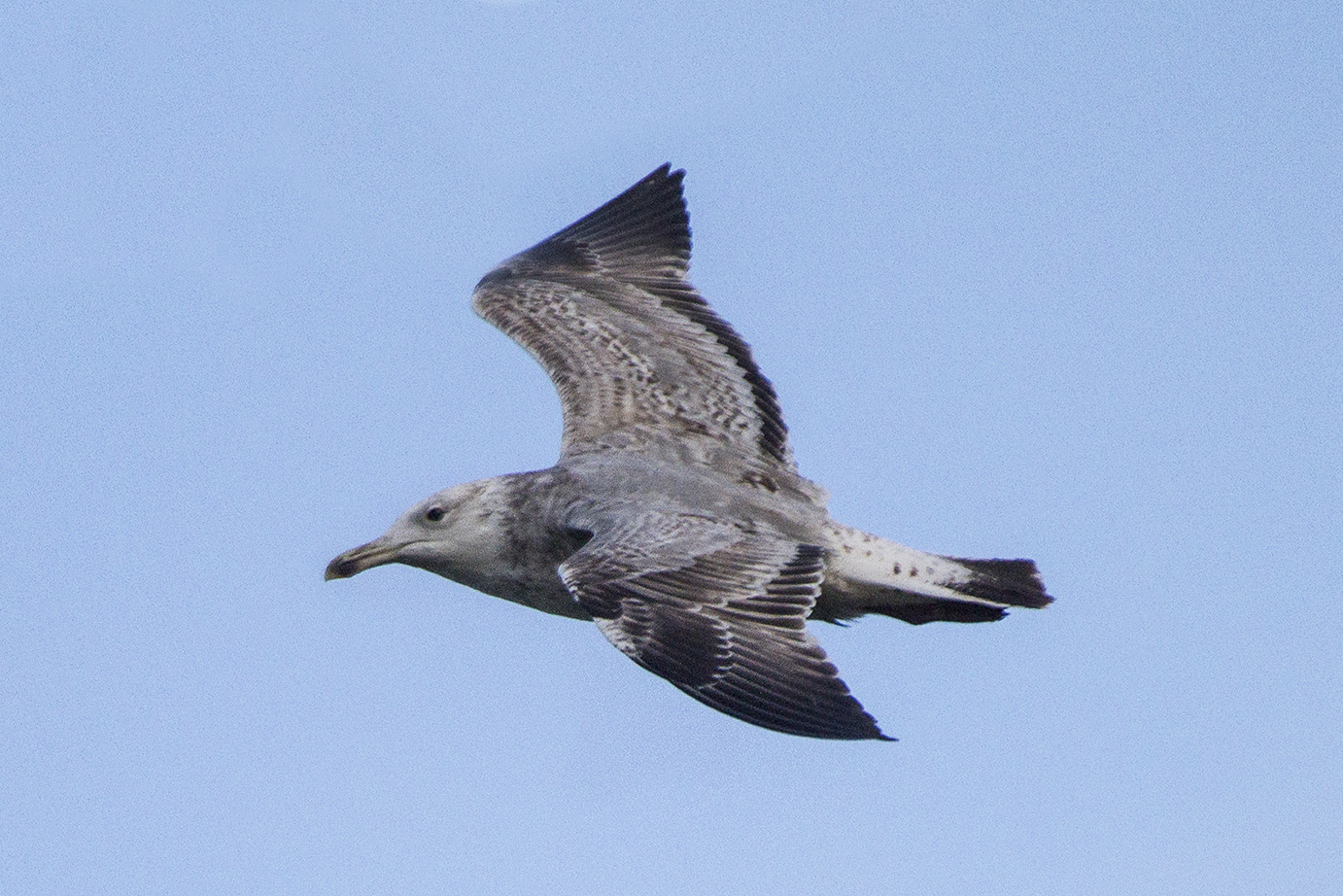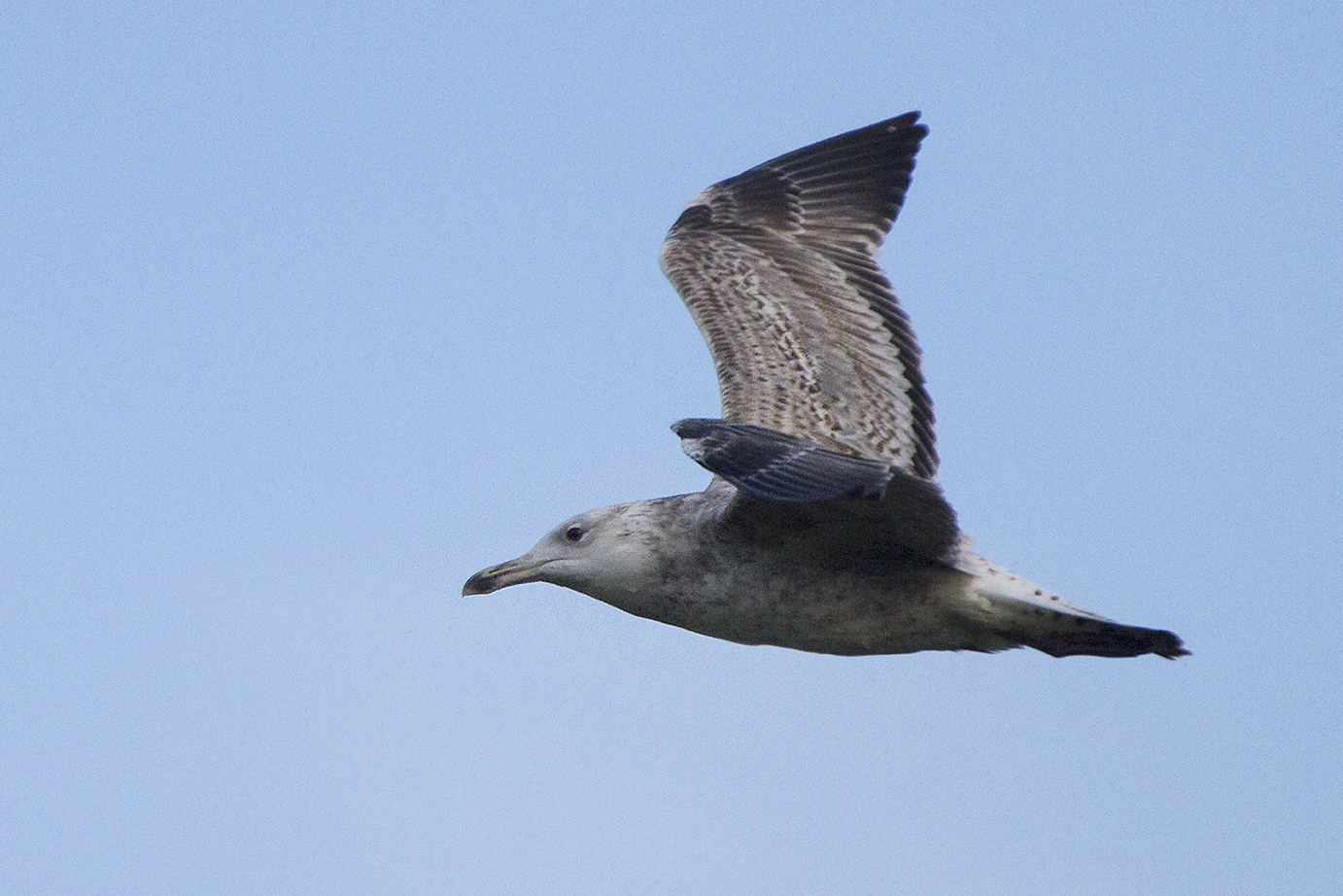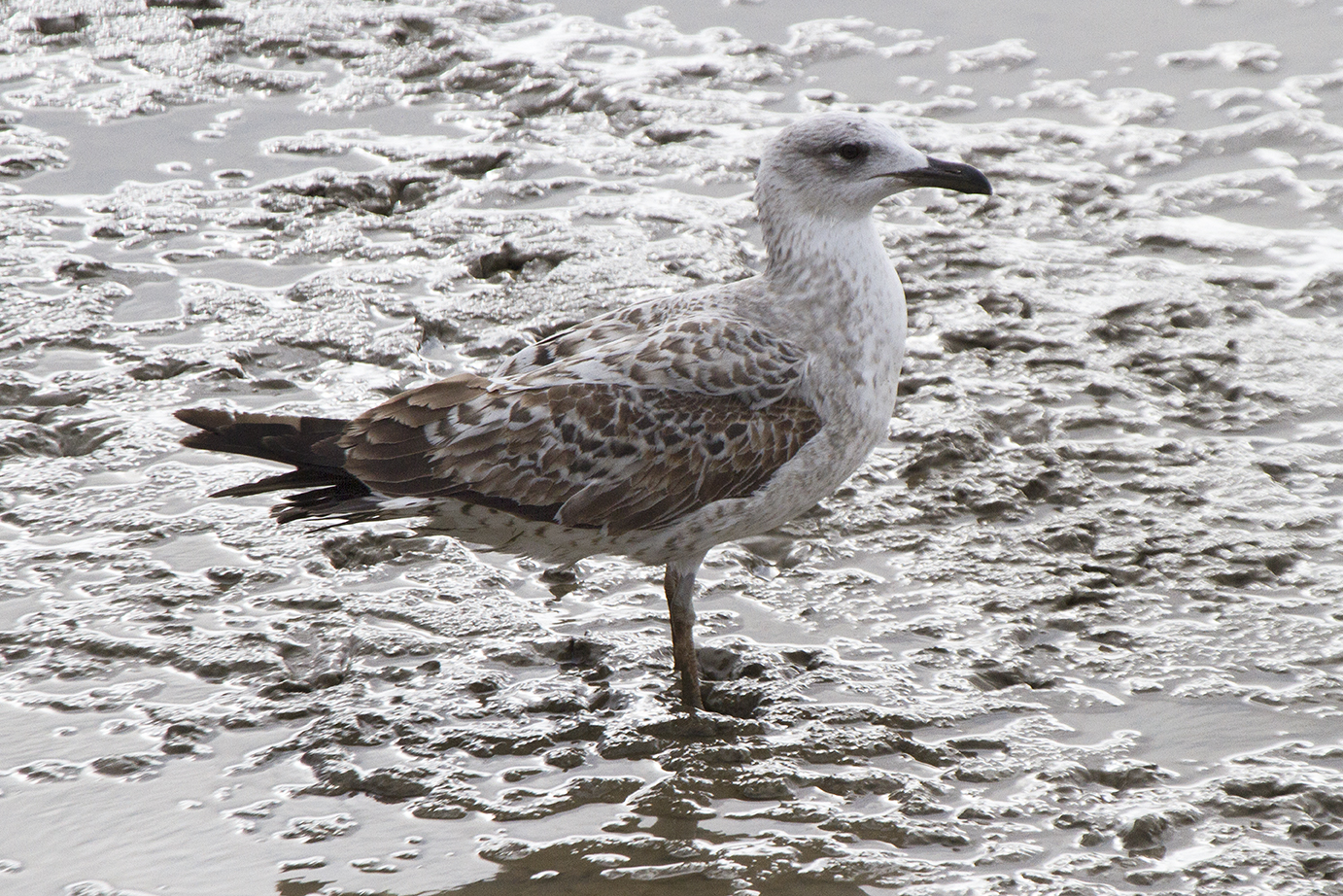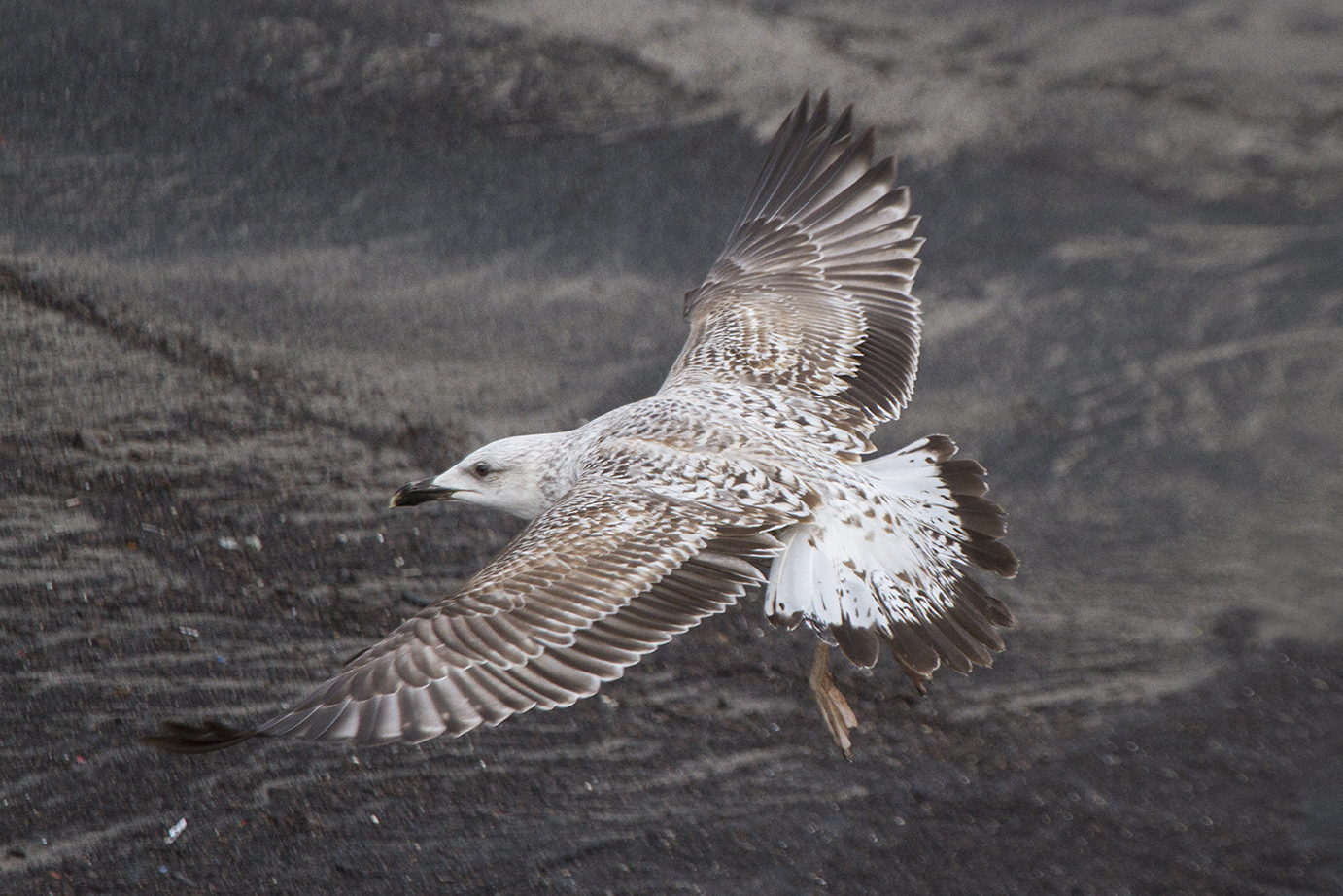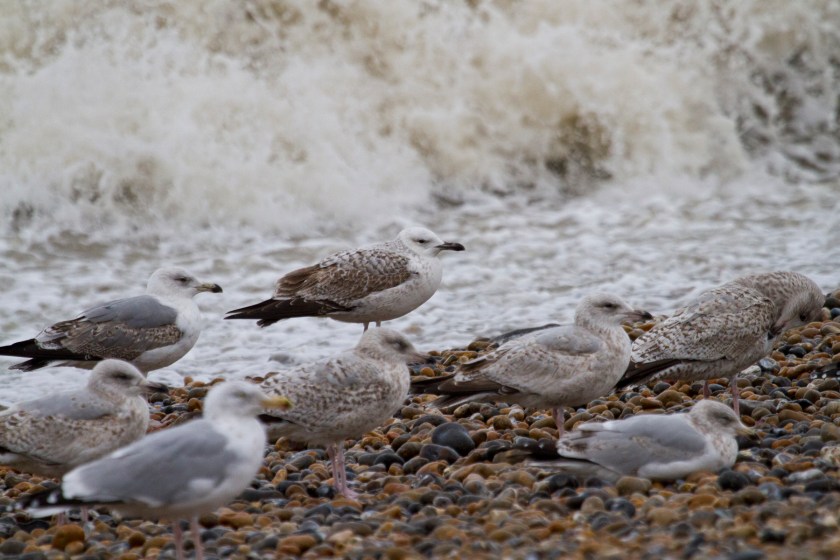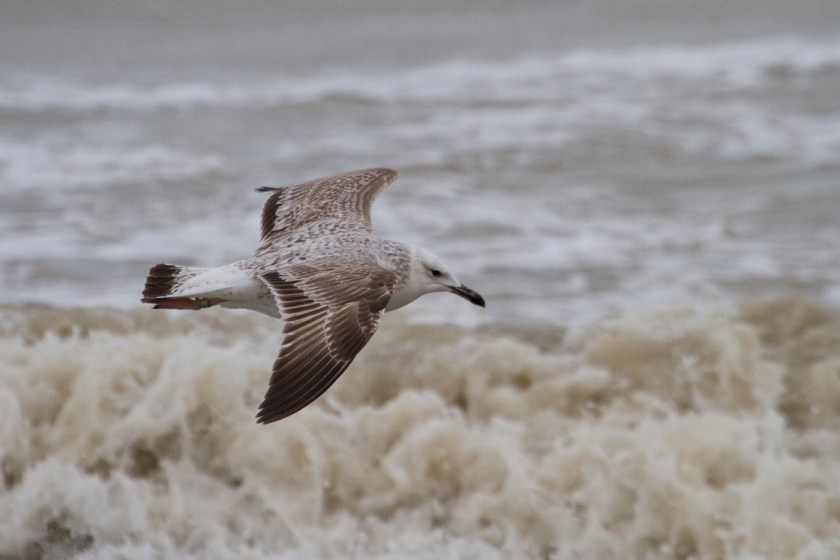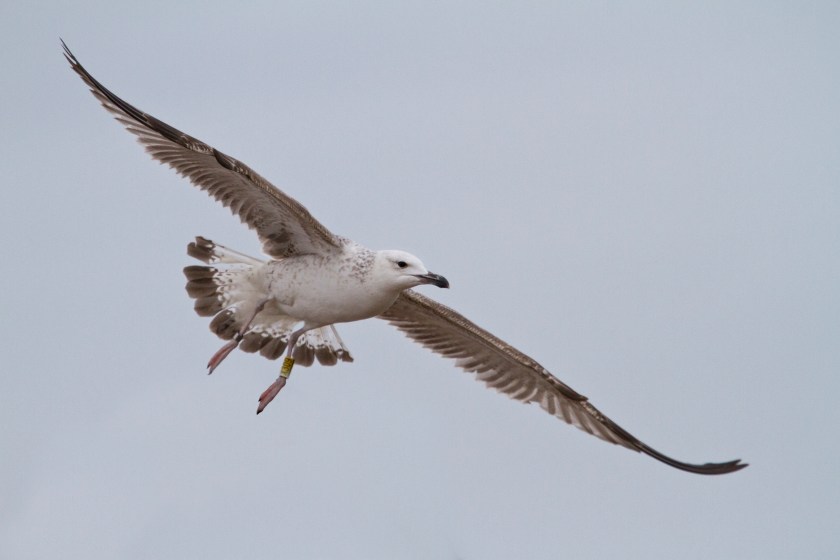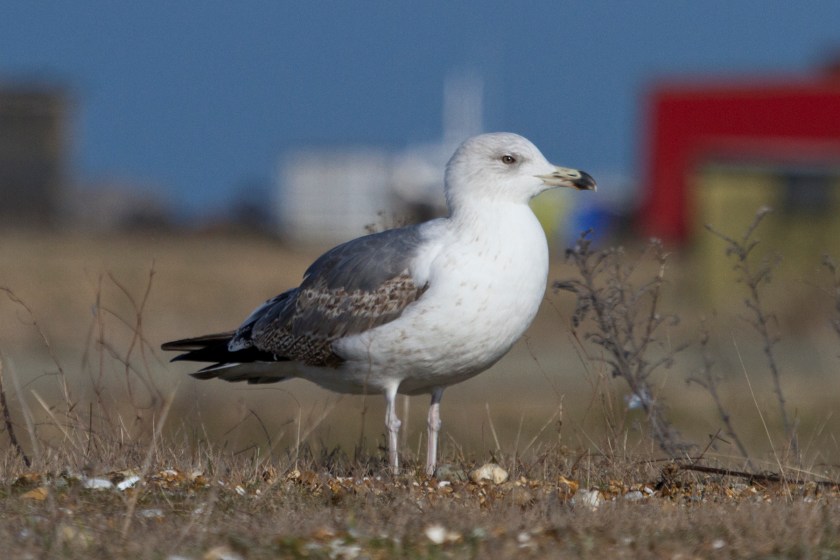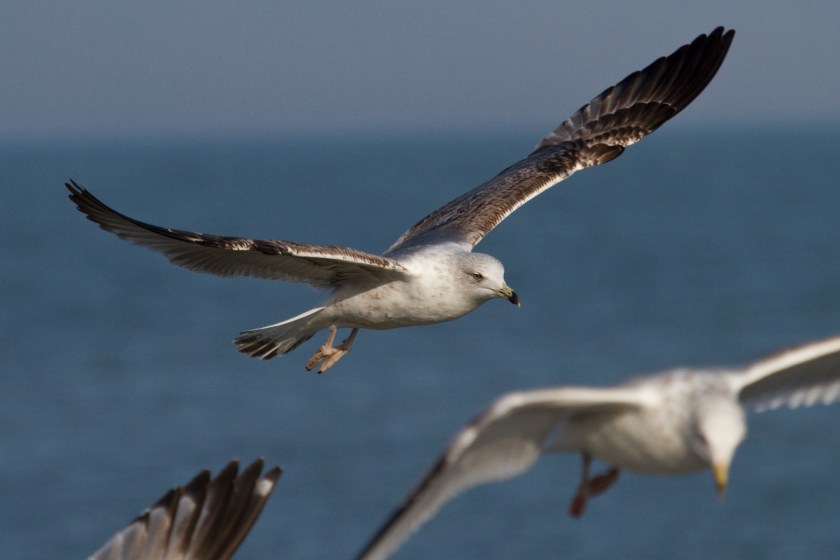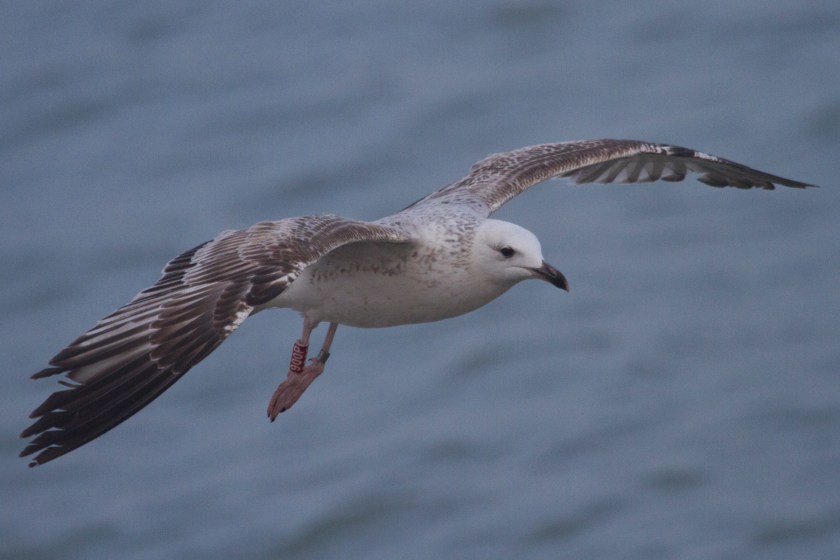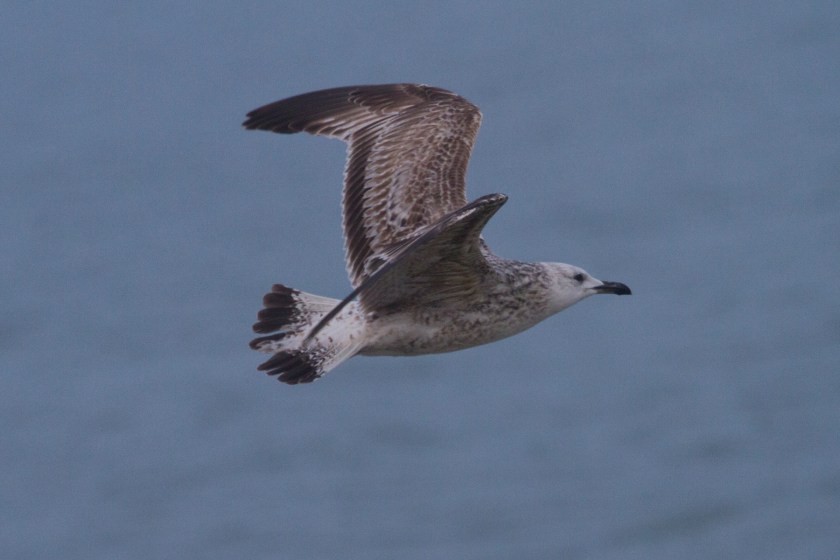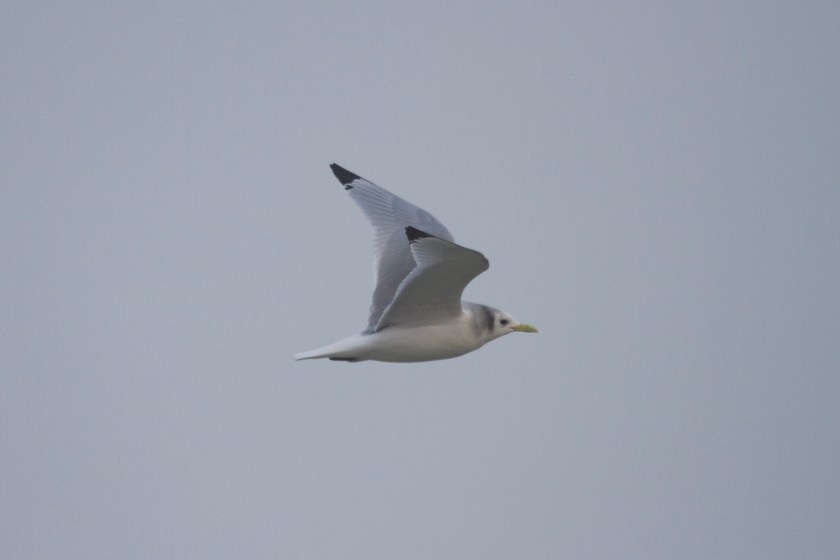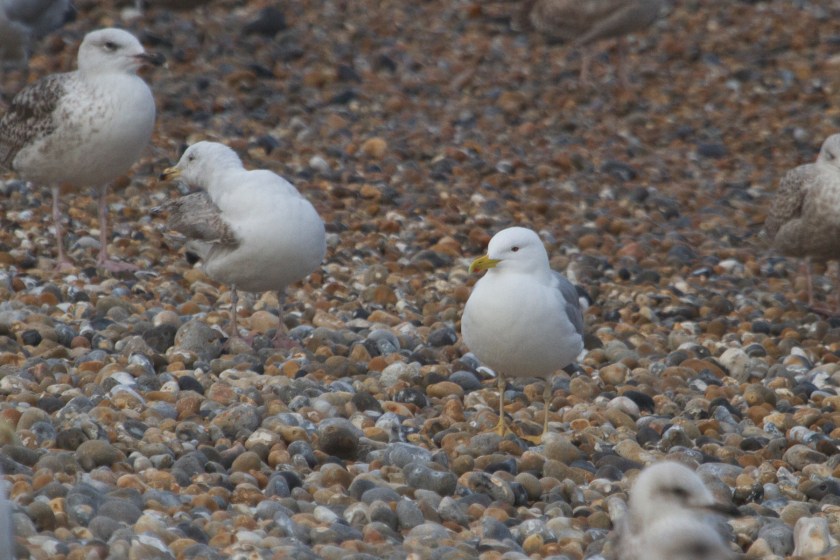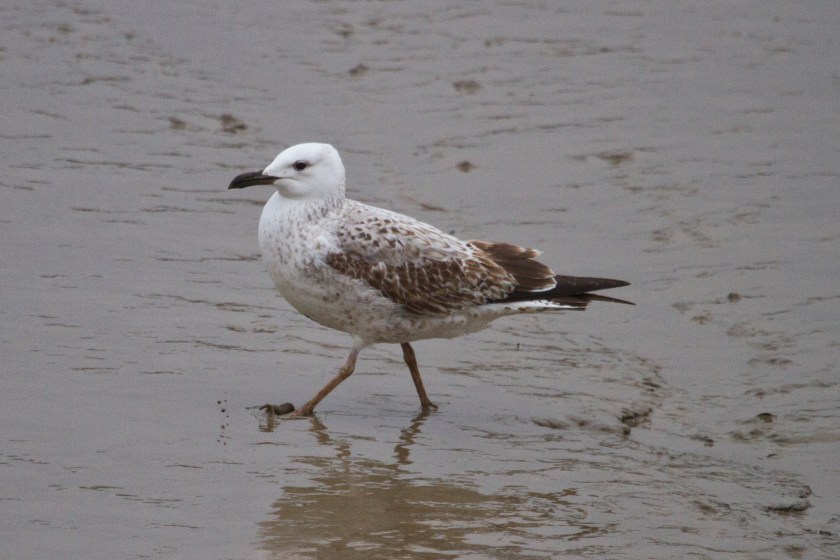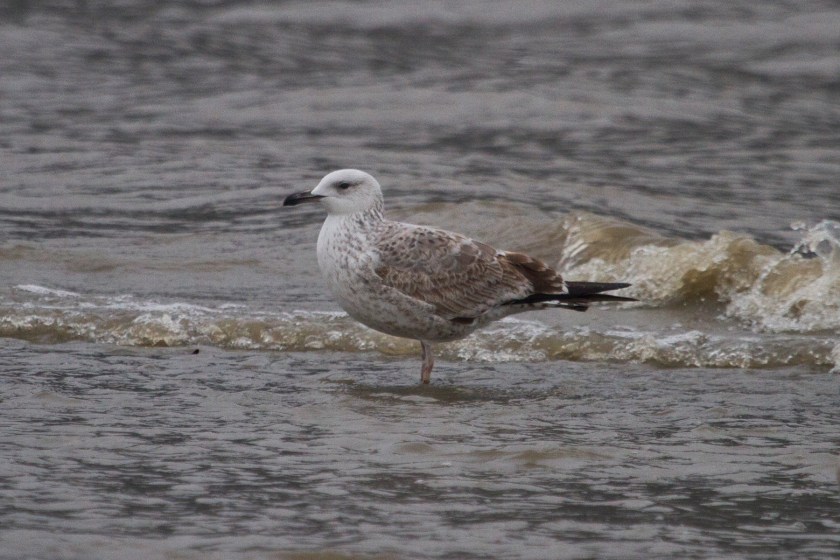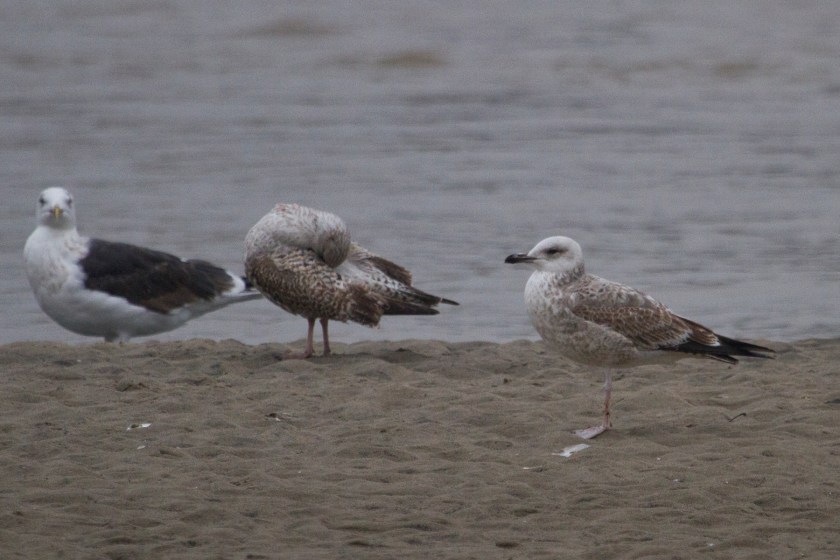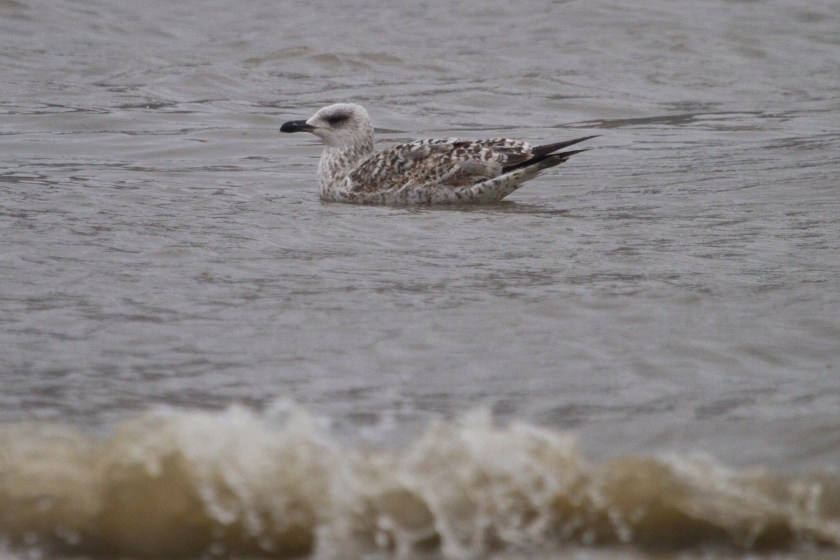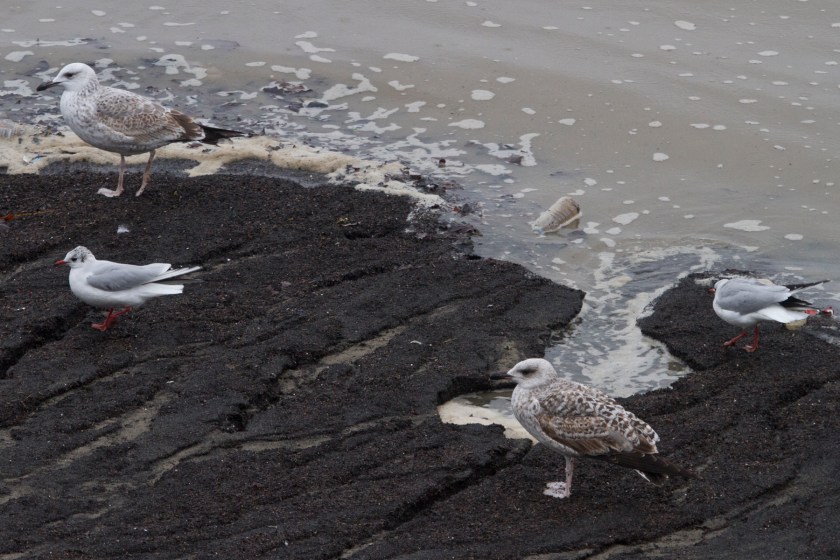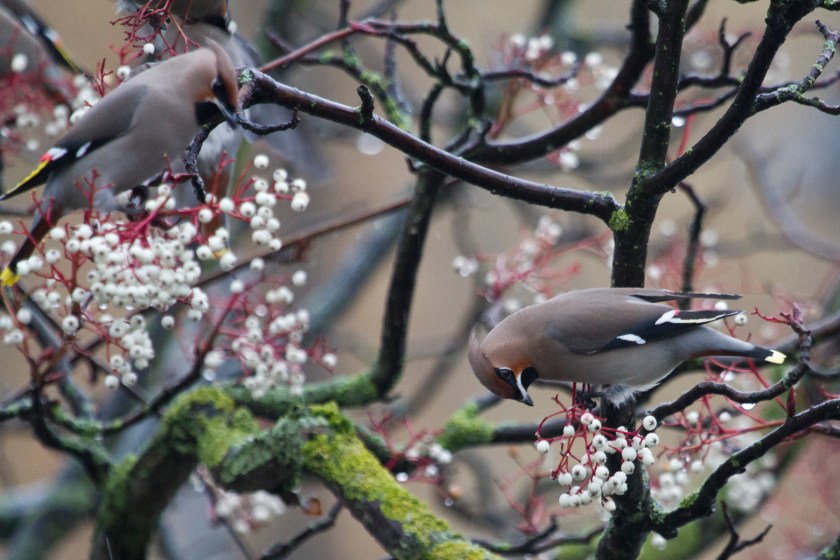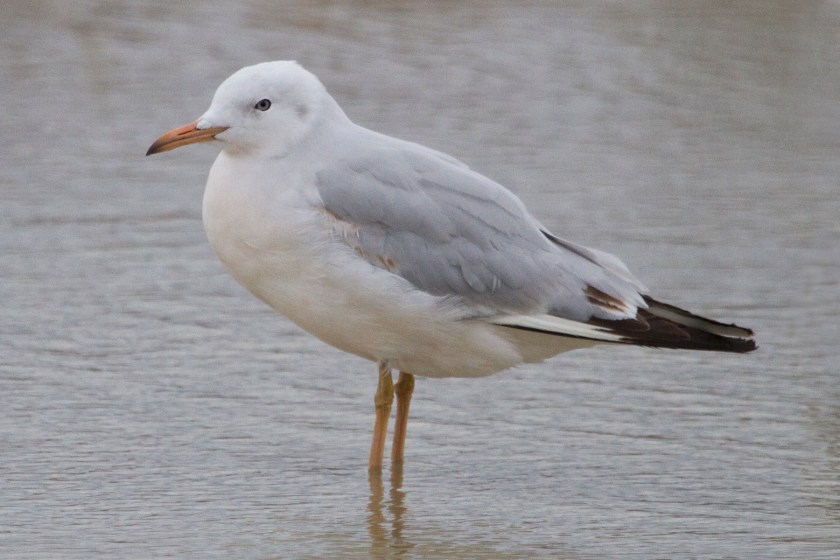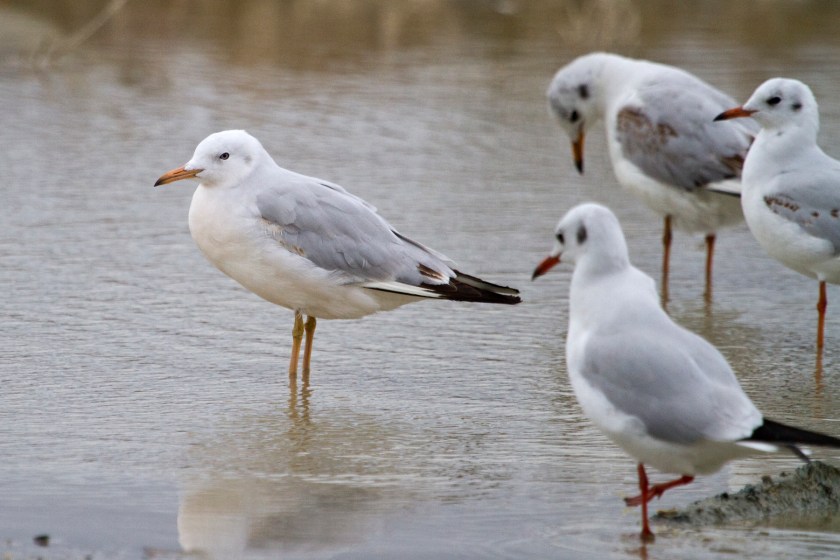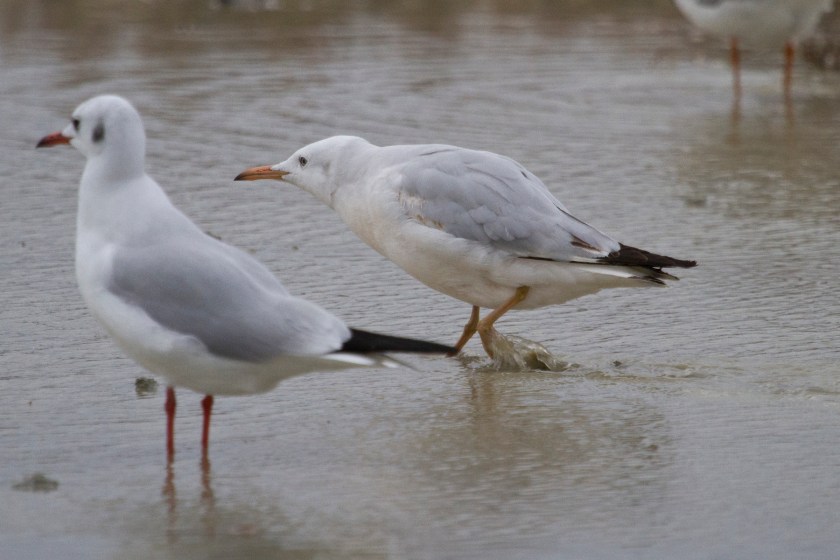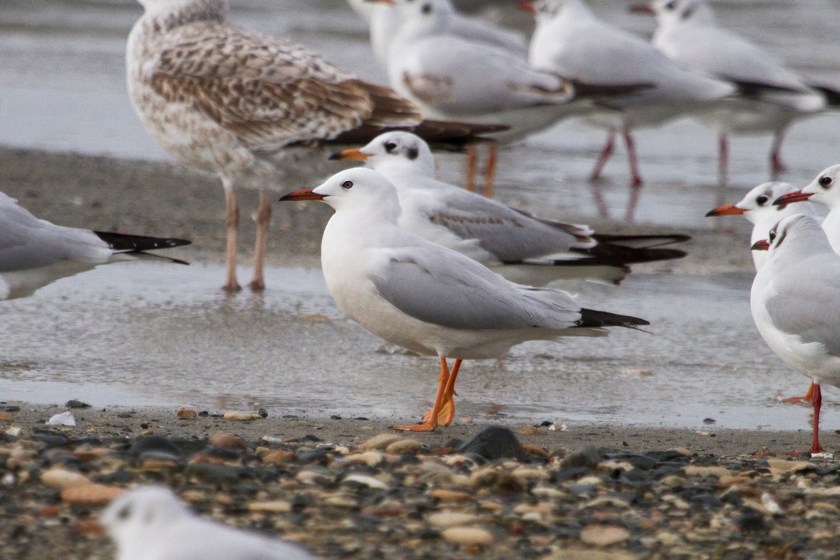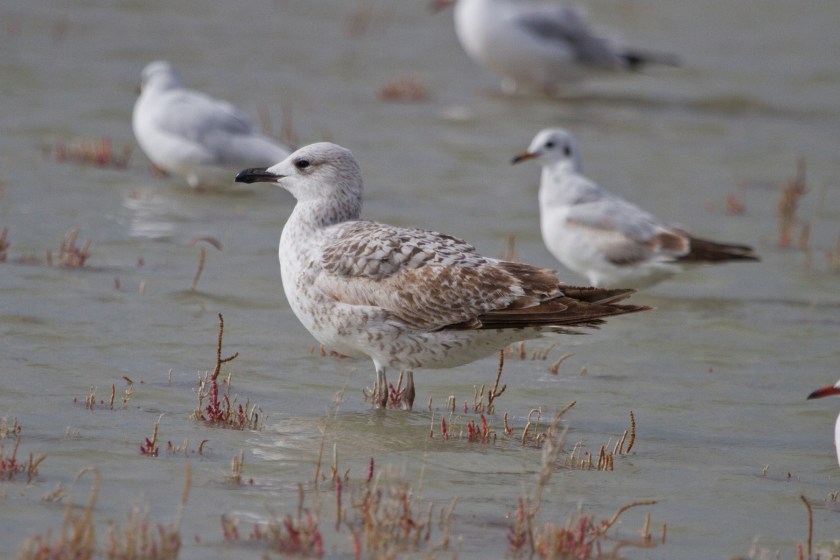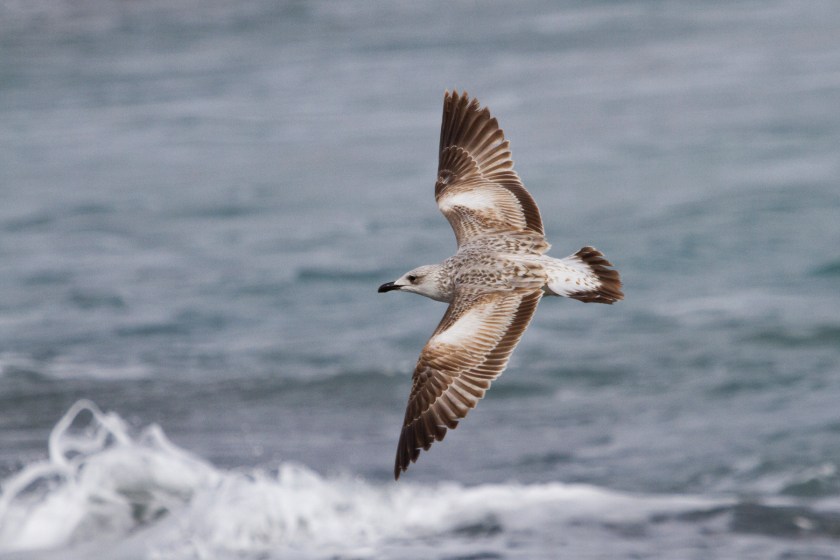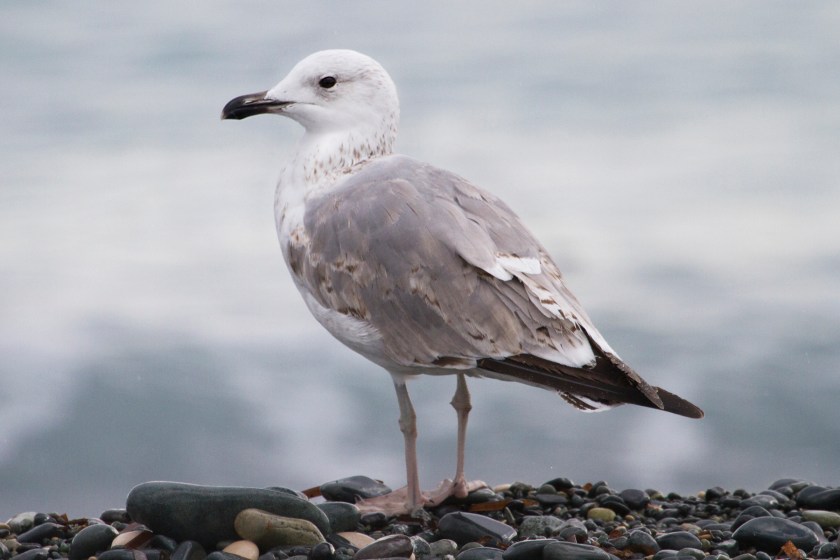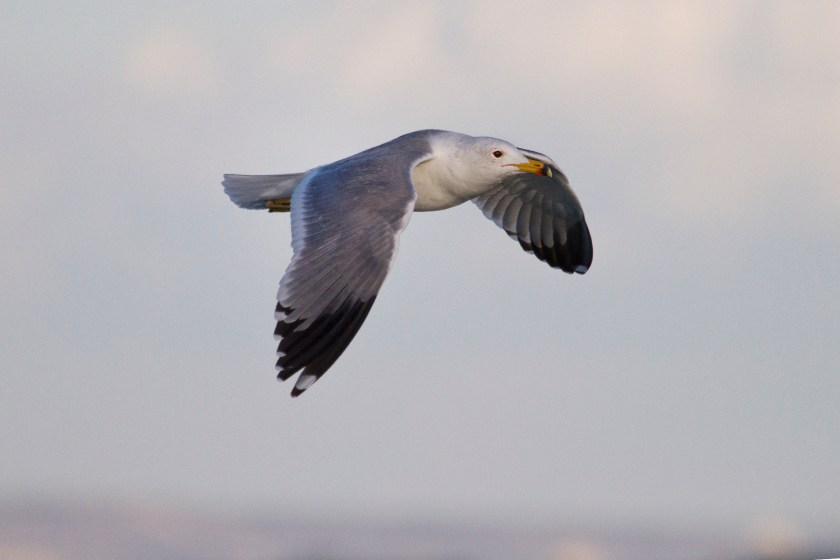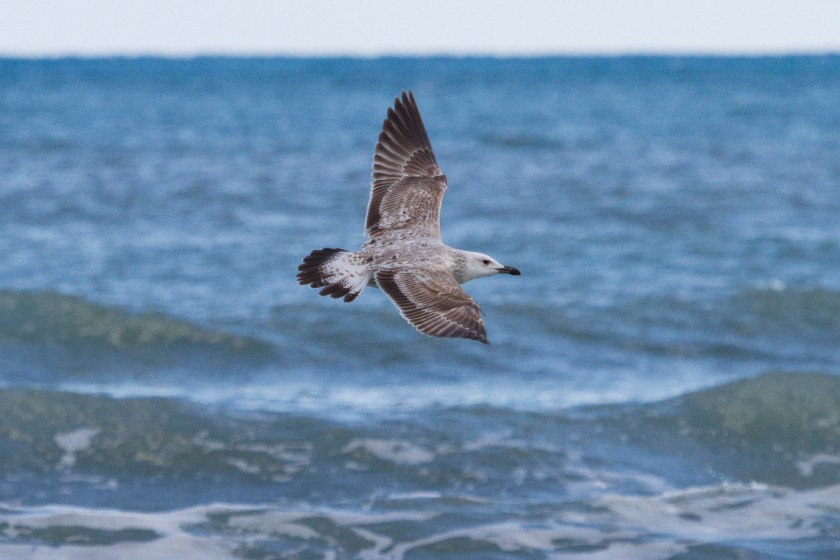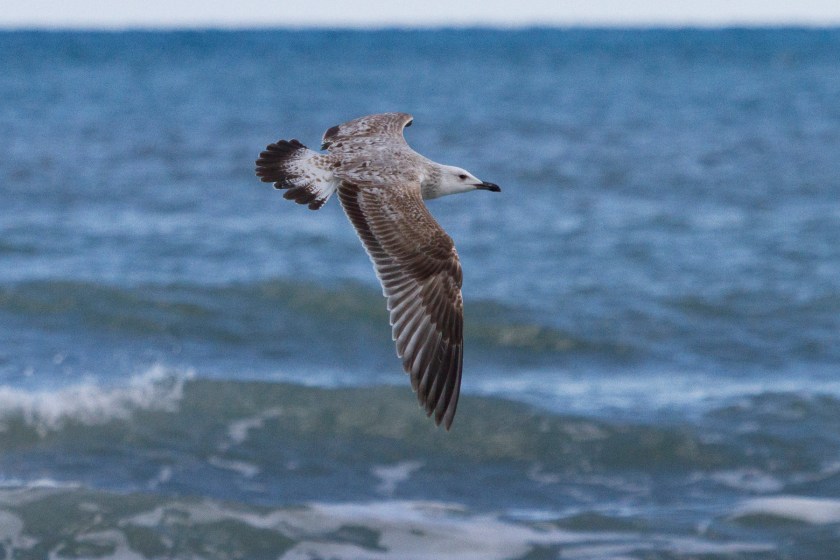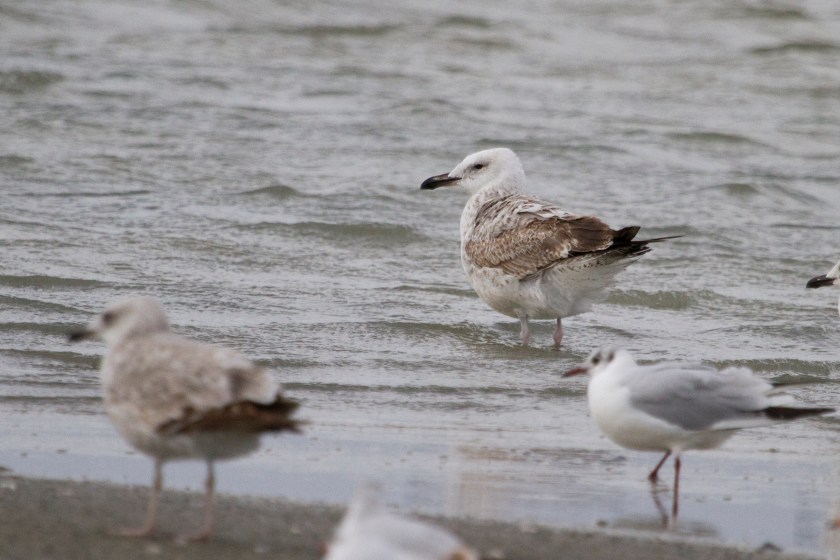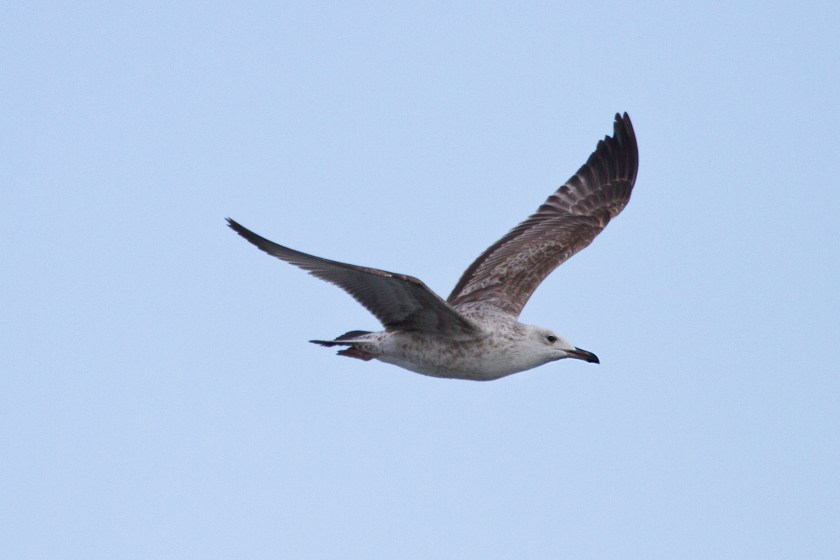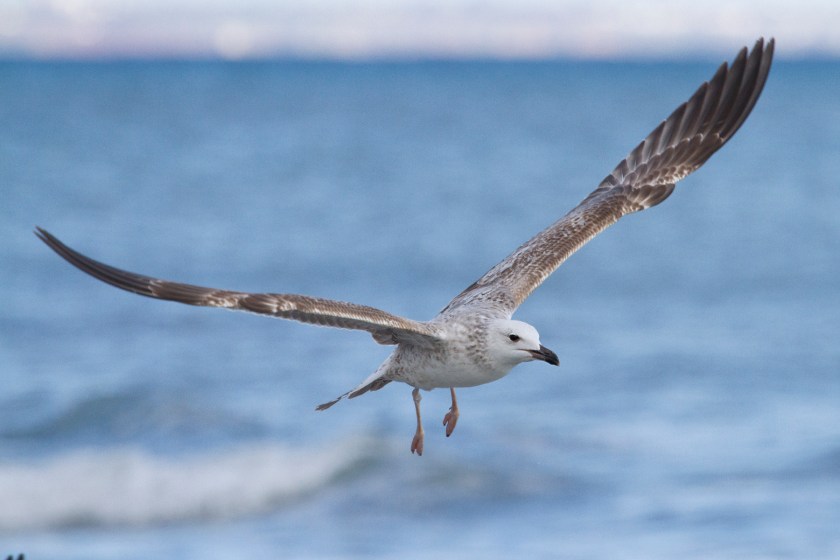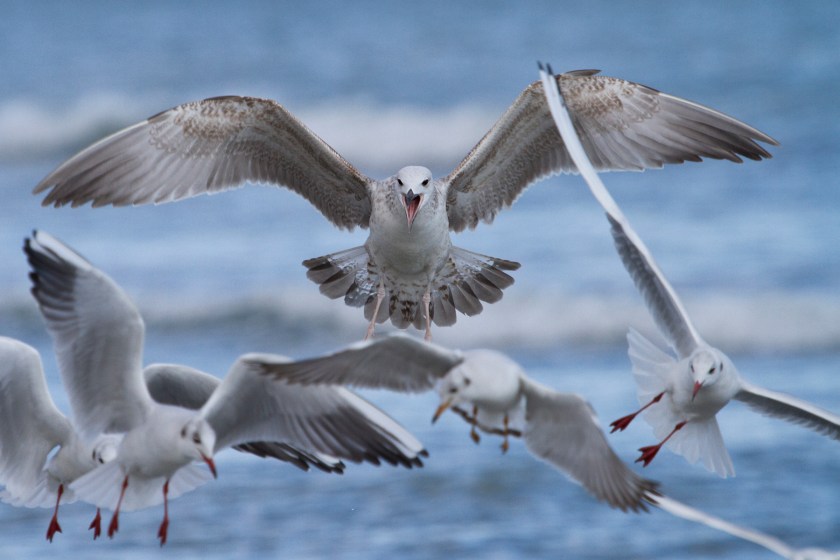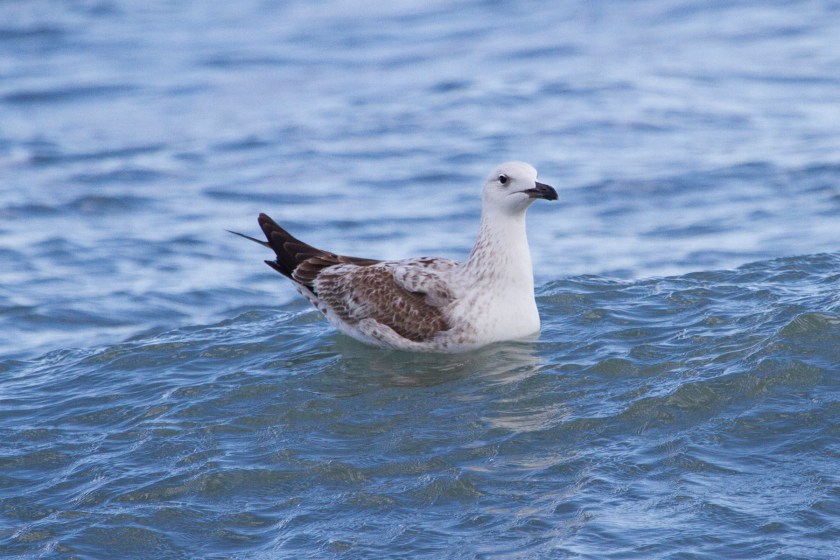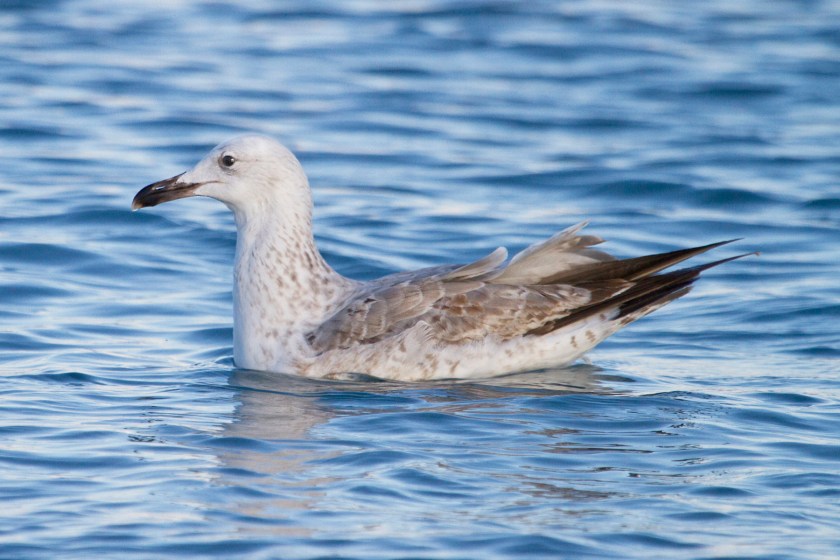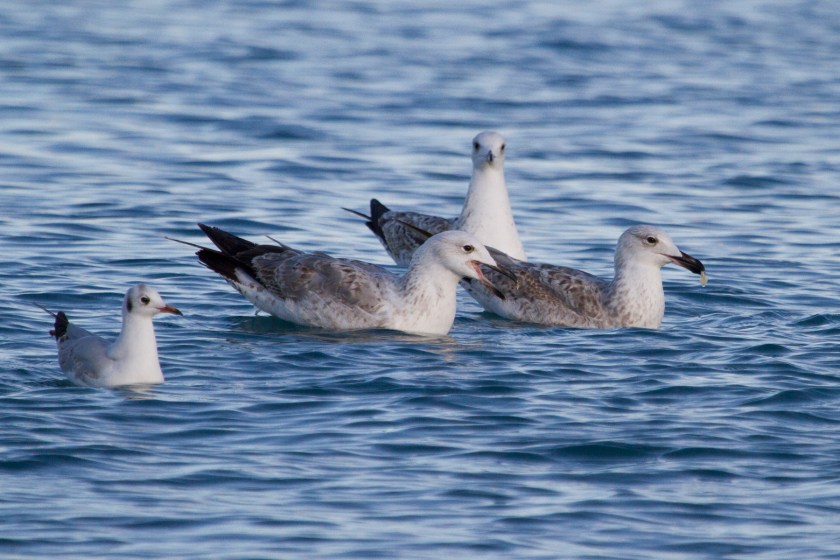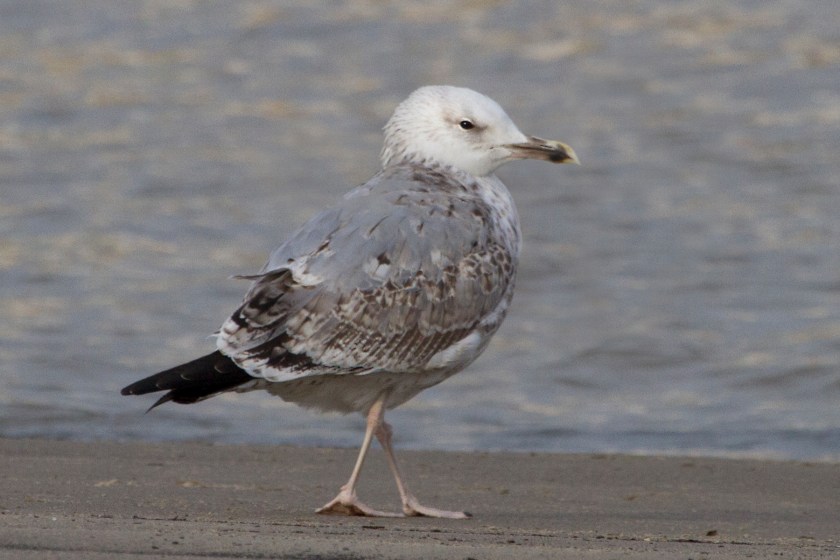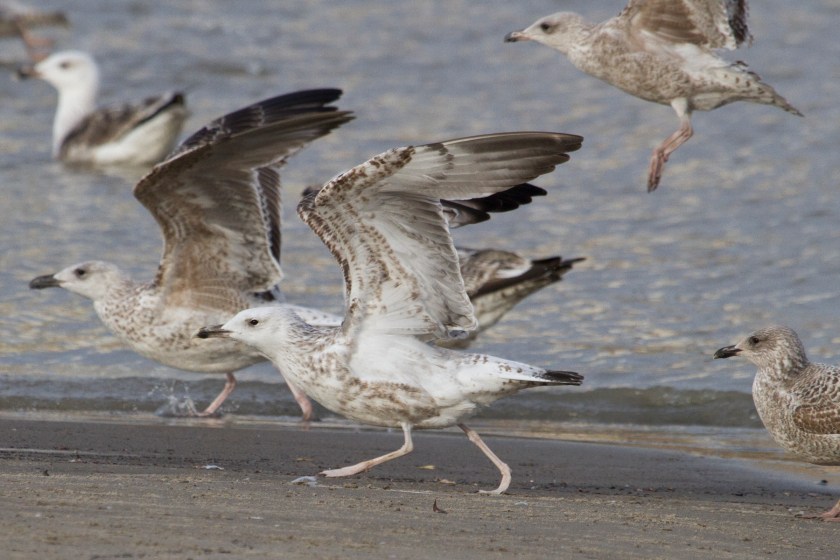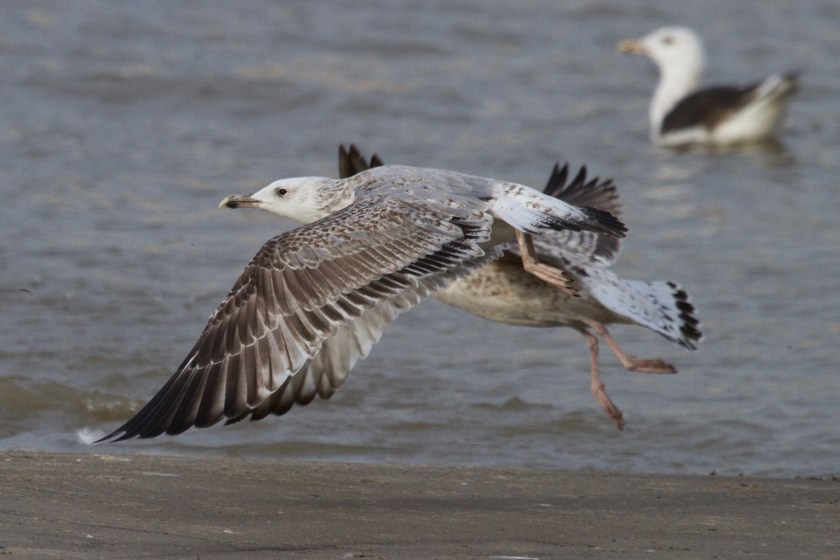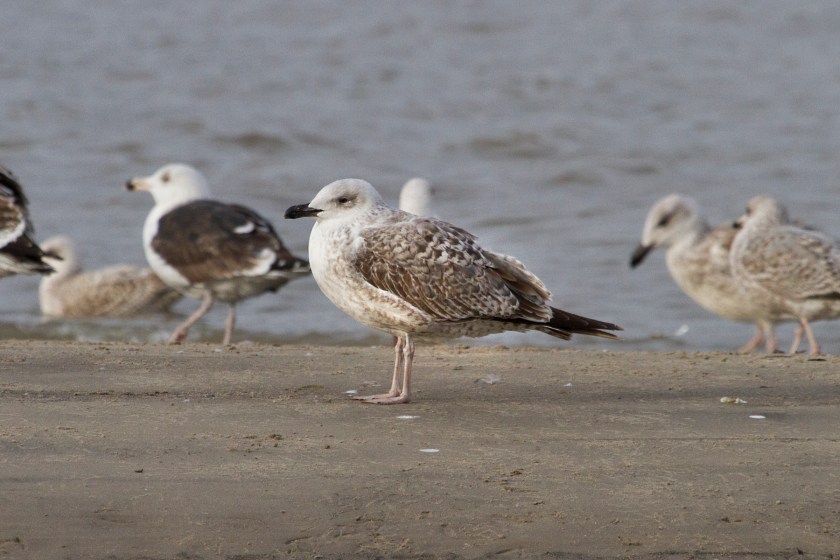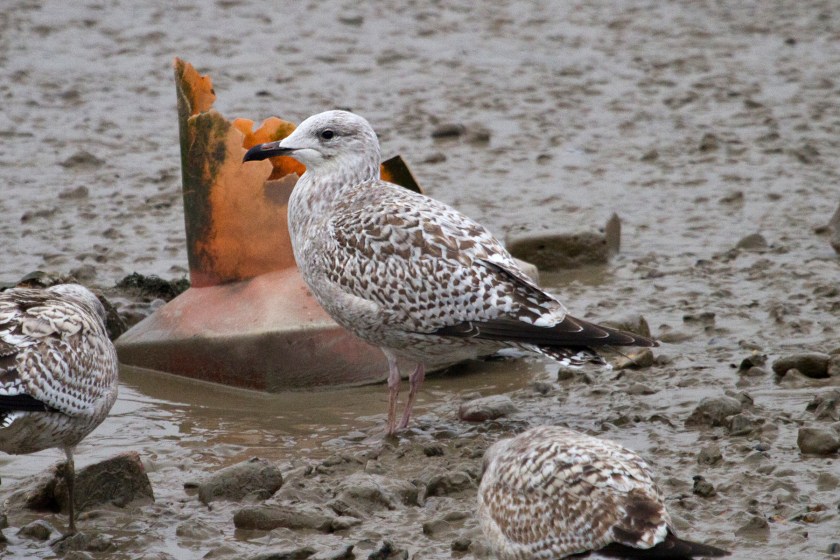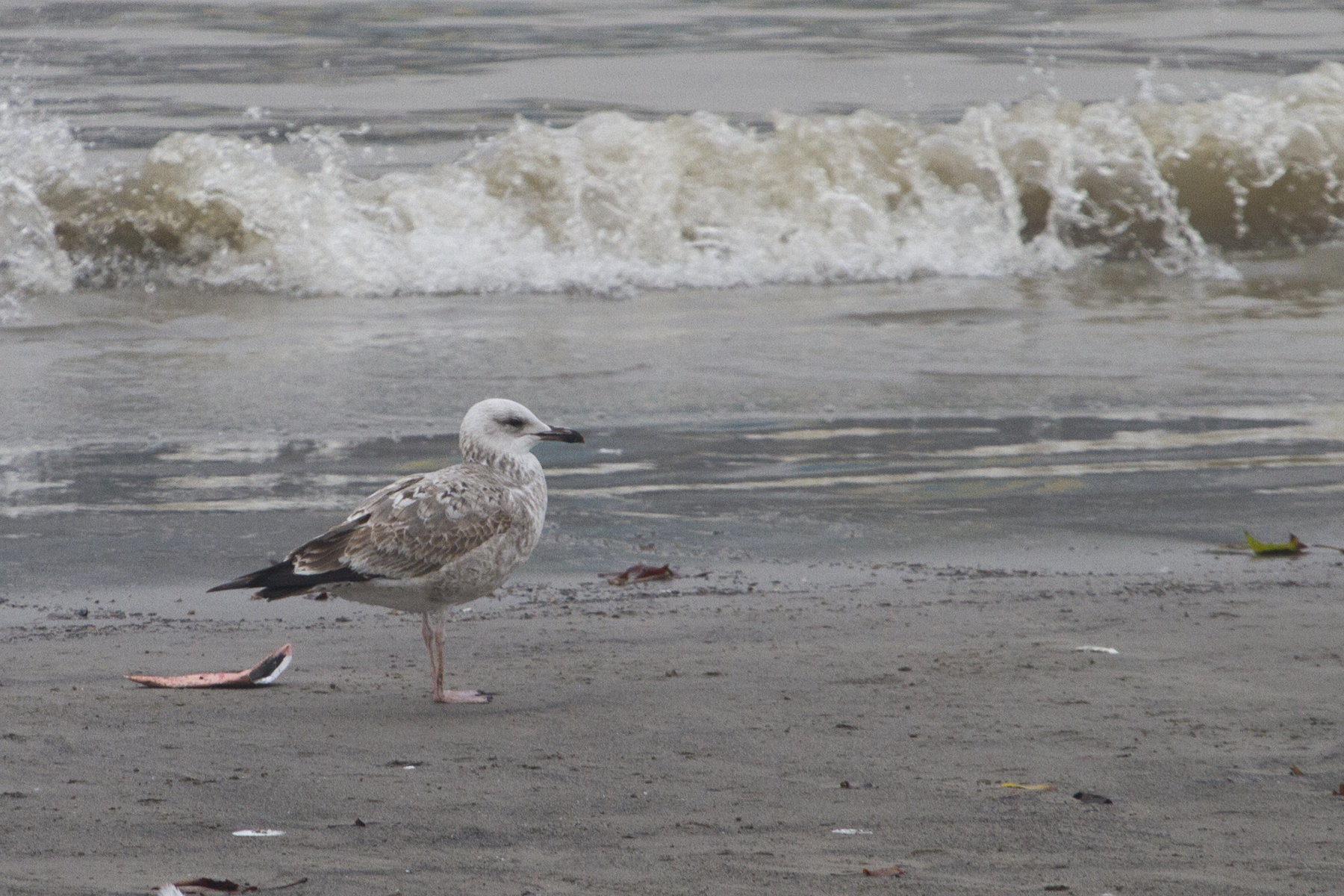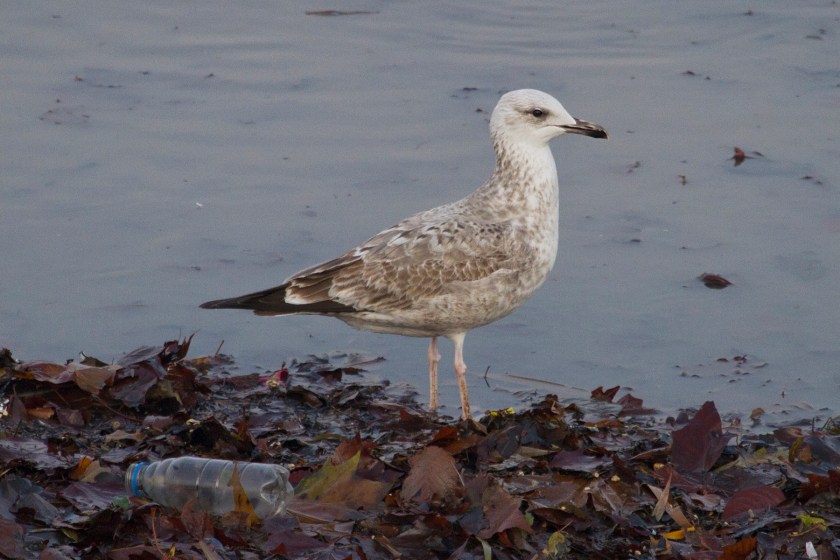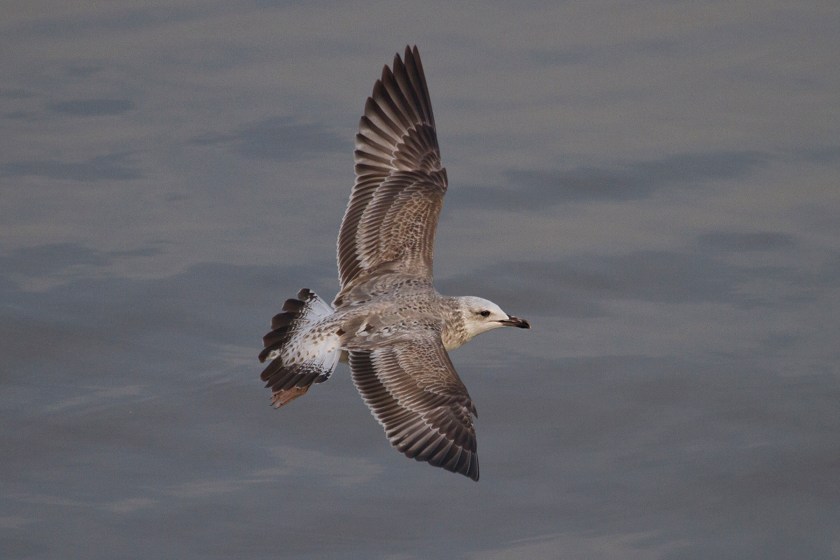
Still on the Thames Gulls…

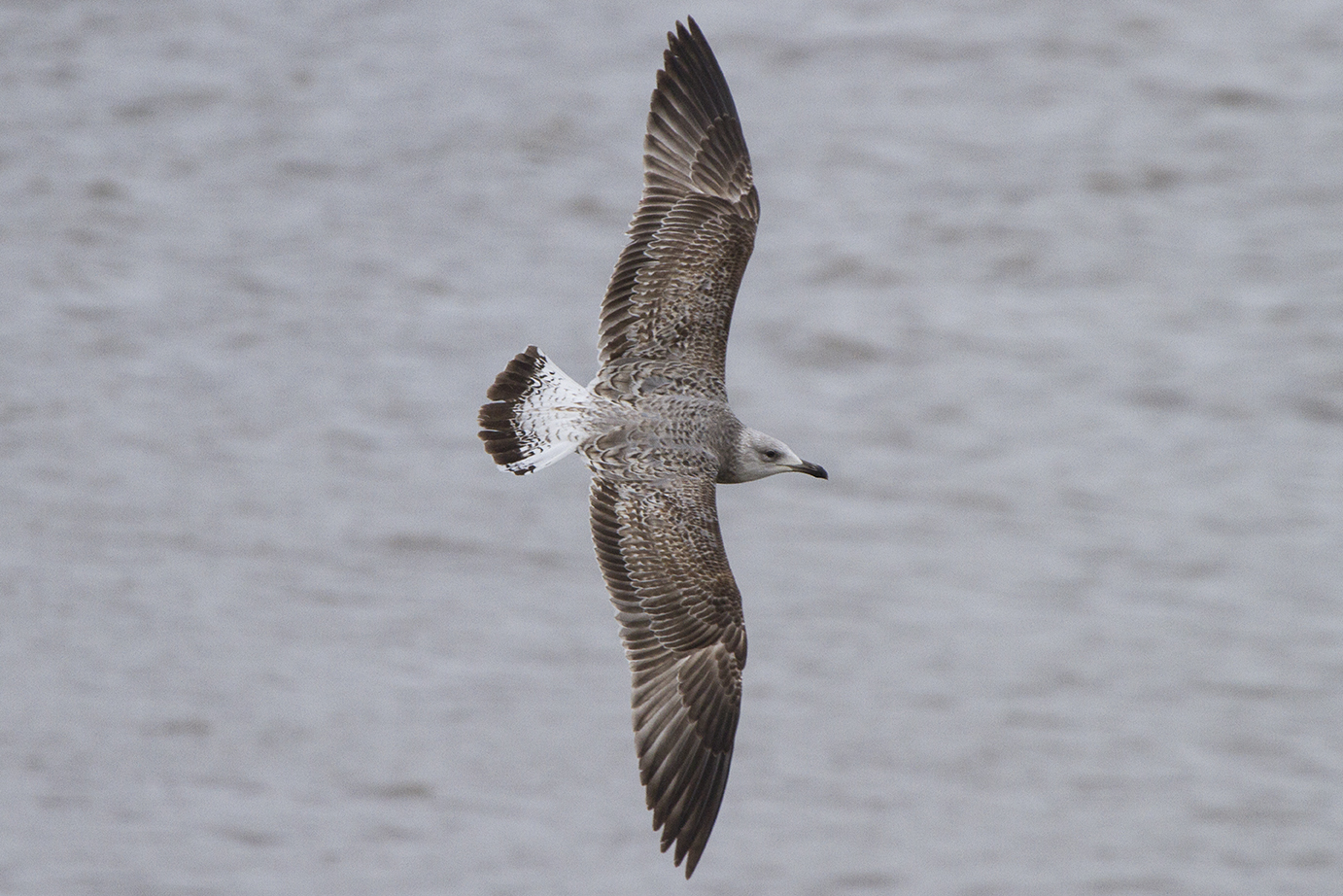
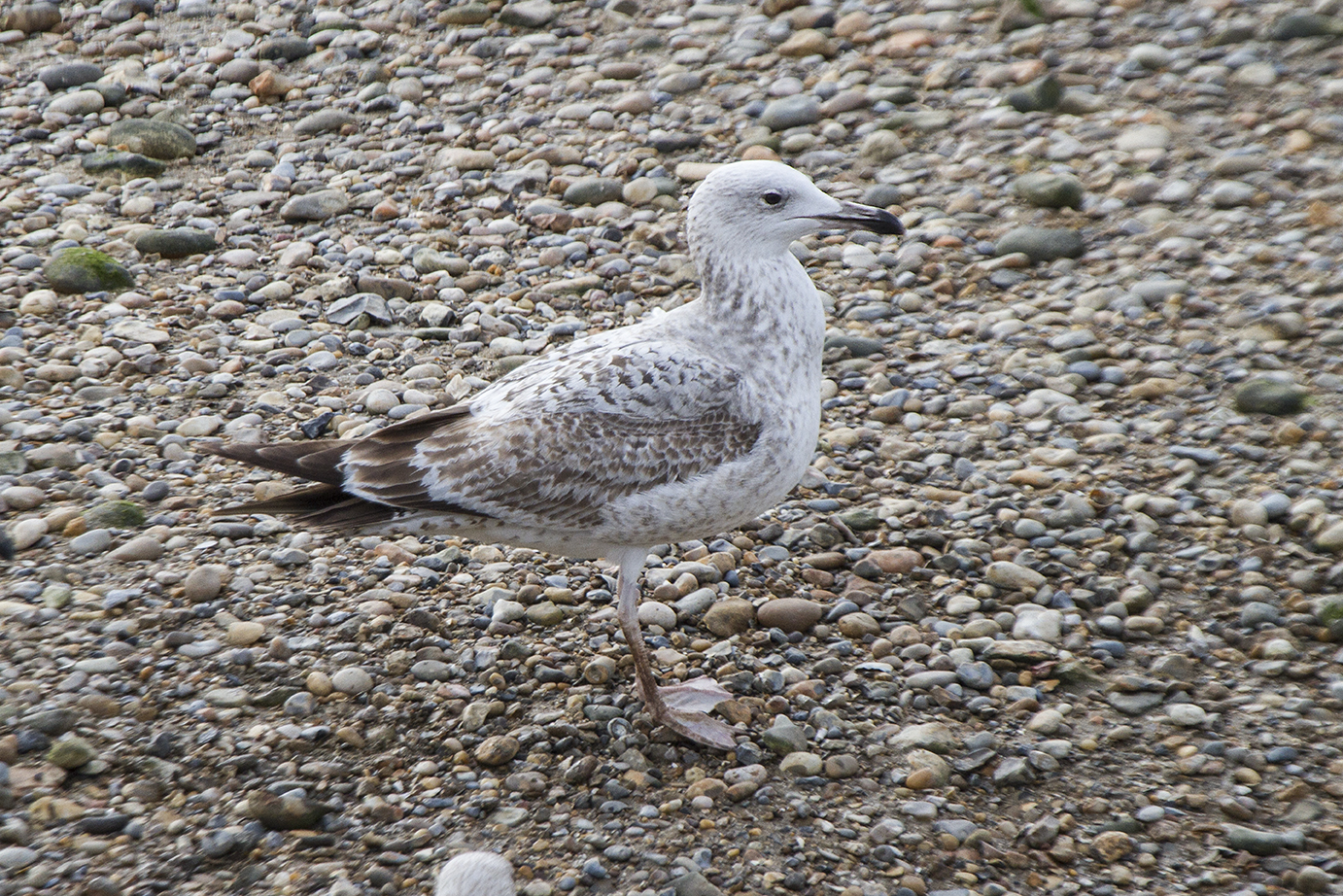
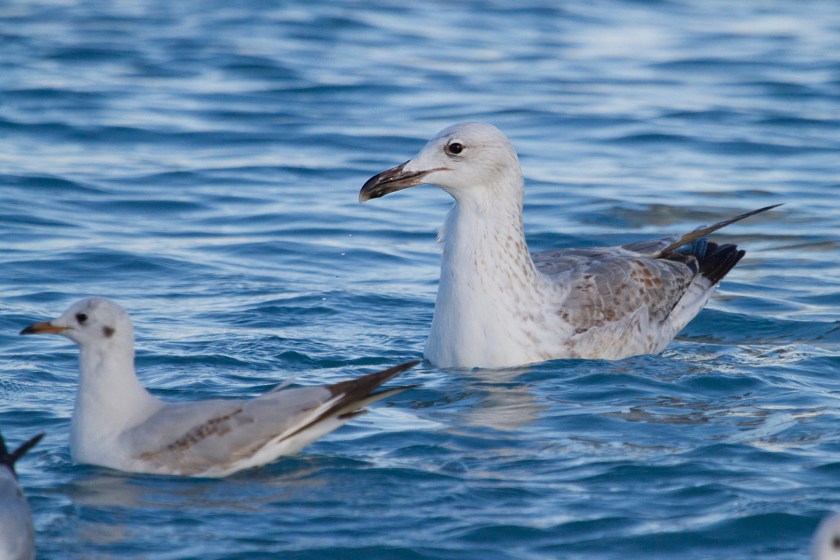
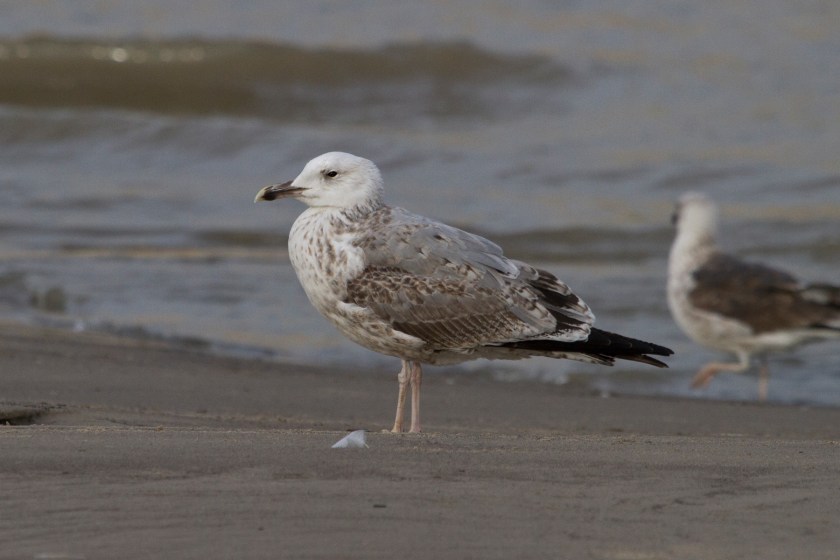
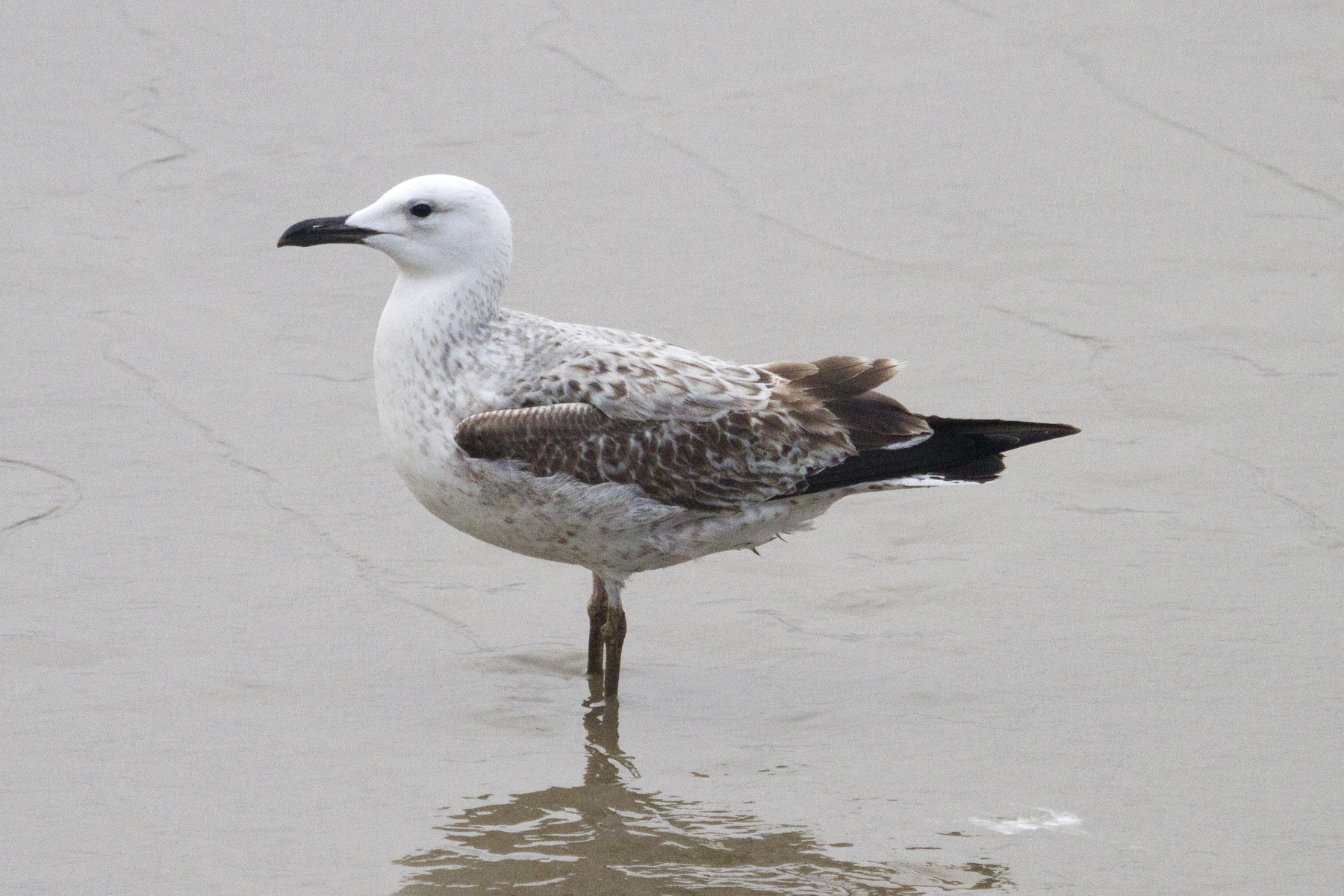
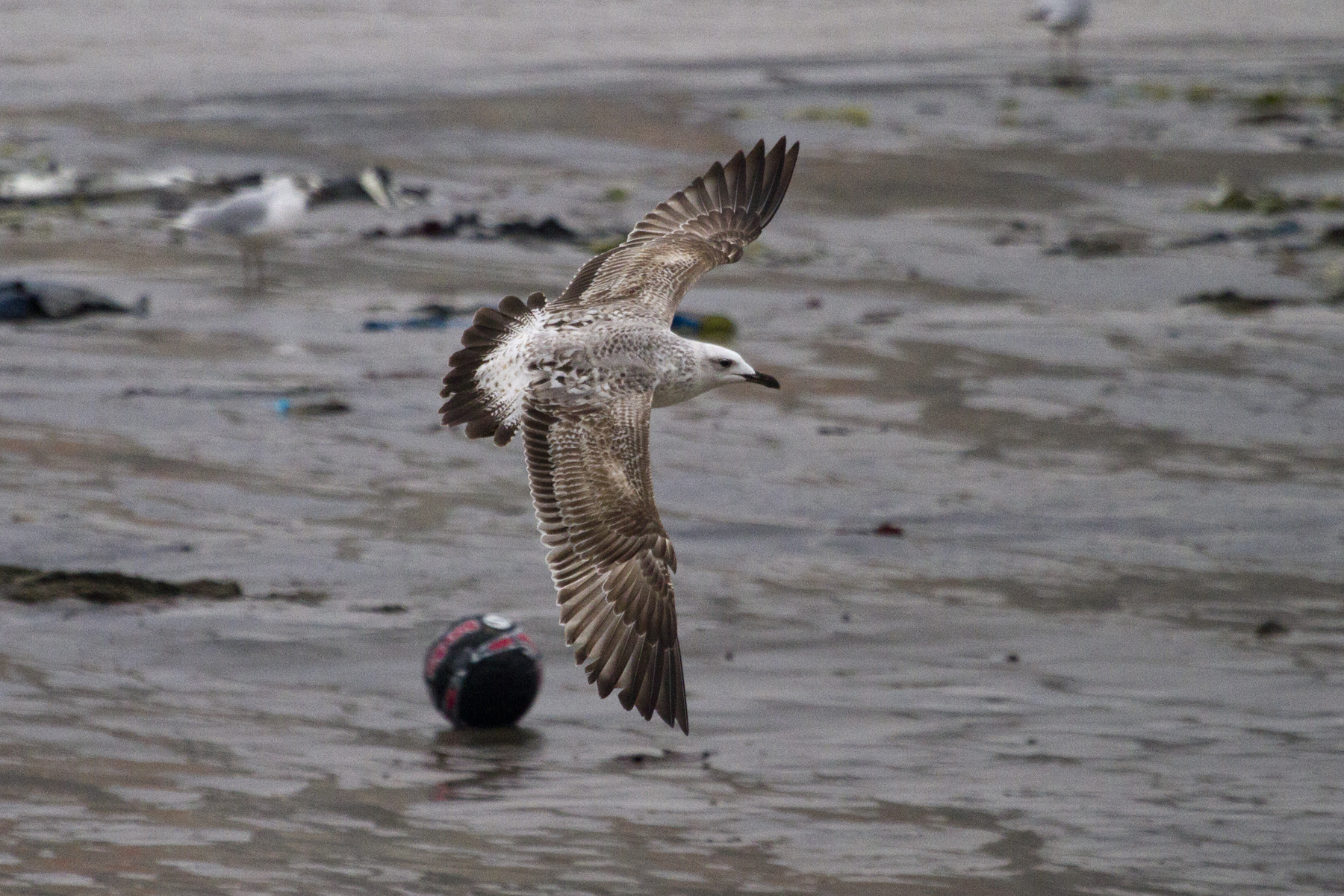
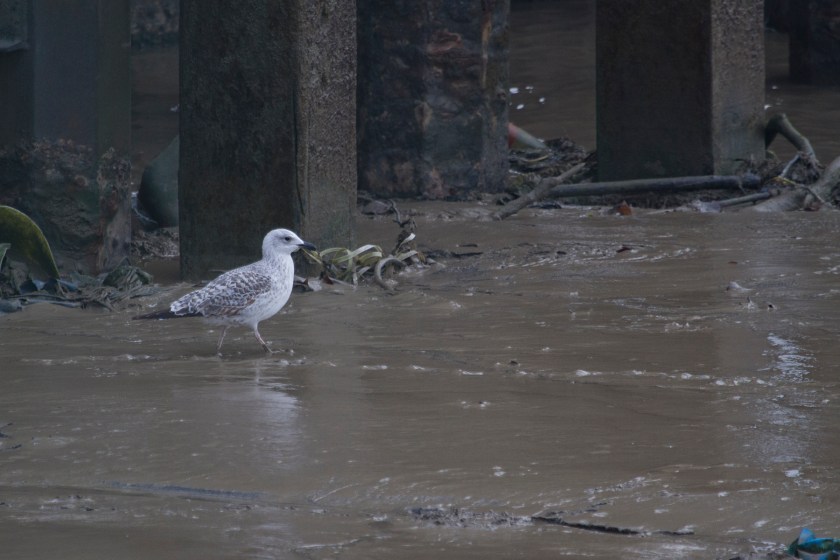
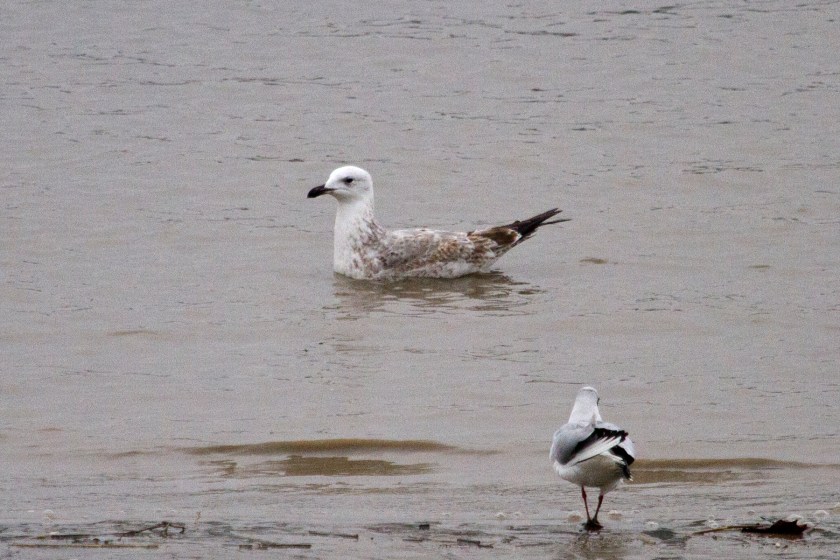
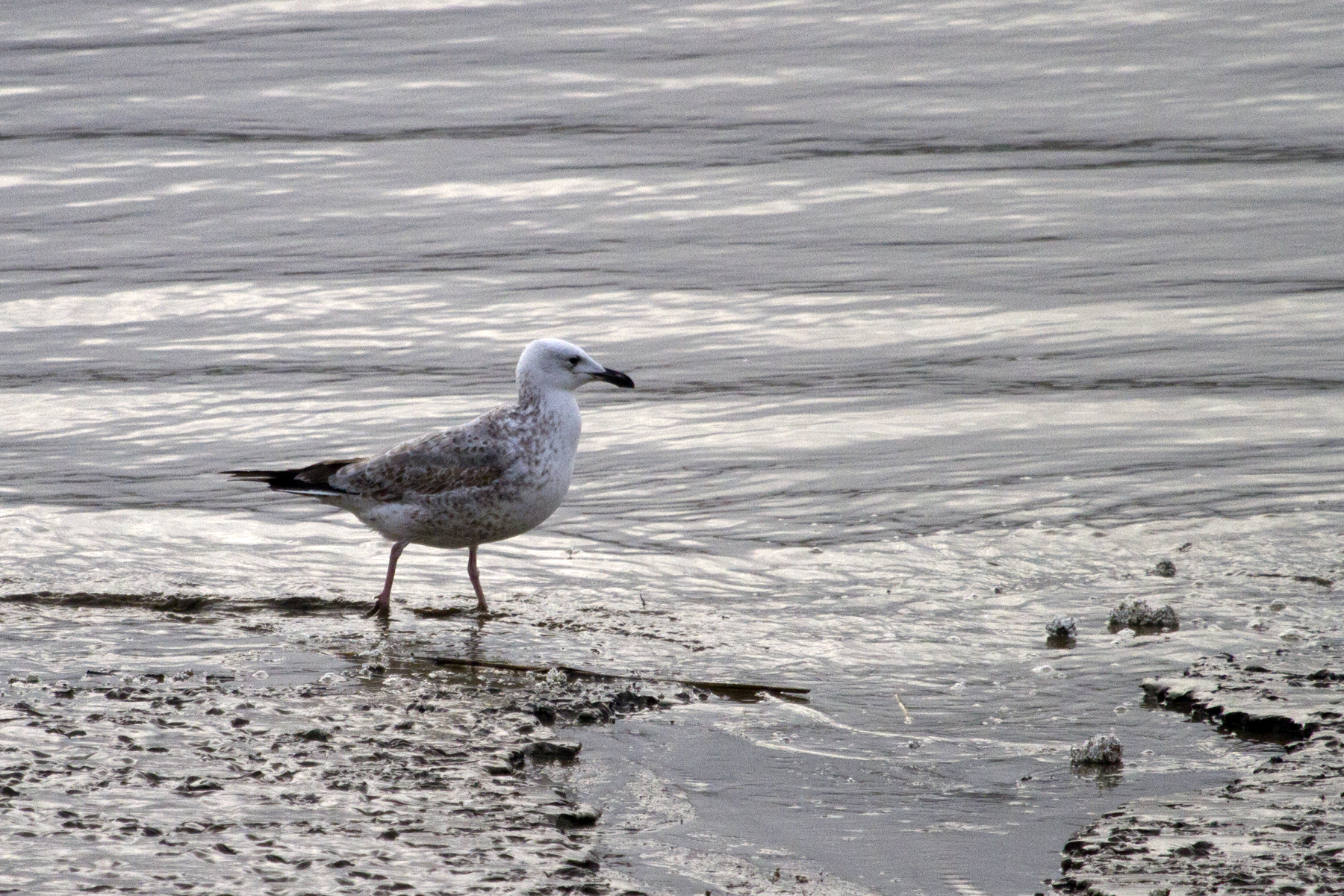
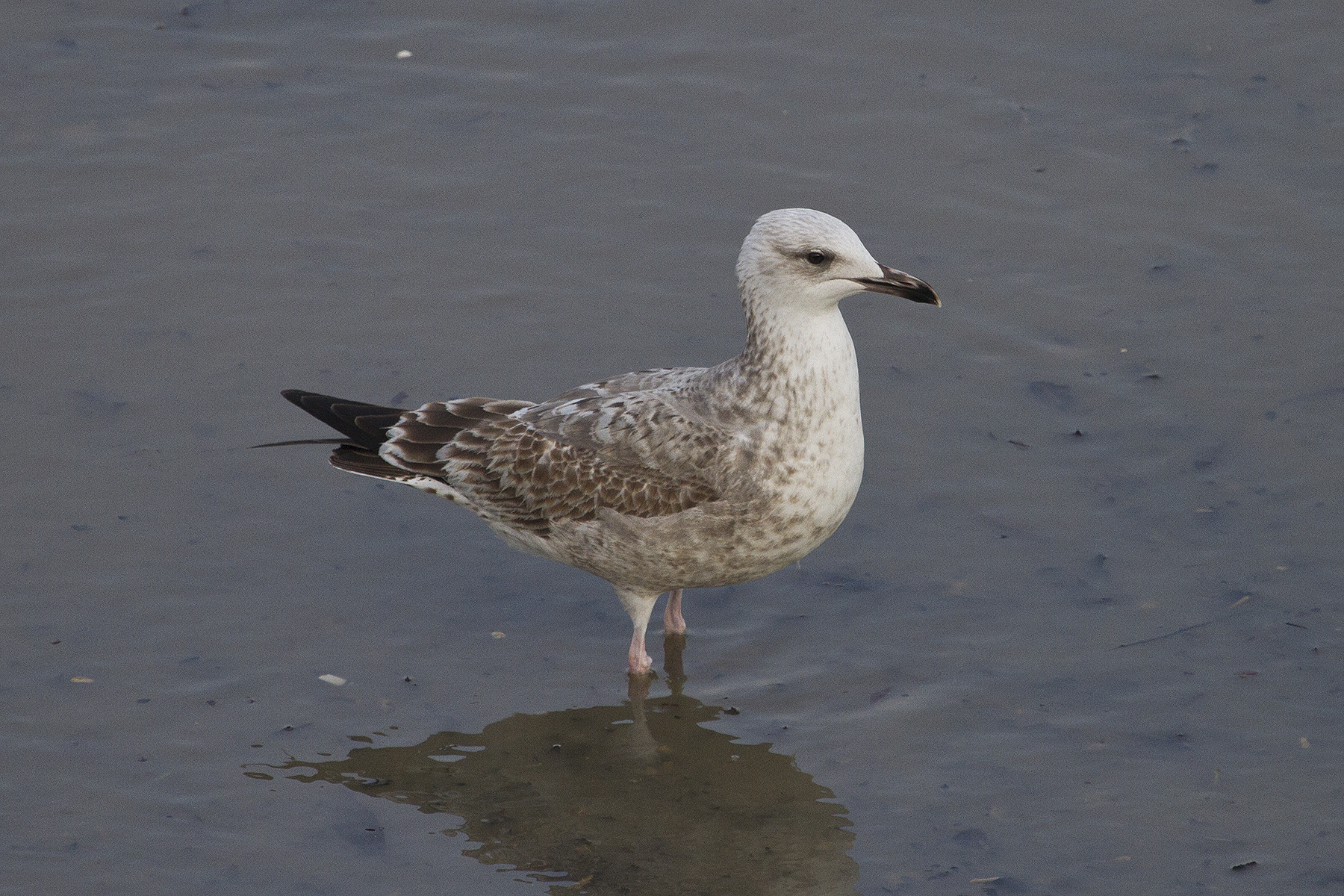
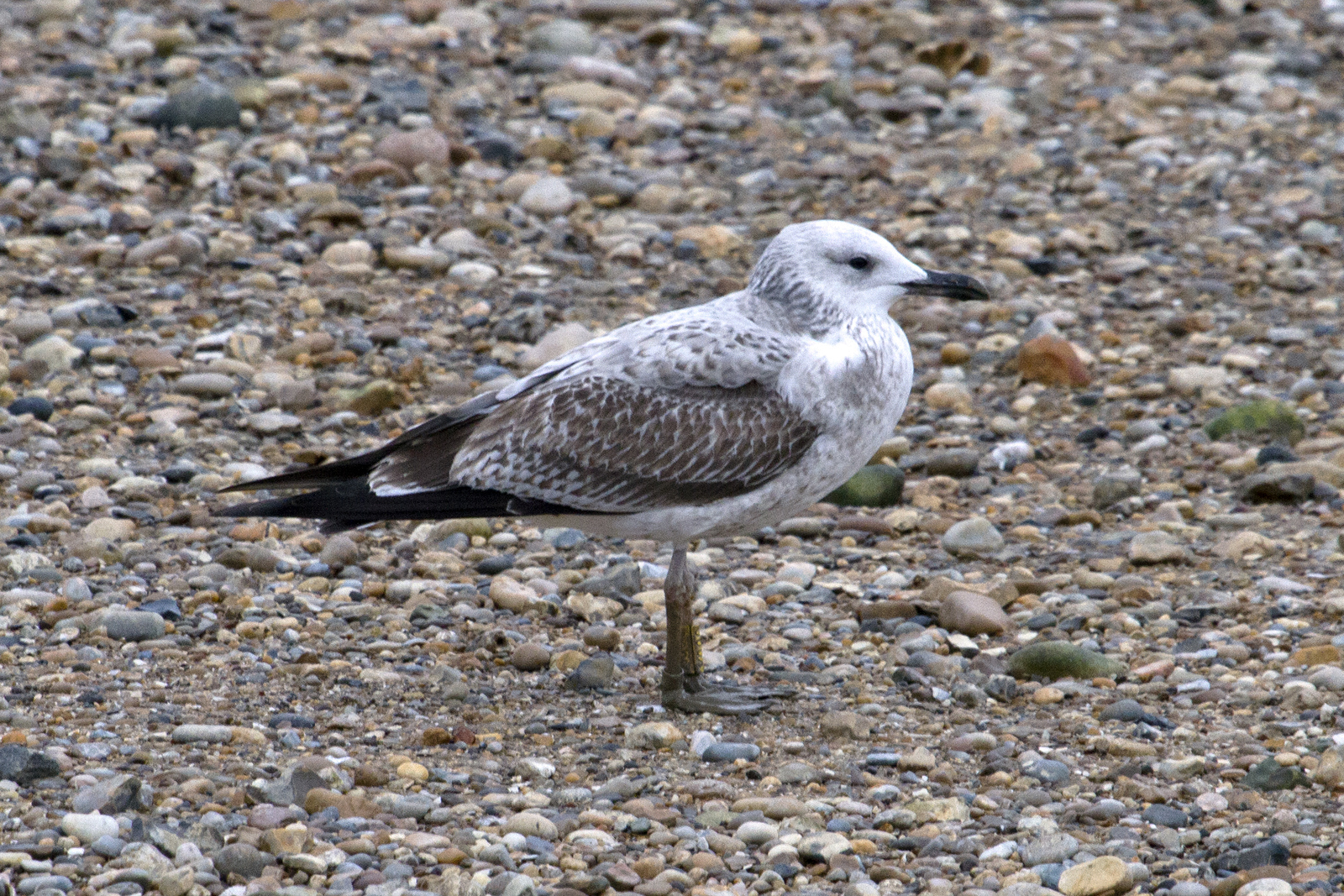
With Low tides and daylight hours working in our favour. Myself Dante and Rich agreed to meet up and stay local. I was first on the scene at Lyle park on Saturday morning and had a new very large first winter Casp with a pale based bill on the foreshore. I think this puts the number of Casps up into the teens since sept. The very distant shots are beyond shit so staying off the blog. Later one of the guys picked up my favourite first winter ‘Lyle’ who put in an appearance (below) and came reasonably close in the fog.

_mg_4951

The following bird is a different individual, it was seen on both days and in better light on the Sunday. Its a shorter legged, squarer headed and slightly bulkier . I’m happy its a Caspian Gull but has some slightly a-typical nuances all within variation .

_mg_5150

_mg_5132

_mg_5096

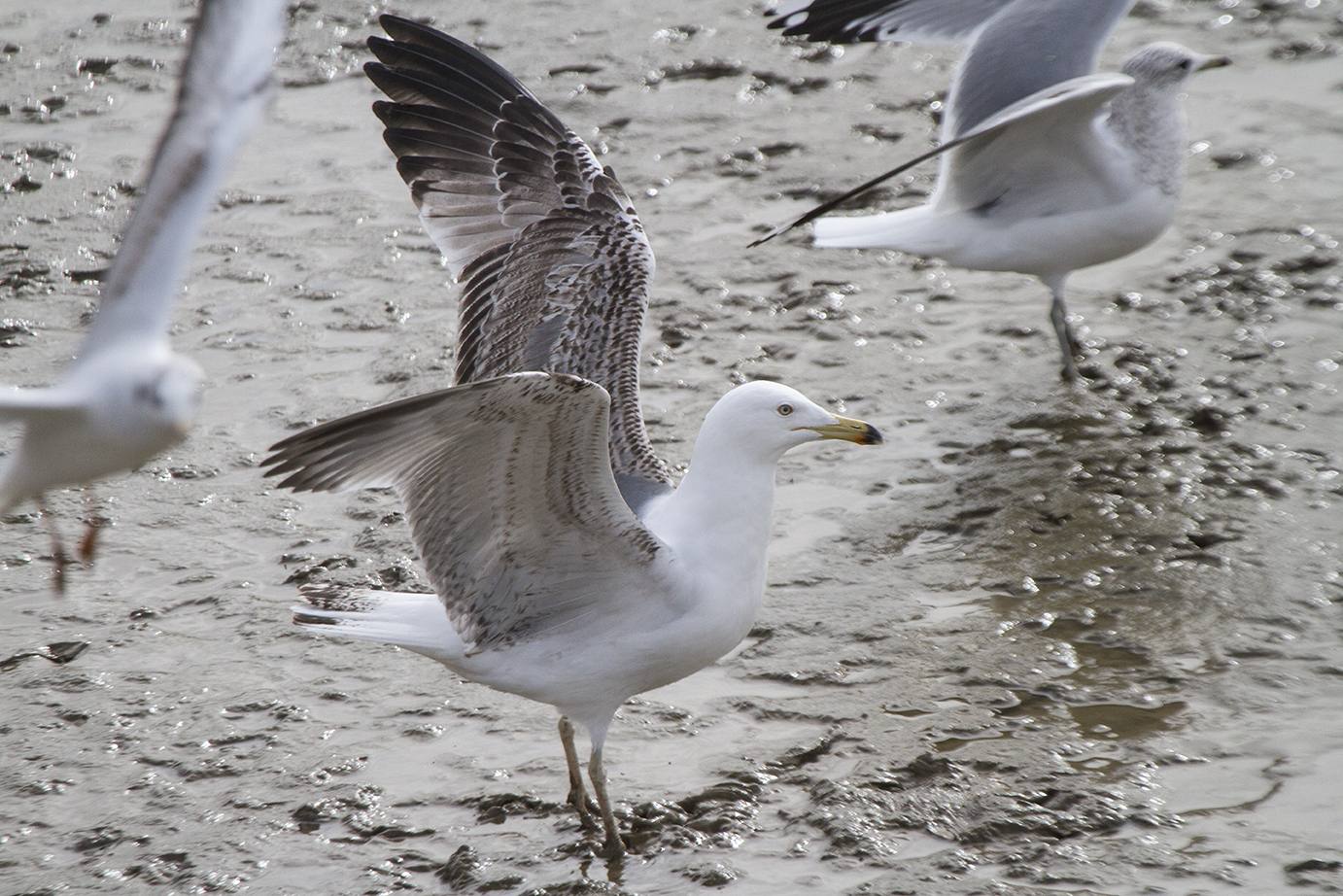
The below first winter Yellow Leg is a bird I’ve not noticed here before, and caught my eye several times with its brightly contrasting replaced tertials and wing  coverts.

_MG_5229.jpg

_mg_5249

_mg_5261

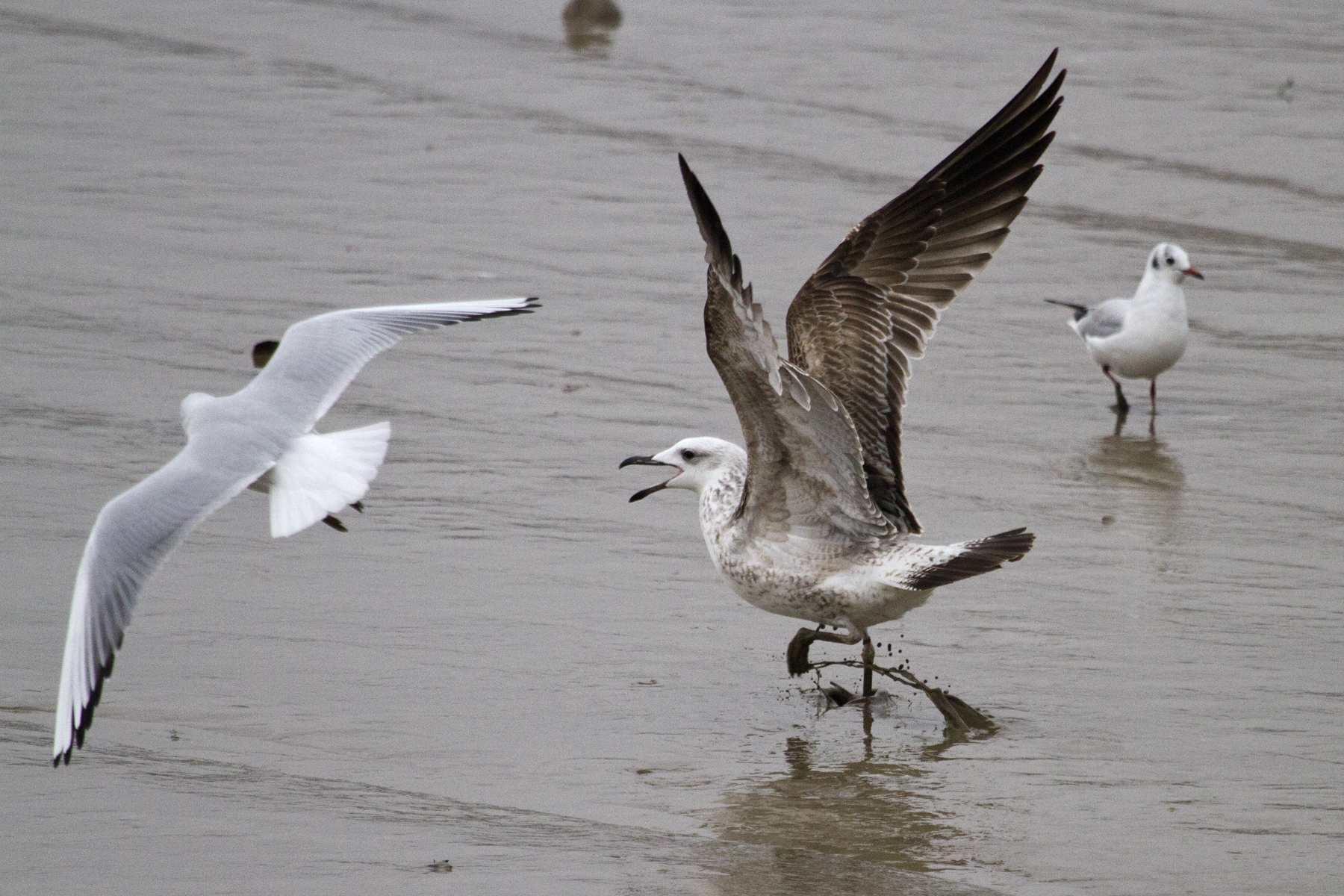
This Familiar 1cy Caspian was lurking about from time to time putting the count up to 4 Casps seen this weekend. It behaved well for Sean Huggins and Dominic Mitchell who came along today.

_mg_5192

_mg_5245

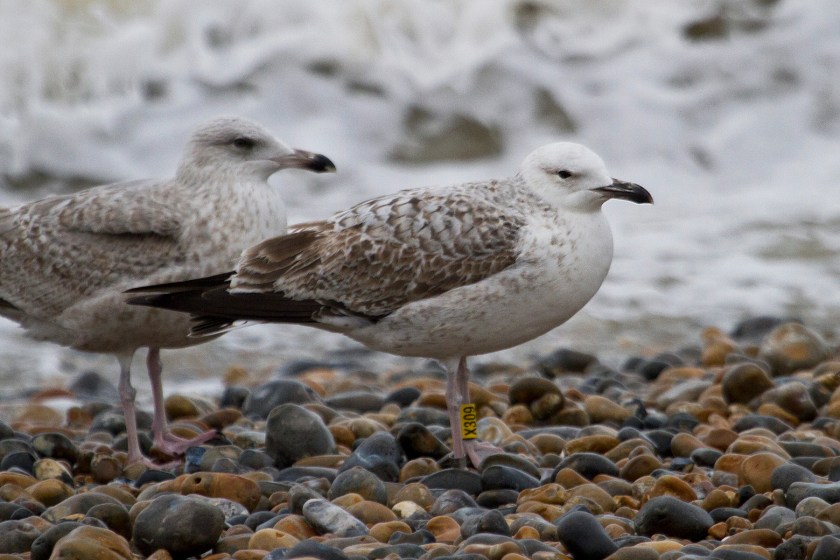
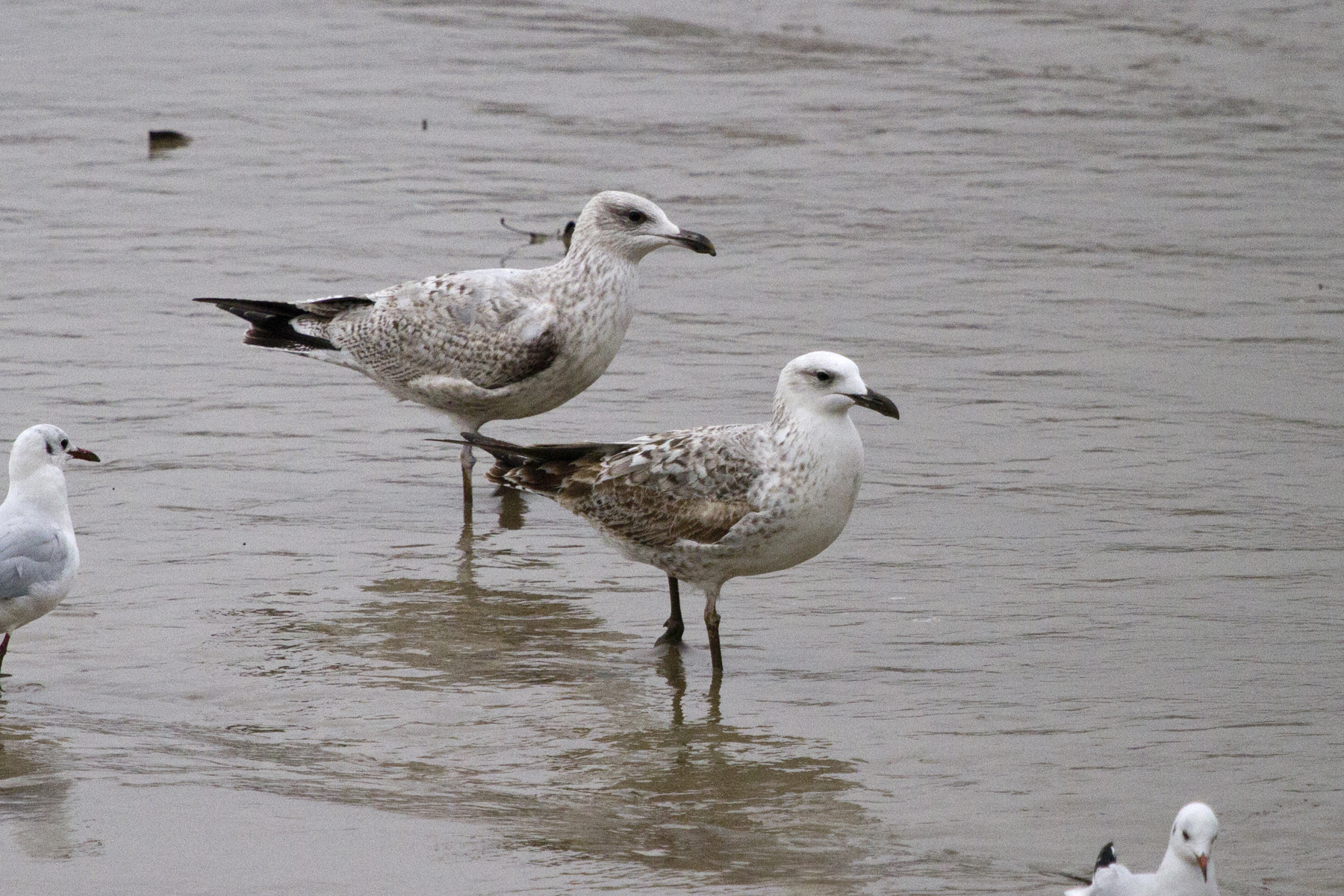
These 2 first winter, apparent northern Argentatus Herrings were quite striking.

_mg_5159

_mg_5161

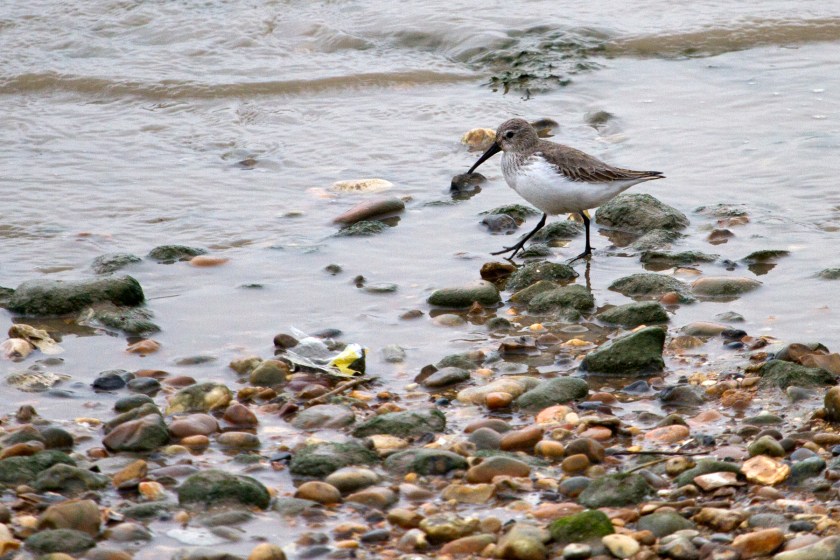
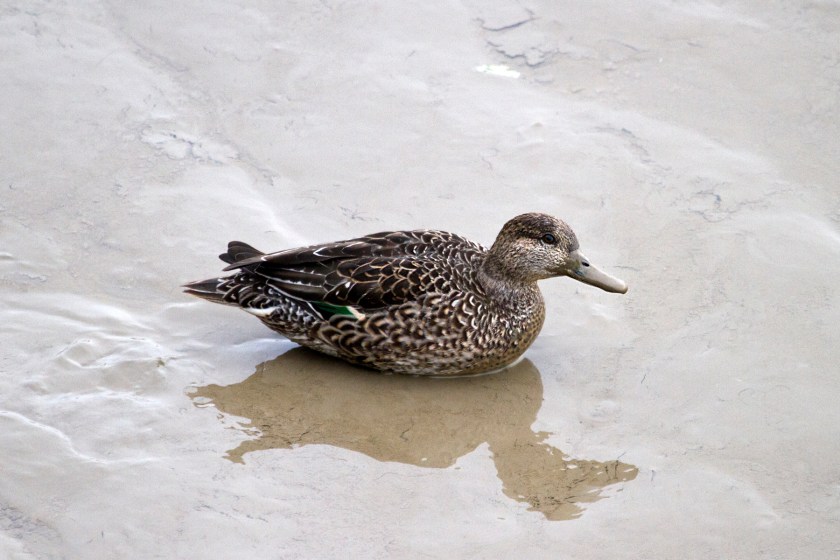
In other news, we had a Black tailed Godwit come off the mud at woolwich ferry on saturday, 2/3 Redshank and a Dunlin today at Thames barrier park, aswell as good numbers of Teal and Shelduck on the river.

_mg_5343

_mg_5280

Although were getting many good looking first winter Casps I am ready to see some birds of different ages and abit of tweeting about today reveals that other people arn’t seeing many elsewhere in the south east.

A new Caspian at the O2

I began feeling a little better so spent an hour by the River. Luck would have it there was a new first winter Caspian Gull at the O2.

_mg_4723

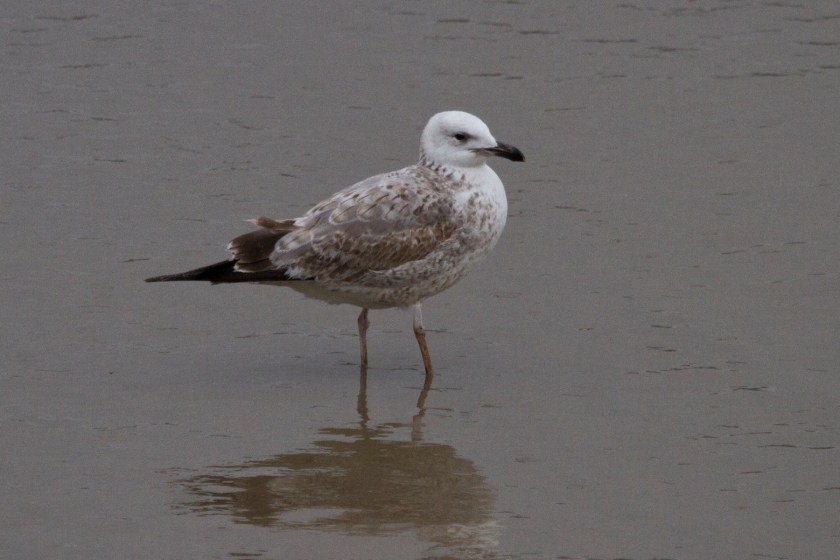
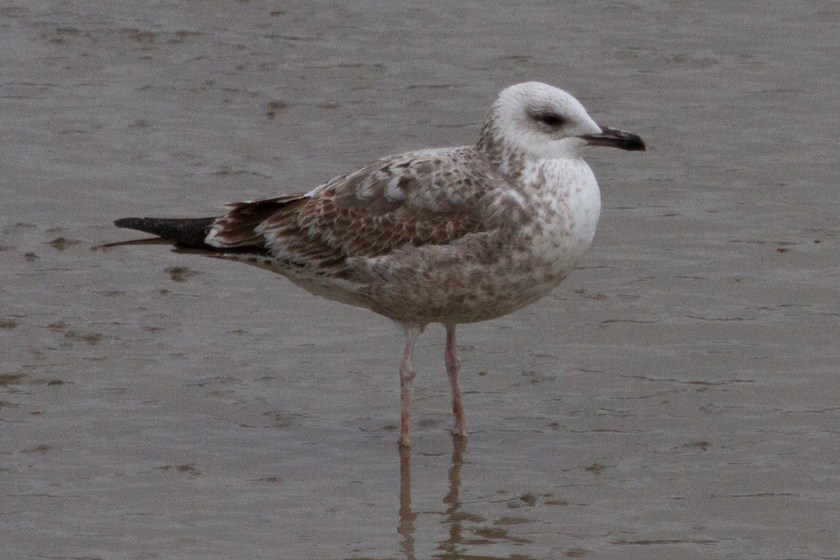
A slightly murky and quite small bird, although aggressive albatross posture and long call were adopted a couple of times. Plain greater coverts with the pale tips giving a strong wing bar in this individual, and a hint of one across the median coverts too. This bird is the 5th first winter I’ve seen in the area since September and contributes to 7 different individuals seen between the O2 and Thames Barrier Park this season. (Click on images to enlarge)
_mg_4571

_mg_4592

_mg_4622

Endless, Shameless Thames Gulls


Again, my entire weekend revolved around the Thames tide times. The past few blog posts have featured Thames gulling in a big way and despite the onset of flu today is no exception I’m afraid. Today I met up with Rich Bonser and Dante Shepherd and shared this insanely gorgeous Caspian Gull (Same bird I’d Seen at Lyle Park 2 weekends back). It Showed brilliantly in slightly challenging light at both Lyle and later at Thames Barrier Park. Please excuse the excess of pics…actually, no remorse
_mg_4112

_mg_4157

_mg_4090

_mg_4097

_mg_4102

_mg_4099

_mg_4038

_mg_4175

_mg_4183

_mg_4193

The previous day was less exciting in terms of Casps, being a Saturday, numbers of Large gulls are lower due to the Tip at Rainham tempting them away. However This adult Mediterranean Gull blew my mind

_mg_3864

_mg_3820

_mg_3825

_mg_3836

_mg_3876

_mg_3790

Below, some intricate wing moult on one of the 1cy Yellow Legs present today.

_MG_3940.jpg

Dungeness and E Sussex

Laurence P and I visited Dungeness this weekend hoping to hit it at the peak of Caspian Gull arrival… I think we slightly missed it with many birds in early November and handful reported from the fishing boats 2 weeks ago.  A friend reporting none form his visit last weekend…

We did manage distant views of a first winter at the patch and a second winter on the reserve from the firth hide at dusk. The fishing boats held only this attractive 2nd winter Yellow Legged.

_mg_3583-copy

_mg_3592

_MG_3548.jpg

Above – First winter Caspian Gull flying west from the patch The rest of Dunge offered A graceful Great White Egret, close up Goosanders and the drake Ring necked Duck showed nicely in the pit towards the entrance to the reserve in the dying light of the day.

The plan for the following day was slightly less built up around gulls. A few sites around Beachy head and Eastbourne revealed a few nice birds including Dartford warbler, Slavonian Grebe and water pipit. Coupled with great scenery, good company and non stop Alan Partridge impressions made for a good weekend.

dartford


A Weekend for Caspian Gulls.


After a stark and beautiful 1st winter Caspian Gull yesterday, I headed down to the same site in an attempt to get better photos. I didn’t see the bird however a text from Dante Shepherd who had found a 1st winter Caspian at the O2 got me going. Unfortunately  I missed his bird but pics confirmed it was a different individual.

After 20 minutes or so this stunning 1st winter turned up in the middle of a bread frenzy.


_mg_3346

_mg_3349000

_mg_3330000

_mg_3325000

The bird flew off east and we decided to head to the Thames Barrier park again. Just after our arrival we encountered the bird below. To me it Looks very similar to the previous bird at the O2.

_mg_3385000

Abit more bread throwing and this Rung (Yellow X090) 1st winter Caspian arrived on the scene, showed well in the dying light of an overcast late November afternoon.

_mg_3450000

_mg_3442000

Rung as a chick through the same ringing project as the bird I had back in September by Ronald Klein in Redern East Germany.

_mg_3412000

_mg_3409000

_mg_3420

gelbx090

It has darker fainlty barred auxiliaries, and more heavily notched greater coverts than the first bird, although a good percentage of pure birds will show this. We had a couple of Caspians in flight which could well have been the birds present. But at least three today and a different bird yesterday shows they’re are about in good numbers!

_mg_3233000

This faithful 1st winter Yellow Legged gull was one of only a few present during the day and is often present at Thames barrier park.

Abit about Wing Moult in first winter gulls

Hopefully readers will find this post useful. Understanding wing covert pattern and the advance of wing moult was a real turning point for me learning about gulls and a really important bit of information for identifying gulls in their first winter plumage.

Yellow Legged Gull numbers are continuing to drop here on the inner London Thames however a few 1st winters and an adult were lurking about on Sunday morning. Below are the 1cy birds showing wing, and in the case of the second bird, tertial moult.

ylg

_mg_0064


Wing moult, (shown above as the darker, diamond shaped, white fringed replaced feathers dotted amongst the first generation coverts in the wing) combined with other supporting features is a reliable method for separating 1st winter Yellow Legged and Caspian from Herring and Lesser Black backed Gulls. Supposedly caused by the former two species being born in a warmer climate with earlier breeding season and therefore an older bird by the time we see it here in autumn/winter.

Up until last month I had not heard of 1cy Herring or Lesser Black-backed gulls having replaced wing coverts before spring. The bird pictured below however , photographed in Regents Park London by Dante Shepherd this October, contradicts the rule and has included c40% of its wing coverts in its post juvenile moult.  These replaced feathers are less heavily marked than Yellow in Legged gull, with a pattern recalling 2nd generation Herring gull- type scapulars rather than the seemingly dark centered diamond headed coverts of YLG.

advanced-1cy-herring

advanced-herring-flight

Flight shot shows tail pattern and large window in the inner primaries, revealing the ID of this interesting bird.

N.B: It should also be said that if a bird doesn’t show any wing moult in its post juvenile plumage it could still be a Yellow-Legged or Caspian Gull, and this method should be used carefully in combination with other features.

Caspian Gull X307


UPDATE! JAN 2020  – After seeing images of this bird as a 2nd, 3rd and now 4th winter Im more inclined to call it a hybrid rather than a decent Caspian Gull. It looked pretty standard German Caspian as a 1st winter as you can see below but as the bird has grown is has developed a few less than desirable features which are more Herring than Caspian;

  • The amount of black on p10
  • short or none existent grey tongues in the longest primaries
  • Paling Iris
  • pale mantle

Below is the post as i wrote it back in 2016:

Today I received the ringing information for a 1cy Caspian Gull found on the foreshore at Thames Barrier Park on the 25th of September. 111 days and 970 km west of its birthplace.

_mg_7782

The bird was rung as a chick at Reddern Germany, near the Polish border on 06.06.16. Hatched into a 80% Caspian 20% Herring Gull colony.  A couple of heavily marked second generation scapulars as well as faintly notched first generation scaps could be an indicator of mixed ansestory at some point, however the replaced feathers are brand new, adding to the bold pattern and as far as i can see are within variation of the species. It’s worth pointing this out if the colony is known to be mixed and its impossible to say for sure. For more pics of this bird click here

screen-shot-2016-10-26-at-16-38-42

screen-shot-2016-10-26-at-16-39-56

fullsizerender


screen-shot-2016-10-26-at-16-39-13

Scillies 2016

Whilst the North East of the country was being showered in Siberian vagrants and rarities, the opposite end of the was slightly behind in avian terms. However a few great birds and many close encounters with species not so often seen by London patch watchers, plus very good company and pretty much constant clement weather made for a great trip.

A surprise find and a first for Scilly! was my personal highlight- this gleaming 1cy Caspian Gull dropped in front of me for a matter of seconds on the rising tide at Porth Killier/Browath, accidentally flushed by fellow house mate and Larid loather Lee Amery along with 30 or so Lesser Black backs towards Gugh, the latter species were present in notably higher numbers the day that the Caspian arrived. The bird wasnt seen again although number of Mary’s birders were high the following day.

unnamed

unnamed-4

unnamed-2

unnamed-3

unnamed-1

Due to occasional showers and an aching back, i didn’t always have my camera on me, but a few choice birds around the island were showy enough for a few shots now and then.

_mg_9029

Firecrests were seen and heard most days.

_mg_9452

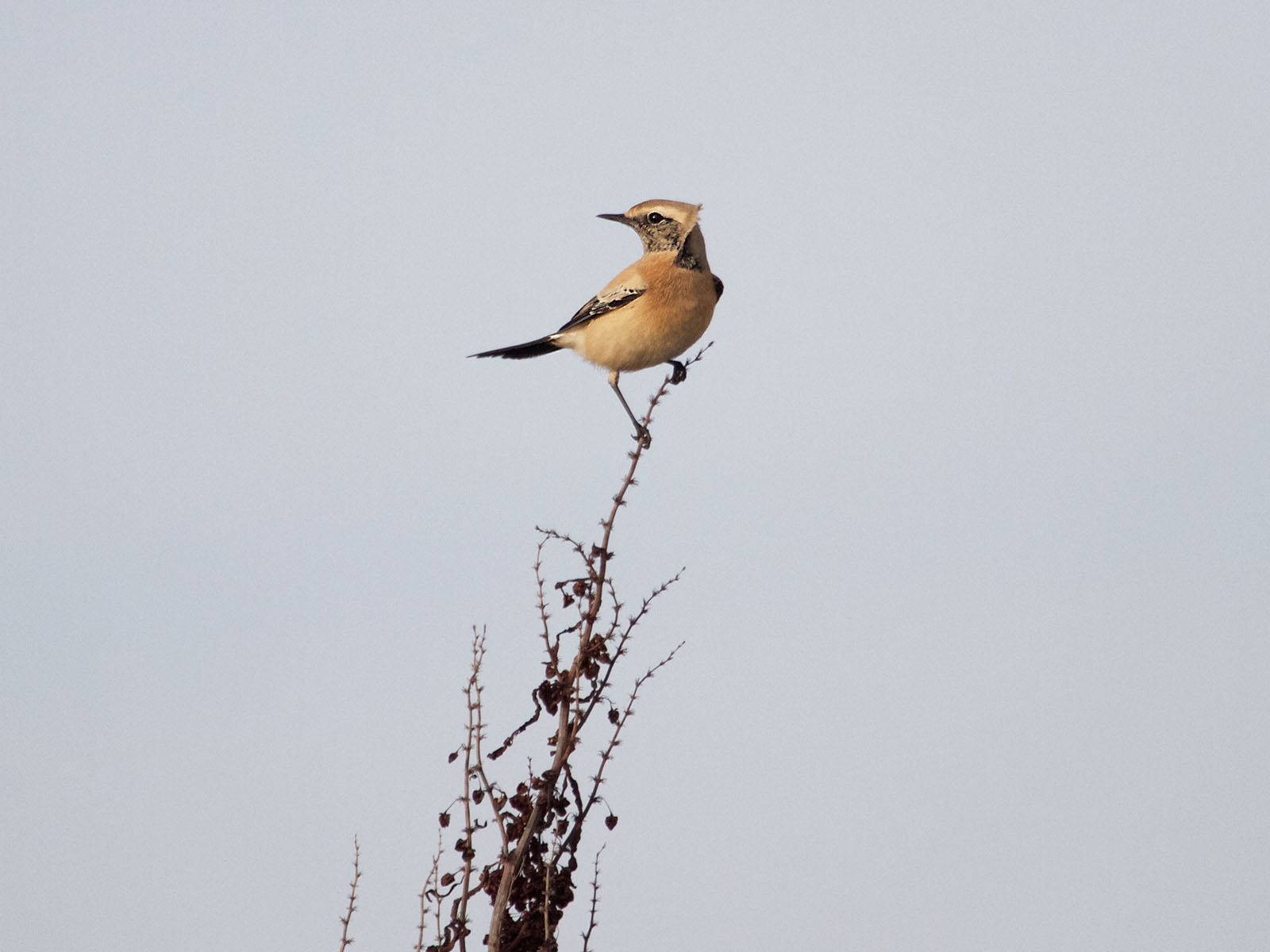
Northern Wheatear


_mg_9276

A few Spotted Flycatchers were seen over the two weeks, including this 1st year bird that littered the ground under its perch with Red-Admiral wings.

_mg_9317

_mg_9321

At times there were up to 6 Black-Redstarts on Periglis beach, with a couple of lone birds dotted about the island

_mg_9709

Tame old Scilly Blackbird

_mg_9756

_mg_9854

Yellow-Browed Warblers were a daily occurence and seemed to fluctuate in numbers during the two week stay,  some days seeing 10+ on Agnes alone.

_mg_9505

_mg_9512

There were two Red-Breasted Flycatchers in the Parsonage, a British tick for me! After a few near misses over the years.

_mg_9692

_mg_9695

The Eastern Yellow Wag on st Mary’s (above) If accepted will be rarer still than Siberian Accentor in the UK…

_mg_9166

_mg_9199

_mg_9163

A tame Lapland Bunting was a half hour lying on my belly spent well.

_mg_9907

The last chance saloon!  this Red-Flanked Bluetail gave myself, Laurence Pitcher, Graham Gordon and Lee Amery (finder) a private show away from the crowds on our final day. Stoked for Lee for finding one of the last few BBRC Bluetails as it comes off the list this year apparently.

Just before the news of the Bluetail broke, the beginning of a long and widespread story began. Laurence Pitcher and I were handed a dead ‘Yellow-Browed Warbler’ by Islander Fran Hicks that had flown into his window at the lighthouse, the crazy story goes on from there and can be read in full here

A great two weeks away from the patch, although I hardly felt away from it with fellow Walthamstow enthusiast David Bradshaw being an October feature on st Agnes for many years.   Lovely people and lovely birds even the ones i missed out in this quick summary. But i’ll be spending more time year on this unique Island for years to come.