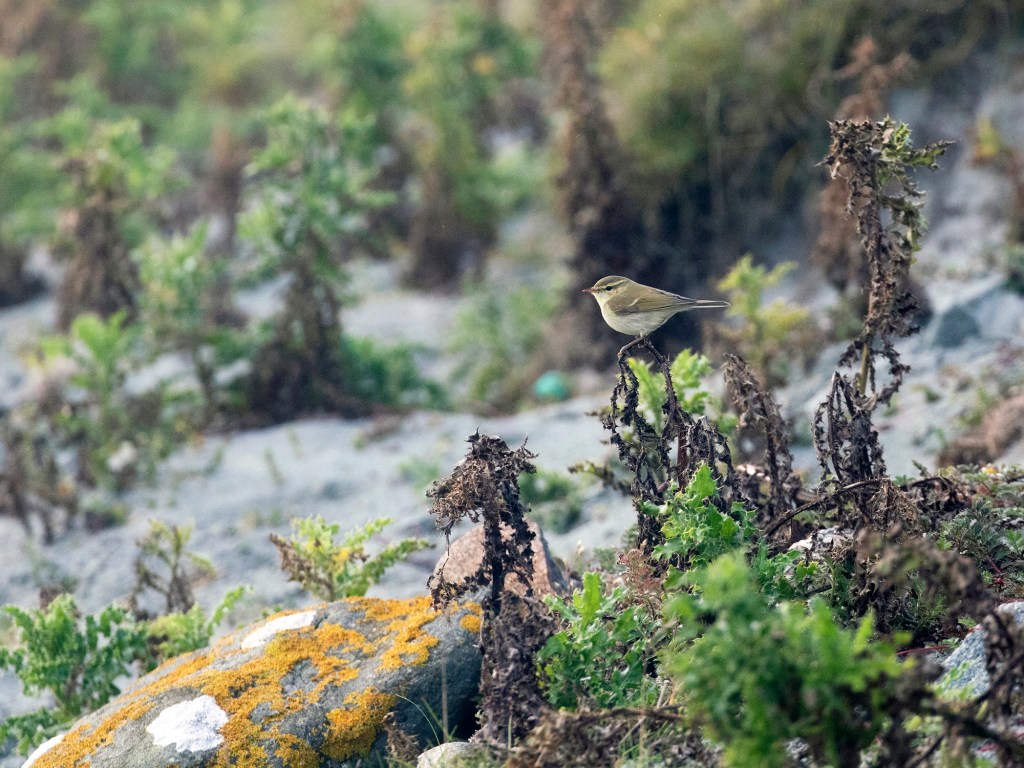
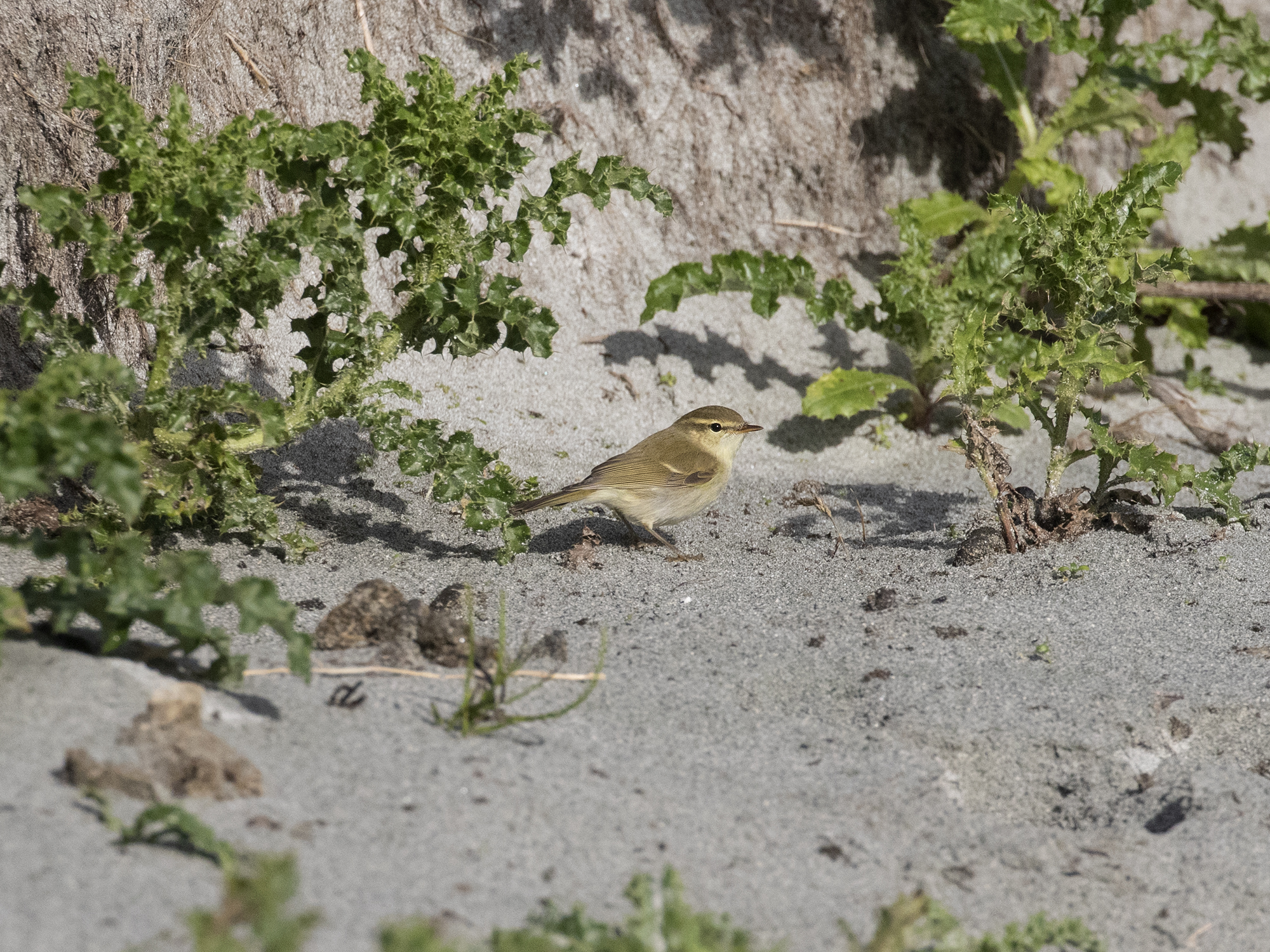
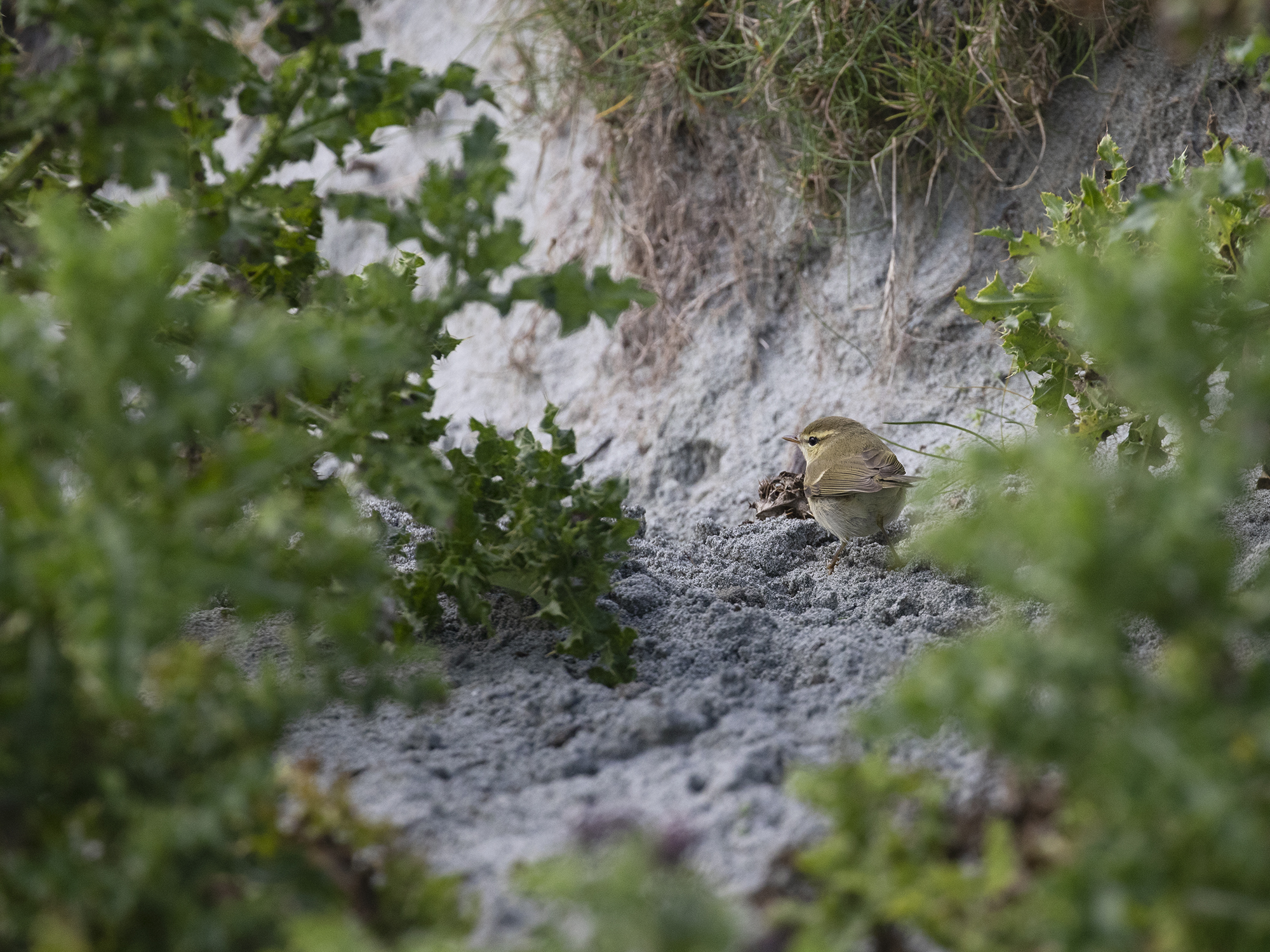
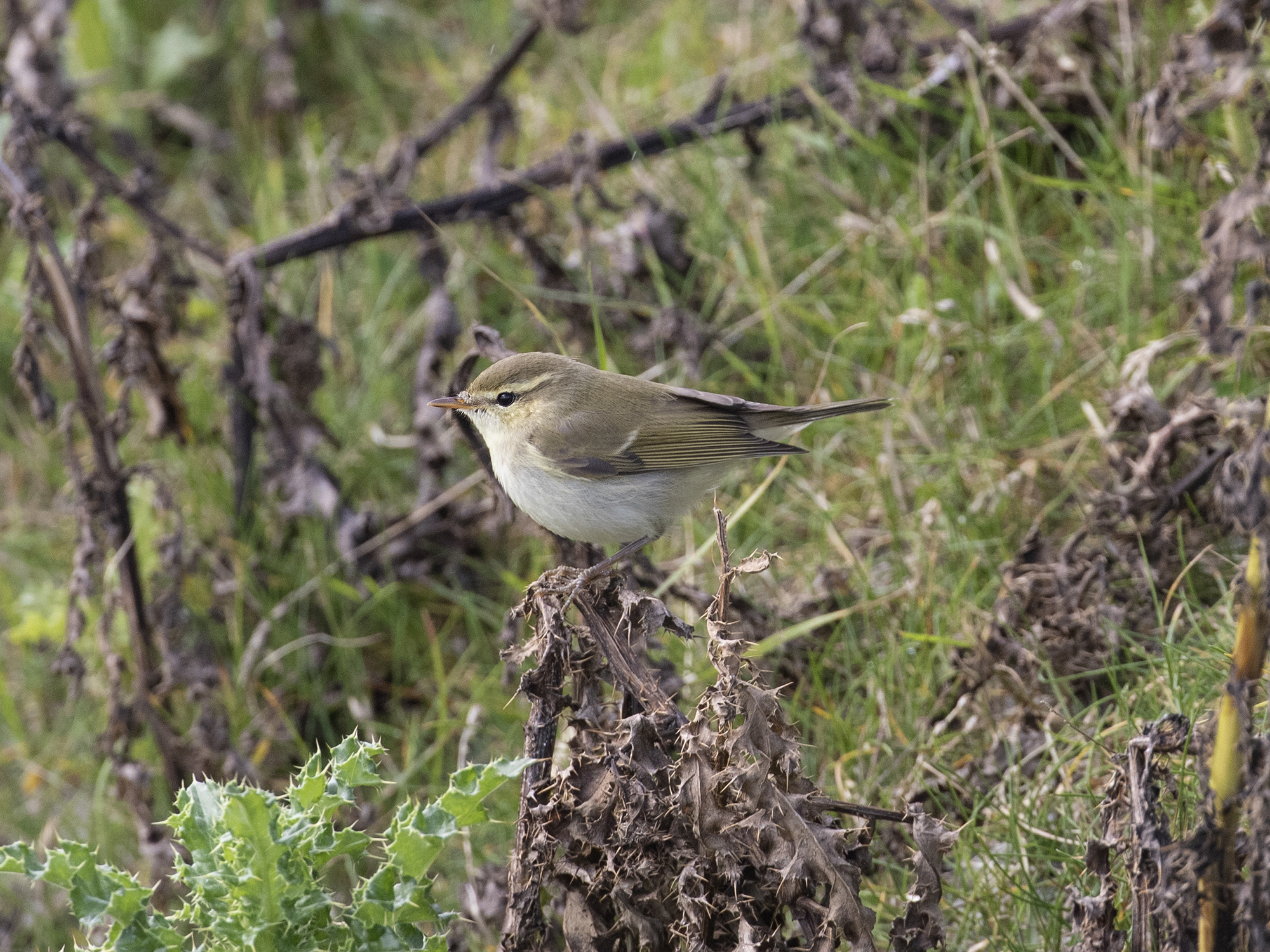
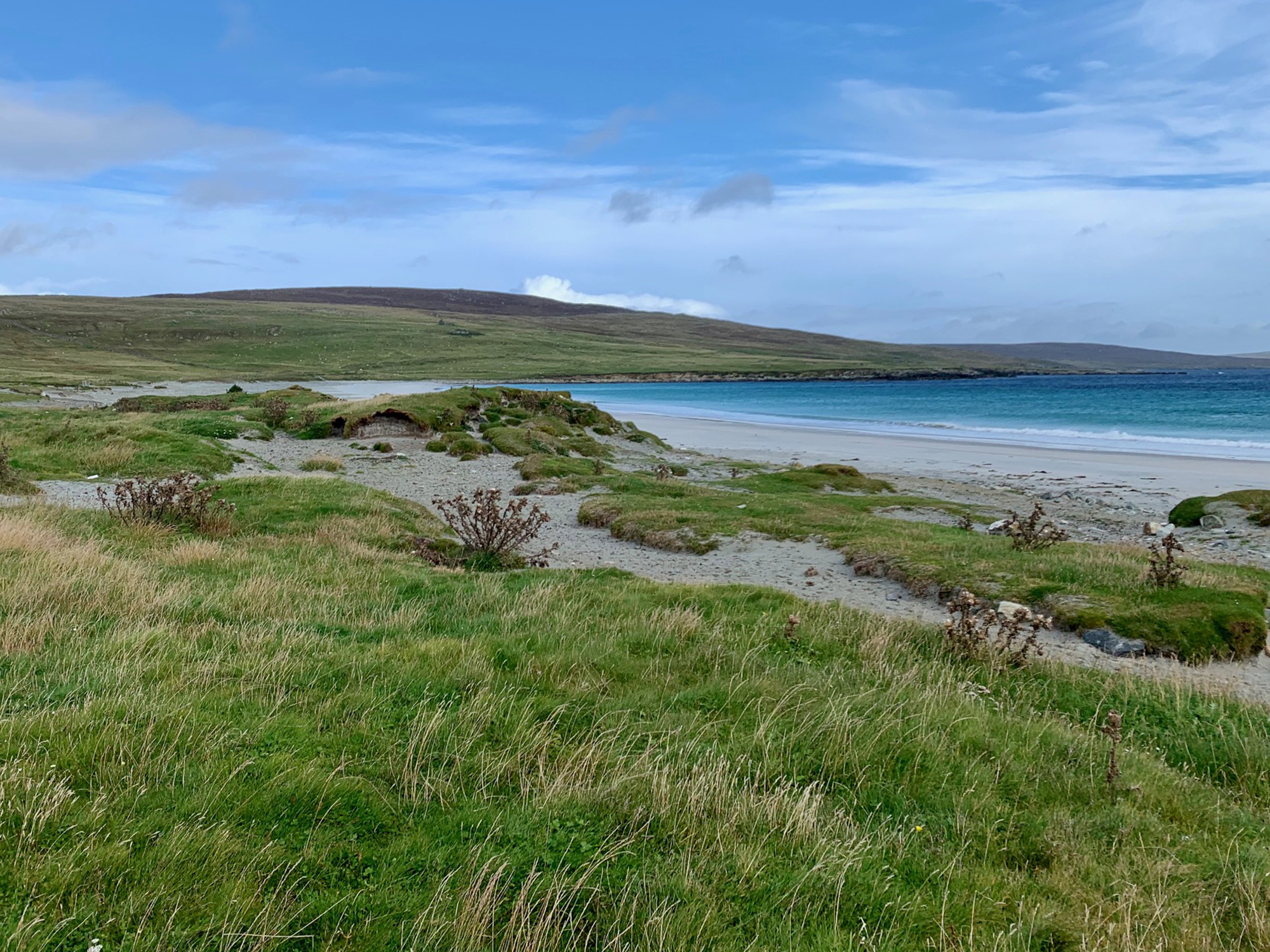
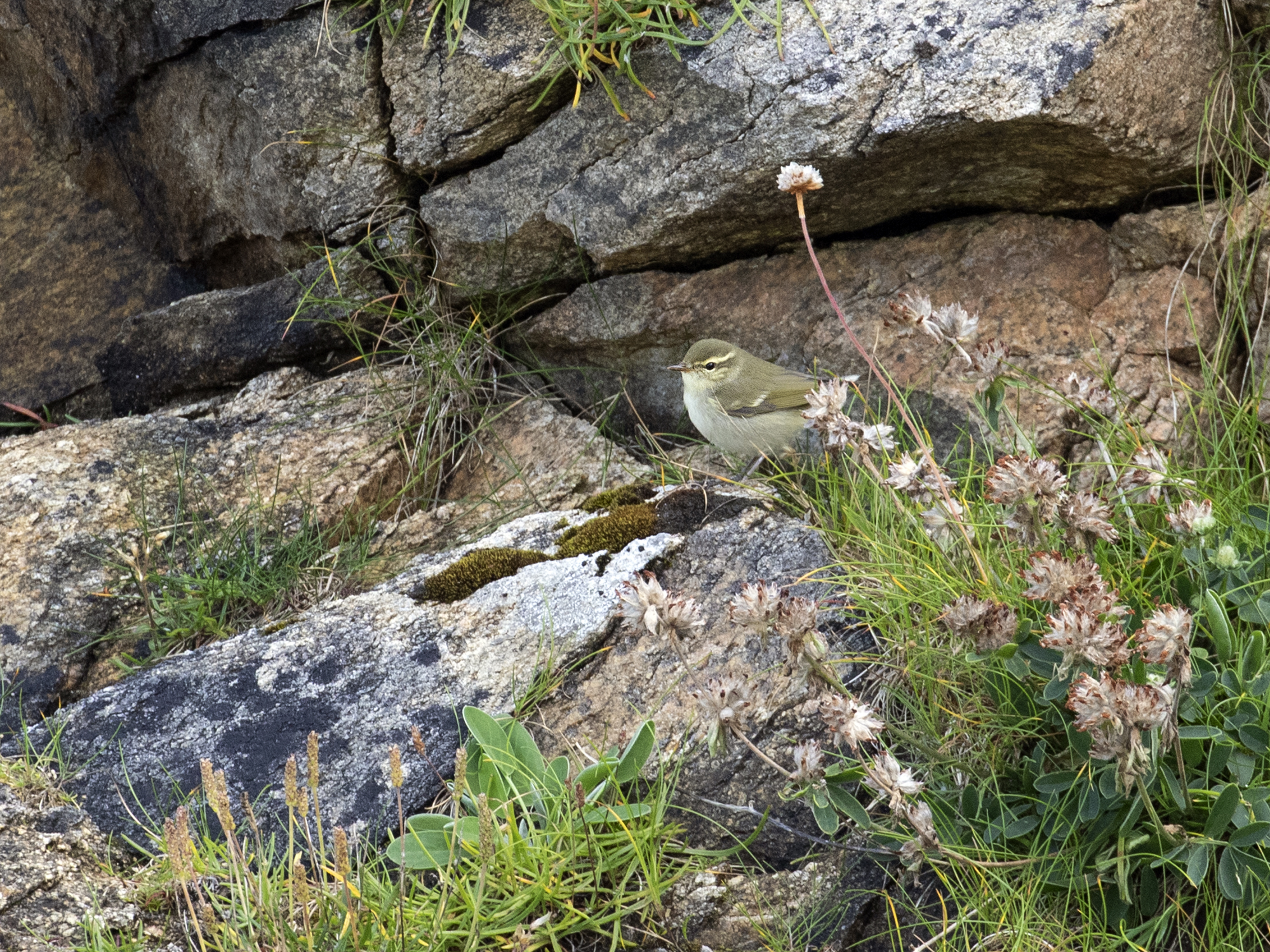
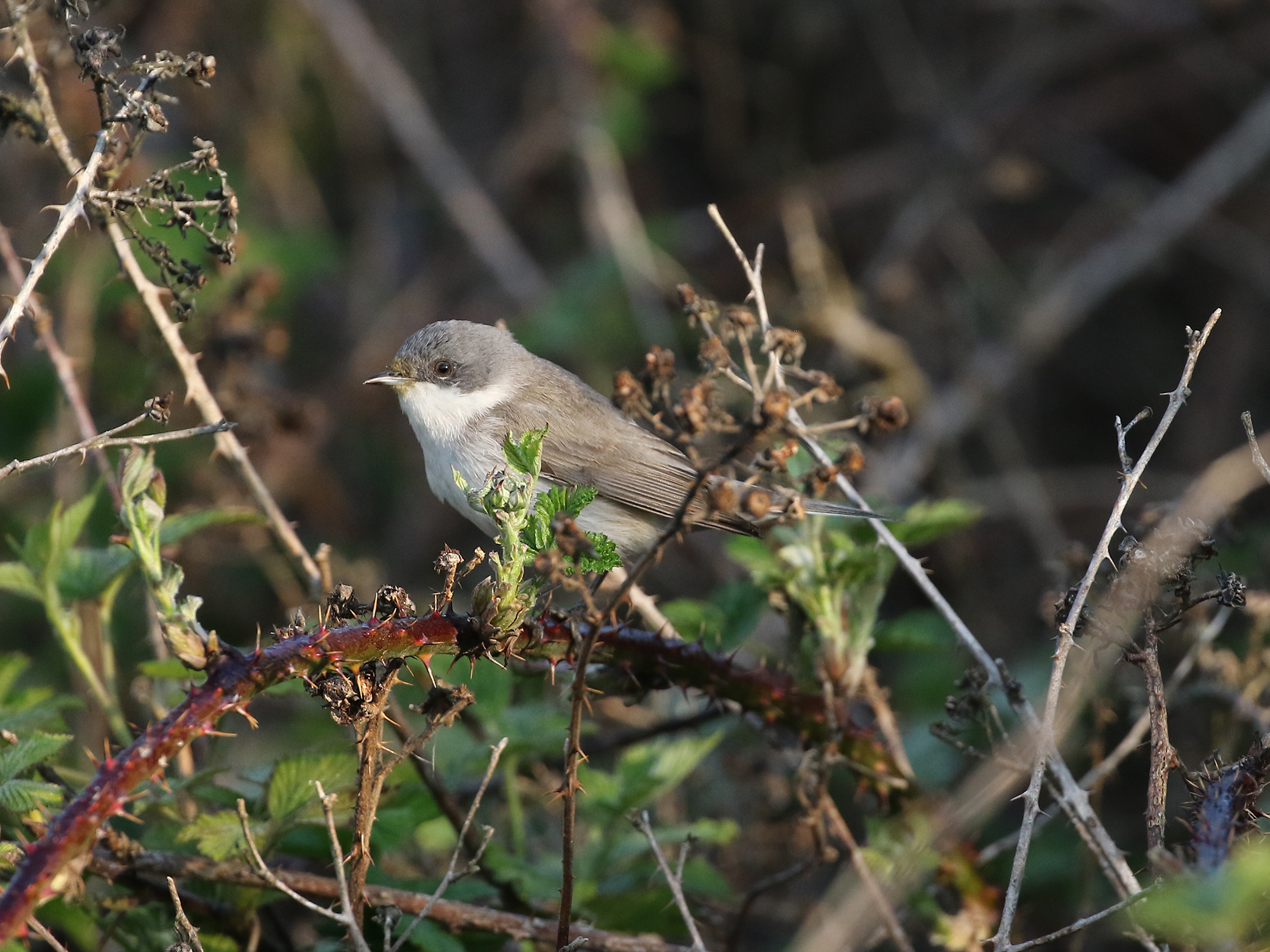
Today was supposed to be about looking for Waders from the West but whilst I walked along the dunes at the top of SandWick beach in the South East of the Island I flushed a small Phyllosc from a nettle bed which turned out to be this beautiful Greenish Warbler!
It was fairly confiding but aware of my presence, I heard it call a couple of times as it moved around the dunes including feeding on the deck quite abit. The following images are probably over kill for just a greenish warbler but I really enjoyed the find.
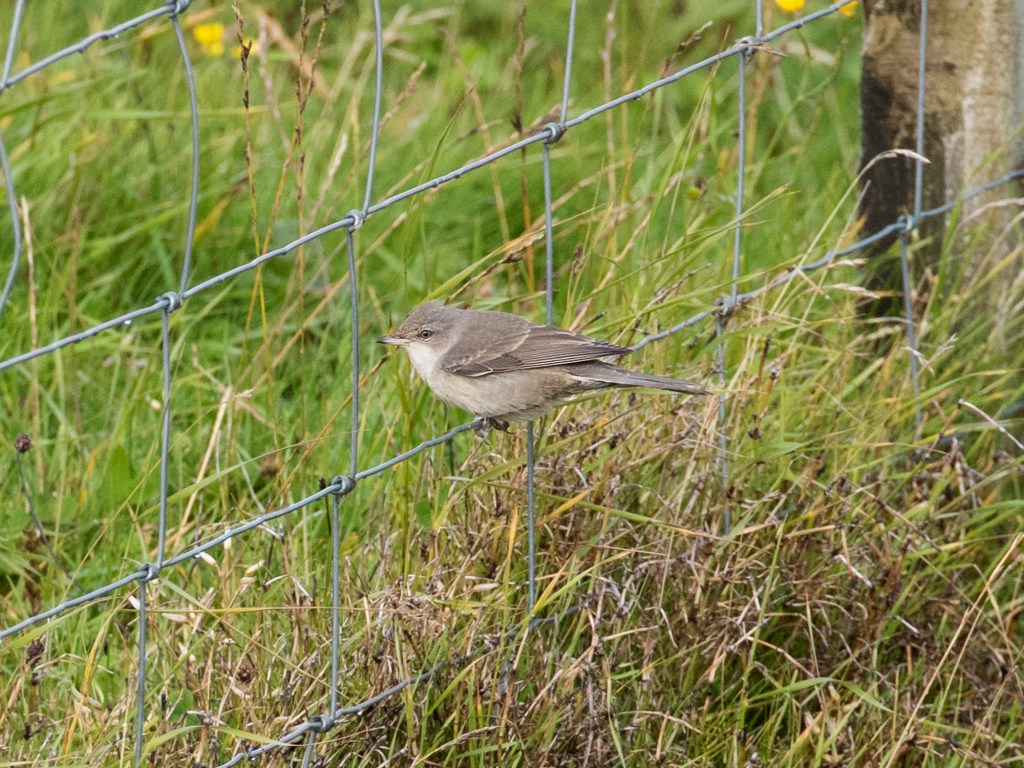
10 minutes after I stopped watching the bird I flushed a Barred Warbler from the dunes 100 metres back towards the car. I saw the bird well 3 or 4 times but always briefly, I felt abit like i was just flushing it further away so left it.
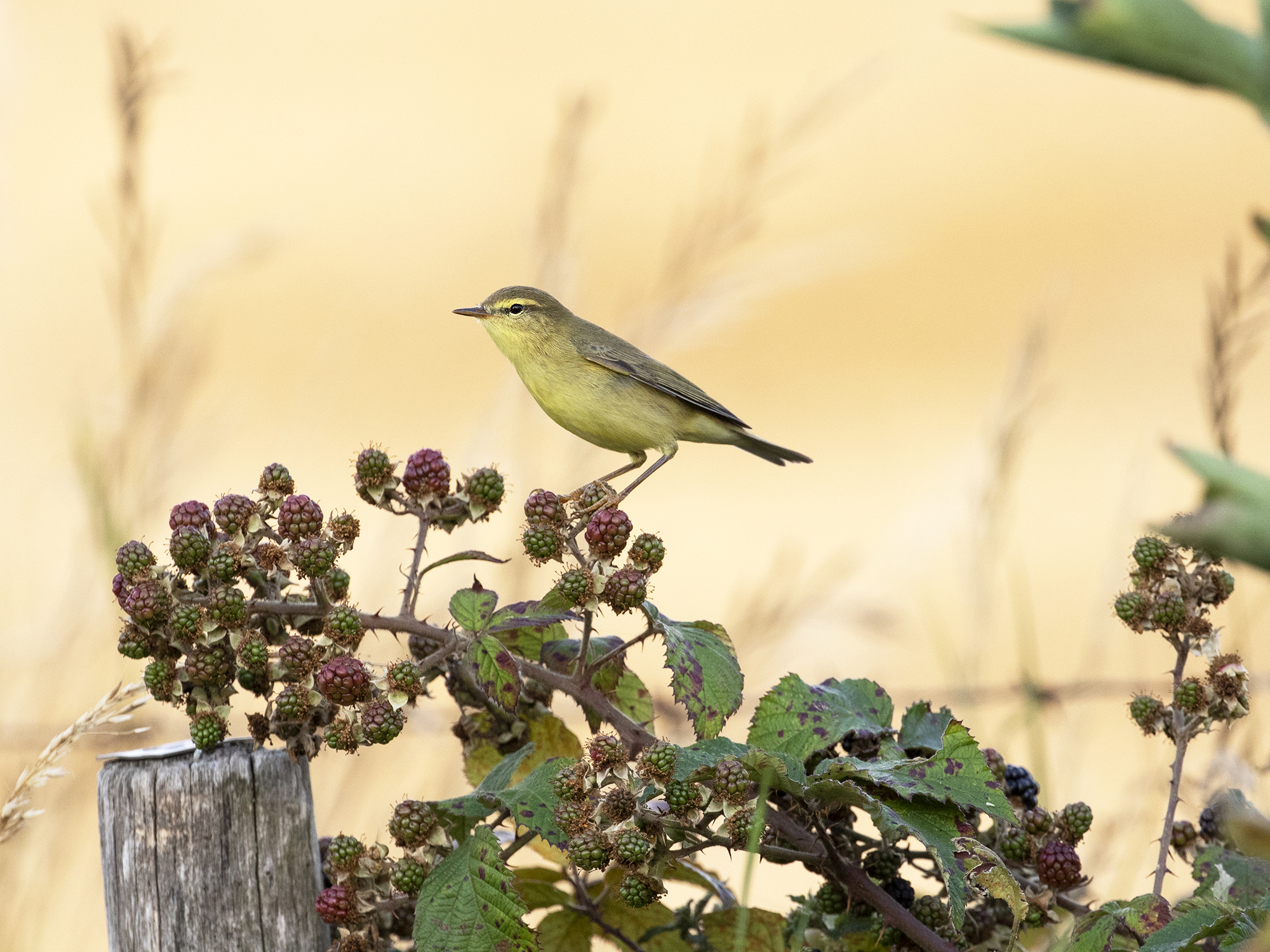
Other than these migrants I saw about 30+ Wheatears during the day, a Sand Martin and a Willow Warbler at Burrafirth and a pale unstreaked Acro at Haroldswick pool took 2 hours of my afternoon; Turned out to be a rred warbler. Also Ive had 4 Juv Curlew Sandpipers in fields with the Golden Plover flock at Uyeasound in the past couple of days. Getting to grips with the place and the birding now i think. more to come when theres more to tell but a good day.
I was able to negotiate the whole of Septemeber and October off work to spend birding intensively. The first month of this ‘Sabatical’ I’ll be staying in Bordanoost Lodge, Haroldswick, Unst, Shetland. Covid tested, travelling alone and car packed with 4 weeks food.
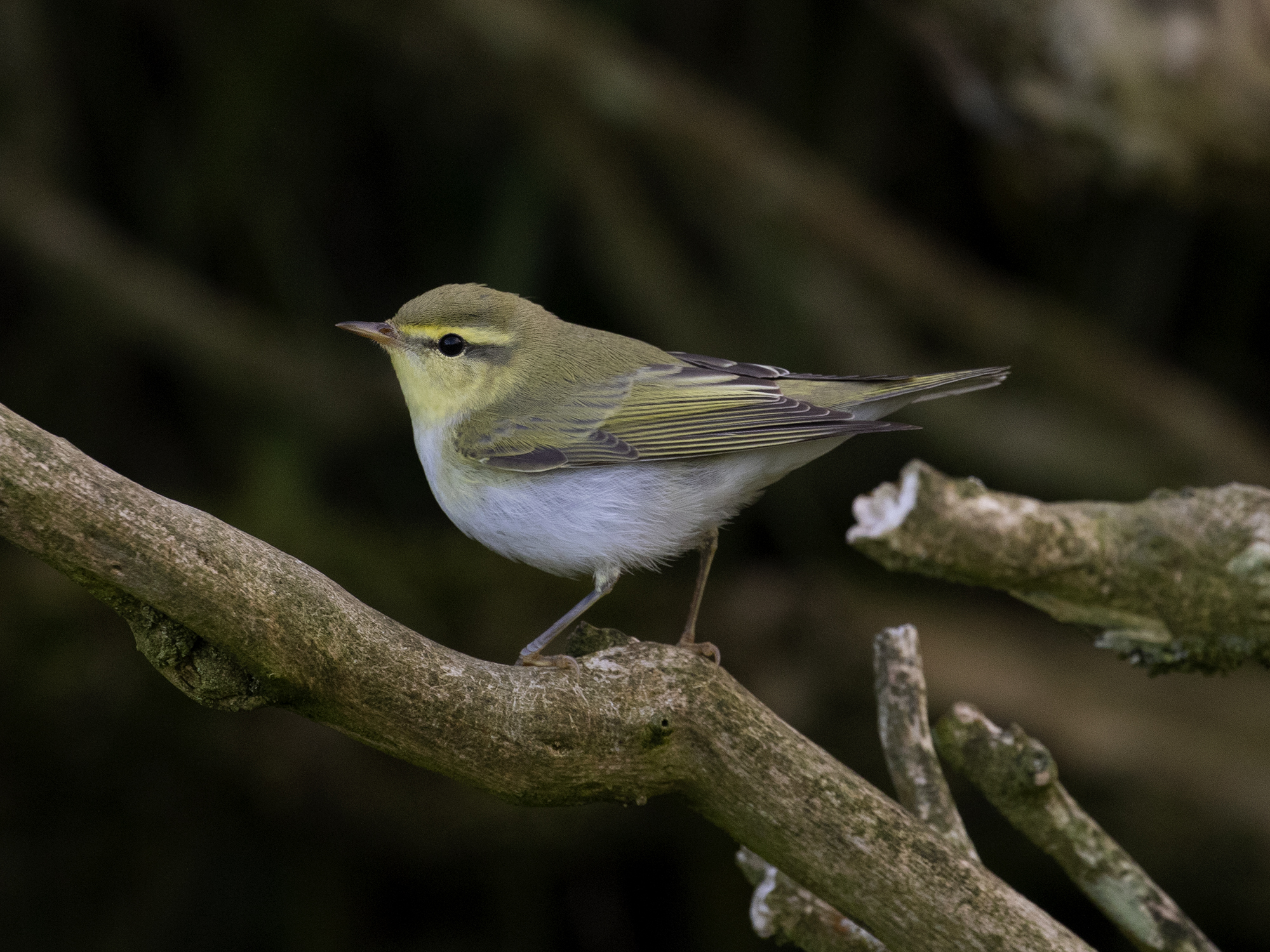
As I pulled into the driveway of my accommodation I saw a Phyllosc flycatch from low down in the Garden’s sheltered Sycamore: turned out to be this excellent Wood Warbler. It stayed all day and I came back a couple of times whilst trying to orientate myself and figure out where to look for birds.
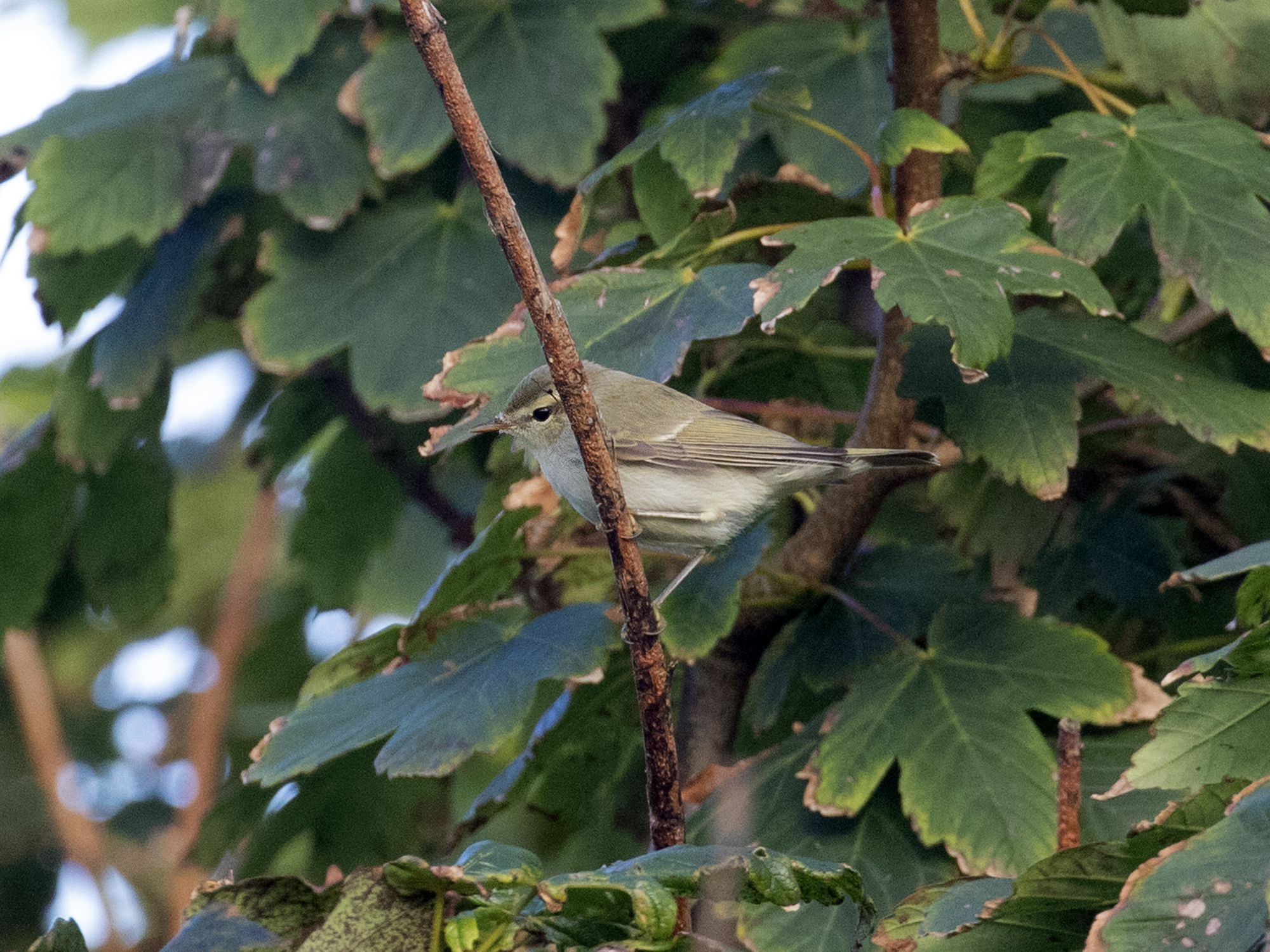
My host, and mate; Allan Conlin doesn’t arrive for a week or so but David Cooper, Island resident, ex-Sussex birder and voracious bird finder generously agreed to show me a couple of sites, we met at Skaw where he had found an Arctic warbler earlier in the day.
Later whilst I was still head scratching looking for sites that I’d heard of, he called again to let me know he’d found a Greenish warbler, So I went and took that in. An excellent Phyllosc’y start to the trip.
As I said, Im here for the month so I’ll be doing the blog as much as theres need to!
Just what I wanted from the second weekend in August: Saturday morning I drove down to Kent to bird from Langdon Cliffs to South Foreland in search of Migrants.
It wasn’t too bad for early August, with the concentration of migrant birds mostly in the Langdon hole/fox hill down area. It was about 25 degrees at 7am and birds were active even before the sun was on the bushes. Below, one of c15 Willow Warblers present early on.
Other totals were as follows: 2 Pied Flycatcher, 2 Spotted Flycatcher, Whinchat, 2 Wheatear, Grasshopper Warbler, 2 Black Redstart, 6 Yellow Wagtail over west along with c200 Swift, c100 Swallow and about 30 House Martins.
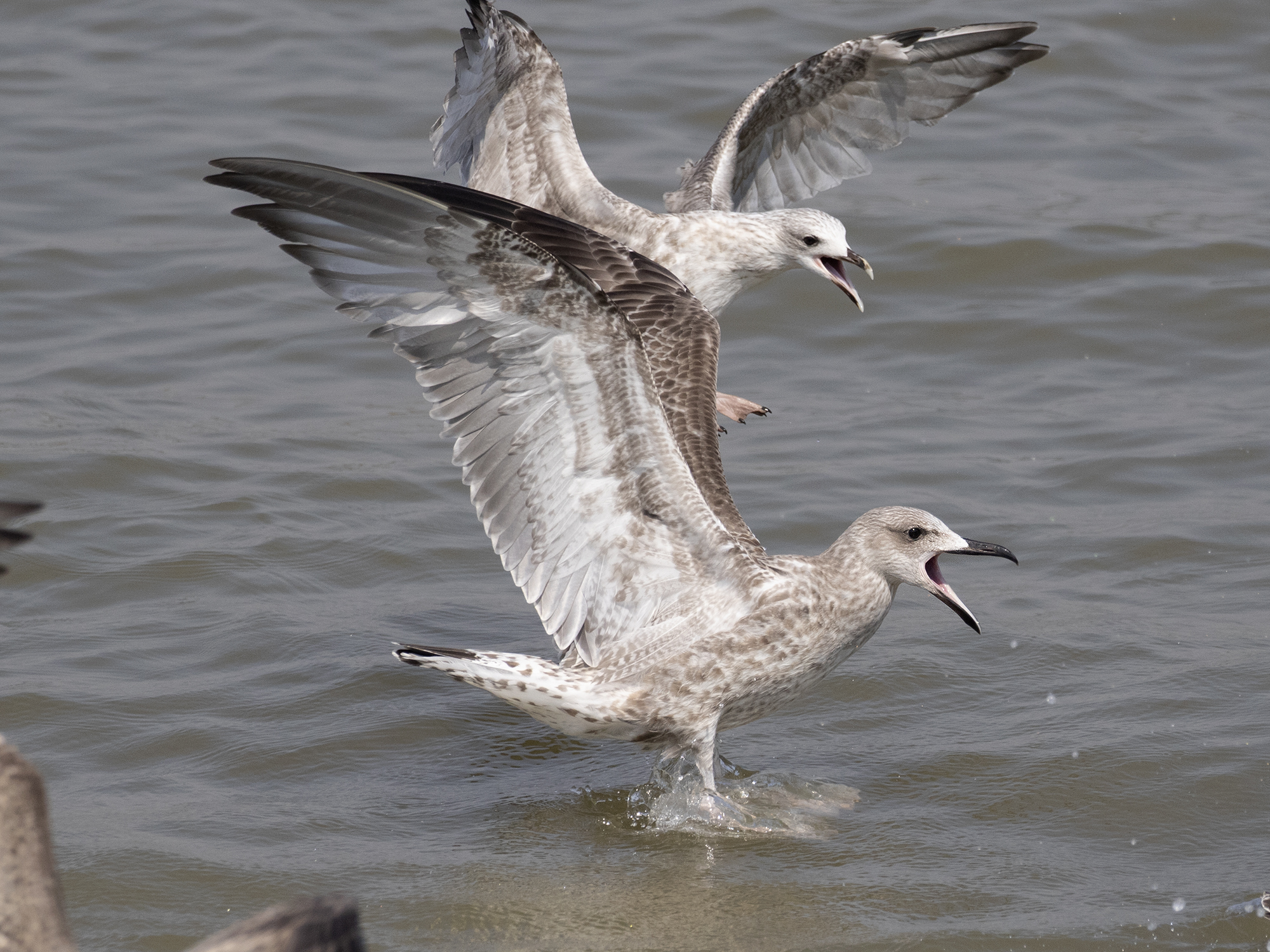
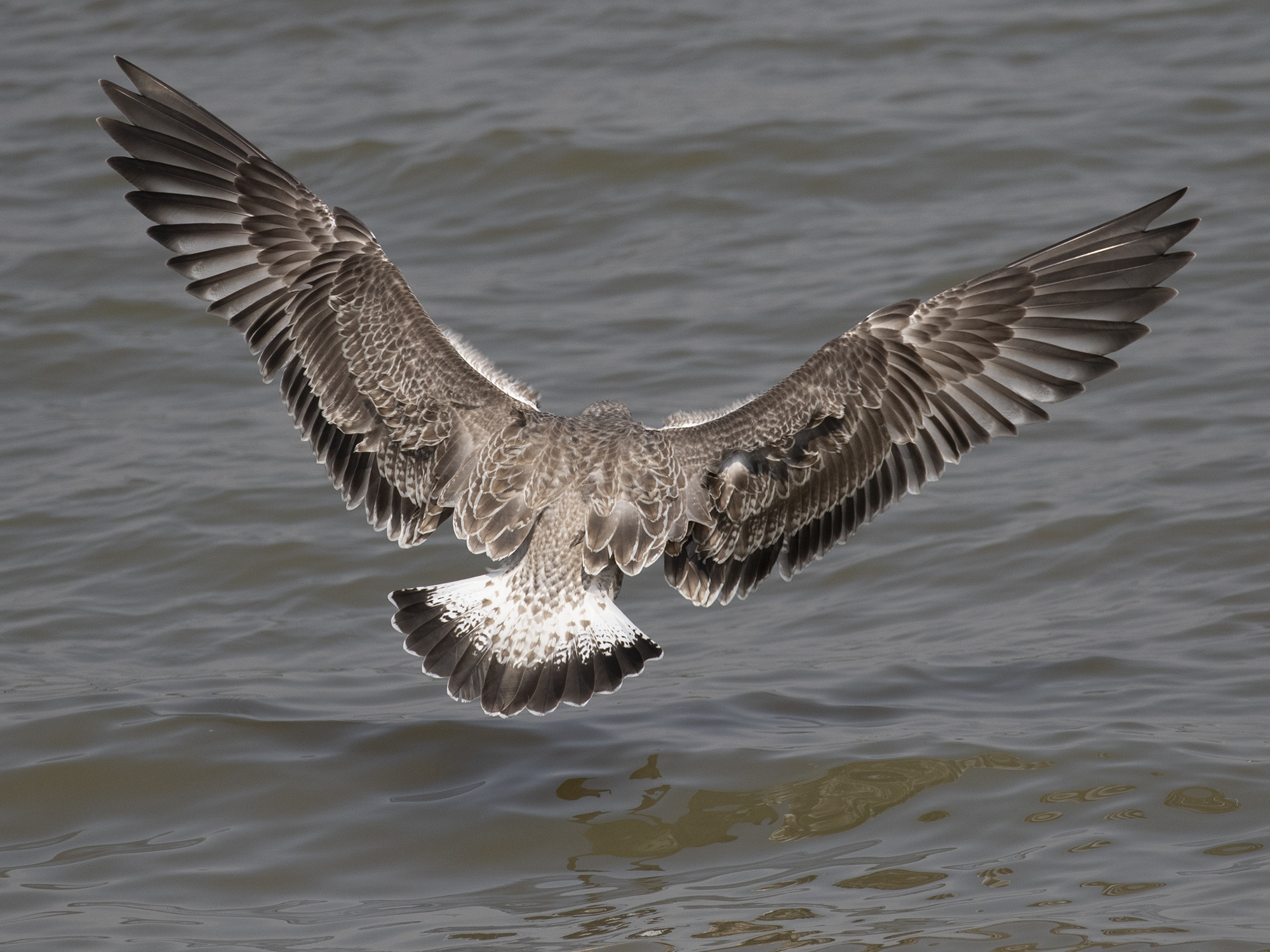
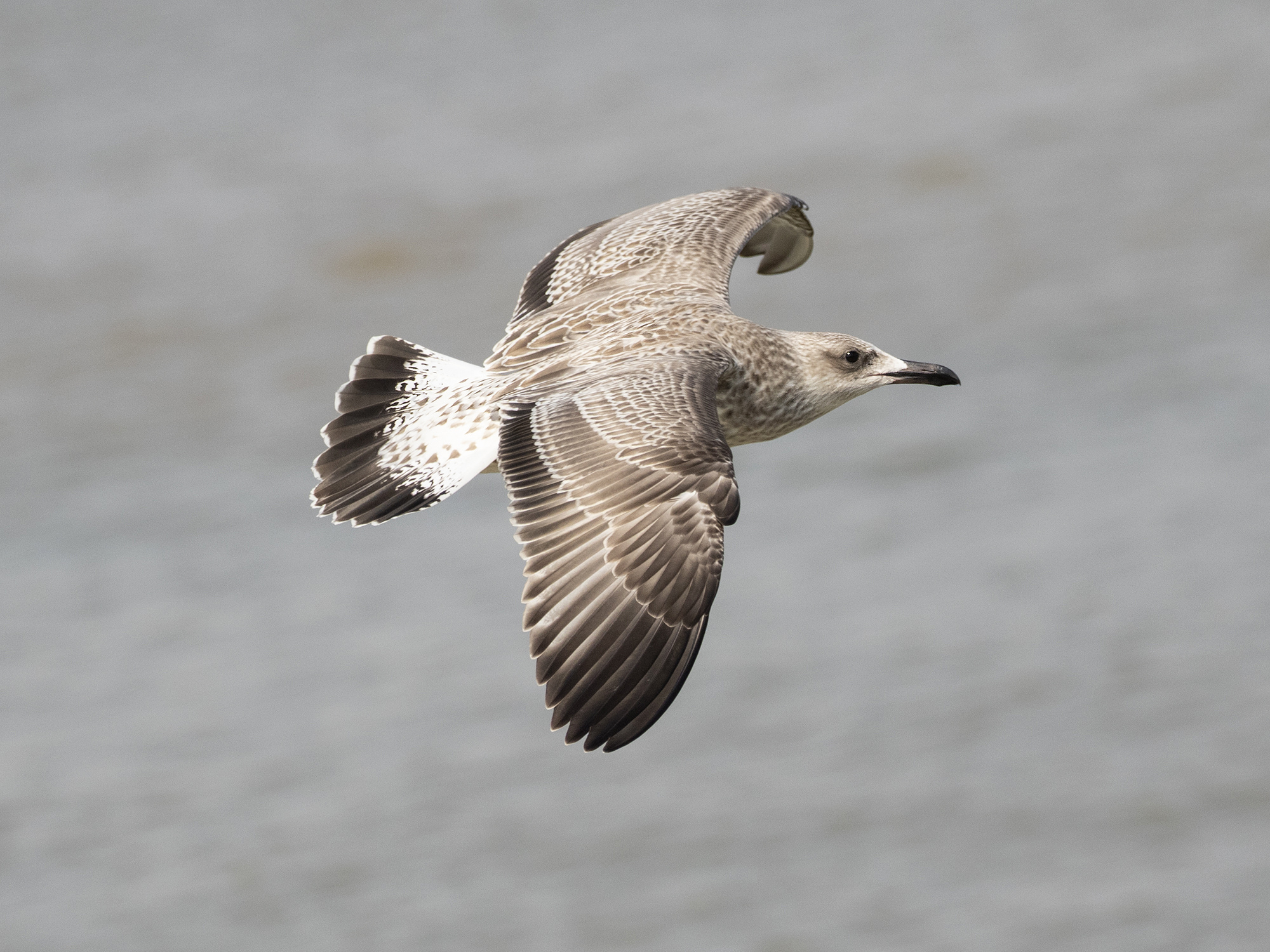
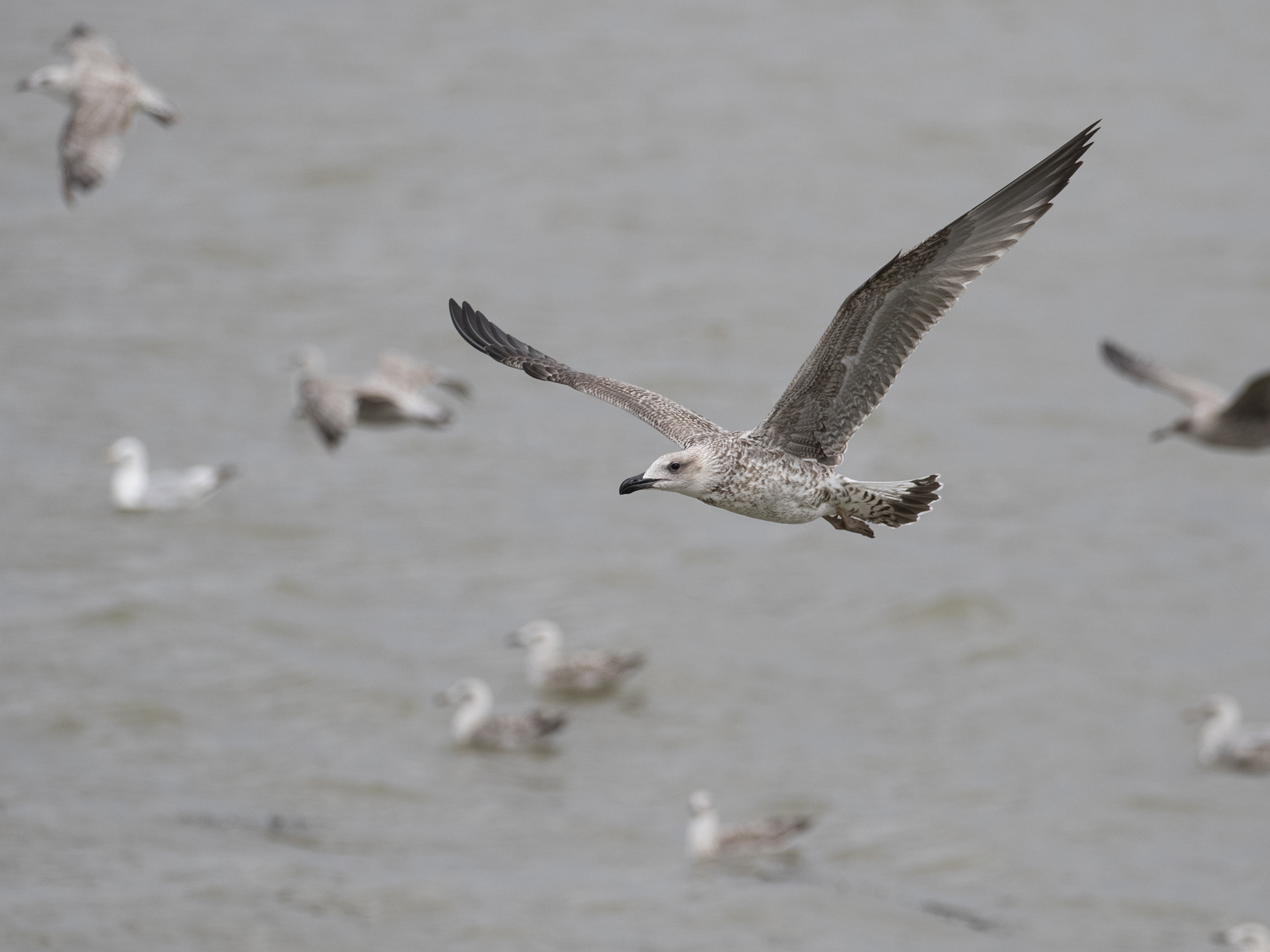
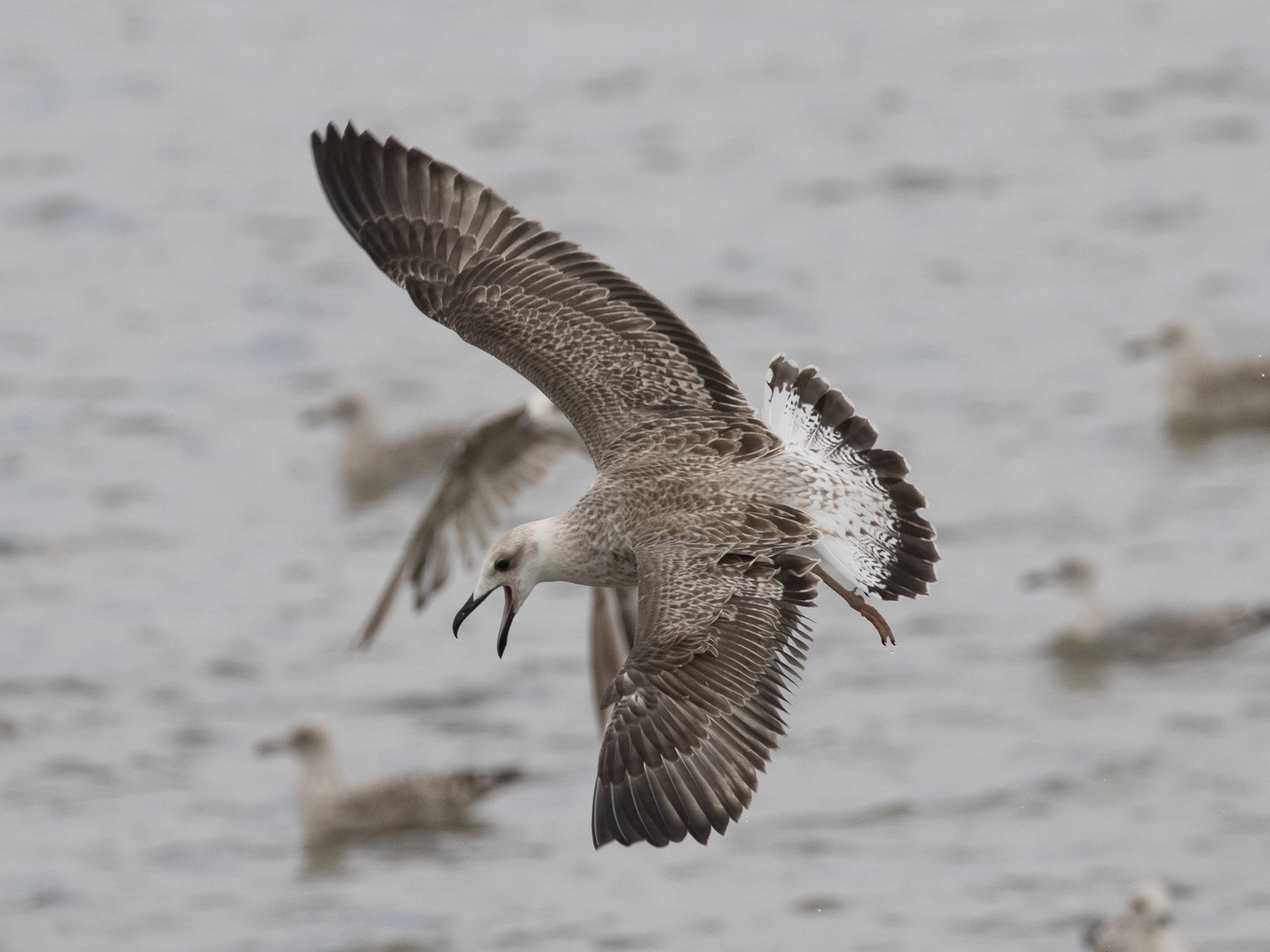
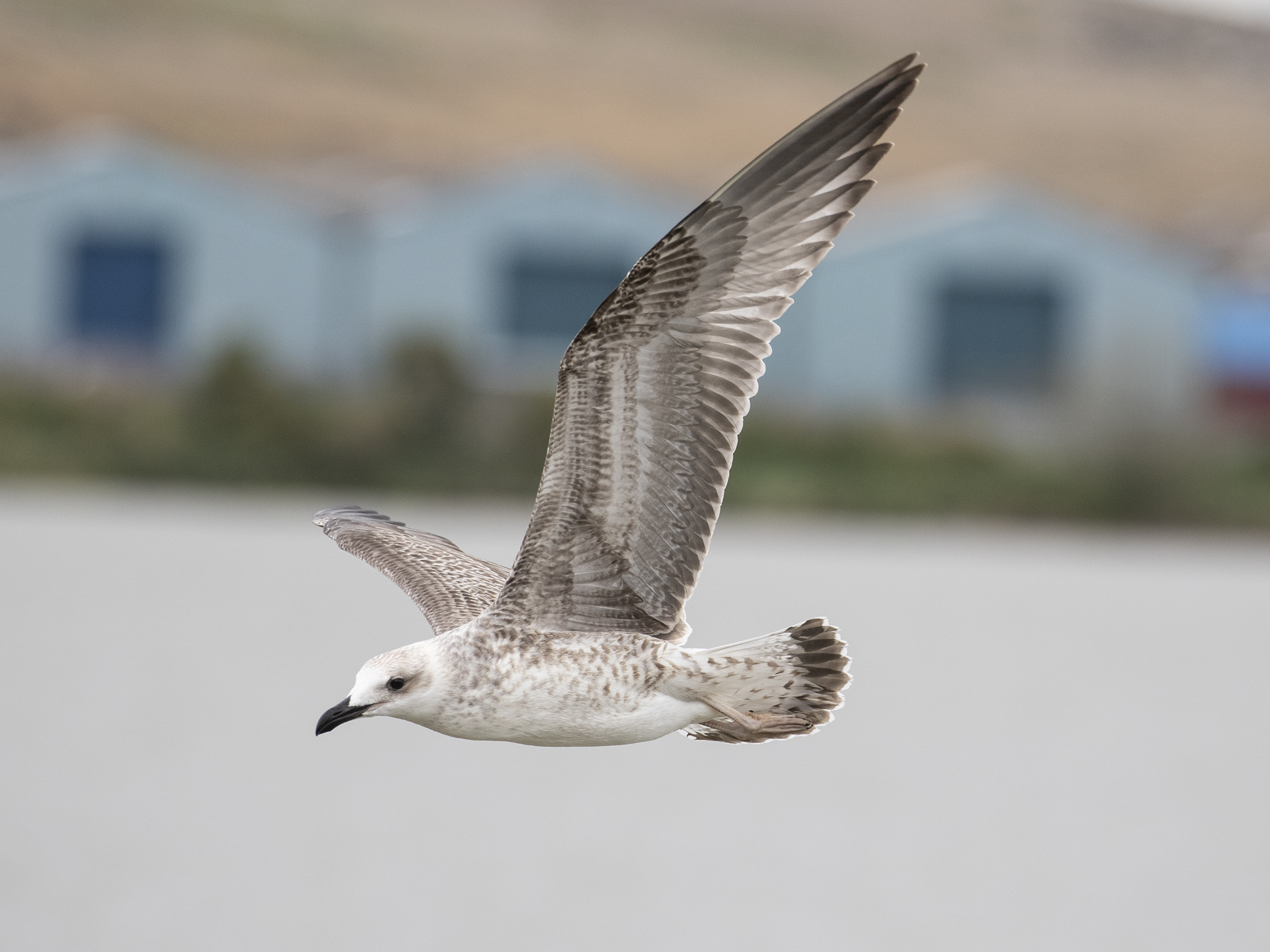
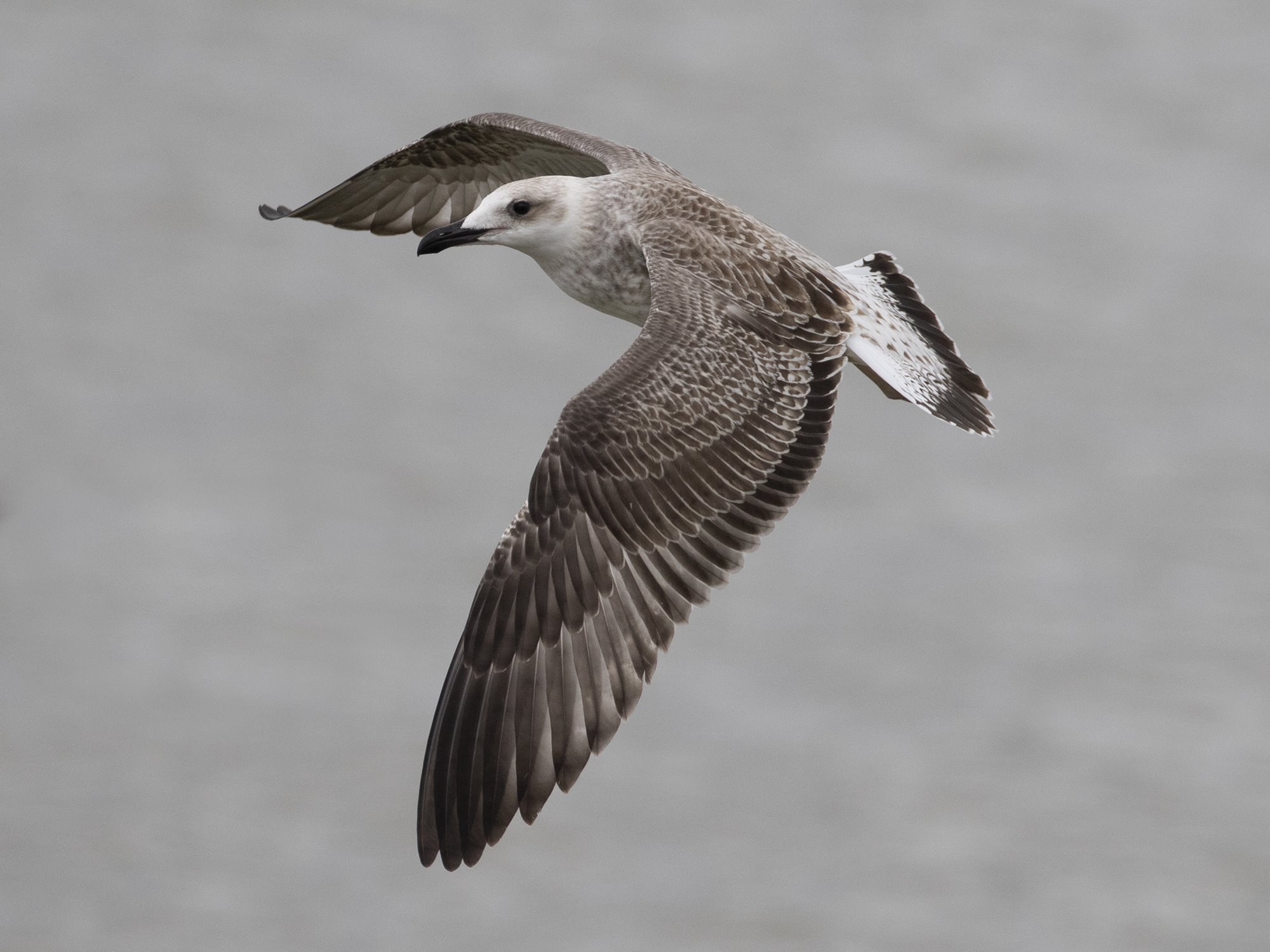
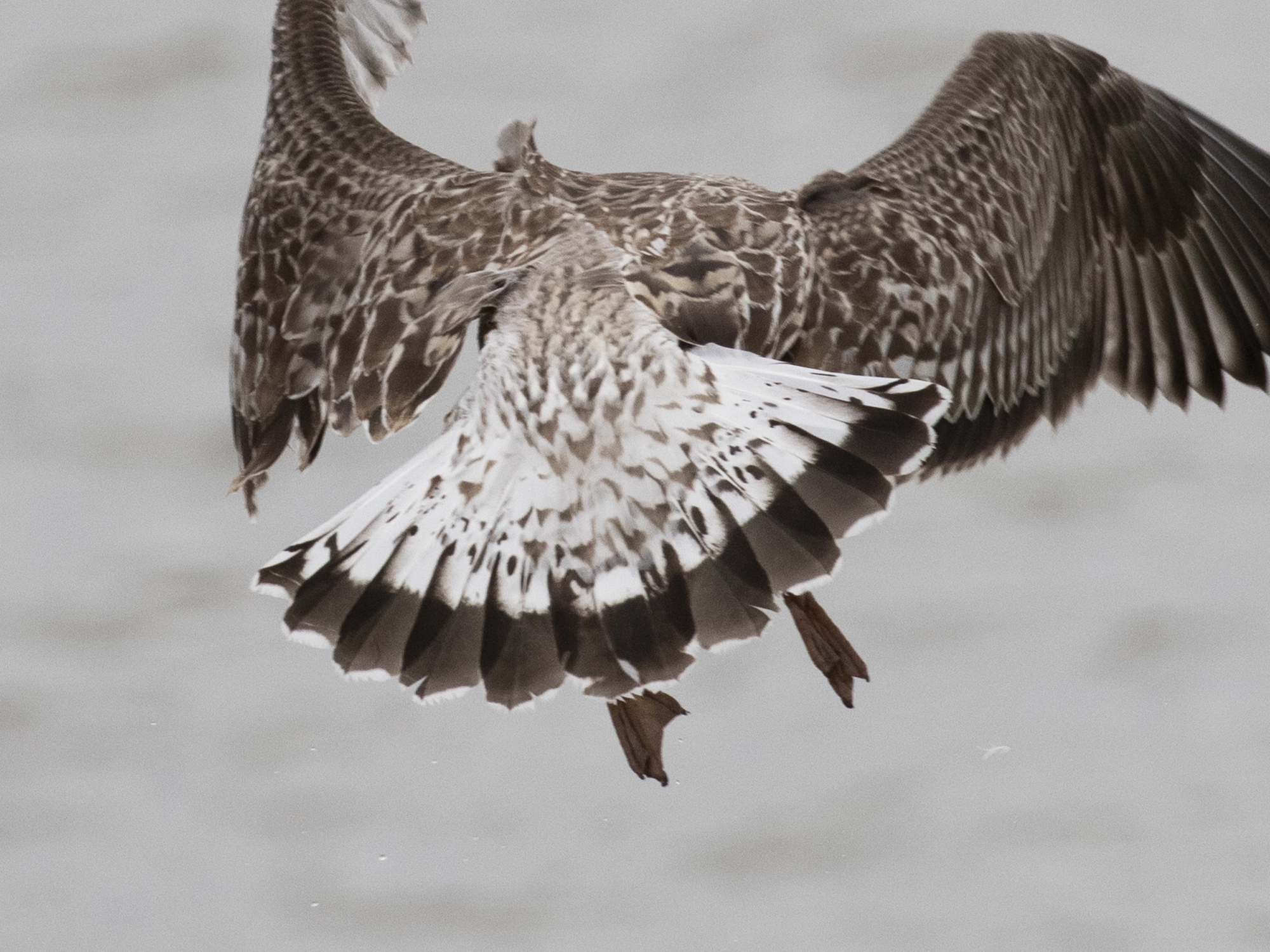
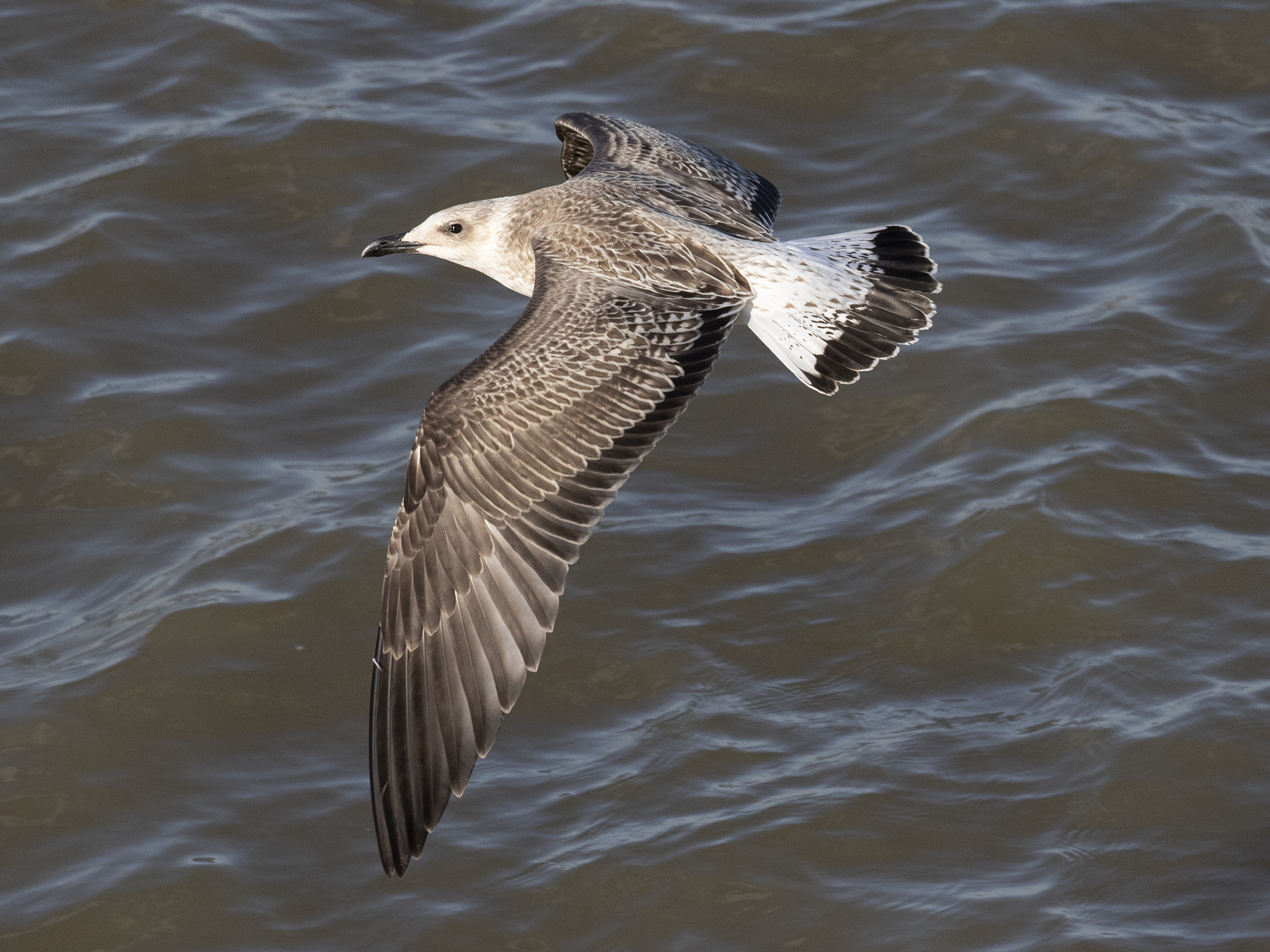
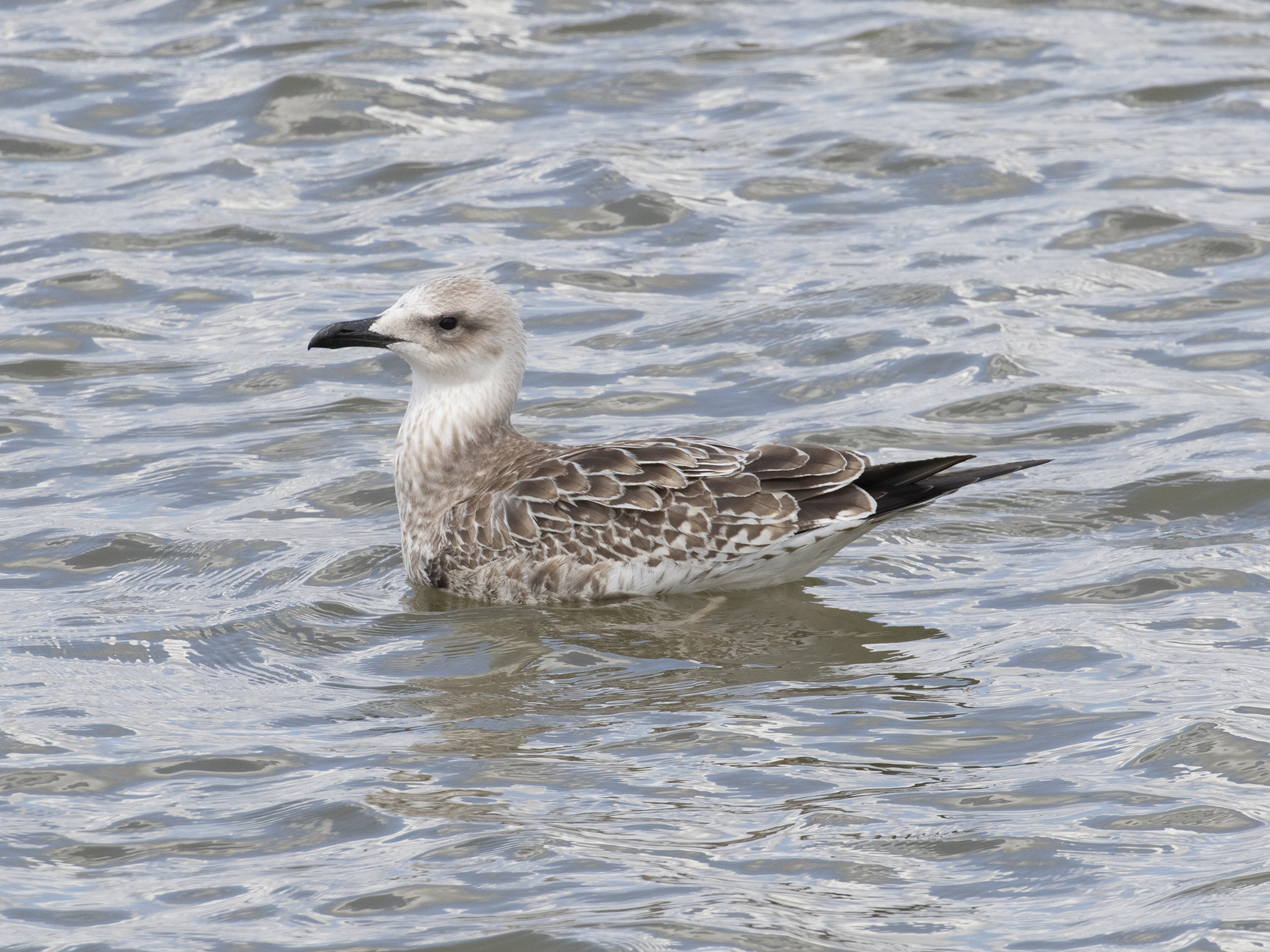
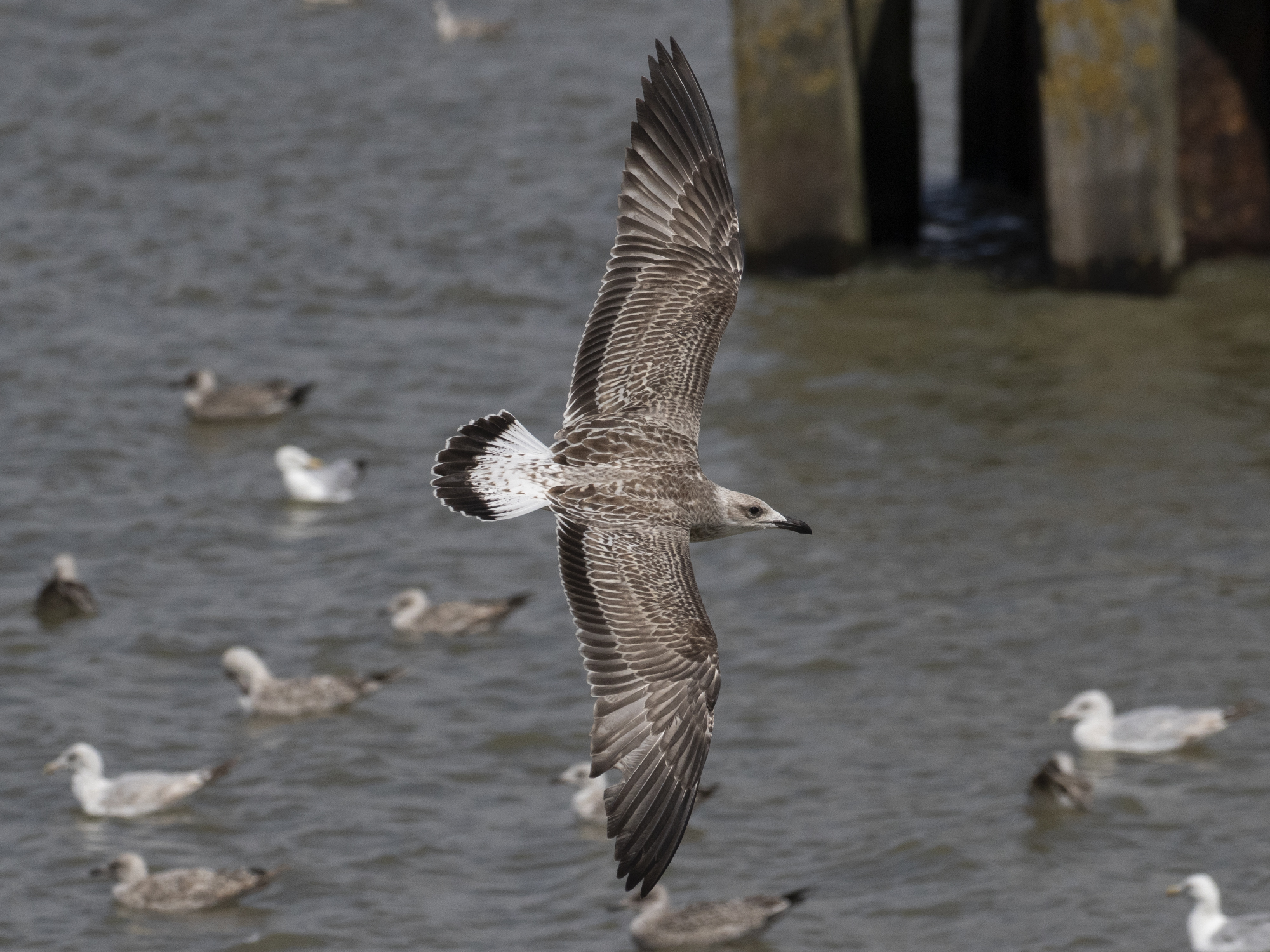
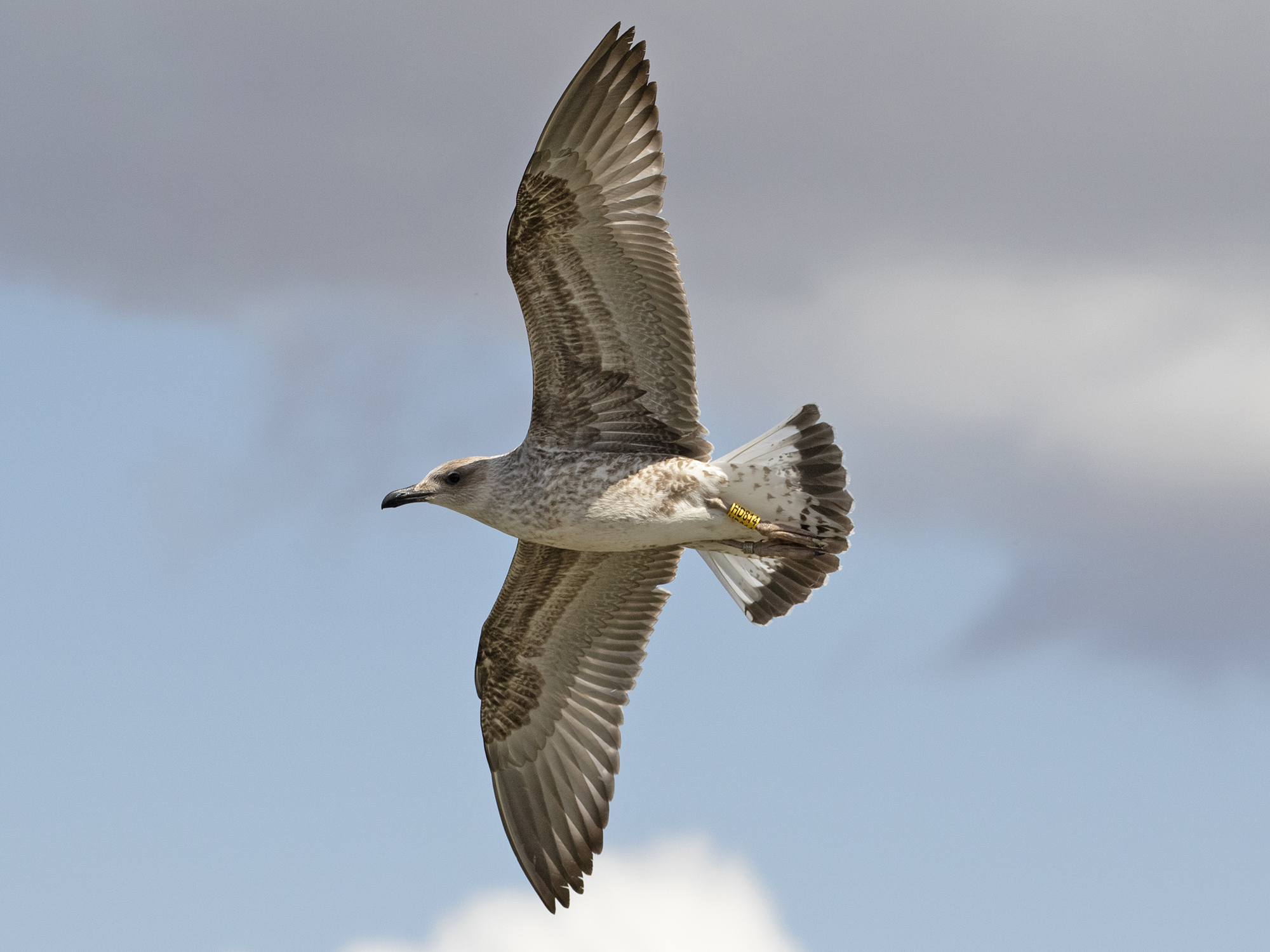
Sunday morning I went looking for waders at Oare Marshes but besides good views of the adult Bonapartes Gull i had nothing else there of interest. I swang by Erith Pier on the way home and Rich and I lobbed a dozen or so loaves at a gaggle of hot gulls at low tide (not ideal gulling conditions!). About 10 juvenile Yellow Legged gulls came in and towards the end this beautifully plumaged juv Casp also appeared out of no where infront of us.
Id imagine there will be more hunting for coastal migrants between now and september so Im glad to have got a nice Casp in before I ‘forget’ about gulls for a month or so!
In the meagre 4 years this blog has been running it has never before got to the 1st of August without severalpostsaboutjuvenile yellow legs gulls, cant really explain why probably been overly busy but I can report that the new London record for earliest juv YLG was smashed by Rich , Dante and myself on the 28th June!!!! (previous record 1st of July set by RB.) After that it went very quiet but they’ve been in for a good few weeks now and I’ve seen a handful here and there but today’s 15 or so at Erith pier is more like what I’ve been looking forward to.
I aimed the camera mainly at two paler headed birds the above a large tawny probable male…
.. and below a slim, also pale headed bird. really eye catching in flight and on the water.
I thought this tail pattern was quite nice, the tail band leaking into the outer webs. note some cool scapular moult which basically all birds today showed.
In comparison, heres the first bird i photographed well this year from about the 18th July, note how the tawny tones come out more as the birds become paler .
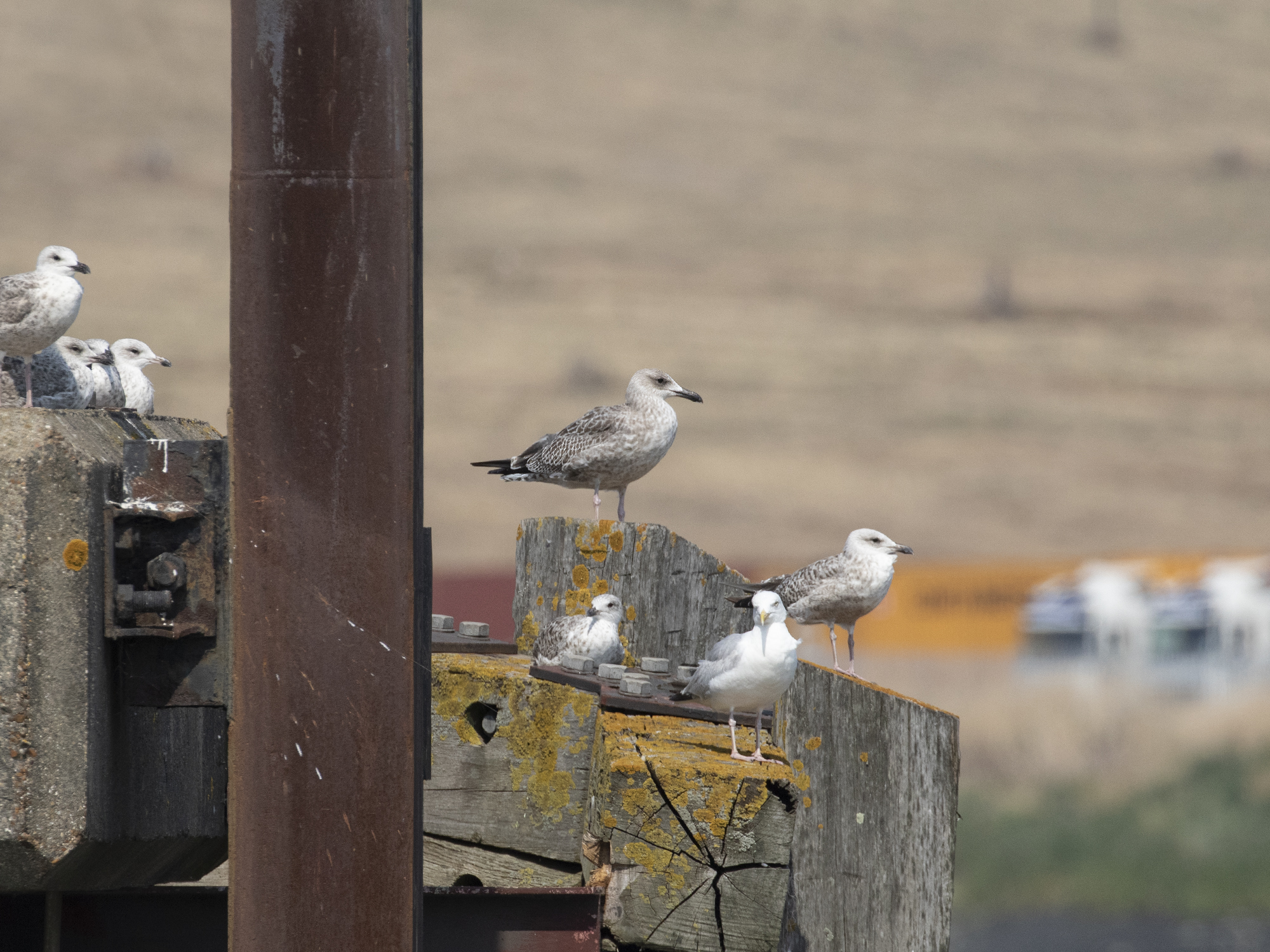
Here’s a few more images from the sunday:
Below a ringed bird, from Switzerland. The second from this project we’ve had on the thames alongside 2 more south german individuals, gives a clue as to where some of our birds are coming from.
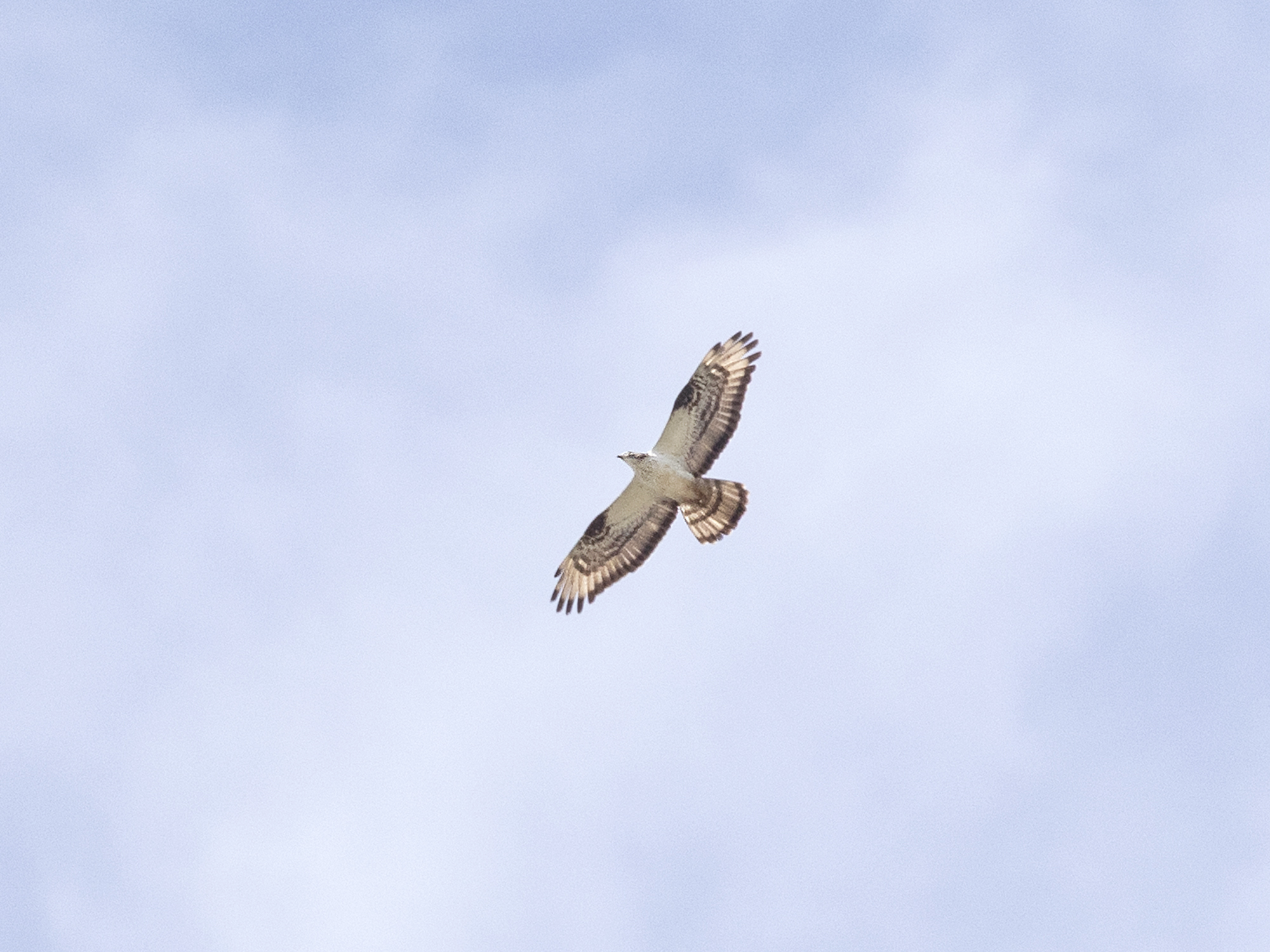
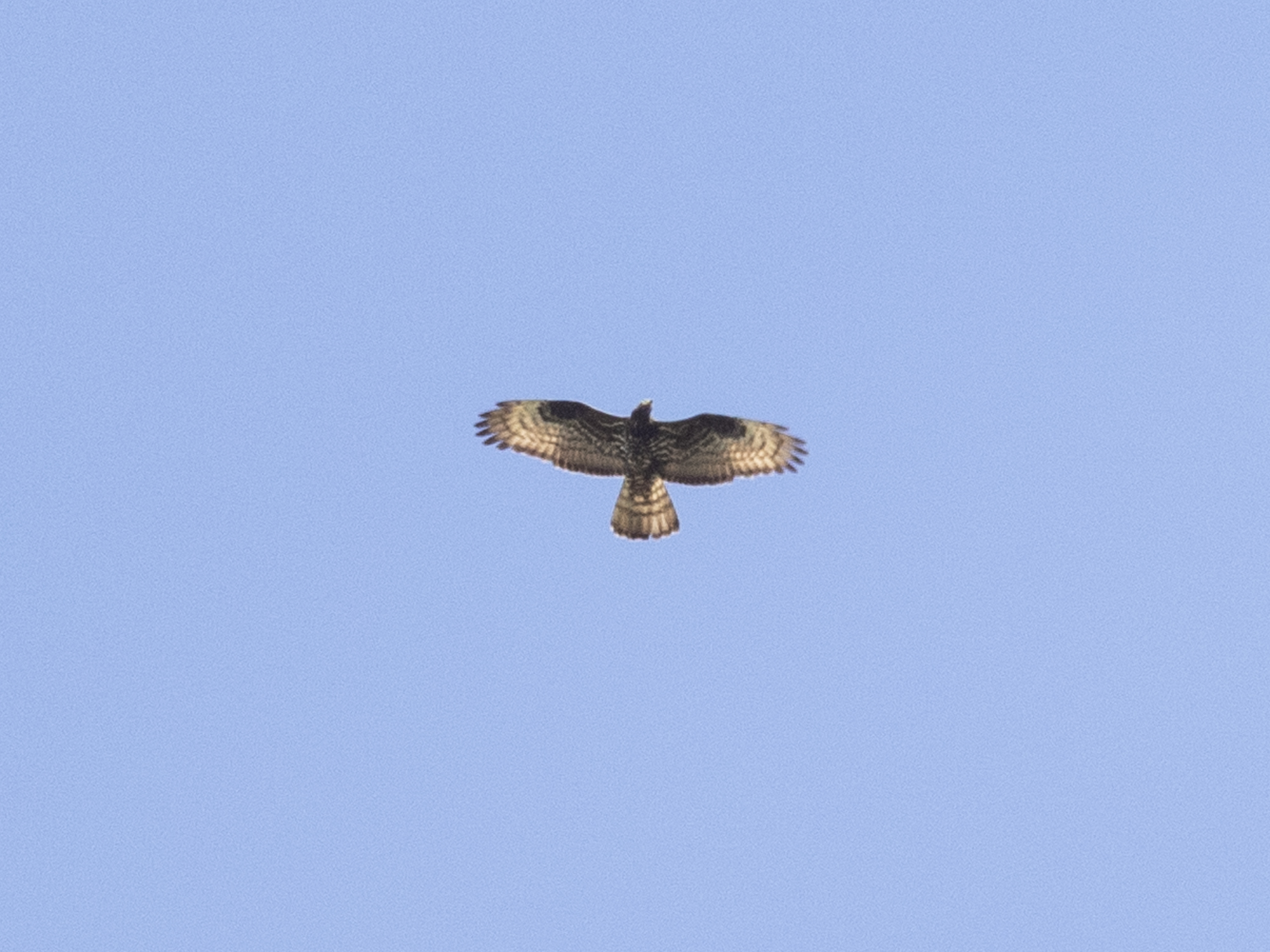
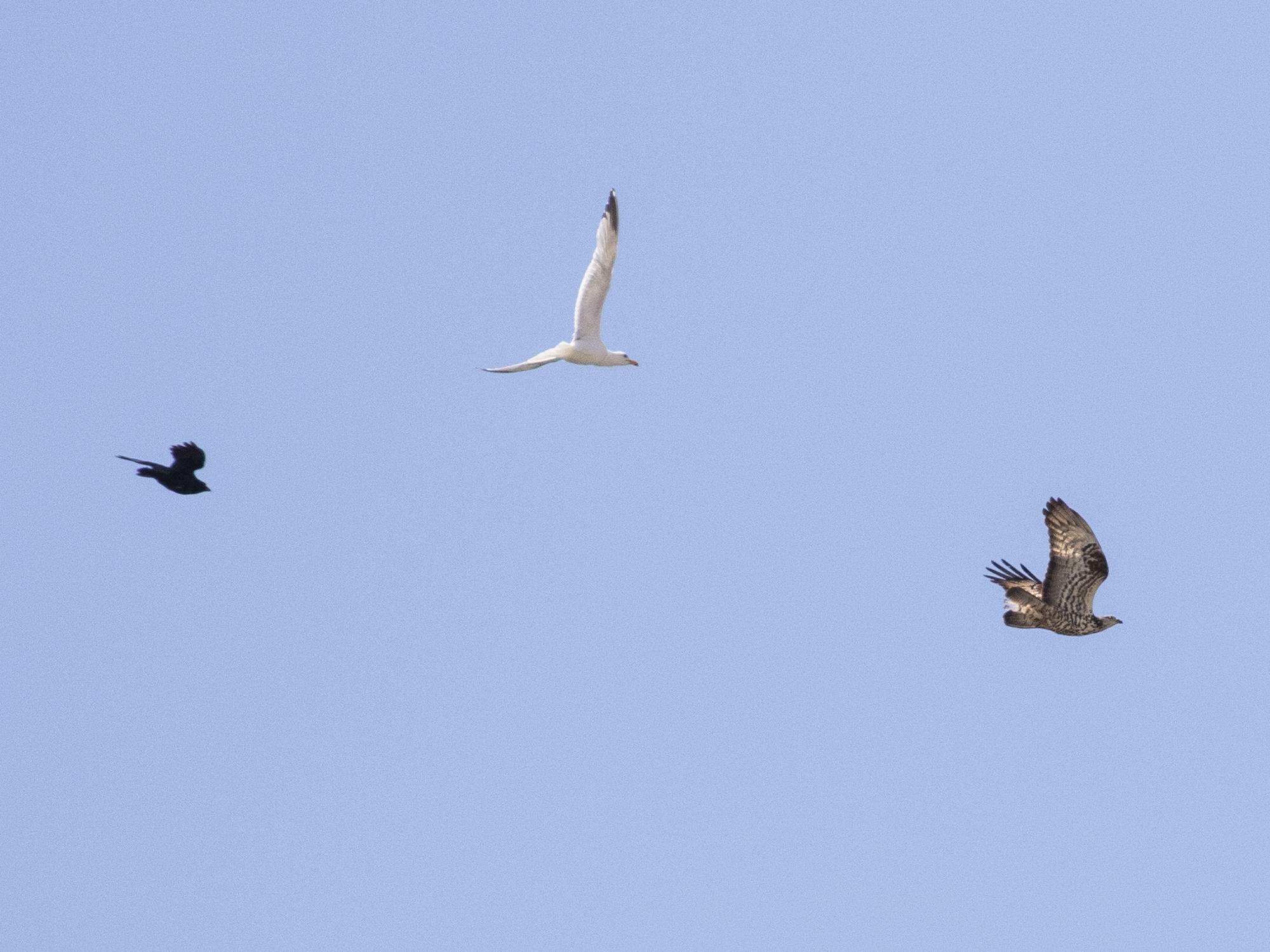
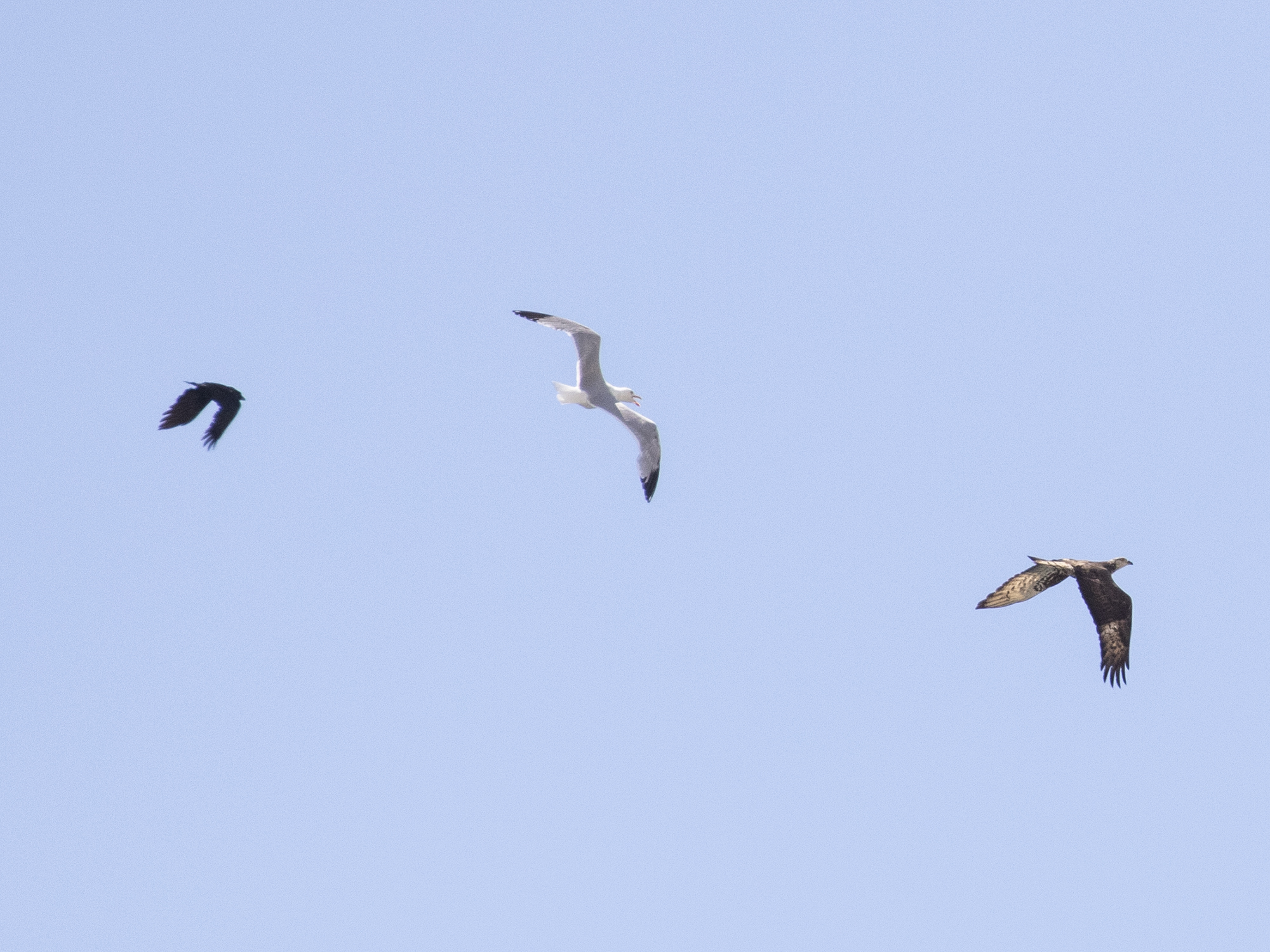
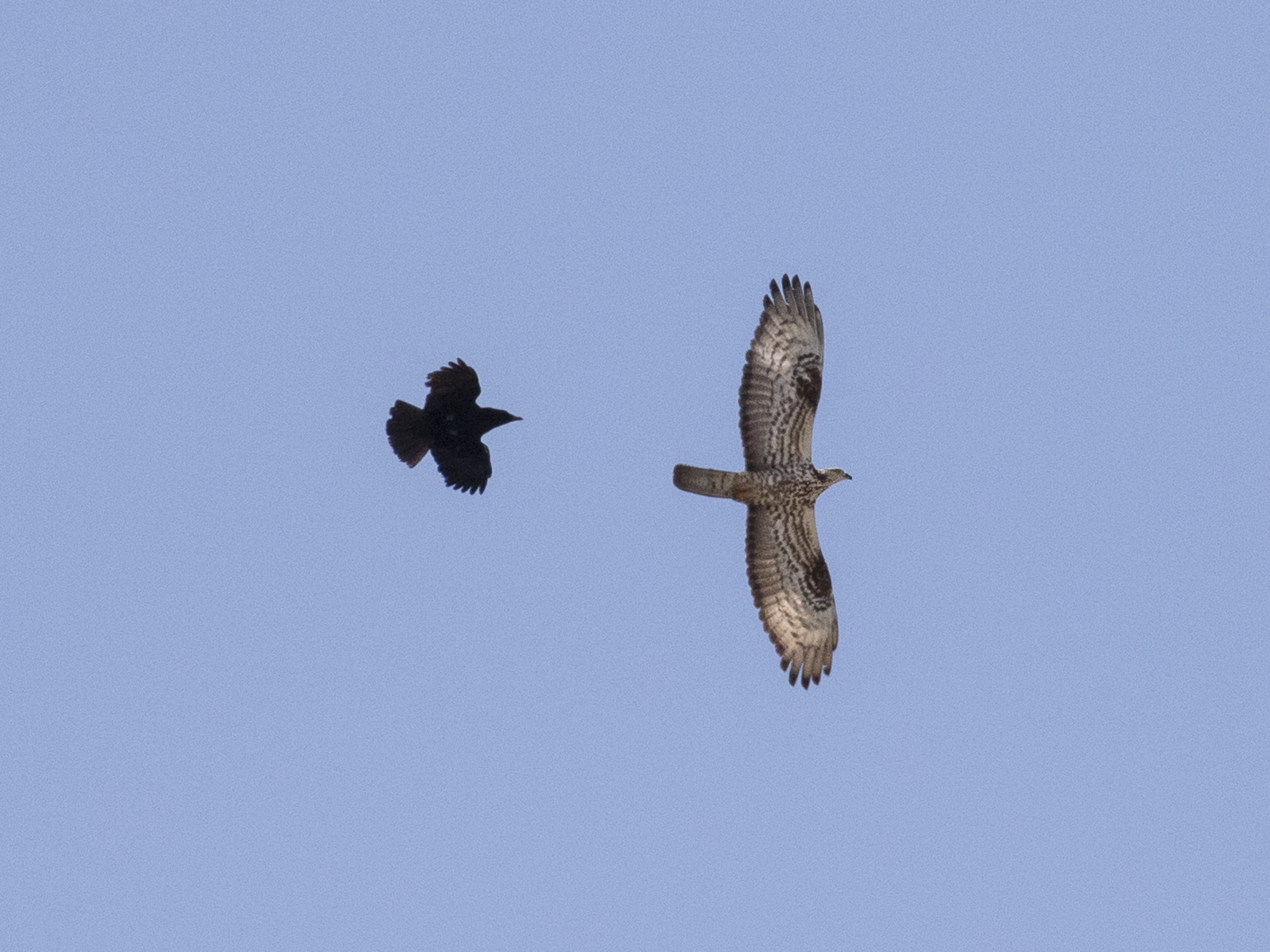
Quite an unprecedented day for me and Honey Buzzards today. The weather was warm and the winds were light and from the South east. I was Down in Dover visiting a friend for a walk and picked up a HB over his garden in west Dover, F’ing and blinding whilst running to get my bins and camera and by the time I was looking at it again there were two! A female and a very smart male. I watched the birds gaining height perhaps 1km inland from the port of Dover for a couple of minutes and eventually the they departed in separate directions with the male heading west and the female North east.
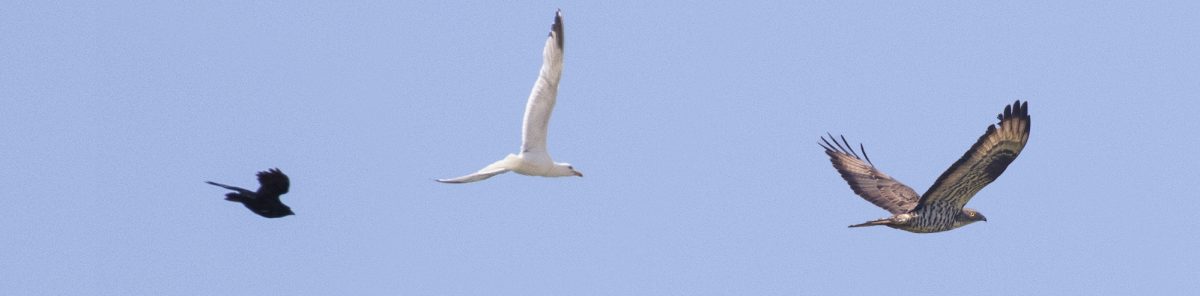
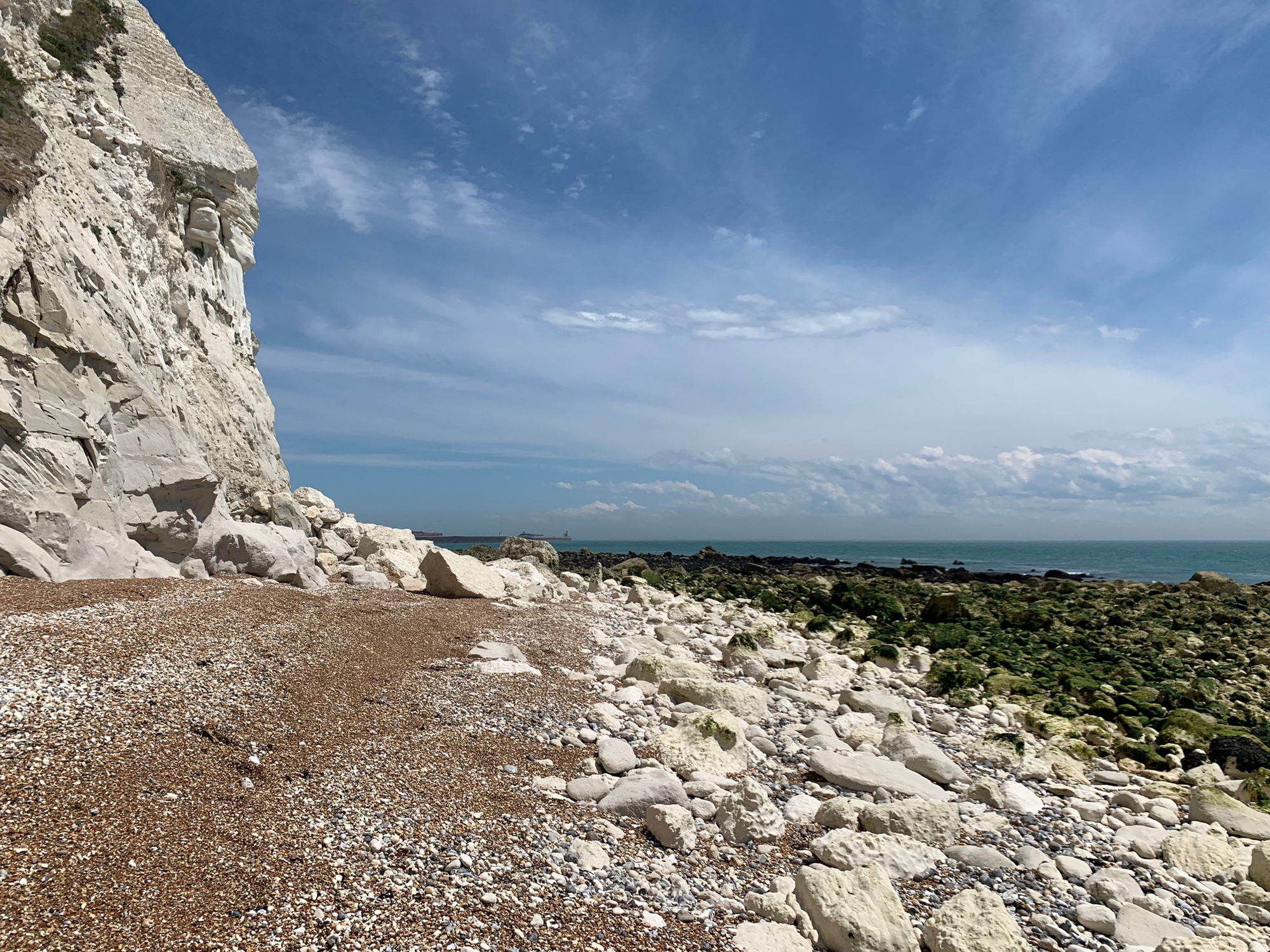
Fast forward a couple of hours and myself Amy and our friends were walking at low tide between Shakespeare beach and Samphire hoe when the Gulls started going crazy and I Looked up to see another point blank HB getting mobbed 25 metres above my Head!
Another scrabble to get my camera out whilst the bird fled the corvid + Larid attack. just fresh ‘in off’. Welcome to England.
It must have been a decent day for Honey Buzzards with another 3/4 seen across Kent today. Other things of note were 9 Crossbills east, a singing Black Redstart and many cliff nesting house martins at the base of the cliffs along the coast. A great day.
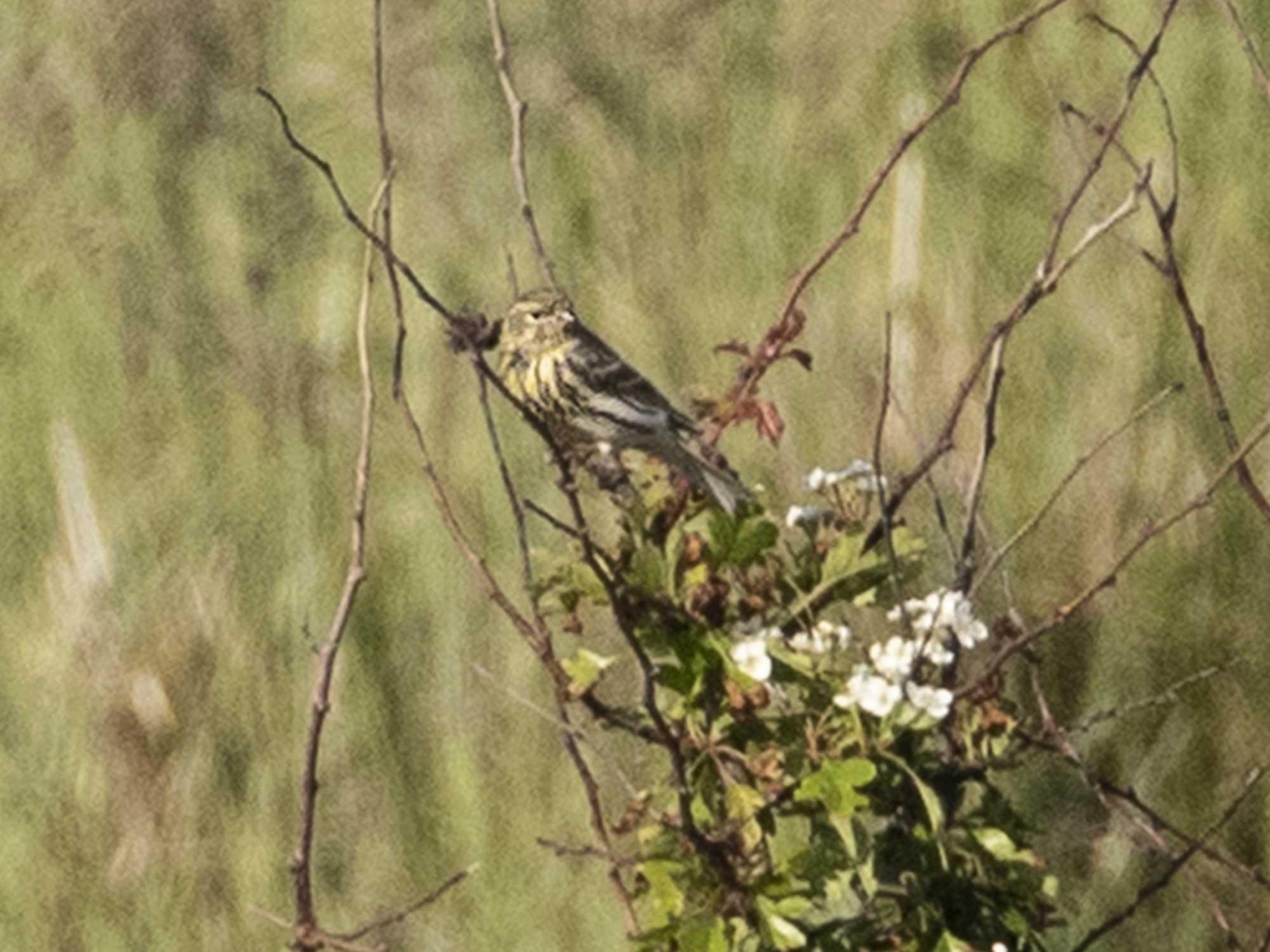
I Drove down to Beachy Head early am Saturday. Ive really wanted to find a Shrike this spring and was not 5 minutes out of the car checking the ‘Shike-iest’ place i could think of when I heard a Serin calling, Scanning the bushes in the direction of the calls I picked up a nice but distant Serin perched up. No shrike but still a nice find! It quickly transpired to be two Serins calling and then flying together towards the Pub.
Matt E, Jake E and Ian B had a female Serin in Cow Gap that morning which appears to be a different bird.
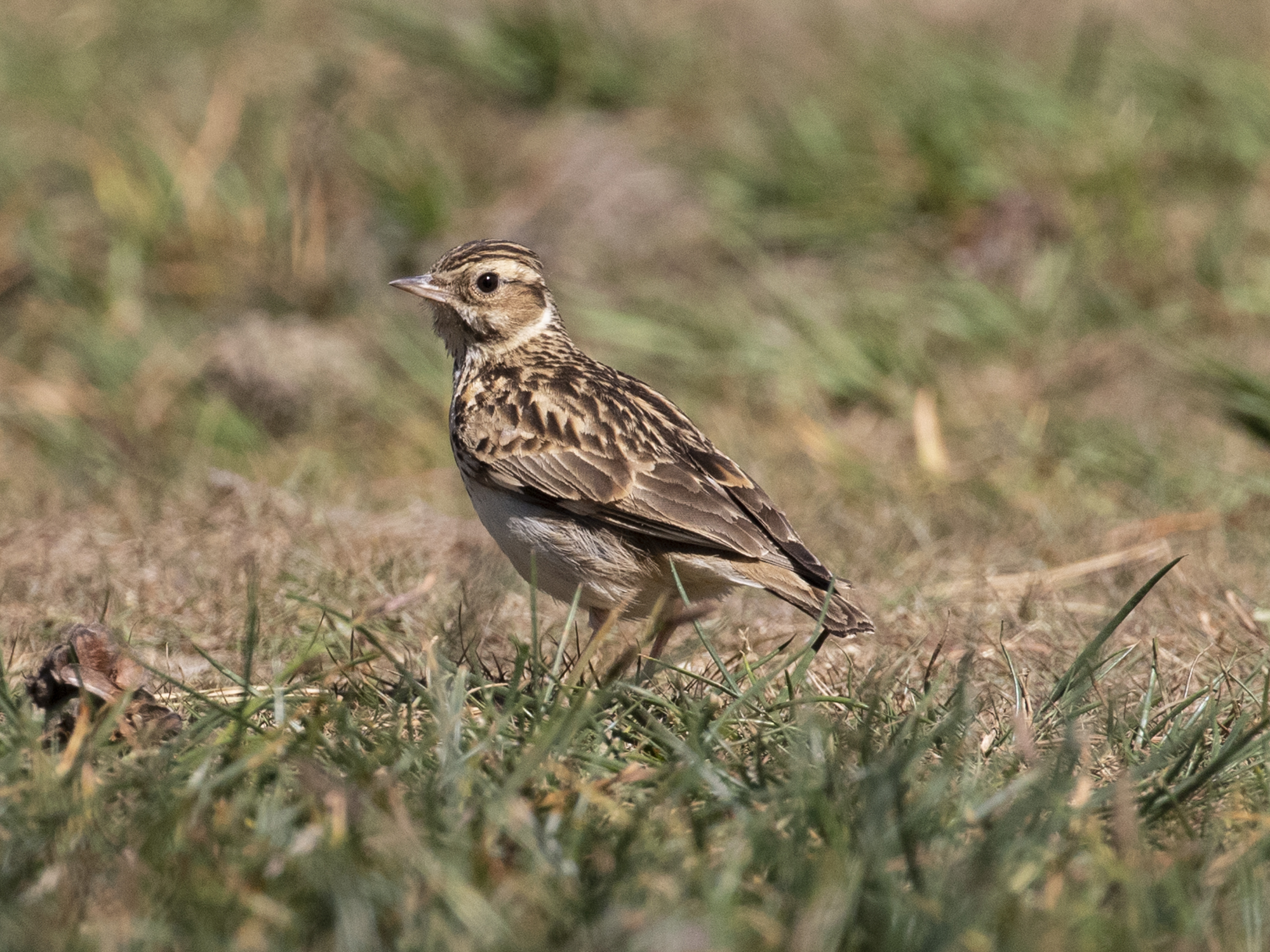
There was little else of note beyond a few eastbound Swifts, House martins and Swallows but v nice to catch up with LP. I called in at a site in East sussex on the way home and had the full suite of birds expected: Wood larks (below), Common Redstarts, Tree pipits, Crossbills, singing Dartford warblers, Hobby and Cuckoo – a nice site for an afternoon.
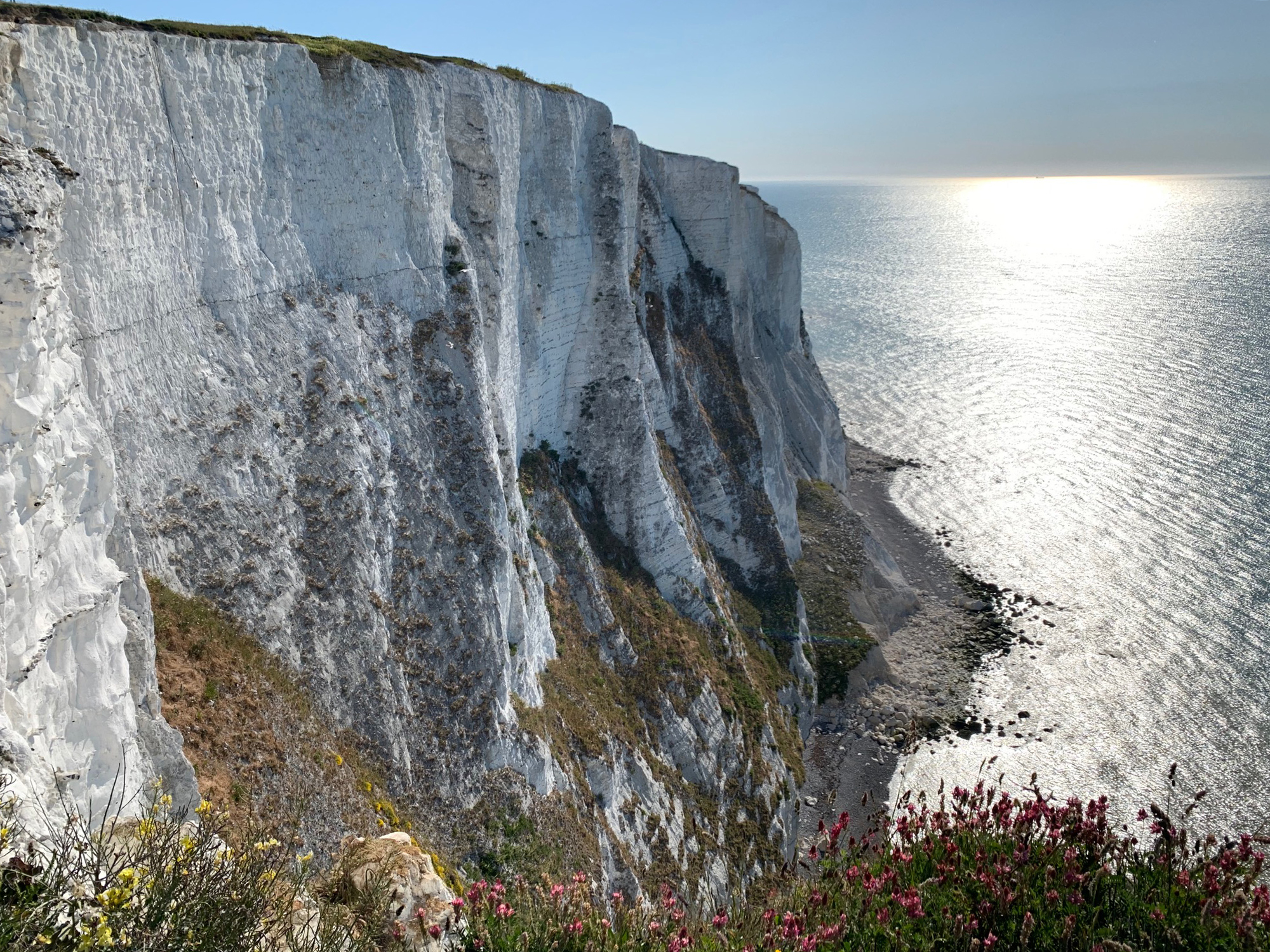
With my intention to squeeze more birding out of this spring still in mind I headed down to Langdon hole/ fan bay/south foreland area again Sunday morning. So too had Rich B and we were joined also by Dante. A quiet morning migrant wise bar a few Siskin east until we had a Bright male Serin calling and east over the South Foreland valley. The bird flew right over our heads, dived into cover and sang for a minute but was not seen again. Interesting for me to jam in on what must have been a little pulse of these continental finches into the very south east tip of the country in the past day or two.
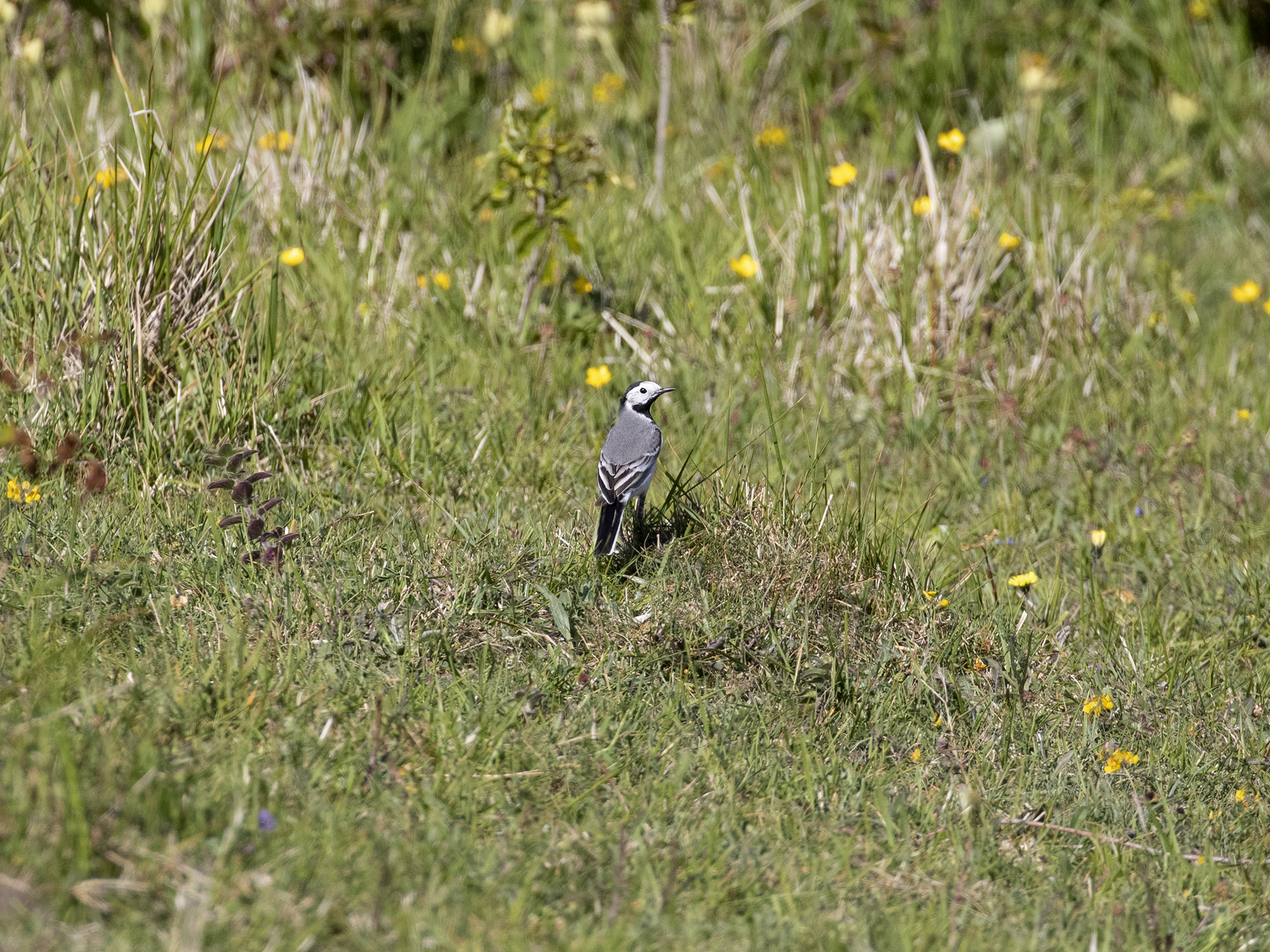
I’ve seen the above male White Wagtail on the past 2 occasions in this area, it seems to be showing some breeding behaviour including a bill full of grubs and insects and favouring the same spot continuously, I’d be interested to see who its partnered with.
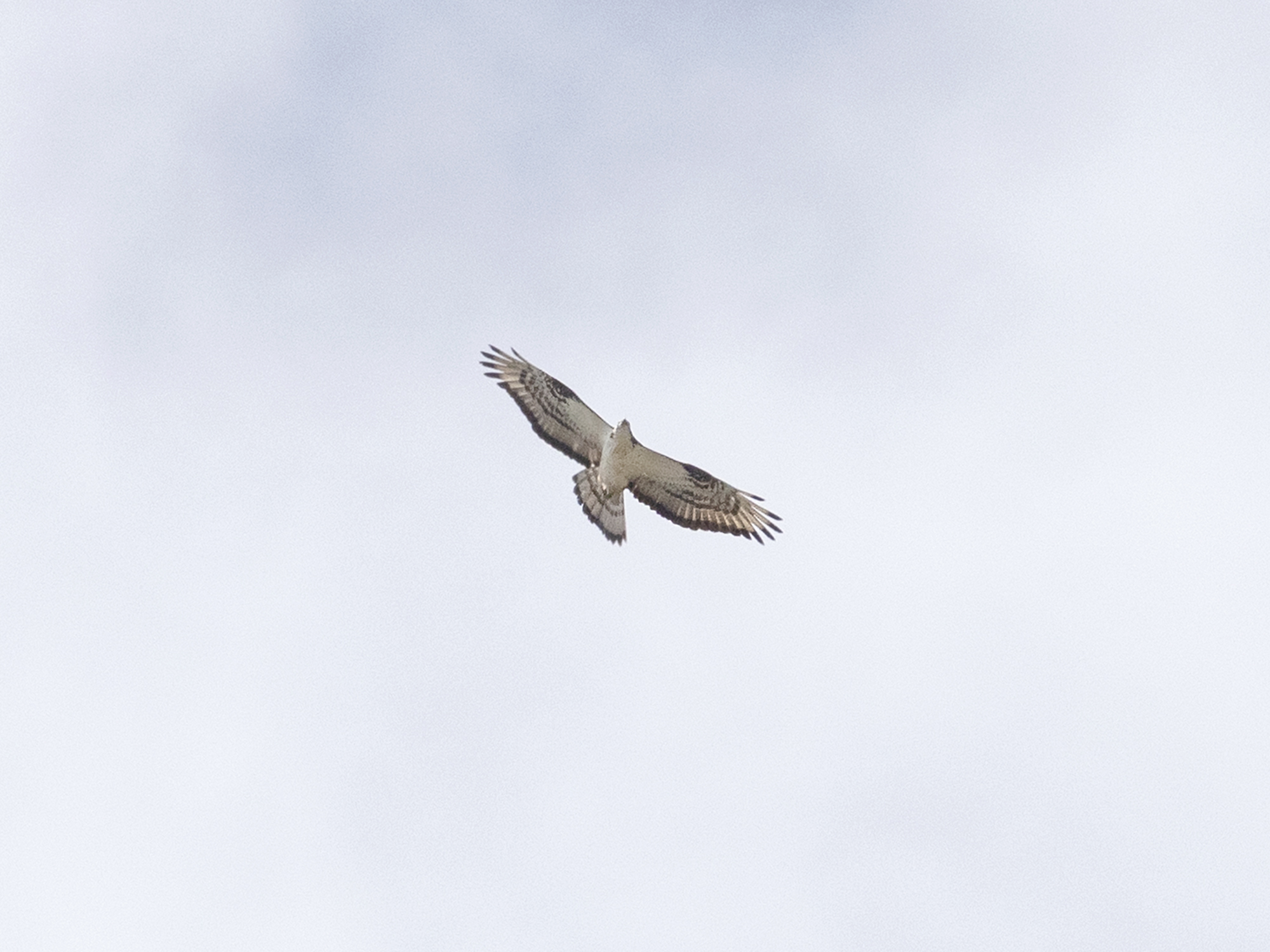
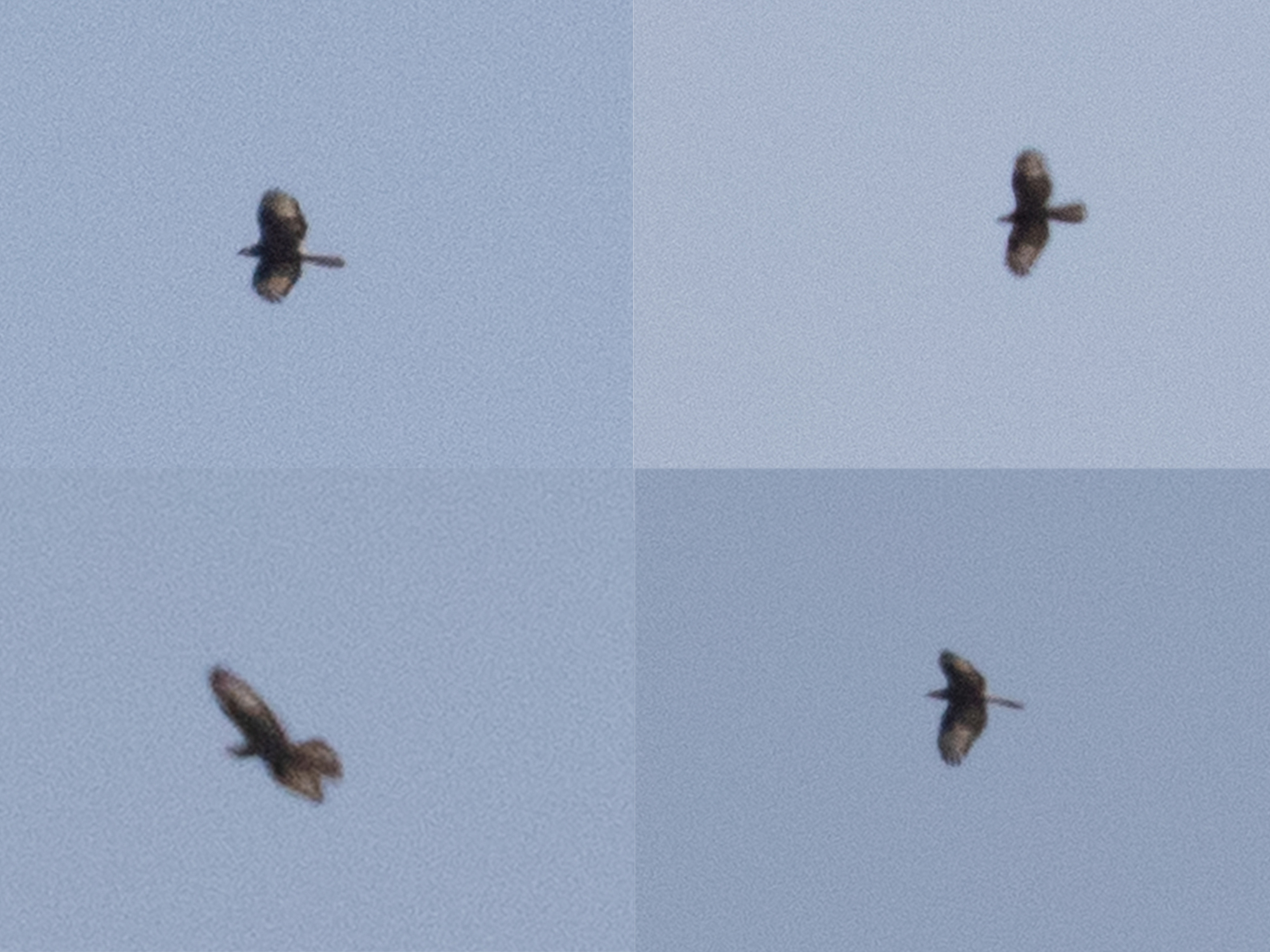
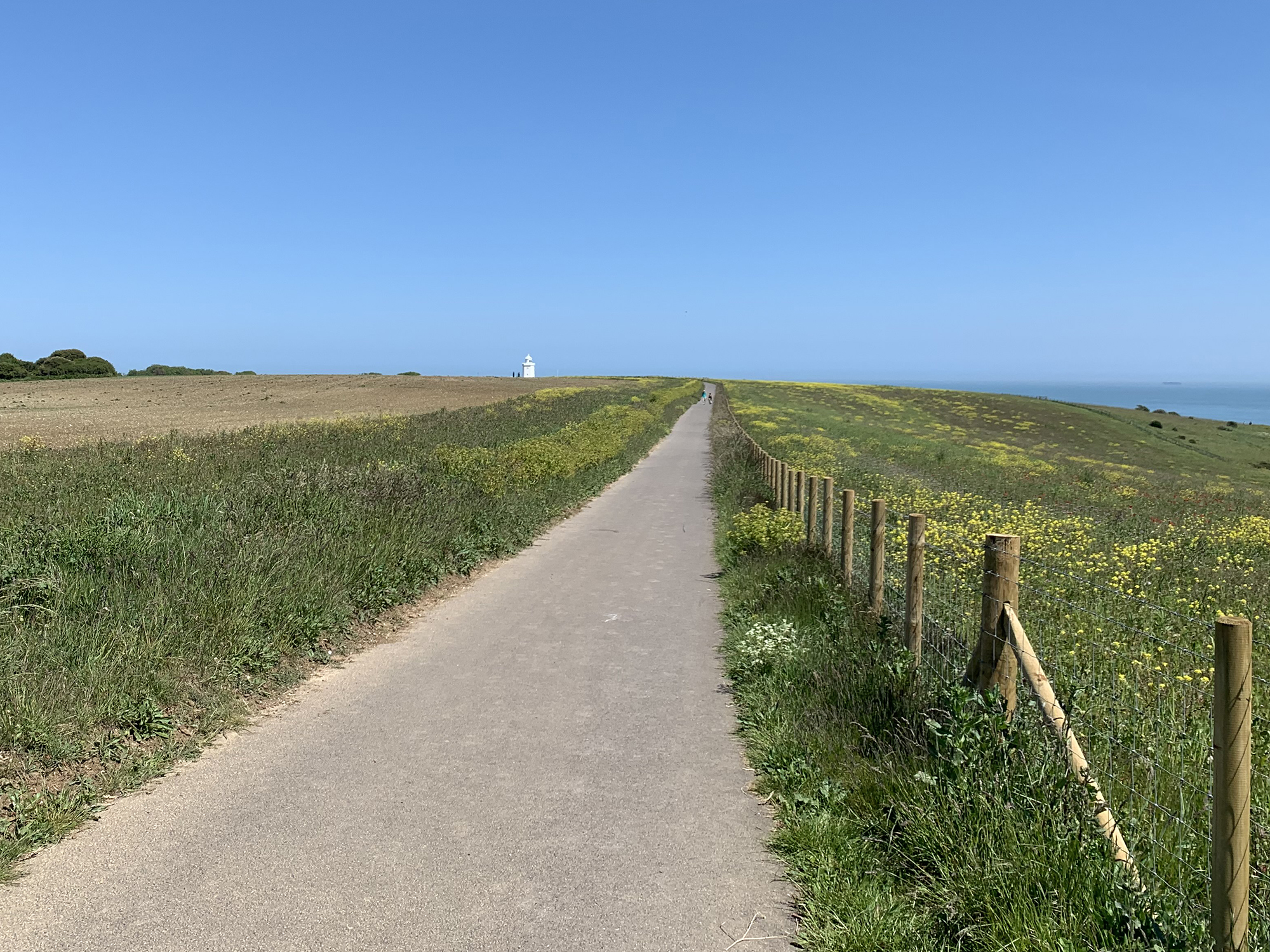
With the winds looking decent on Monday 25th, I ventured down to Langdon Hole area again. During the morning I was joined by RB and then by DS. Very light Northwesterly winds at dawn turned into a light south easterly by around 8 am. We birded at a distance and came across very little in the way of migrants at first beyond Swallows tracking east. At South foreland lighthouse RB picked up a Spotted Flycatcher and about 15 mins later a female Honey Buzzard appeared over the tree line as we looked east to st Margarets. Excuse the crap pics into heat haze. The bird flew NW.
RB had to head back for parental duties but DS and I continued our birding and whilst walking along the tarmac track above Fan bay we had a couple of swifts apparently flying in off and towards us, a moment later whislt walking we heard a familiar call. Instantly recognisable to both of us. “Prrt!”
We froze, heard it again and both exclaimed “Fucking Bee eater!, BEE EATER!” both looking up expectantly and in mild panic, I picked it up high over our heads, had a few seconds on it in the bins, WOW! it was fairly high and fast so fluffed the pics. We were able to watch it flying towards Langdon hole, a brief deviation from its westerly trajectory it turned north, a little glide and twist of the tail but soon continued west and we watched it distantly disappearing , An exciting few moments as we had just been talking about them!
I’m very pleased to have added HB and Bee eater to the run of decent birds I’ve had in Kent over the past week, with the latter something id been especially hoping for this spring. Perhaps theres more to be squeezed out of it at we advance into June.
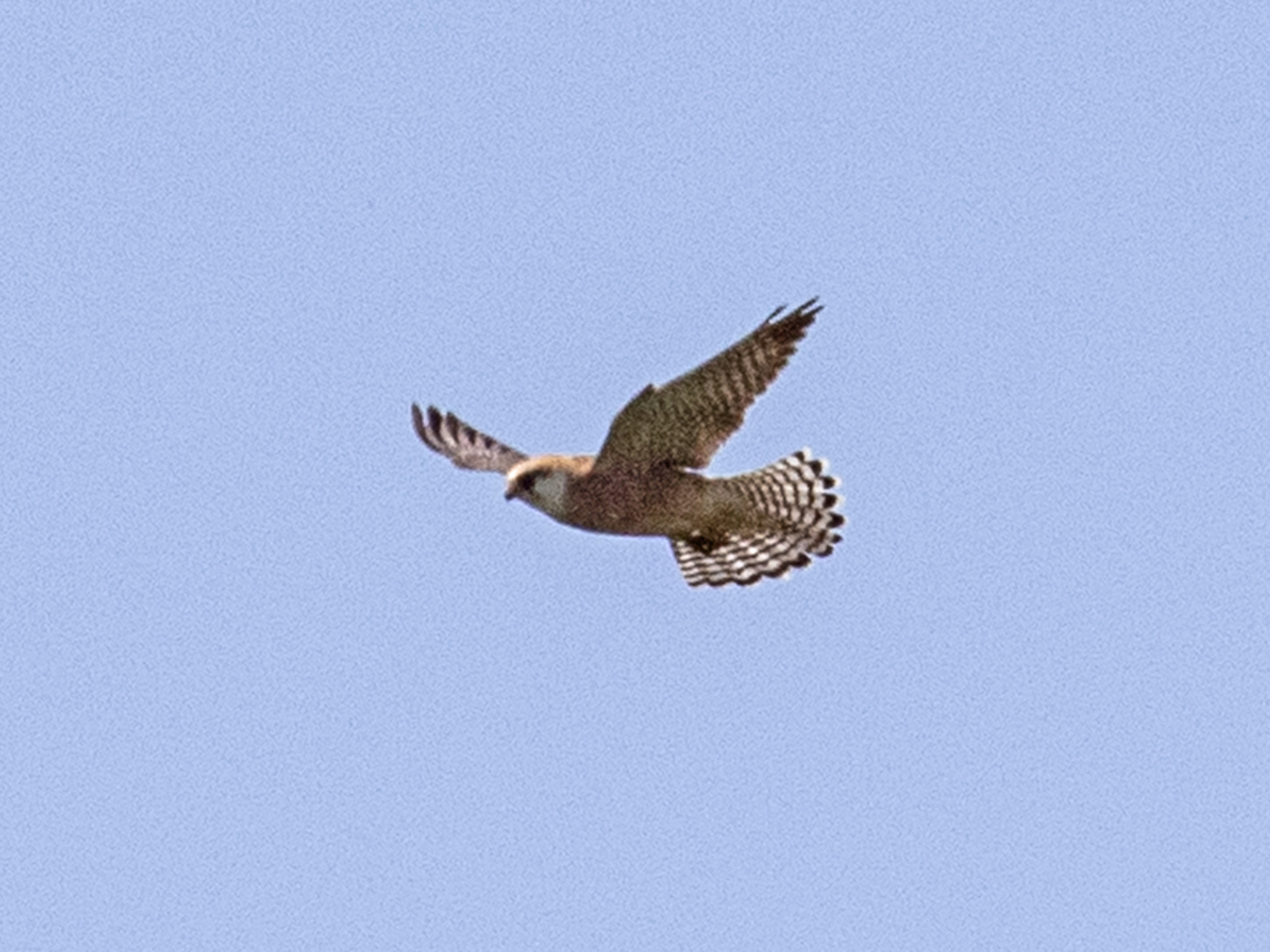
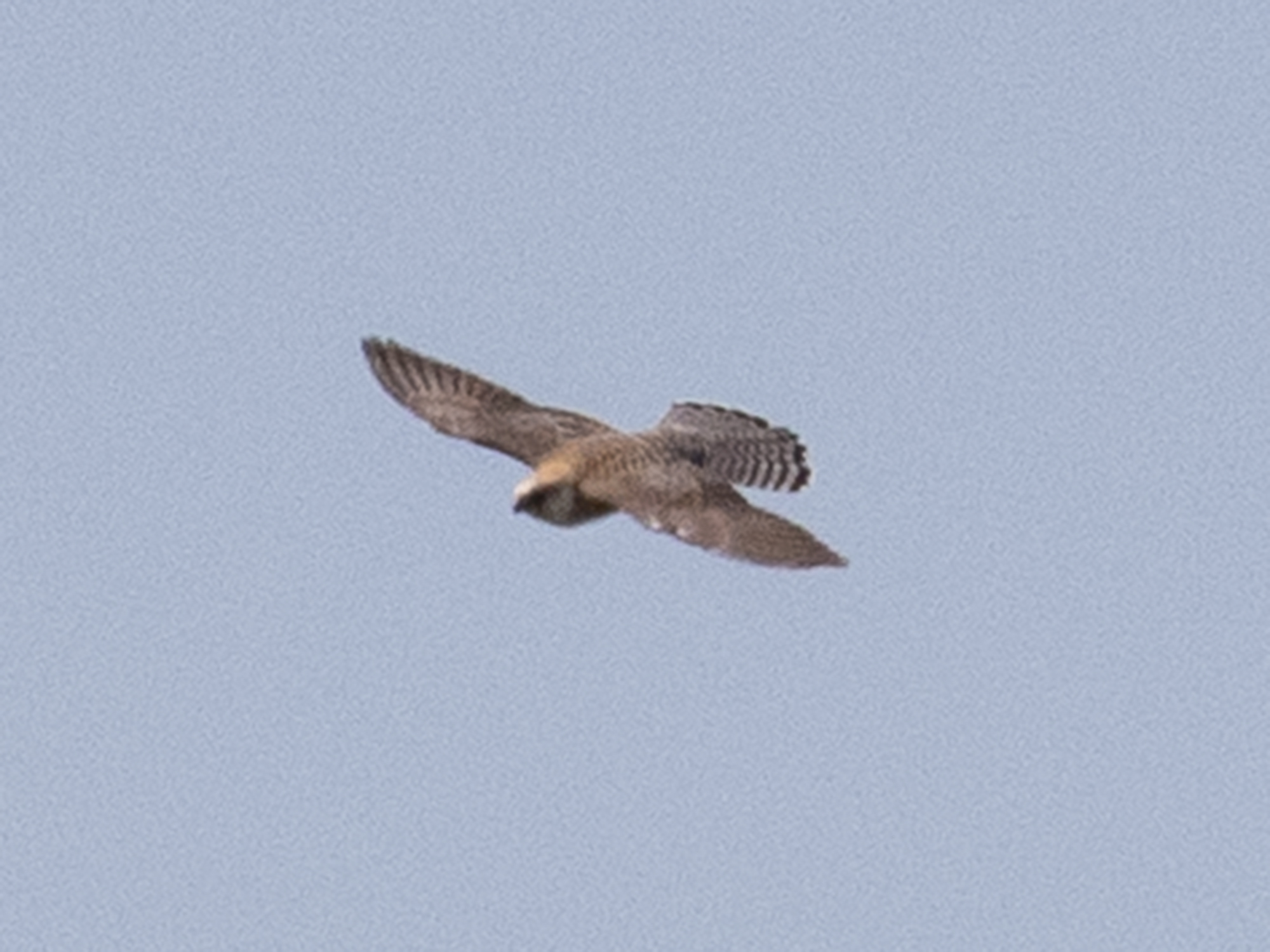
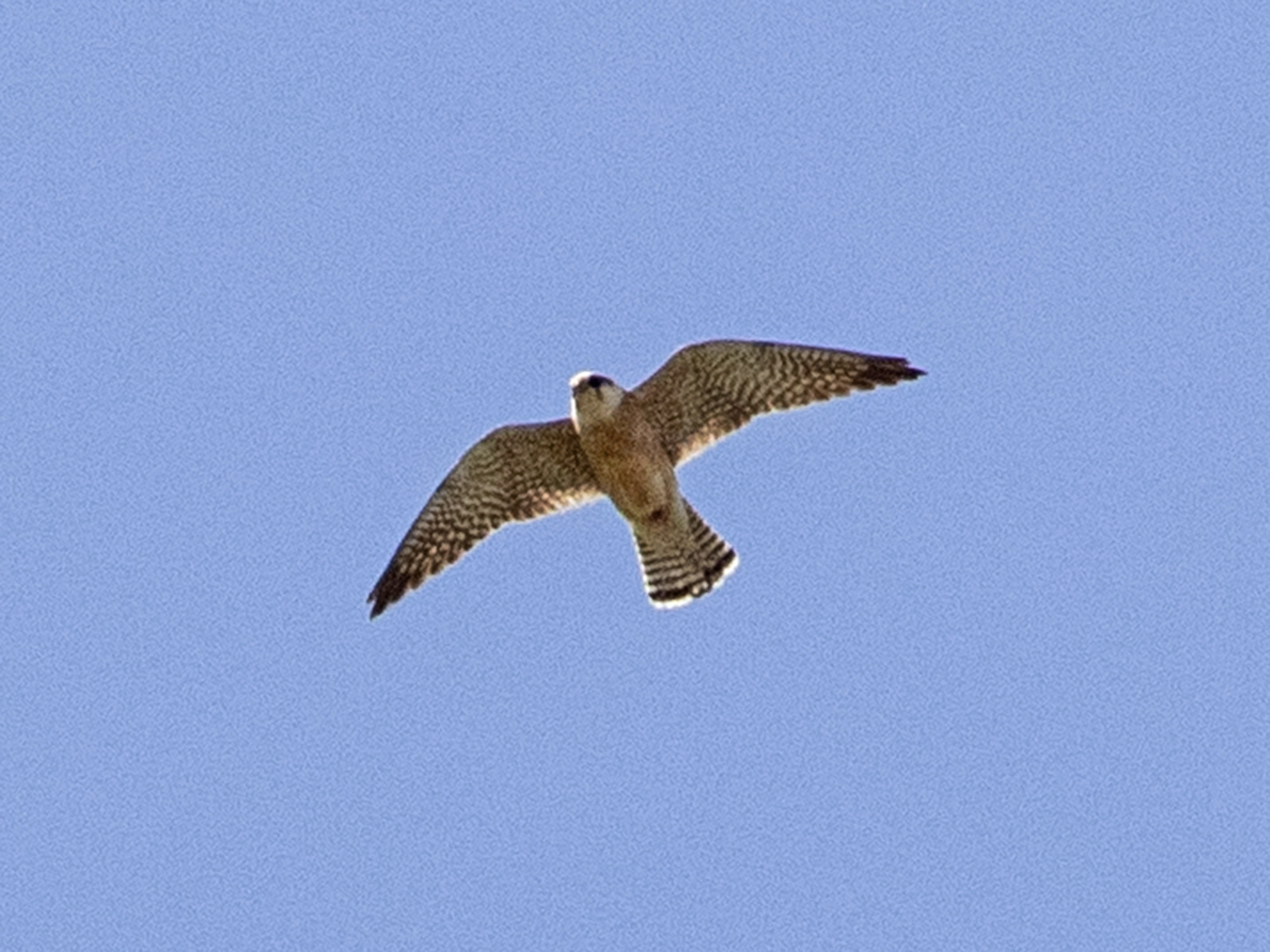
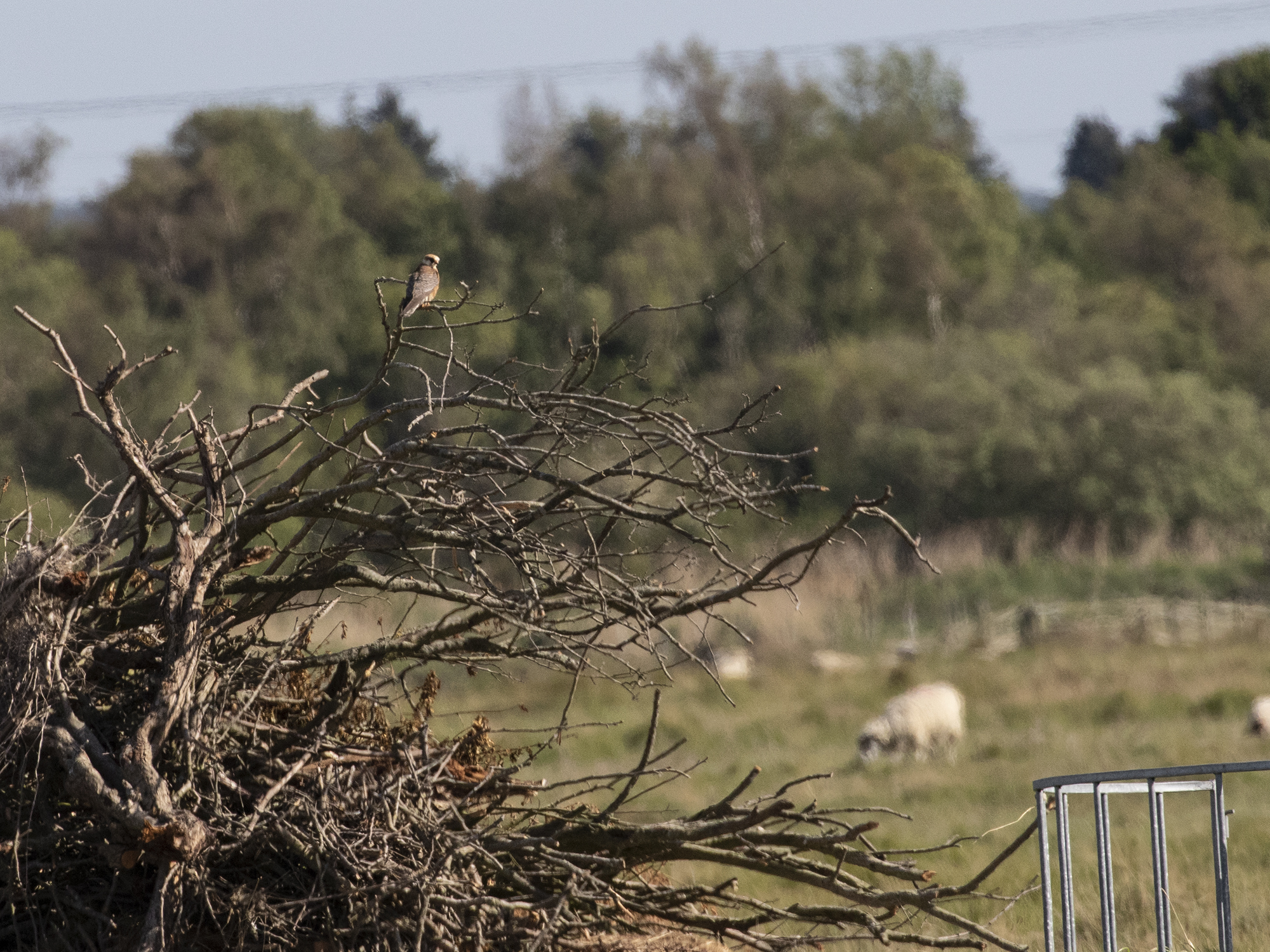
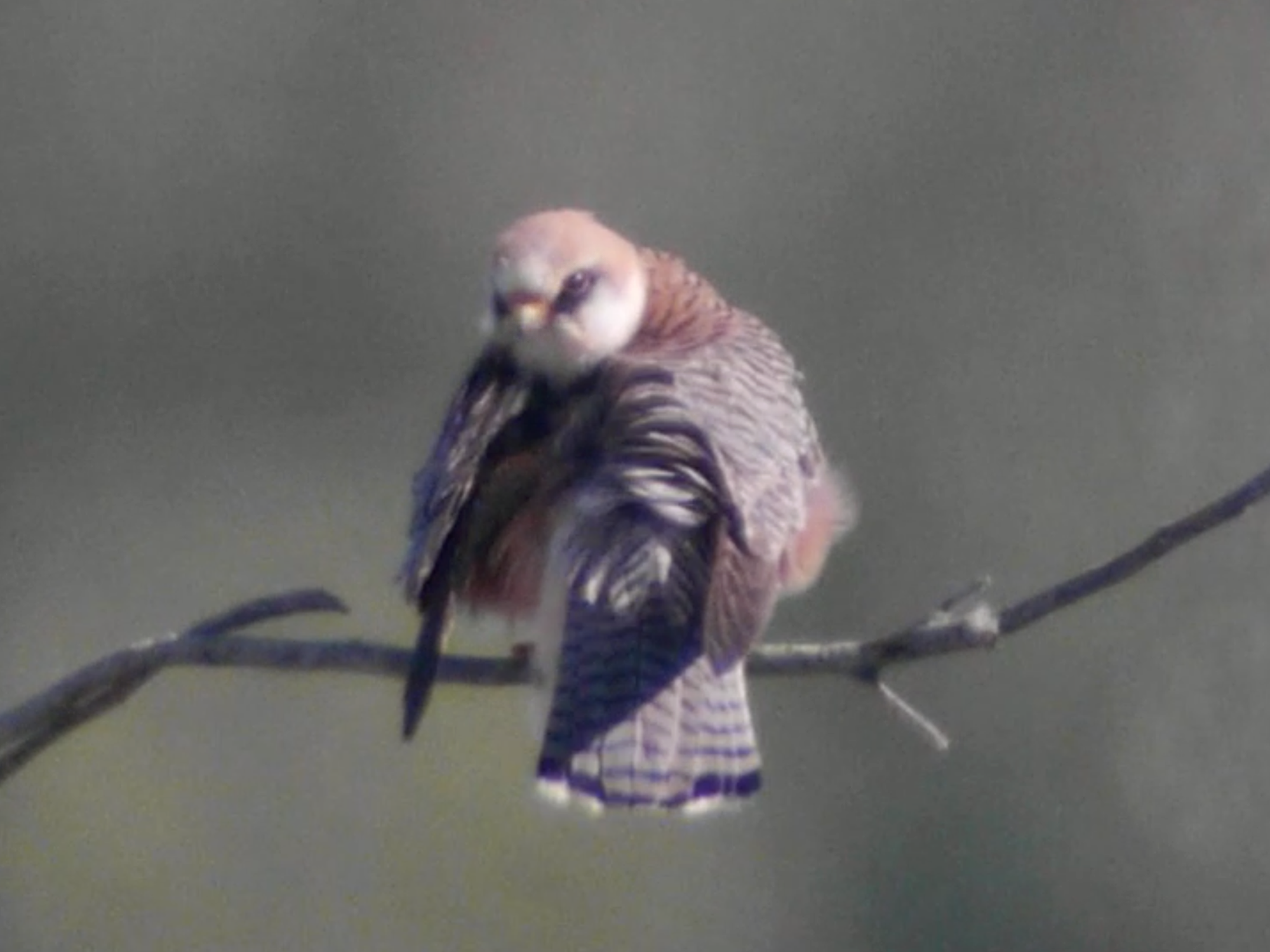
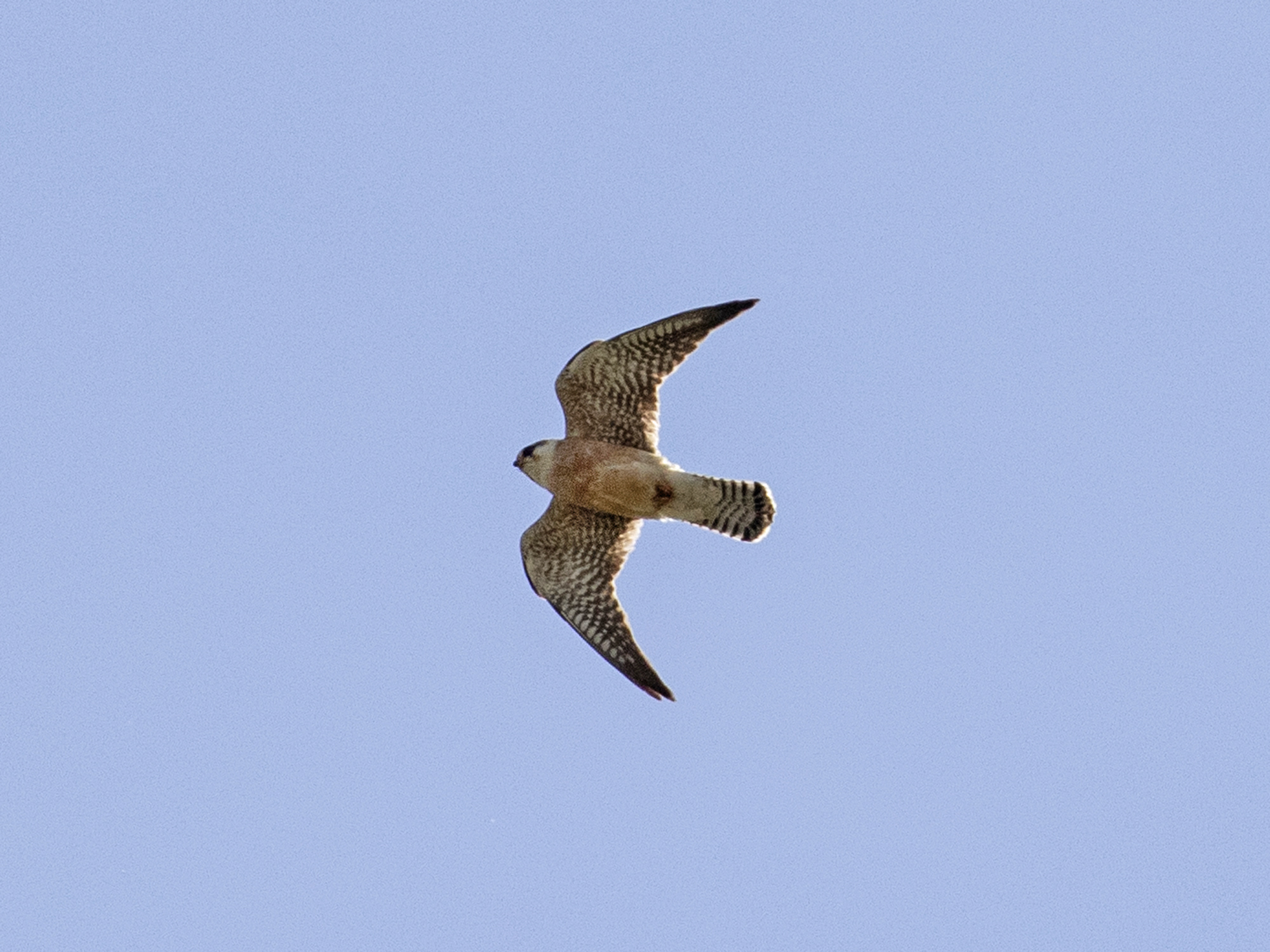
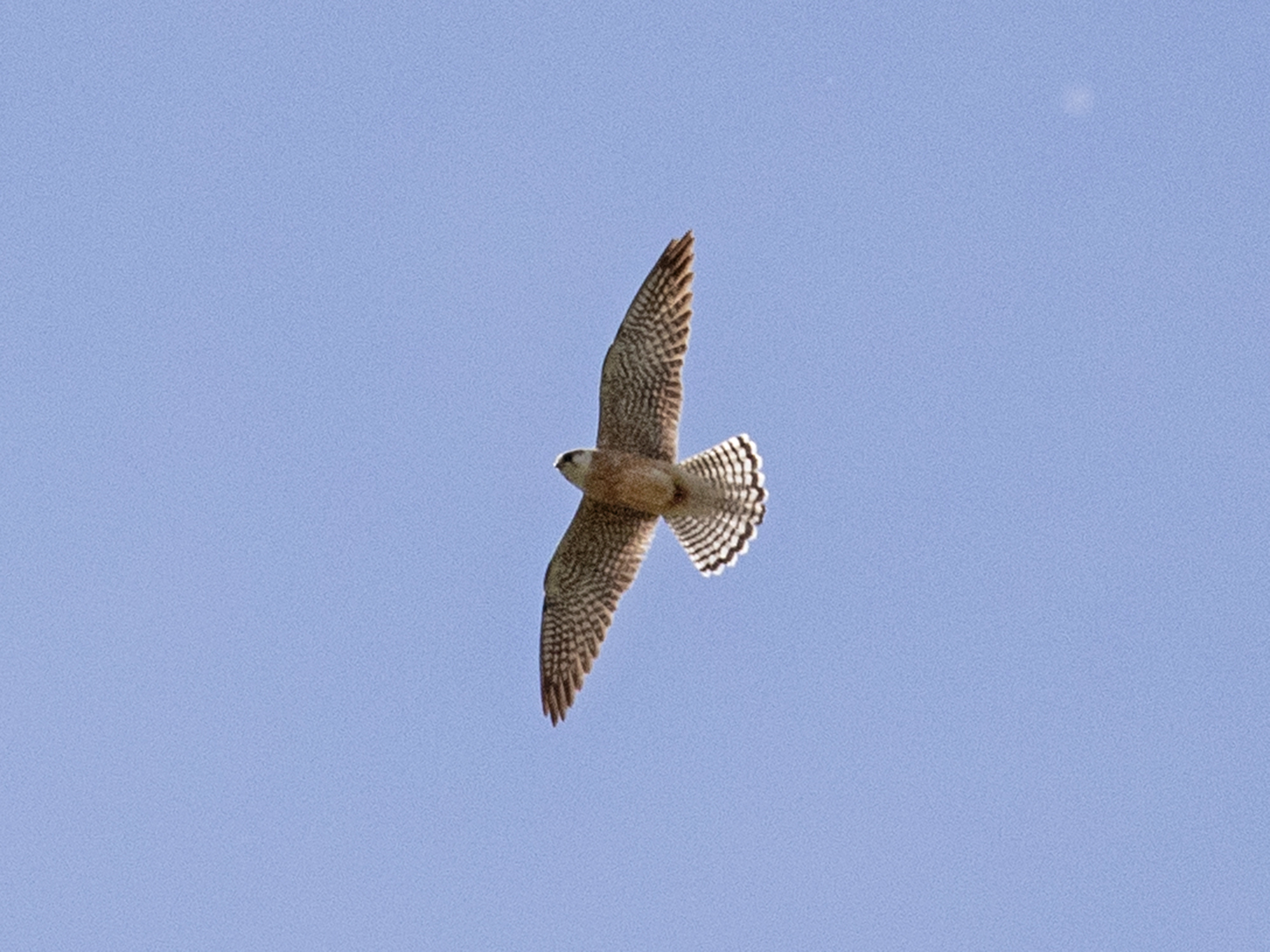
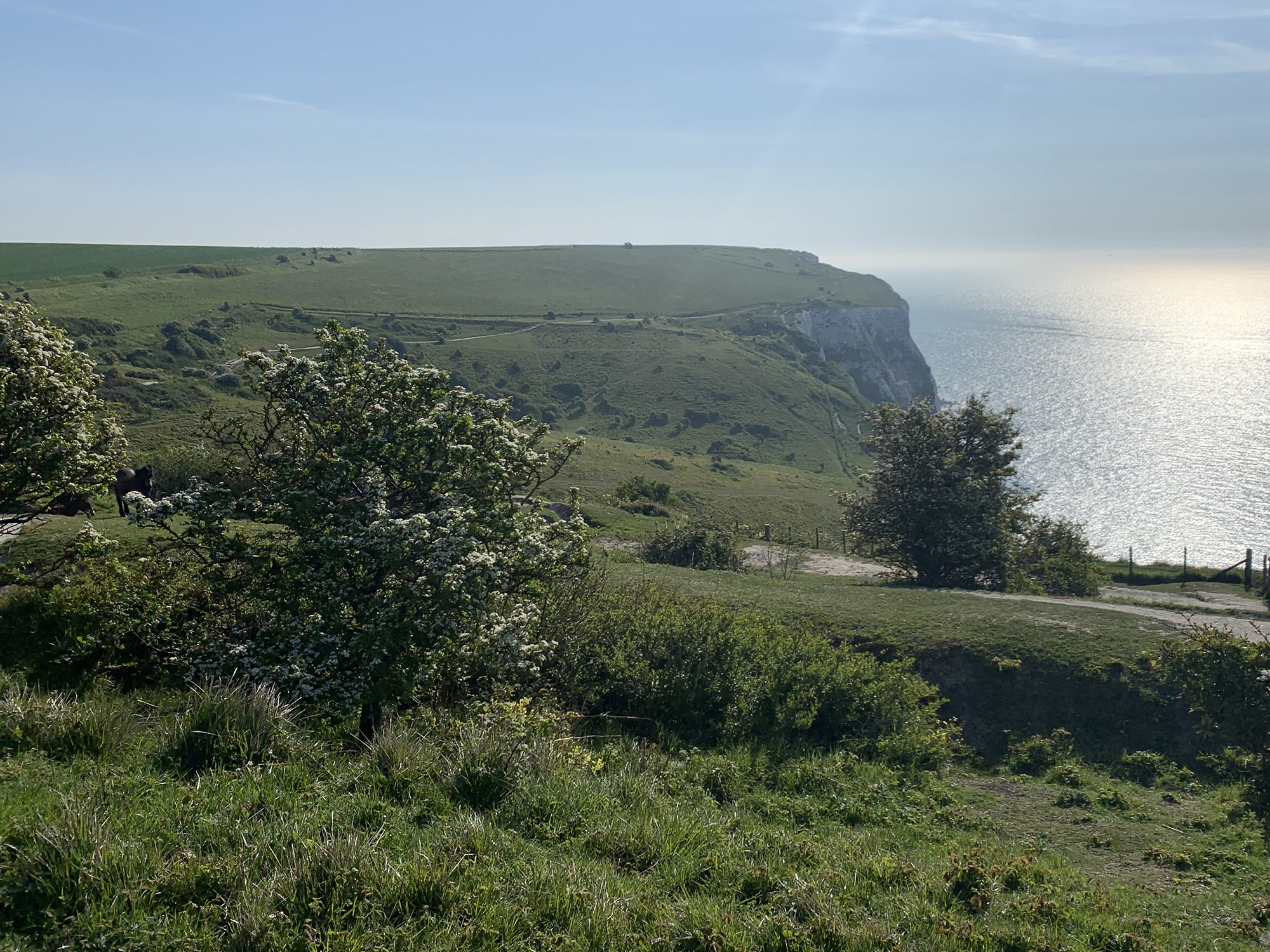
With adjusted restrictions on how many miles can be travelled in England, I took 2 days off work to give the Kent coast a blast before May disappears completely. I’ve had a few bits and pieces at Langdon Hole, but the highlight of my brief trips was finding a first summer female Red footed Falcon at Oare marshes on the 20th.
It hasn’t really happened to me before, but I was actually out there looking for a Red foot! I had even commented to LP the night before that I’d rather find a female. It’s not strictly a well known site for Red footed Falcon (compared to Stodmarsh, Grove Ferry etc) and apparently is only the second record for the site, and first for 30 years, but I picked up this bird whilst watching Hobbies hawking over the marsh almost a km to the west of the car park.
It was a silhouette only at first, but whilst watching these hobbies I noticed one of them briefly hover and got that ADRENALINE!!!! hit. It was maybe 20 seconds before I could see any colour definition on it but despite being distant it was obvious I’d just found a female Red foot.
As you can probably tell from the pics the bird stayed fairly distant and would frequently disappear high over the Swale, accompanied by 2 hobbies only to be picked up 20 mins later over head. It also alighted on the deck for 5 mins before anyone arrived.
(Below image a still from Murray W footage)
I put the news out and stayed for a few hours. Meanwhile a small crowd of socially distanced Kent birders had assembled and the bird showed beautifully. The following footage is from Murray W, filmed through his scope. Its so nice to have some footage – I’d recommend it for a bird you’re invested in and want to relive! I’ve not stopped watching it since.
My other Kent trips were only slightly less exciting, with the thrill of getting ‘up and out early’ I felt very optimistic and couldn’t stop grinning.
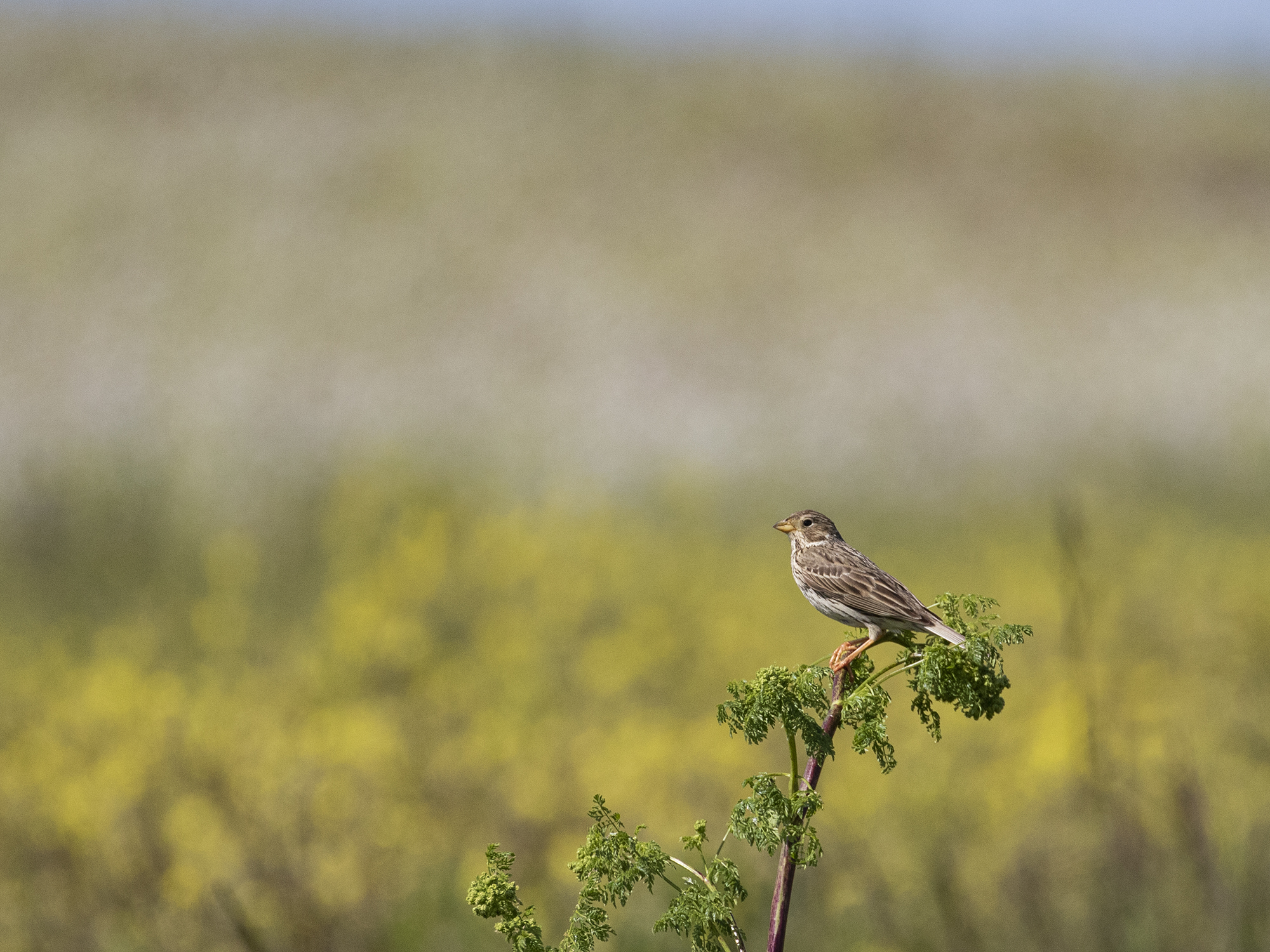
Many Skylarks, Corn buntings and yellow Hammers were in song in the (National Trust, very well managed) fields above Langdon Hole. A couple of yellow wagtails west and a late (or early) siskin flew over with a trickle of swallows in off and moving along the coast.
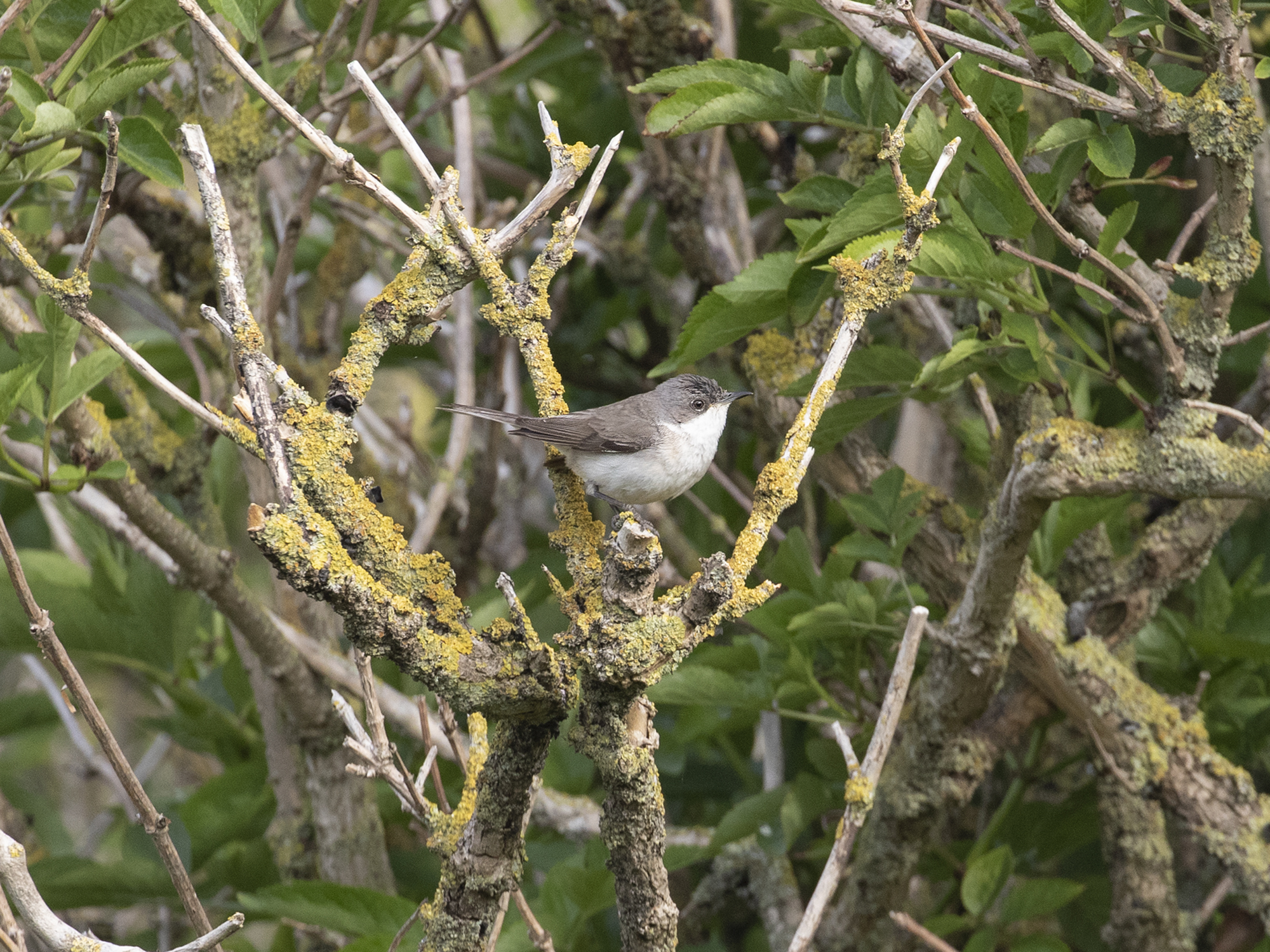
Many lesser whitethroats were also in song at every other hawthorn.
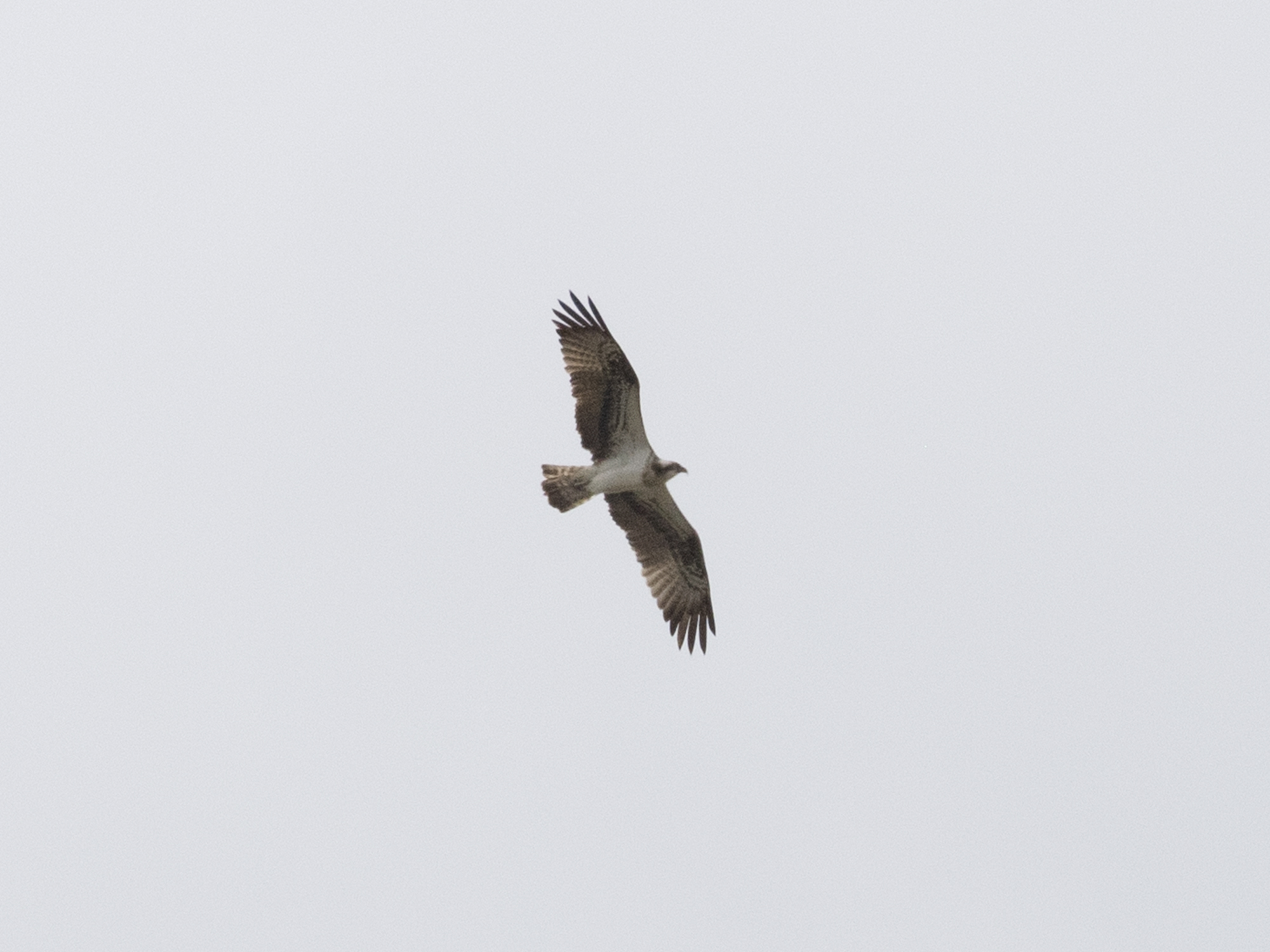
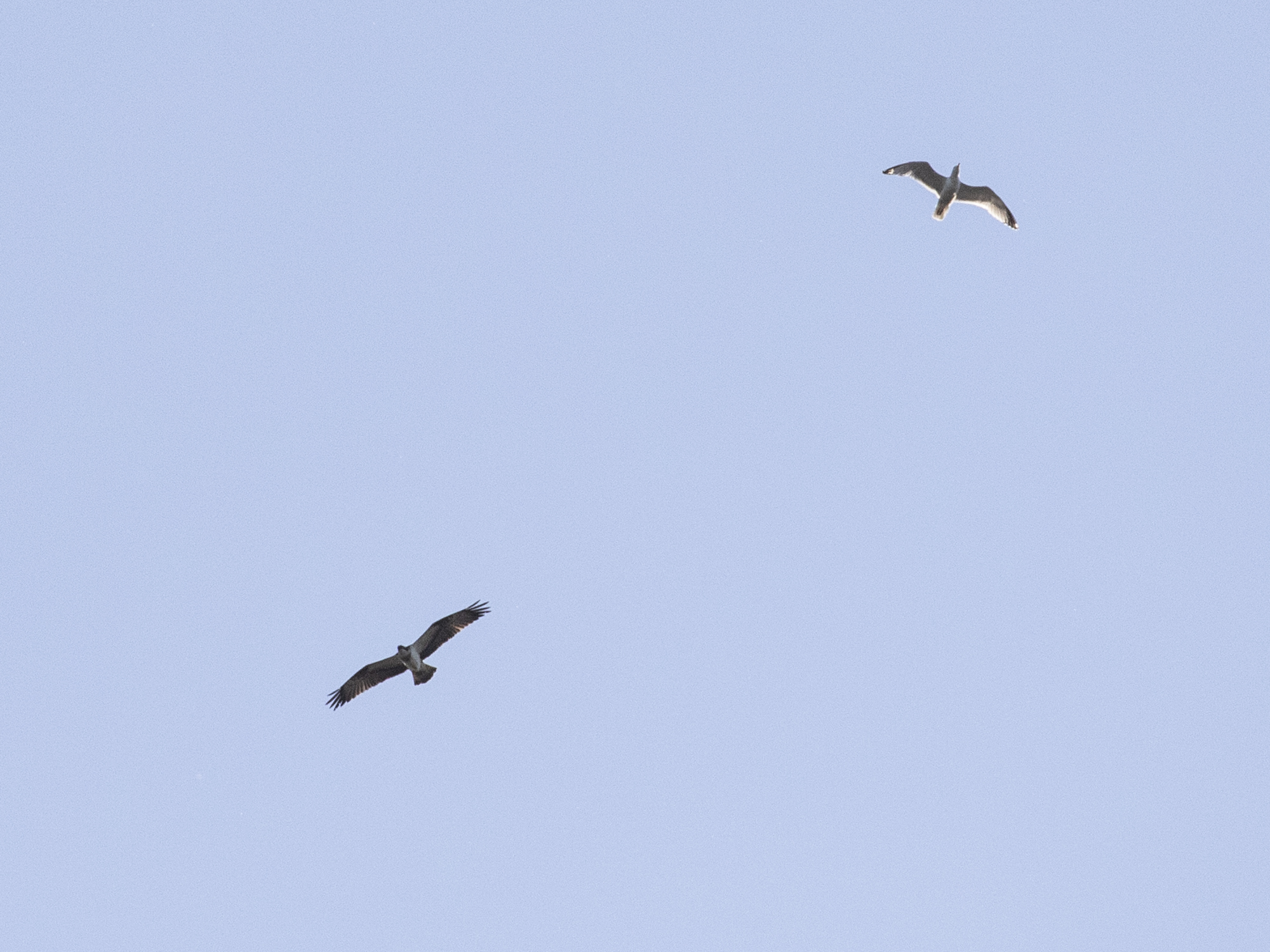
Apparently NW winds are quite good in the area and along with 2 Red kites, that tracked east along the headland, I picked up this Osprey that came in off and headed north, a site tick for me!
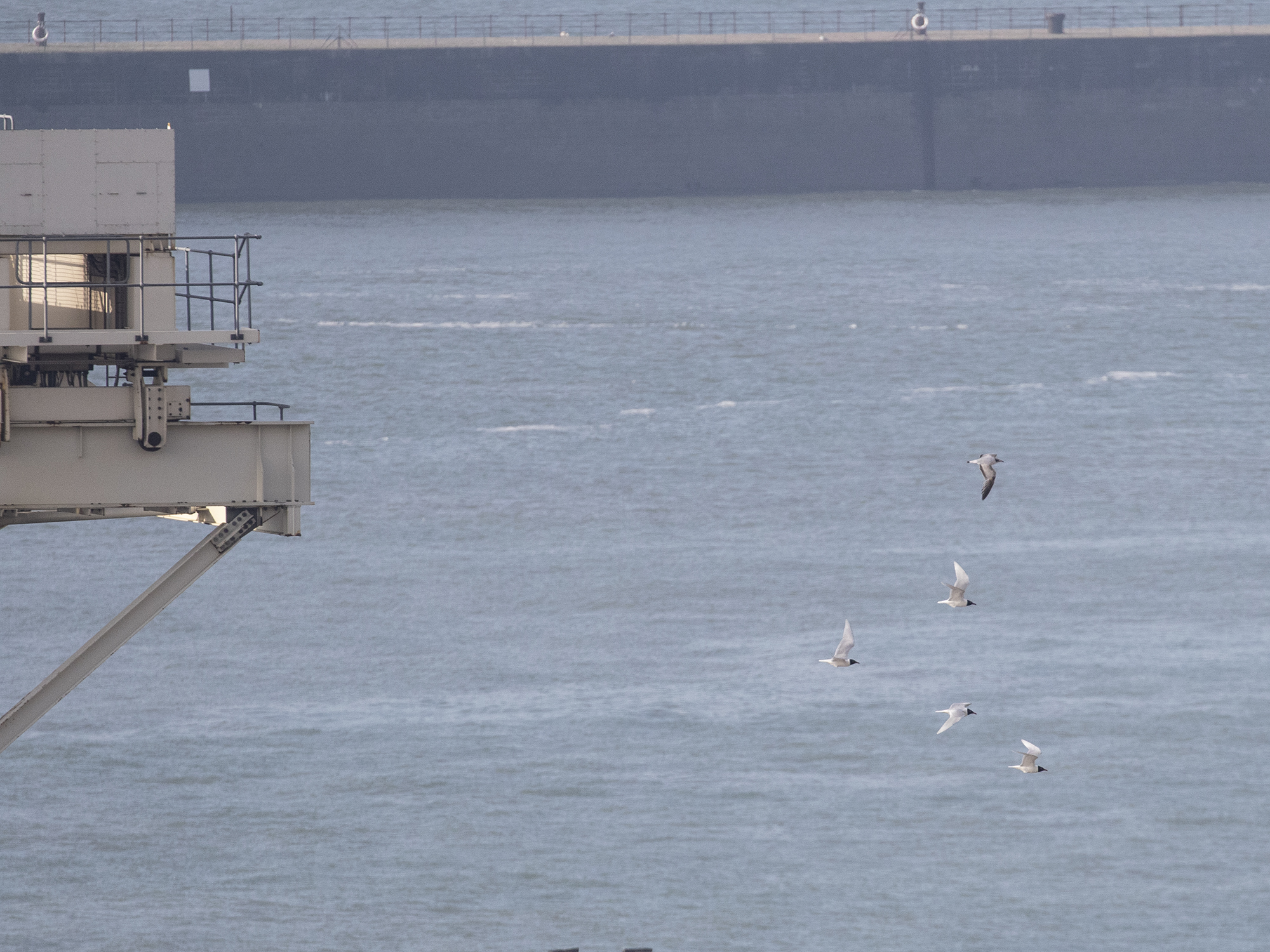
Another over due site tick, though less surprising, were these vocal Med gulls that flew west over the port of Dover.
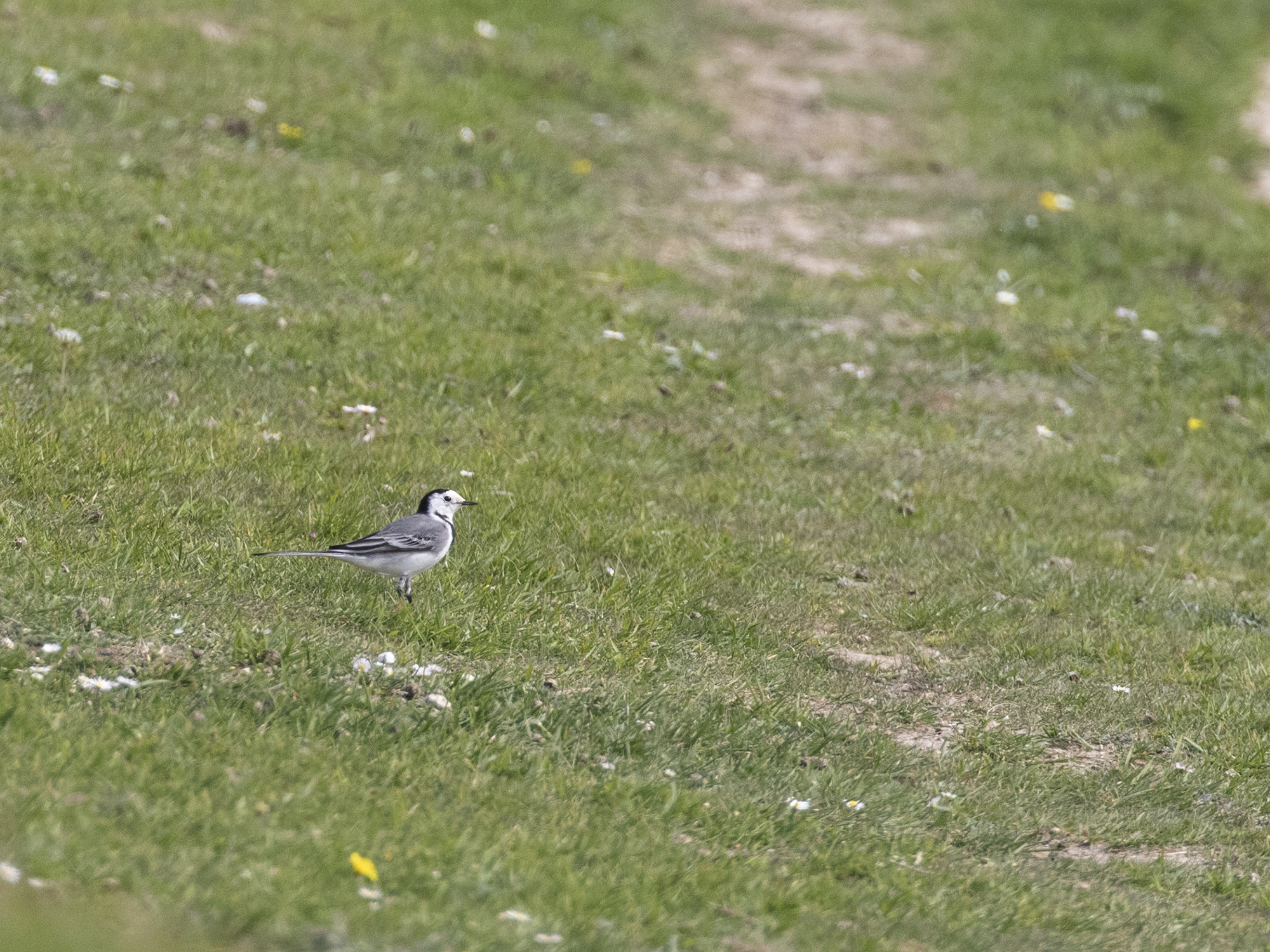
This late migrant White wagtail stopped off briefly to feed among the ponies; striking head pattern with reduced black about the face and white throat, reminiscent of some eastern Albas, but could well be aberrancy. Interesting date for a white wag on the South coast though.
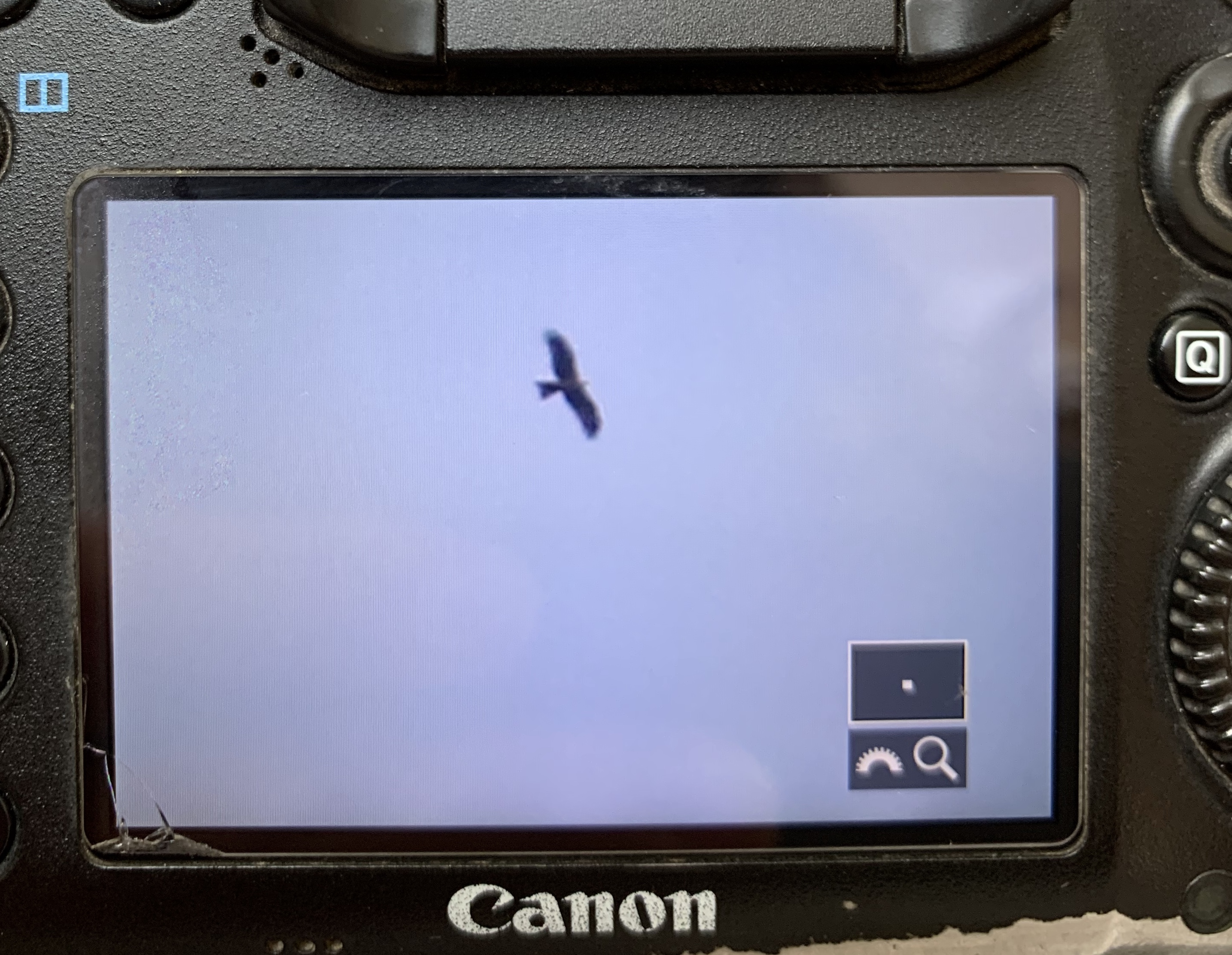
The ‘secondary highlight’ was picking up this Black Kite over Oare marshes on the 17th en route back to London after the Hole. Apparently one had been seen the day before so likely the same, but was still great to watch it through the scope across the entire horizon and disappear to the NW. Excuse the BOC photo, looks better than a handful of pixels in an edited image.
I almost forgot, I also had an Osprey fly over me up the road from home at Ponder’s End on the 14th – 2 in less than a week! An exciting few days at a bizarre time.
The Second half of April has been an improvement on what was a slow and fairly quiet first half , Im still walking over the marsh every morning and have put in some hours at the reservoirs on weekends.
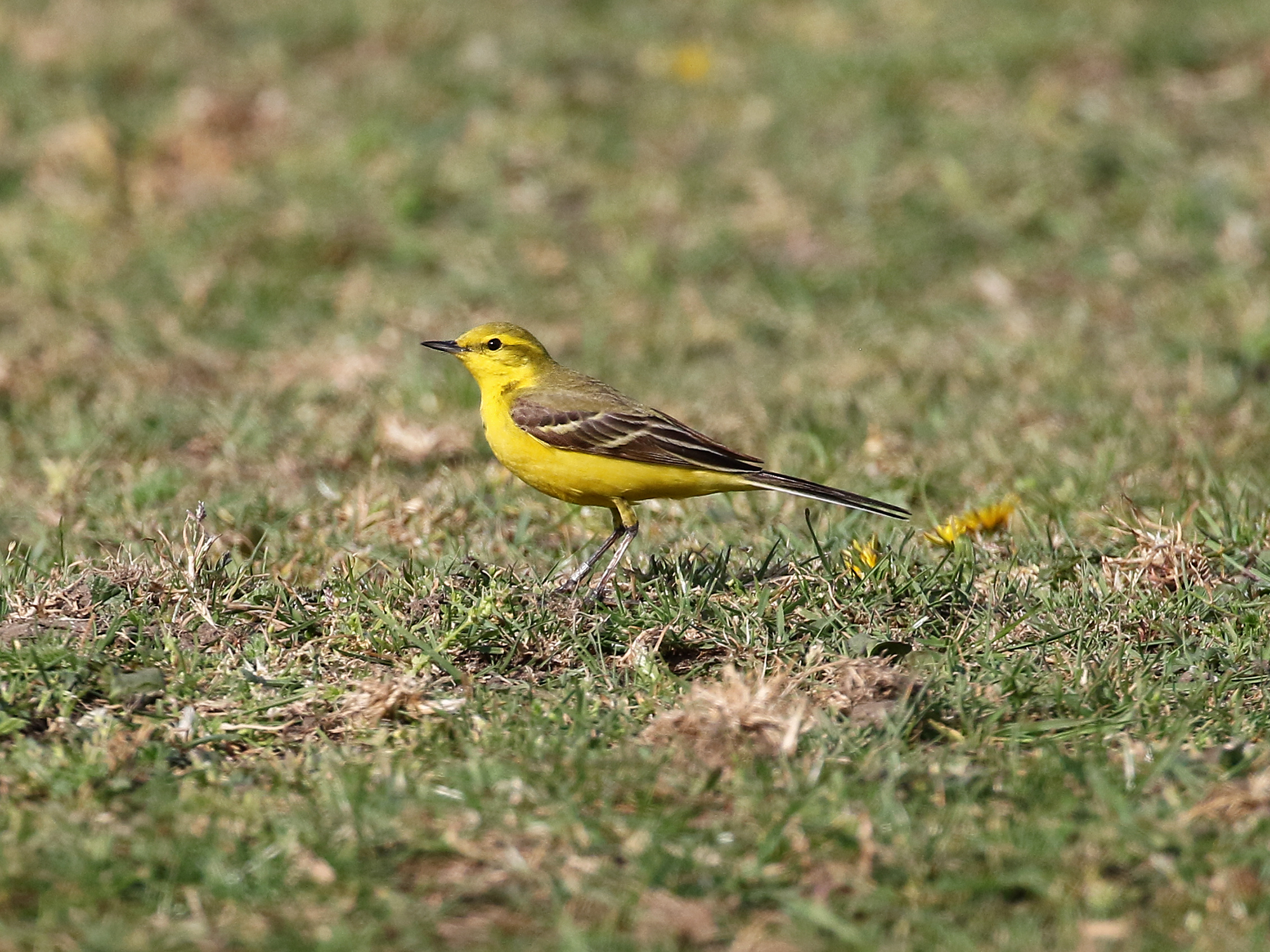
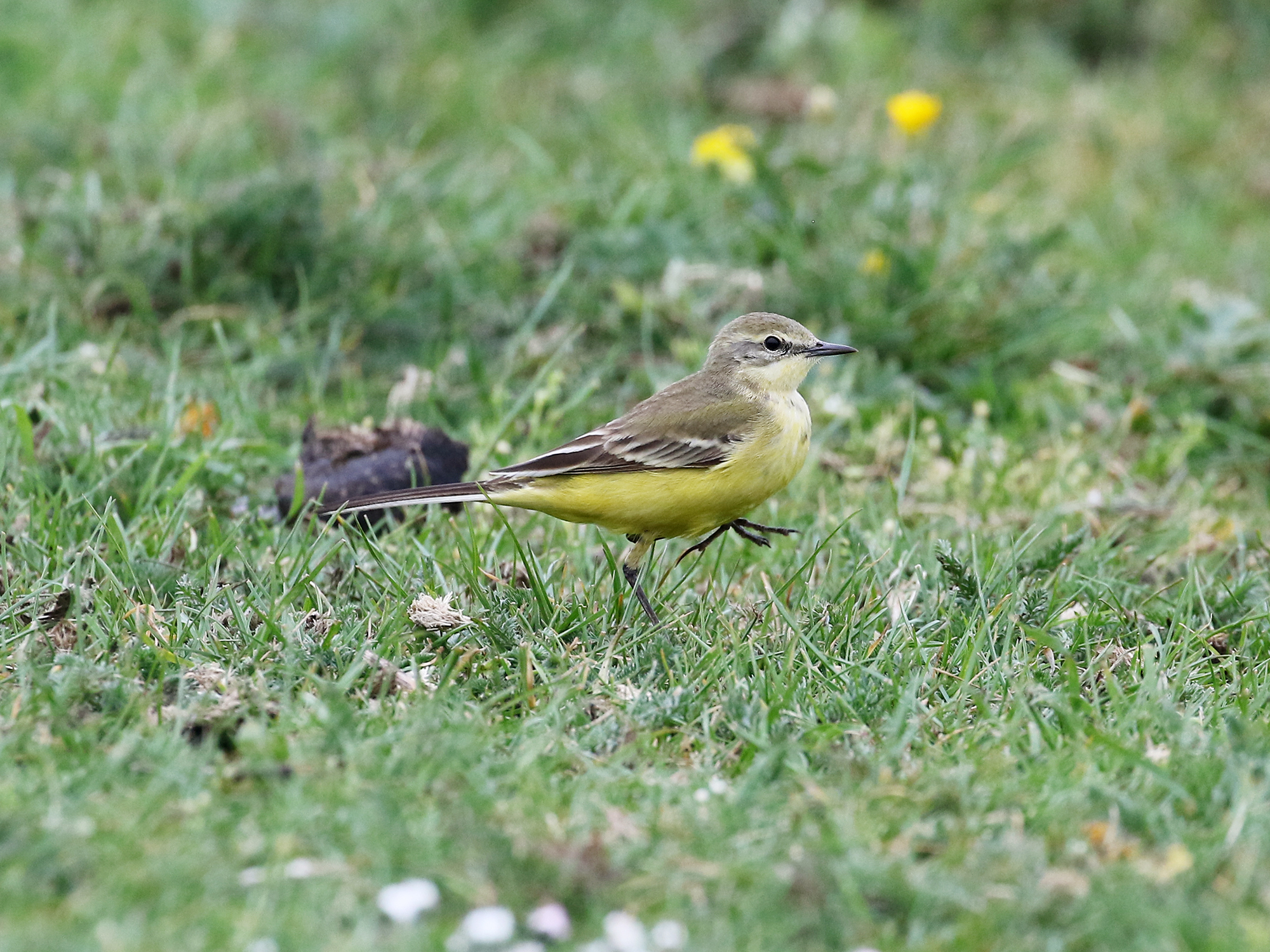
Yellow Wagtails were consistent throughout the first half of April and that carried on up until now with birds seen on almost every day and a modest count of 30 individuals over the month which is a high count for me, this bright male and the below (slightly greyish headed) female were especially showy.
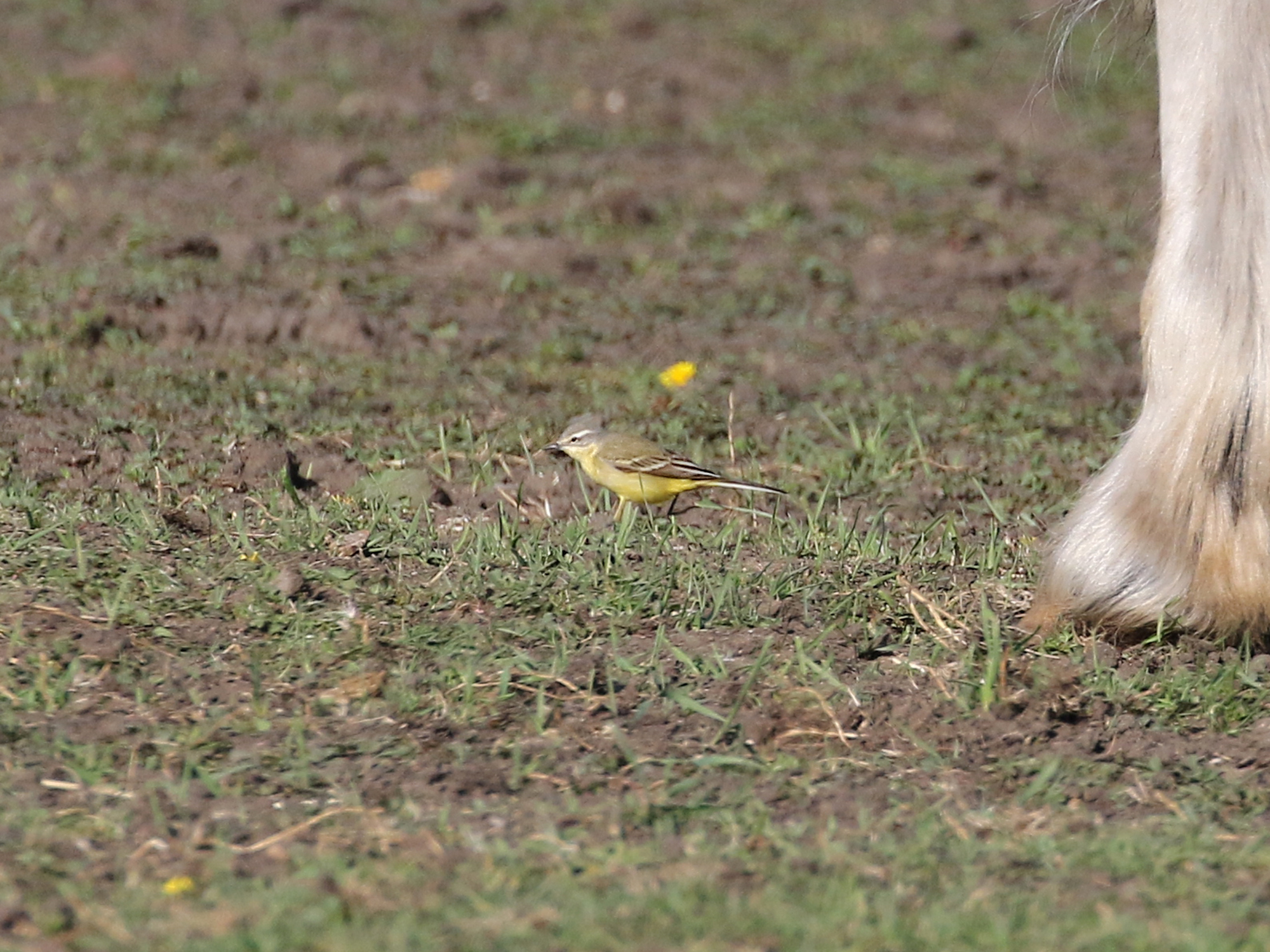
I had the below bird on the 23rd, I think female Blue-headed Wagtail is probably the best fit but I’m in the camp of only being sure if the birds a spring male or classic representation of a known form, so id go with ‘probable’. A 2cy ‘Channel type ‘ was also mooted. Nice bird though and cool to think some non Flavissima birds are coming through.
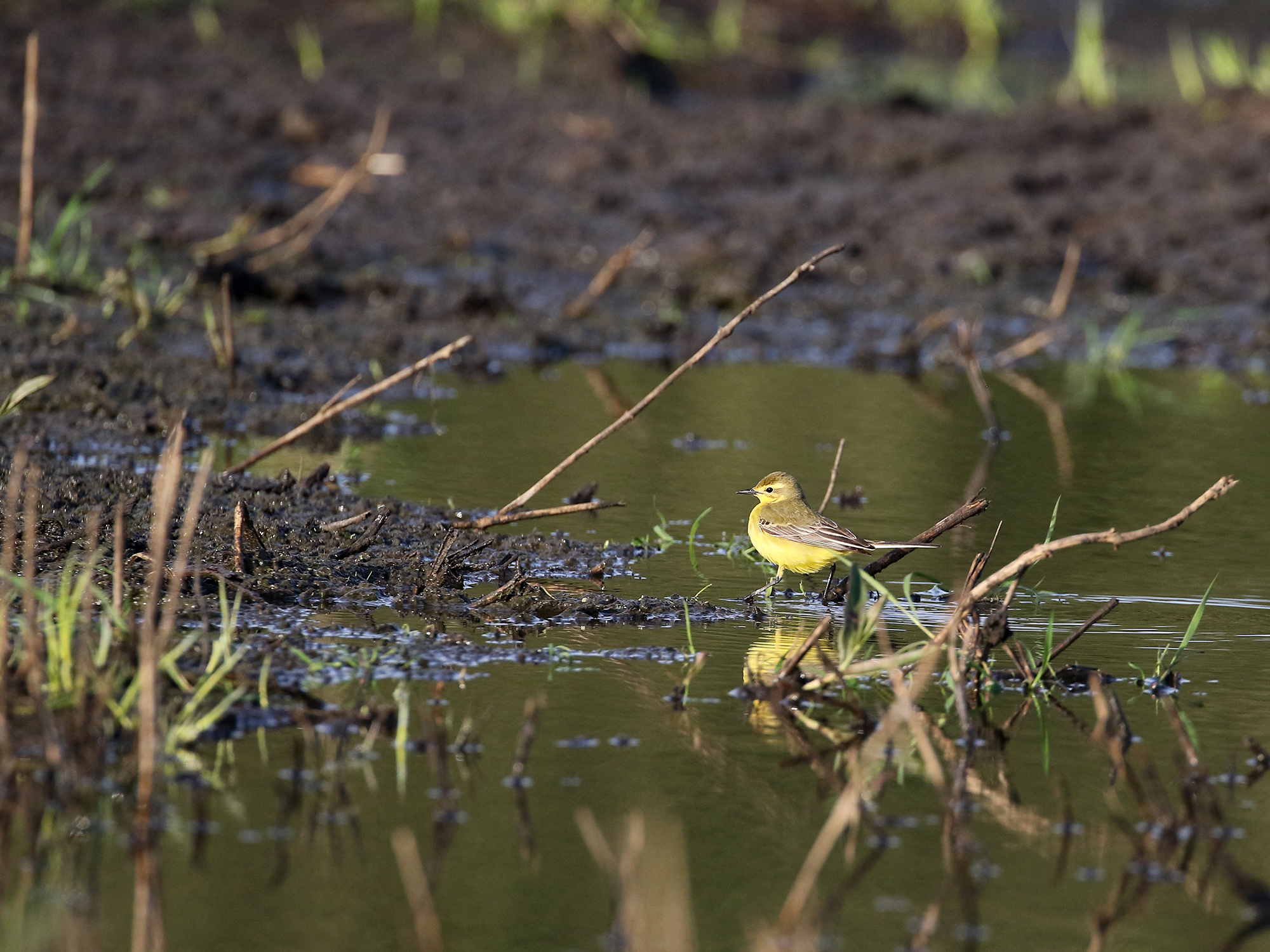
Ive included the below photo as it makes humble old Walthamstow marsh look like a proper reserve with real habitat! Truth is Ive been eyeing this puddle up for a Citrine wag the past couple of weeks but was reasonably glad to watch this male Yellow wagtail feeding in it briefly before it was flushed by the crows.
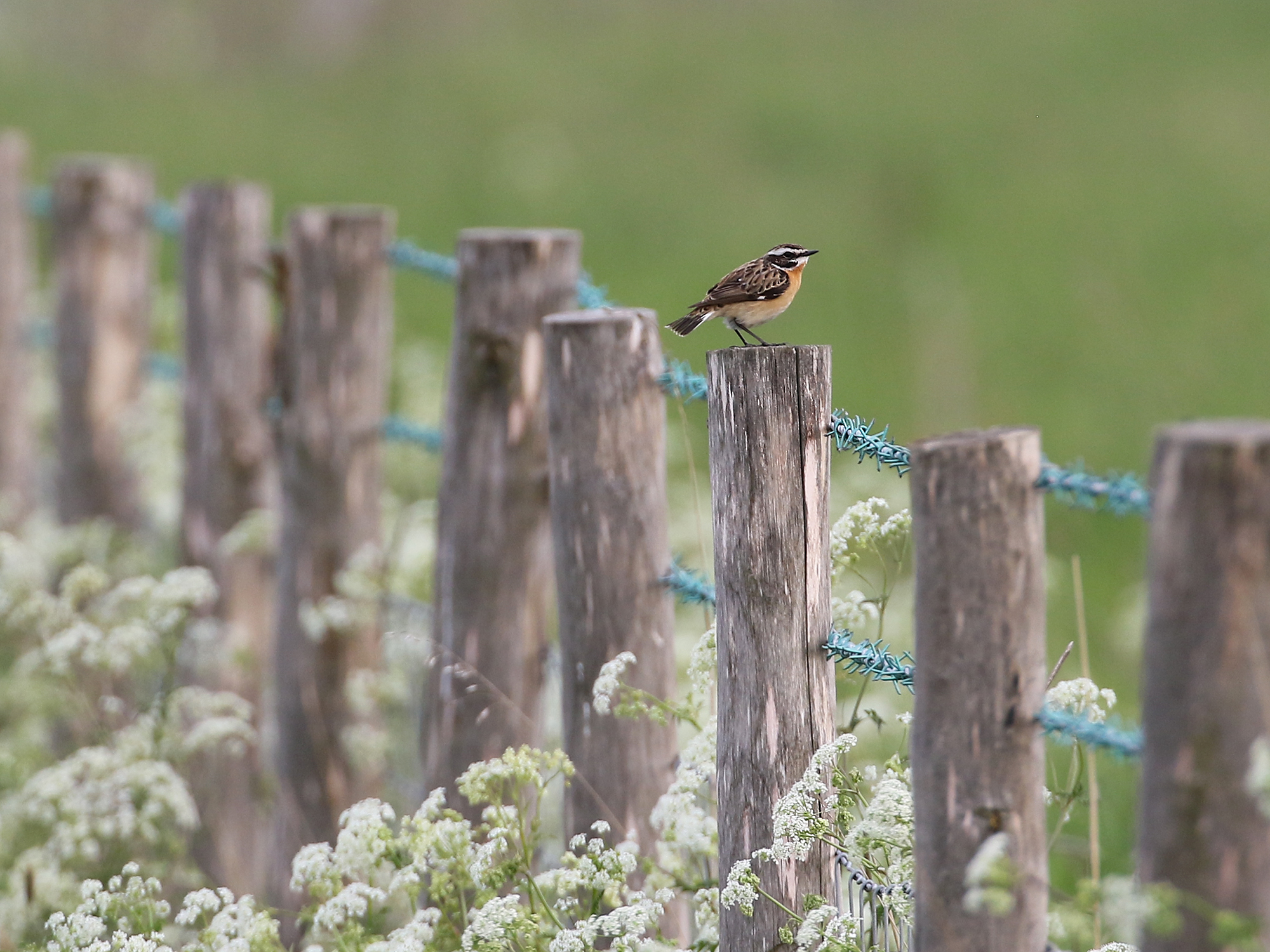
Another well represented migrant recently have been Whinchats; David C and I had a first summer male on the 22nd in the bomb crater field, which was apparently joined by another that evening.
Fast forward 5 days and some unsettled weather both during the day and over night led to at least 2 males and a female present over the 29th/30th including the below male singing(!) the evening after Niall Keogh (Irish sea watcher stranded in London) picked another male up earlier in the day (He also had a cuckoo on the 19th.)
The lush meadow that is the bomb crater field and its fenced lined edge is especially good for these birds on passage. Other birds recently have been a skylark briefly in song flight and then west, A male Wheatear for an afternoon and the odd Meadow pipit is using it as a staging post plus a snipe flushed earlier in the month.
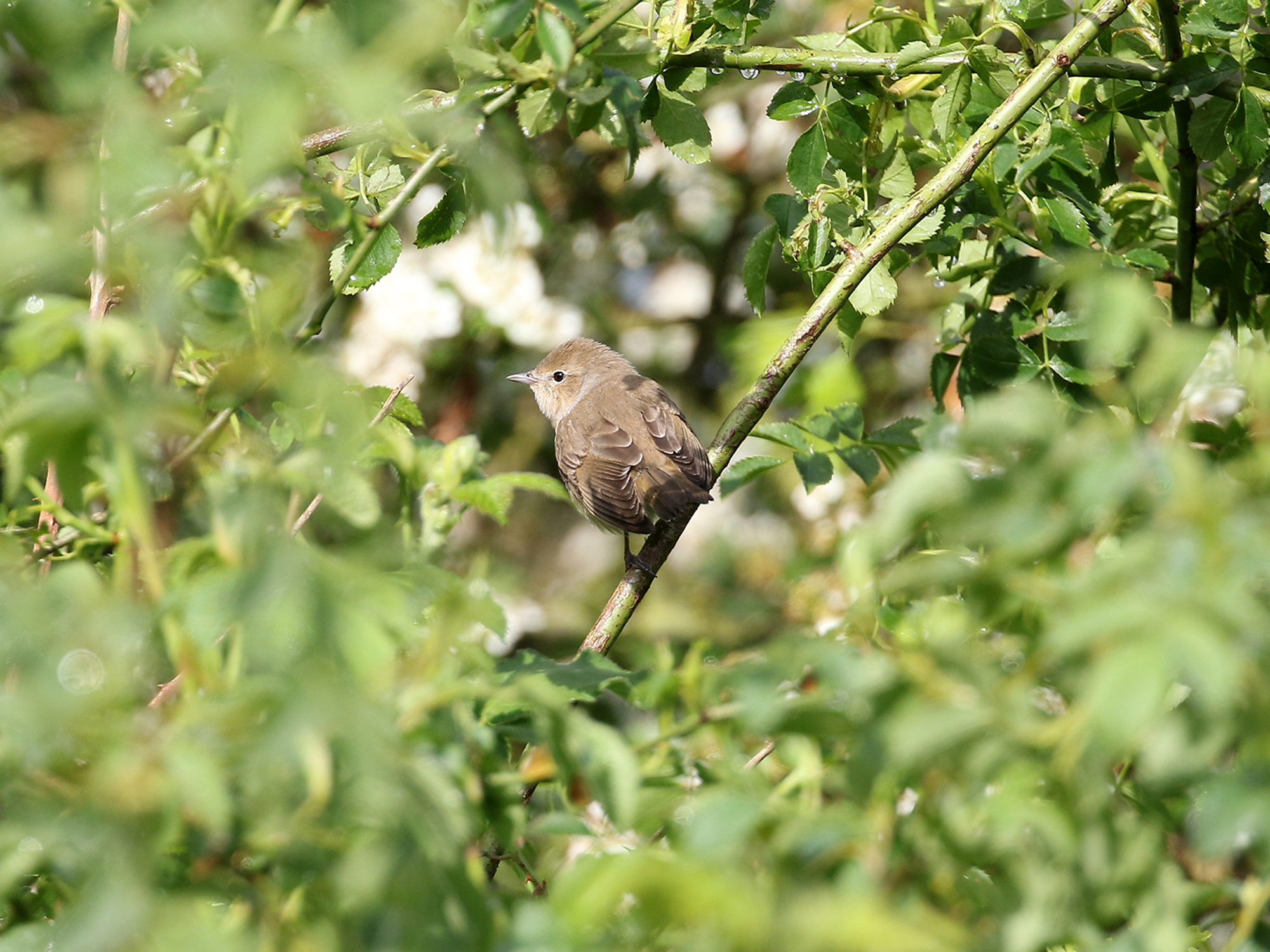
Garden warblers have been fairly entertaining with 2 birds back on territory in the Waterworks and a singing bird on the north marsh the past 2 days.
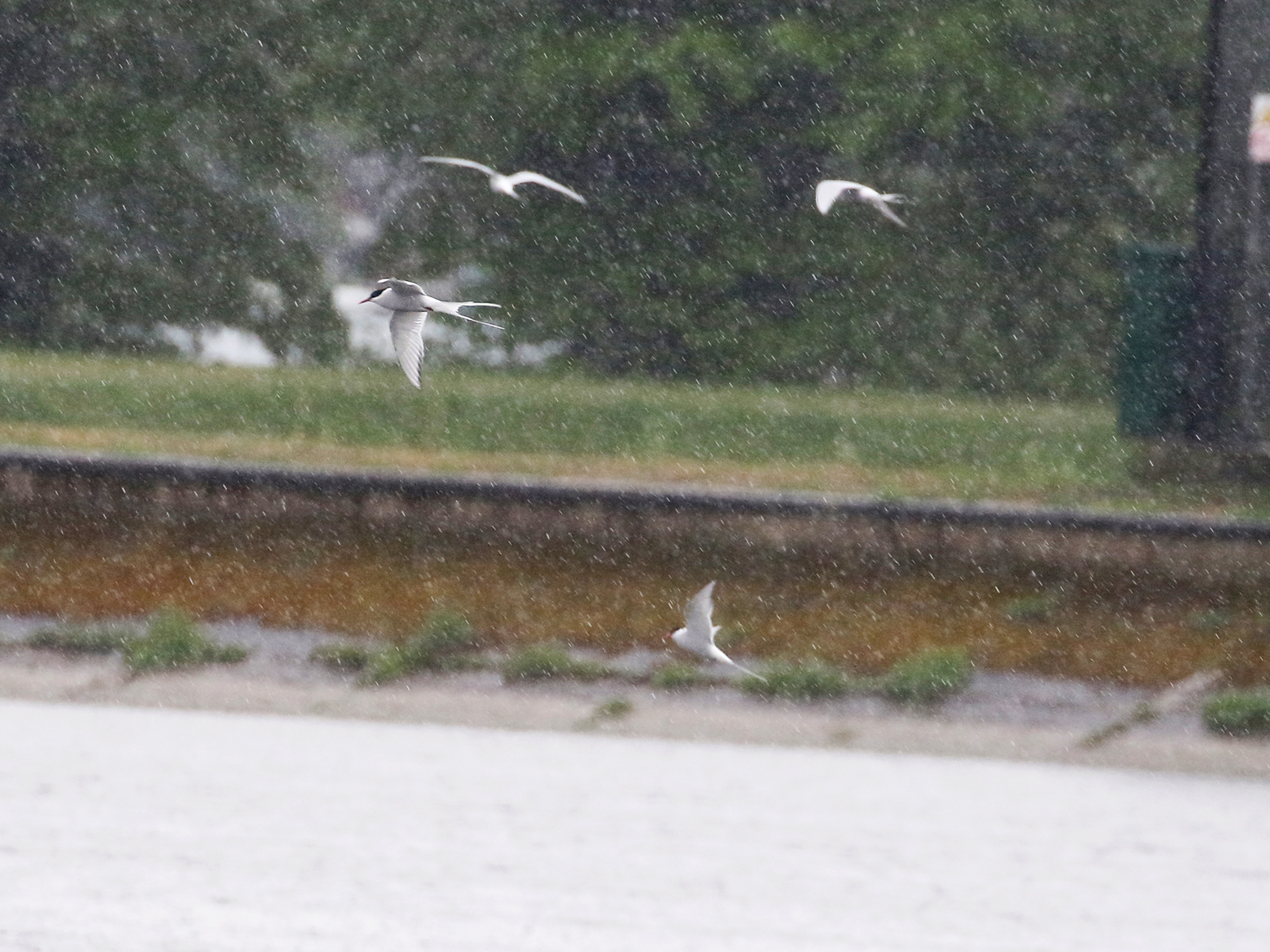
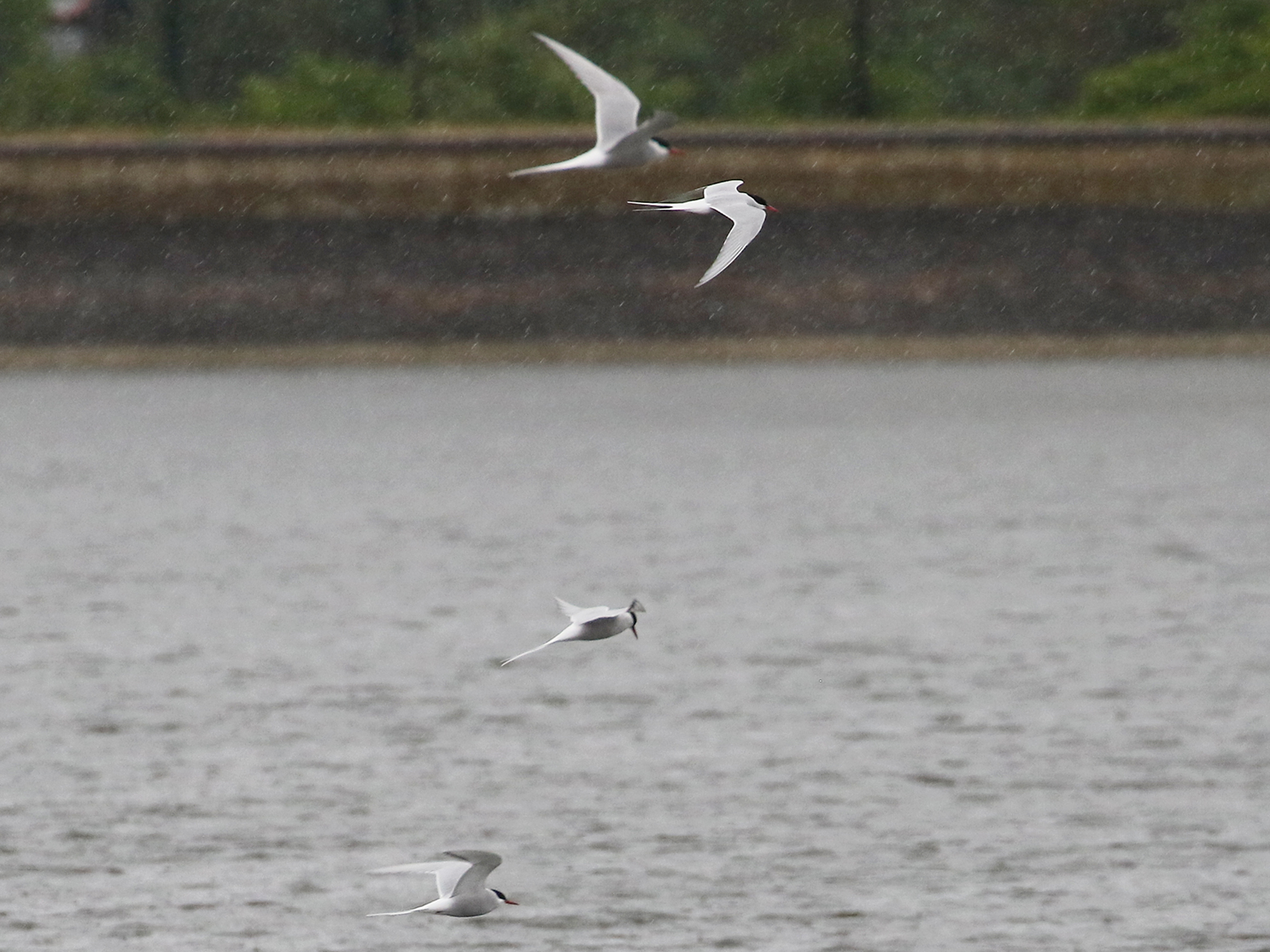
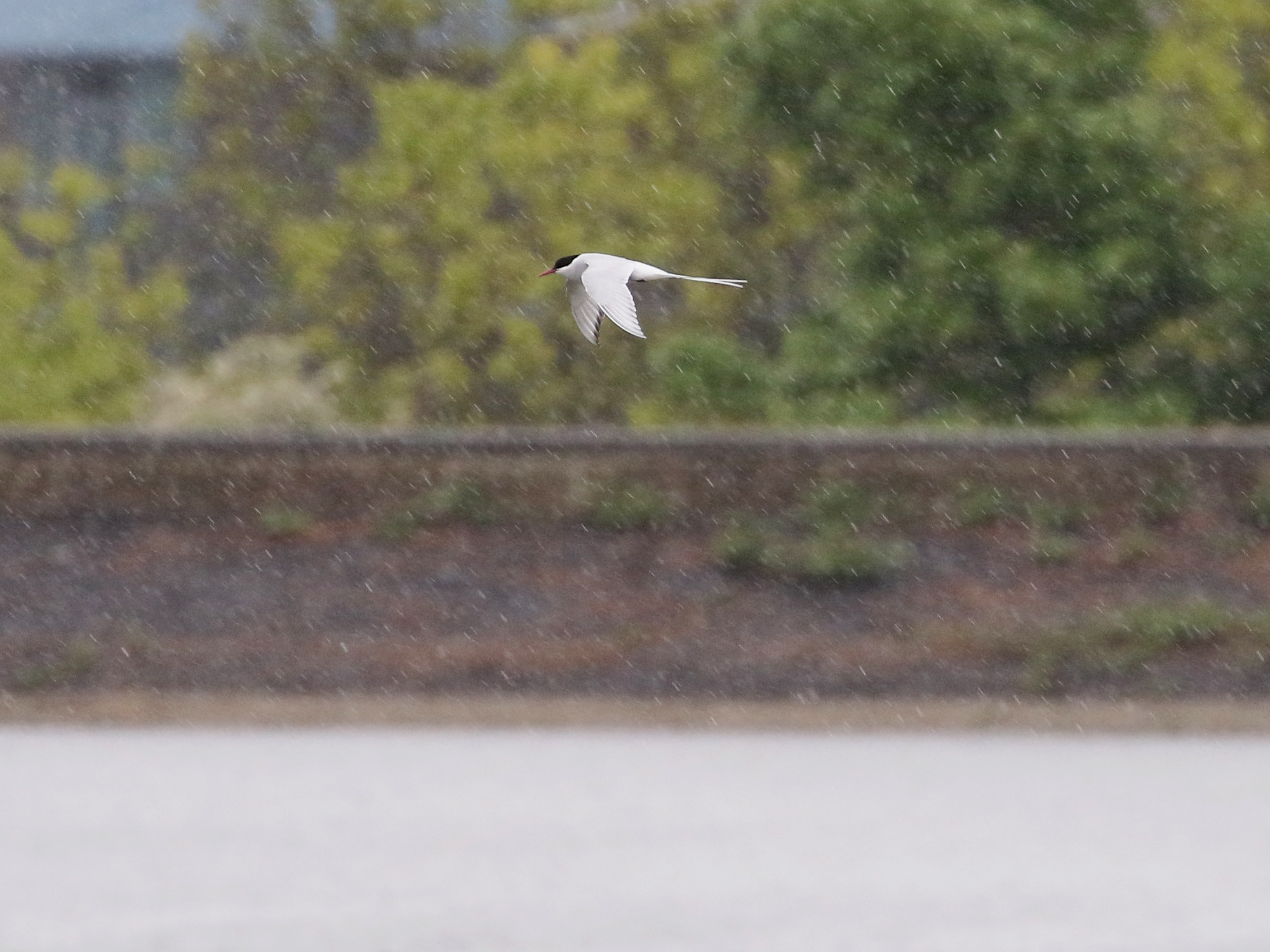
Next is an inland reservoir stalwart’s spring staple and a much looked forward to event for me – Arctic terns on passage in London, 10 birds were present during the rain on the 28th.
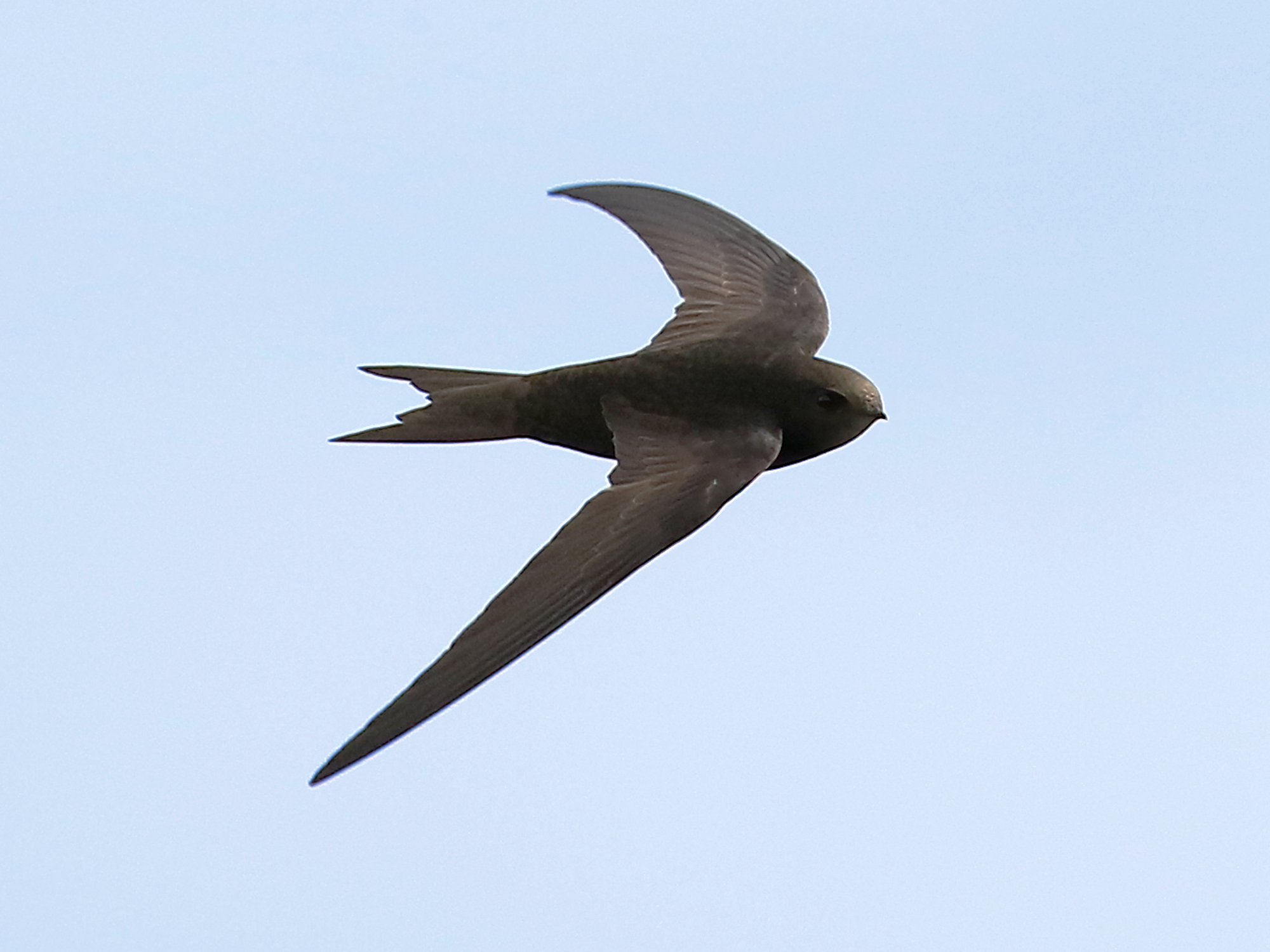
The Swifts are back and in decent numbers over the reses especially and Ive got some breeders back near home too it seems.
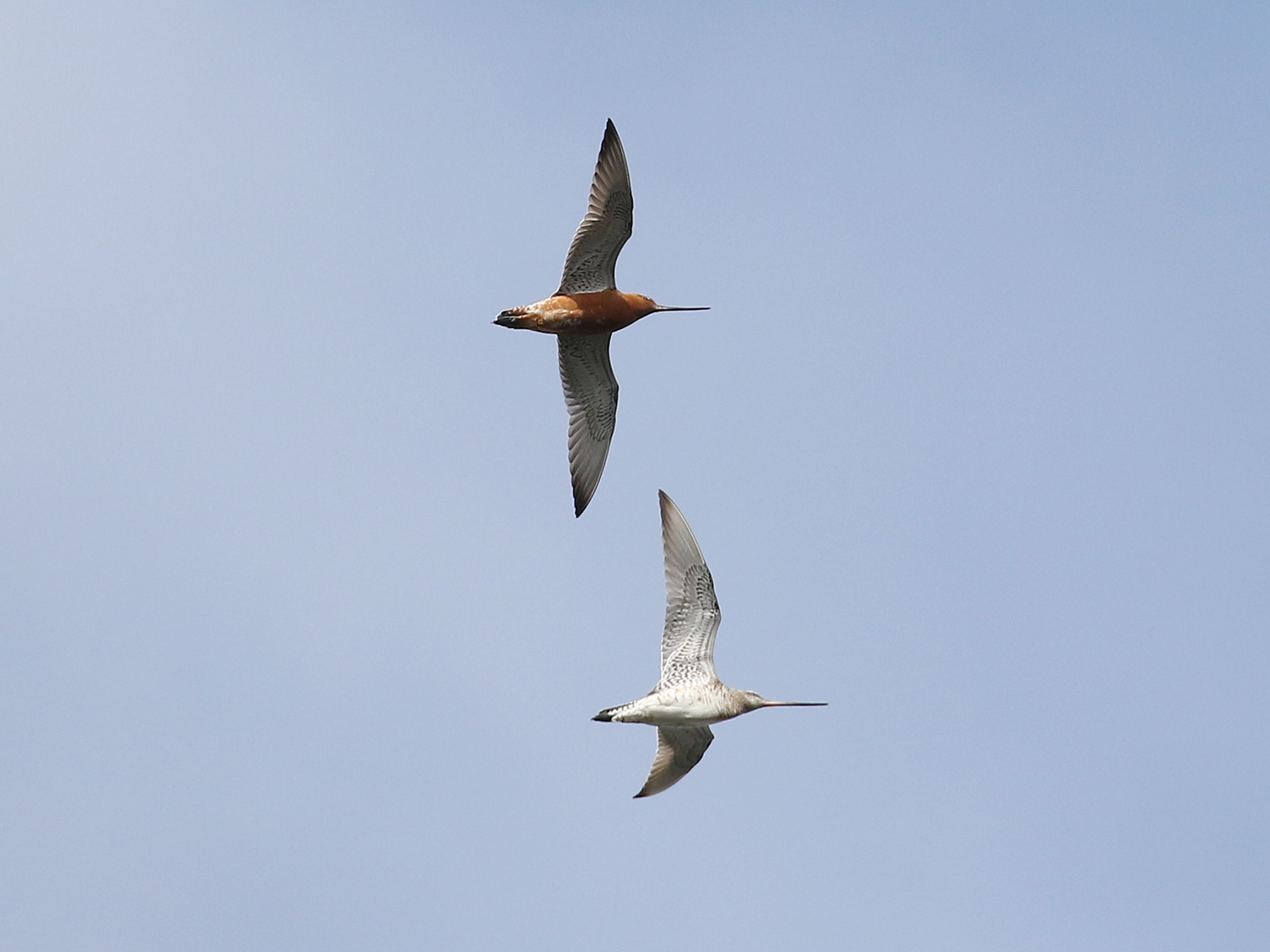
I also had another 4 Bar-tailed godwits over NE on a fine sunny morning , thats 6 birds for me this spring and I think the total recorded over the reservoirs and marshes is 19 which is pretty exceptional locally.
Theres still some holes in my list of things I’d like to see (Little gull, Black tern… Hobby actually!) this spring and hopefully I can connect with those bits and bobs as may advances.
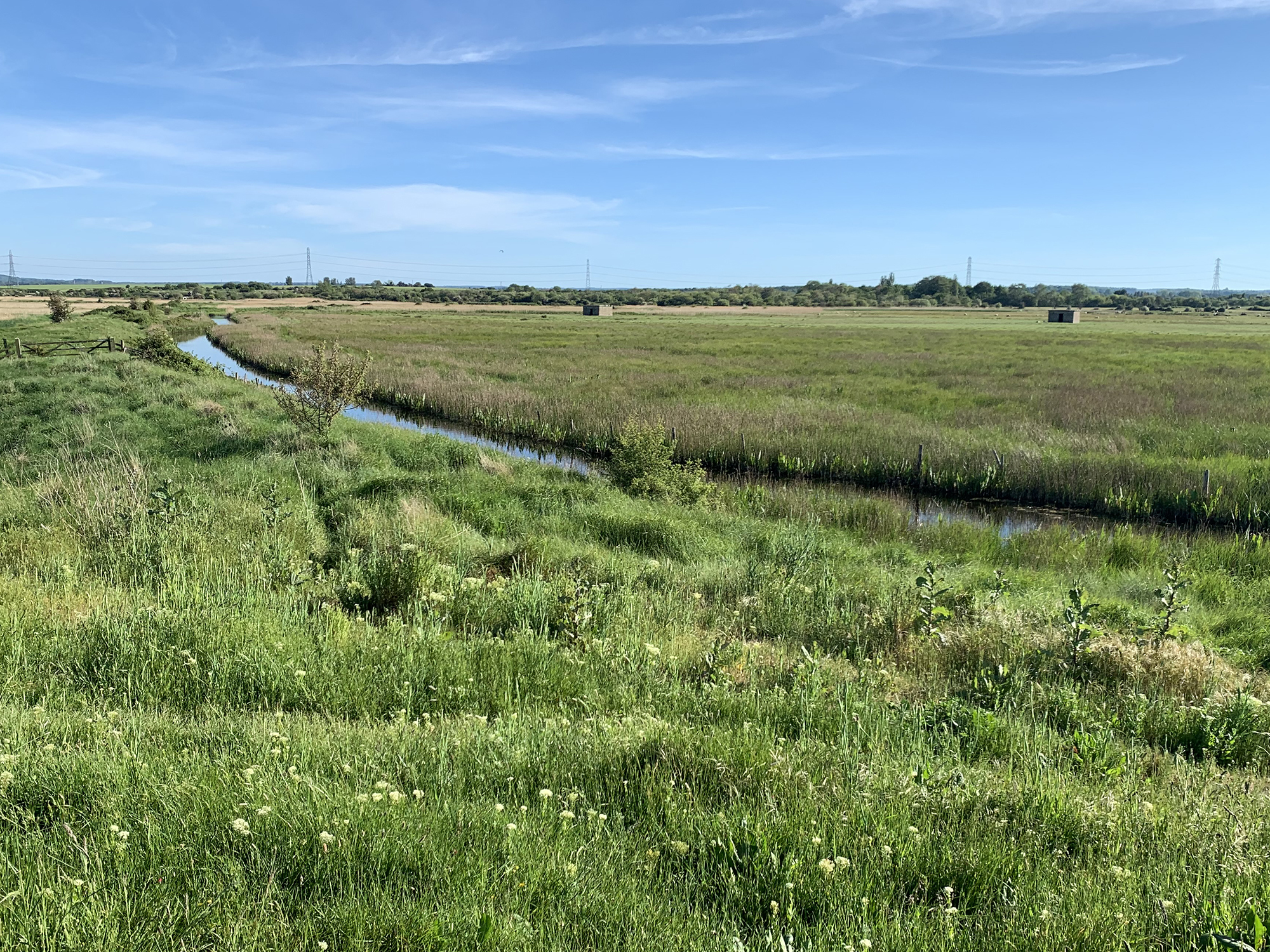
Almost 4 weeks into Lockdown and another 3 at least ahead and my world has become rather small; The house, the shops and Walthamstow Marshes have basically been my map. Ive been spending my daily exercise quota less than 10mins away on the Marshes from 6.30 am – 09.00 am and apart from a few nice migrants its has been fairly quiet as Aprils go. Clear nights, a super moon and a large high pressure over most of the uk haven’t been conducive for bringing down migrants in London really but theres been a small trickle.
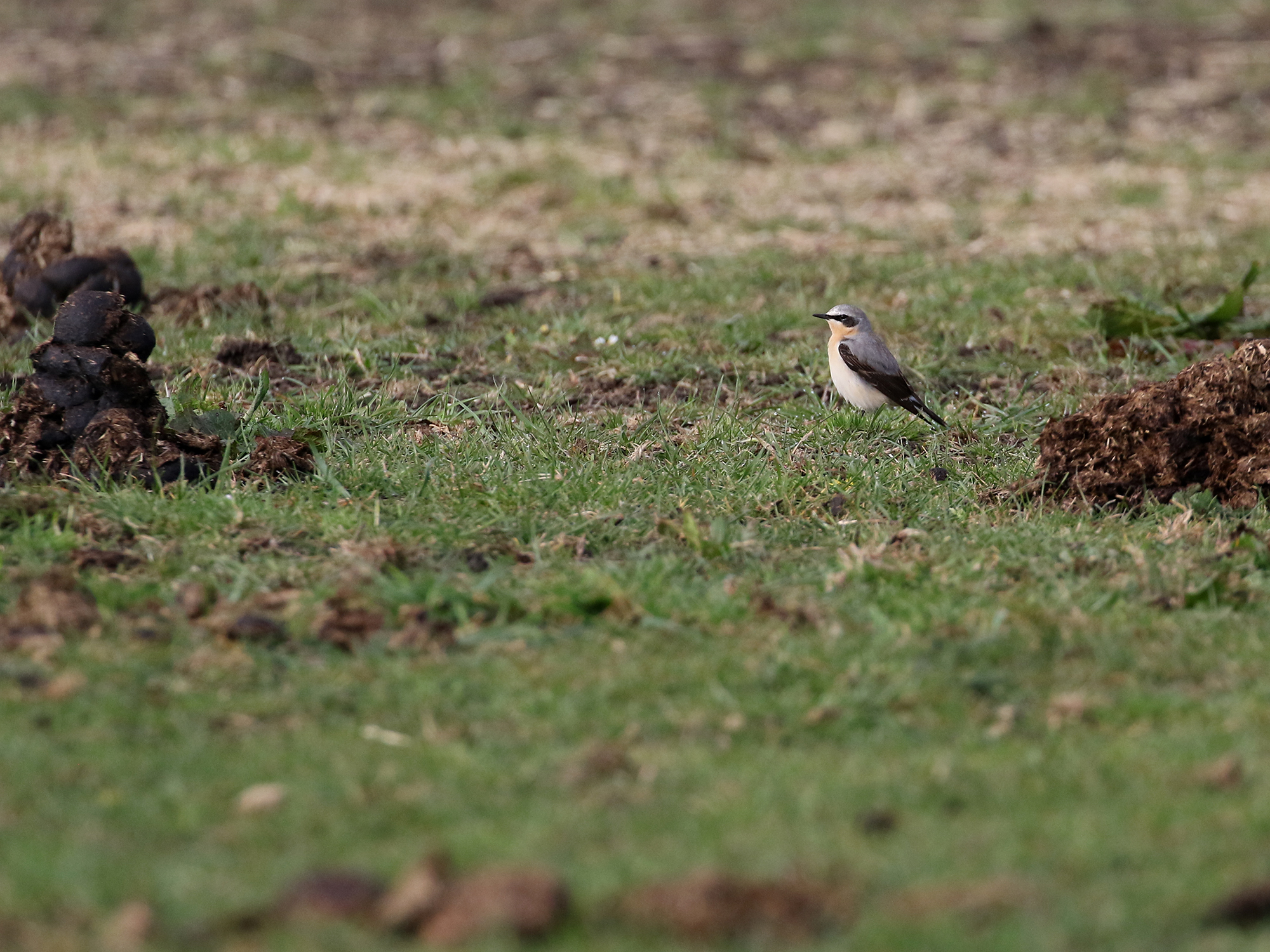
Wheatears were slow to start after an early bird at the end of March but have been present on and off in the paddocks the past few days.
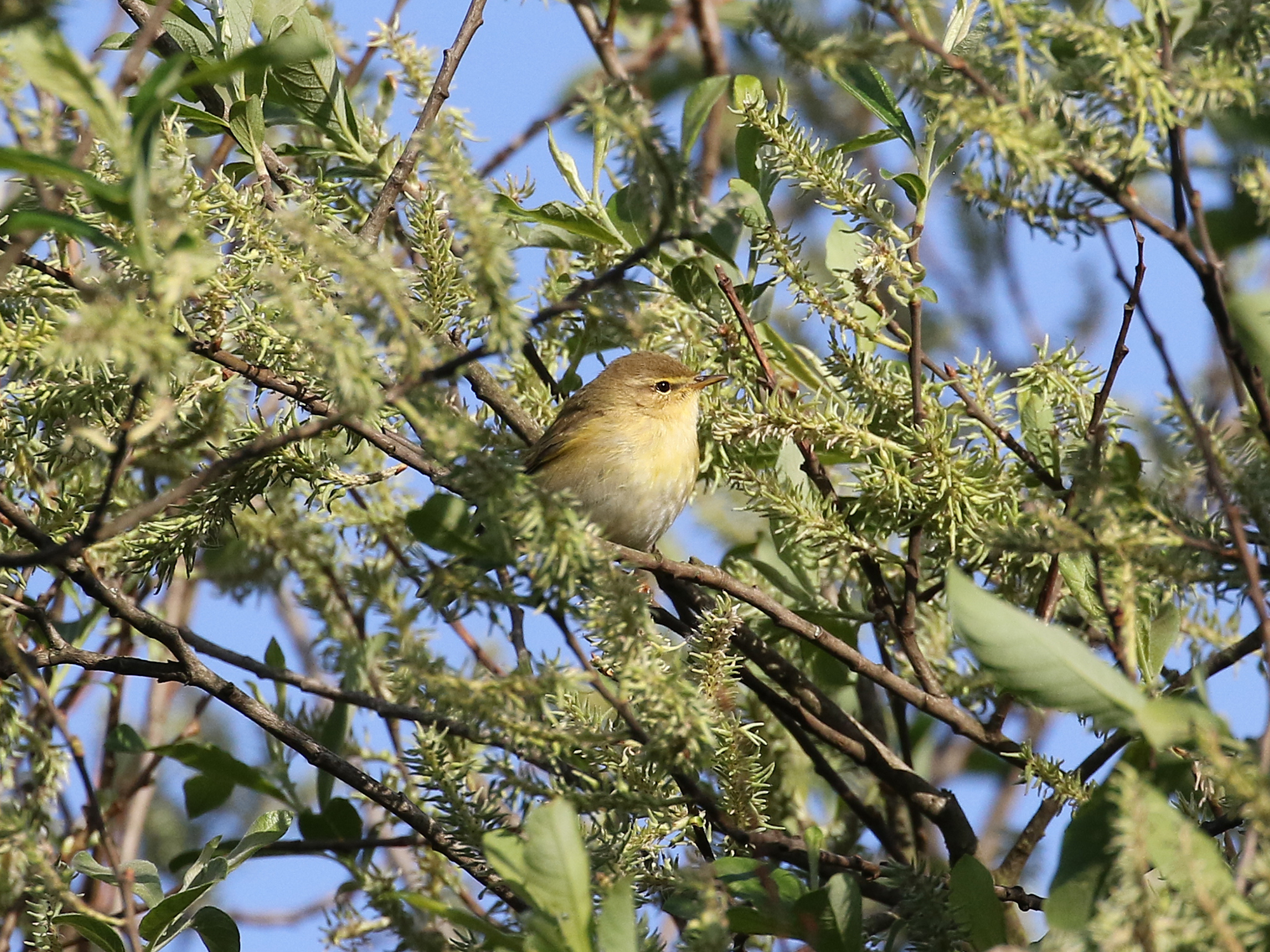
Willow Warblers have been very thin on the ground, I had a day with 6/7 birds singing and another day seeing one bird around the 6th April. Their much looked forward to song has been missed most mornings.
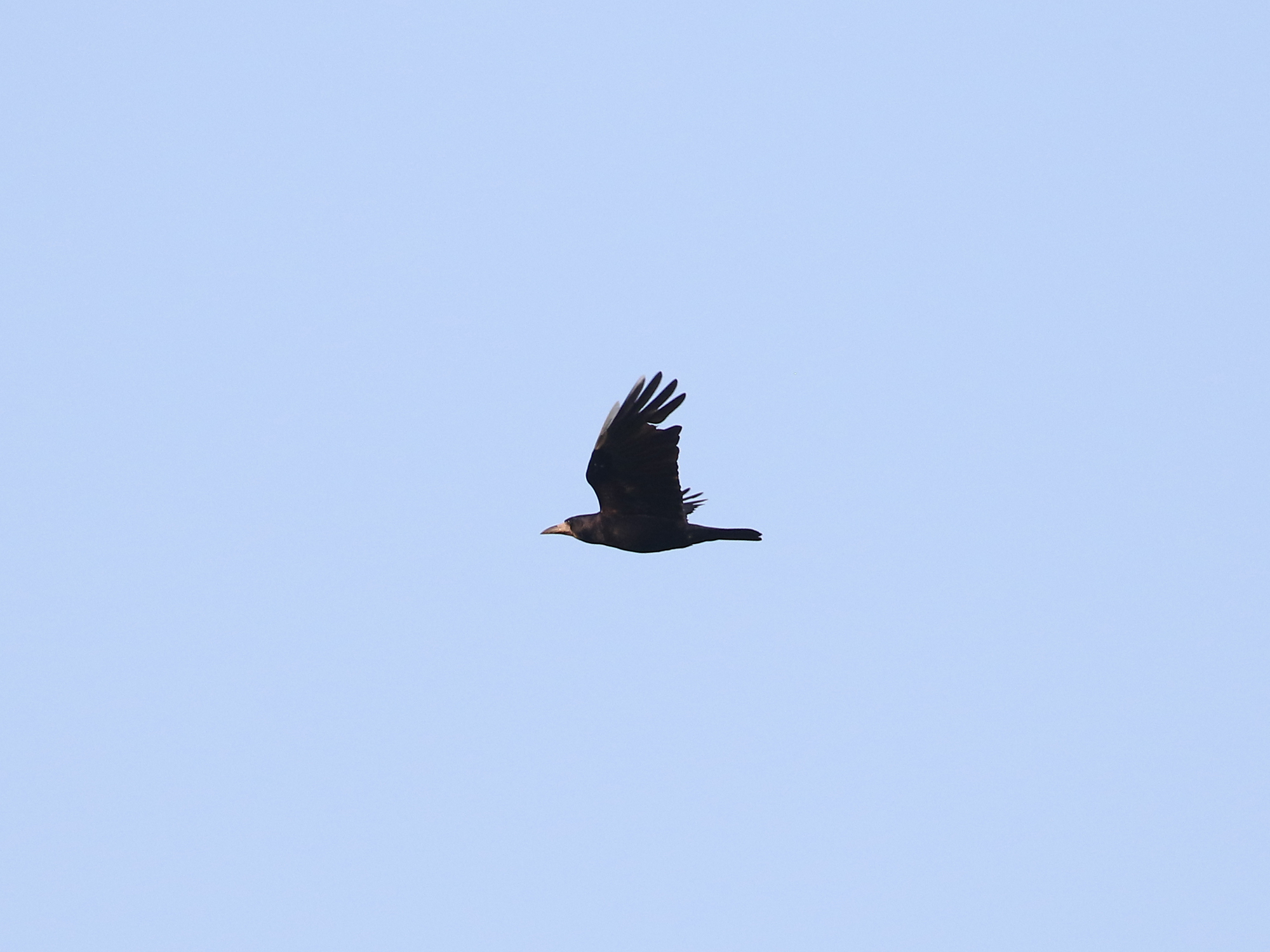
A good spring for Rooks locally with 4 birds seen by myself and more reported by others.
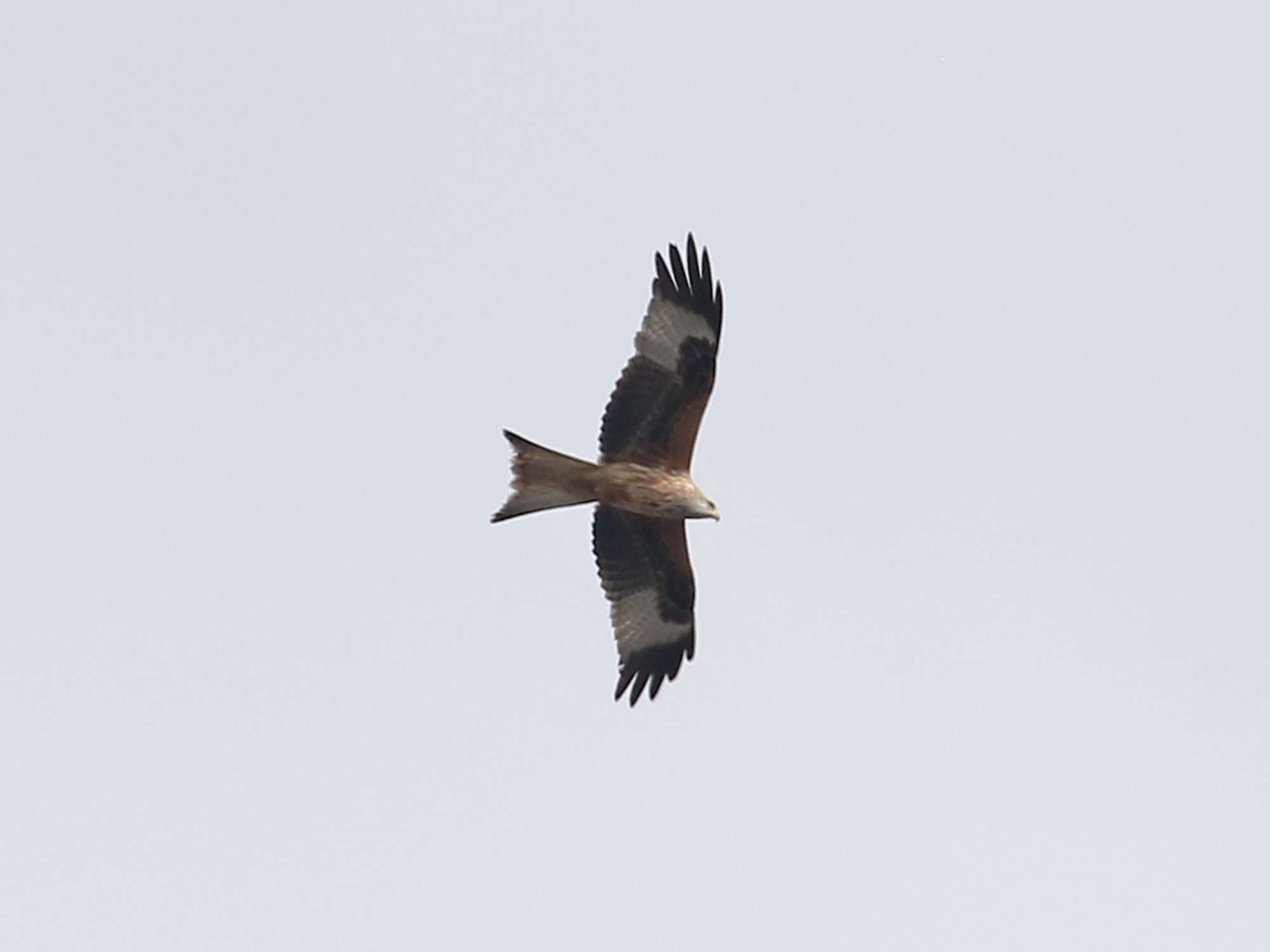
Same goes for numbers of Red Kite locally, I think Ive had about a dozen sightings between my skylight at home and the Marsh. I think its reflective of something that goes on generally with Red Kites in the south east at this time of year rather than these being continental birds.
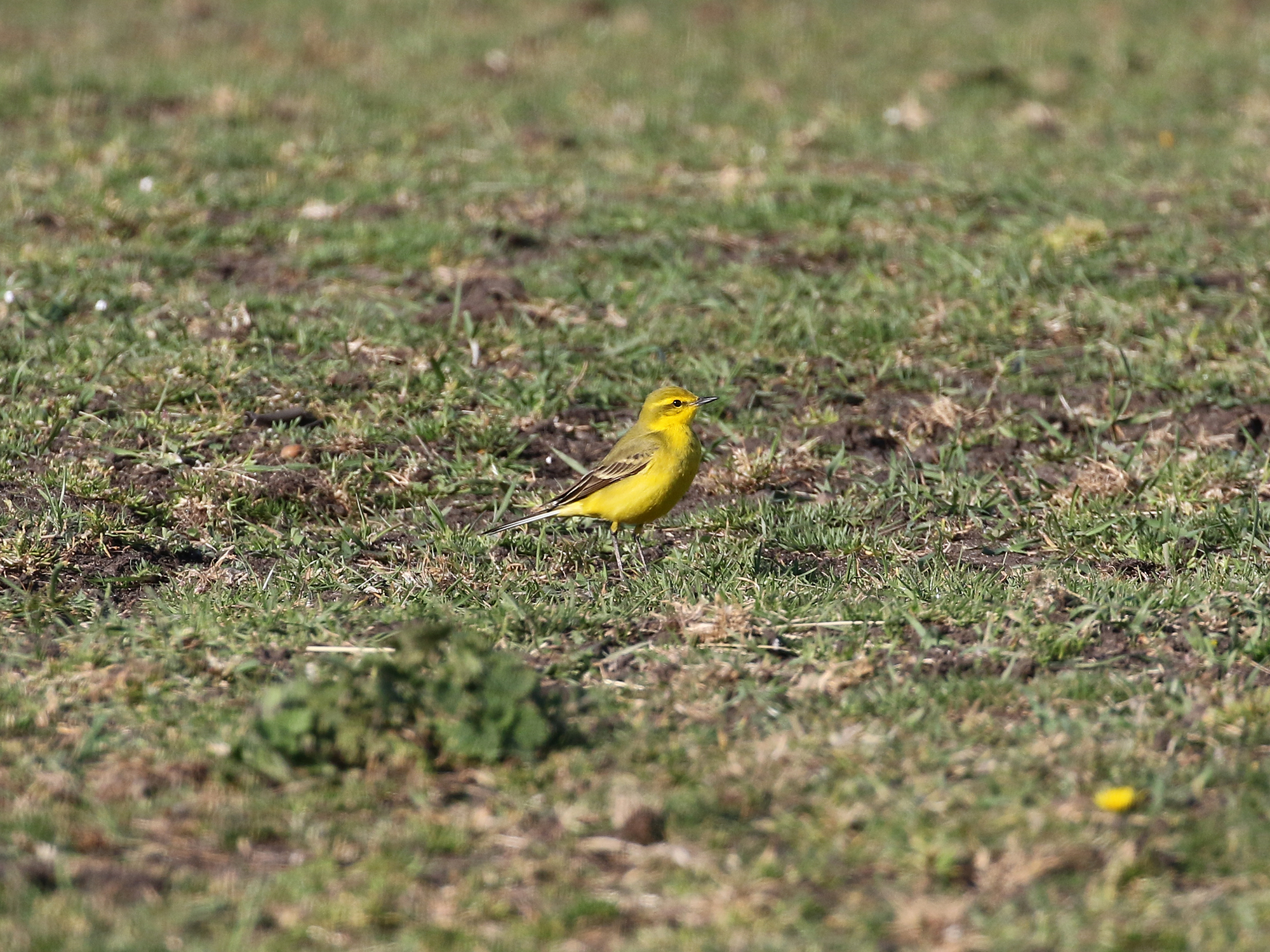
Yellow Wagtails have been observed in fairly decent numbers with birds seen almost every day on the paddocks in ones and twos. Ive also seen 2 smart white Wagtails during april.
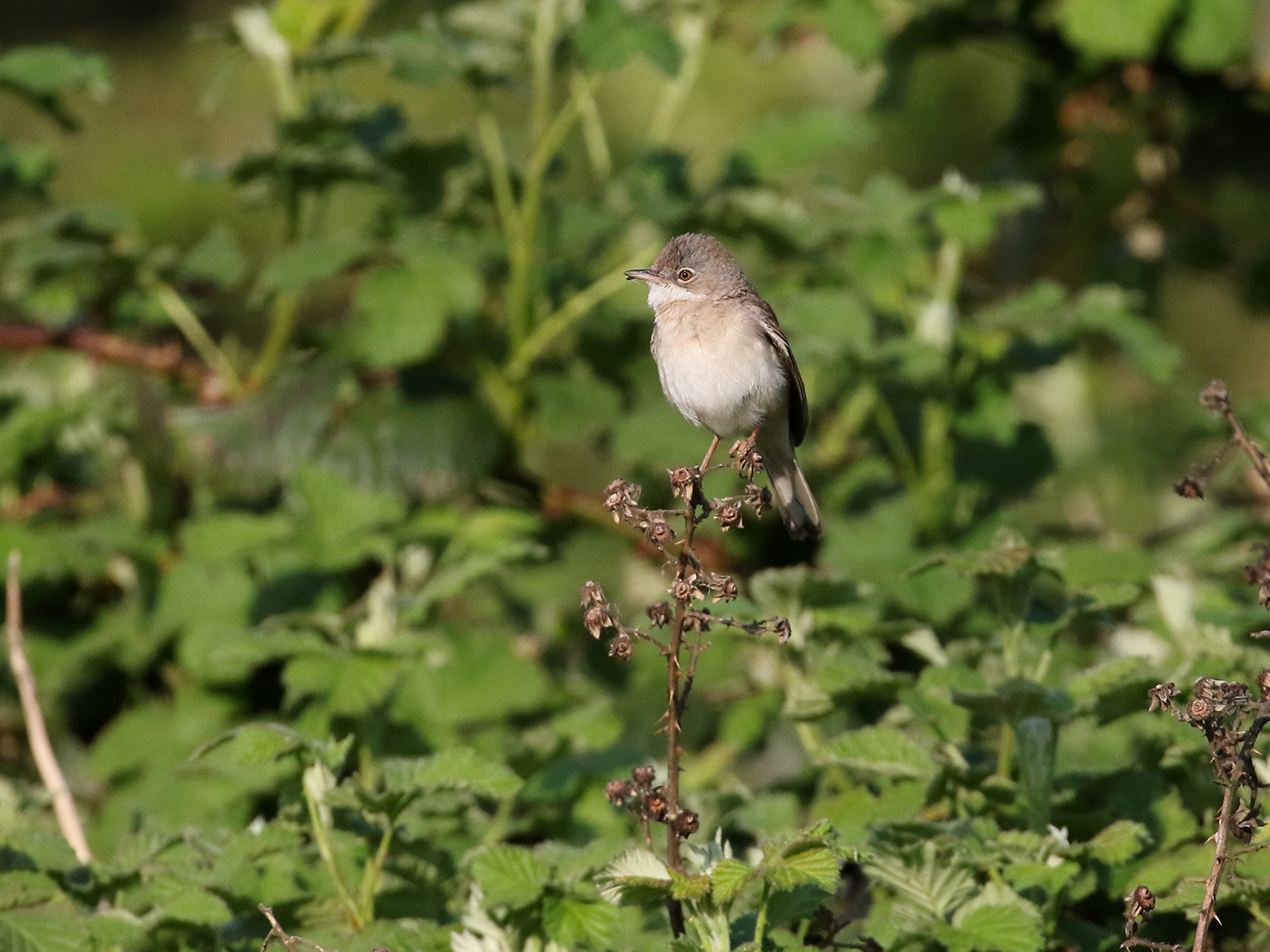
Local breeders such as Common and Lesser Whitethroats are in good numbers respectively and are both vocal around the marsh, as are many Sedge and a few Reed warblers.
Im now up to date with all three Hirundines and had my first local Swift on the 13th (!) moments after a Pair of Bar-tailed Godwits flew low and north over the reservoirs. Another 4 Barwits flew NE on the morning of the 20th, having only seen a couple of flyovers before this has been a good spring for this species – northerly breeders that I very much like seeing in London along with Arctic terns and Whimbrel which are hopefully yet to come. On the subject of waders I had a Green sandpiper fly over calling on the 11th.
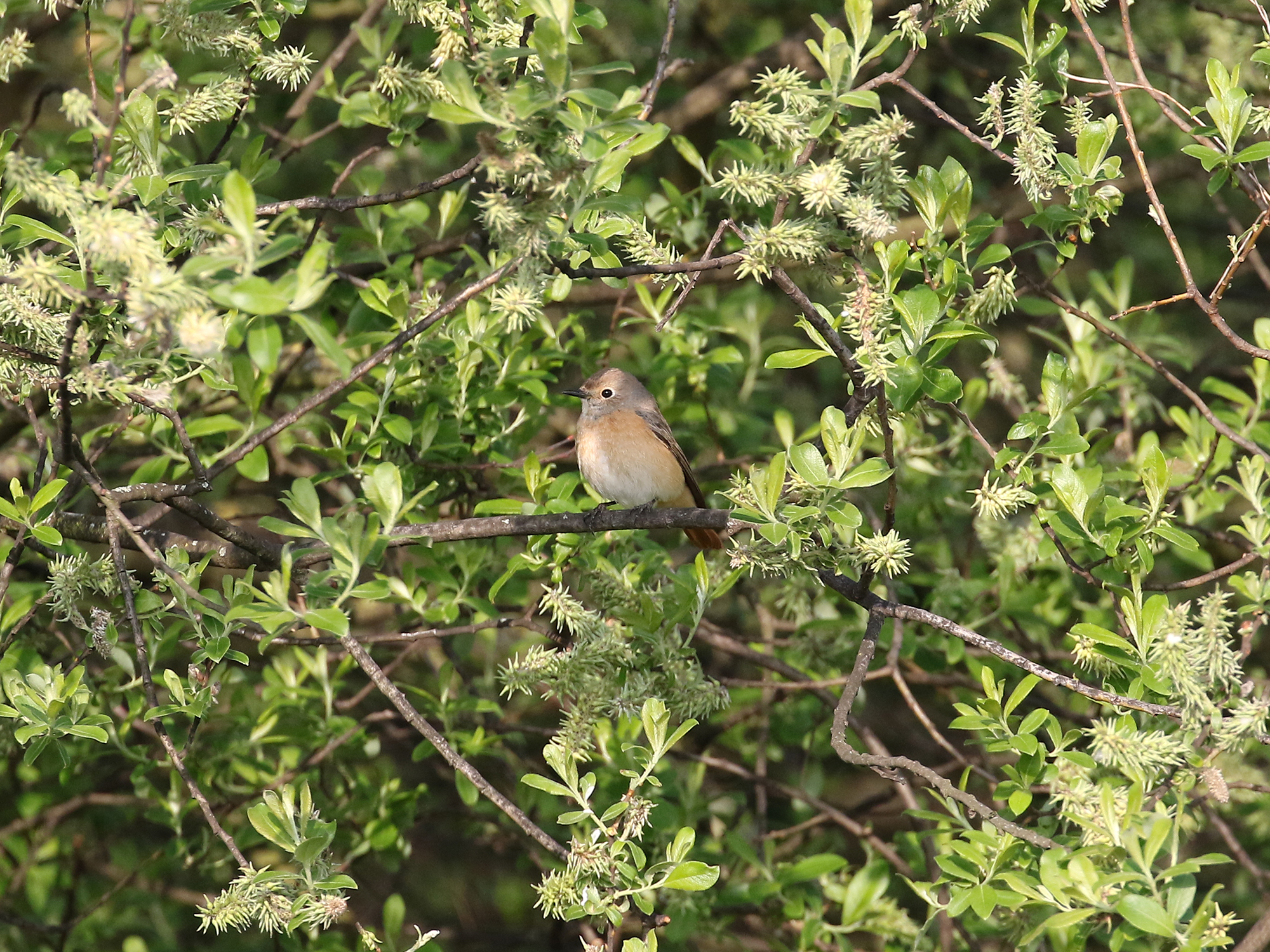
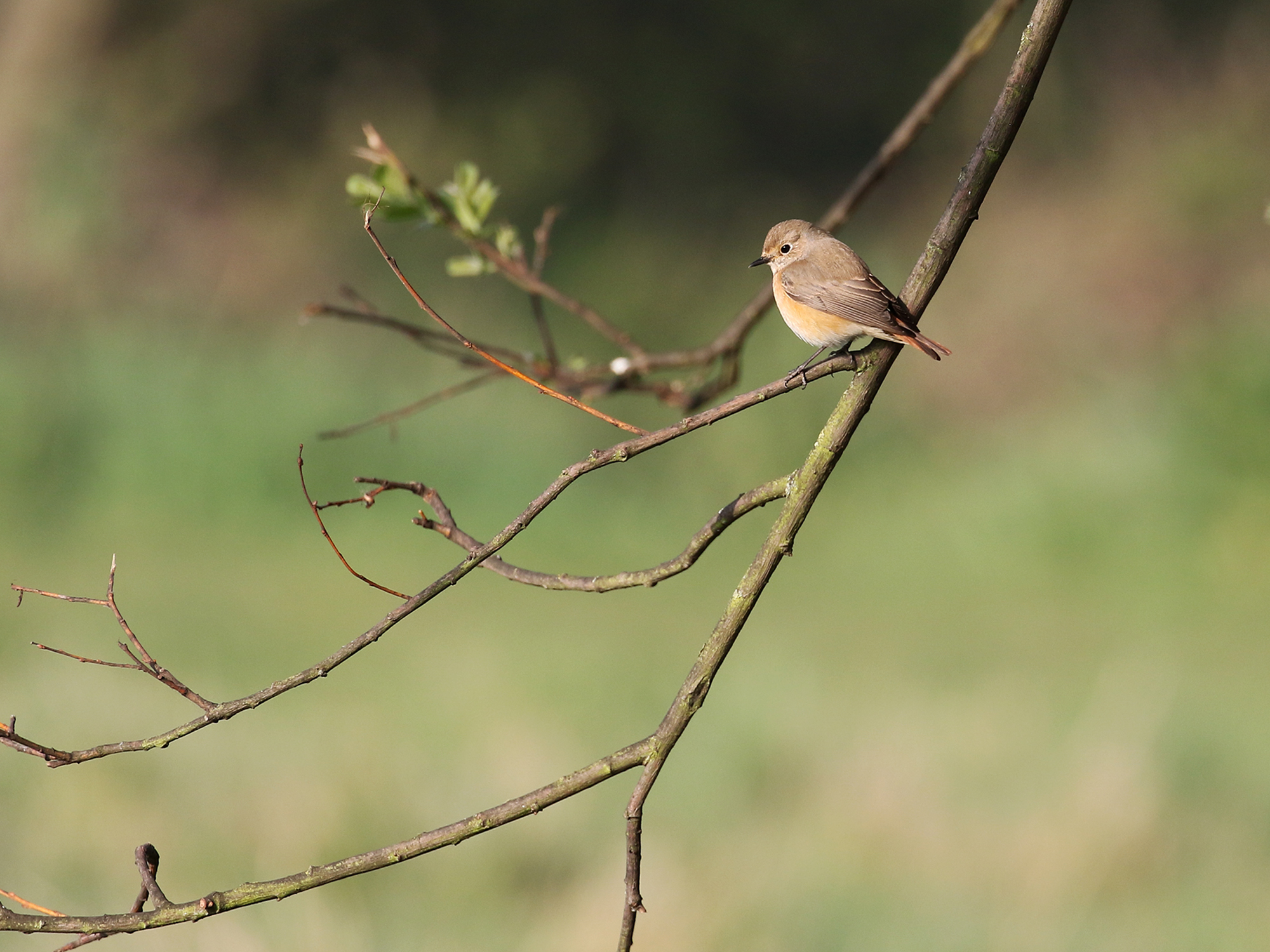
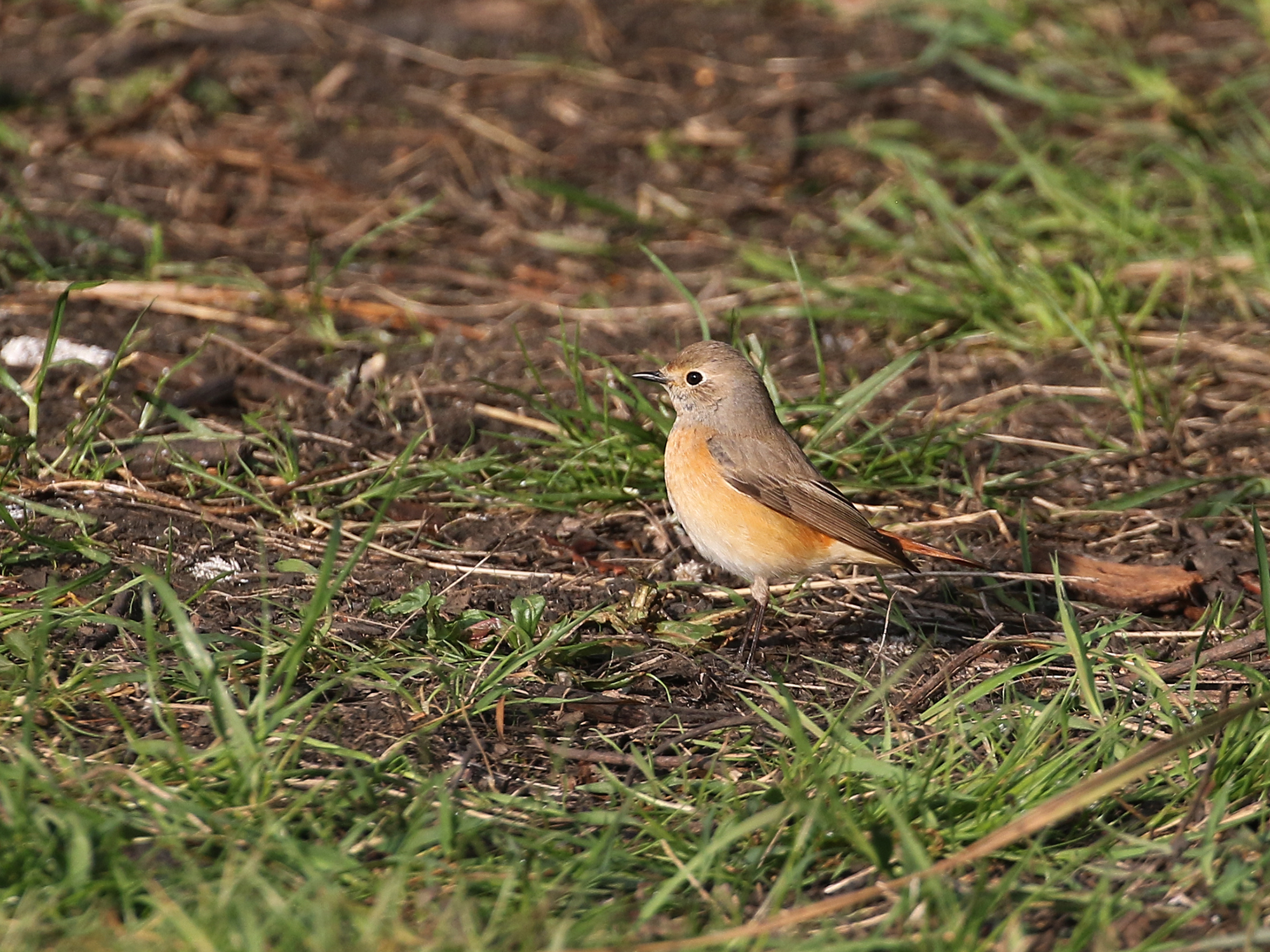
This female Common Redstart was present on the Marsh on the 16th, strangely its been the only reported in London this spring so far. An enjoyable bird!
I missed a Cuckoo on the 19th and the reservoir has had a few Little Gulls through, something I will have to miss out on mid week as work hours stop me getting up there.
Expectations are fairly low with the high pressure set to continue for the next week but I will be out every morning either way.








 PERDIX BIRDER